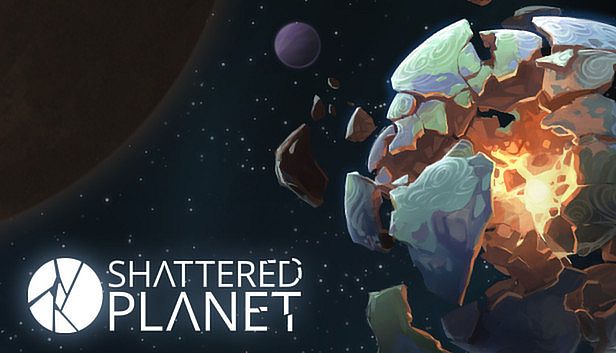










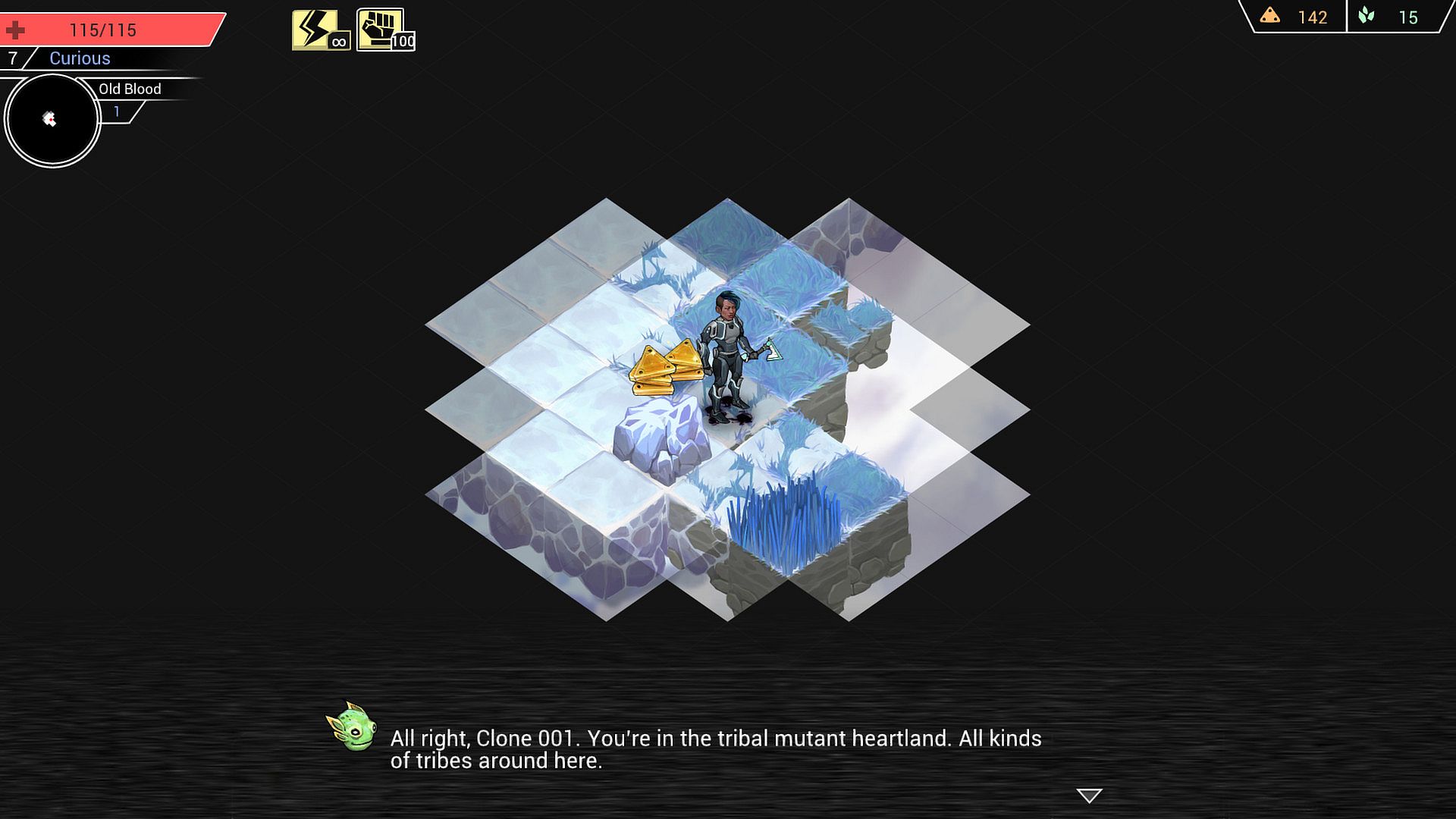
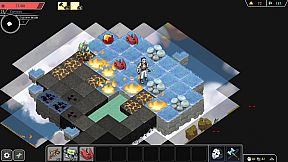
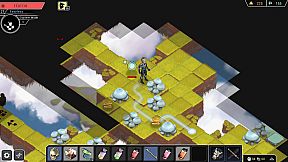
Shattered Planet is a strategy indie RPG that places players in control of a researcher tasked with studying alien life on a hostile, ever-changing world. Developed by Kitfox Games and released for PC in 2014, the game combines roguelike elements with resource management and collection mechanics in a single-player experience focused on survival and discovery across procedurally generated environments.
Gameplay
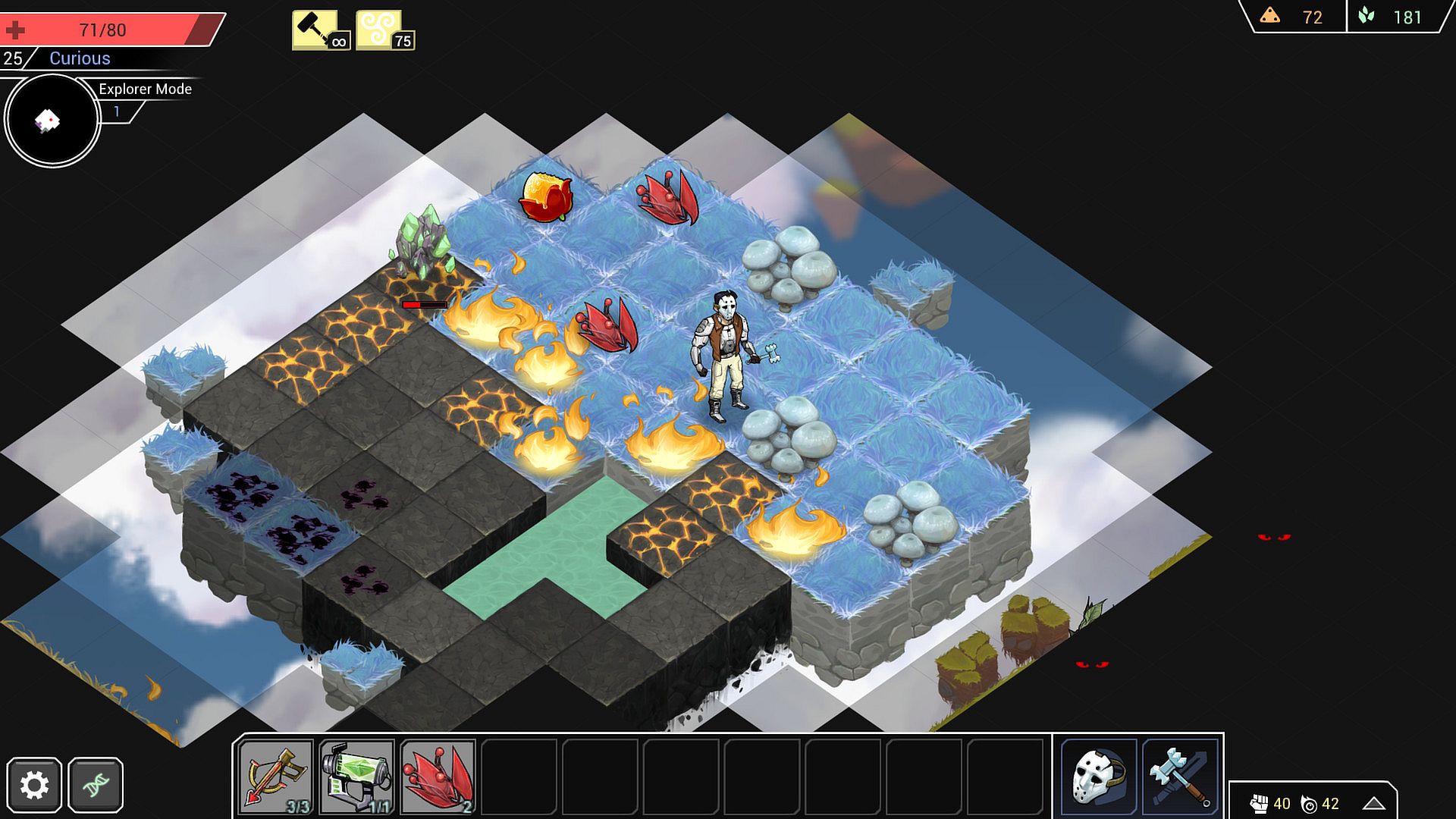
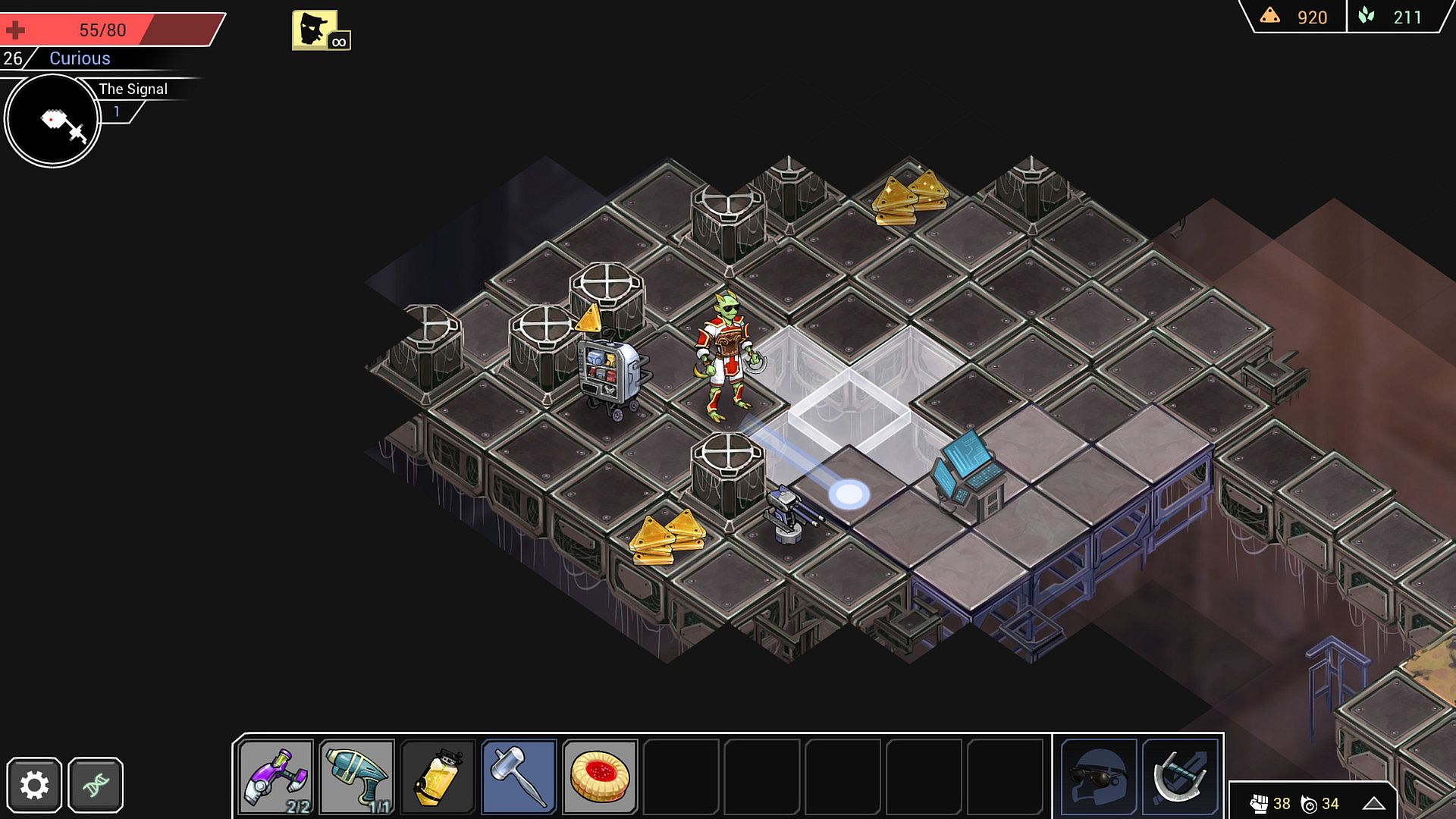
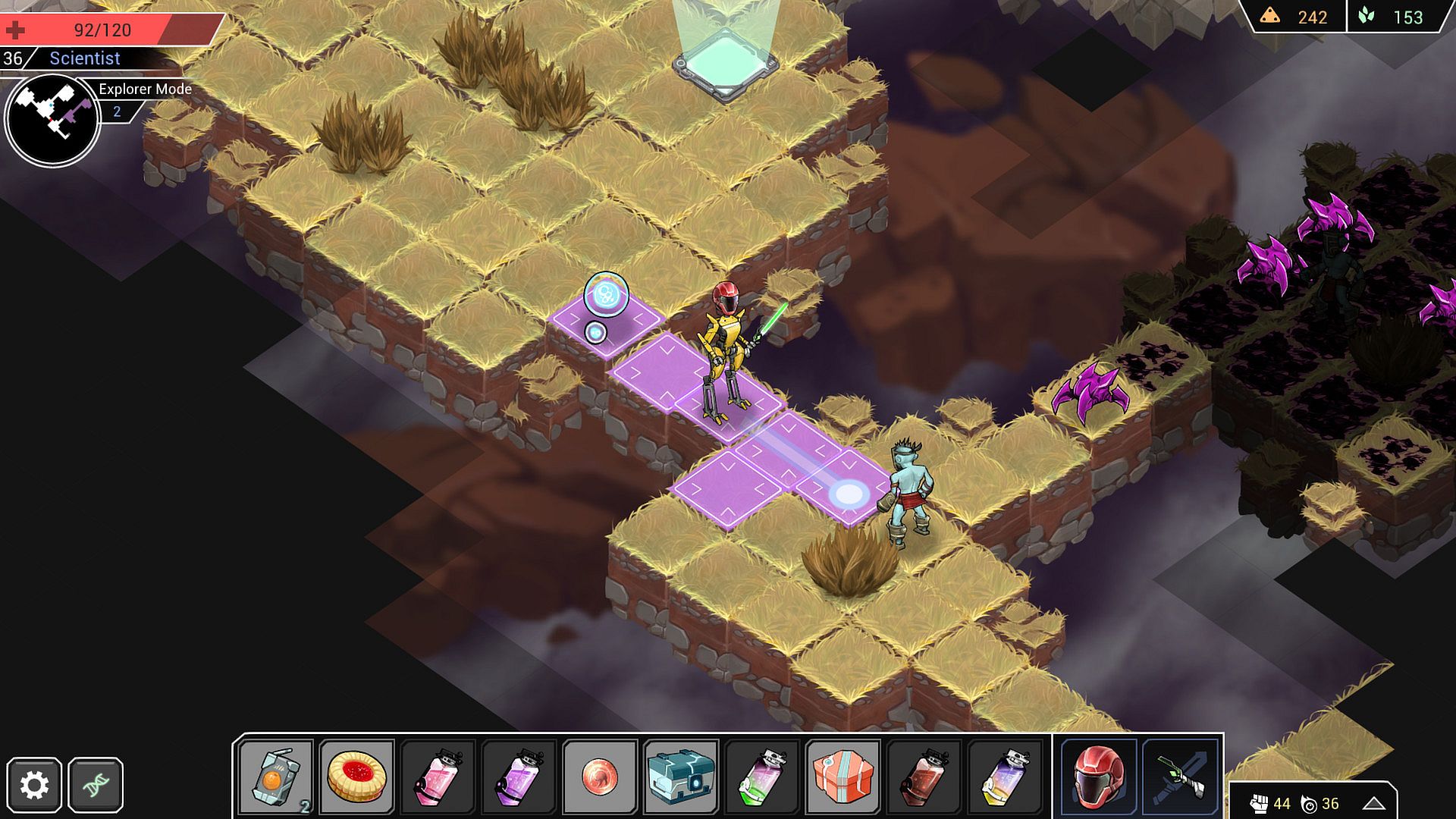
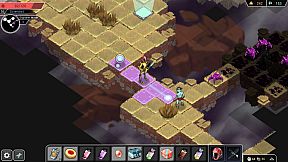
The core loop revolves around landing on a dangerous planet to research wildlife through direct interaction that often turns into combat. Hazards include aggressive aliens, environmental threats, and unusual elements like space sushi that can prove either beneficial or lethal. Players collect scrap metal during expeditions to upgrade personal stats between missions, improving chances on subsequent runs.
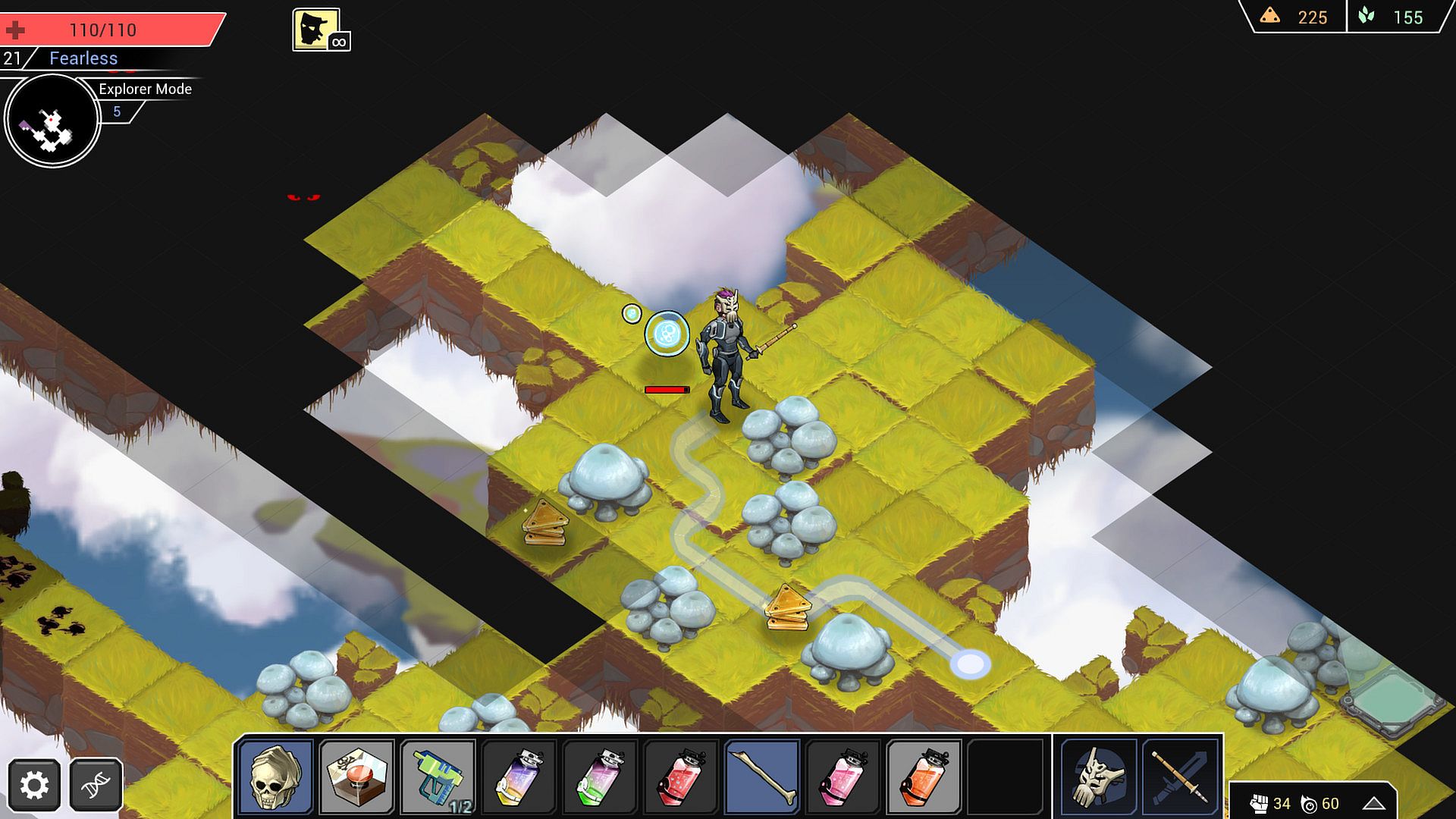
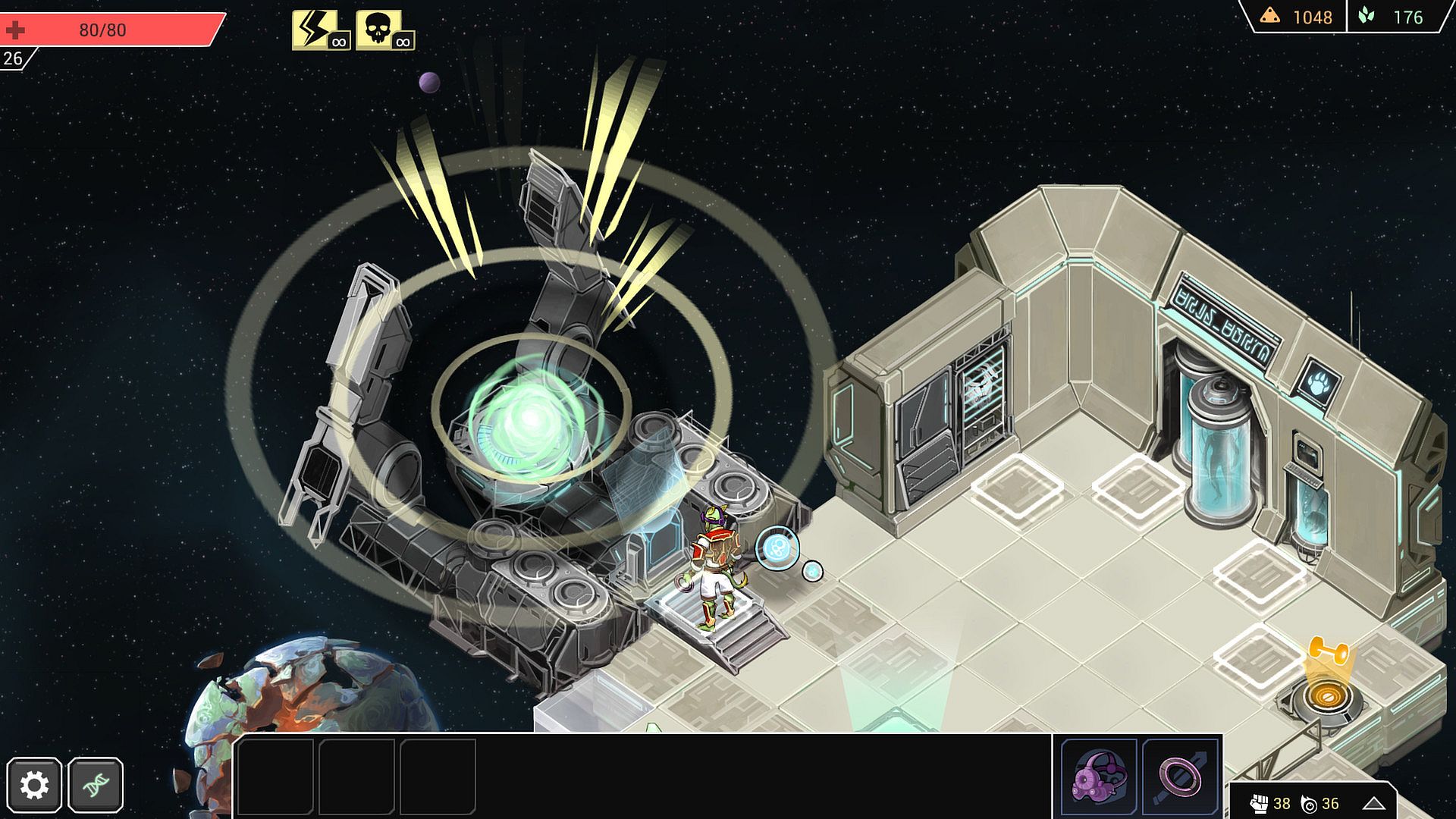
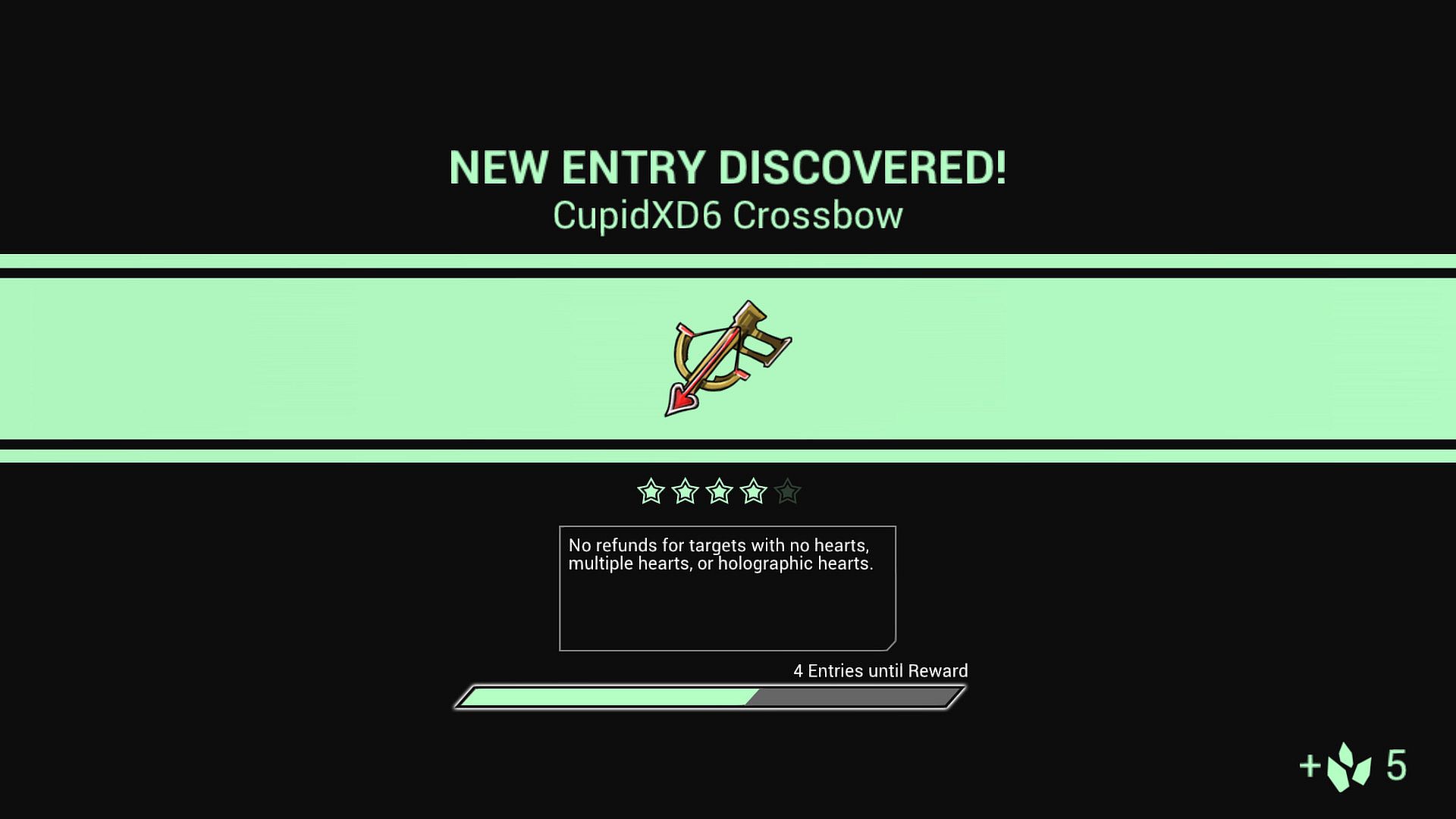
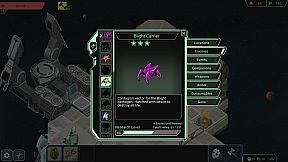
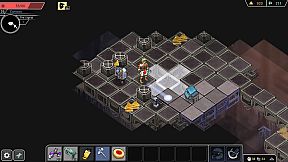
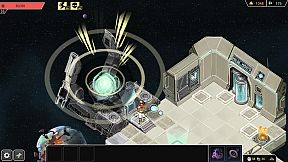
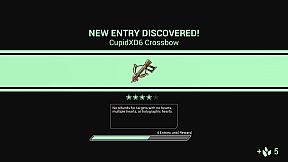
Equipment plays a central role, with over 200 lost technologies available for discovery. Items range from practical tools to whimsical objects, all of which can be gathered and displayed on the player's space station. This collection system encourages repeated playthroughs as players aim to expand their inventory of weapons, toys, and creatures.
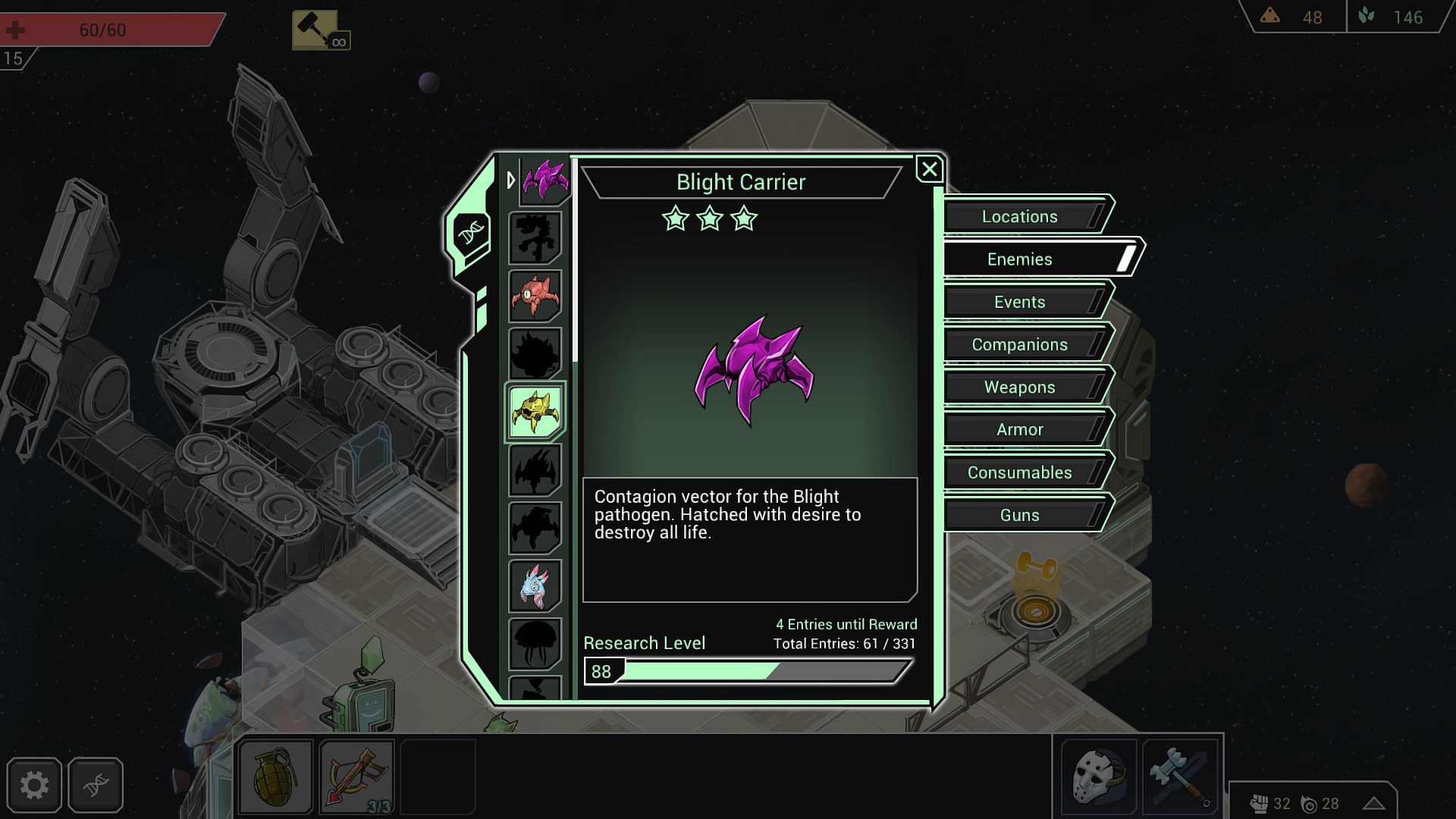
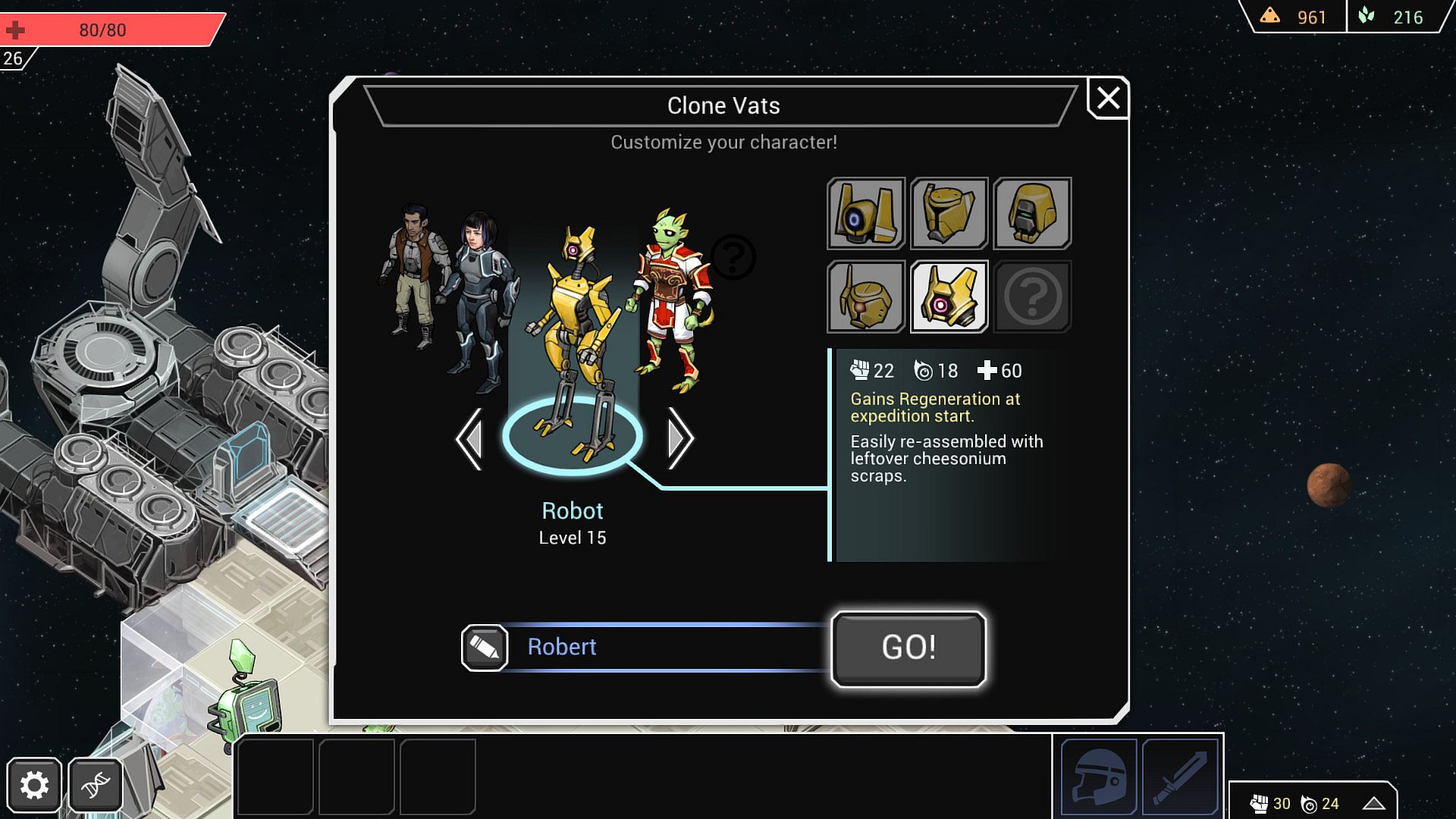
Alien interactions add another layer through domestication and cloning. Players can tame wildlife for companionship, but pets may wander off, pursue their own goals, or perish. Cloning technology allows restoration of favored aliens, turning setbacks into opportunities for continued experimentation. The procedural generation ensures each planet layout differs, requiring adaptation to new terrain and enemy placements every time.
Game Modes
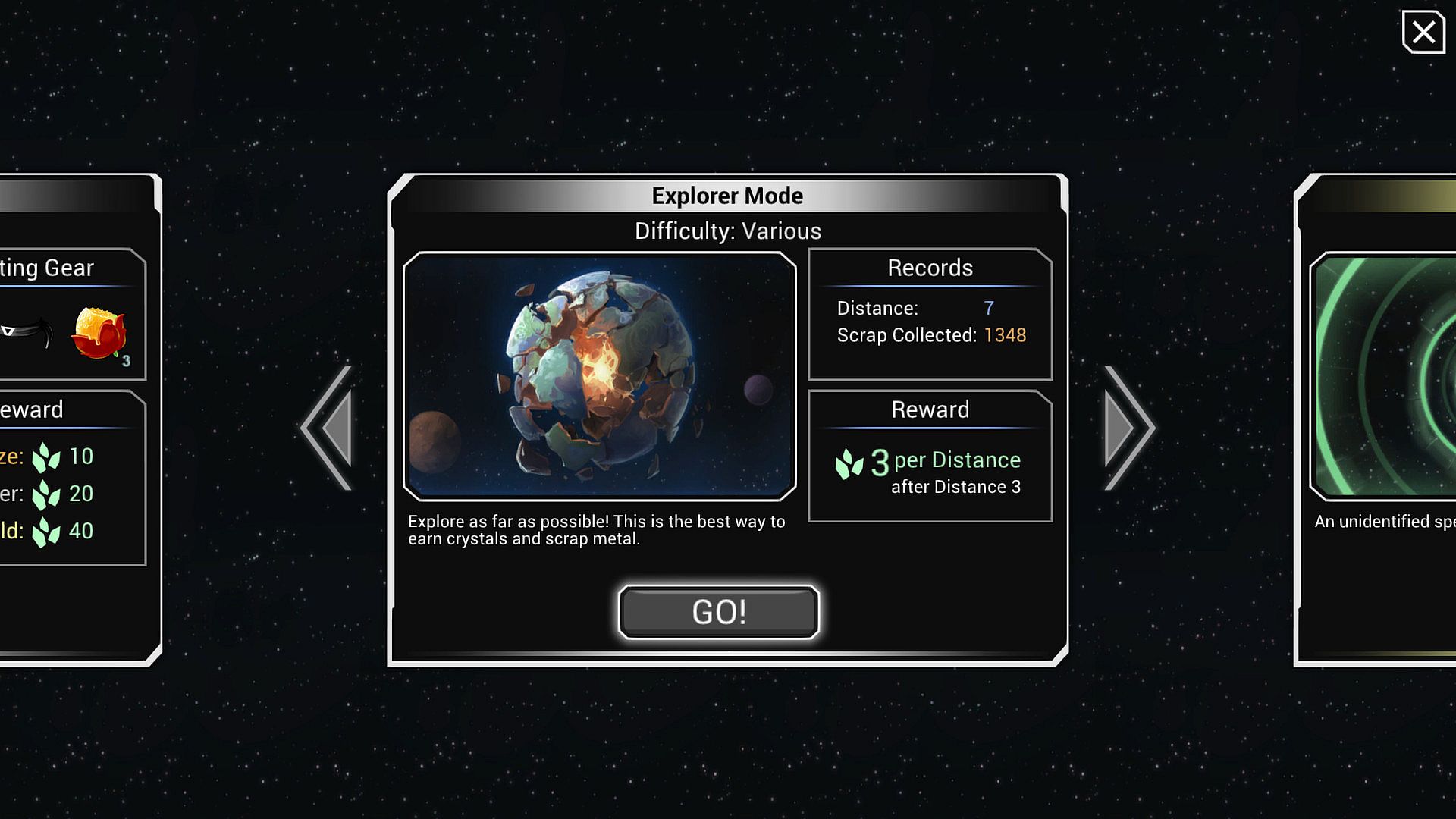
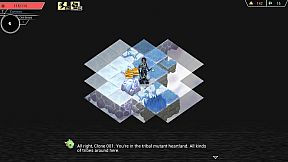
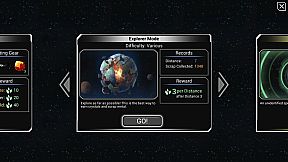
Exploration occurs through completely procedurally generated levels that reset with each attempt. This structure emphasizes trial and error as players learn to navigate hazards and optimize research efforts. A daily challenge mode provides a shared experience where everyone receives the same planet configuration, allowing comparison of progress and strategies with others.
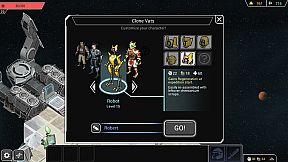
The class system ties into clone customization, where different skins grant specific advantages during missions. These variations influence playstyle without altering the fundamental loop of landing, researching, surviving, and returning with resources. Whether a run ends in success or failure, upgrades and collected items carry forward to strengthen future attempts.
Progression and Collection
Between missions, scrap upgrades form the backbone of long-term advancement. Players allocate resources to enhance capabilities, creating a steady sense of improvement even after unsuccessful expeditions. The space station serves as a hub for organizing the growing collection of technologies and alien specimens.
Domestication mechanics reward careful management of alien relationships. Tamed creatures provide utility during runs, while cloning mitigates losses and supports ongoing experimentation. This system integrates with the broader goal of cataloging wildlife, blending combat, strategy, and light management elements into each outing.
Is It Worth Playing?
Shattered Planet holds mixed reception with 68 percent positive reviews from 403 user submissions. The game appeals to those who enjoy roguelike strategy RPGs with strong procedural generation and collection depth. Its short, repeatable missions suit players seeking quick sessions that build toward larger goals through upgrades and discoveries.
Strengths lie in the charming presentation of alien interactions and the satisfaction of expanding the space station collection. The daily challenge adds a competitive edge for those interested in comparing results. Limitations include its mobile-oriented design roots, which some players note in controls and pacing on PC.
Those drawn to indie strategy titles with roguelike survival and alien research themes will find consistent value in the mechanics. The absence of ongoing updates means the experience remains as originally released, focused on core loops rather than seasonal content. It suits patient explorers who appreciate adapting to new layouts and refining strategies over multiple runs.