

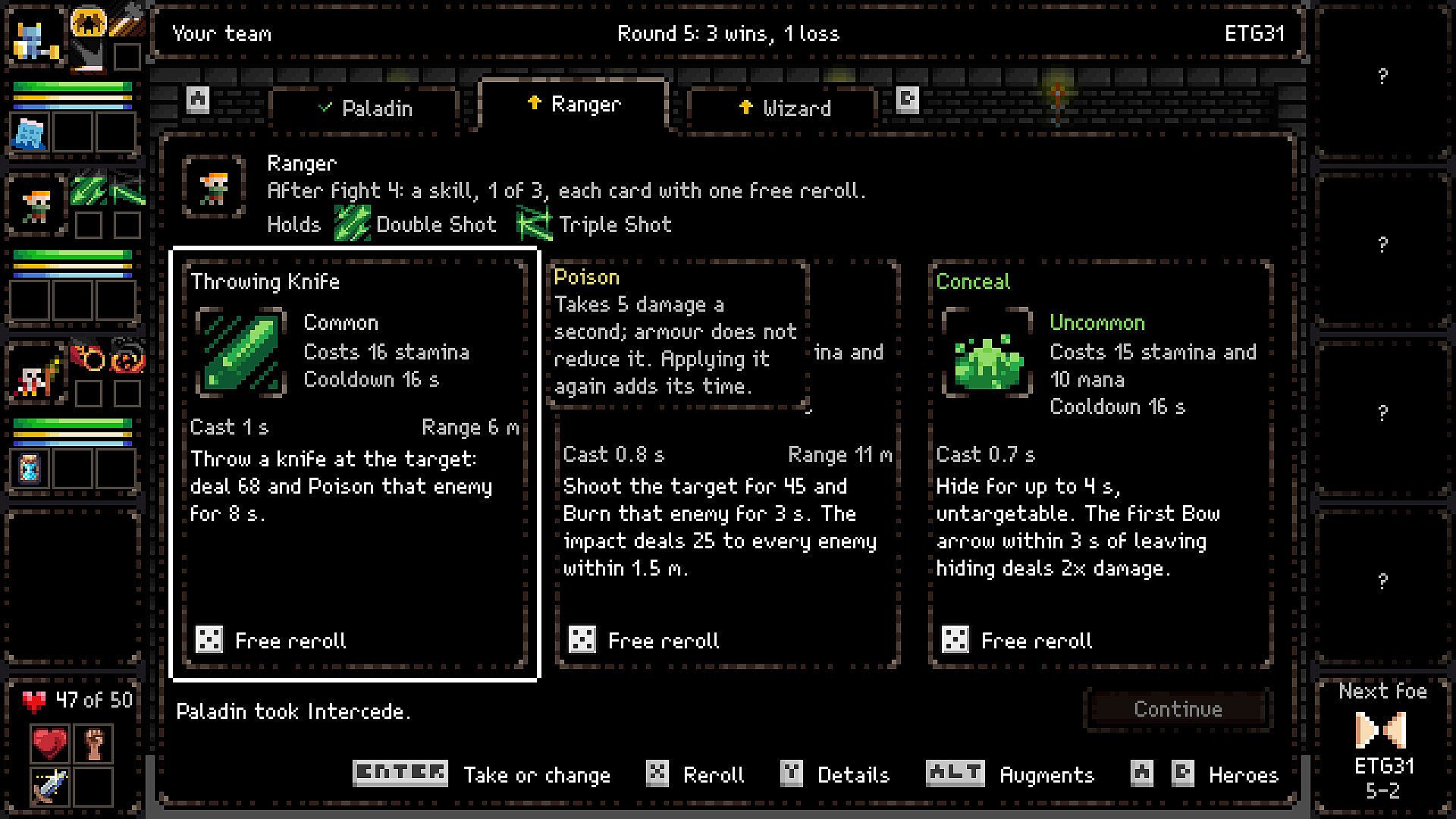
Shademarch is a strategy RPG autobattler built around asynchronous player versus player combat on PC. Players draft heroes from a roster of classes, select skills and items to shape their teams, and then watch those teams compete against builds created by others. The core loop centers on preparation and observation rather than direct control during fights, with progression split between extended campaigns and quick competitive runs.
Gameplay
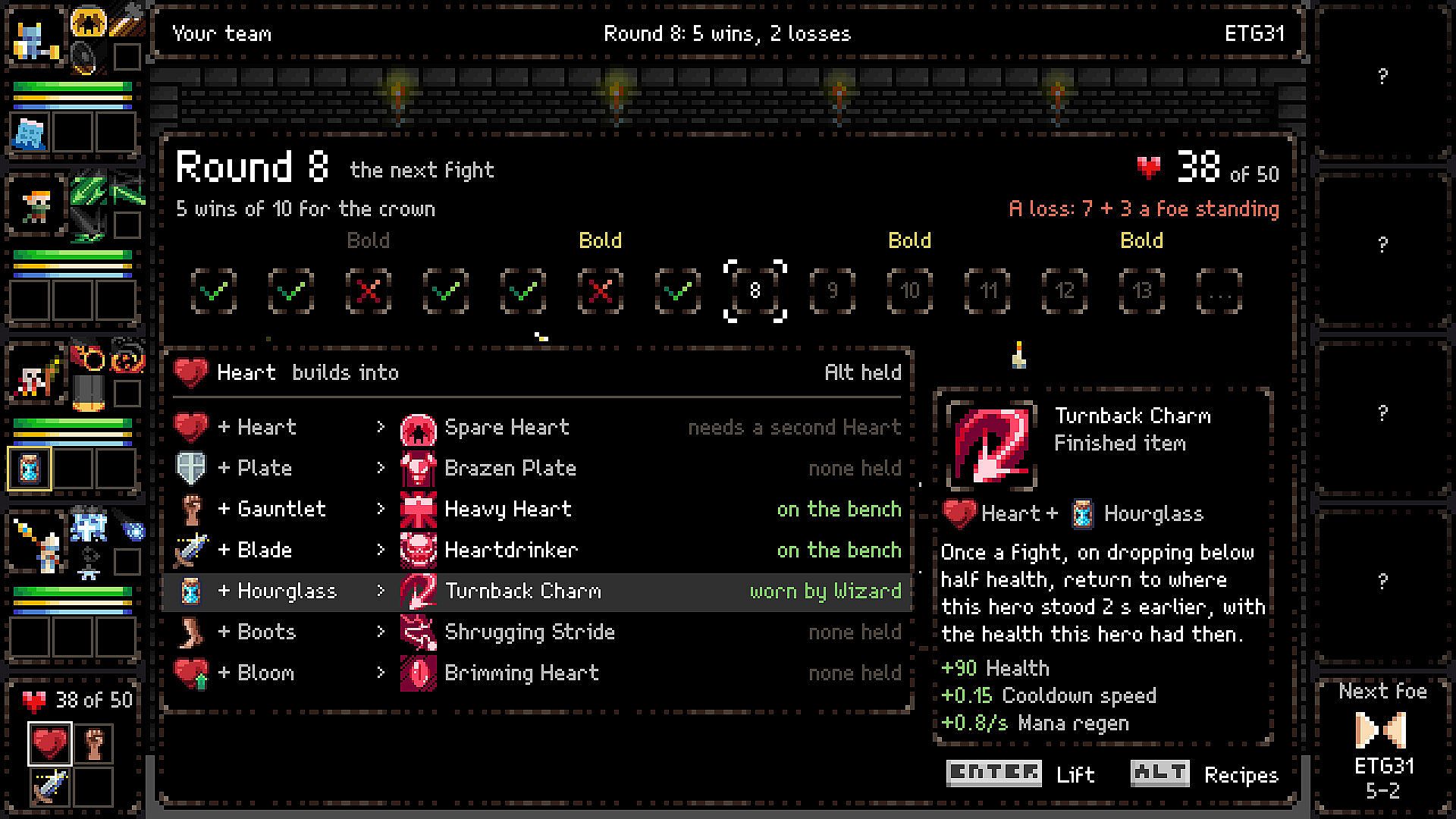
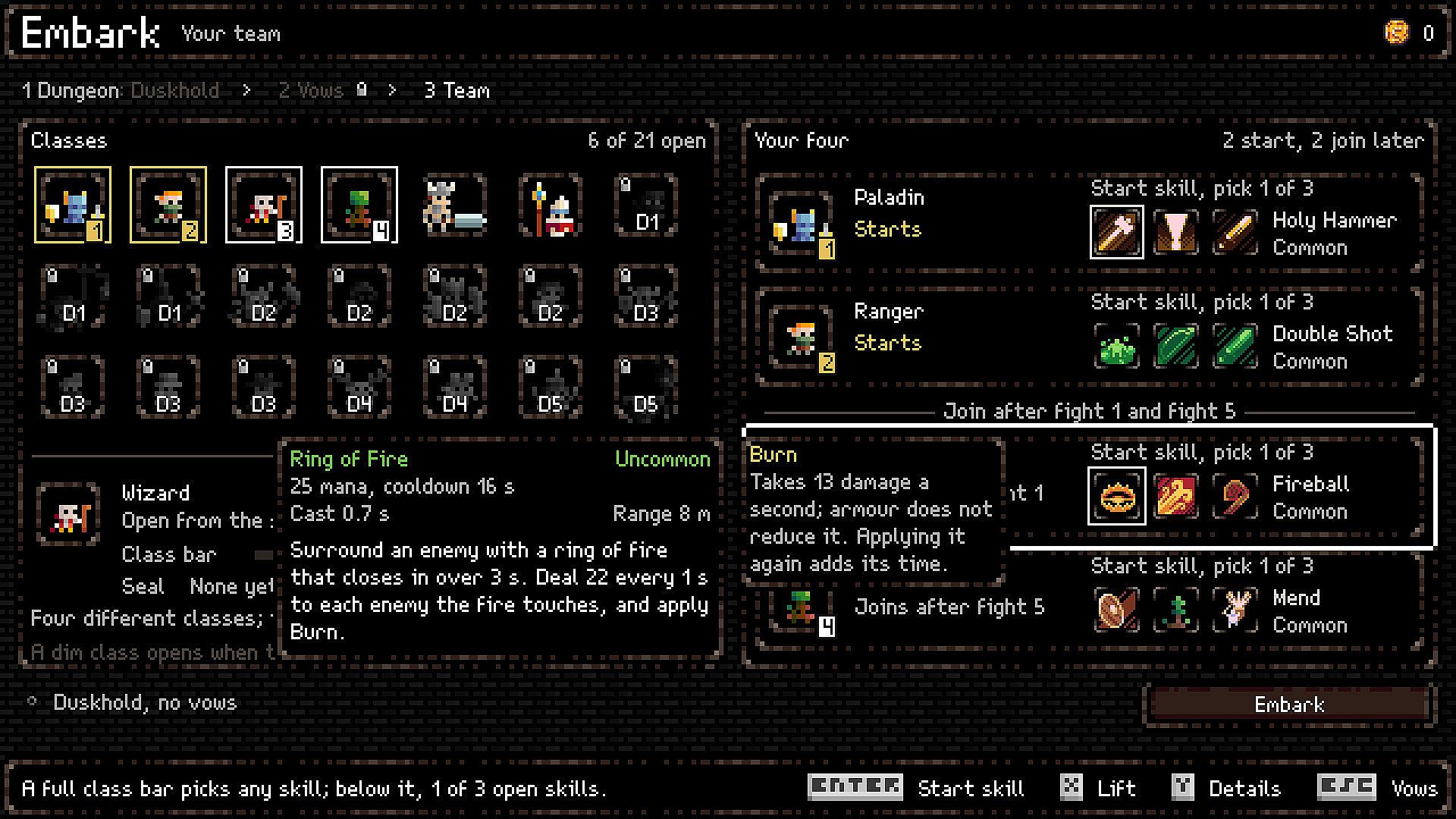
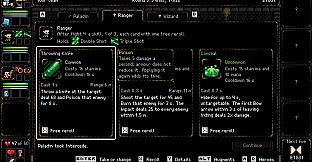
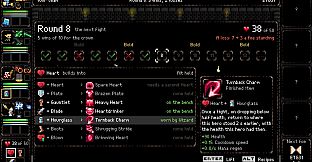
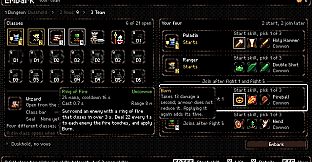
Teams consist of four heroes drawn from 21 classes. Six classes are available immediately, while the remaining fifteen unlock through successful dungeon runs. Each hero receives skills chosen from more than 300 options, plus over 600 upgrades that alter skill behavior in meaningful ways. Seven basic item components combine into 28 complete items that equip across the team to refine strategies further.
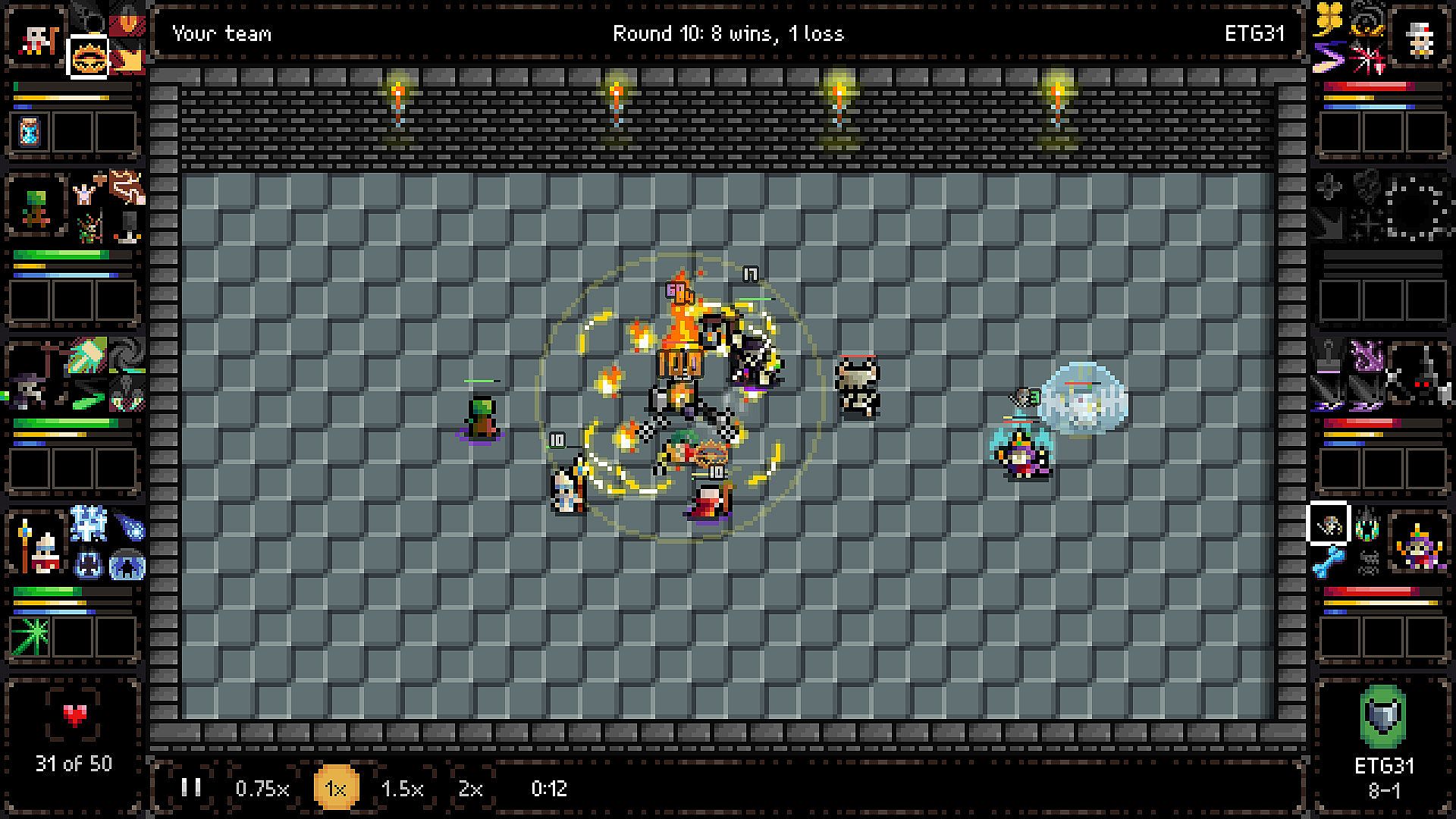
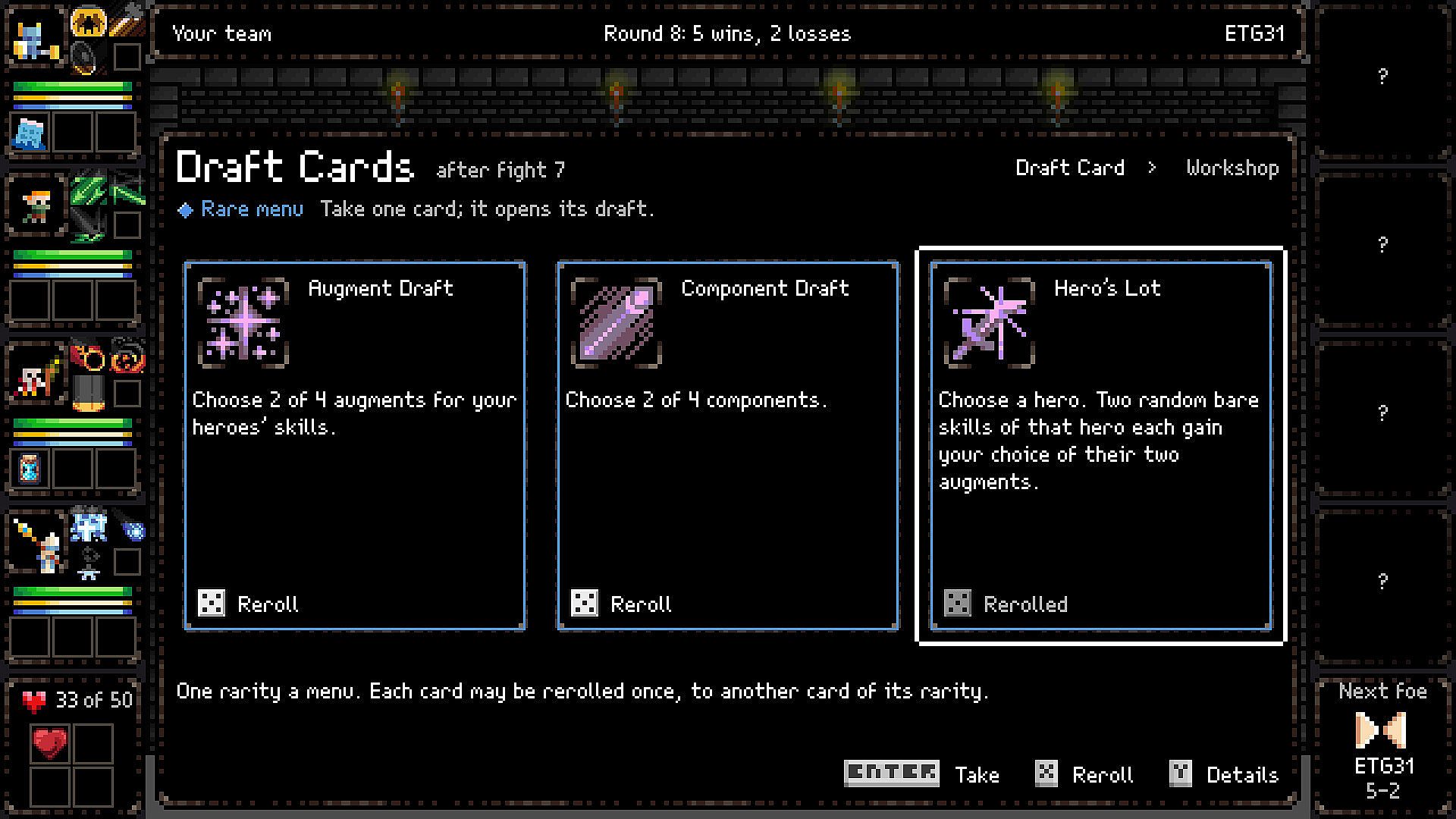
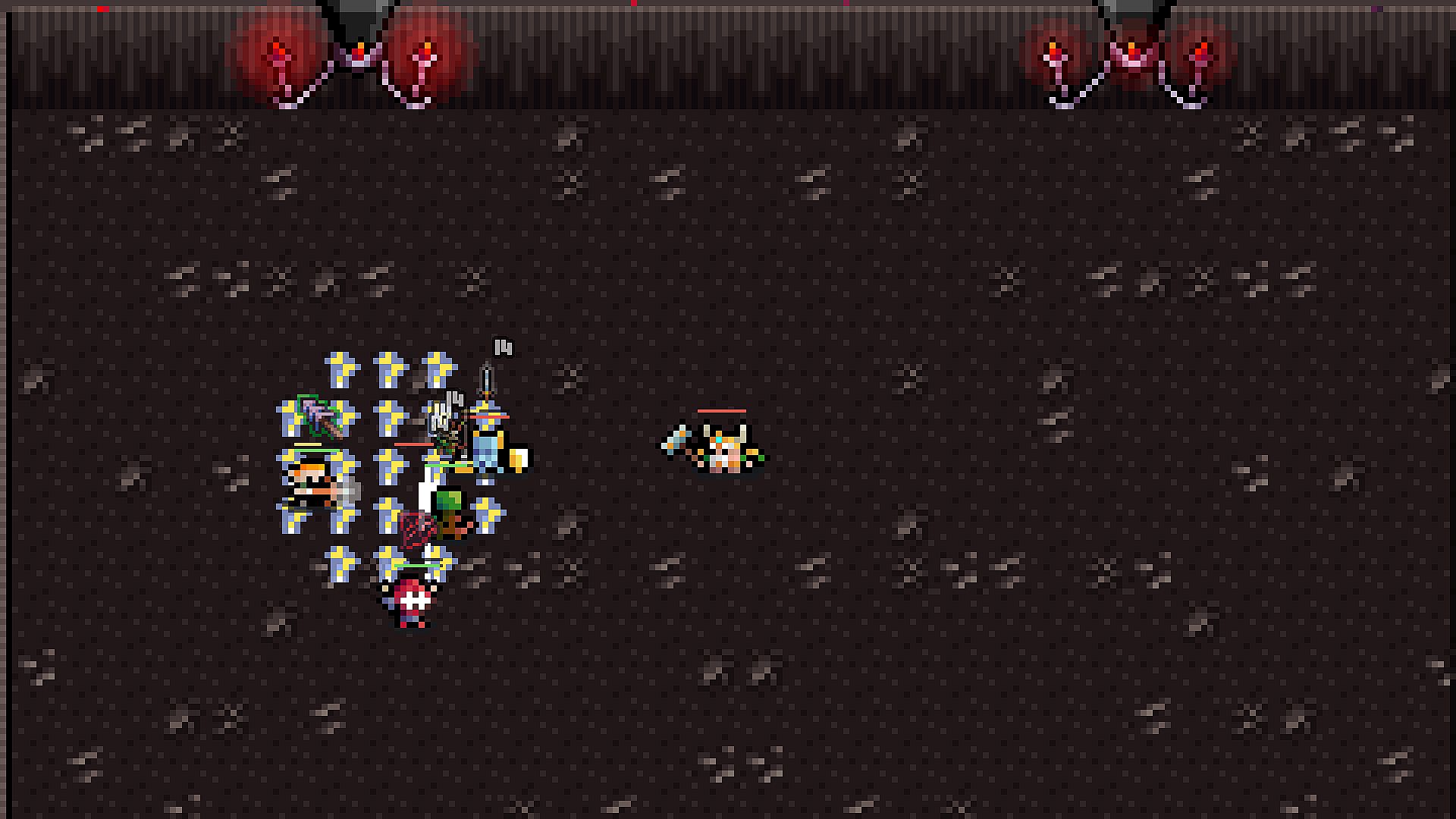
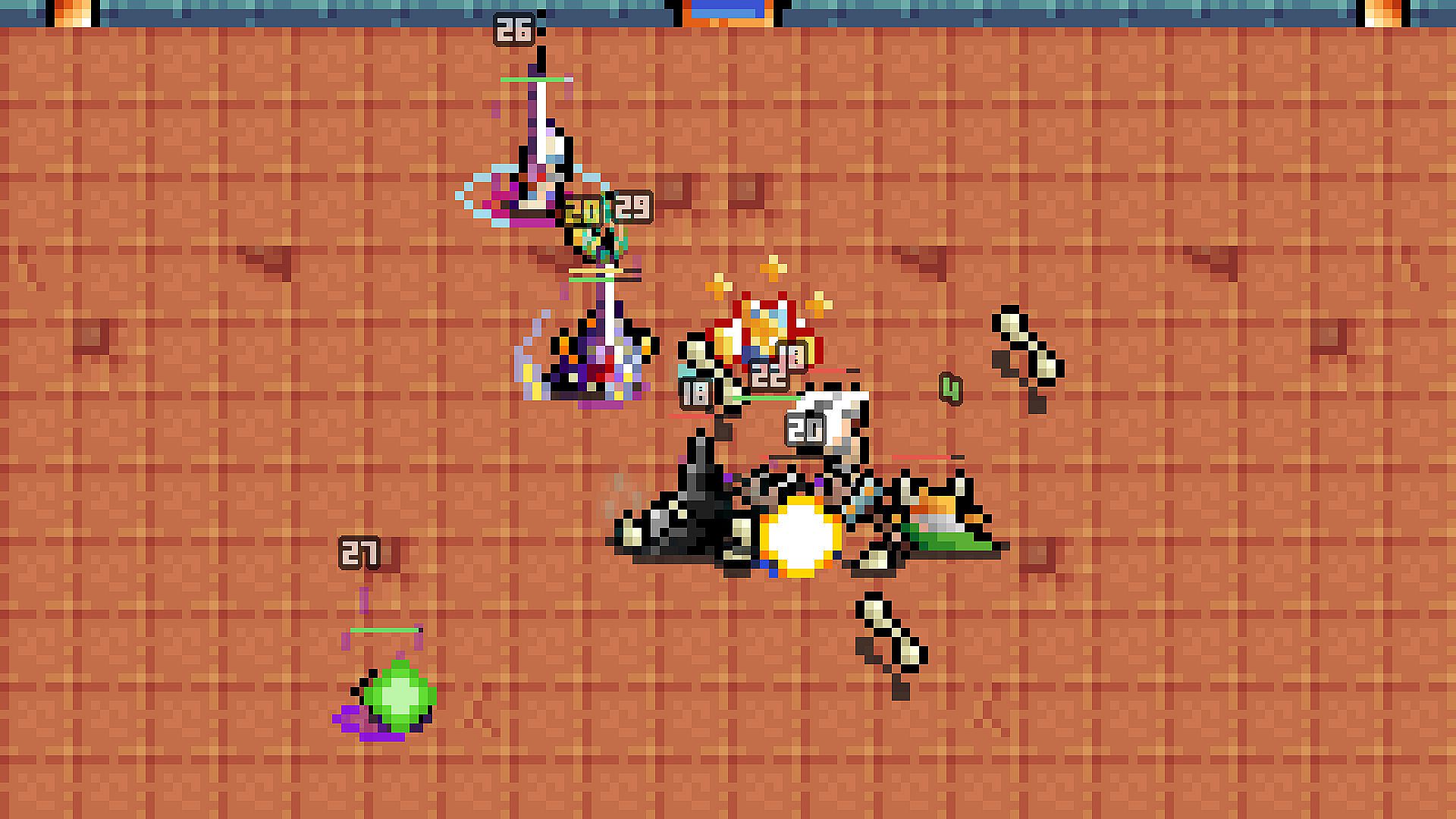
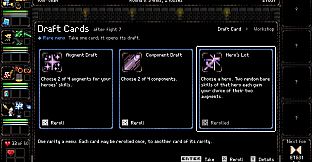
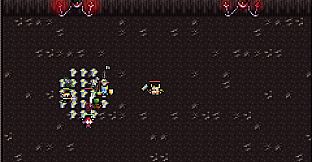
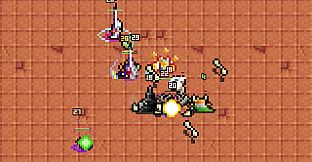
Battles unfold in real time and scale from two versus two up to four versus four. Heroes act autonomously according to the tactics and targeting priorities assigned beforehand. Losses deduct health, with greater penalties the deeper a run progresses or the more opposing heroes remain standing. Successful rests and bold victories restore some health, while bold fights advance the team one win ahead in exchange for an improved draft selection.
A dedicated training room lets players configure both sides of a matchup and observe how skills, upgrades, and items interact without risk. This setup supports experimentation across different archetypes such as Paladin, Witchhunter, and Dark Priest.
Game Modes
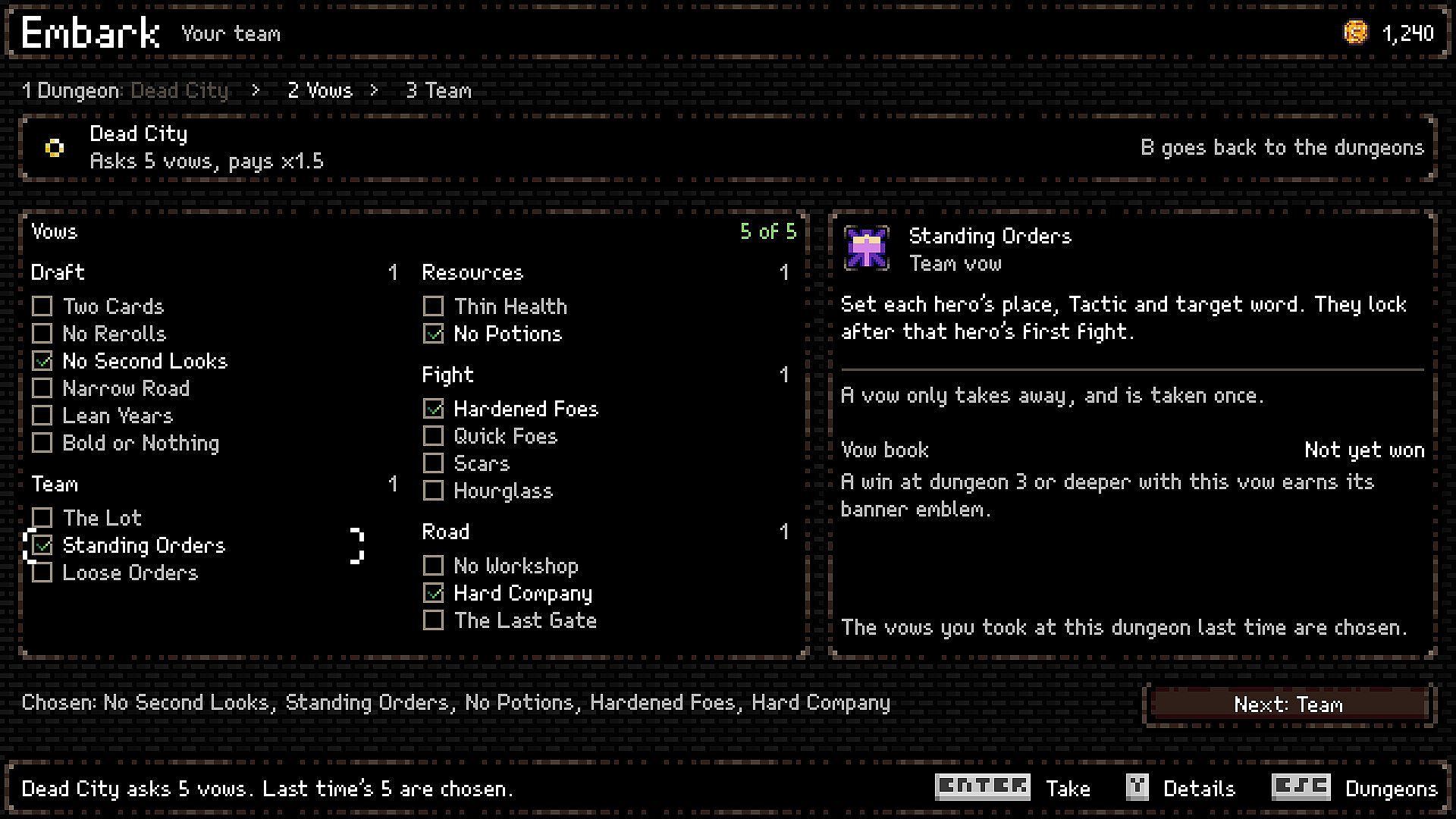
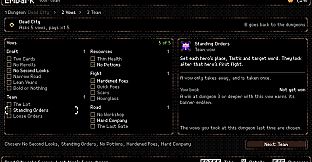
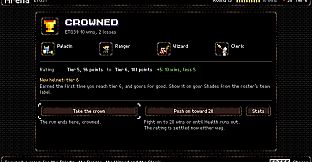
The March serves as the longer campaign format. Players select four heroes and advance through twelve rounds across one of five dungeons. Two heroes begin active, with the others joining as the run continues. Workshop rests allow reworking carried items and skills. Health must hold to reach endless mode, and deeper dungeons require swearing vows that impose additional challenges. Each dungeon maintains its own endless ladder for continued progression.
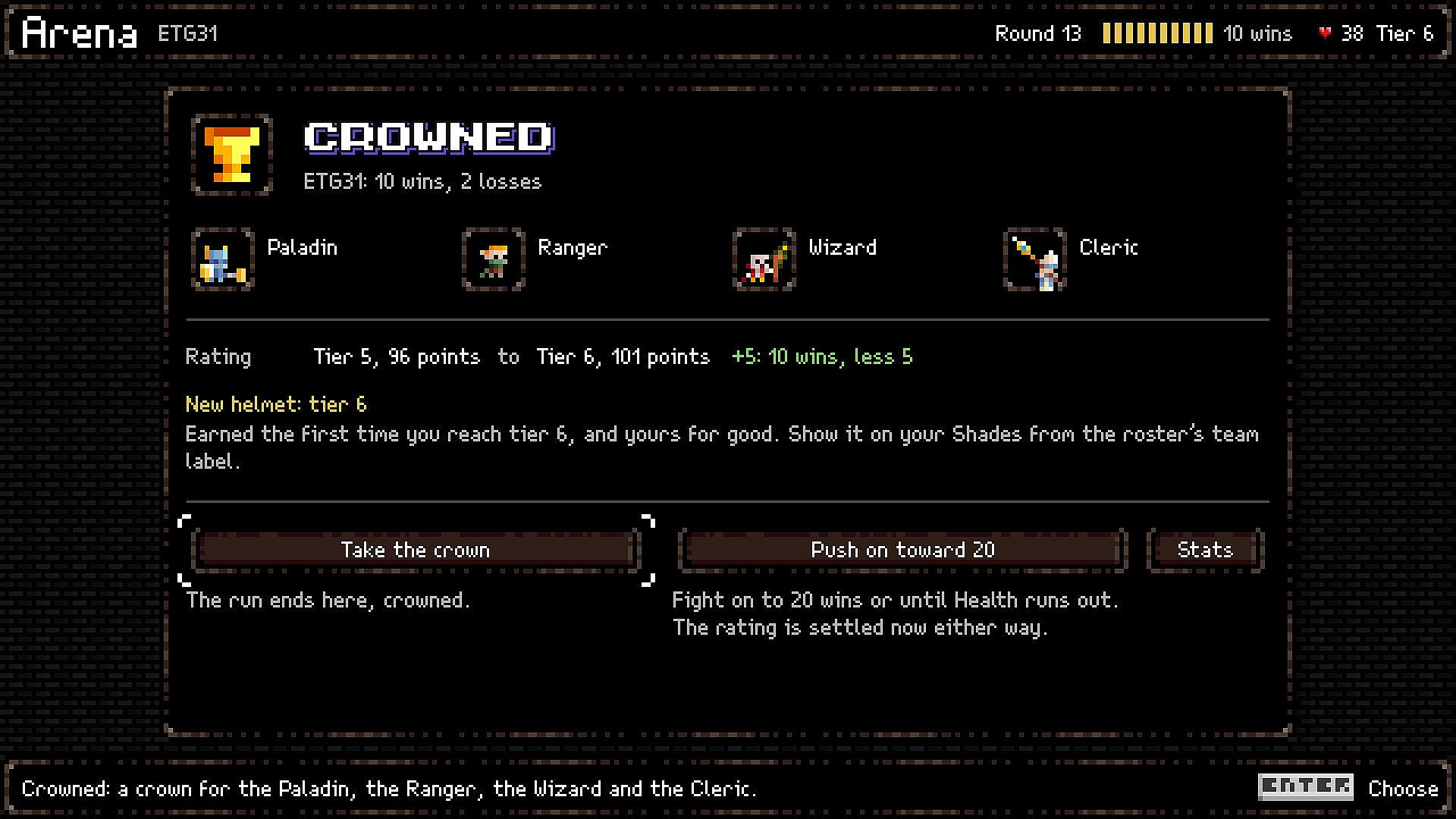
The Arena provides a fresh start each attempt. Drafting occurs from an even pool of heroes, skills, and items. Teams face other players' Arena builds round after round while climbing a rated ladder. Every run remains independent, emphasizing balanced competition over cumulative progress.
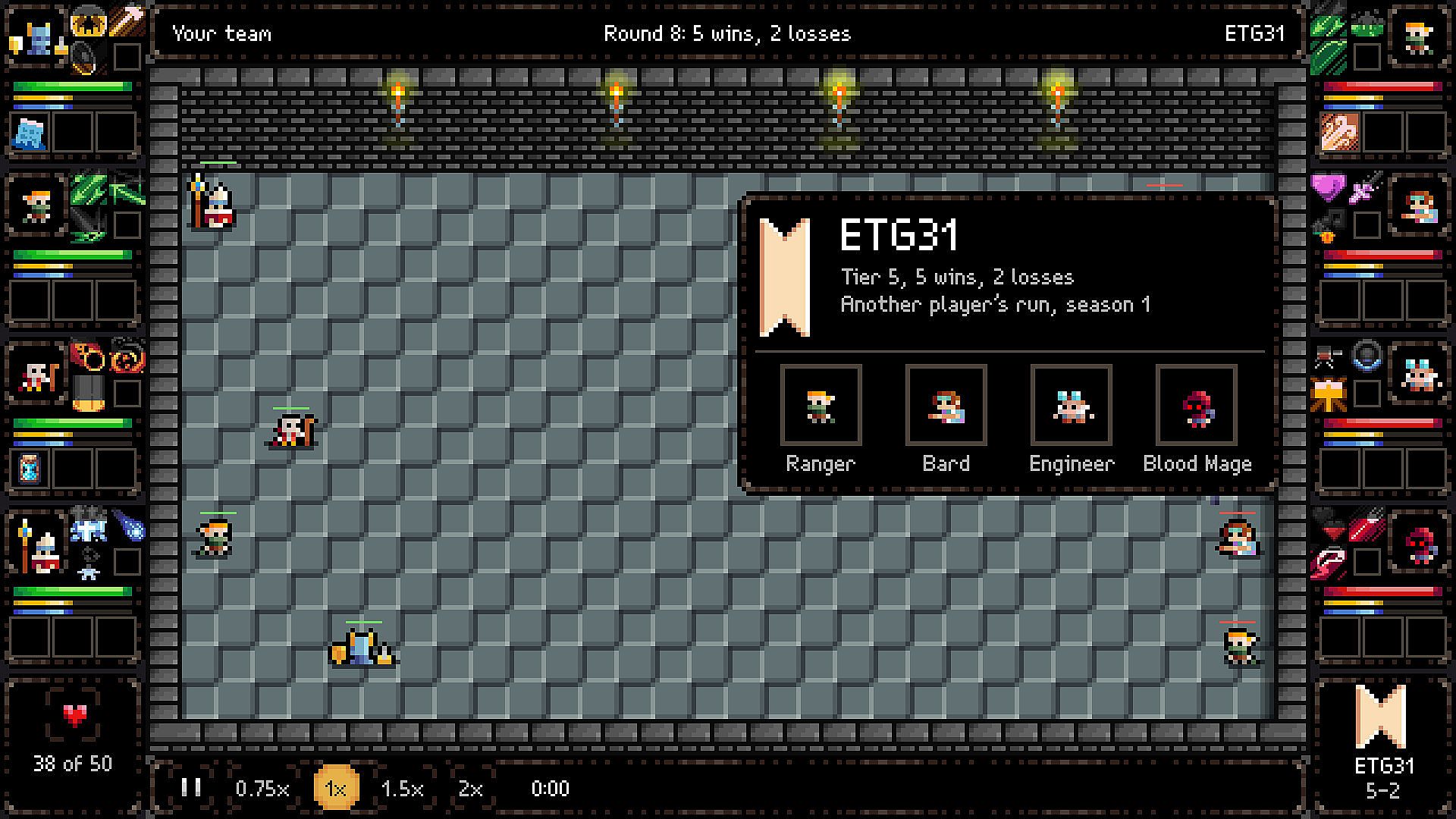
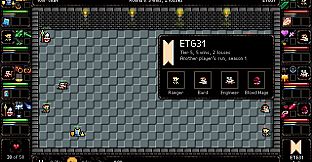
Asynchronous PvP underpins both modes. Opposing teams originate from other players' constructions, and each completed team enters the shared pool for others to encounter. Offline play substitutes generated opponents when needed.
Progression and Systems
Health management ties directly to risk and reward. Deeper positions amplify the cost of defeat, encouraging careful pacing and strategic rests. Bold fights trade immediate safety for stronger drafting opportunities later. Vows in advanced dungeons layer permanent modifiers onto runs, increasing difficulty while potentially unlocking further rewards.
Item crafting adds another layer of customization. The seven components allow flexible combinations that suit specific hero roles or overall team synergy. Upgrades expand skill utility, turning basic abilities into specialized tools that shift how battles resolve.
Is It Worth Playing?
Shademarch targets players who enjoy building teams through drafting and iterative refinement rather than moment-to-moment action. The asynchronous structure suits those who prefer preparing a build, submitting it to the pool, and reviewing results later. Strategy and RPG elements combine in the class variety, skill depth, and item systems, rewarding experimentation in the training room before committing to competitive runs.
The March appeals to players seeking extended sessions with escalating stakes across multiple dungeons and endless ladders. The Arena suits shorter, ladder-focused sessions with consistent starting conditions. With a planned release in November 2026 and no player reviews available yet, suitability depends on interest in autobattler mechanics and asynchronous competition. Those drawn to hero drafting, upgrade paths, and watching autonomous battles against real player creations will find the verified systems align closely with that preference.