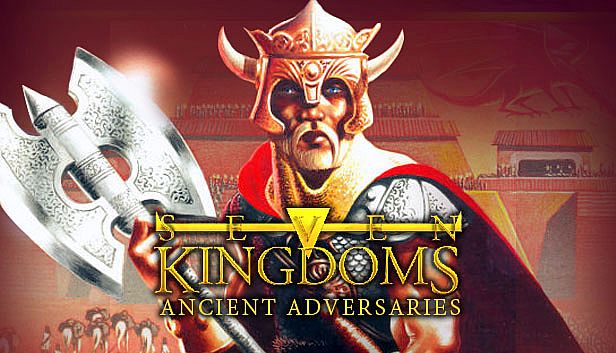












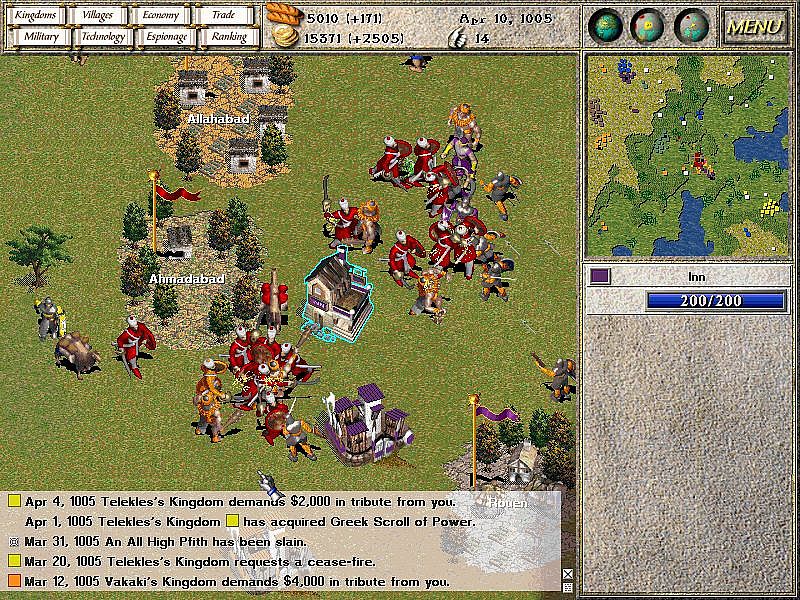
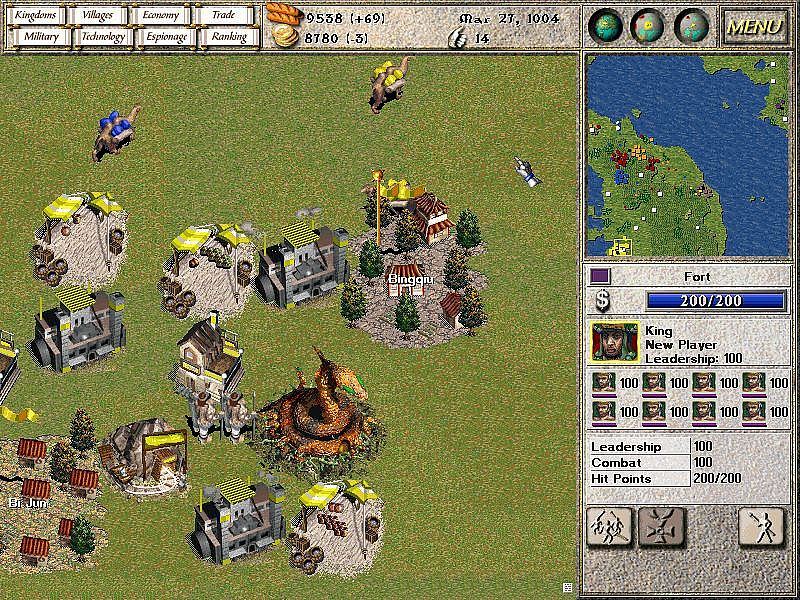
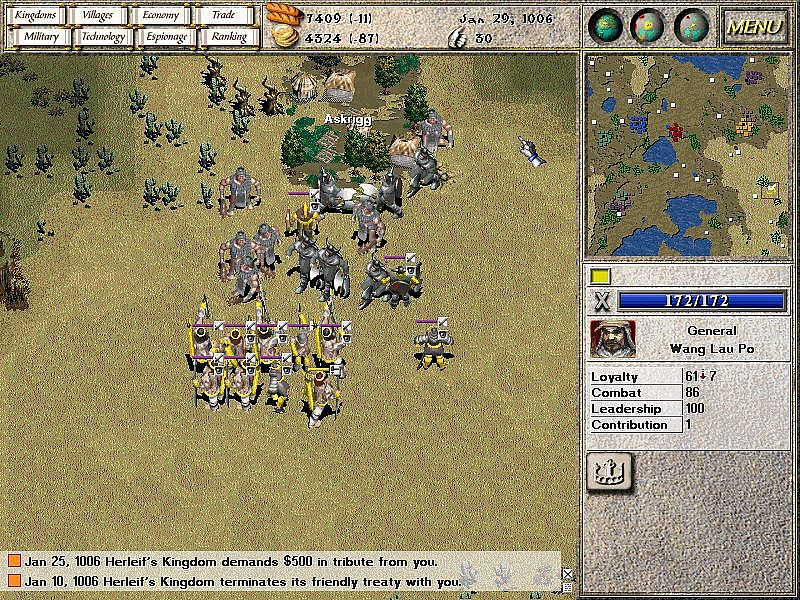
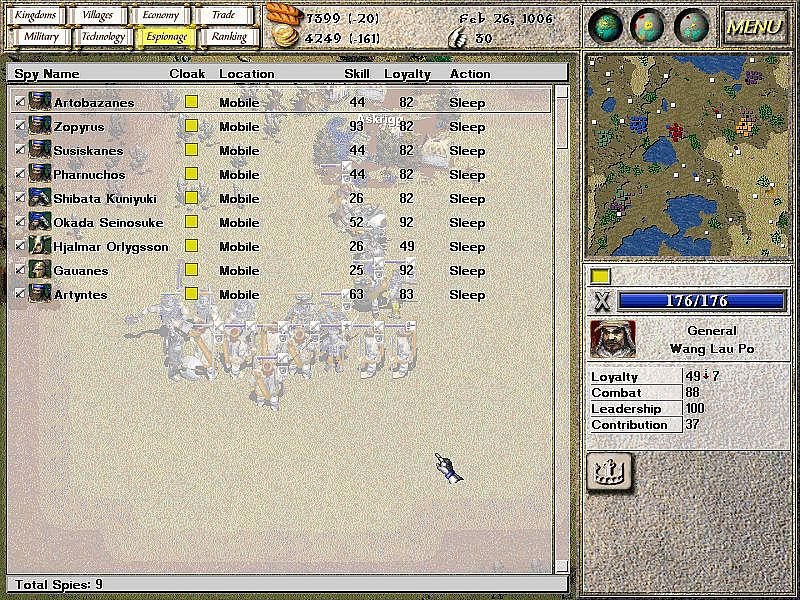
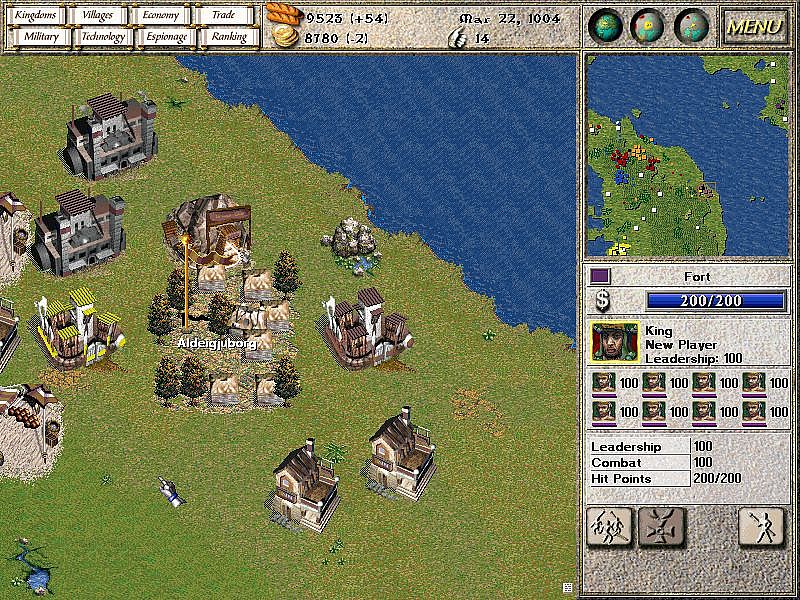
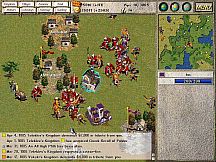
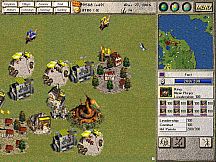
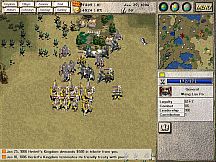
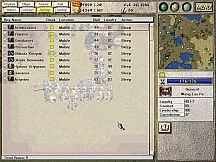
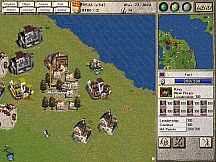
Seven Kingdoms: Ancient Adversaries is a real-time strategy game set in a mythic past where seven civilizations vie for control of the land through a combination of military force, economic maneuvering, and covert operations. Players select one of the available cultures and work to expand influence by managing cities, directing trade routes, conducting diplomacy, and deploying espionage against rivals. The experience centers on real-time empire building rather than simple resource gathering and army rushes, requiring attention to population needs alongside broader strategic decisions.
Gameplay
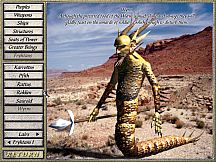
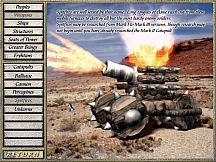
The core loop blends city and population management with multiple paths to dominance. Each civilization operates with its own set of strengths and weaknesses that influence how resources are gathered, units are trained, and conflicts are resolved. Trade networks can generate wealth without direct combat, while diplomatic agreements or betrayals shift alliances over time. Espionage adds layers of subterfuge, allowing players to undermine opponents through indirect means instead of open battles. When force becomes necessary, military actions draw on each culture's distinct skill set, supported by a unique God unit that provides specialized capabilities on the battlefield. Success demands balancing these systems, as over-reliance on any single approach leaves vulnerabilities that rivals can exploit through cunning or superior intelligence.
Conquest unfolds across a shared world map where territorial control expands gradually. Players must sustain growing populations, allocate labor efficiently, and adapt strategies based on the chosen civilization's profile. Brute force remains an option, yet the design rewards those who integrate economic pressure and hidden maneuvers to weaken enemies before decisive engagements occur. The result is a layered process of empire expansion that unfolds in real time, with decisions carrying immediate and long-term consequences.
Game Modes
Single-player campaigns form the primary experience, allowing one civilization to pursue global domination against AI-controlled opponents. The setup supports extended sessions focused on methodical growth and calculated risks across multiple fronts. Multiplayer functionality exists in the re-released version but receives no ongoing support, limiting its reliability for coordinated play with others.
The Seven Cultures
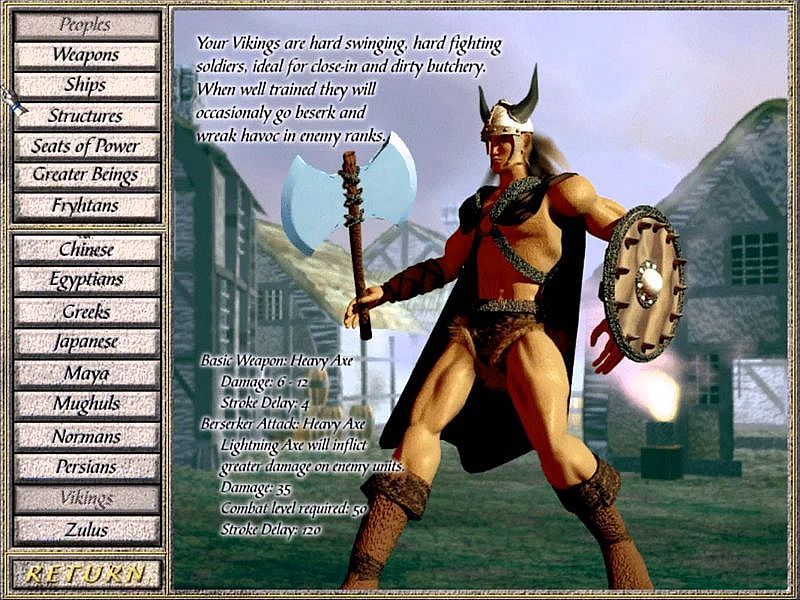
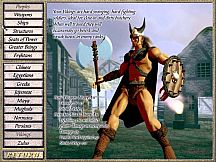
Seven distinct civilizations anchor the strategic variety. Greek, Persian, Viking, Norman, Mayan, Chinese, and Japanese options each bring tailored advantages in areas such as military effectiveness, economic output, or special abilities. These differences extend to unique God units and military skills that shape viable tactics for each choice. Learning the interplay of these traits becomes essential, as no single culture dominates every situation and adapting to their individual profiles determines long-term viability.
- Greek
- Persian
- Viking
- Norman
- Mayan
- Chinese
- Japanese
Selecting a culture therefore sets the tone for the entire campaign, encouraging repeated playthroughs to explore alternative strengths and approaches.
Is It Worth Playing?
Seven Kingdoms: Ancient Adversaries suits players drawn to real-time strategy that emphasizes layered management over pure combat. The integration of trade, diplomacy, espionage, and military options creates depth for those who appreciate planning across economic and covert dimensions alongside battlefield tactics. As an updated re-release of the original 1997 title, it preserves the distinctive blend of systems while running on modern PC hardware. Individuals seeking straightforward army-building experiences may find the additional layers of population oversight and indirect victory paths less immediate, whereas those comfortable with multifaceted empire management will discover sustained engagement through the varied civilization profiles. Multiplayer limitations mean the focus stays on solo campaigns against the AI.