

















Secret Government is a grand strategy simulation game centered on leading a secretive organization known as the Brotherhood. Players act as kingmakers rather than direct rulers, guiding world events through subtle manipulation of nations and institutions across historical periods.
Gameplay
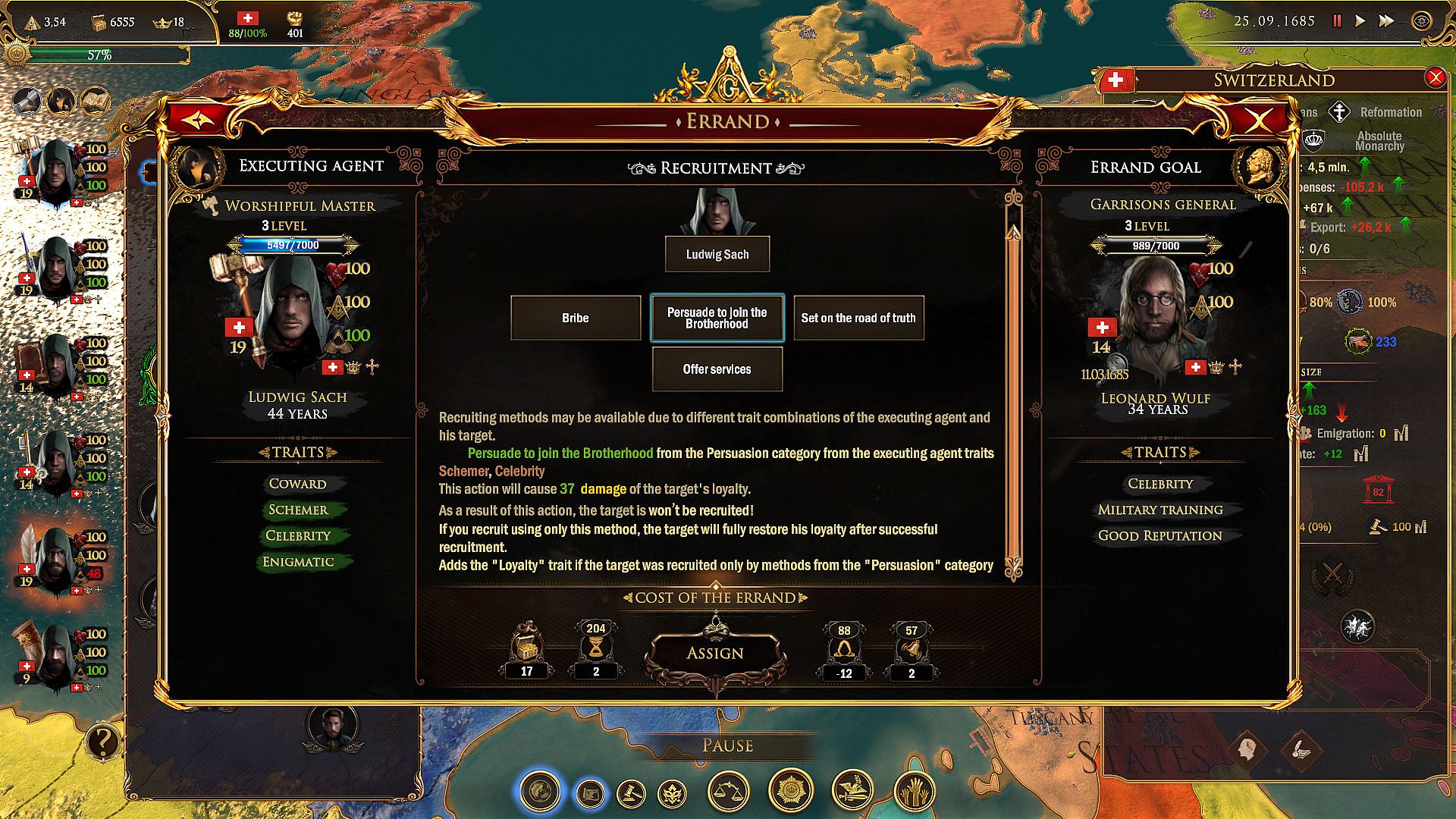
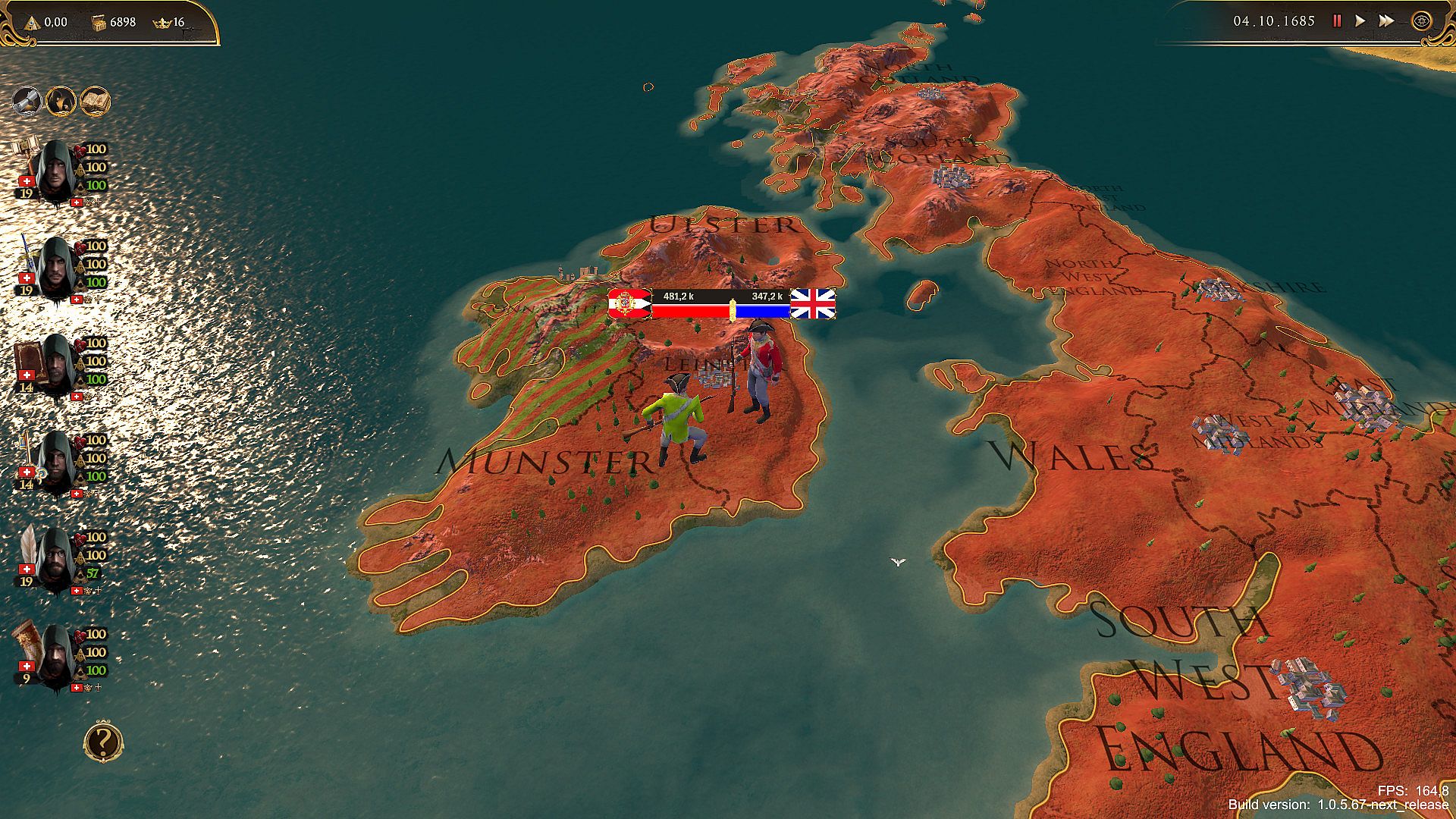
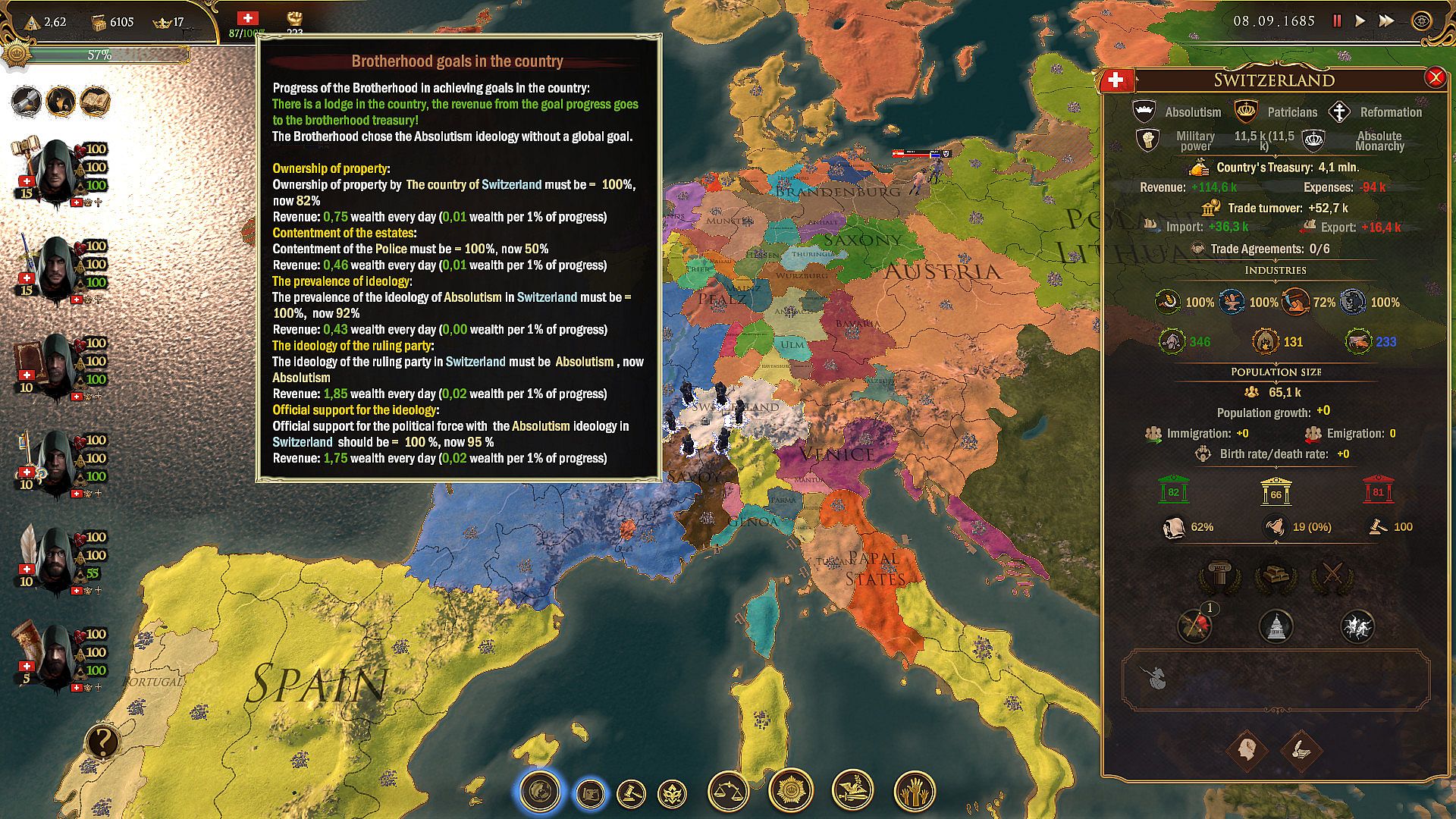
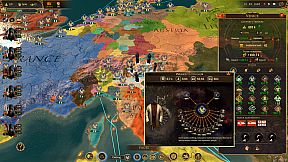
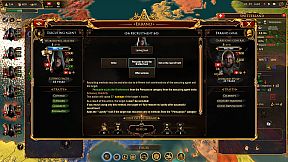
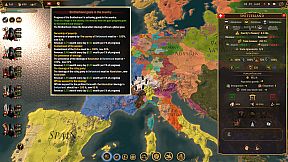
The core loop revolves around deploying agents to countries, recruiting officials, and infiltrating power structures to steer policies without issuing direct commands. As Grand Master, the player selects a desired world image at the outset and works to realize it by altering ruling powers, ideologies, estate well-being, and international relations. Manipulation occurs through combinations of influence on multiple nations simultaneously, pushing them toward wars, alliances, or peace treaties.
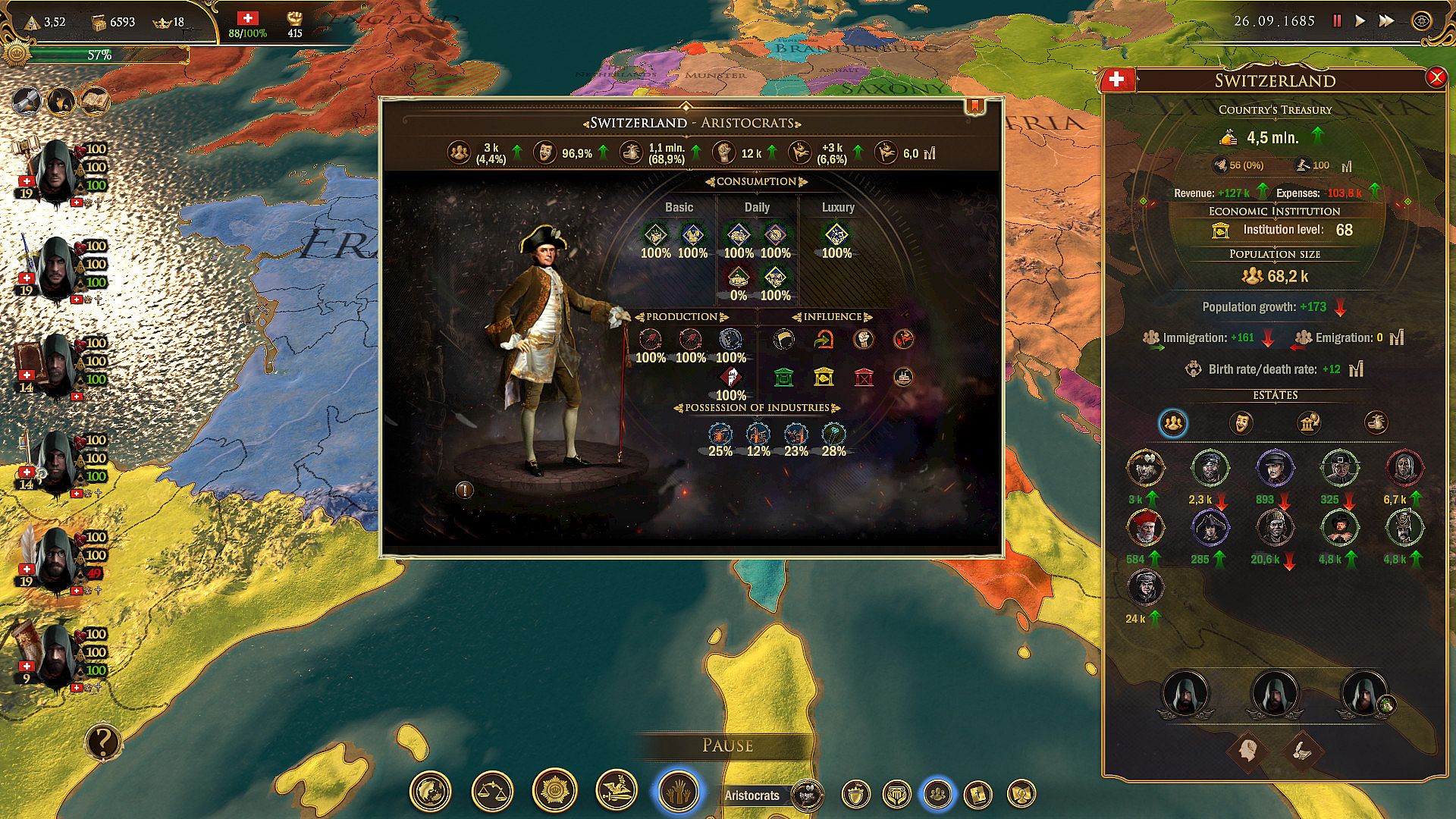
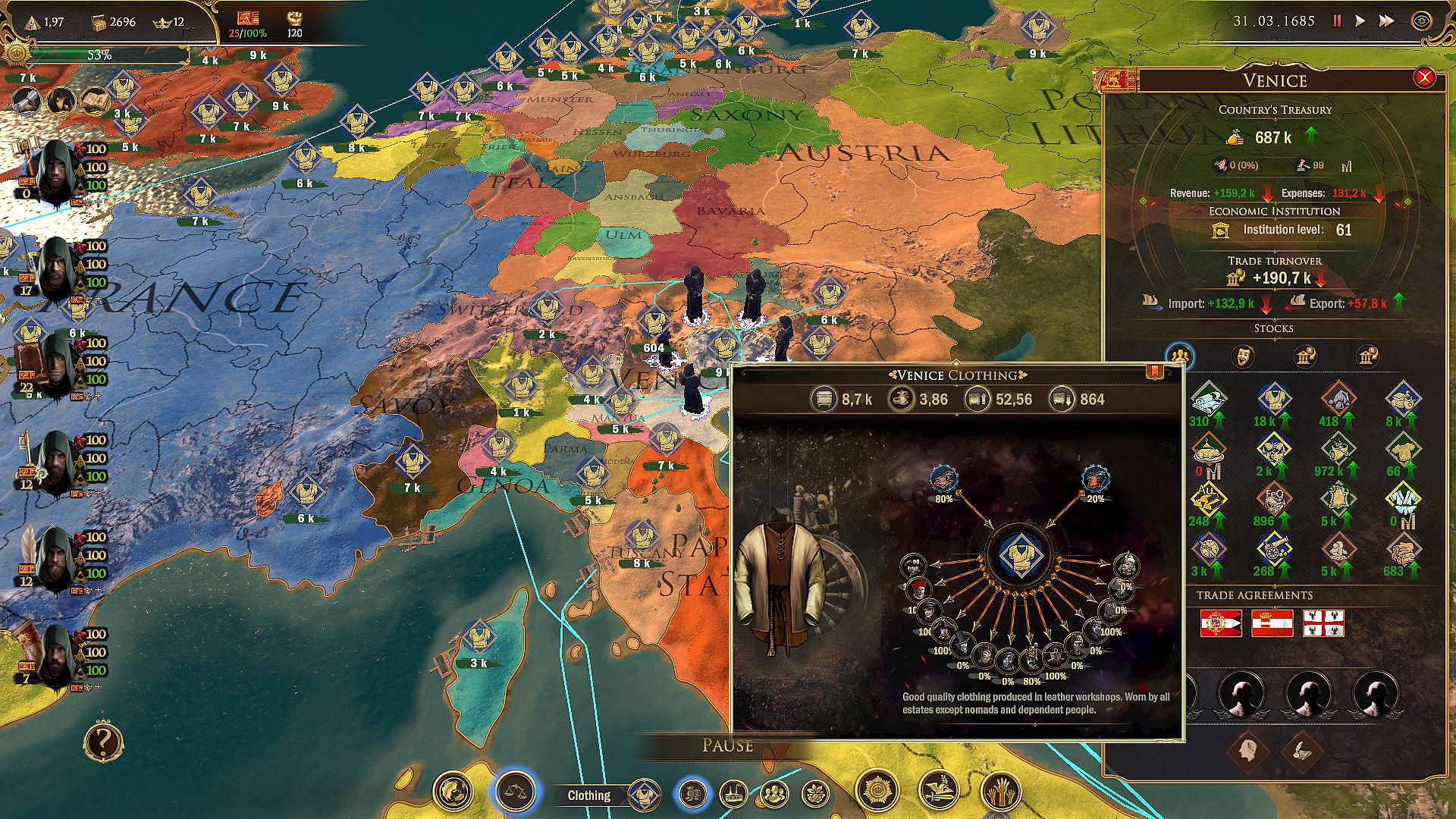
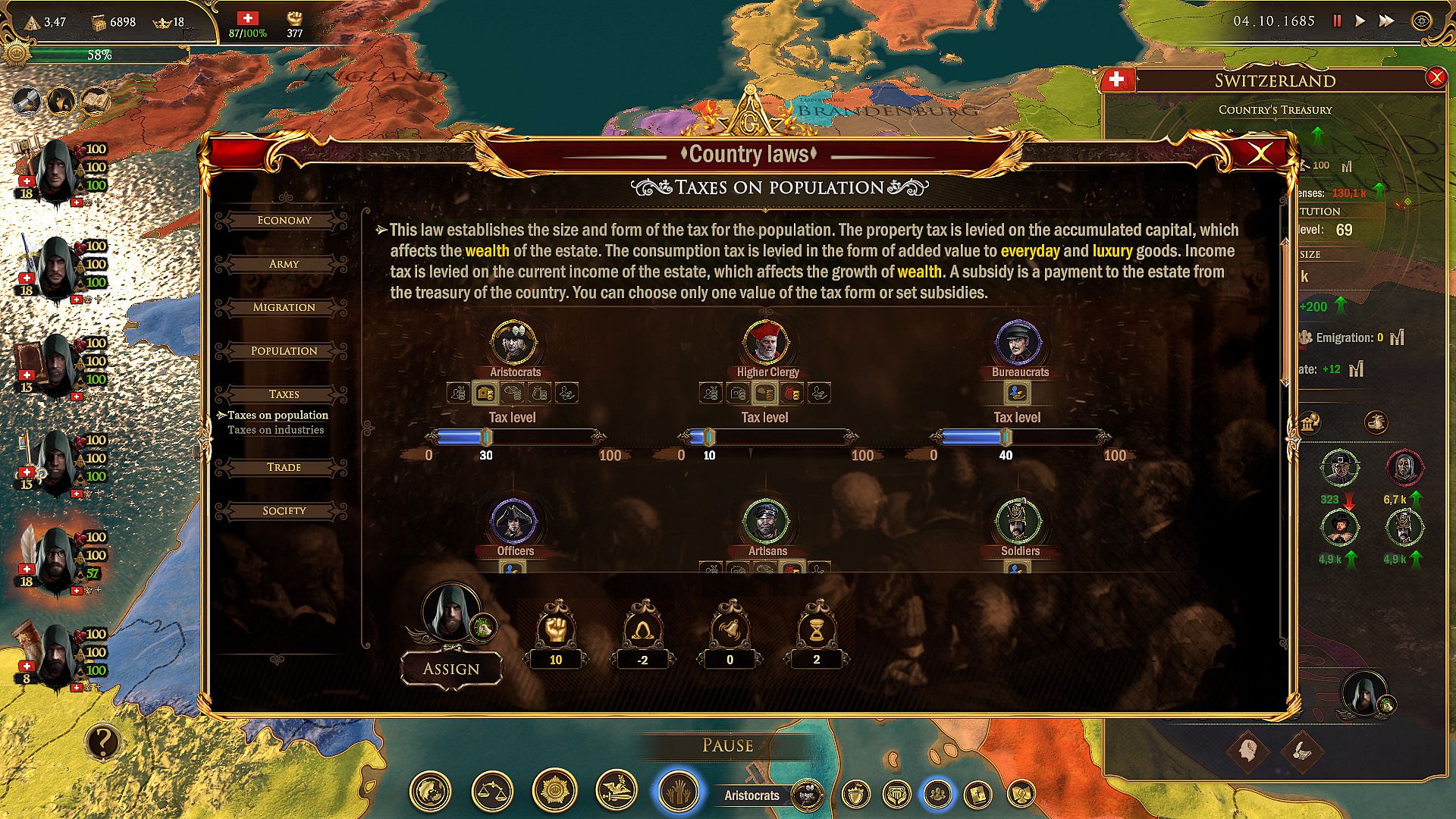
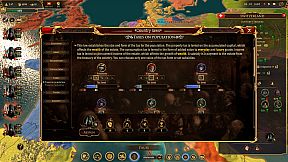
Each master possesses distinct traits and abilities that can be developed along chosen paths, allowing assignment of the right brothers to specific tasks. Resources and population dynamics play a central role, with estates divided by roles, values, and needs. These groups migrate, shift status, or decline based on economic pressures such as production shortages or trade imbalances. A single change, like limiting steel output, can cascade through military strength, peasant mobilization, food supplies, artisan output, and national treasury levels, creating interconnected consequences that demand careful balancing.
Discretion remains essential, as exposure by governments or a rival brotherhood can end operations. The rival group operates similarly, recruiting officials and pursuing its own vision, sometimes aligning with or complicating player plans depending on circumstances.
Game Modes
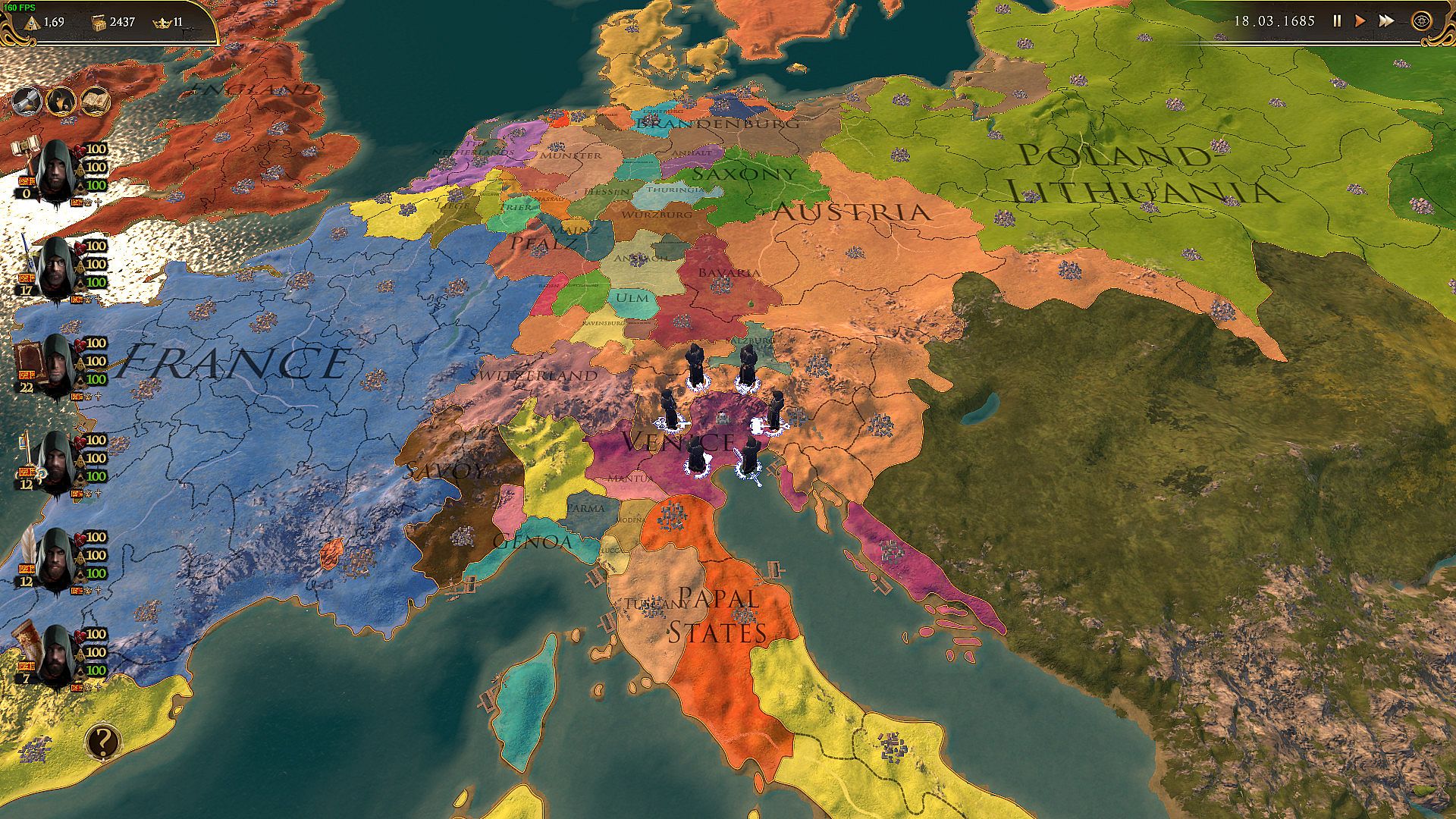
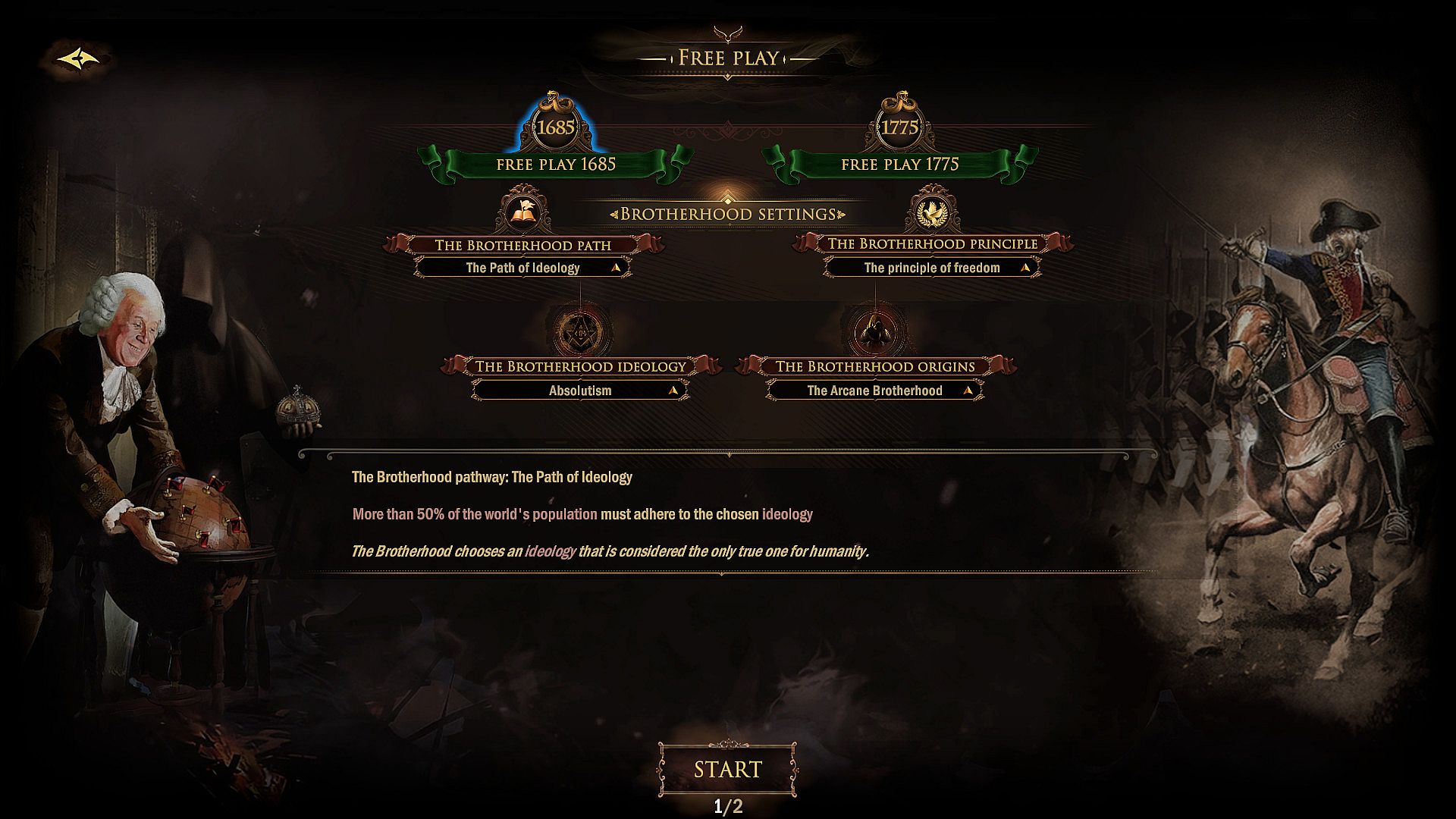
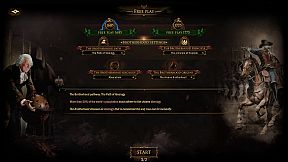
Free play allows open-ended pursuit of a new world order across two historical periods set in 1685 and 1775, reflecting the political and territorial realities of those eras. Players define country roles in the emerging order, infiltrate governments, and enact legal changes that turn nations into instruments of their will.
Story campaigns provide structured scenarios tied to real historical conflicts. One follows the Glorious Revolution in England, while the other covers the thirteen colonies' fight for independence in the New World. In each mission, the player intervenes in the central events of the period, either guiding outcomes along historical lines or steering them in alternate directions through targeted manipulations.
Strategic Systems and Interconnections
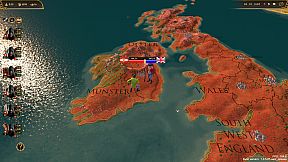
Countries respond according to adopted laws, ruling party ideology, government form, and policies in military, public, and economic spheres. Indirect influence on these elements shifts national behavior over time. Economic levers affect production, resource use by estates and industries, and cross-border trade, which in turn shapes population movements and societal stability.
The rival brotherhood adds another layer of complexity, with its agents appearing in red robes and pursuing parallel goals. Interactions with them require judgment, as their actions may support or hinder broader objectives without immediate confrontation.
Is It Worth Playing?
Secret Government appeals to players who enjoy intricate grand strategy simulations focused on indirect control and long-term systemic effects. Its emphasis on cascading consequences and historical manipulation offers depth for those comfortable with complex management and patient observation of cause-and-effect chains.
Reception has been mixed, with praise for the unique premise and simulation layers alongside criticism of interface and onboarding challenges. The game suits enthusiasts of single-player strategy experiences who value thoughtful planning over fast-paced action. Availability on PC makes it accessible for those interested in exploring its two campaigns and free play options at their own pace.