

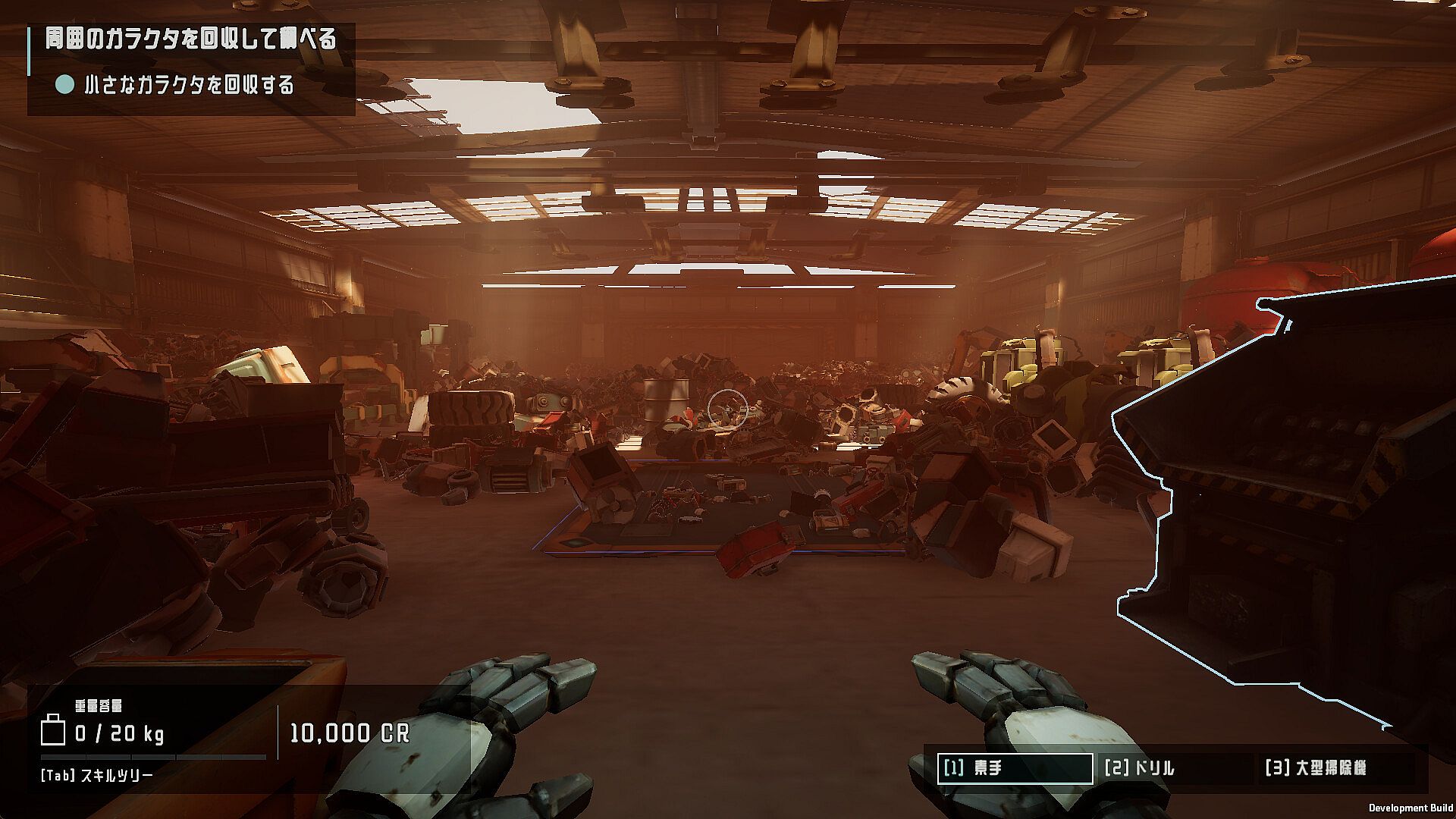
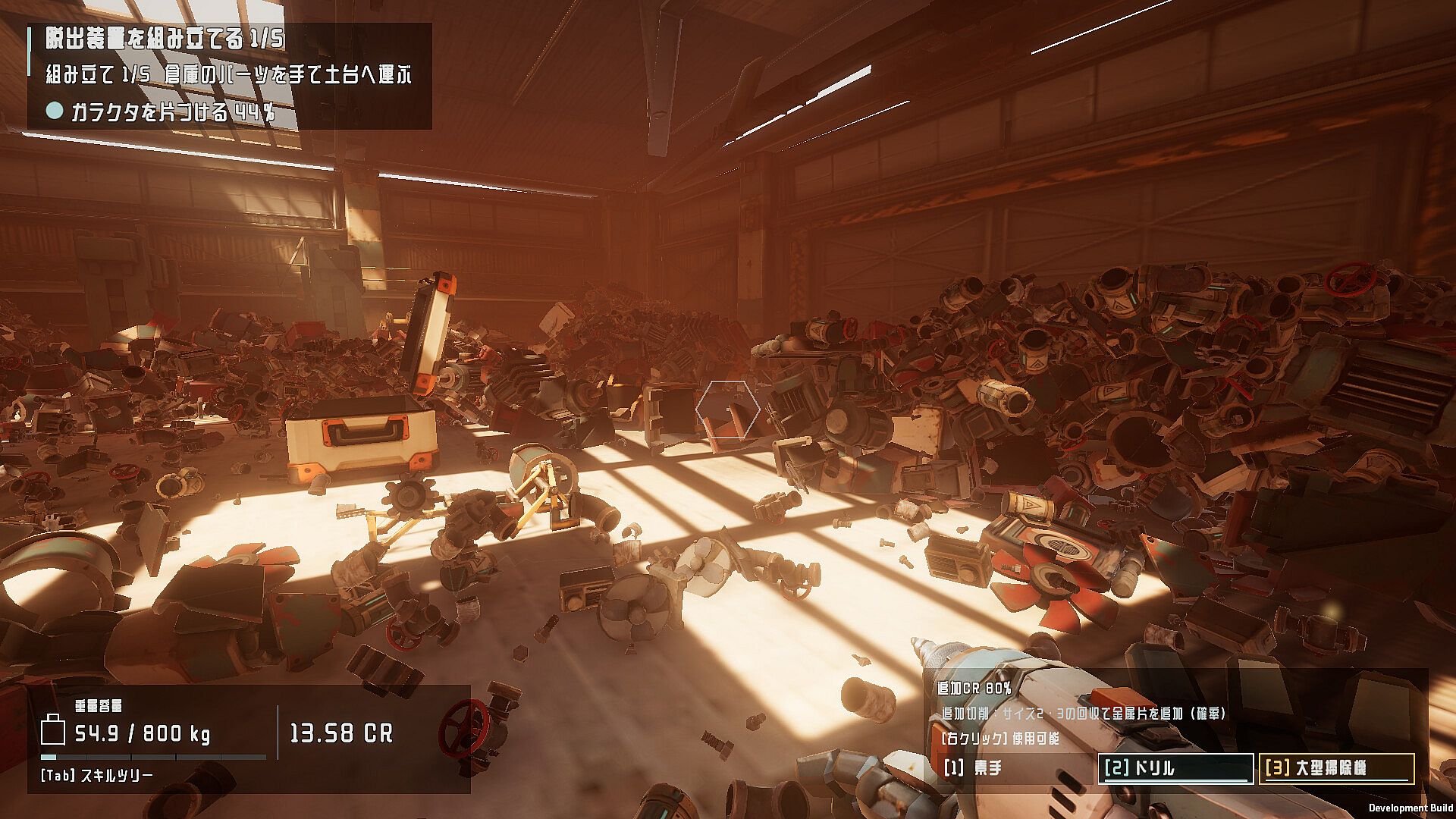
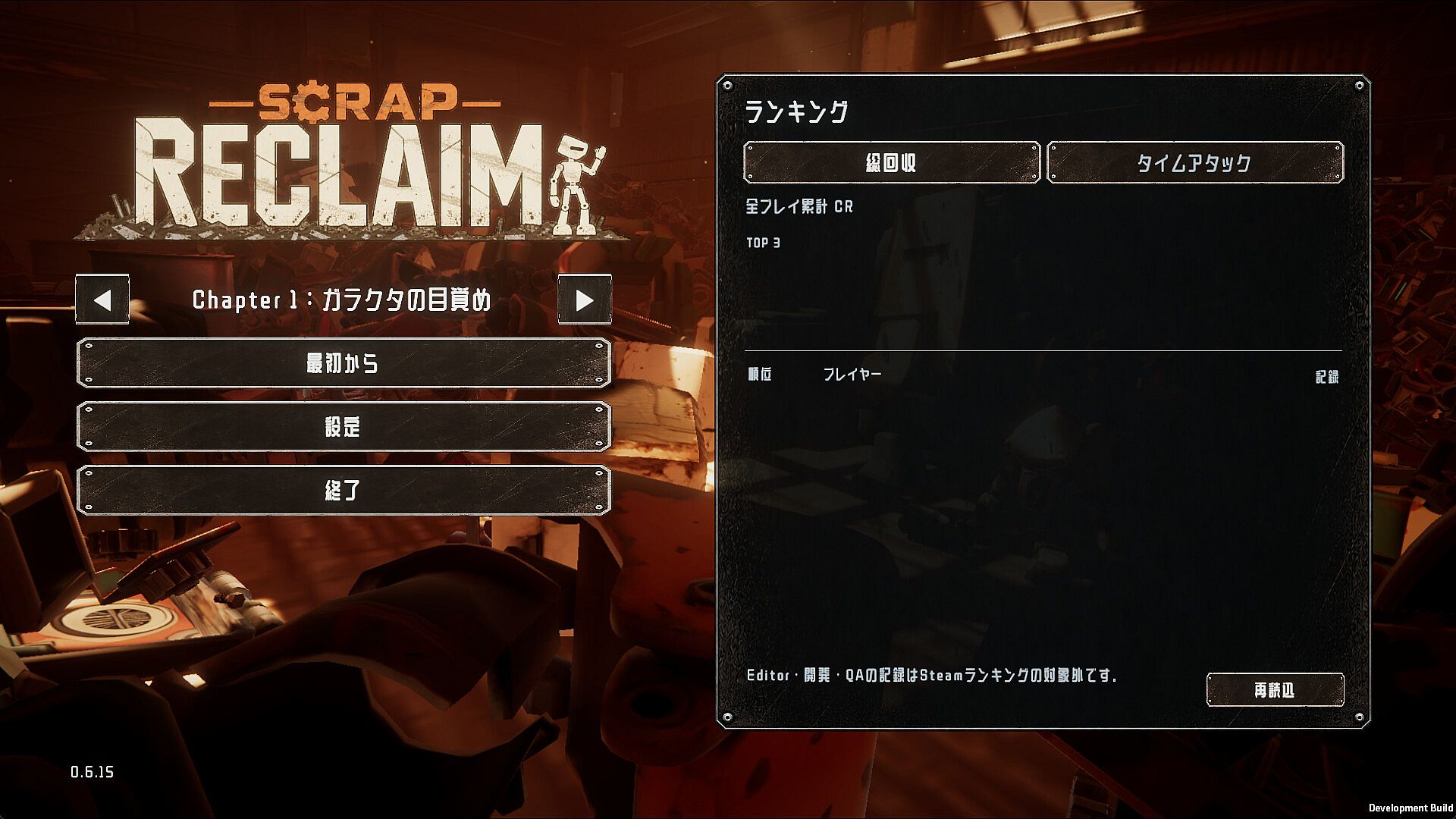
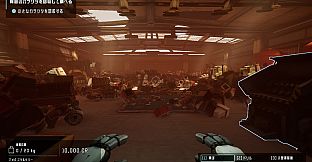
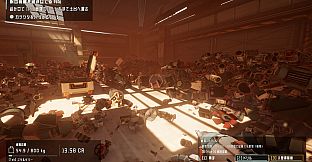
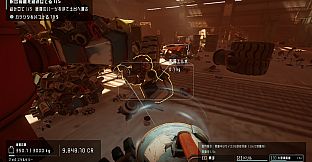
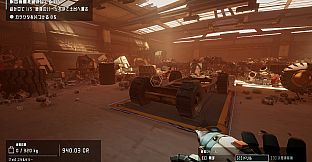
SCRAP RECLAIM is a 3D incremental simulation game set inside a massive warehouse filled with scattered junk. Players gather debris, process it for cash, and invest in better equipment and automated helpers to clear the space and build an escape route.
Gameplay
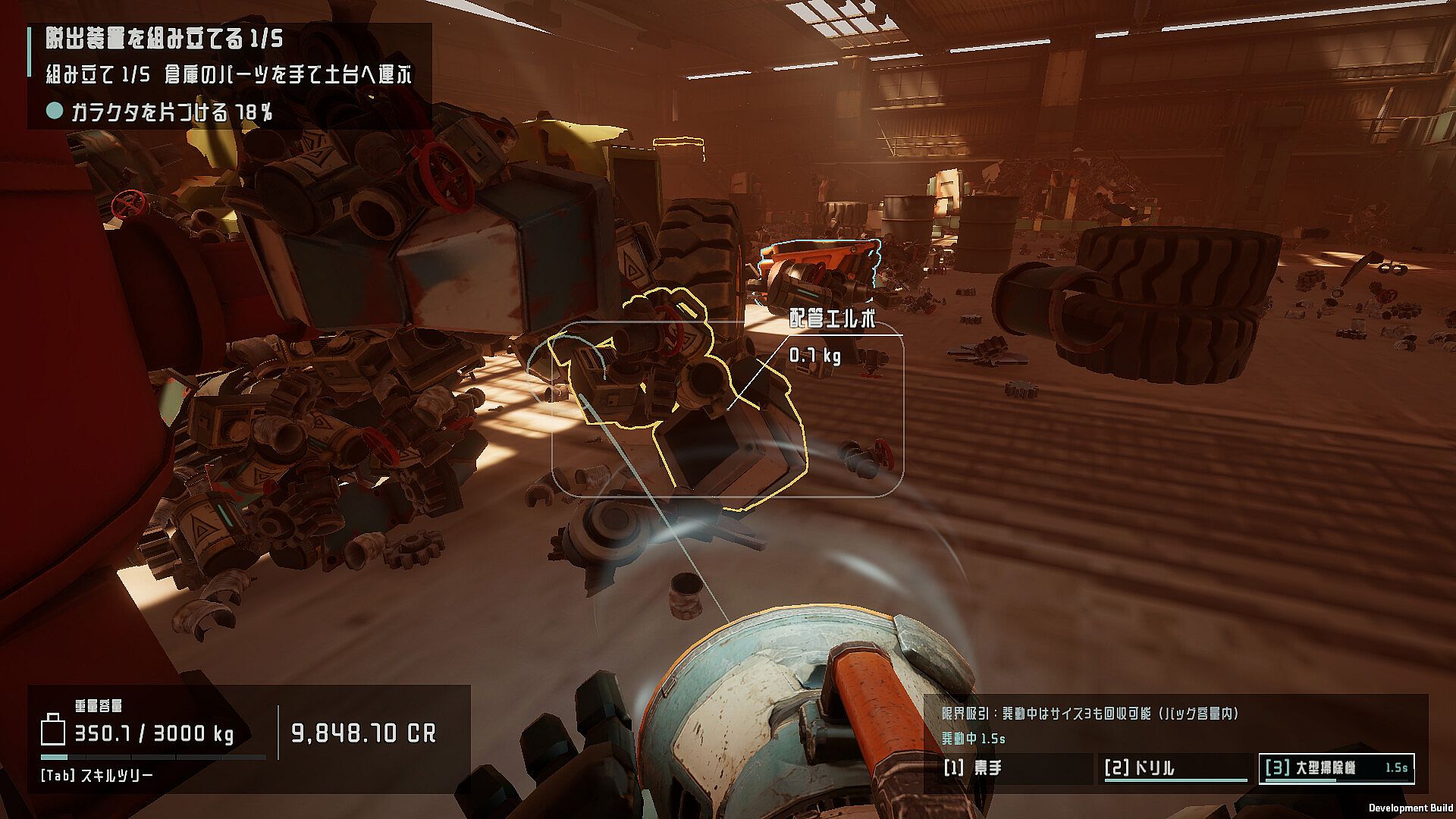
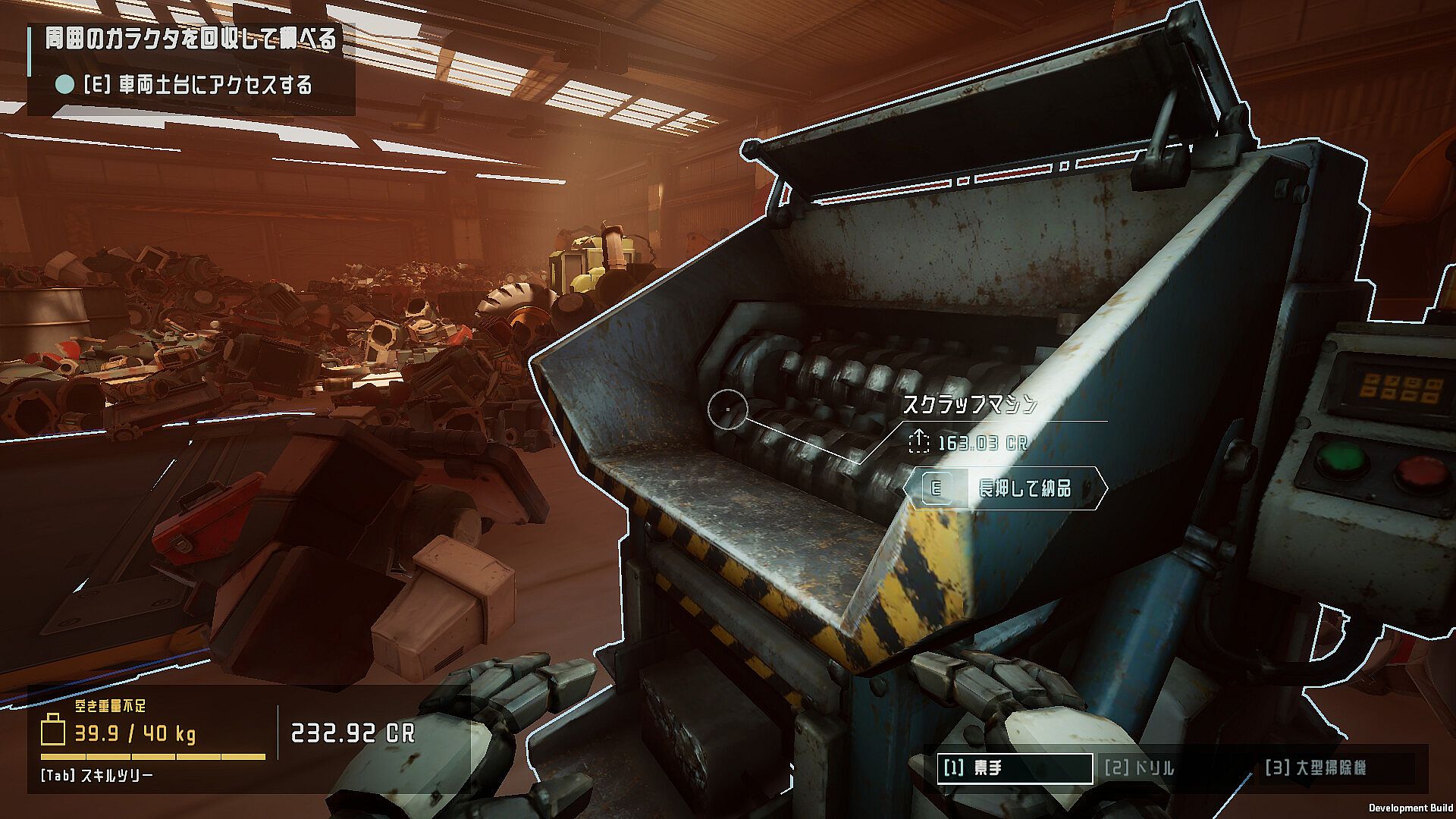
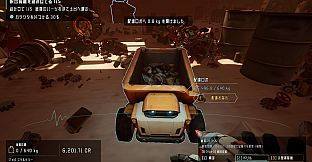
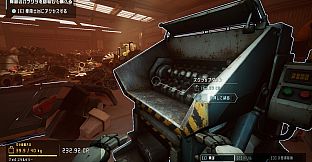
The core loop centers on collection, processing, and progression. Junk lies in piles throughout the warehouse, and players pick it up by hand at first before accessing specialized tools. A dedicated Scrap Machine converts collected items into money that funds upgrades to carrying capacity, collection speed, and efficiency. Each tool offers distinct advantages during play. Bare hands provide balanced performance across different junk types. The drill focuses on faster gathering and occasional bonus rewards from tougher piles. The vacuum covers wider areas effectively when dealing with smaller scattered pieces.
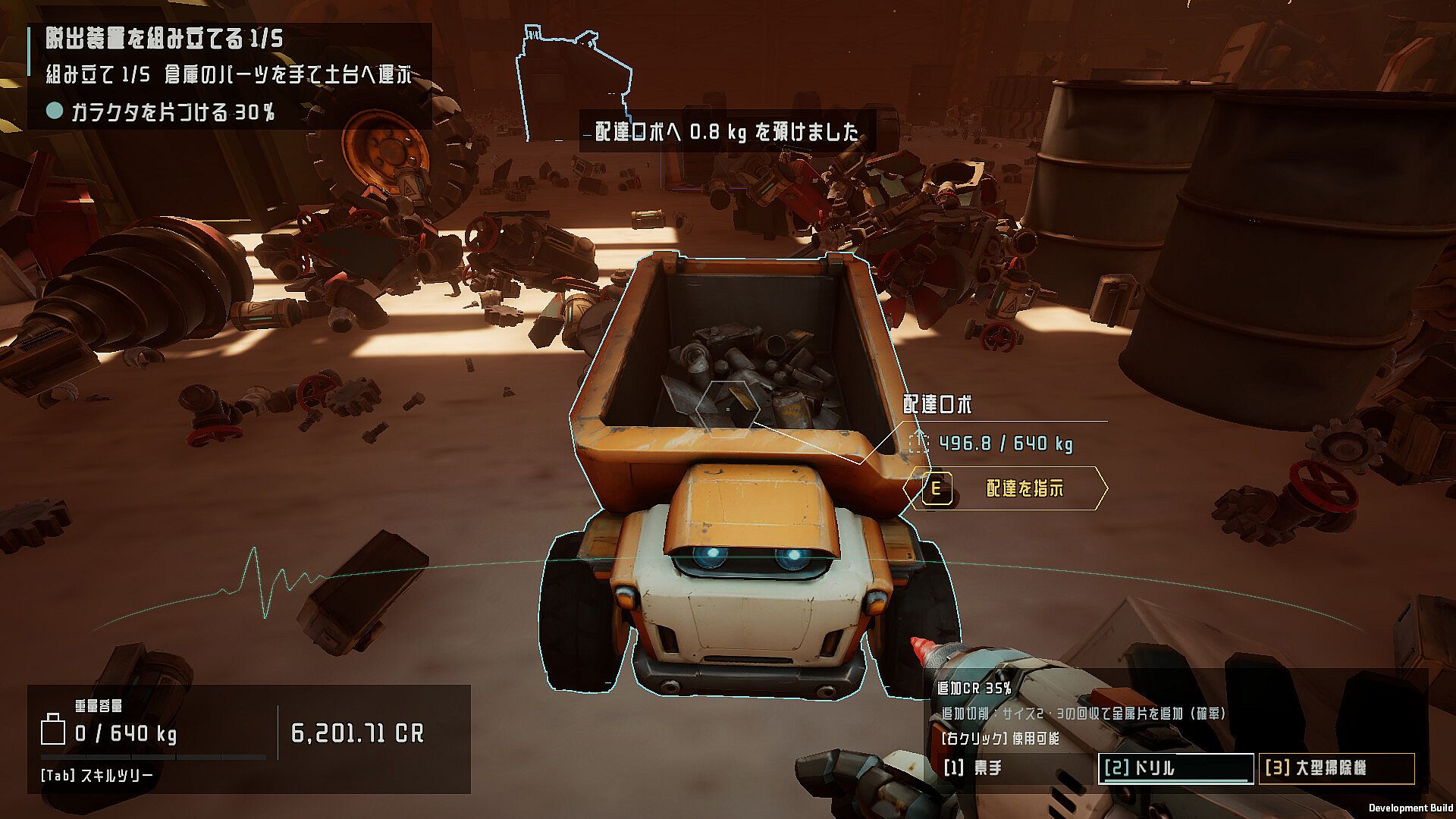
Robots expand the system once unlocked. Cleaning robots handle automatic pickup of nearby debris without direct input. Delivery robots transport loads to the processing machine. Players manage both their own efforts and the robots to tackle larger sections of the warehouse over time. Upgrades also improve the robots, allowing them to cover more ground or handle bigger volumes as the session advances. The progression feels steady because each improvement directly reduces the time spent on repetitive tasks while opening access to denser junk areas.
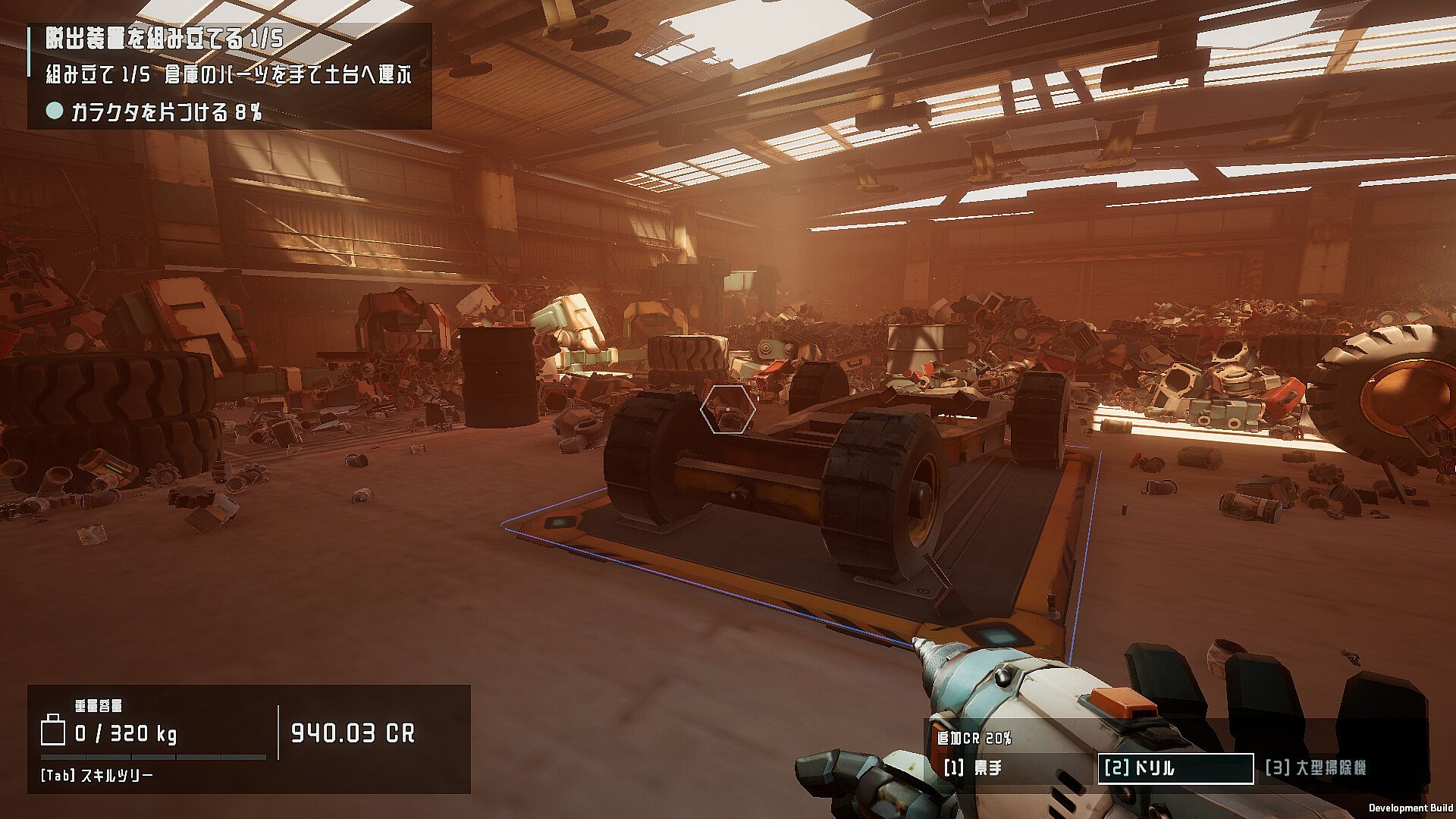
Buried boxes appear as optional finds that reward extra resources when uncovered during collection runs. The ultimate objective involves assembling components for a giant drill that breaks through the warehouse walls. This requires sustained collection and targeted upgrades rather than a single rush toward the end.
Game Modes
The game operates in a single-player format with no separate competitive or cooperative modes listed. All activity takes place within one primary warehouse during the current Early Access build. Players focus on the incremental loop of collection, sales, and upgrades without branching into distinct campaigns or challenge variants at launch. Future free updates are planned to introduce additional warehouses that feature different layouts and escape mechanics, expanding the available environments while keeping the same core systems.
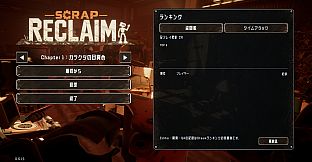
Progress carries forward through persistent upgrades and robot improvements. Sessions emphasize efficiency gains over time rather than timed rounds or score-based competitions. Leaderboards exist for tracking personal bests in collection metrics, but these serve as optional benchmarks within the single-player experience.
Progression and Upgrades
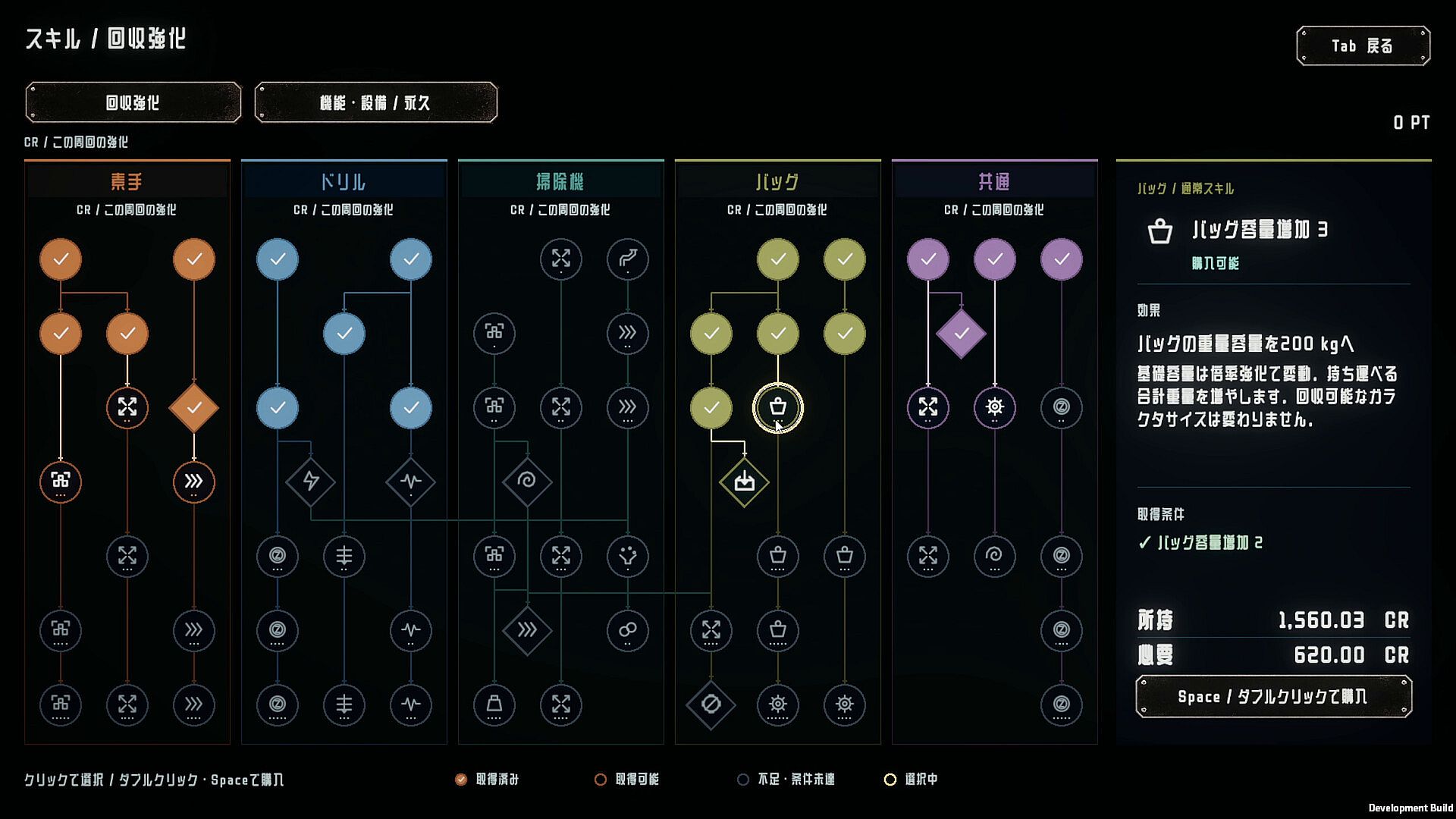
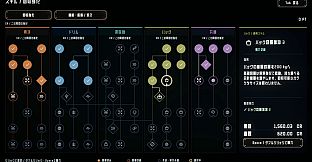
Tool and robot upgrades form the main avenue for advancement. Spending earnings at the upgrade menu improves bag size, tool power, and automation range. The drill and vacuum each scale differently with investment, encouraging players to experiment with combinations that suit their preferred collection style. Robot enhancements allow greater independence, freeing the player to focus on harder-to-reach piles or strategic positioning.
The escape assembly adds a long-term goal that ties every upgrade choice to a tangible outcome. Clearing enough space and gathering the required parts leads to the final drill construction. This structure rewards consistent play without introducing unrelated side objectives or complex crafting trees beyond the verified tool and robot paths.
Is It Worth Playing?
SCRAP RECLAIM suits players who enjoy incremental progression systems in a relaxed 3D environment. The focus on tool selection, robot management, and steady efficiency gains appeals to those who like watching a simple loop grow more capable over repeated sessions. Because the title remains in Early Access with a planned release window in December 2026, the current build contains the core warehouse experience and basic upgrade paths while developers continue to refine controls, balance, and stability based on feedback.
No user reviews are available yet, so expectations should center on the described mechanics rather than polished final content. The single-player incremental format offers clear goals and visible improvements without multiplayer requirements or complex narratives. Those interested in casual simulation gameplay centered on junk collection and automation may find value in following its development through the Early Access period, especially with the promise of additional warehouses arriving as free updates after launch.