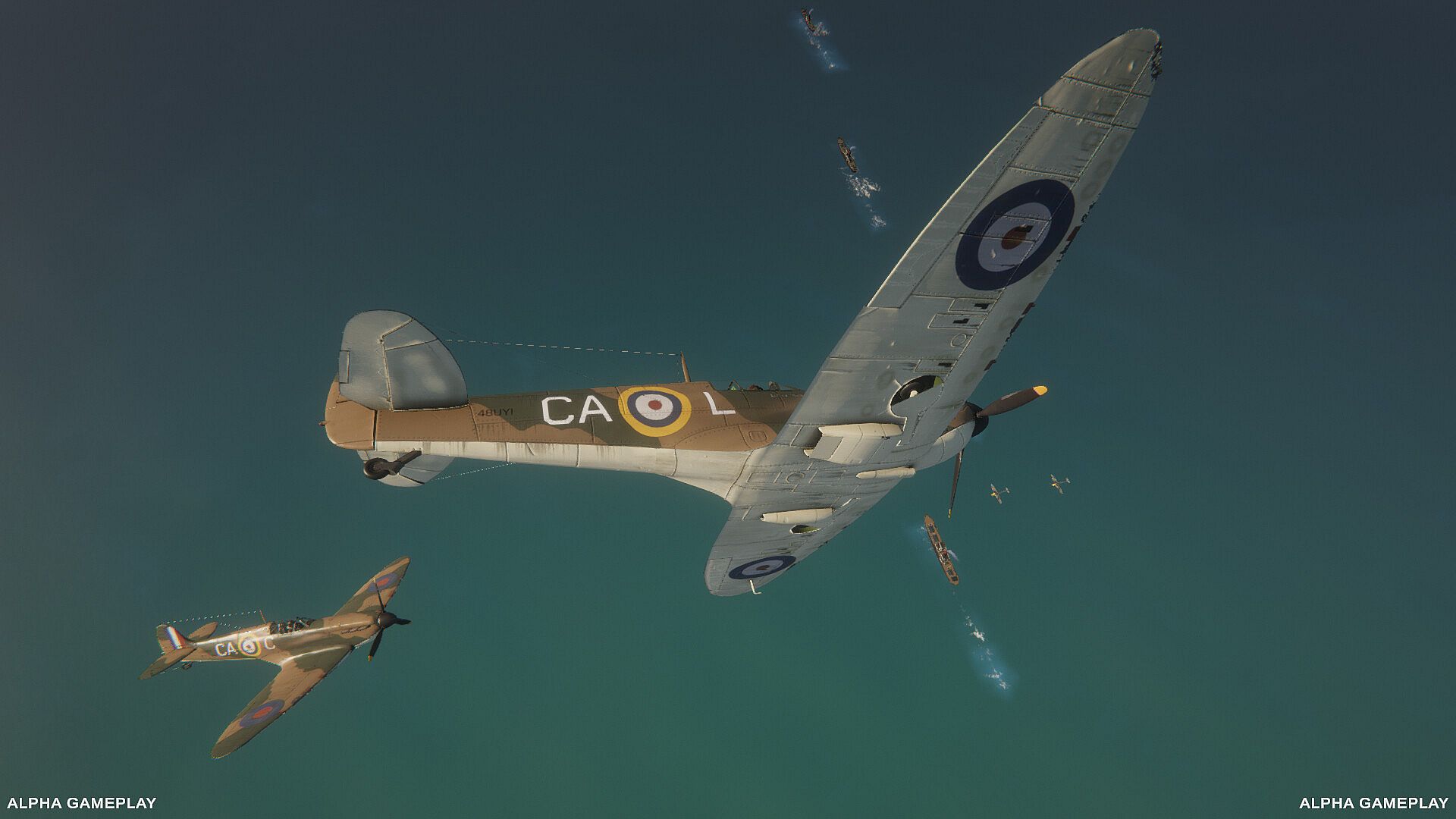
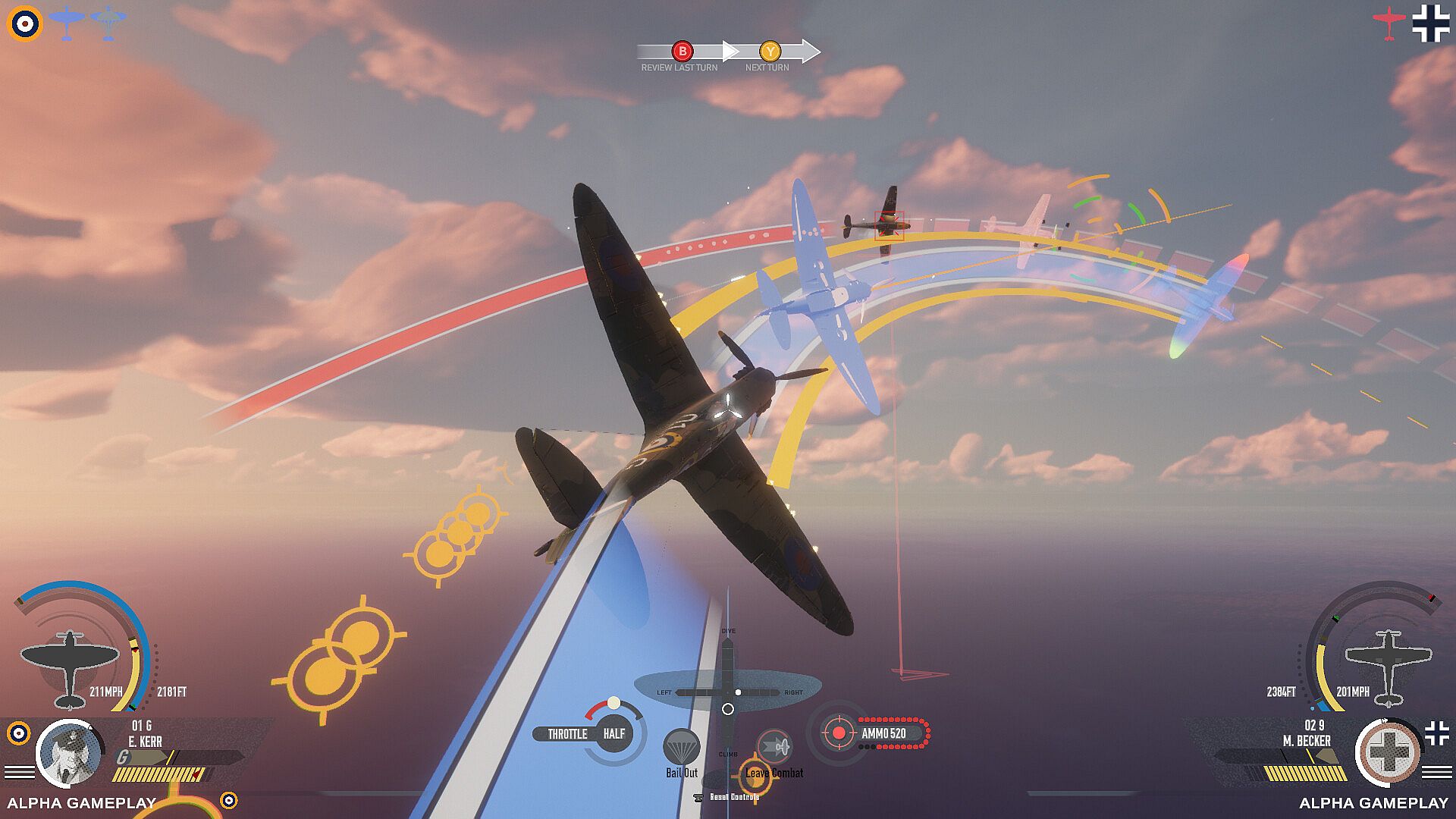
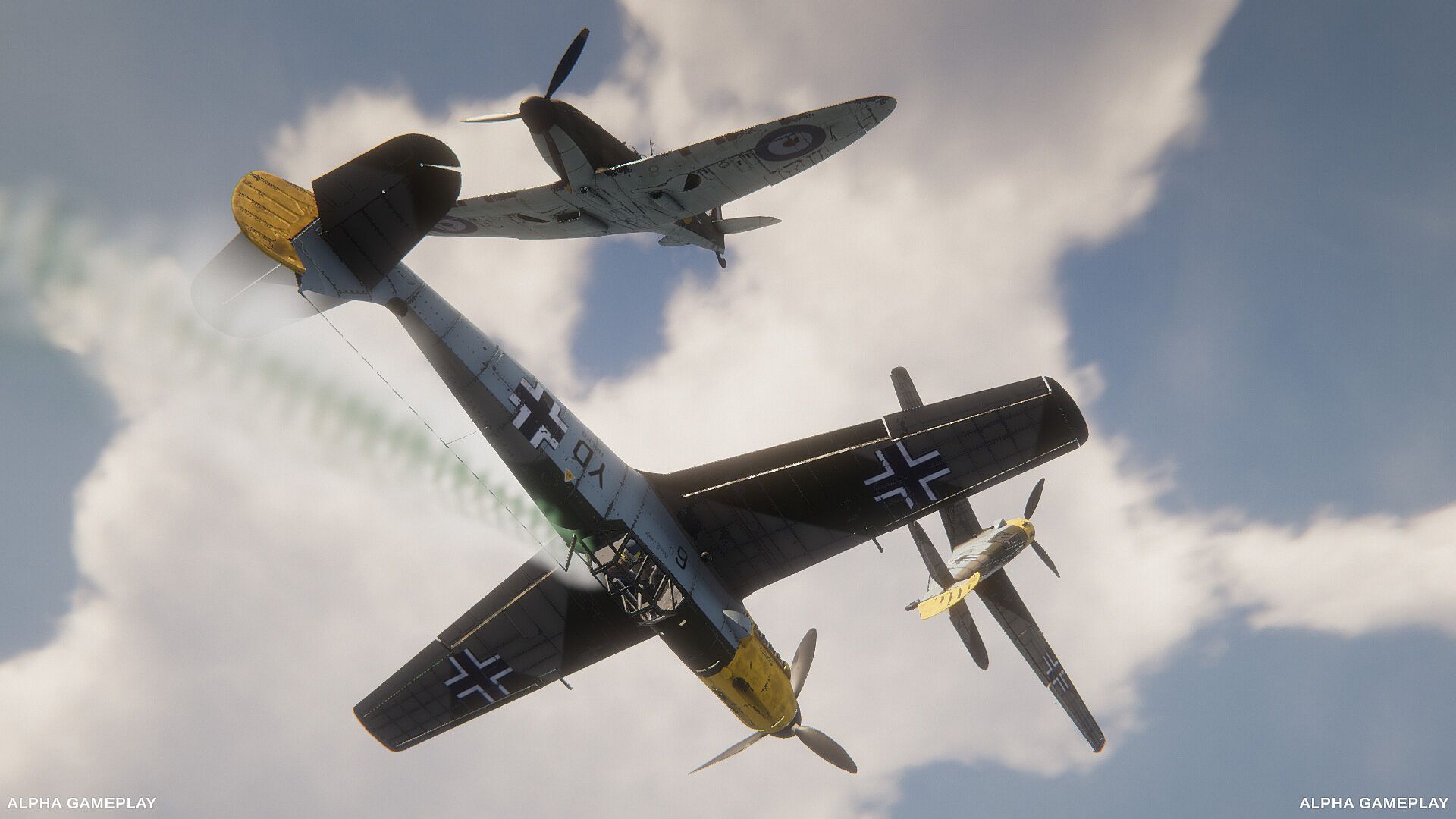
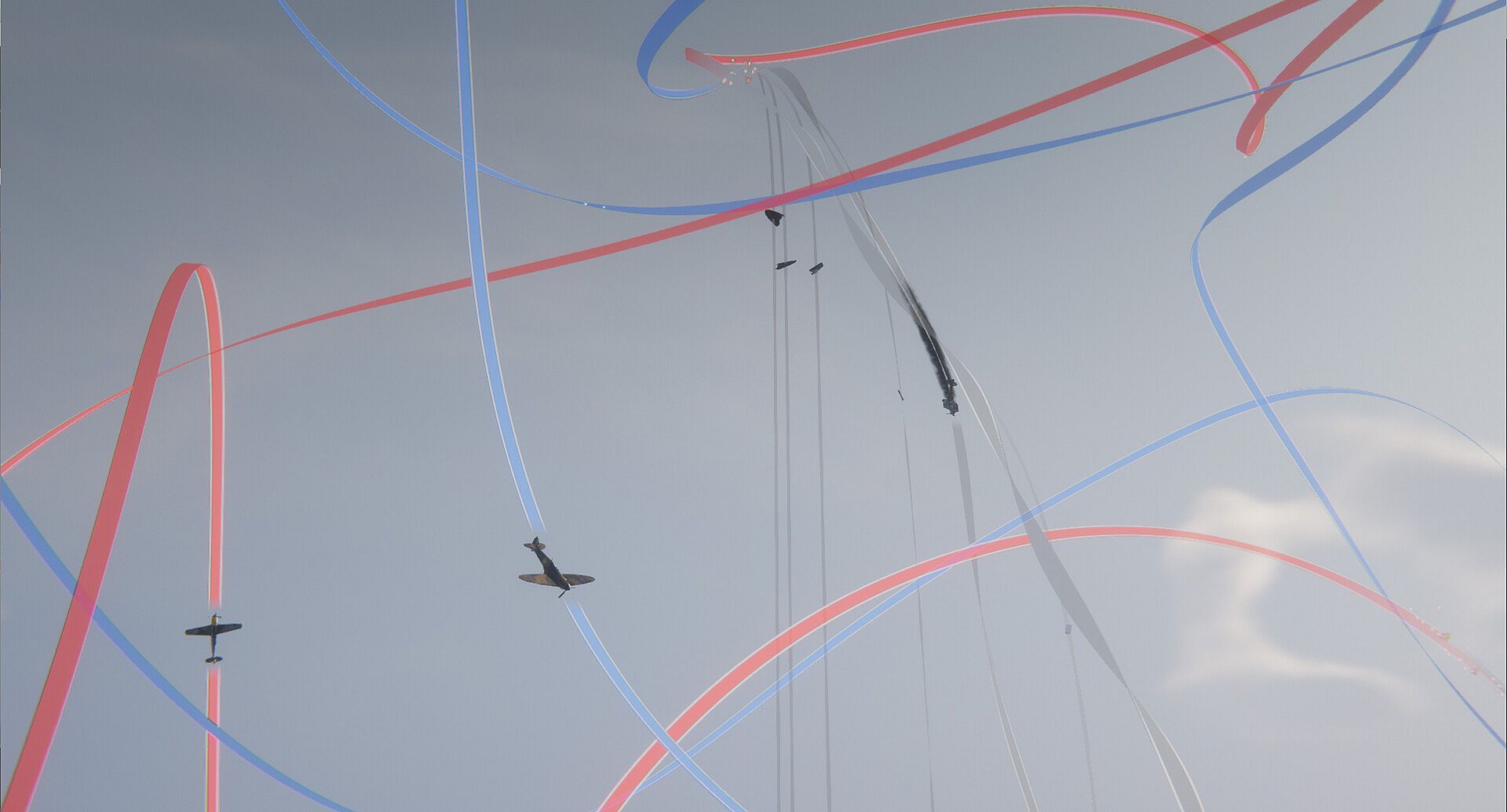
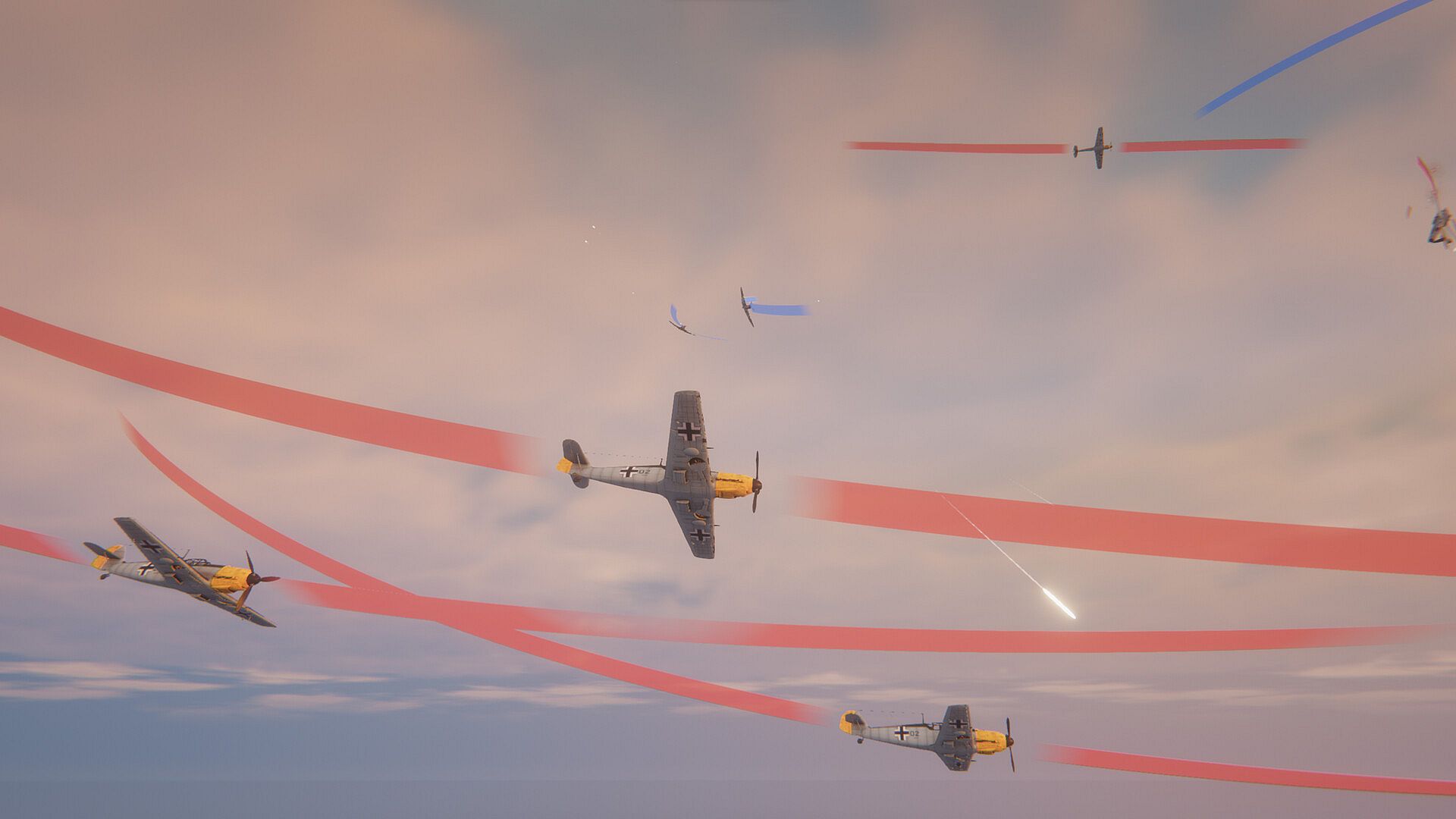
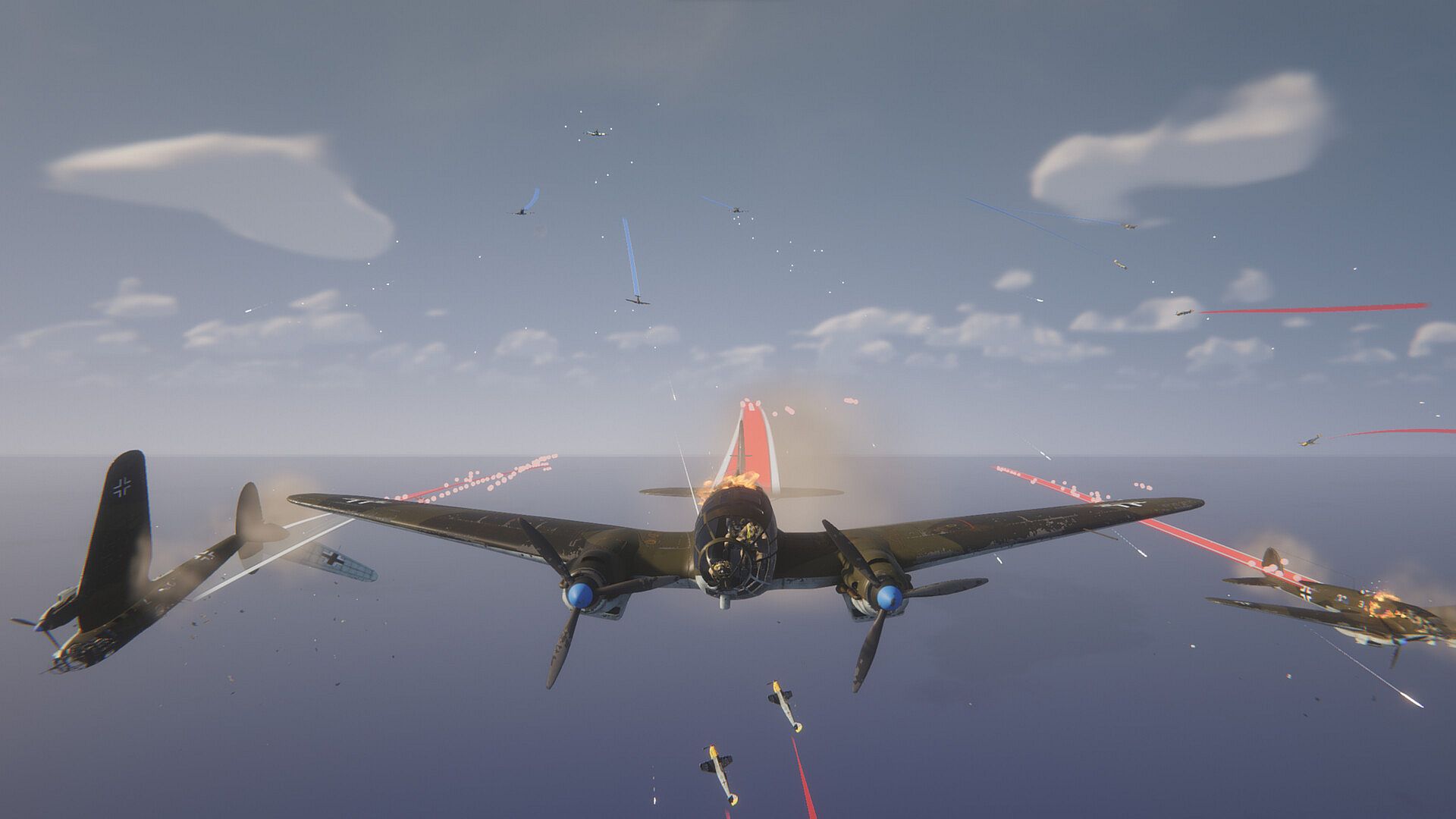
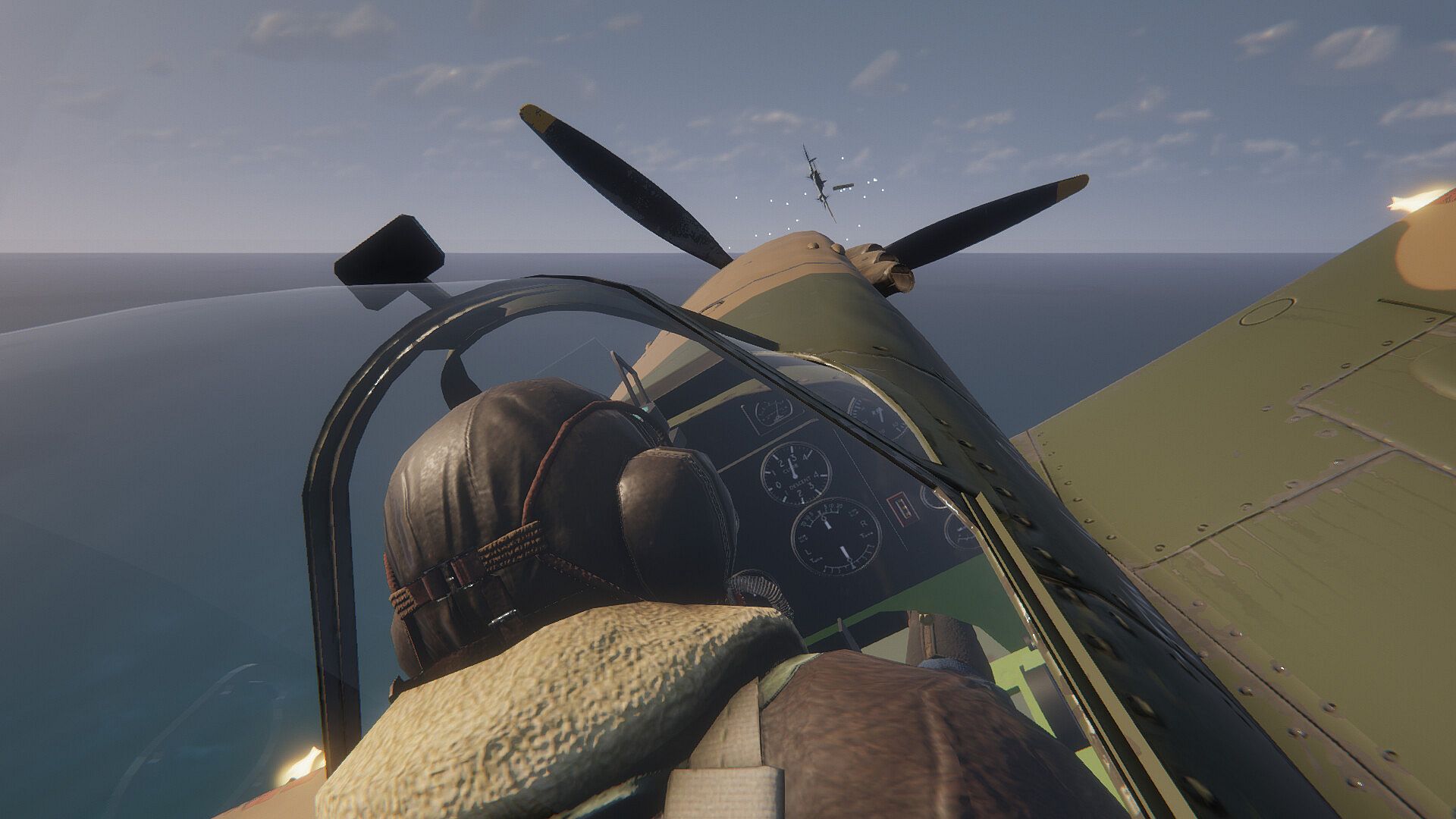
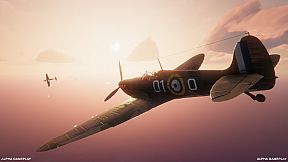
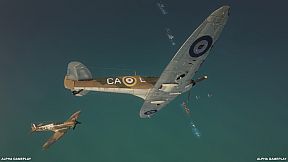
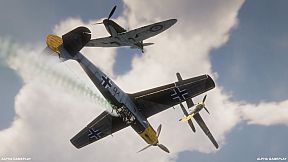
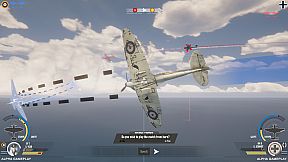
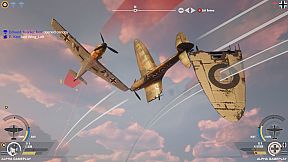
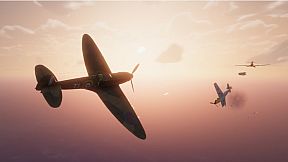
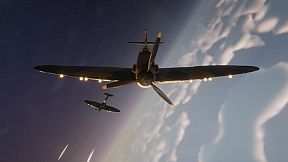
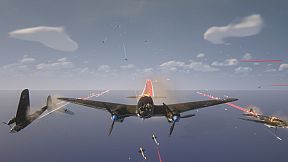
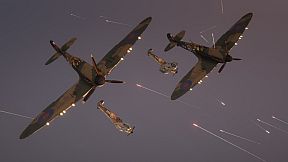
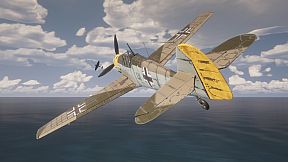
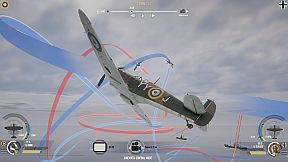
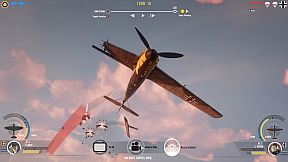
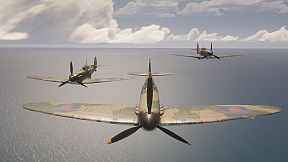
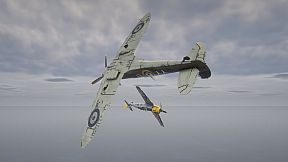
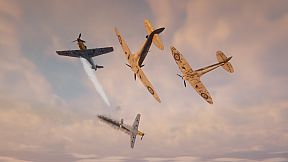
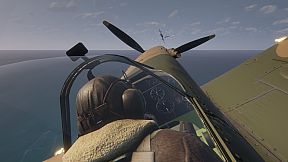
Scramble: Battle of Britain is a tactical dogfighting strategy game set during the 1940 summer skies over the English Channel. Players command RAF and Luftwaffe aircraft in physics-driven aerial combat that unfolds through distinct planning, simulation, and review phases. The title emphasizes deliberate maneuvering over split-second reflexes, with detailed aircraft subsystems that respond realistically to damage and stress.
Gameplay
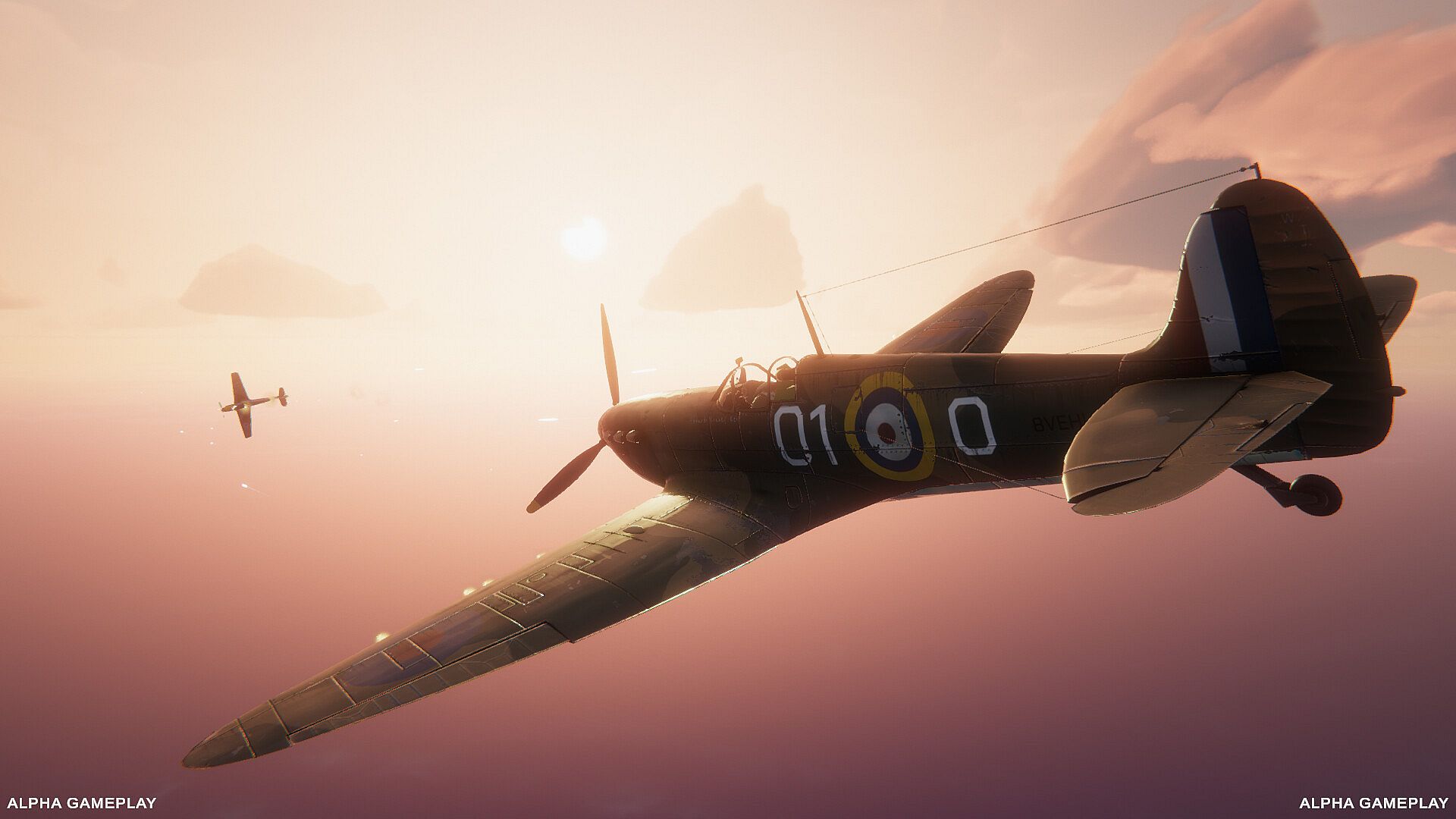
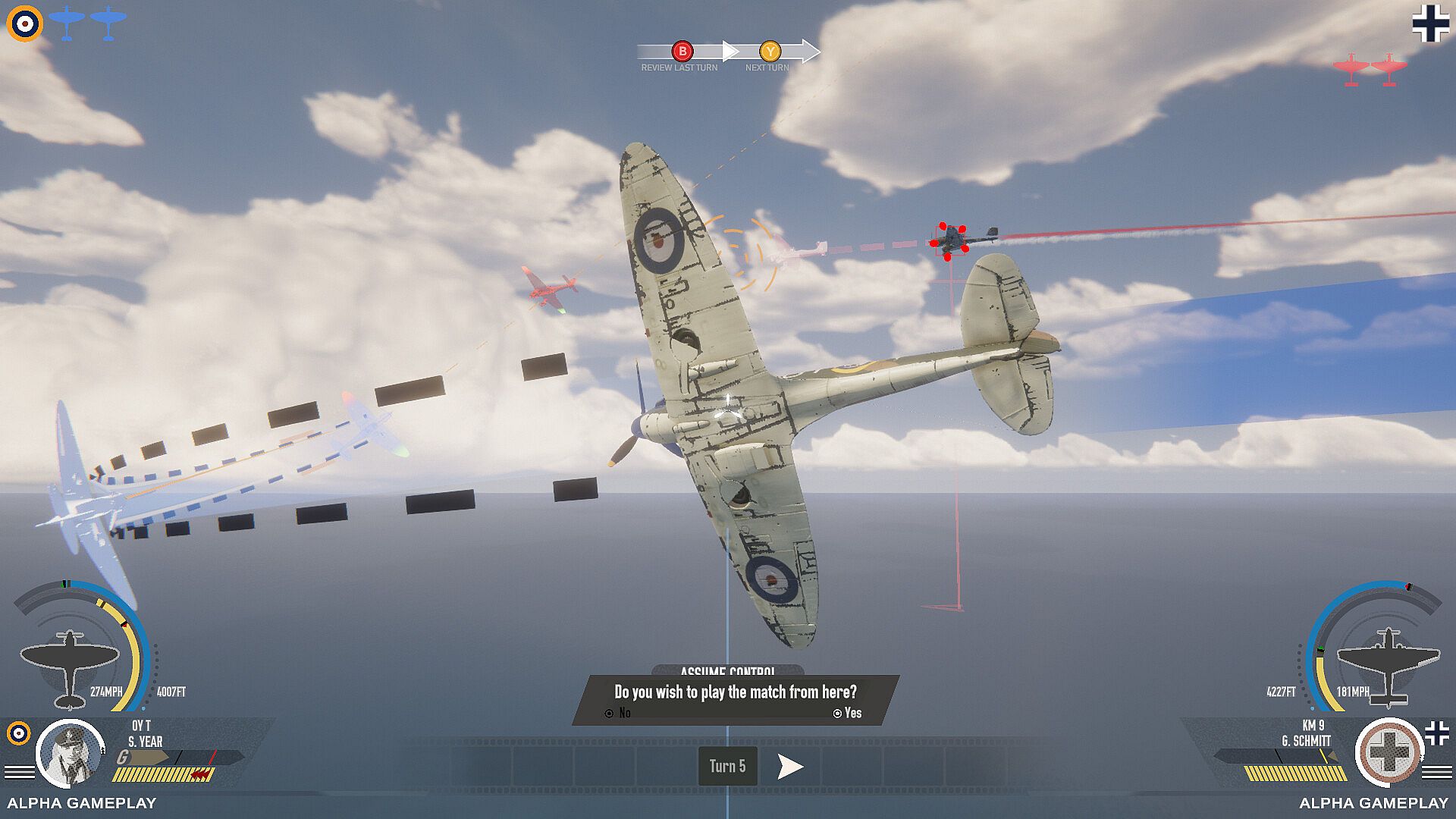
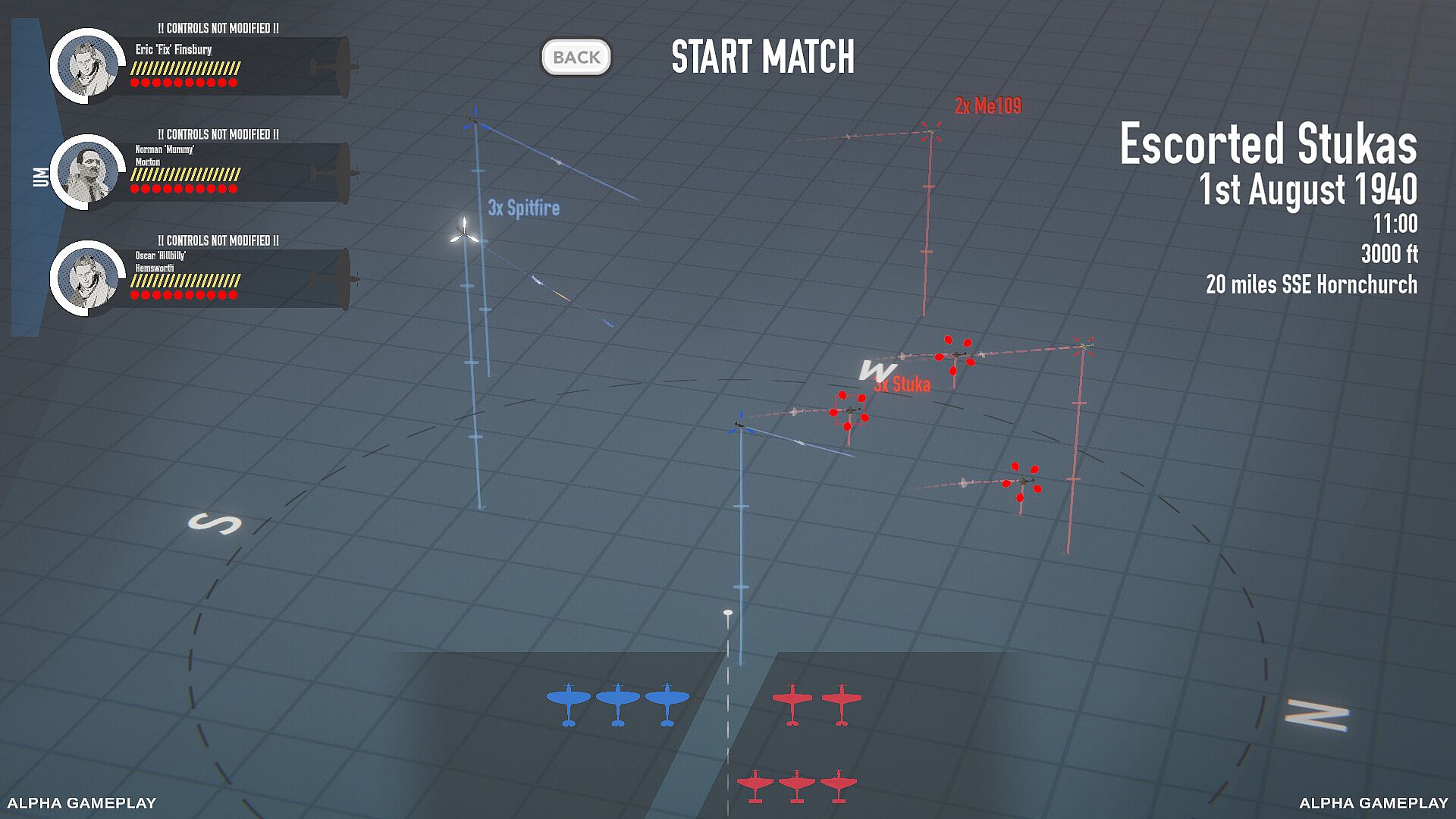
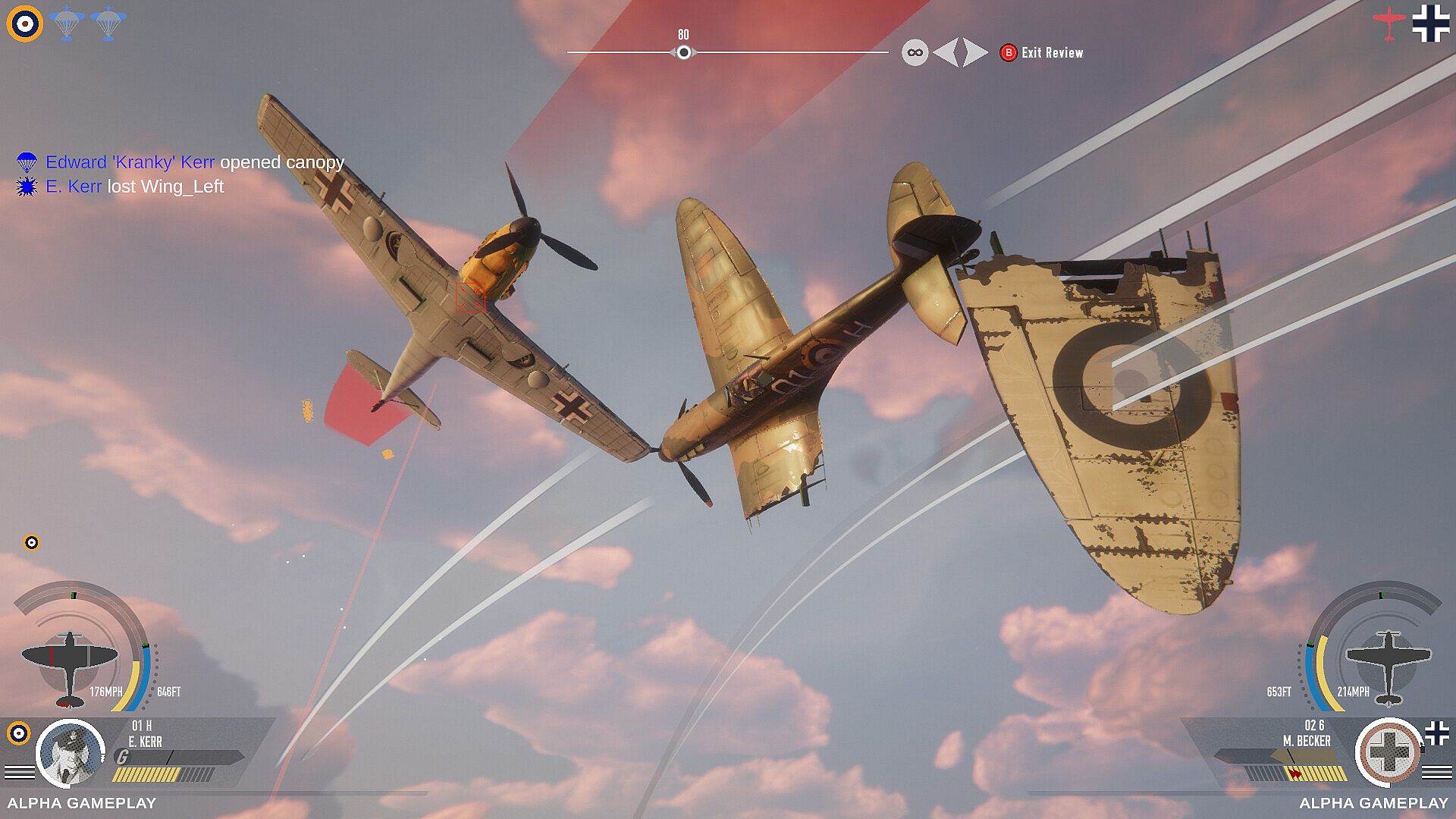
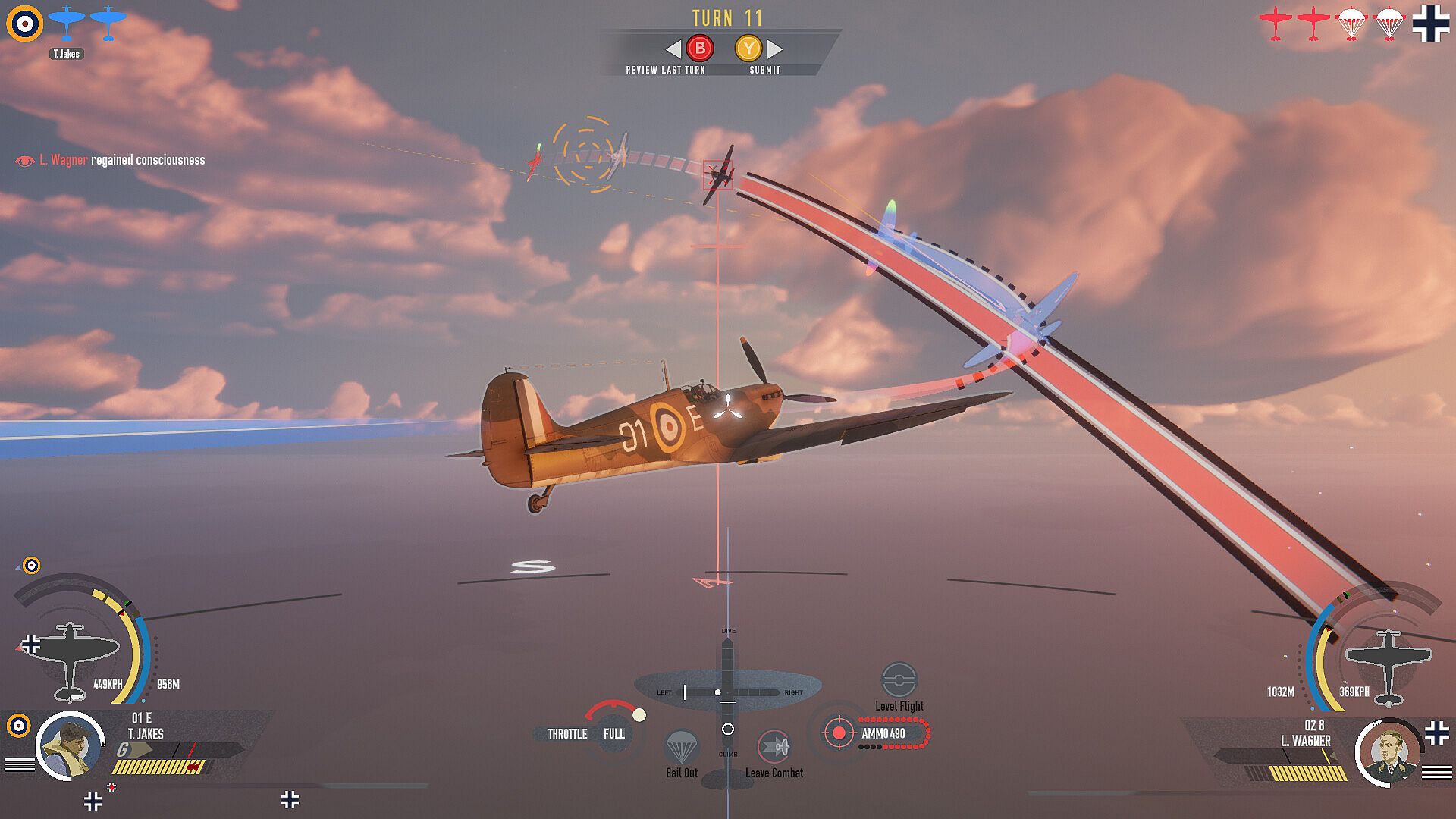
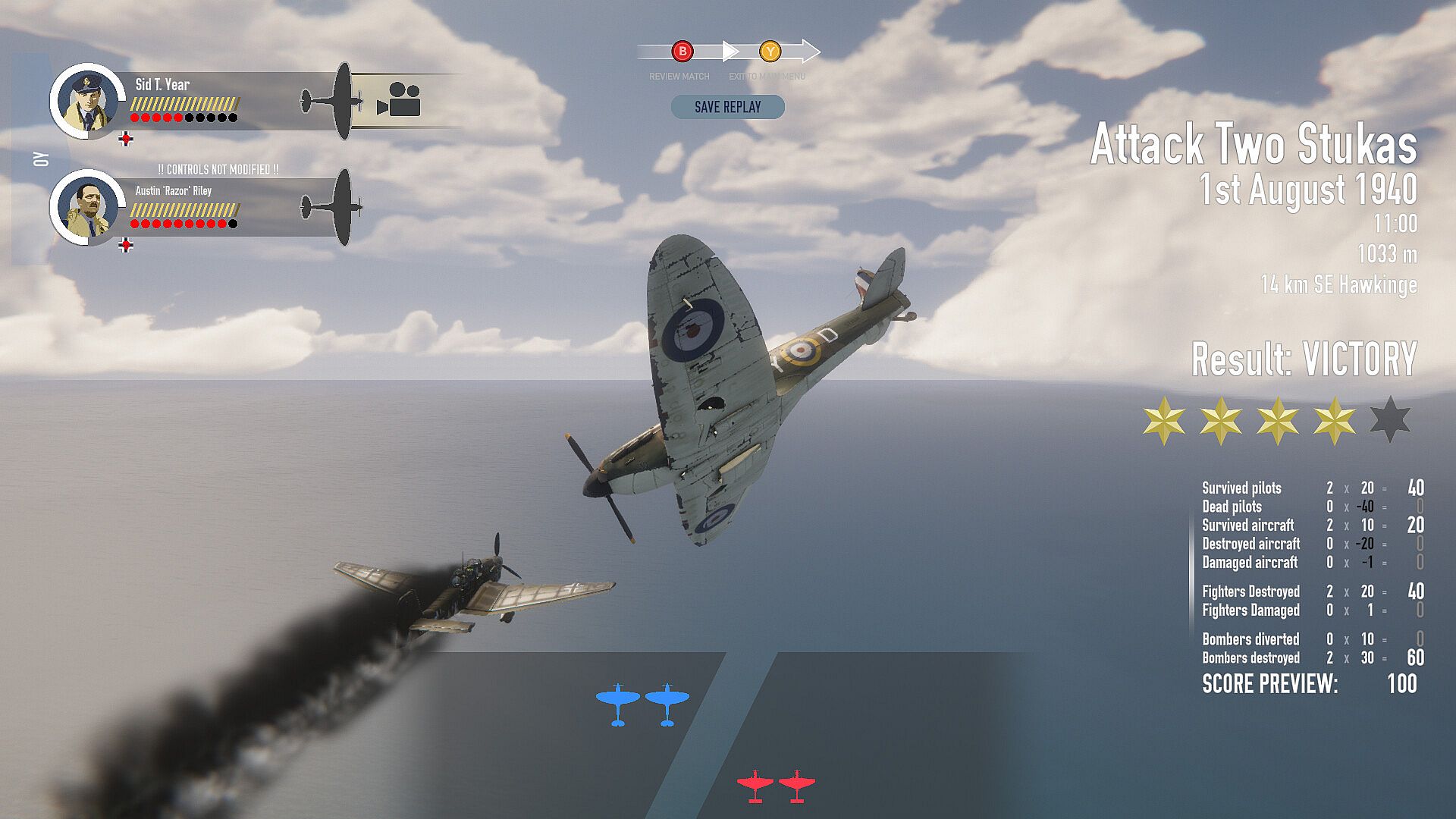
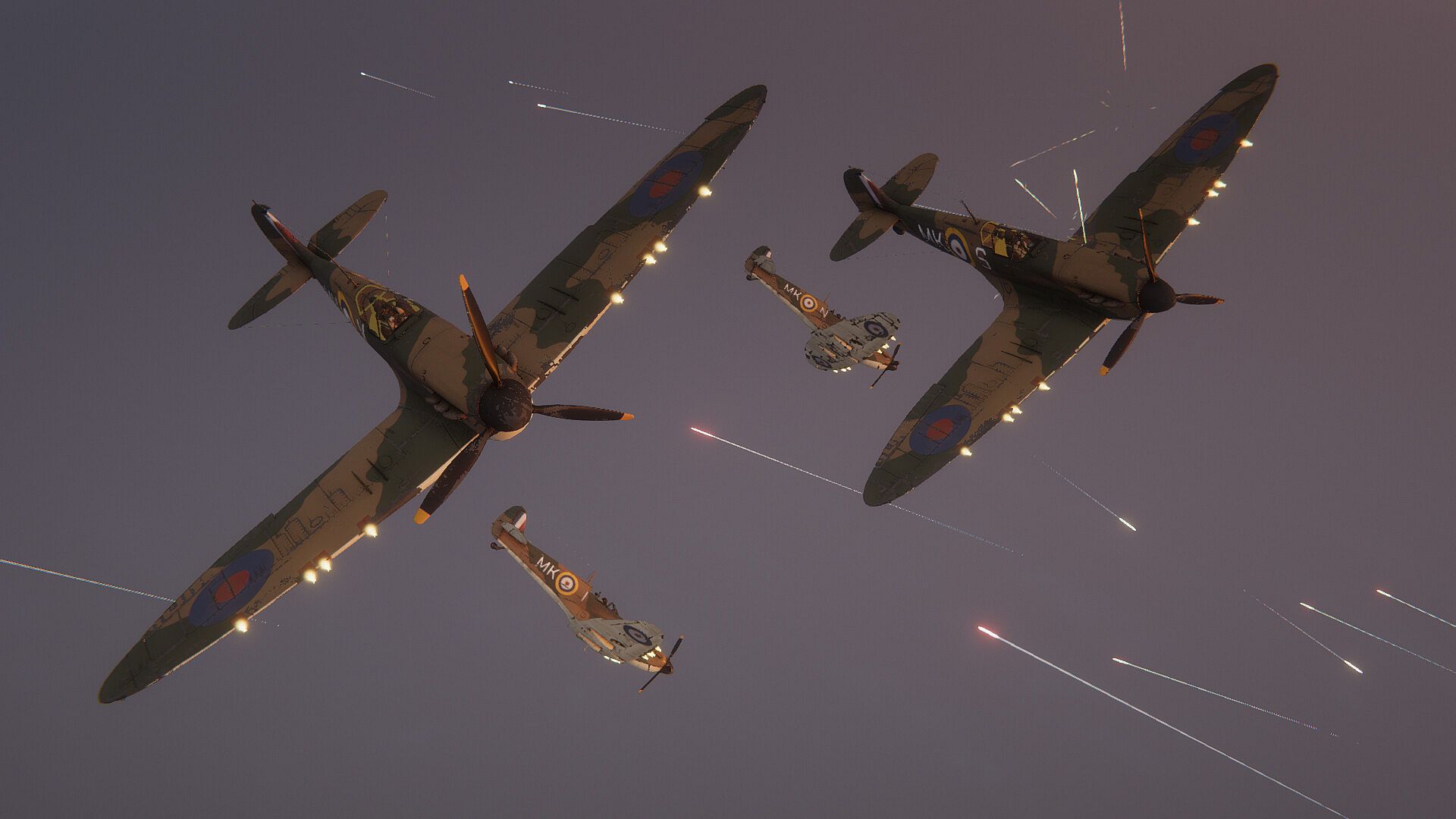
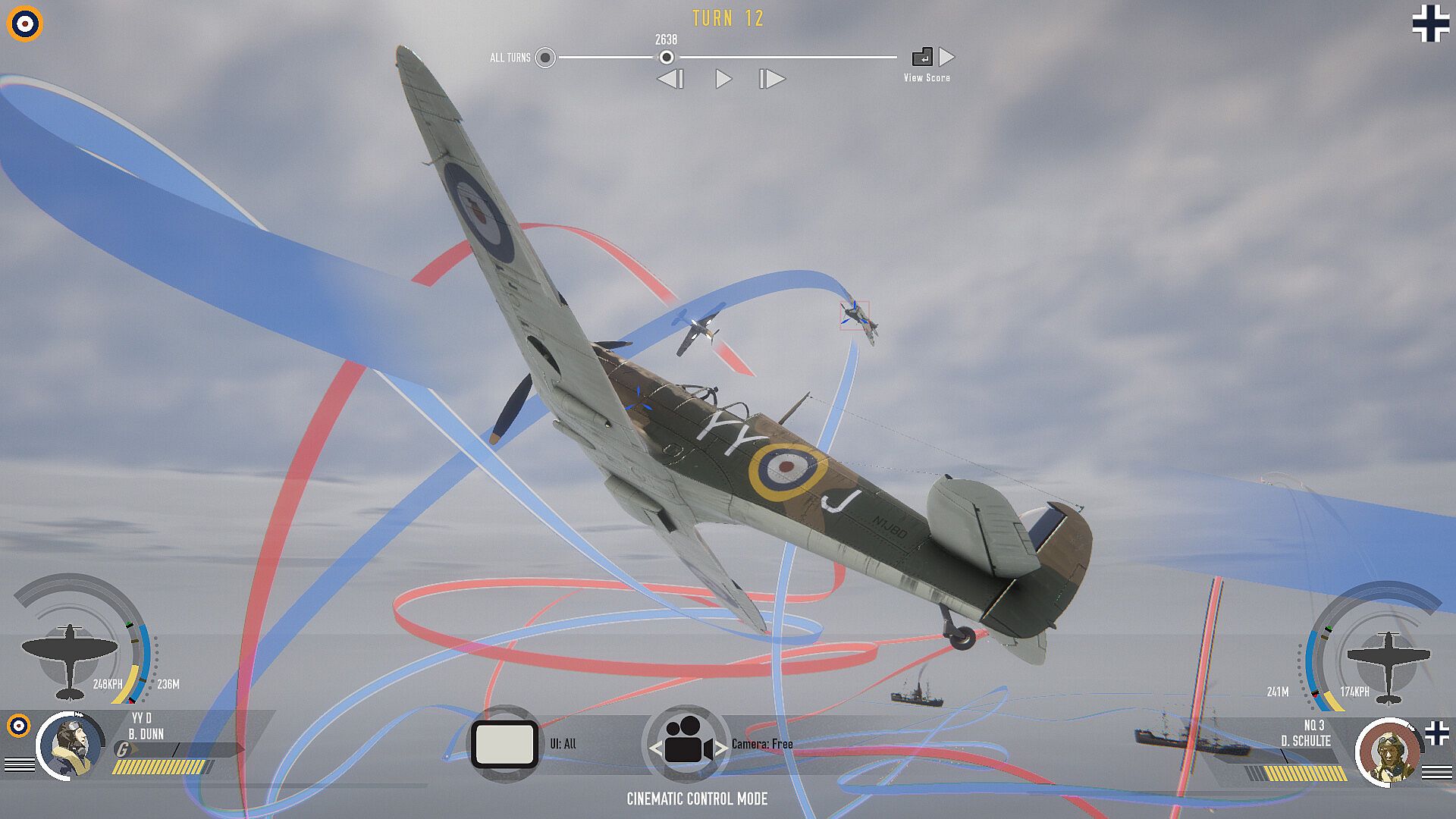
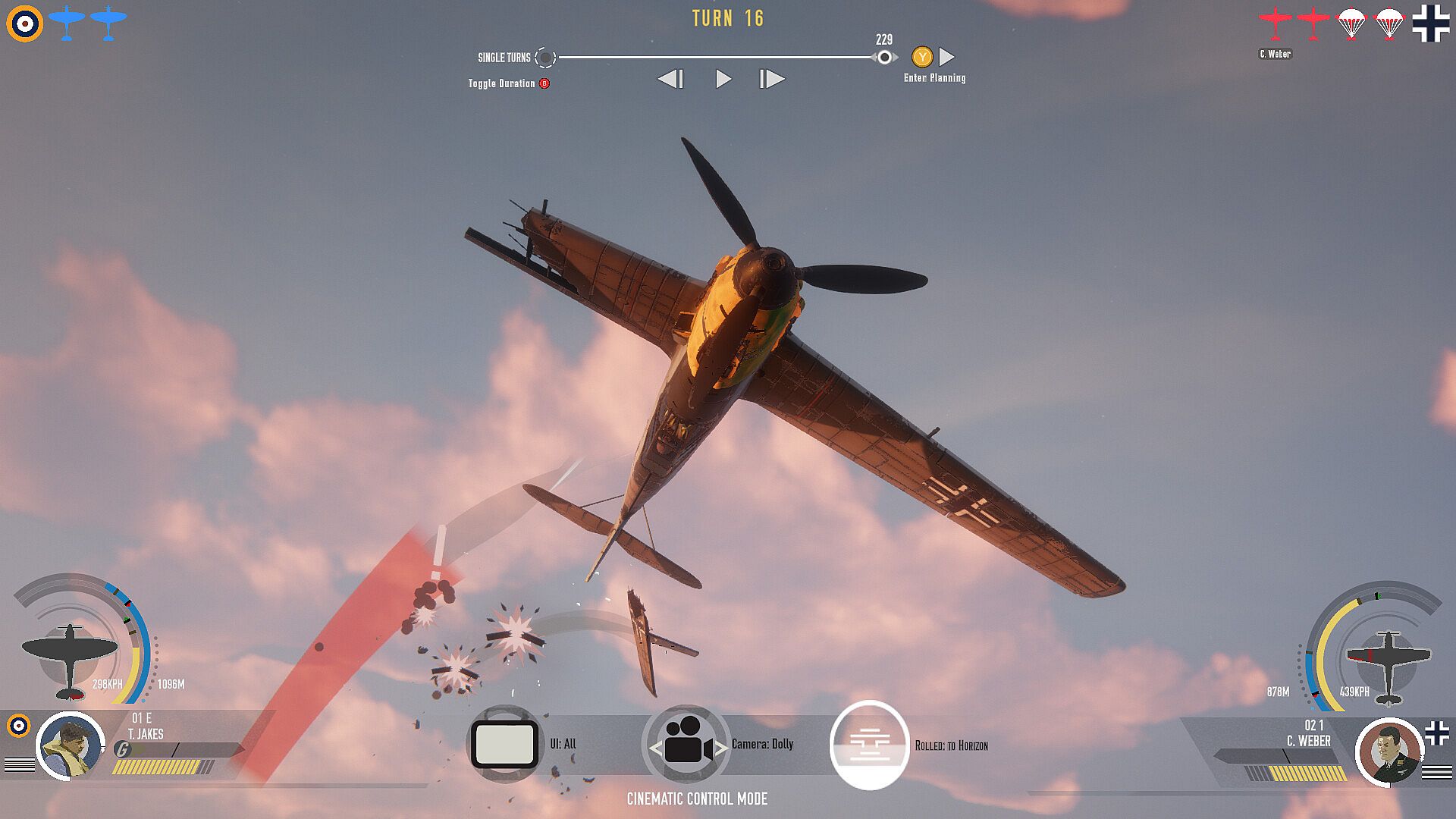
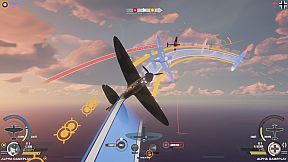
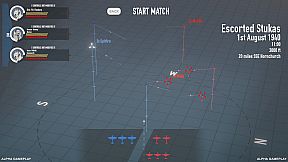
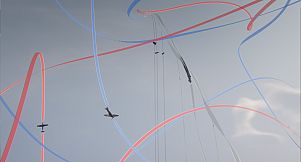
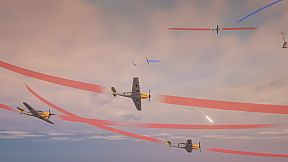
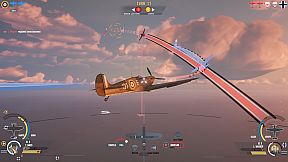
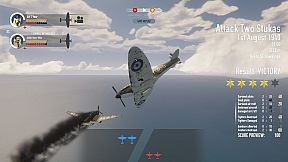
The core loop divides each engagement into three phases that reward careful preparation and post-action analysis. In the planning phase, players zoom out to a diorama-style overview of the airspace, position aircraft, and issue specific commands such as loops, rolls, and dives. The simulation phase then resolves these orders in real time, producing high-speed exchanges of fire where bullets can puncture fuel tanks, radiators, or control surfaces. The review phase lets players scrub through the recorded action frame by frame, assess structural damage, and decide whether damaged planes should attempt to land or have pilots bail out.
Aircraft behave according to subcomponent-level simulation. Leaking fuel, fires, and lost ailerons or elevators alter flight characteristics mid-combat, forcing pilots to adapt tactics on the fly. Human factors also matter: pilots can fatigue or black out during high-g maneuvers, and well-placed shots can incapacitate them just as easily as they can disable an engine. These systems shift objectives from pure destruction toward survival when aircraft sustain critical hits.
Game Modes
Squadron Leader serves as the primary single-player experience. Players lead a roster of twelve RAF pilots, each with unique traits that influence combat performance, across thirty days of channel interceptions. Pilots accumulate fatigue and injuries over successive missions, and permanent losses require the commander to balance aggressive tactics against long-term squadron sustainability.
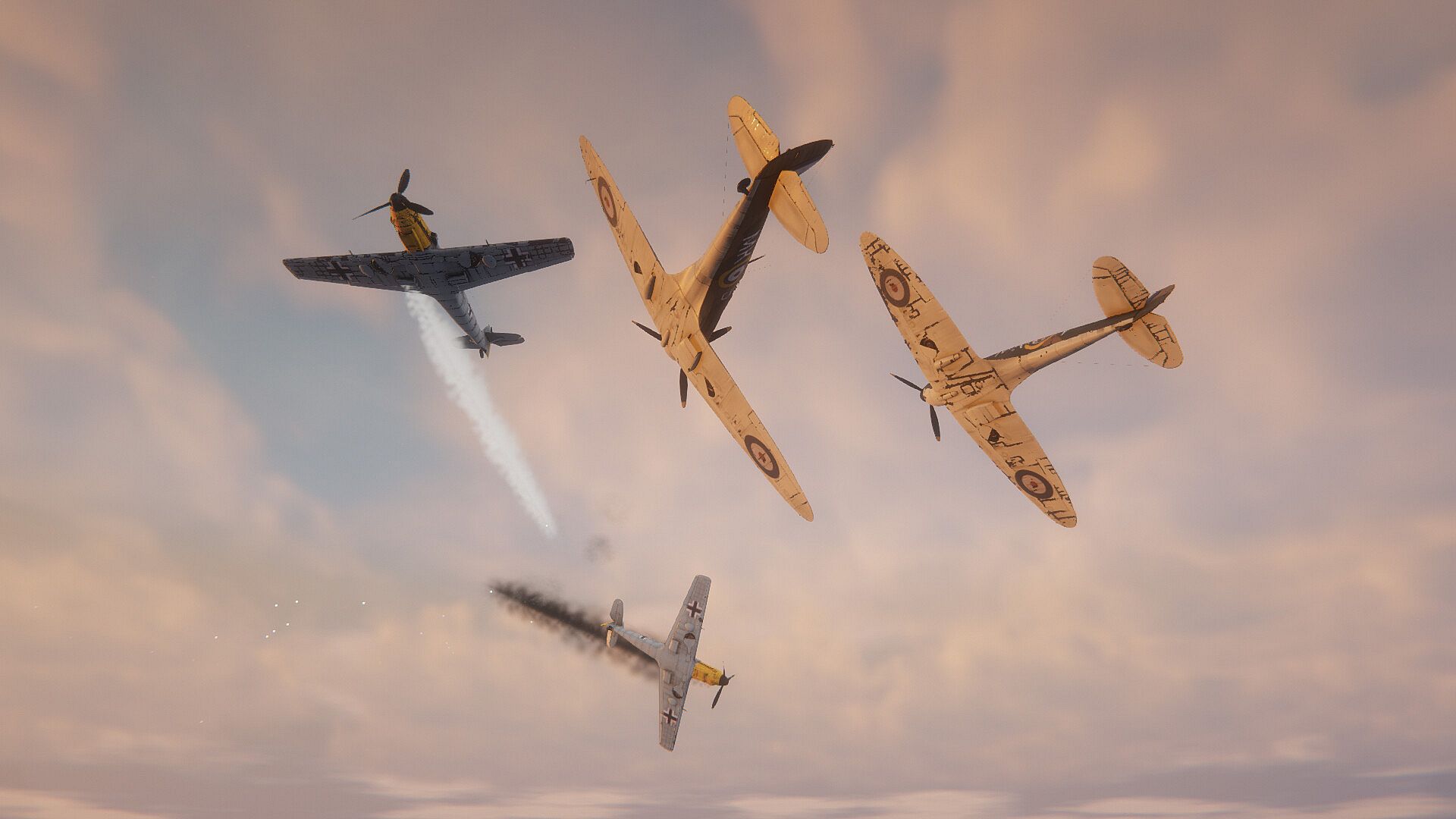
Dogfight Generator provides quick, customizable encounters. Users select force compositions for either side and launch skirmishes involving up to twelve aircraft, with options to save replays for later viewing or sharing. Cinematic camera tools allow detailed playback from multiple angles during these instant-action sessions.
Additional mission maps with preset unit placements expand the available scenarios beyond the generator. These modes collectively form the foundation for a larger campaign that remains in development.
Aircraft and Simulation Depth
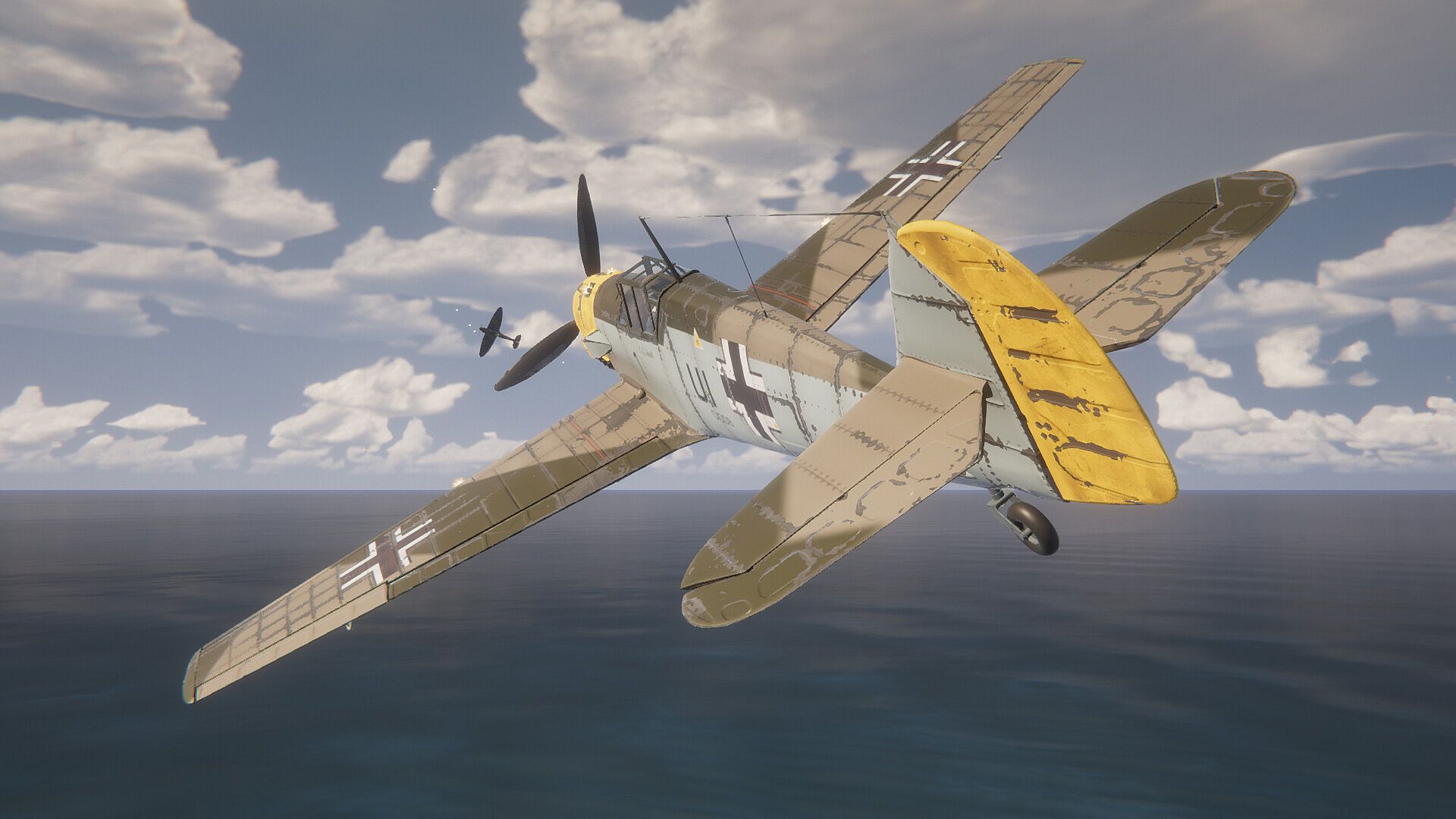
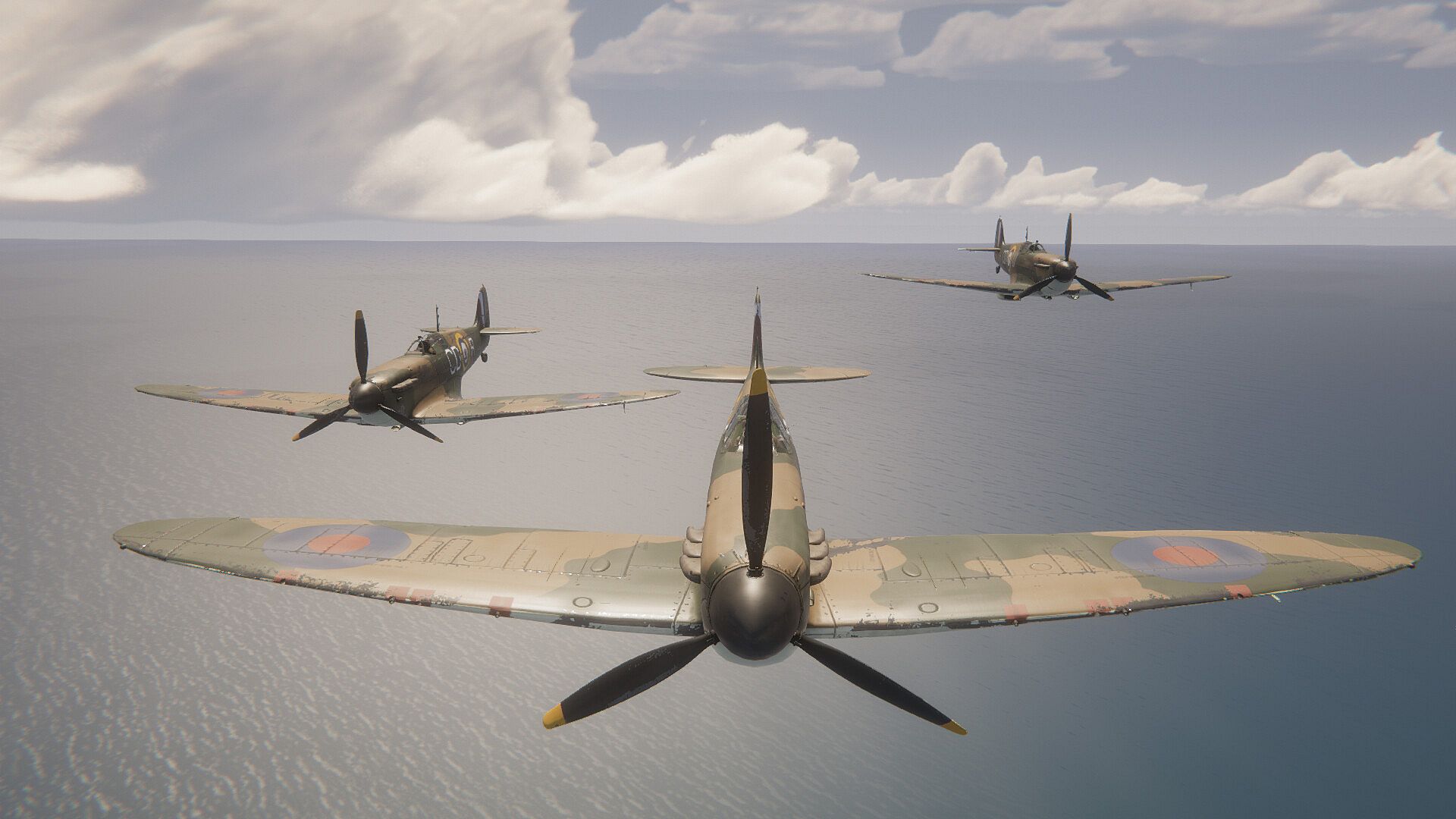
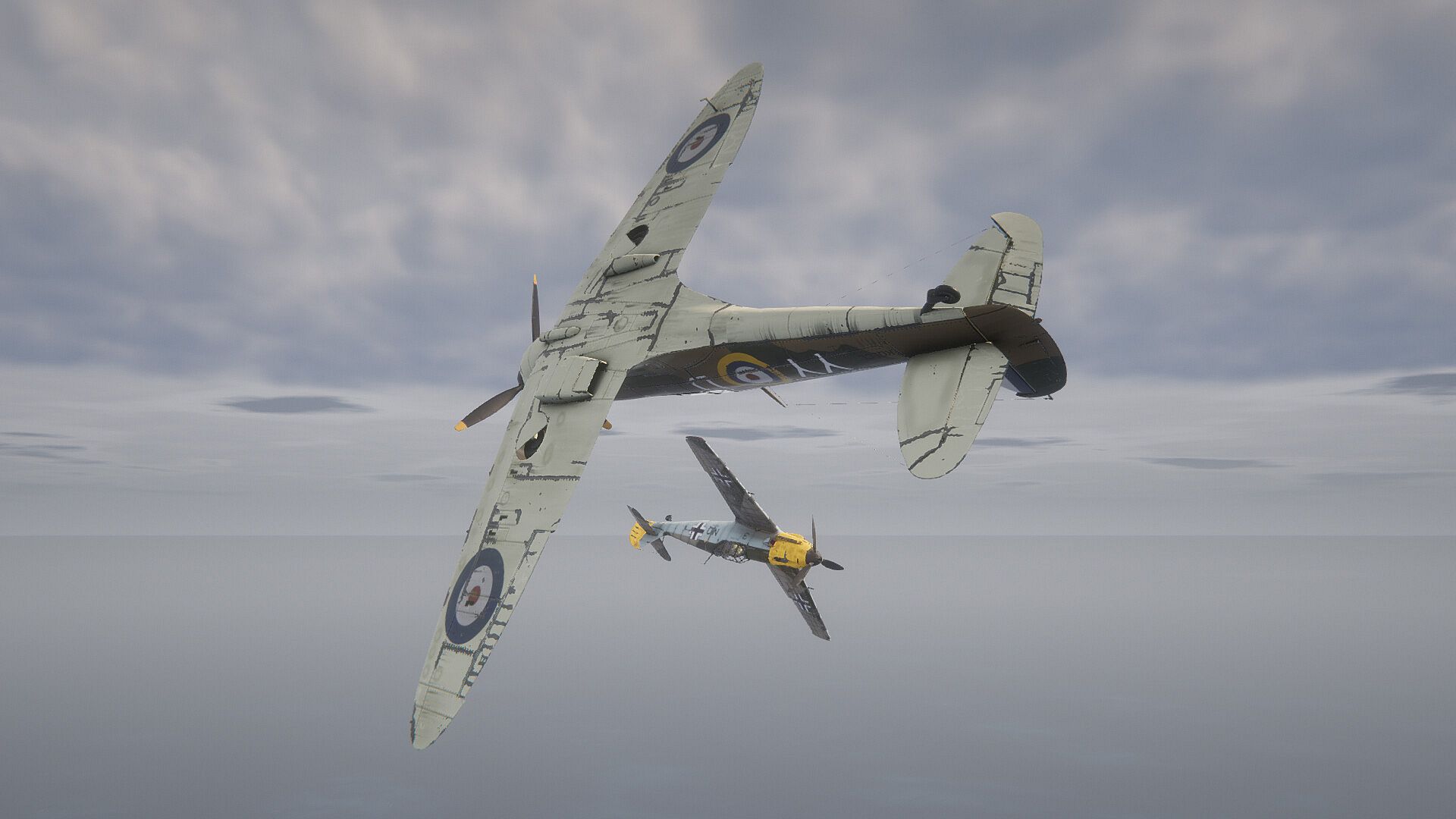
Currently available aircraft include the Supermarine Spitfire and Hawker Hurricane for the RAF, alongside the Messerschmitt 109, Messerschmitt 110, Junkers 87 Stuka, and Dornier 17 for the Luftwaffe. Each airframe exhibits distinct performance envelopes in climb, dive, and turn rates that players must exploit through proper positioning. Planned additions such as the Bristol Blenheim, Junkers 88, and Heinkel 111 will expand the roster further once implemented.
The physics model tracks individual components rather than abstract hit points. Damage to control surfaces changes handling immediately, while engine or fuel system hits introduce progressive failures that can end a sortie even without a direct kill. This level of detail rewards players who study each plane's strengths and weaknesses before committing to aggressive maneuvers.
Is It Worth Playing?
Scramble: Battle of Britain delivers a focused tactical experience for players who enjoy turn-based decision making combined with realistic flight modeling. The 88 percent positive rating from over 200 reviews reflects appreciation for the approachable yet deep combat system and the satisfying feedback loop of planning, watching outcomes, and reviewing results. Current features center on single-player squadron management and quick skirmishes, with ongoing development aimed at a full campaign and additional content.
The game suits enthusiasts of World War II air combat who prefer strategic oversight to arcade-style dogfighting. Those seeking immediate multiplayer options or a complete historical campaign may prefer to wait for future updates, while players comfortable with Early Access titles can engage with the existing mechanics and contribute feedback on balance and features.