




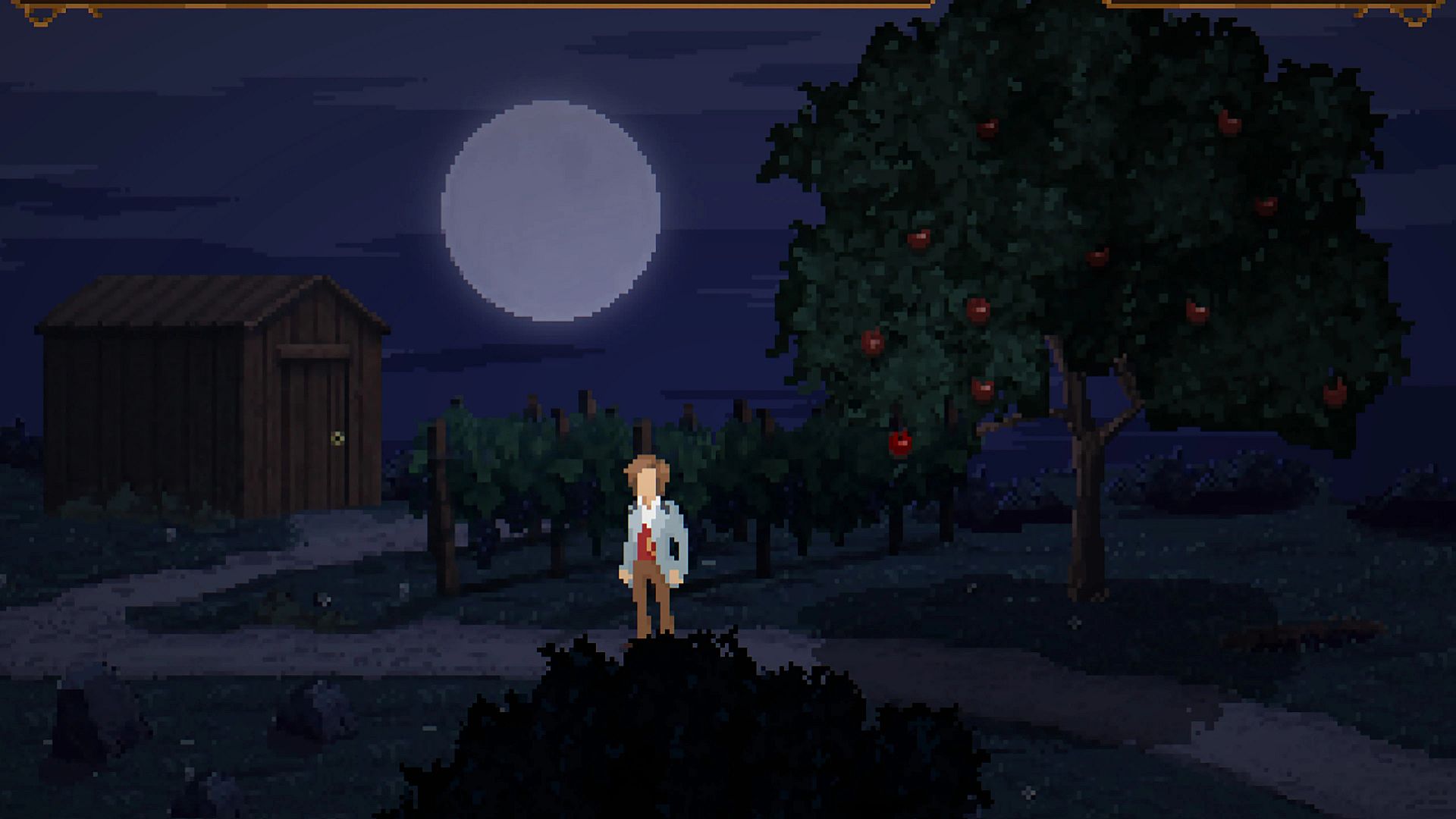
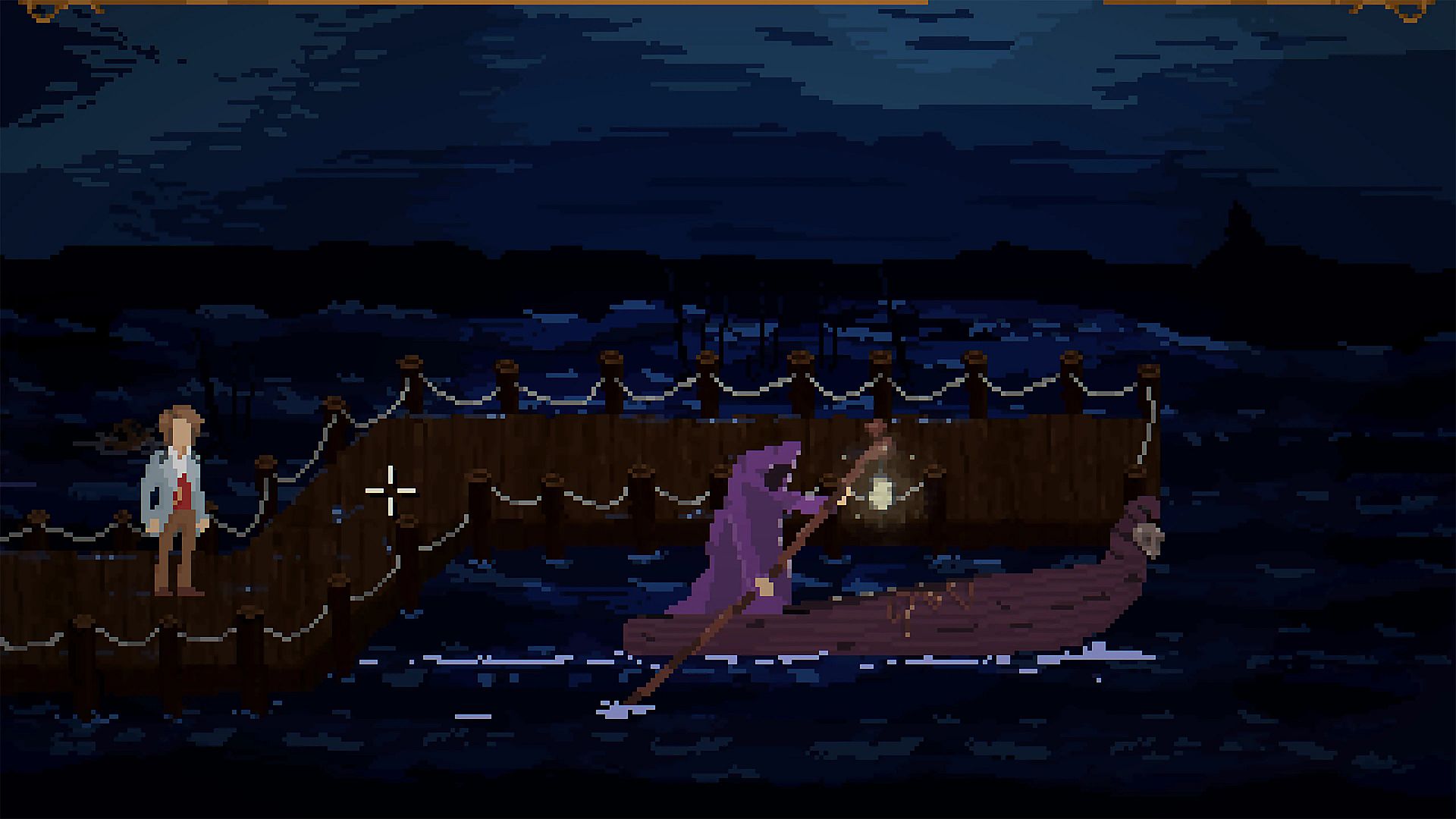
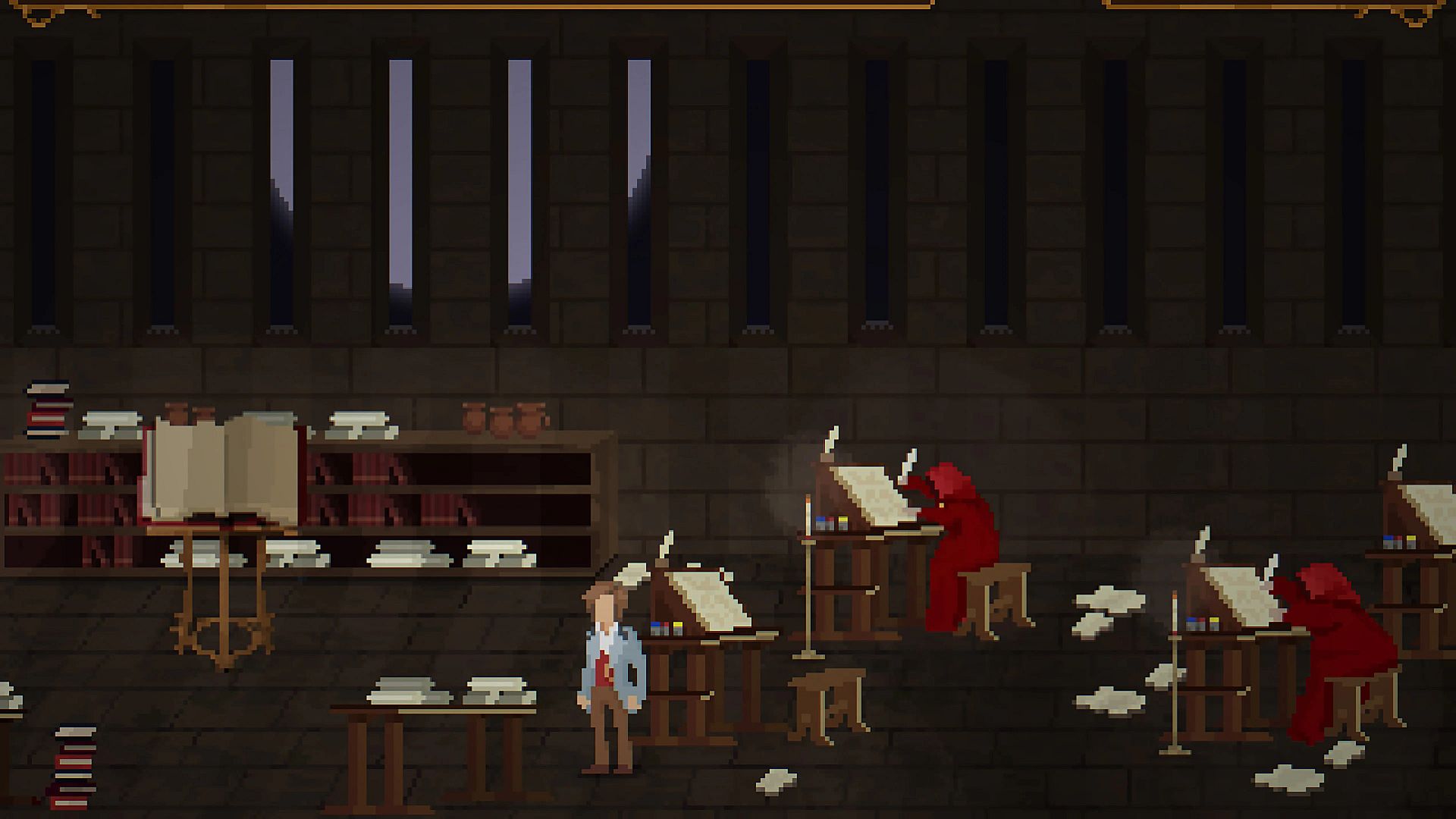

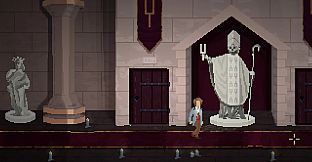
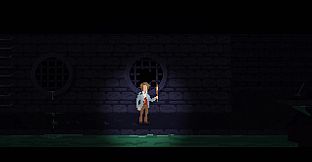
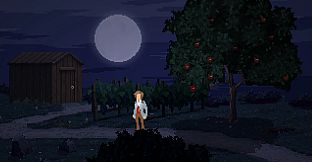
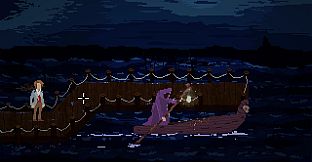
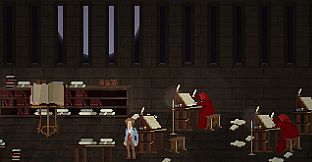
Scholar Adventure: Mystery of Silence is a single-player point-and-click adventure game developed for the PS5. Players take on the role of William, a young writer seeking inspiration for his first major success. He arrives at a remote abbey bound by a strict vow of silence, where the quiet halls and reserved monks gradually reveal layers of hidden history and tension.
Gameplay
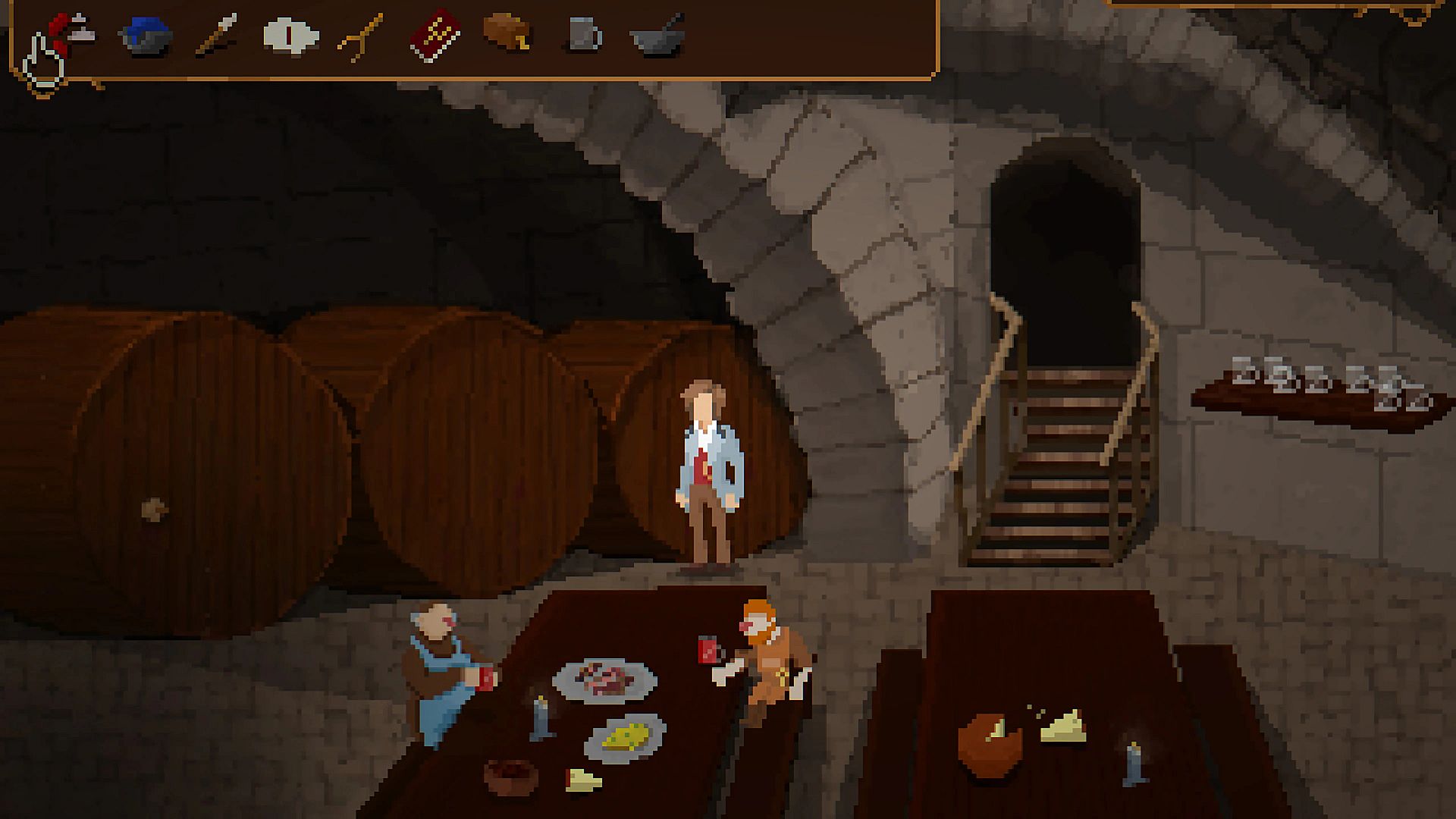
The core loop centers on exploration of the abbey's interconnected rooms and corridors. Players examine objects, collect items, and combine them to resolve environmental puzzles that advance the investigation. Interactions rely on a streamlined interface with context-sensitive options that keep the focus on observation rather than menu management.
A distinctive ear cursor mechanic encourages players to listen at doors and other surfaces for faint audio cues that provide additional clues. Inventory management stays logical, with solutions drawn from careful attention to the environment rather than trial-and-error experimentation. The game includes an autosave system that triggers when William pauses to record notes in his journal, preserving progress while reinforcing the protagonist's role as a writer.
Puzzle difficulty remains measured, allowing steady forward momentum without extended dead ends. The experience lasts roughly a couple of hours on a first playthrough, with responsive controls and quick location transitions that maintain a consistent pace throughout.
Game Modes
The game offers only a single-player campaign with no additional modes or multiplayer options. All progression occurs within the main story thread on the PS5, supported by offline play and no requirement for online connectivity during standard sessions.
A single key decision near the end branches the conclusion into multiple endings. This structure provides replay incentive without altering the core single-player format or introducing separate game modes.
Narrative
The story unfolds through written text, expressive character animations, and environmental details rather than voice acting. William begins with professional curiosity about the abbey's traditions but shifts toward deeper involvement as unspoken elements surface. Black humor surfaces in certain observations and situations, balancing the otherwise restrained tone.
Atmosphere builds through restraint, using silence as a deliberate storytelling tool. Notes, gestures, and abandoned spaces gradually expose the abbey's guarded history without relying on frequent dramatic reveals. The narrative stays compact yet leaves room for reflection after completion.
Visuals and Presentation
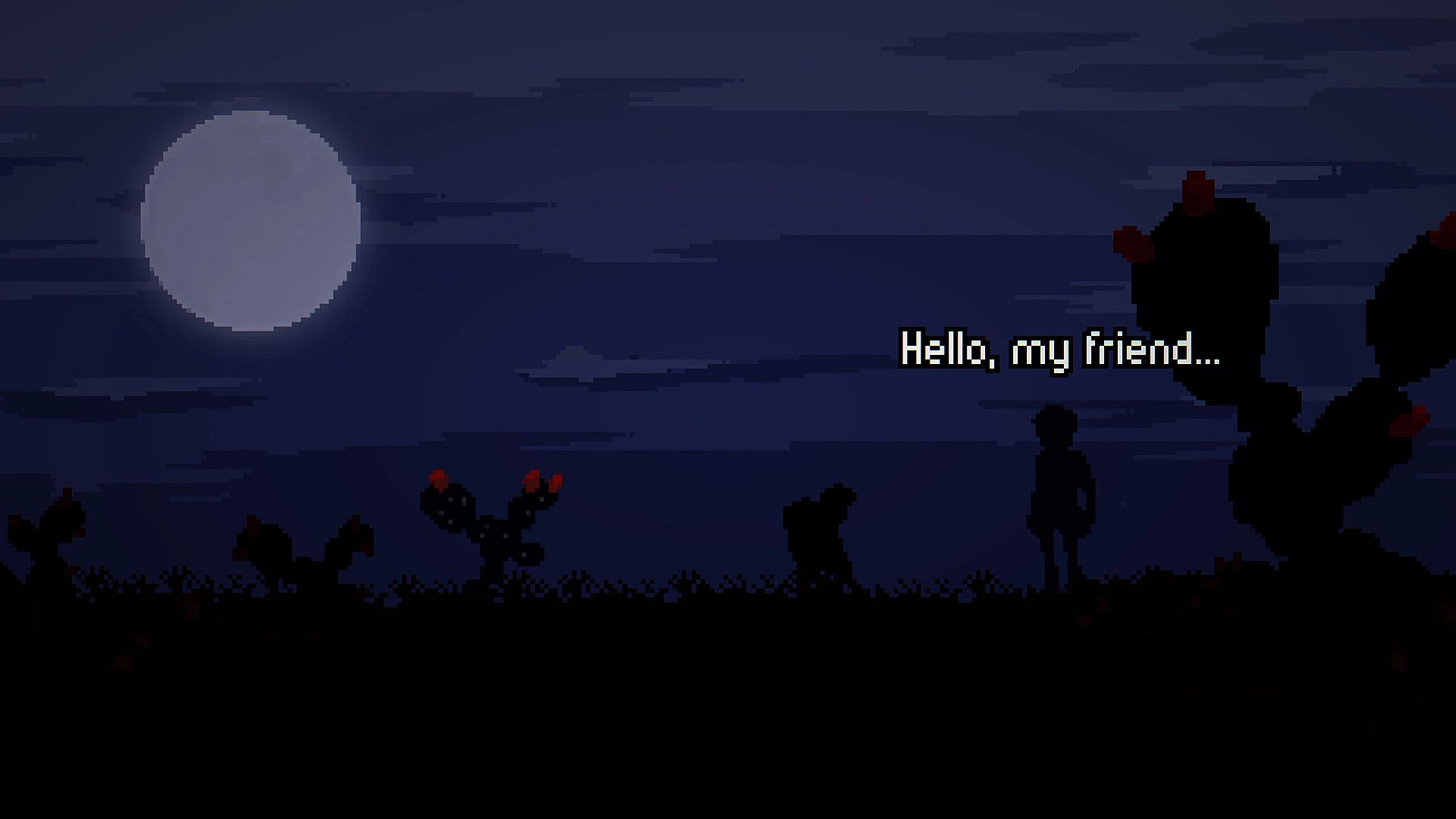
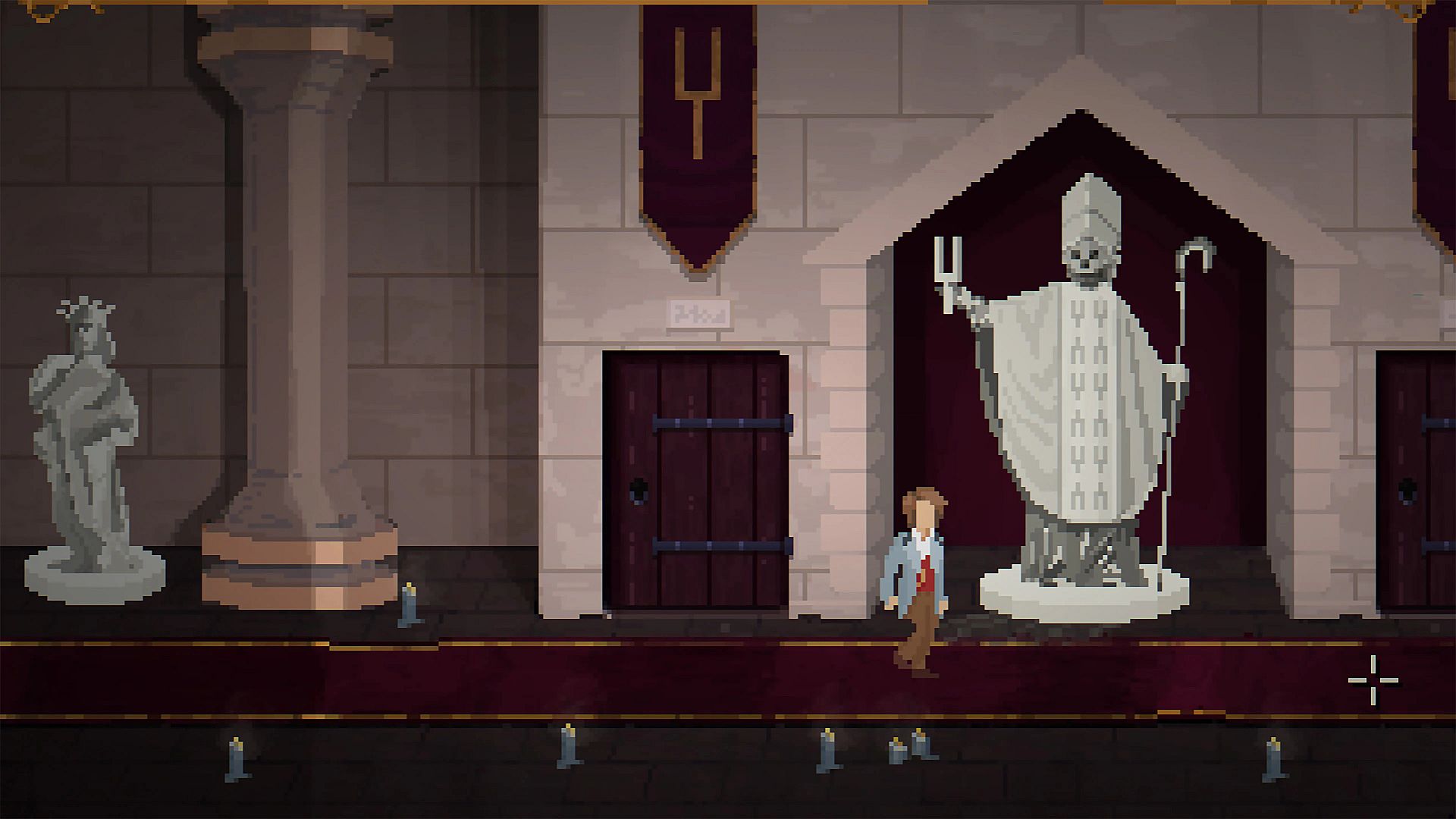
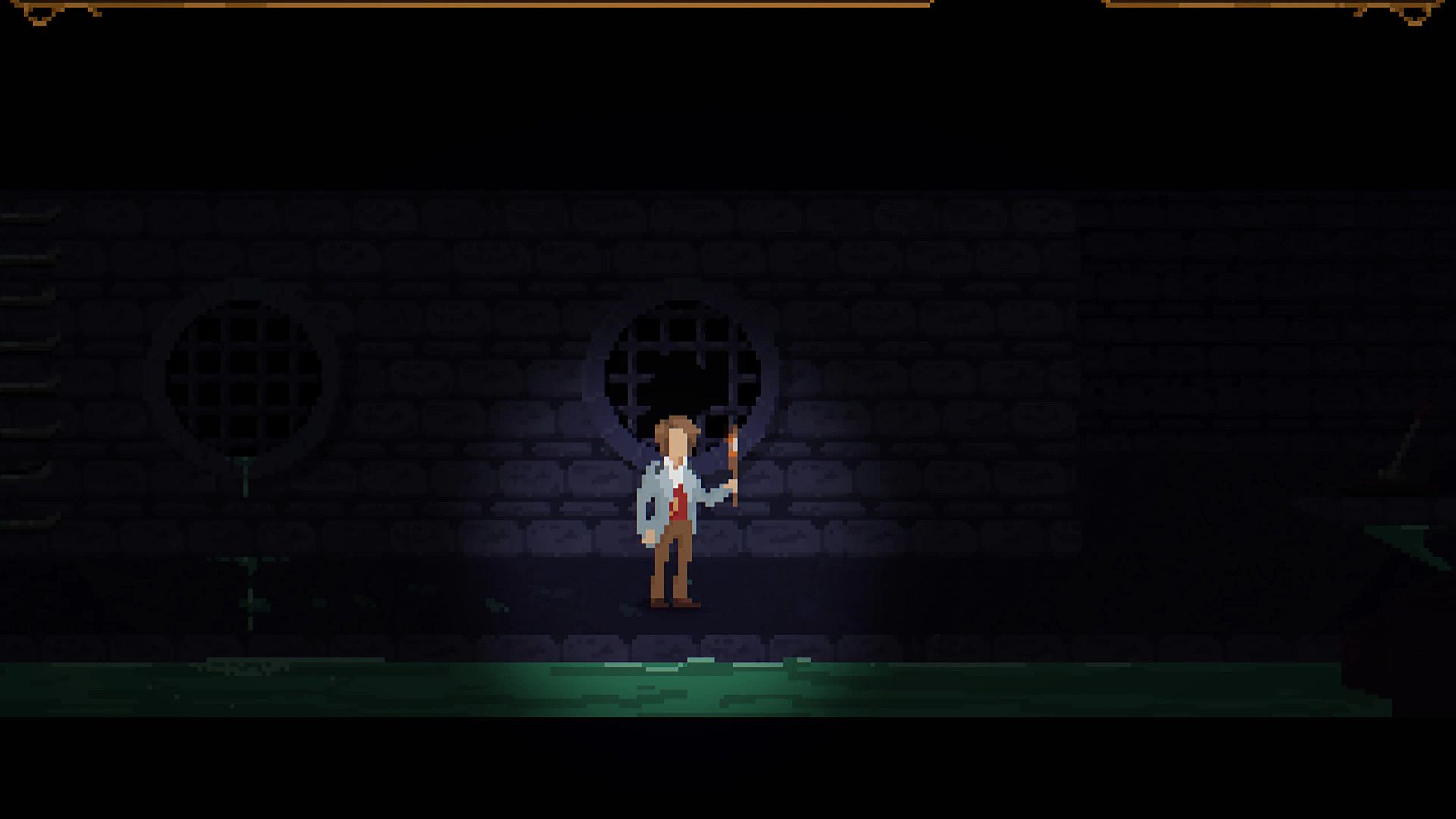
Dark, detailed pixel art depicts the stone architecture, candlelit interiors, and weathered textures of the abbey. Locations emphasize isolation through narrow passages and quiet cloisters, with lighting and animation updates that keep the retro style feeling current. Character movements convey emotion through subtle gestures that align with the lack of spoken dialogue.
Sound design focuses on ambient elements such as footsteps and creaking doors, complemented by a melancholic piano and string score. The presentation remains polished, with smooth performance and unobtrusive menus that support uninterrupted exploration.
Is It Worth Playing?
Scholar Adventure: Mystery of Silence delivers a focused point-and-click experience suited to players who enjoy classic adventure mechanics and atmospheric mystery stories. Its approachable puzzle design and short length make it accessible for newcomers while still offering satisfaction for those familiar with the genre.
Player ratings on the PlayStation Store stand at 4.5 stars from a small number of reviews, reflecting consistent praise for its technical stability and thematic cohesion. The game launched on July 3, 2026, and runs entirely offline with no ongoing seasonal content or updates required for the core experience.
Those seeking a quiet, self-contained adventure with logical puzzles and multiple endings will find it a strong match. The emphasis on observation and narrative restraint sets it apart from more action-oriented titles, rewarding attentive play without unnecessary complexity.