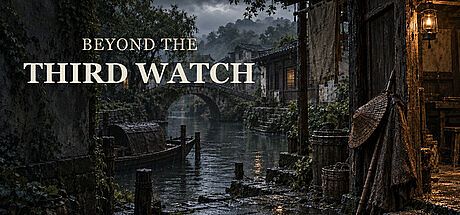


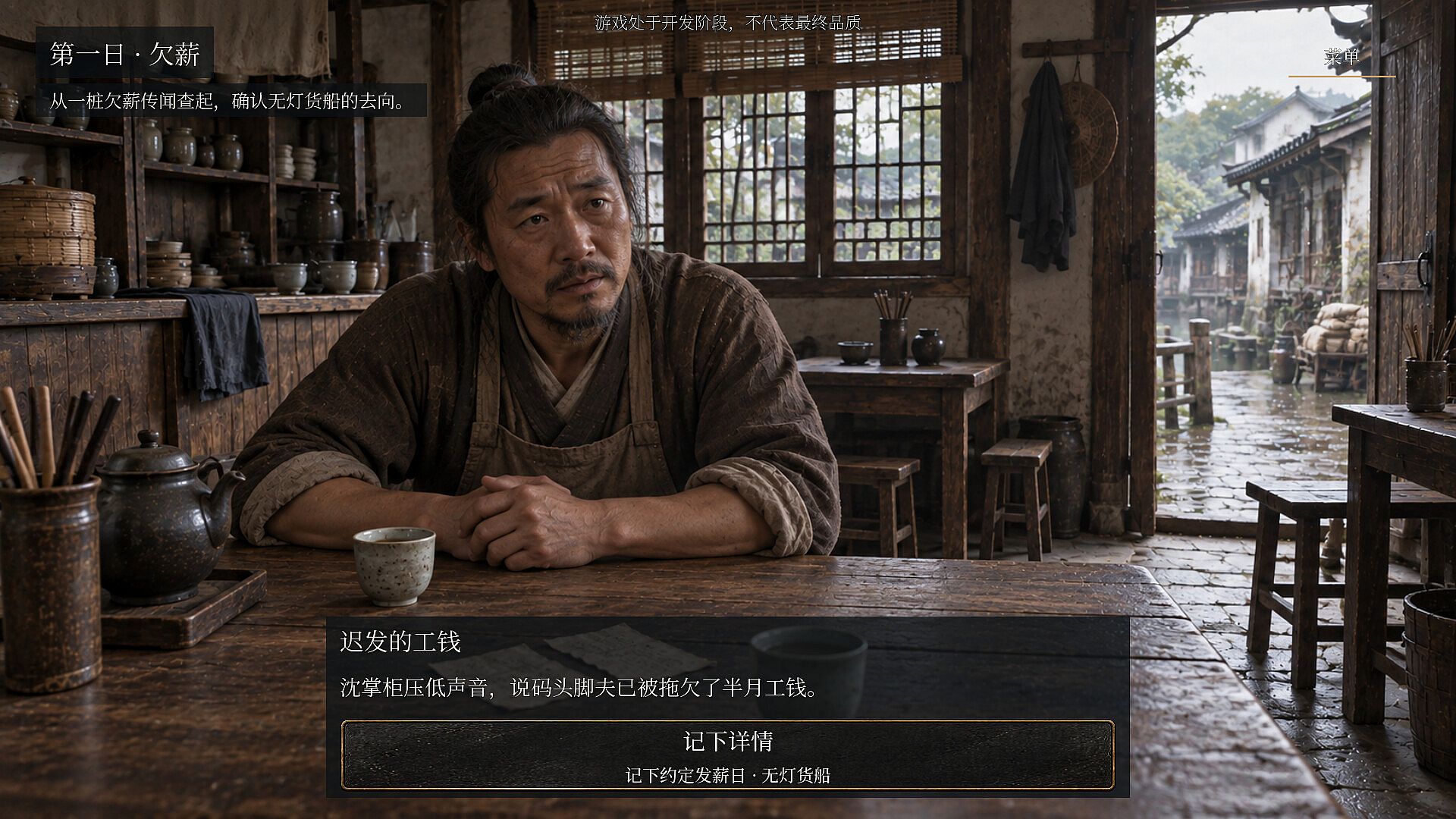

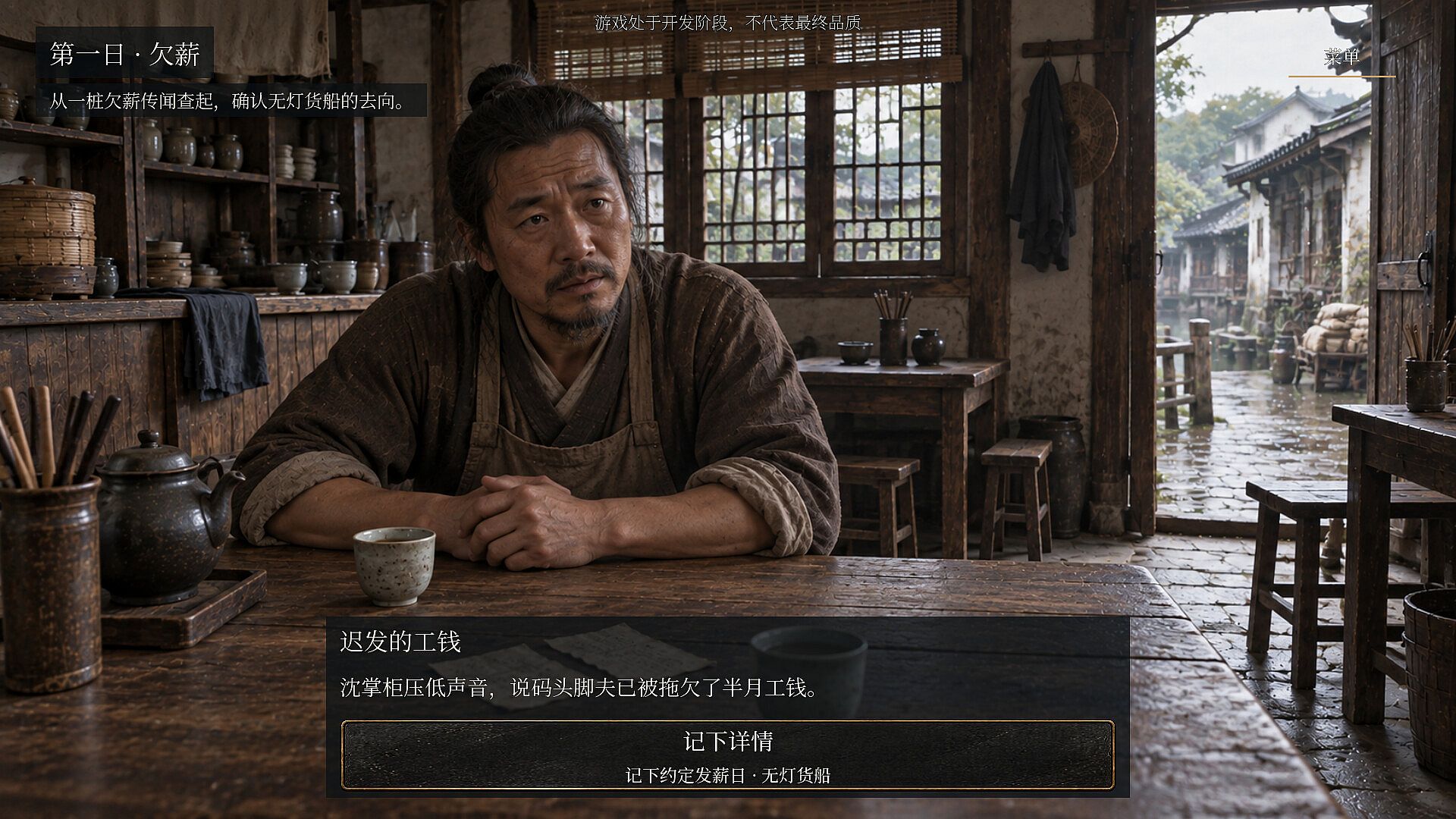
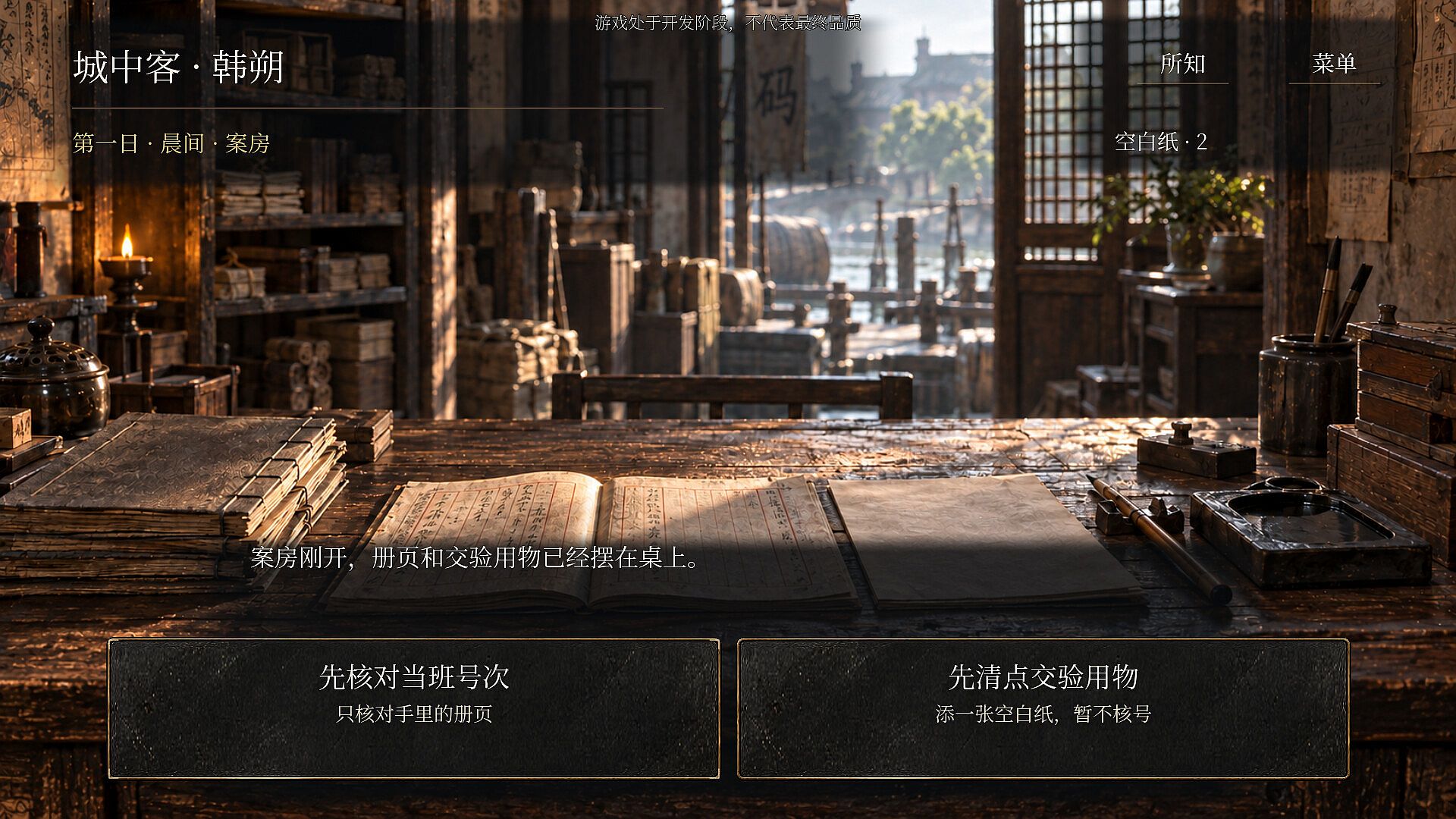
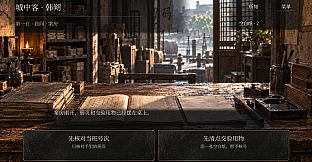
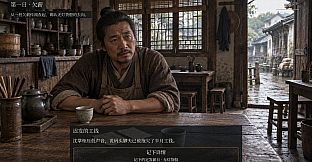
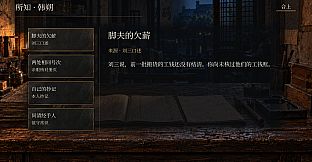
Beyond the Third Watch is an indie RPG adventure that places players in the role of an investigator navigating a fictional ancient city under a night curfew system. The game centers on narrative choices and time-constrained decisions rather than combat or open exploration, drawing players into a story that starts with a labor dispute and expands into broader issues of missing resources and hidden motives.
Gameplay
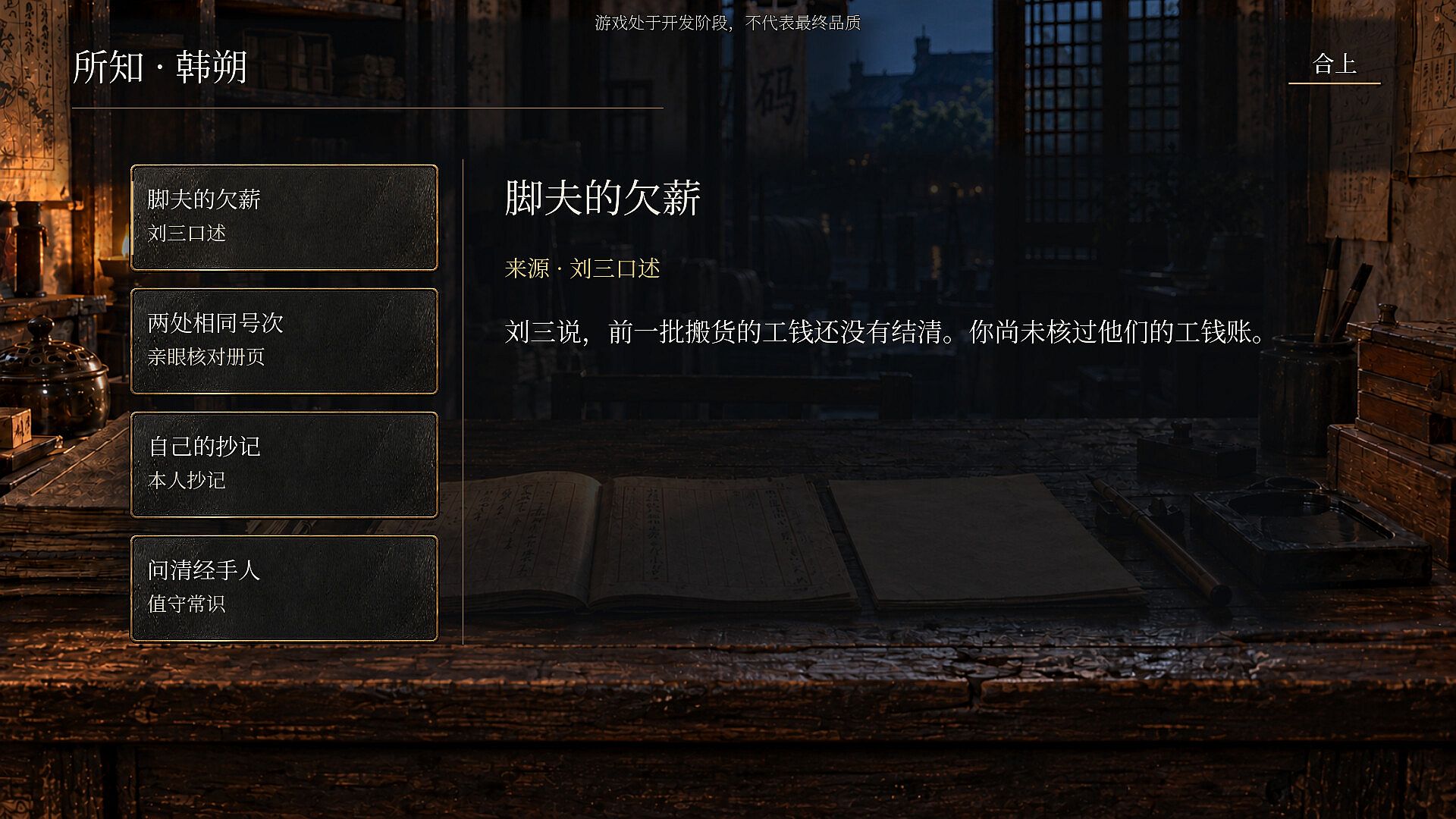
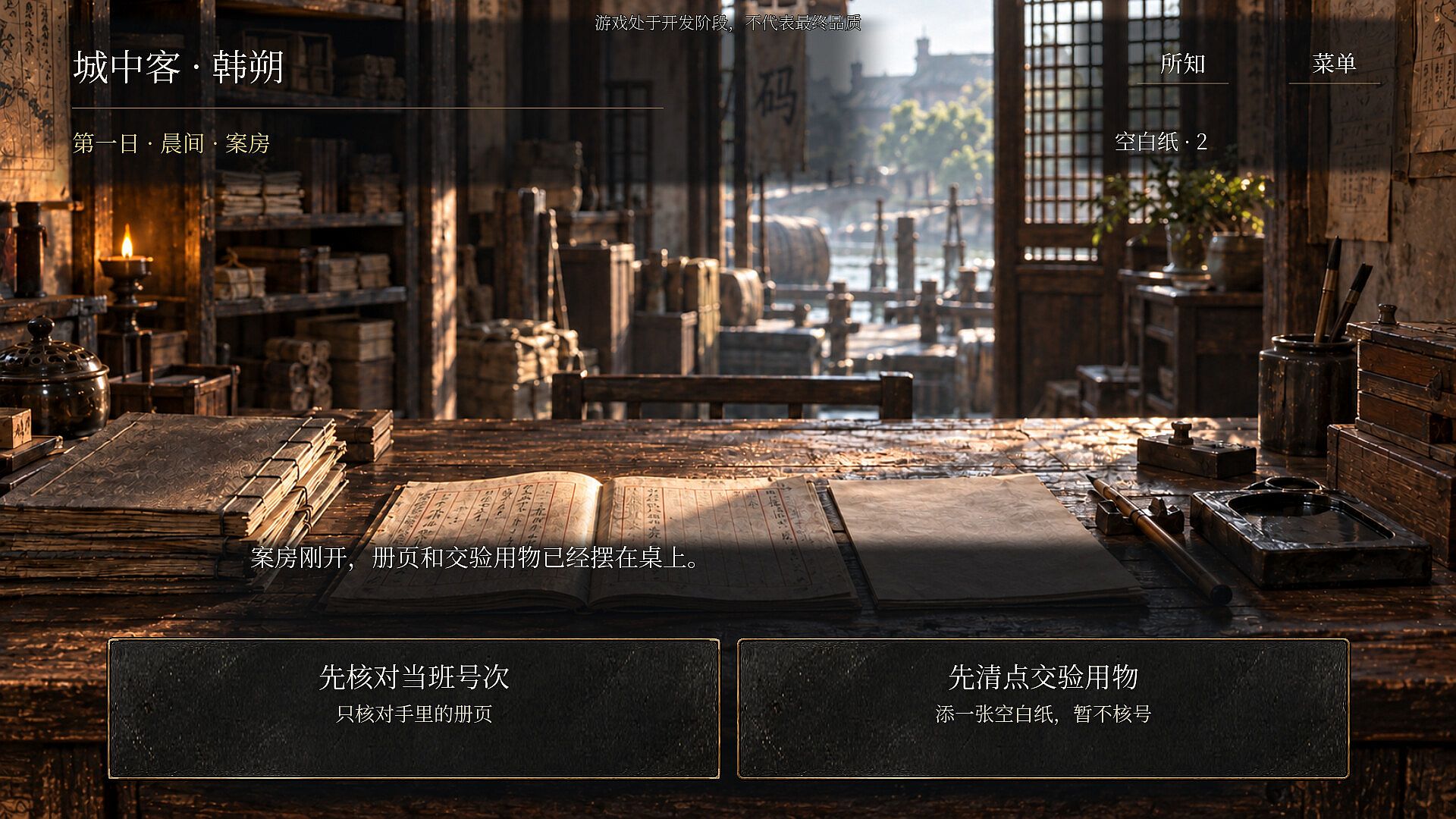
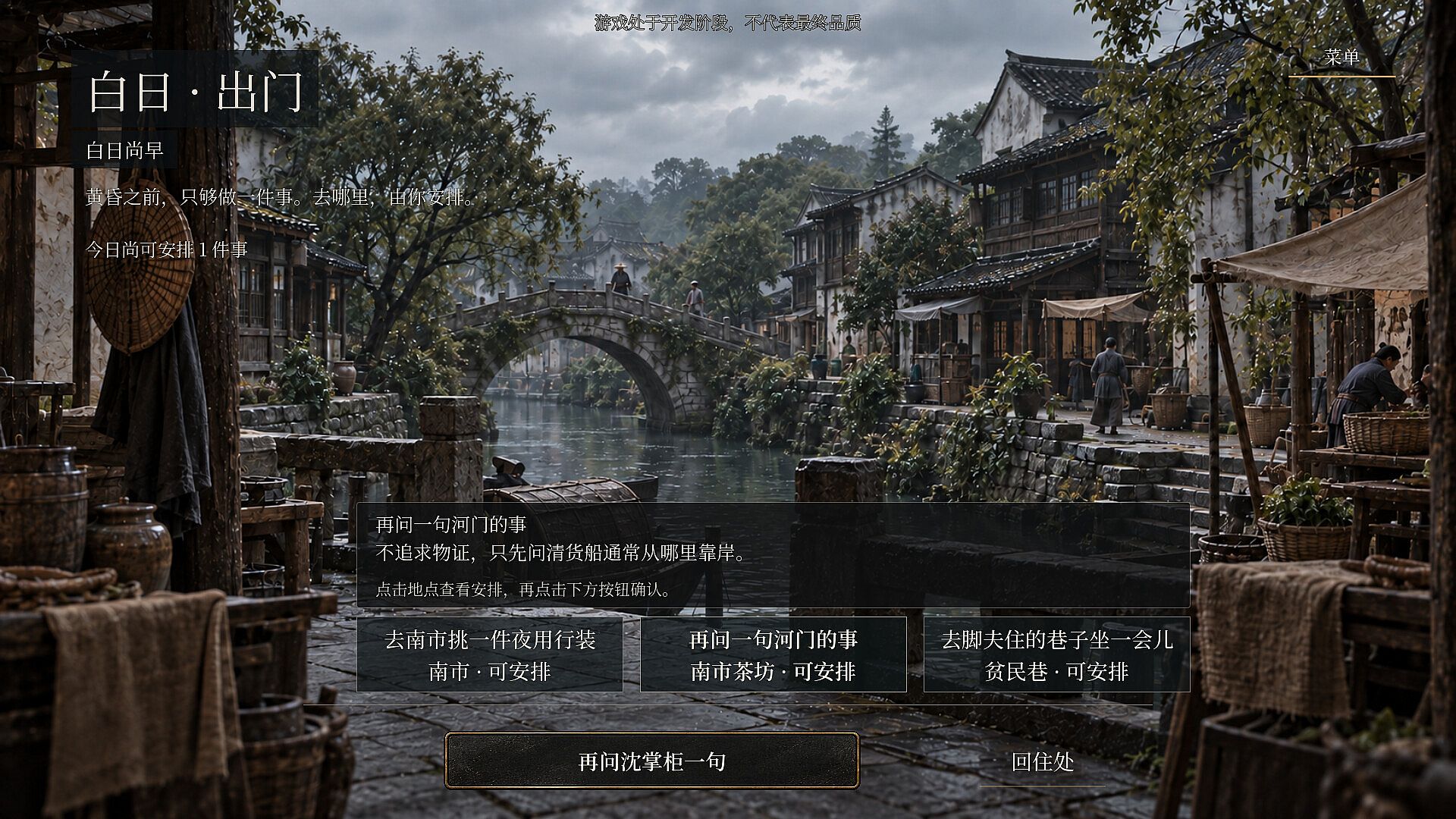
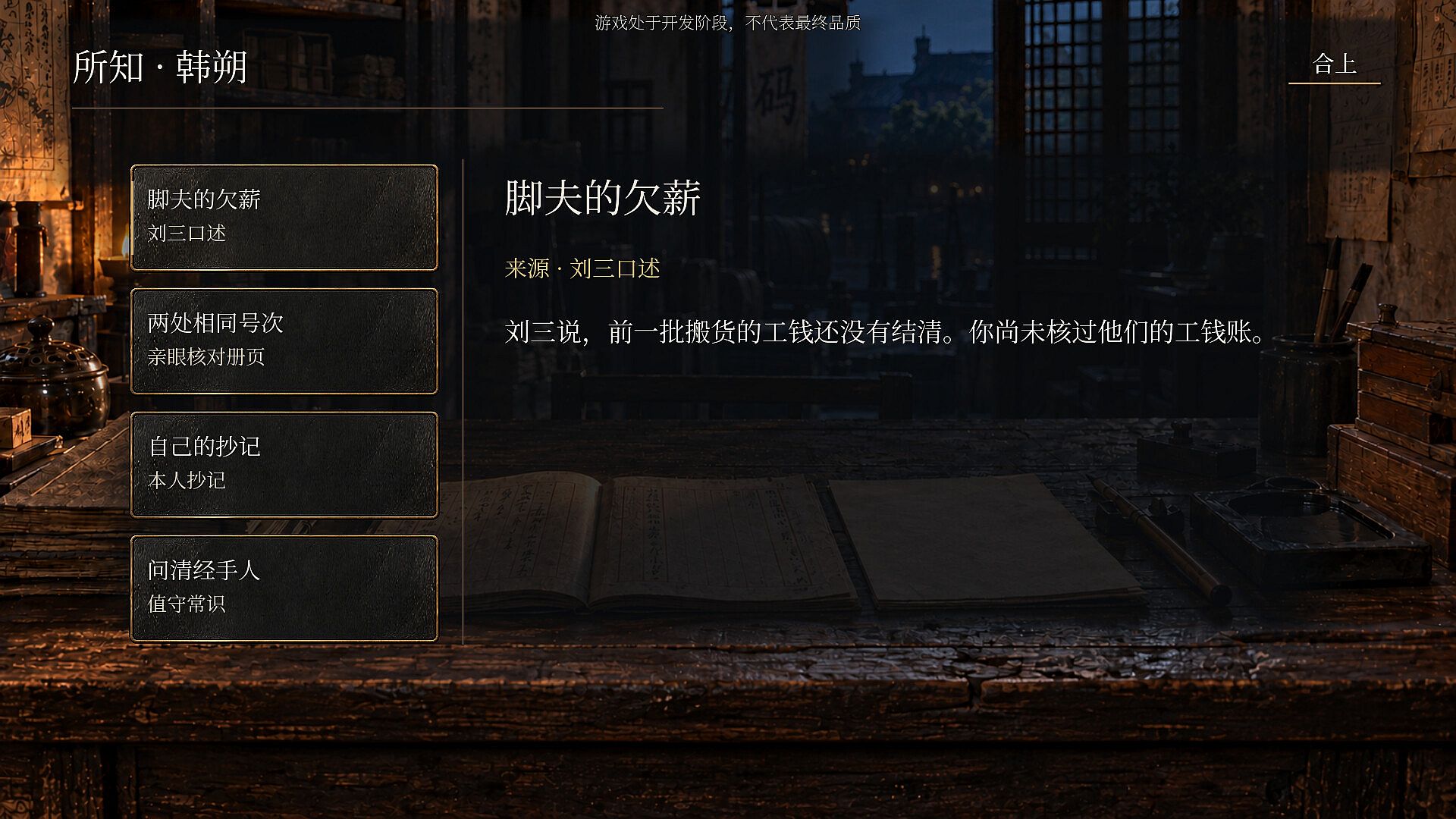
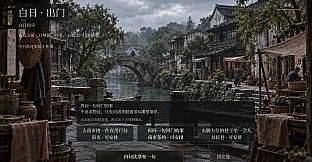
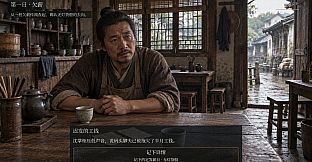
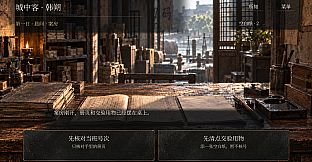
The core loop divides each cycle into distinct daytime and nighttime phases. During the day, players collect information through conversations with residents, review of records, and attention to circulating rumors. These activities occur under constraints that limit how many leads can be pursued before night arrives. The information gathered is often incomplete or contradictory, requiring players to form judgments without full certainty about the facts.
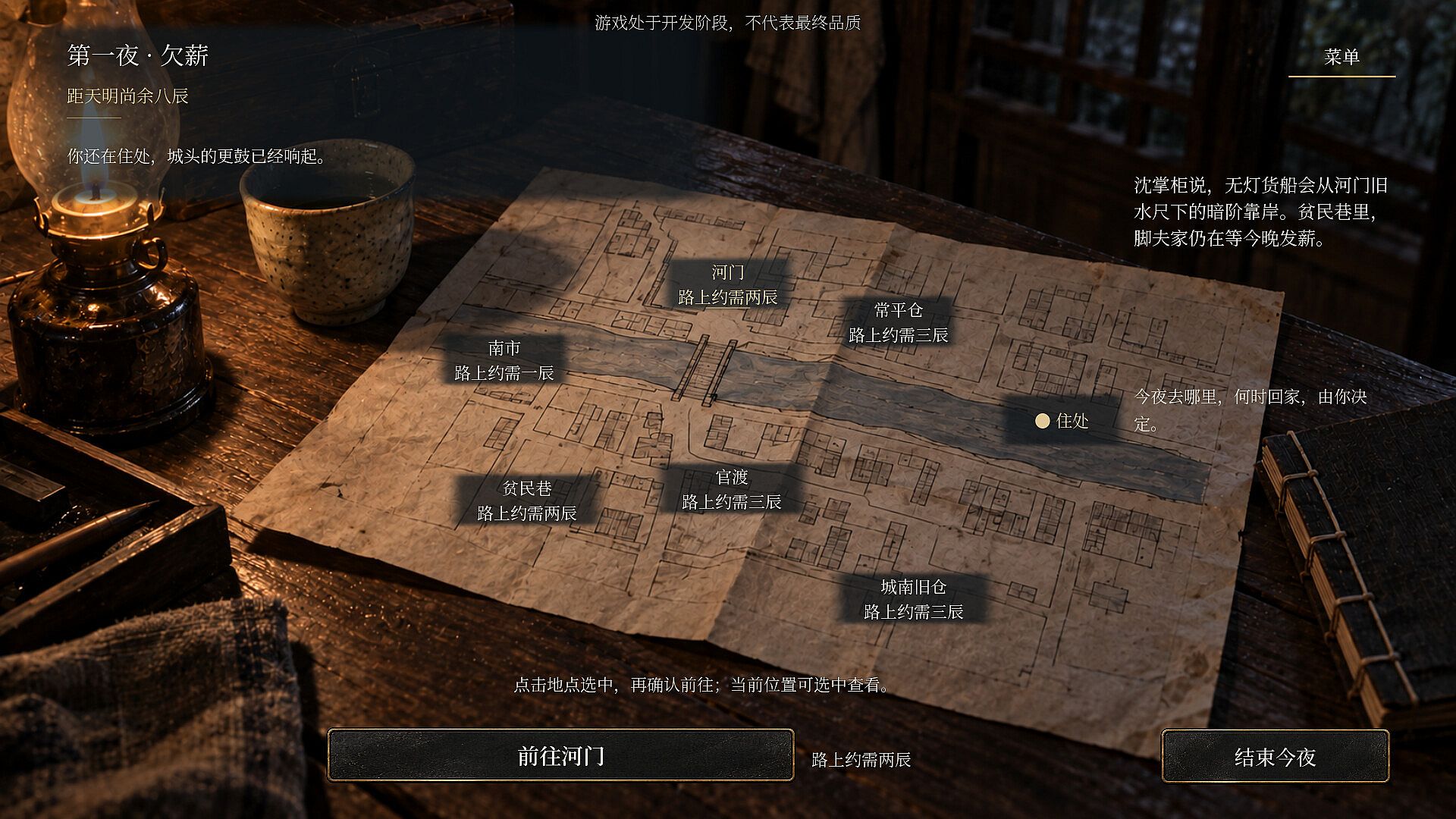
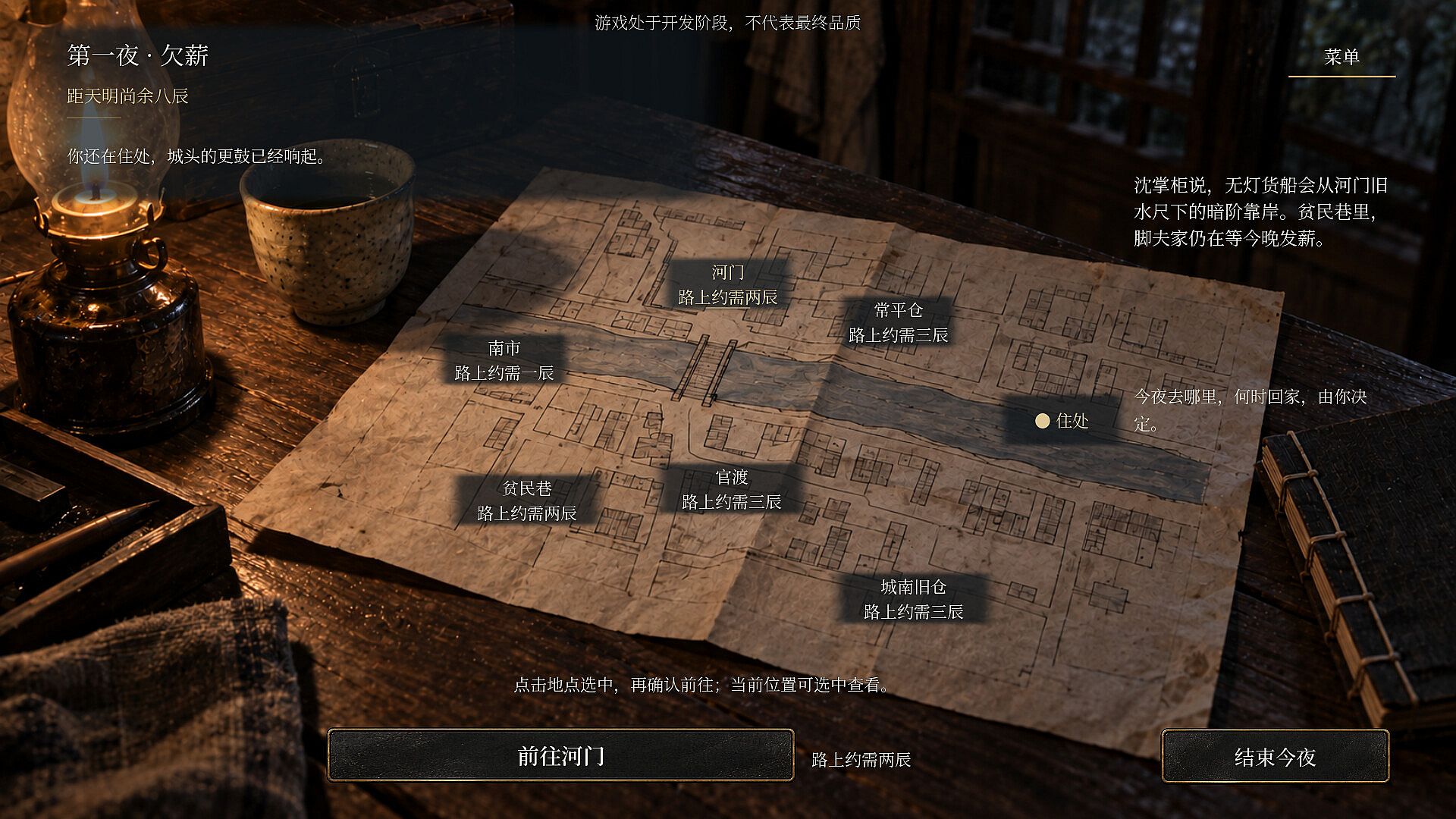
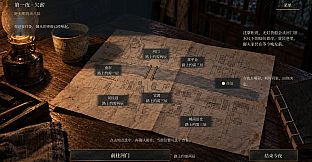
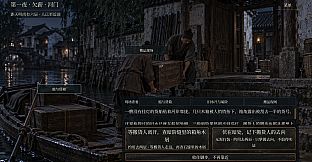
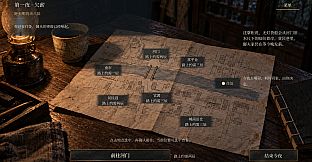
Once night falls, attention shifts to route planning within a fixed window of hours. Players select locations to visit, decide which matters to address, and respond to events that arise during the patrol. The city environment changes based on prior actions, and time pressure means some opportunities will pass by entirely. Decisions influence factors such as available evidence, relationships with city residents, personal risk levels, and the overall direction of the unfolding case.
Progression emphasizes preparation and prioritization over exhaustive coverage. Limited daytime actions force trade-offs in which clues receive attention, while nighttime movement demands efficient sequencing of stops. Outcomes emerge from these choices rather than from locating a single definitive solution.
Game Modes
The experience operates as a single-player narrative investigation structured around repeated day-and-night cycles. Each cycle advances a central case while presenting branching opportunities tied to the player's selections. There are no separate competitive or cooperative modes; the focus remains on solitary decision-making within the city's constraints.
Within this structure, players manage investigative direction through limited actions by day and timed patrols by night. The system supports multiple paths through the same events, with results determined by which threads receive priority. No additional modes such as free play or alternative scenarios appear in the current demo build.
Narrative and Choices
The story begins with a straightforward dispute over unpaid wages and gradually incorporates elements of missing grain supplies, a disappearance, and attempts to obscure evidence. Players encounter residents whose situations intersect with these developments, and responses determine who receives assistance and which details come to light.
Consequences accumulate across evidence quality, trust levels with different groups, exposure to risk, and the city's memory of events. The design avoids framing outcomes as victories or failures, instead presenting them as the results of accepted priorities. Some matters will remain unresolved, and certain individuals will not receive help within the available time.
Is It Worth Playing?
The demo delivers a focused experience built around incomplete information and deliberate trade-offs in a single narrative thread. It suits players who enjoy choice-driven stories where time limits and partial knowledge shape results, rather than those seeking comprehensive resolution or action elements. The current version supports Simplified Chinese only and covers one complete day-and-night investigation cycle centered on the labor case.
Reception data for the full release remains unavailable as the project is in the demo stage. Those interested in narrative adventures with emphasis on planning and consequence tracking may find value in trying the available build to assess fit with their preferences. The absence of a perfect ending aligns with the game's stated intent to highlight realistic limitations on what one investigator can achieve.