

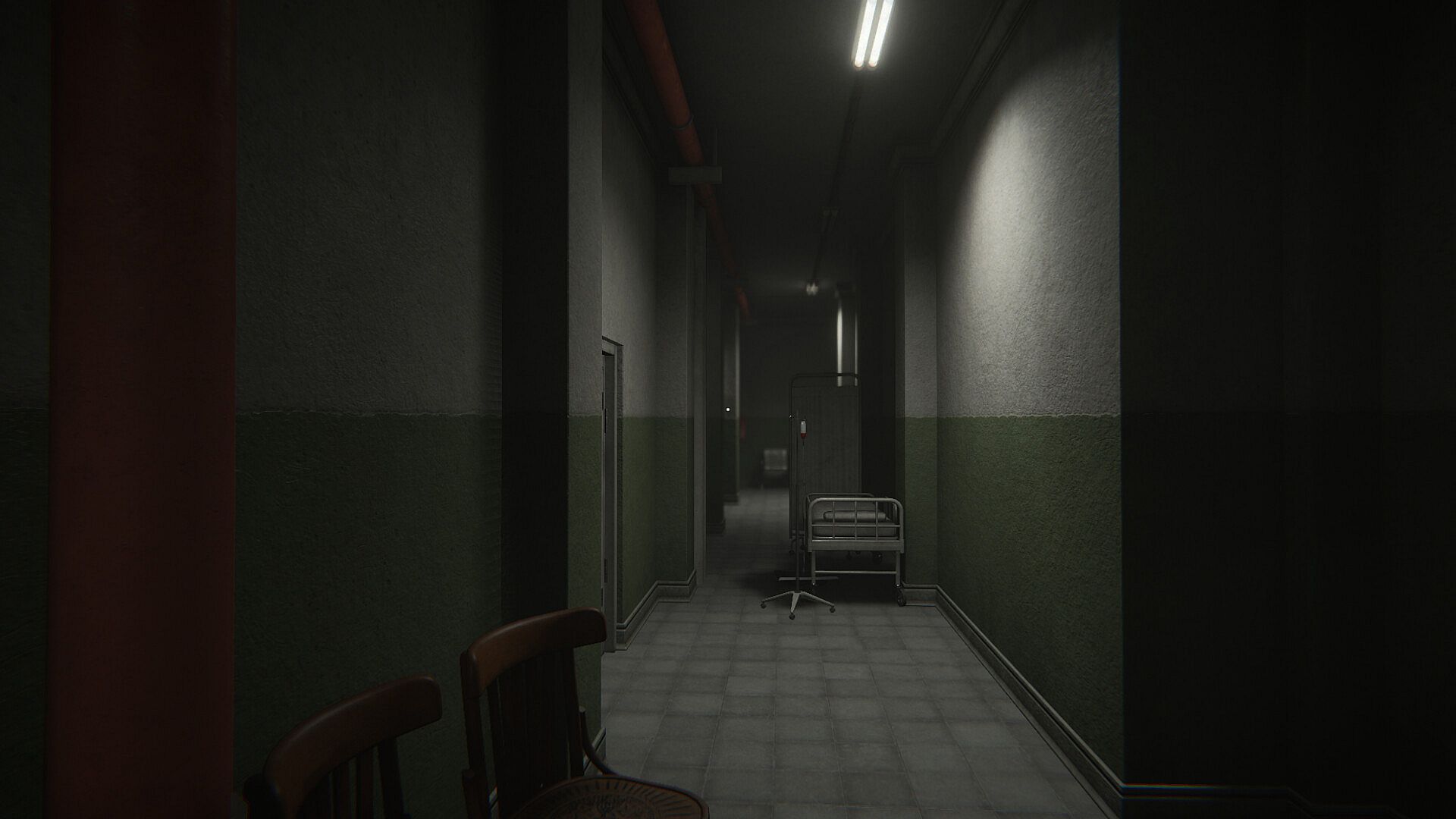
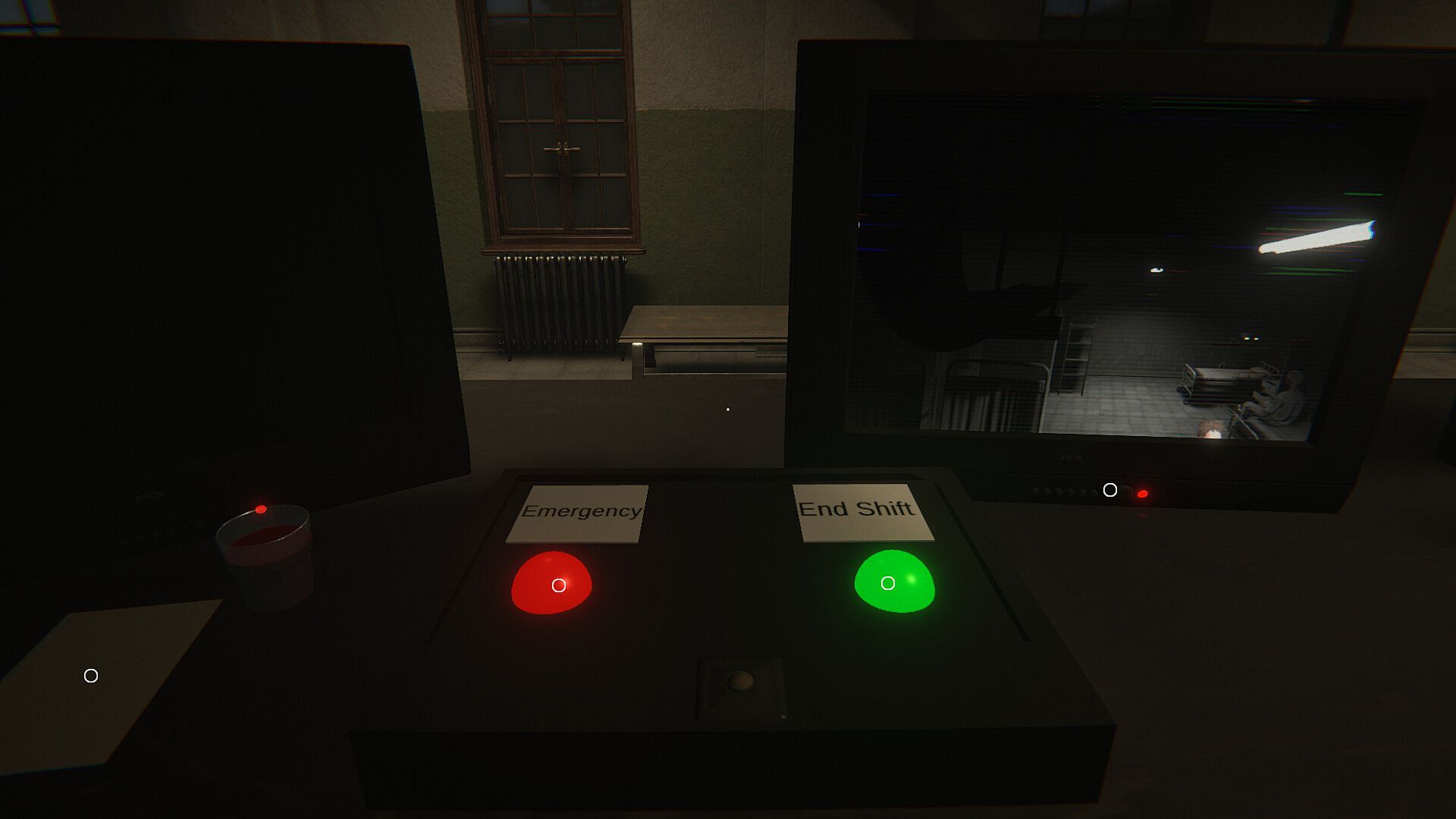
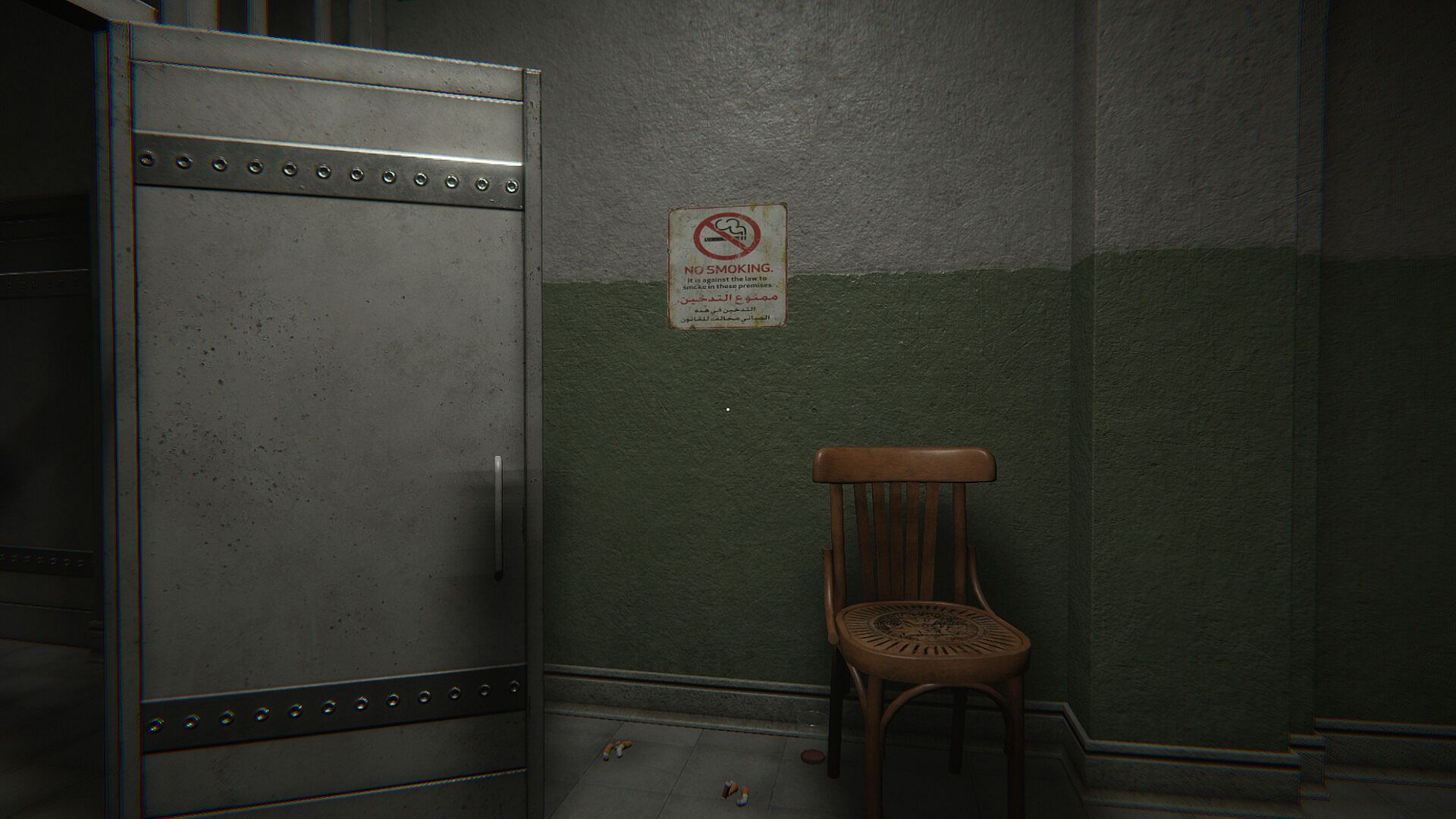
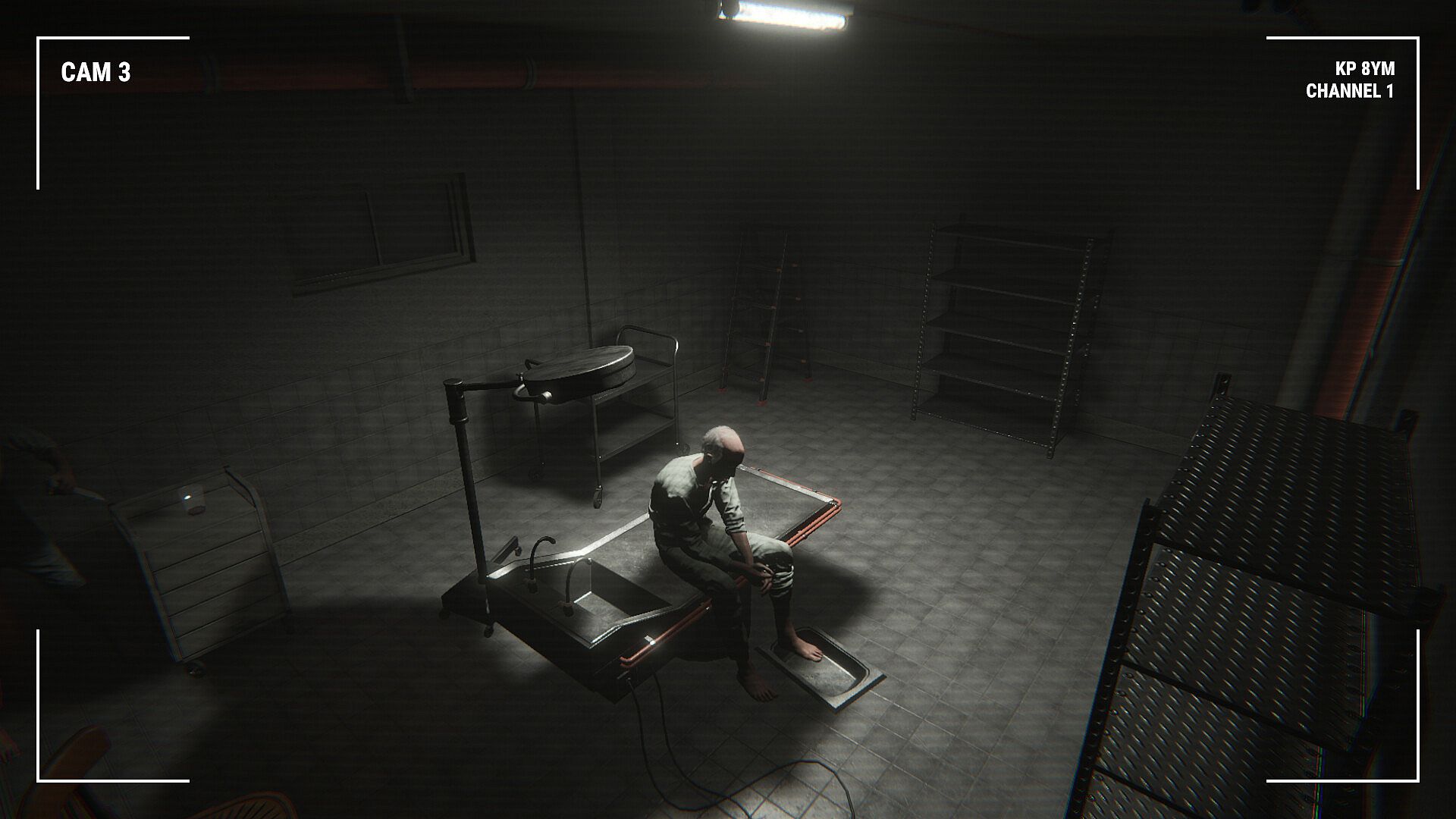
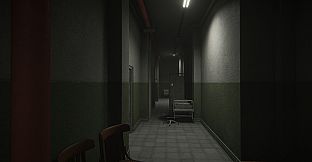
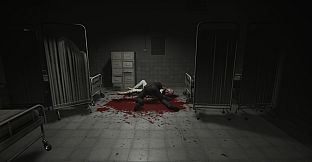
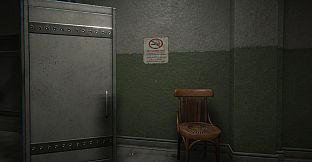
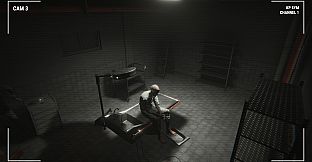
Sahar: Night Shift is a single-player indie adventure horror game set in a small hospital in Egypt. Players take on the role of a night-shift security guard tasked with monitoring patients and spotting anomalies that could signal danger. The experience blends careful observation with high-stakes decisions, all wrapped in authentic regional details such as drifting calls to prayer and everyday items like cups of tea scattered through the wards.
Gameplay
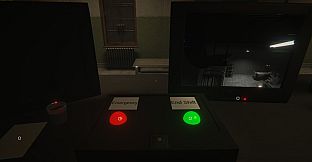
The core loop places the player in charge of a ward where every night brings increased pressure. The guard must decide whether to stay at the reception desk watching camera feeds or venture into the halls for direct checks. Camera views offer safety and speed but often miss subtle clues that only a closer inspection or attentive listening can reveal. Walking the corridors provides more certainty yet exposes the guard to greater risk and consumes valuable time.
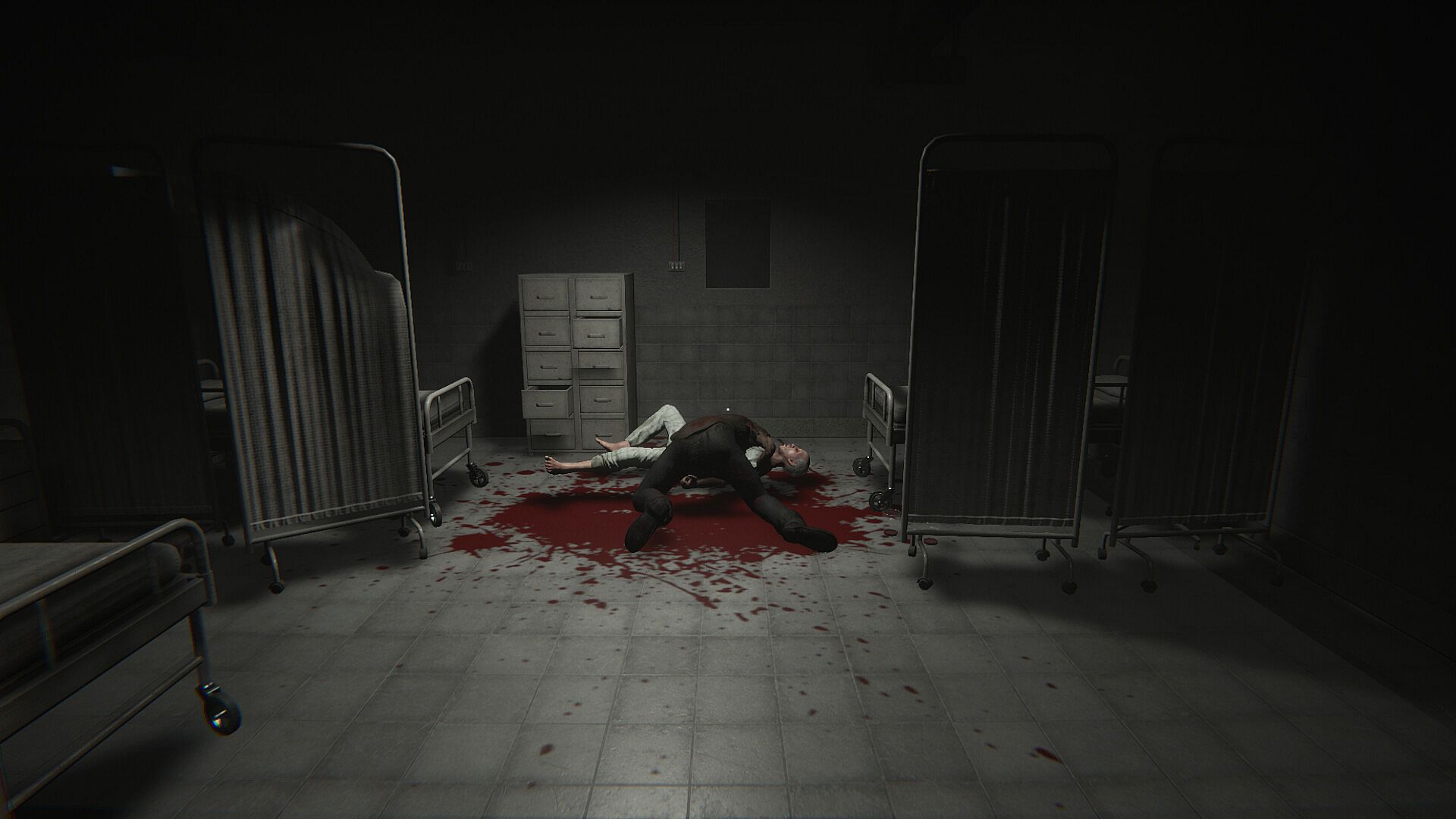
Anomalies appear in randomized patterns that change with each attempt, preventing any fixed strategy from guaranteeing success. Some irregularities stand out immediately, while others require patience and attention to detail. A rare scripted chase sequence can interrupt proceedings without warning, forcing quick reactions in otherwise routine patrols. The setting draws from real Egyptian and broader MENA cultural elements rather than generic horror tropes, creating a grounded atmosphere where ordinary hospital sounds and sights mix with growing unease.
Game Modes
Sahar: Night Shift operates as a single-player experience centered on an escalating series of nights. There are no separate multiplayer or competitive modes. The structure revolves around a persistent consequence system across multiple nights within one run. Mistakes carry forward, shaping the environment and available options for subsequent shifts without traditional save points or restarts at arbitrary points.
Investigation choices form the main branching element. Players can favor the safer, faster camera approach or commit to riskier on-foot examinations. These decisions affect time, personal safety, and the accuracy of information gathered. The randomized anomaly system ensures that no two full playthroughs follow identical patterns, emphasizing adaptability over memorized sequences.
Setting and Atmosphere
The hospital feels lived-in and specific rather than abstract. Cultural touches like the timing of prayer calls and the presence of tea create a sense of place that influences the mood without relying on overt exposition. The small scale keeps focus tight on the ward, the reception desk, and the connecting hallways where cameras lose coverage. This limited environment heightens tension because every corner and patient room carries potential weight once anomalies begin appearing.
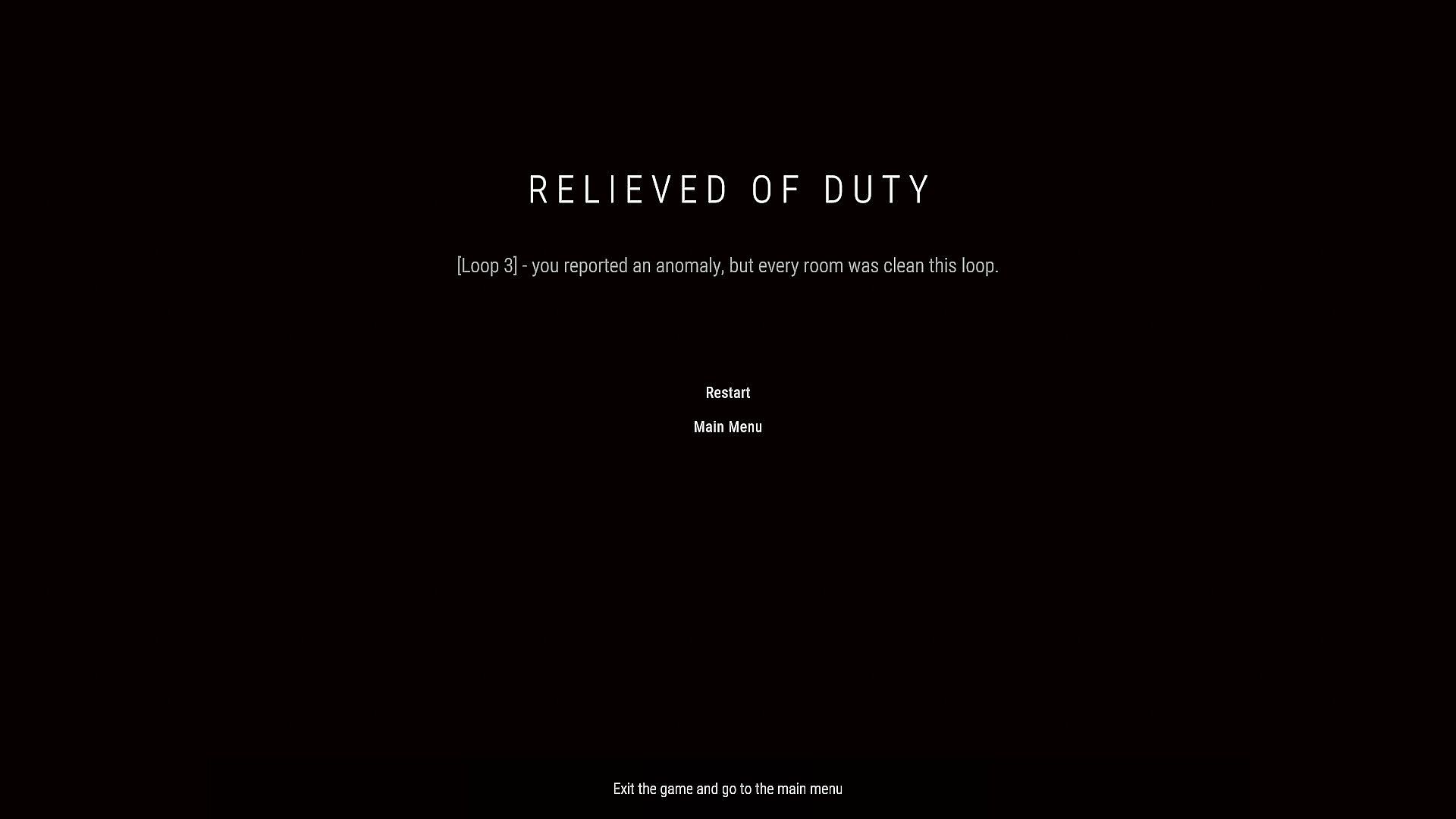
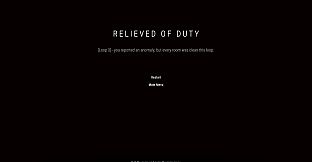
Consequences reinforce the stakes. A single error leaves a room permanently empty and under camera watch only for the remainder of the run. Two errors reset the entire sequence back to the first night. The absence of conventional death mechanics shifts emphasis toward long-term survival of the shift rather than immediate failure states.
Is It Worth Playing?
Sahar: Night Shift targets players who enjoy deliberate, observation-driven horror with meaningful choices and replayability through randomization. The free-to-play model on PC lowers the barrier to entry, allowing anyone interested in anomaly detection mechanics or grounded cultural settings to try the experience once it launches in 2027. The single-player focus and lack of traditional save systems suit those comfortable with high-consequence loops and adaptive play rather than linear storytelling.
Because the game remains unreleased, current player reception data is unavailable. The described systems emphasize tension through escalating nights and variable anomalies, which should appeal to fans of careful patrol and investigation gameplay. Those seeking fast action or multiplayer elements will find the deliberate pace and solo structure less suited to their preferences. The combination of randomized elements and regional authenticity offers a distinct take within the indie horror space for the right audience.