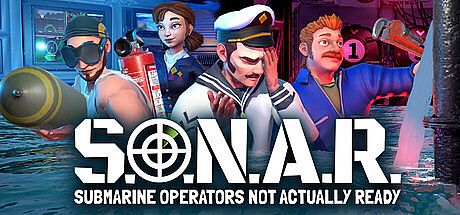


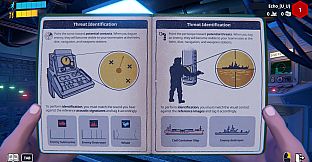
S.O.N.A.R. - Submarine Operators Not Actually Ready is an indie co-op submarine simulation for PC that places one to four players in charge of a single vessel during tense underwater operations. The experience centers on dividing responsibilities across multiple stations while handling emergencies that arise from mechanical failures or enemy contact. Team coordination through proximity voice chat becomes the primary tool for success, as individual mistakes can quickly lead to flooding, fires, or loss of control.
Gameplay
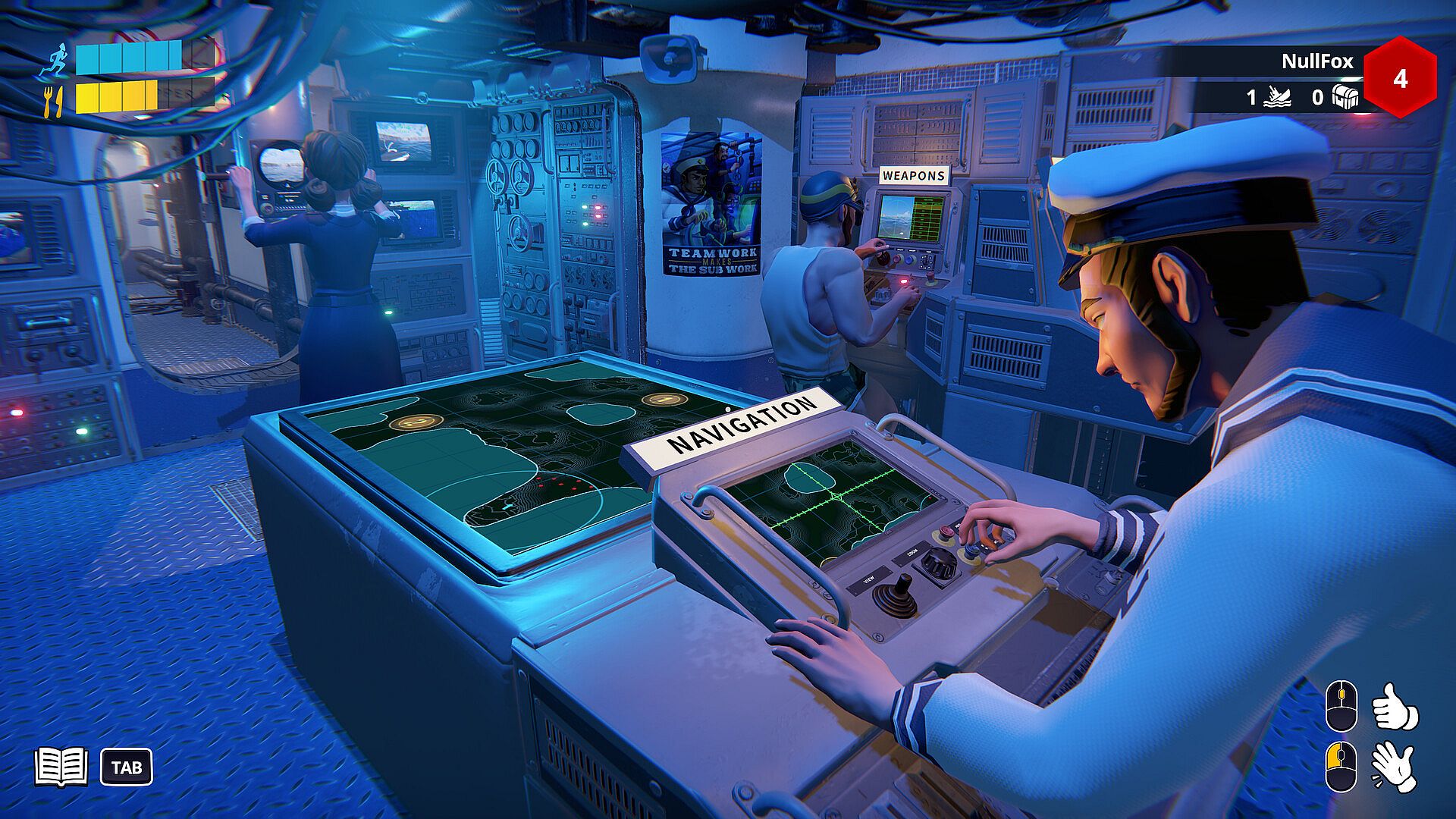
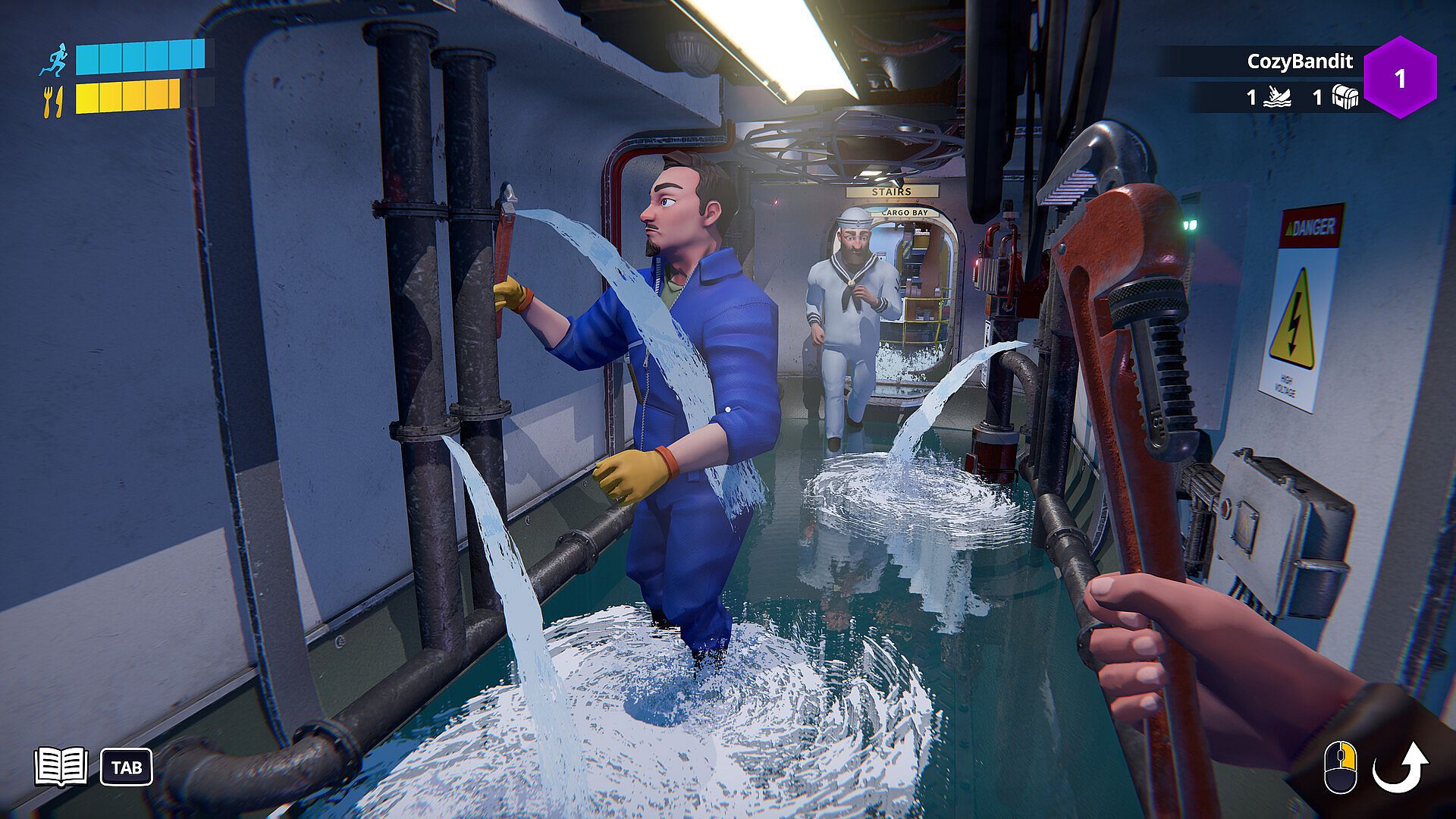
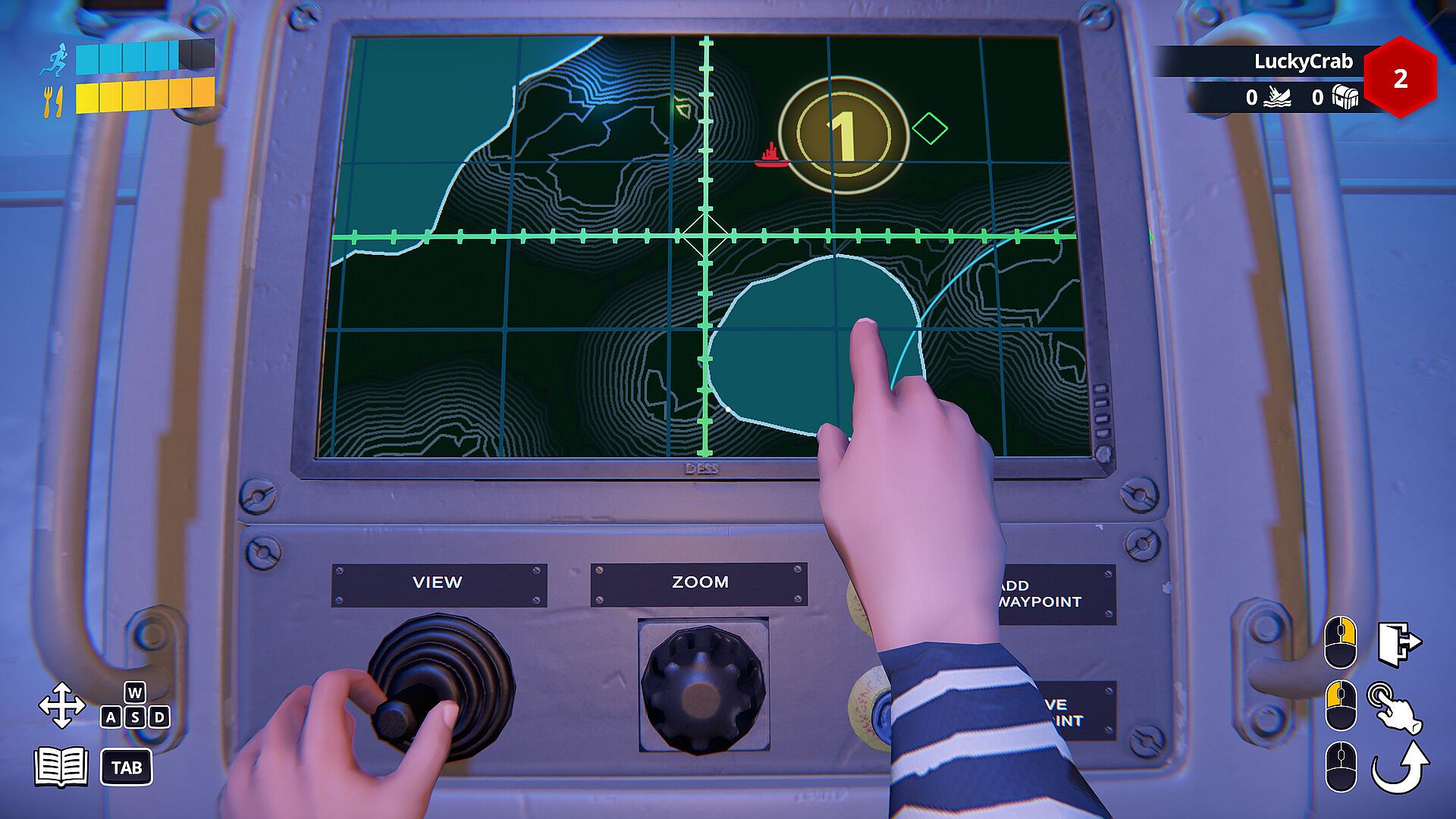
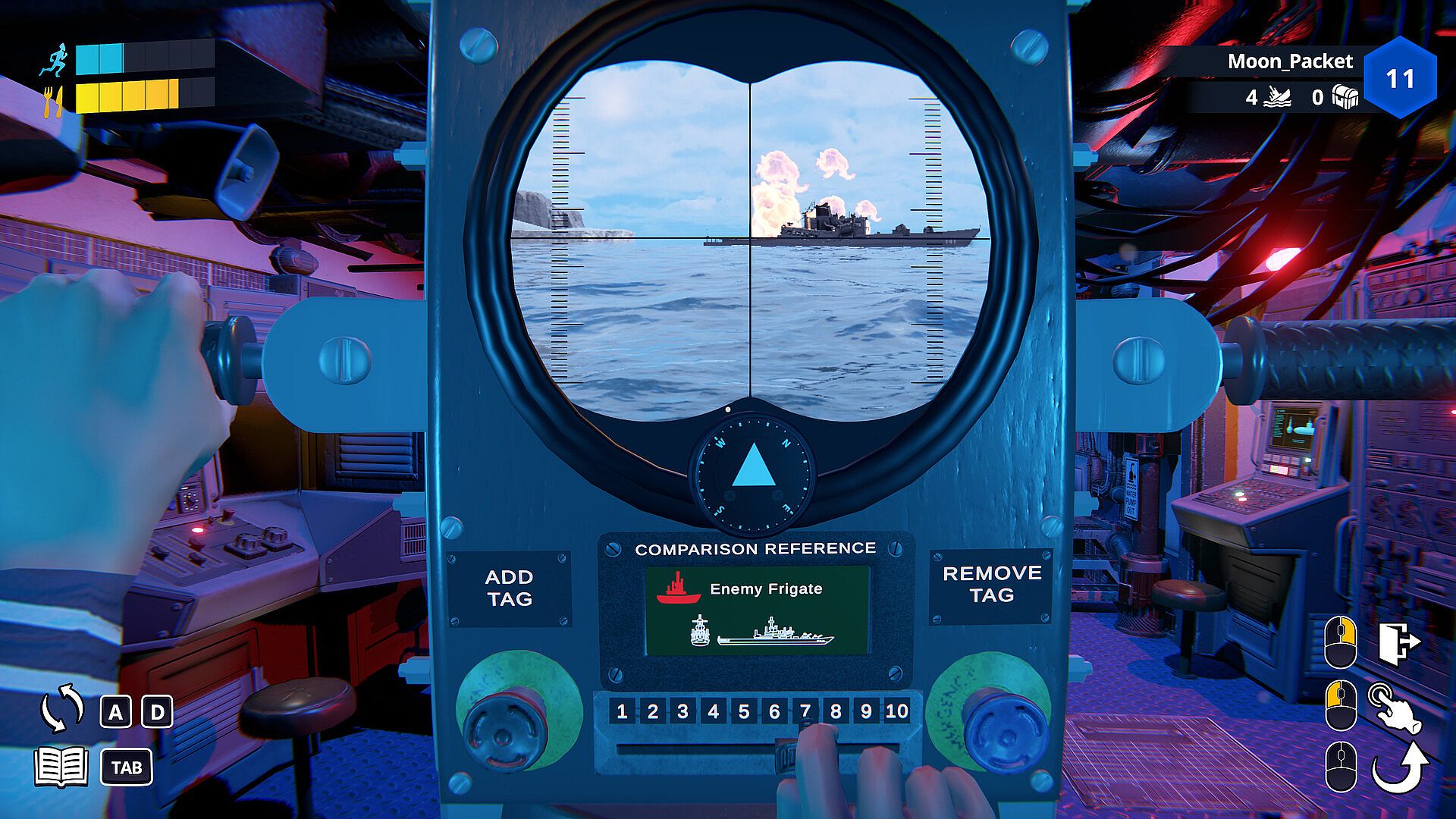
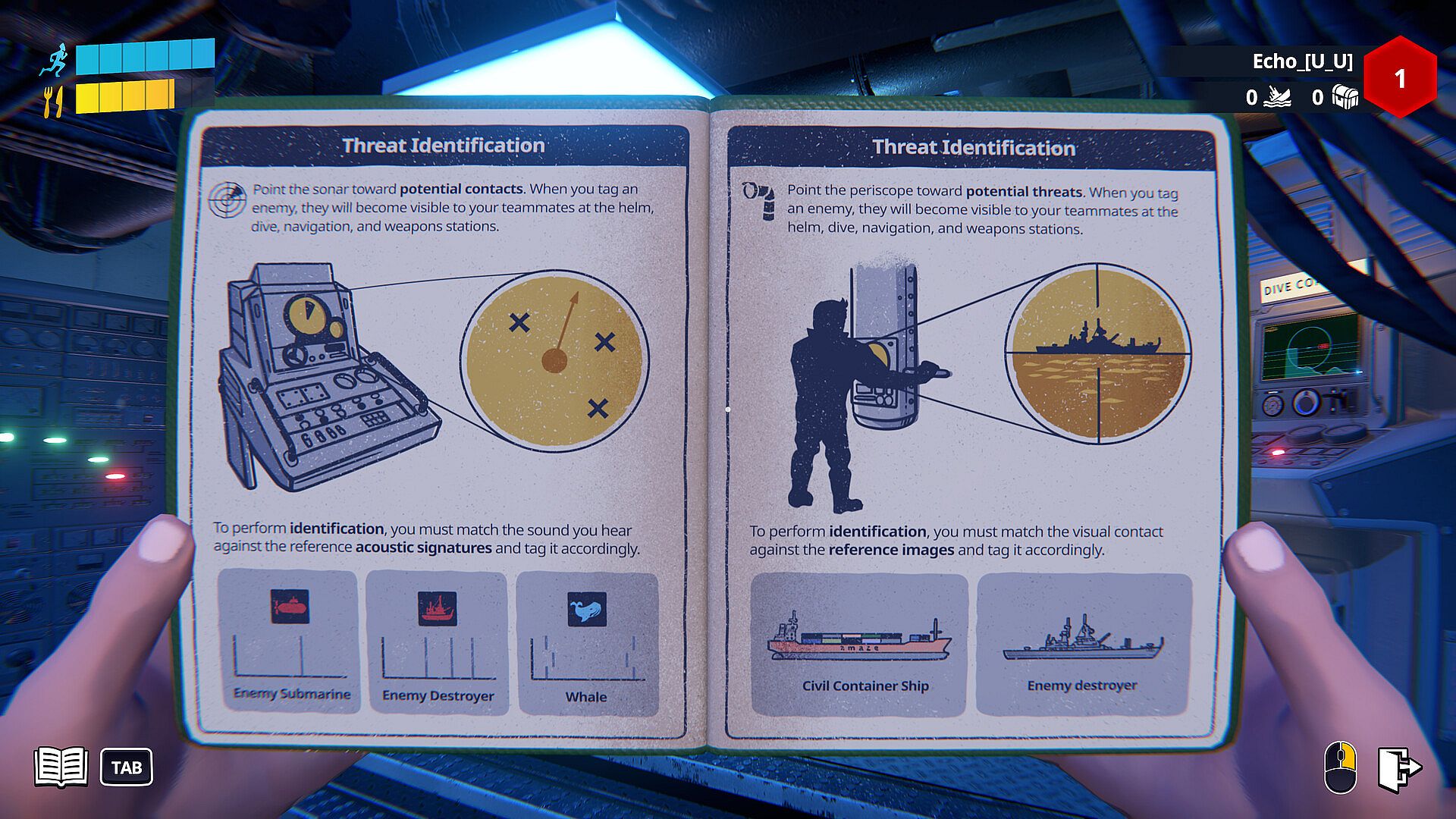
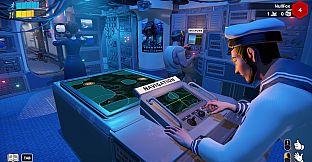
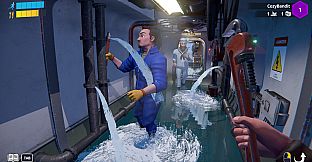
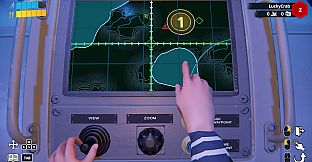
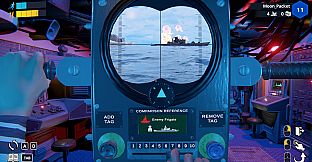
Players manage nine stations that cover navigation, diving controls, sonar detection, periscope viewing, engineering tasks, and damage control. One person might steer while another monitors sonar returns and a third handles repairs when systems overload. Proximity voice chat lets crew members issue direct instructions or issue warnings without leaving their posts. When fires break out or multiple hull breaches occur, the group must assign roles on the fly to restore functionality before the submarine sinks.
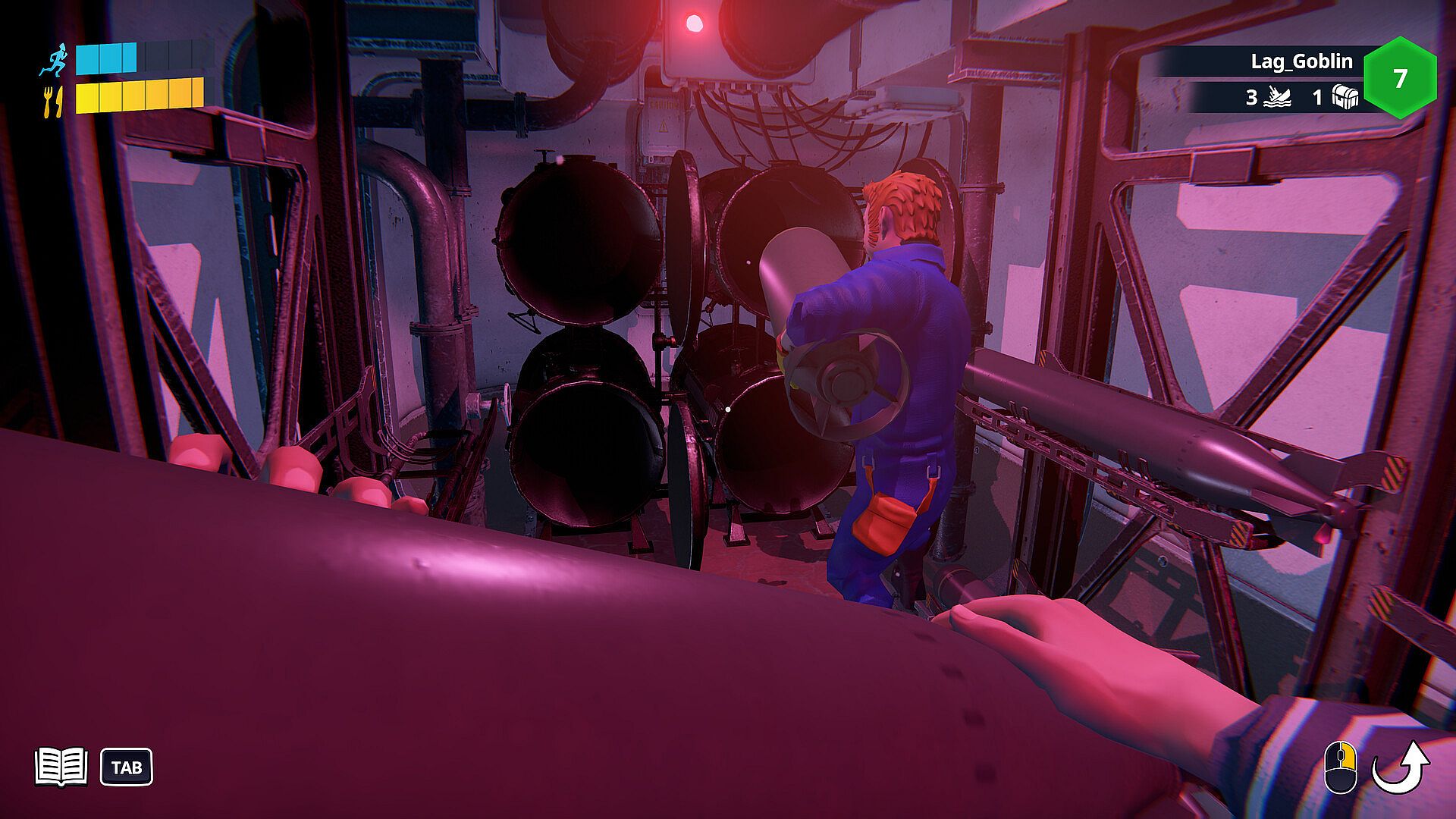
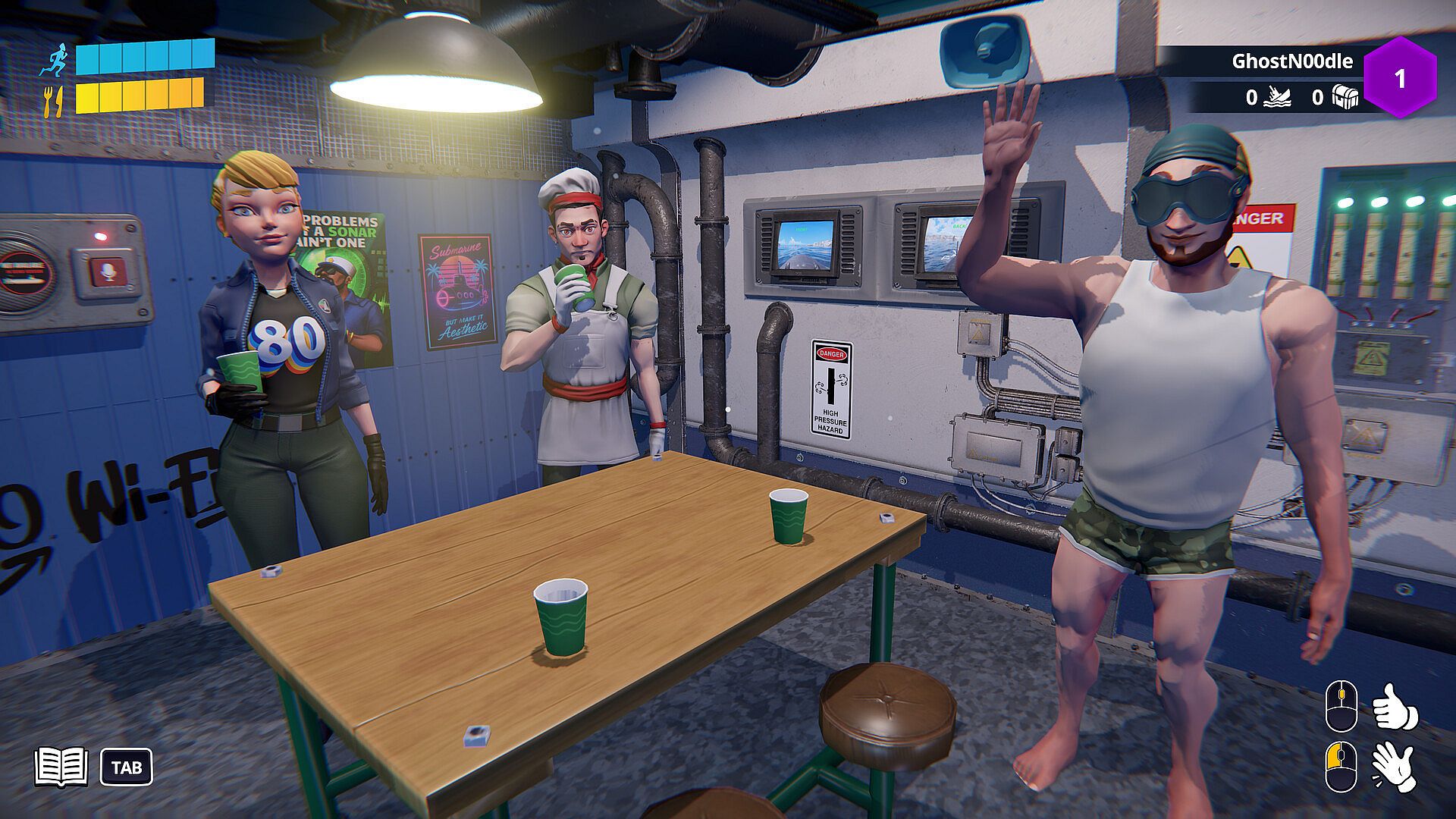
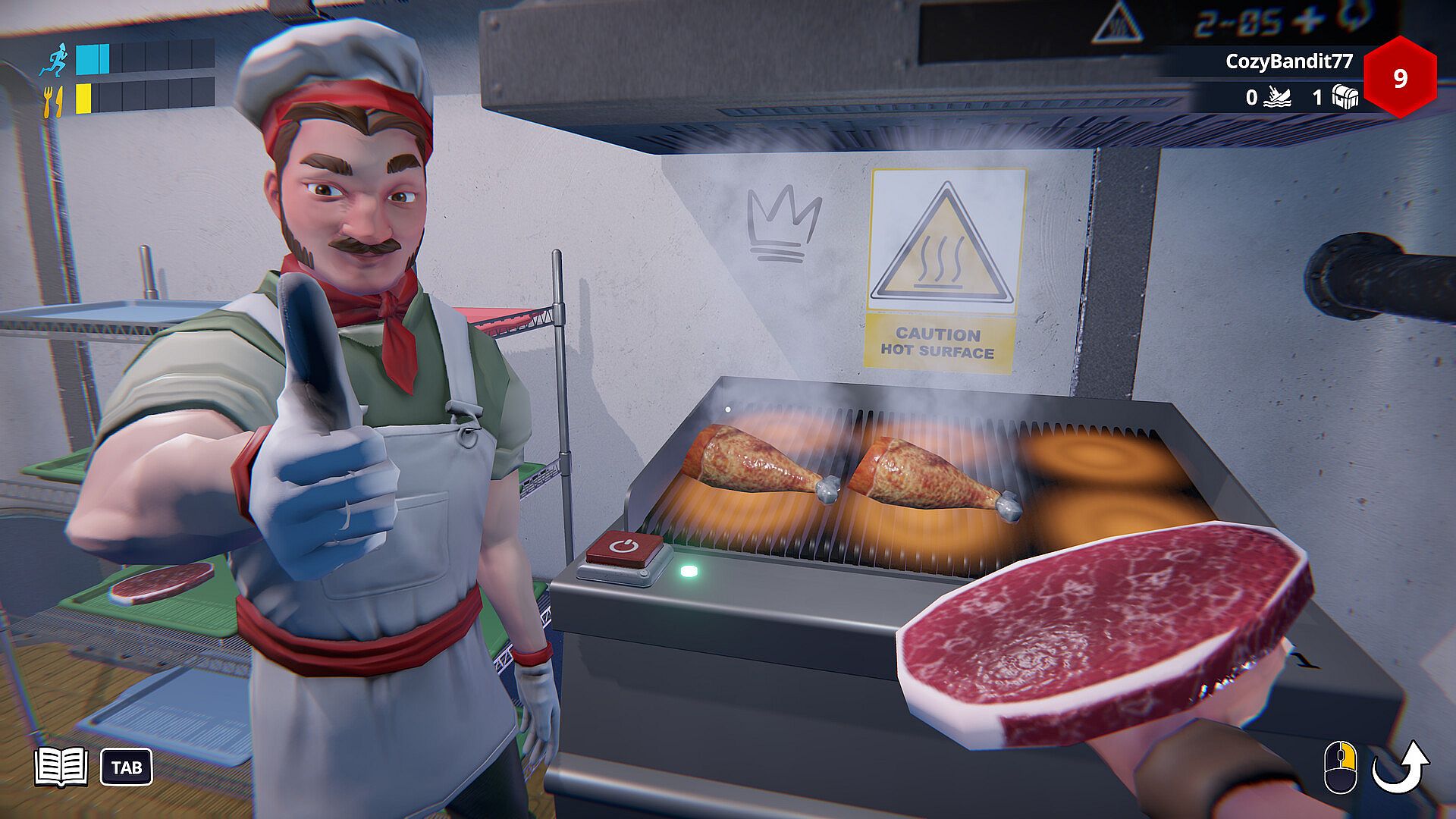
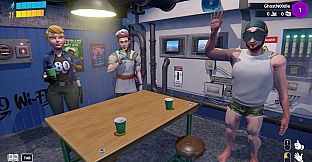
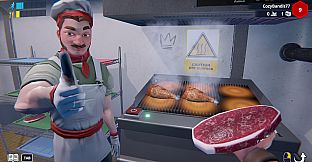
Human factors add another layer. Crew members require food and rest to avoid exhaustion, seasickness, or delirium that impairs performance. Neglecting these needs turns routine tasks into hazards, such as slowed reactions during torpedo loading or confused navigation inputs. The simulation emphasizes realistic consequences for both mechanical and personal oversights rather than abstract health bars.
Game Modes
Missions fall into several categories that test different aspects of submarine operation. Combat-focused runs involve locating and engaging hostile vessels before they detect and attack the player sub. Stealth objectives require slipping past enemy destroyers while maintaining silence and avoiding detection. Treasure recovery sends the crew to the ocean floor to search for artifacts or resources amid environmental hazards. Escort duties involve protecting cargo ships from threats during transit. Each type demands shifts in station priorities, with sonar and periscope work becoming critical during approach phases and engineering taking precedence after damage.
Crew and Equipment Management
Before each deployment, players customize their characters with uniforms, hats, and other appearance options. Equipment upgrades become available through progression, allowing teams to improve station efficiency or add specialized tools. These choices remain cosmetic and functional without altering core station mechanics. The emphasis stays on how well the group communicates and adapts rather than individual power levels.
Is It Worth Playing?
The game remains in development with a playtest available for those interested in early access to the systems described. No release date has been confirmed, and no player reviews exist yet. It targets groups that enjoy cooperative simulation titles where communication and role division drive the experience. Players who prefer structured single-player campaigns or fast-paced action without heavy reliance on voice coordination may find the format less appealing. Those drawn to detailed station management and the risk of cascading failures from small errors will find the core loop matches the provided descriptions closely. Interested participants can request playtest access to evaluate the current build directly.