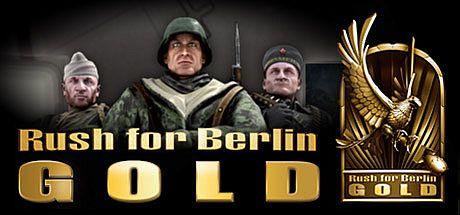
















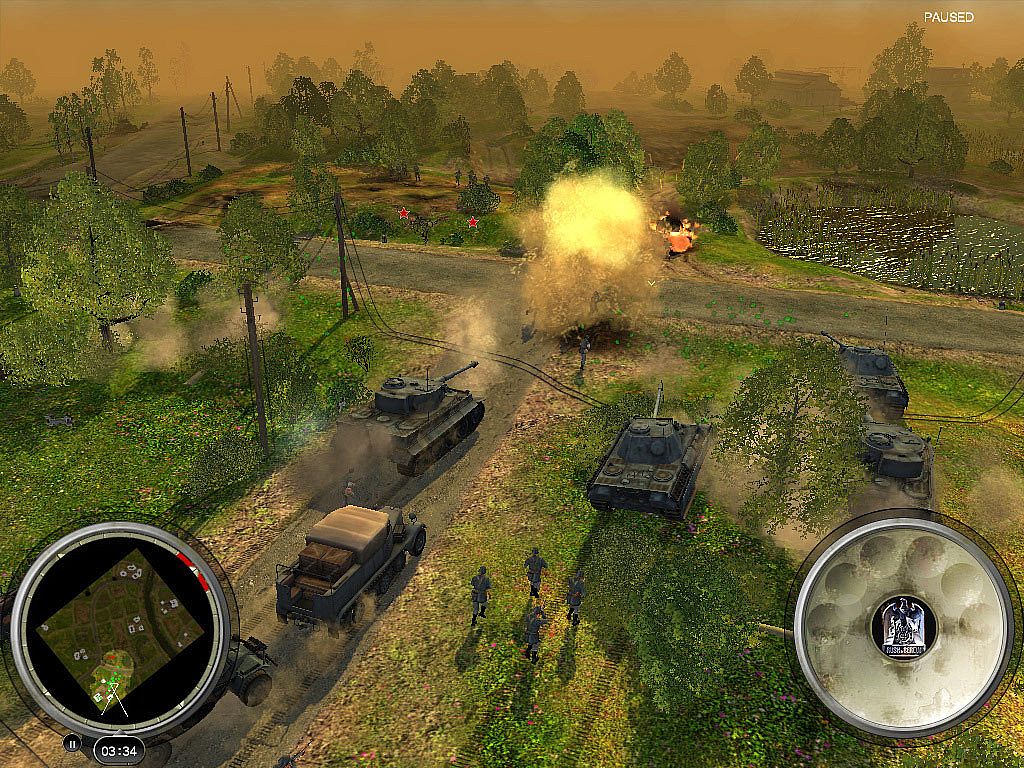
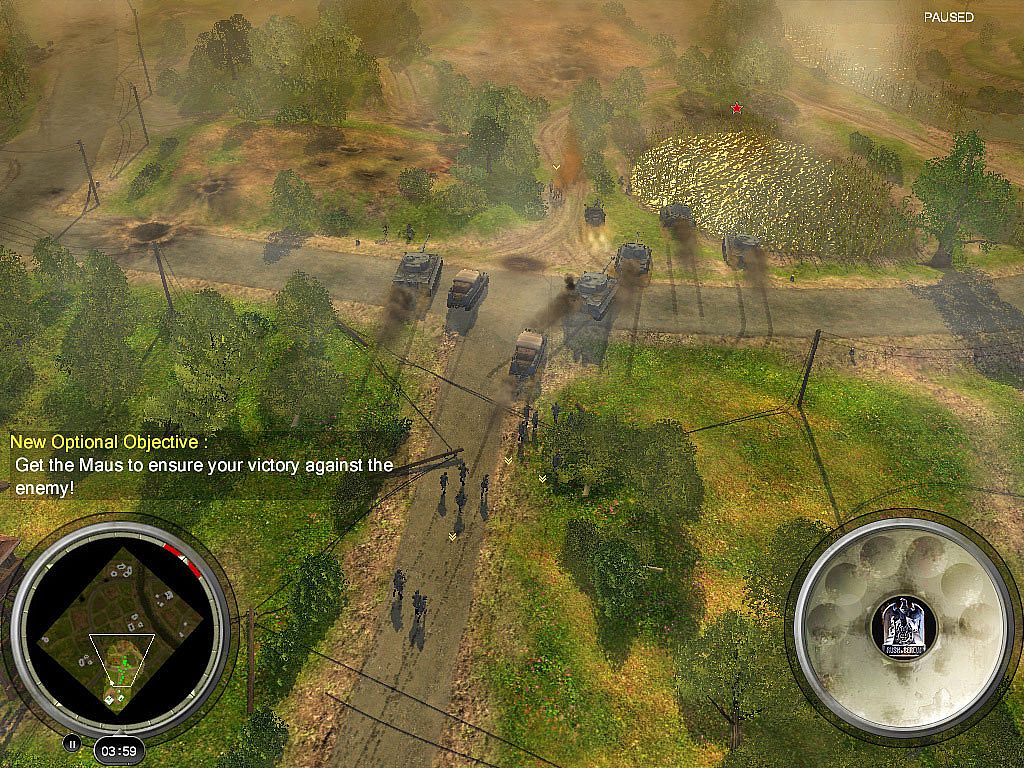
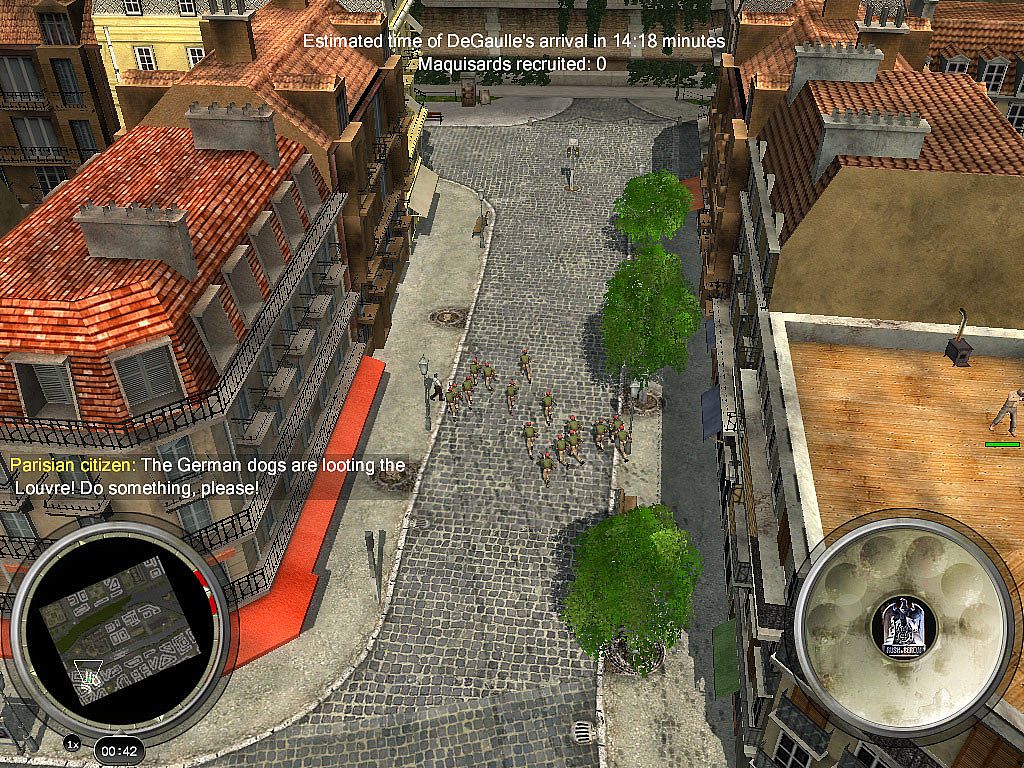
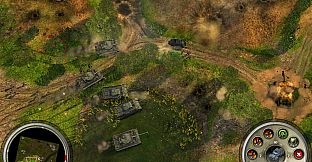
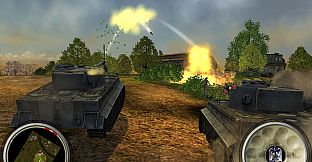
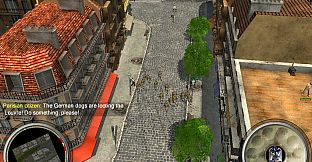
Rush for Berlin Gold is a real-time strategy game set during the final stages of World War II in Europe. Players command forces from the United States, Britain, France, and the Soviet Union as they advance toward the German capital in 1944 and 1945. The title comes from the developers at Stormregion and emphasizes tactical command over large-scale battles on varied terrain.
Gameplay
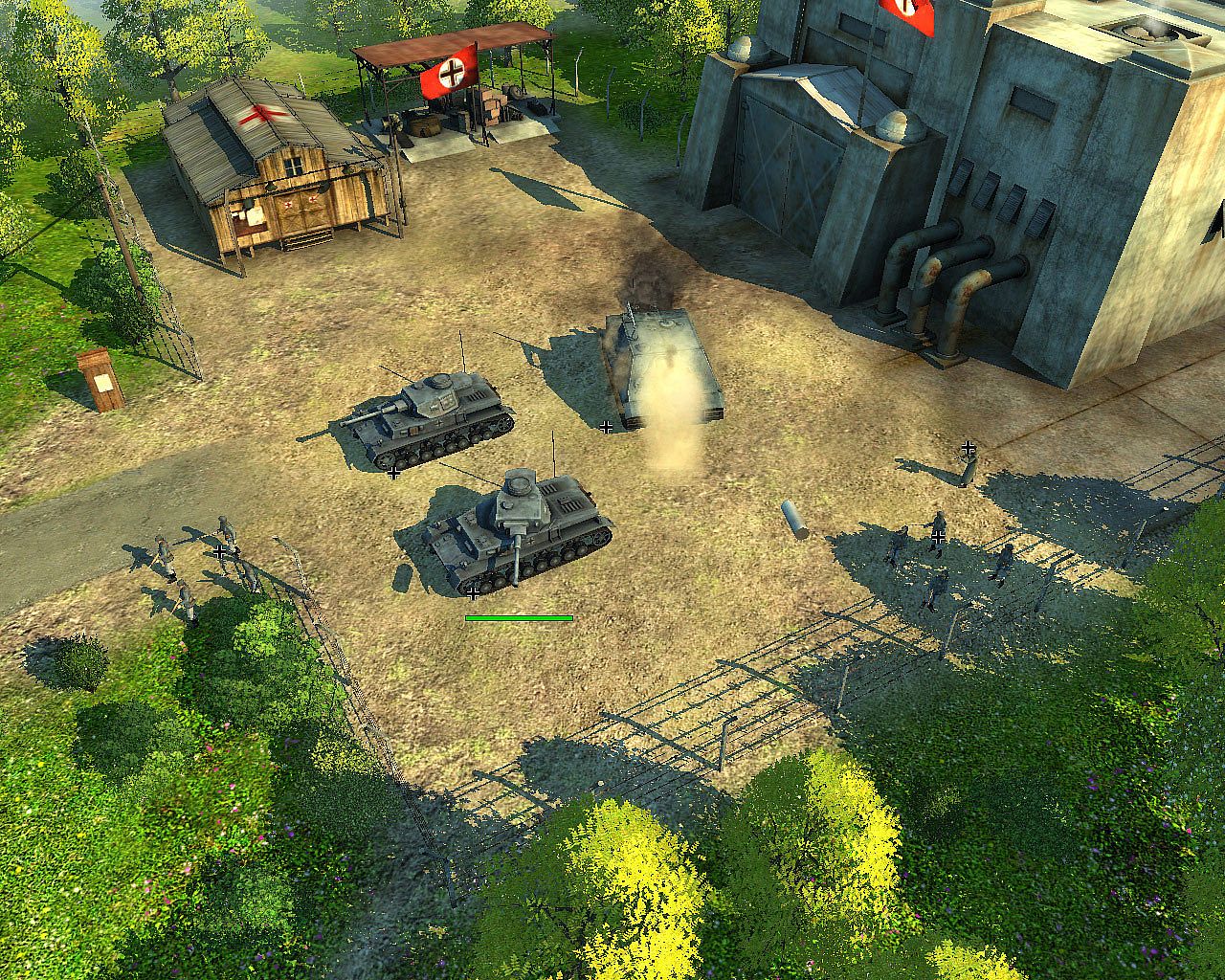
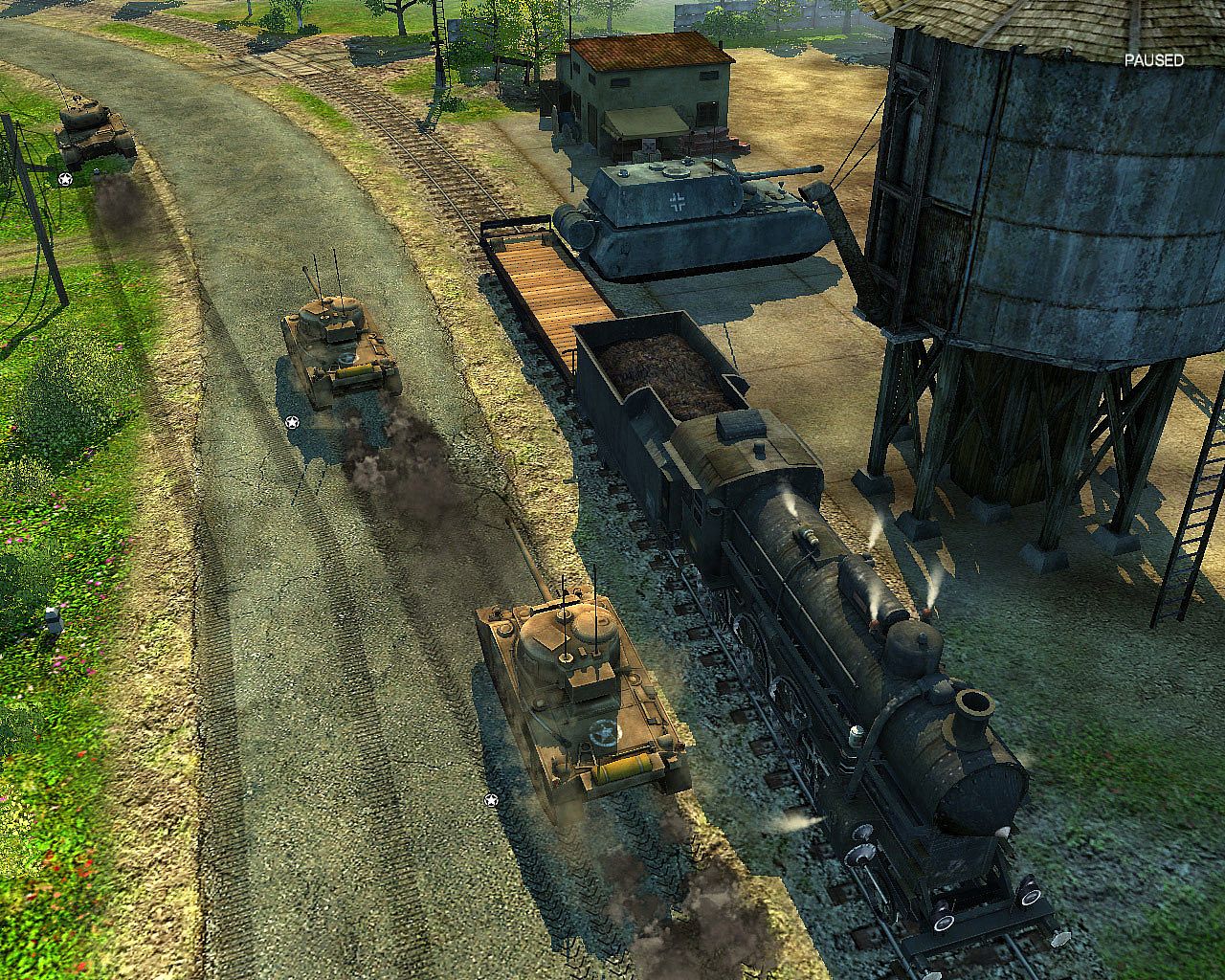
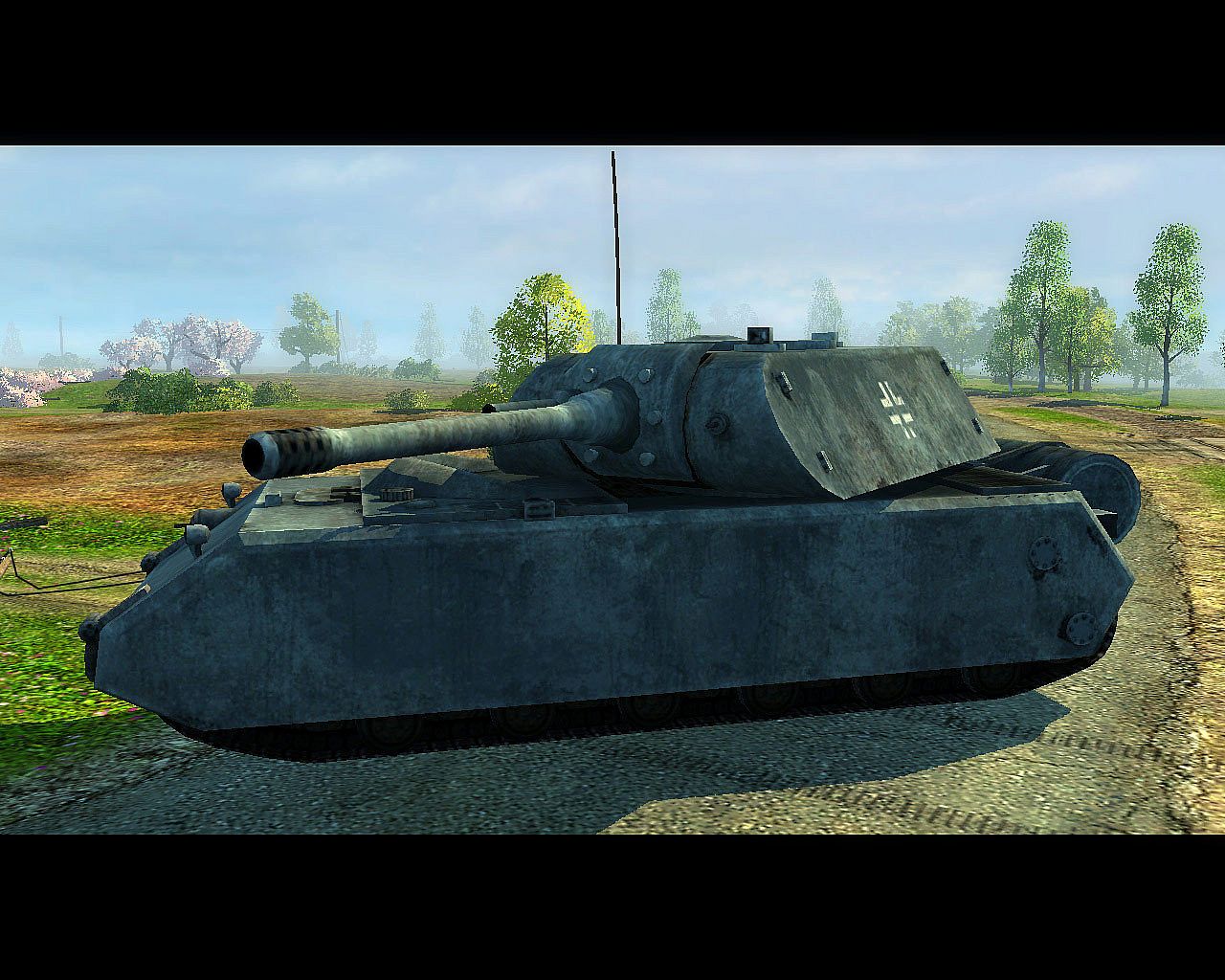
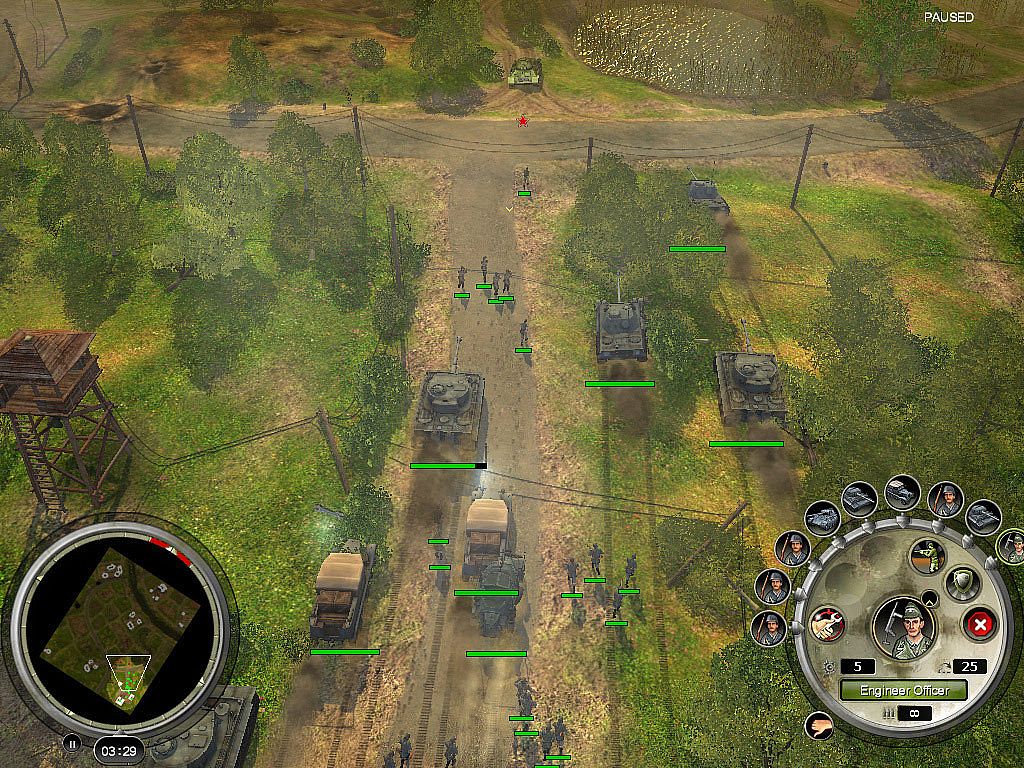
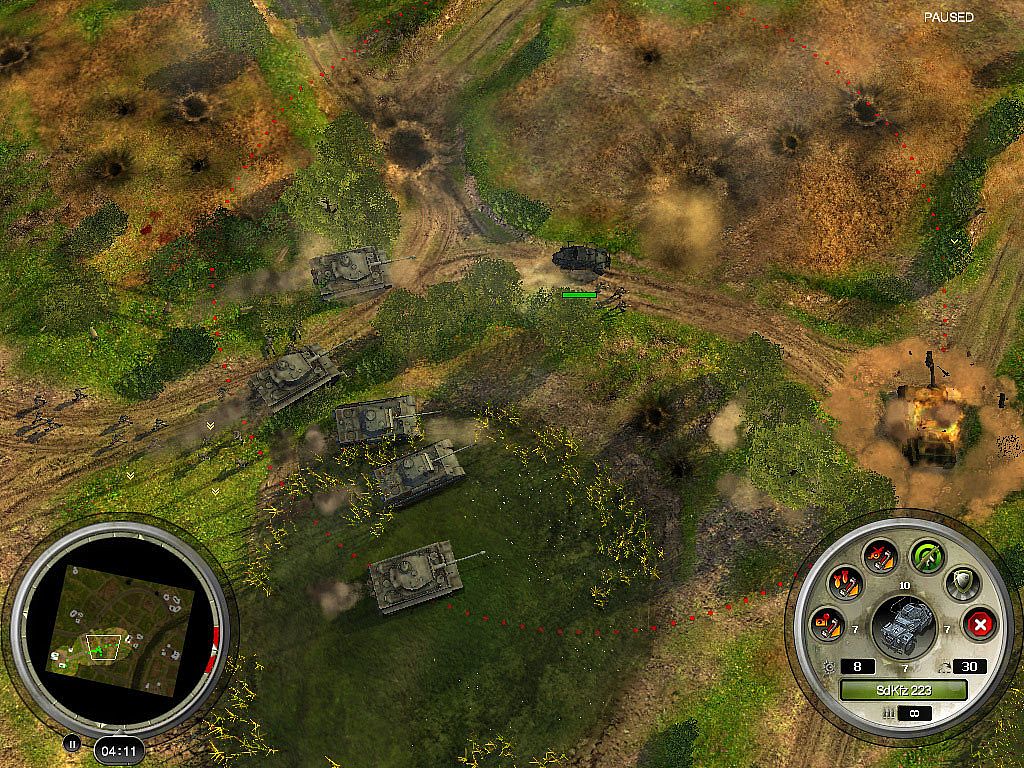
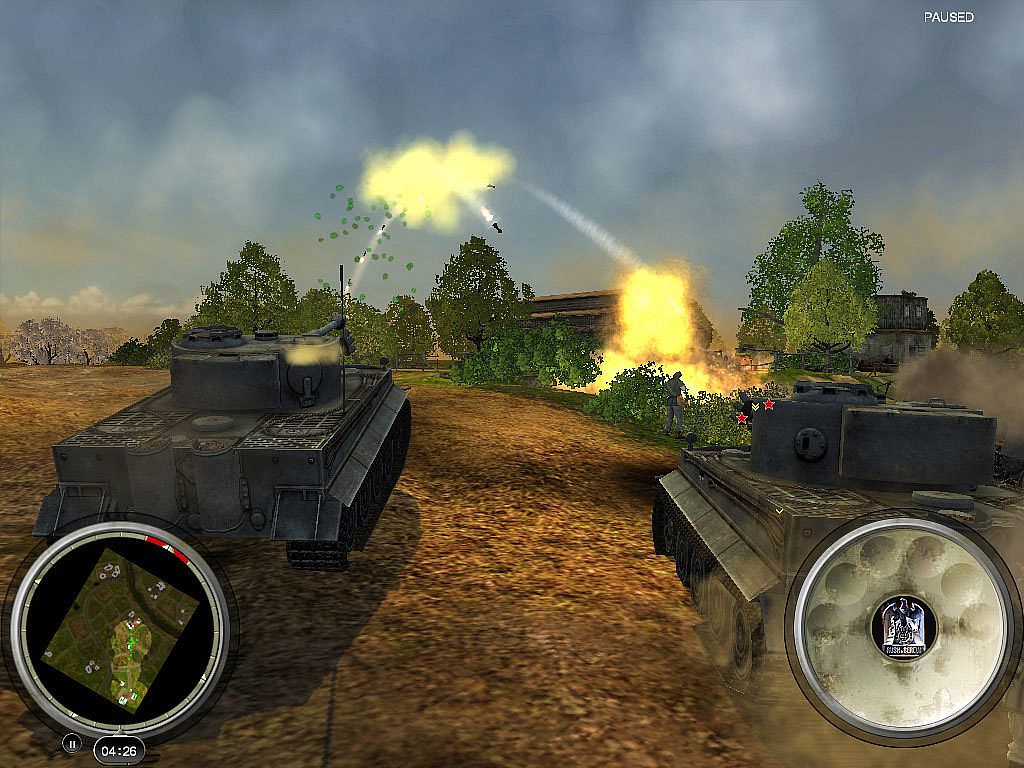
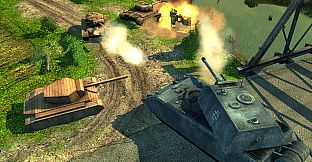
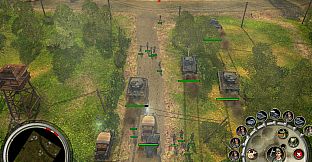
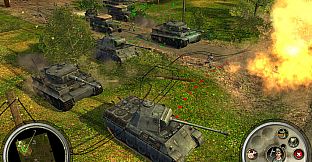
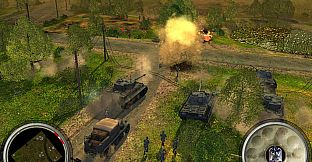
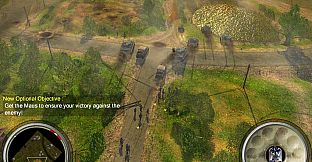
The core loop revolves around managing combined arms forces across missions that grow more intense as forces near Berlin. Units number more than one hundred in total, with many representing historical equipment alongside experimental German prototypes in one campaign path. A detailed damage system tracks vehicle components individually, forcing players to position armor carefully to avoid critical hits on engines or weapons. Infantry can seize and hold buildings for defensive positions or board empty vehicles for rapid repositioning.
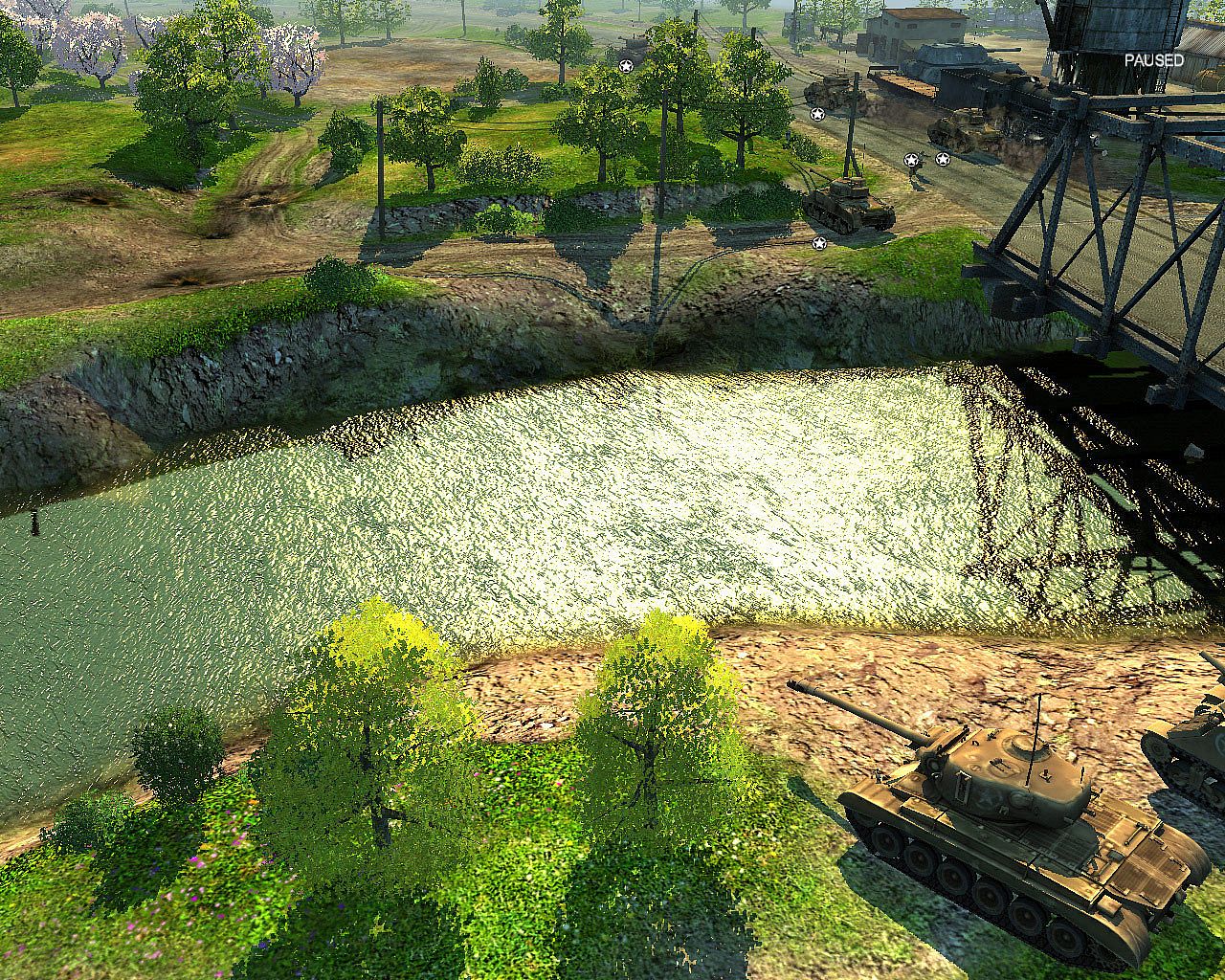
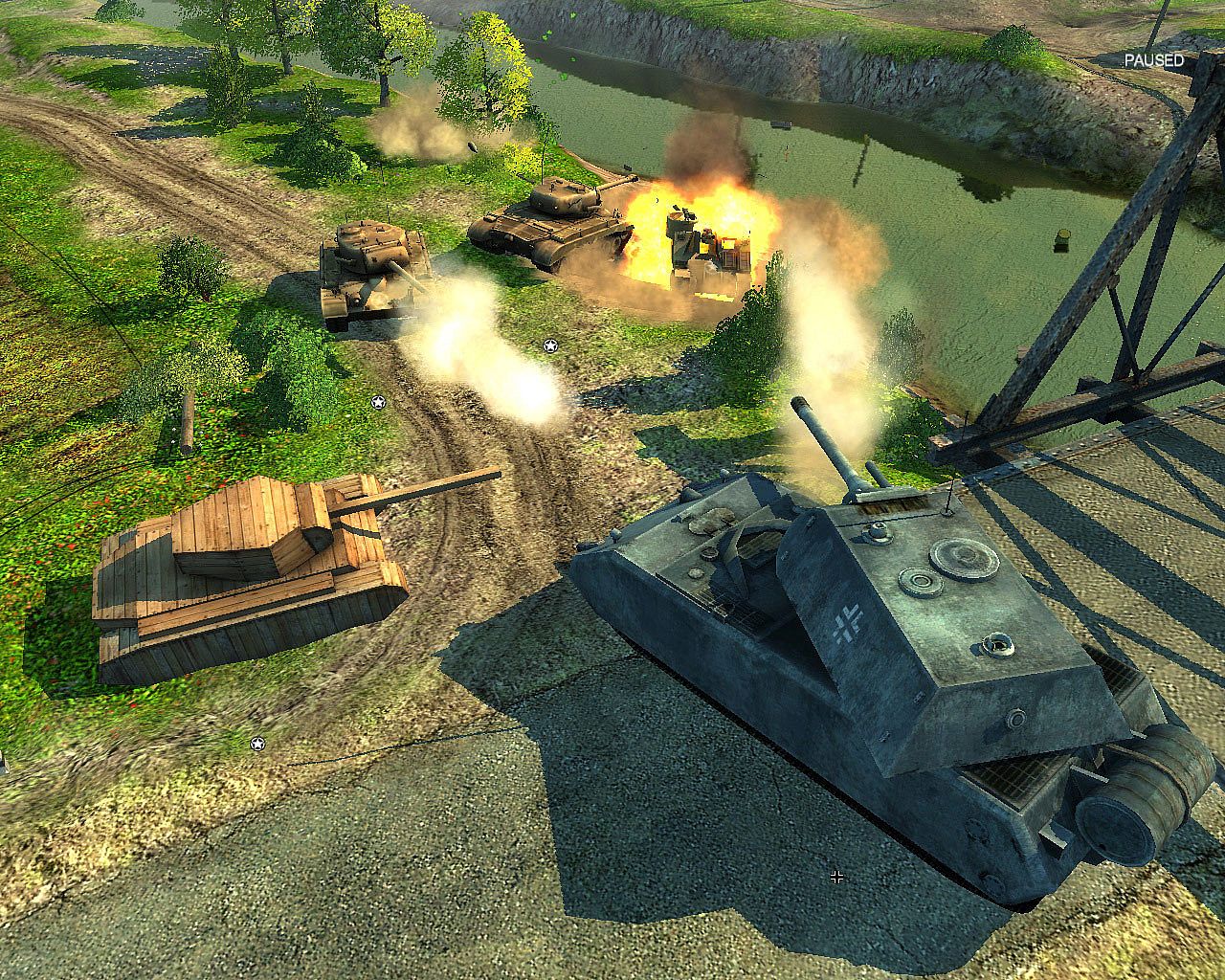
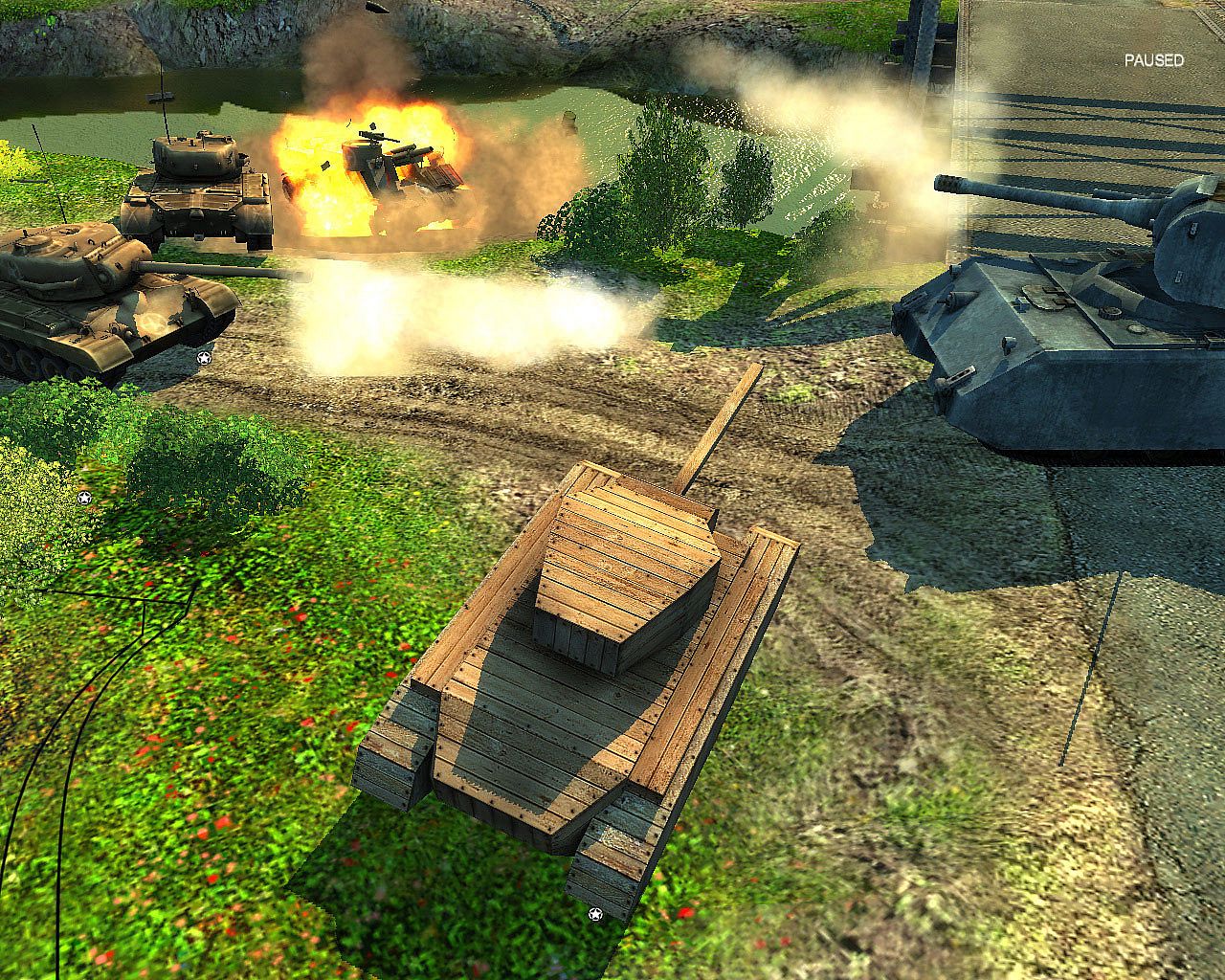
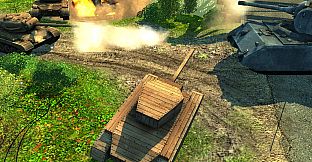
Production facilities generate resources and can output specialized items such as camouflage tanks designed to confuse enemy aerial scouting. Environmental factors play a direct role: day and night cycles alter visibility, while weather conditions affect movement and accuracy. Officers function as elite units that bring unique abilities to the field, adding another layer to unit composition choices. The artificial intelligence responds dynamically, launching aggressive counterattacks when players expose weaknesses in their lines.
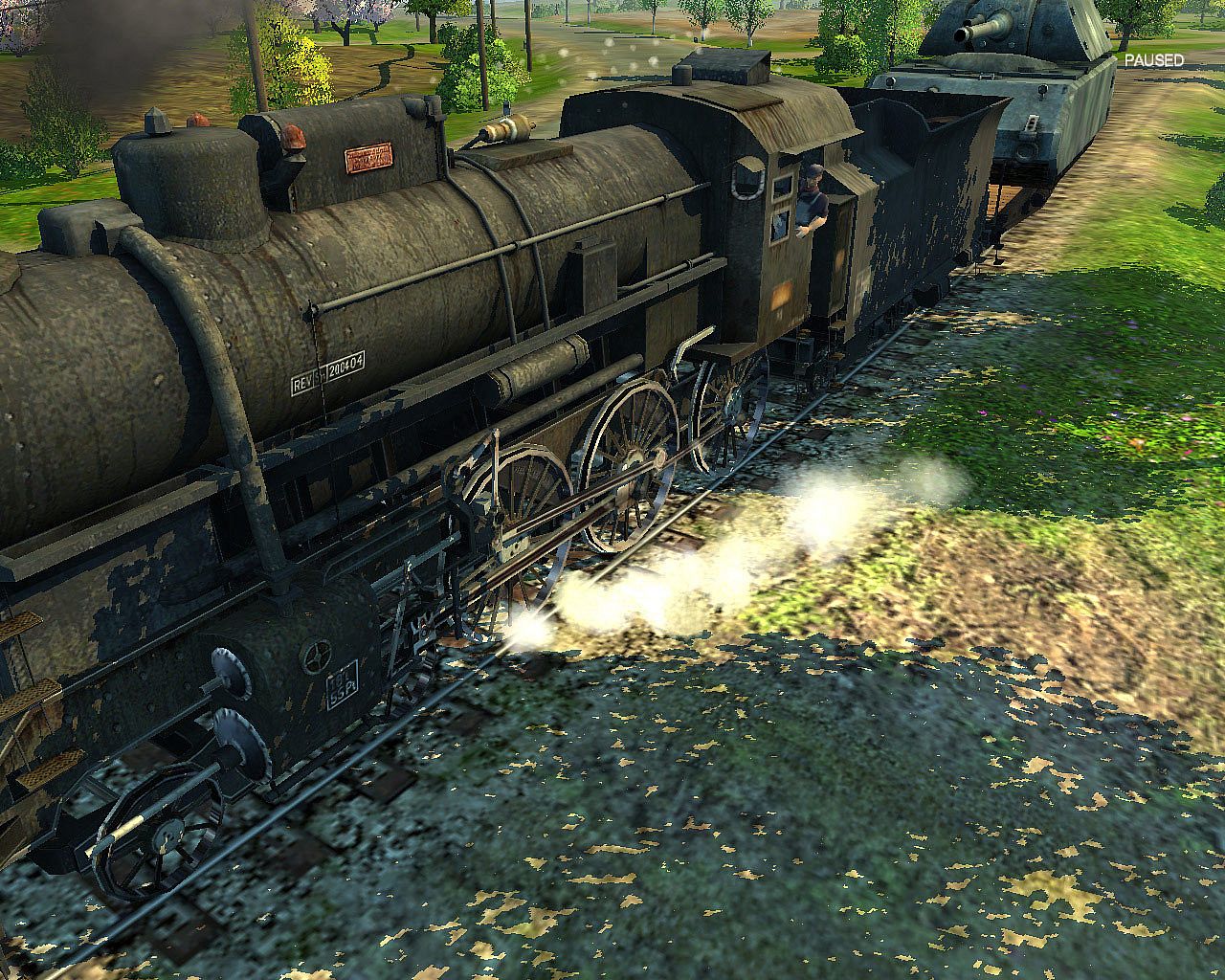
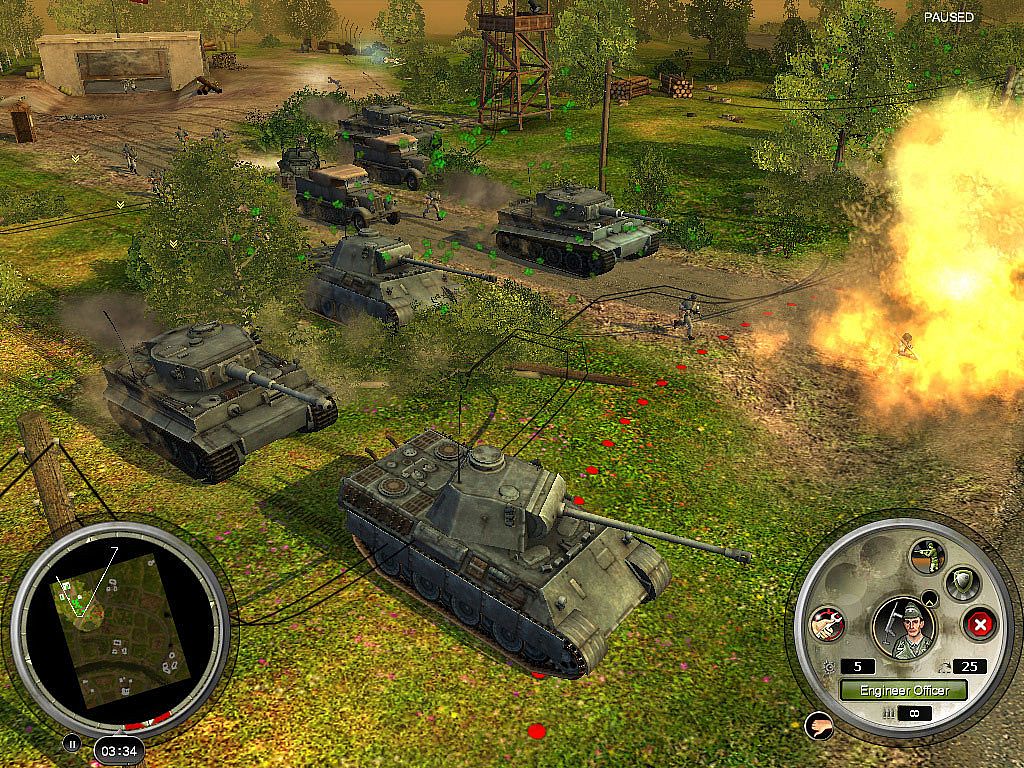
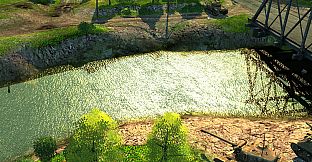
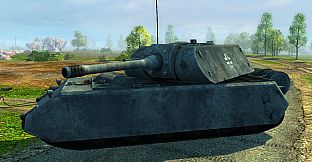
Graphics rely on the Gepard Engine to render detailed battlefields and vehicle models that hold up for the era of release. Sound design captures the weight of artillery and small-arms fire, contributing to the overall atmosphere of late-war combat.
Game Modes
Single-player content centers on two distinct campaigns. One follows the historical advance of the Western Allies and Red Army forces racing to capture Berlin, with missions that increase in difficulty as German resistance stiffens. The alternate German campaign places the player in command of defending forces equipped with mass-produced prototype weapons, creating scenarios that diverge from recorded history.
Multiplayer supports competitive matches between players, allowing direct confrontation using the same unit roster and mechanics found in the campaigns. Matches emphasize resource management, unit positioning, and exploitation of terrain and weather advantages.
Factions and Units
Each faction brings distinct equipment pools. American, British, and French forces feature standard Allied tanks, infantry, and support vehicles suited to combined-arms advances. Soviet units emphasize massed armor and artillery. The German side in the alternate campaign includes advanced prototypes that offer superior firepower or mobility at the cost of higher resource demands or vulnerability in certain conditions. Officers across all sides provide specialized tactical options that reward careful placement during engagements.
Is It Worth Playing?
The game carries a Very Positive rating on its primary distribution platform, with 86 percent of 160 user reviews marked positive. Players who enjoy classic real-time strategy titles focused on World War II hardware and large-scale tactical decisions will find the campaign structure and unit variety engaging. The title remains available for purchase and runs on modern systems through compatibility layers where needed. Those seeking ongoing post-launch content or frequent balance patches will not find them, as development concluded years ago. The experience suits fans of deliberate, scenario-driven strategy rather than fast-paced action or live-service models.