



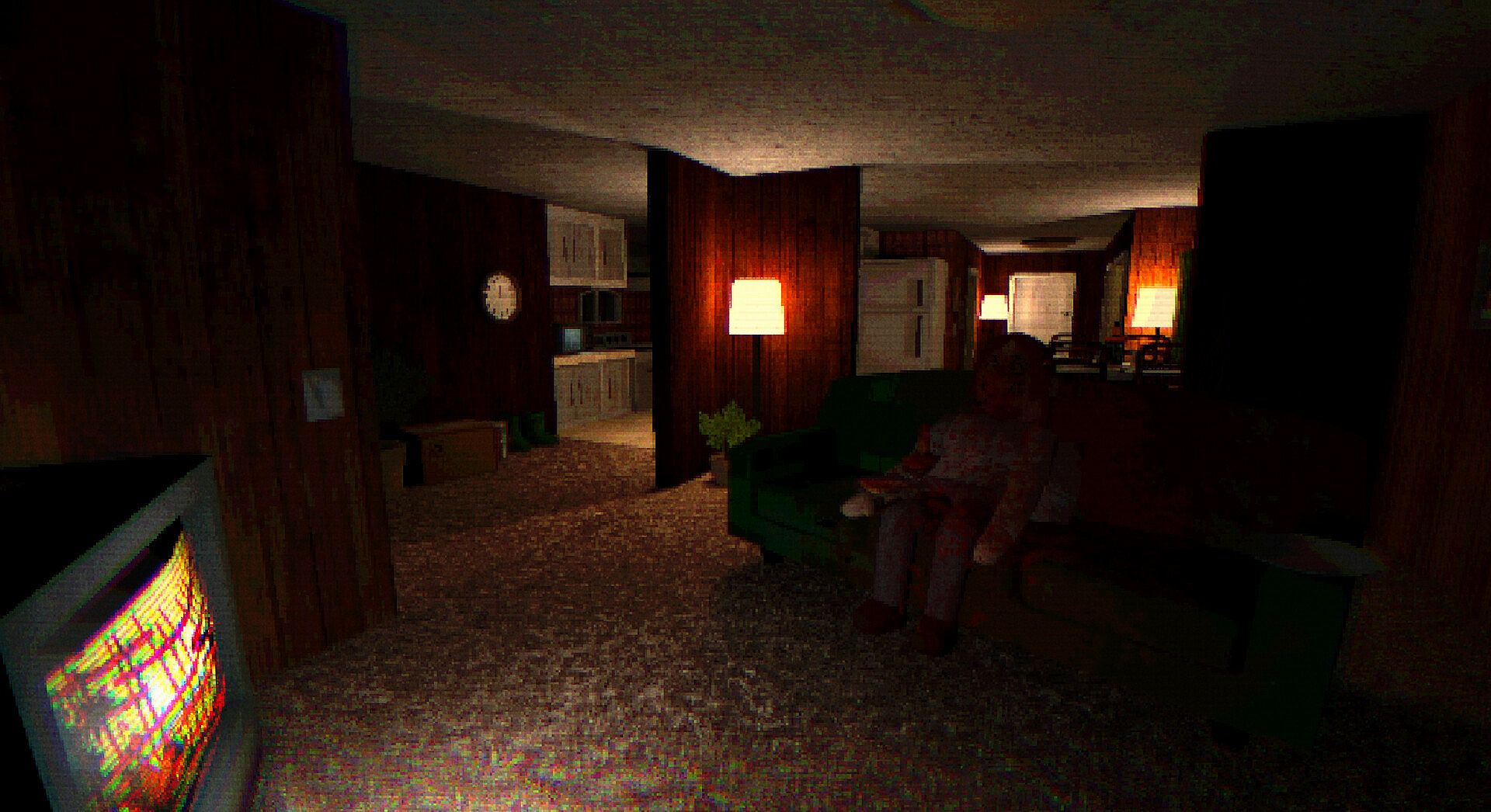
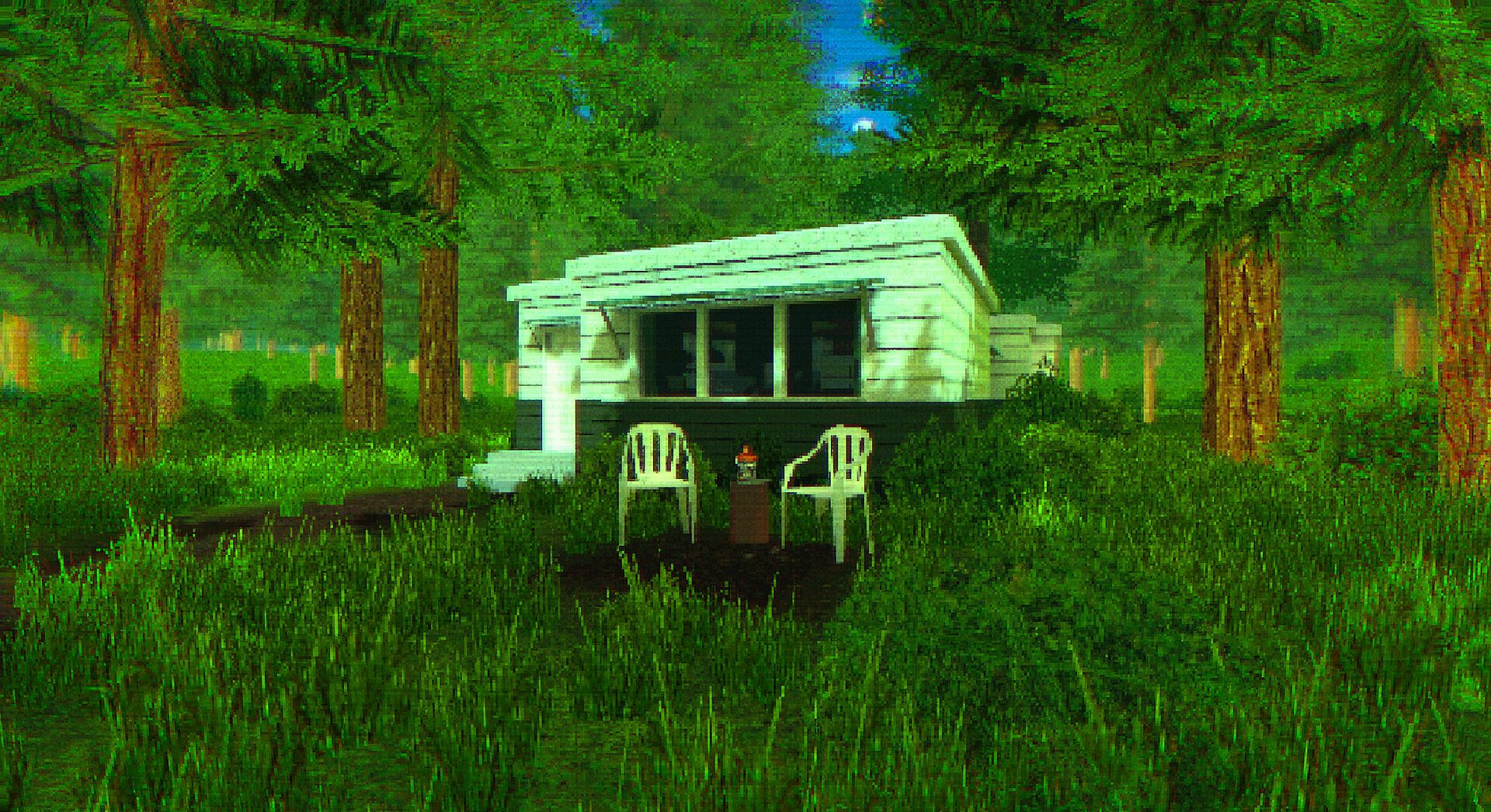
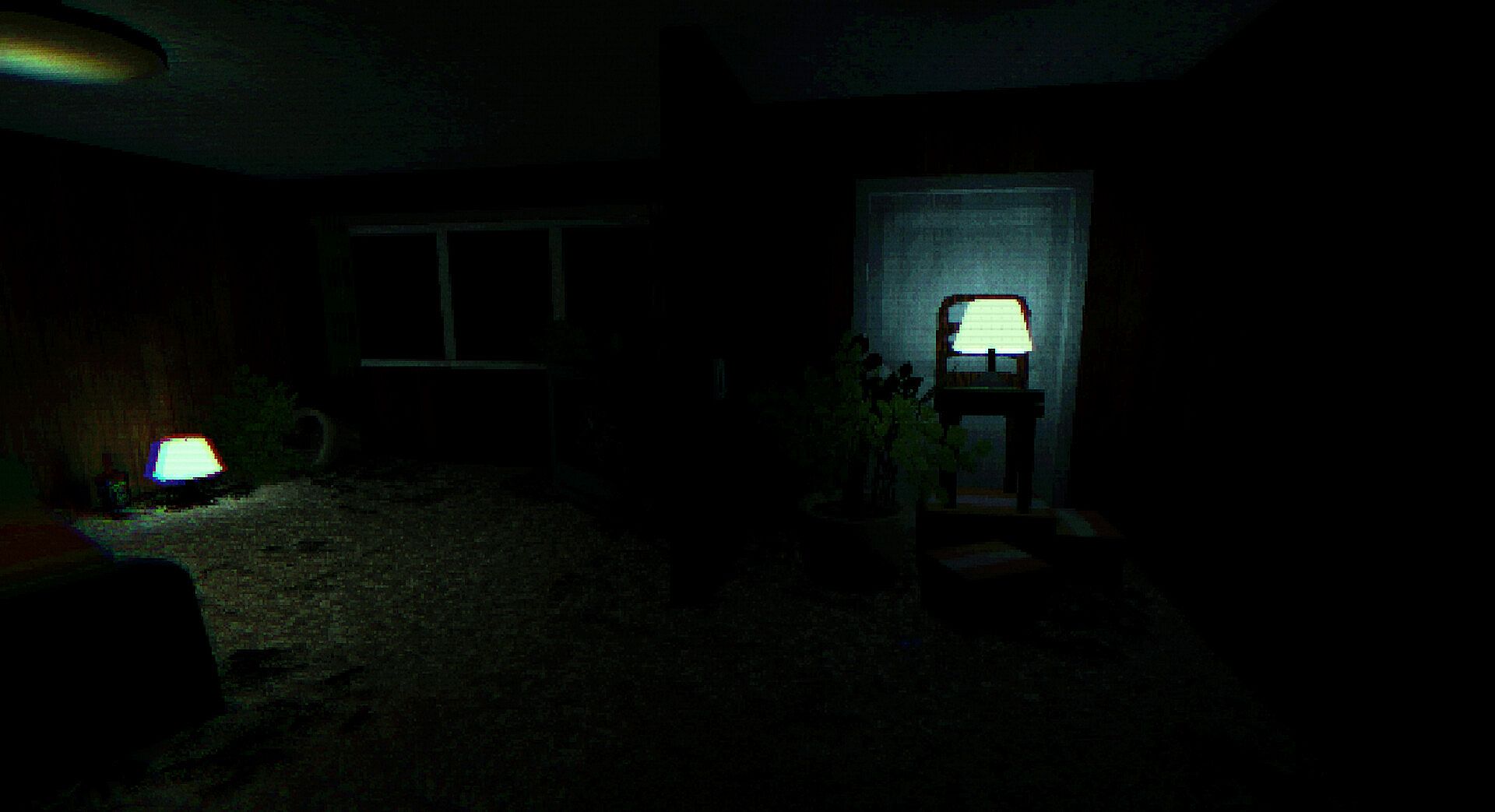
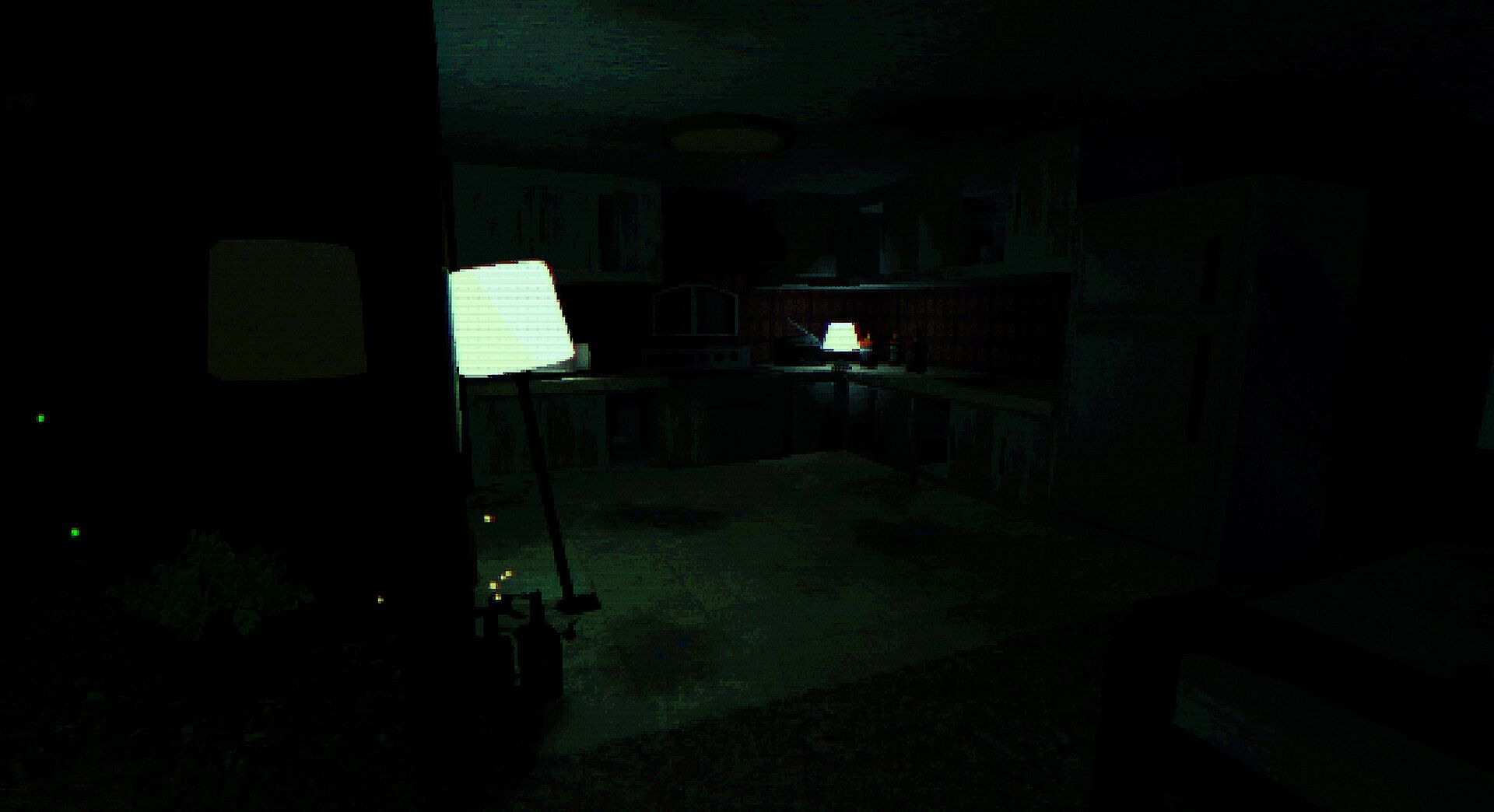
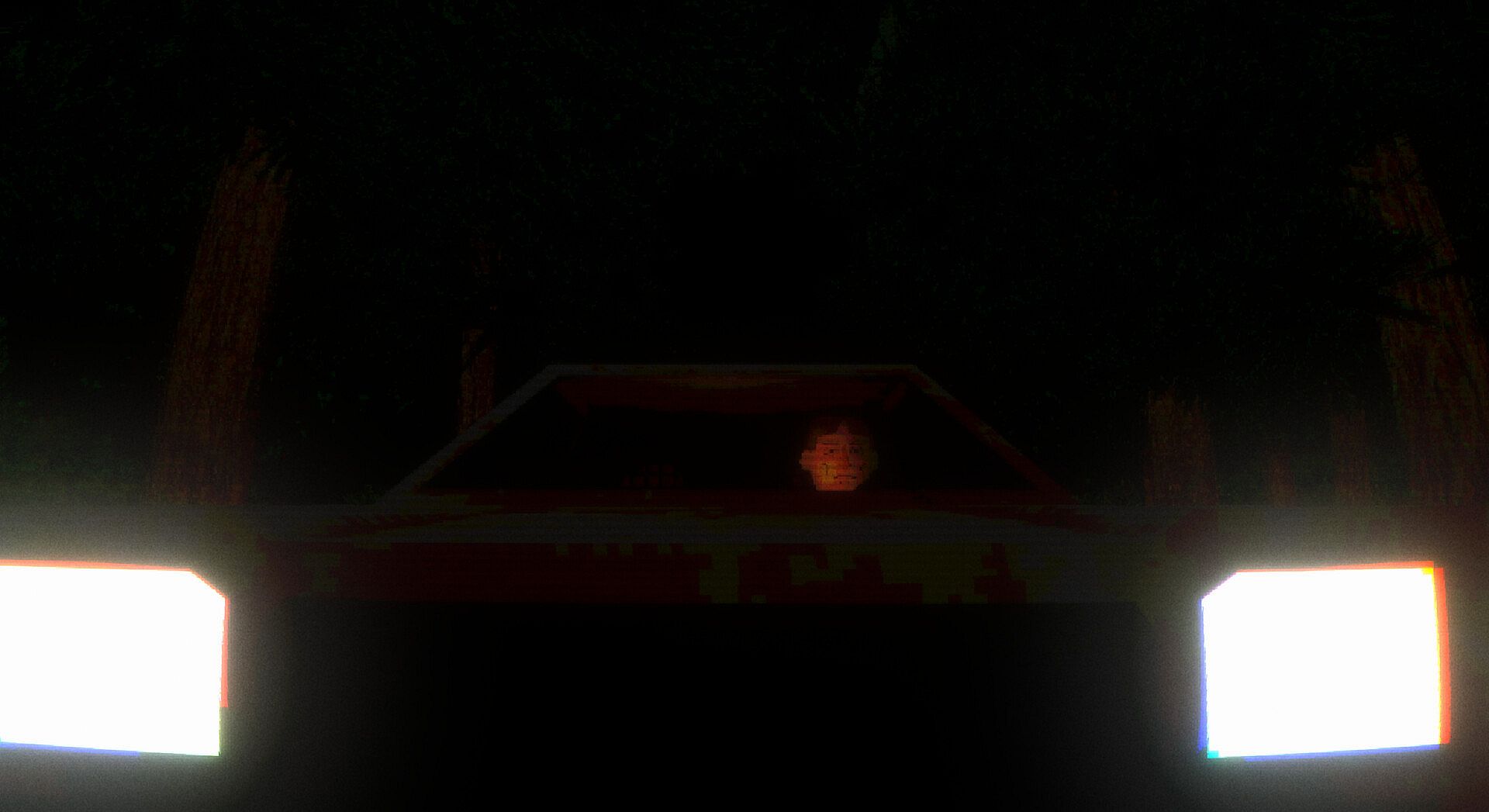
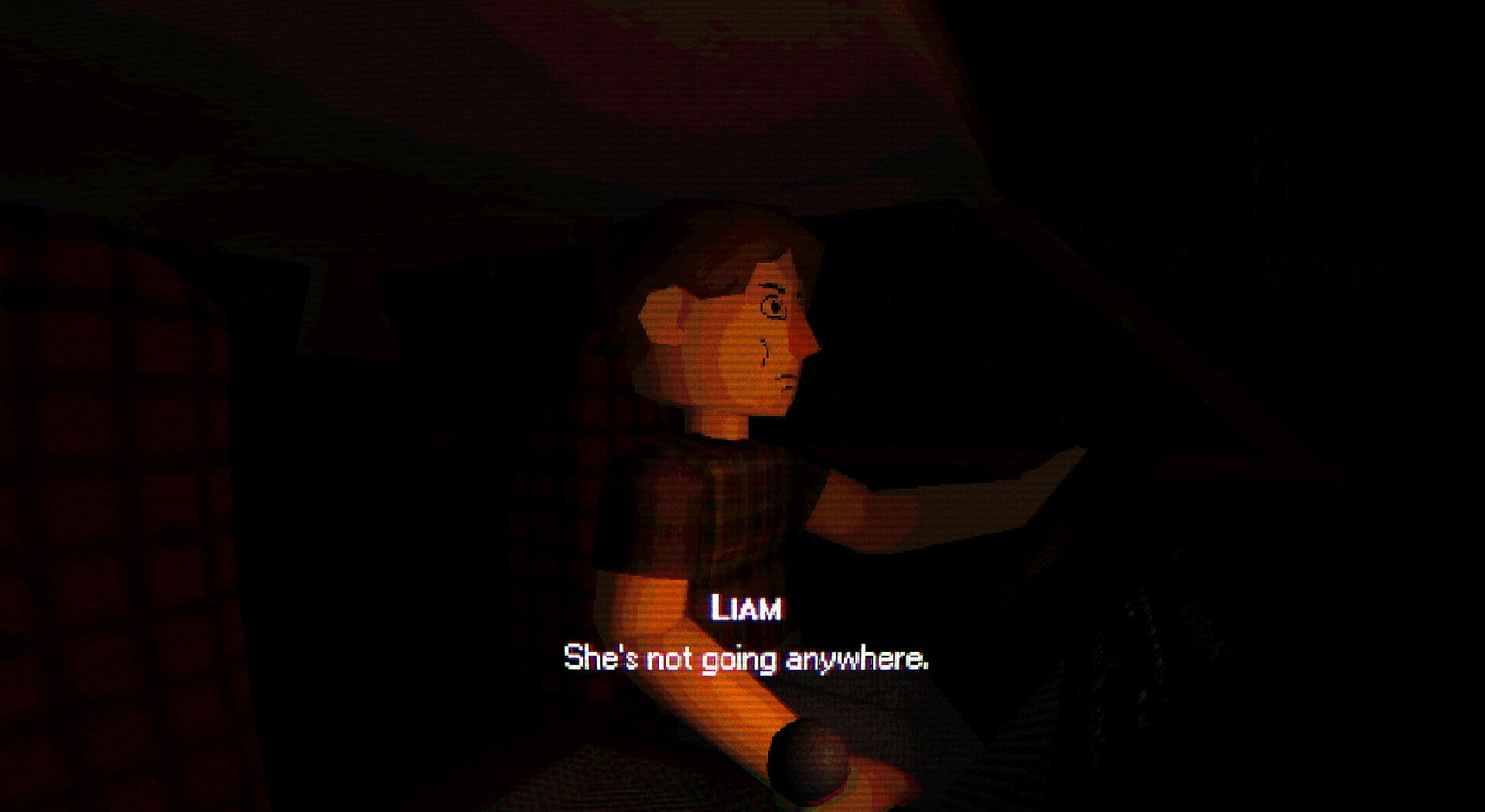
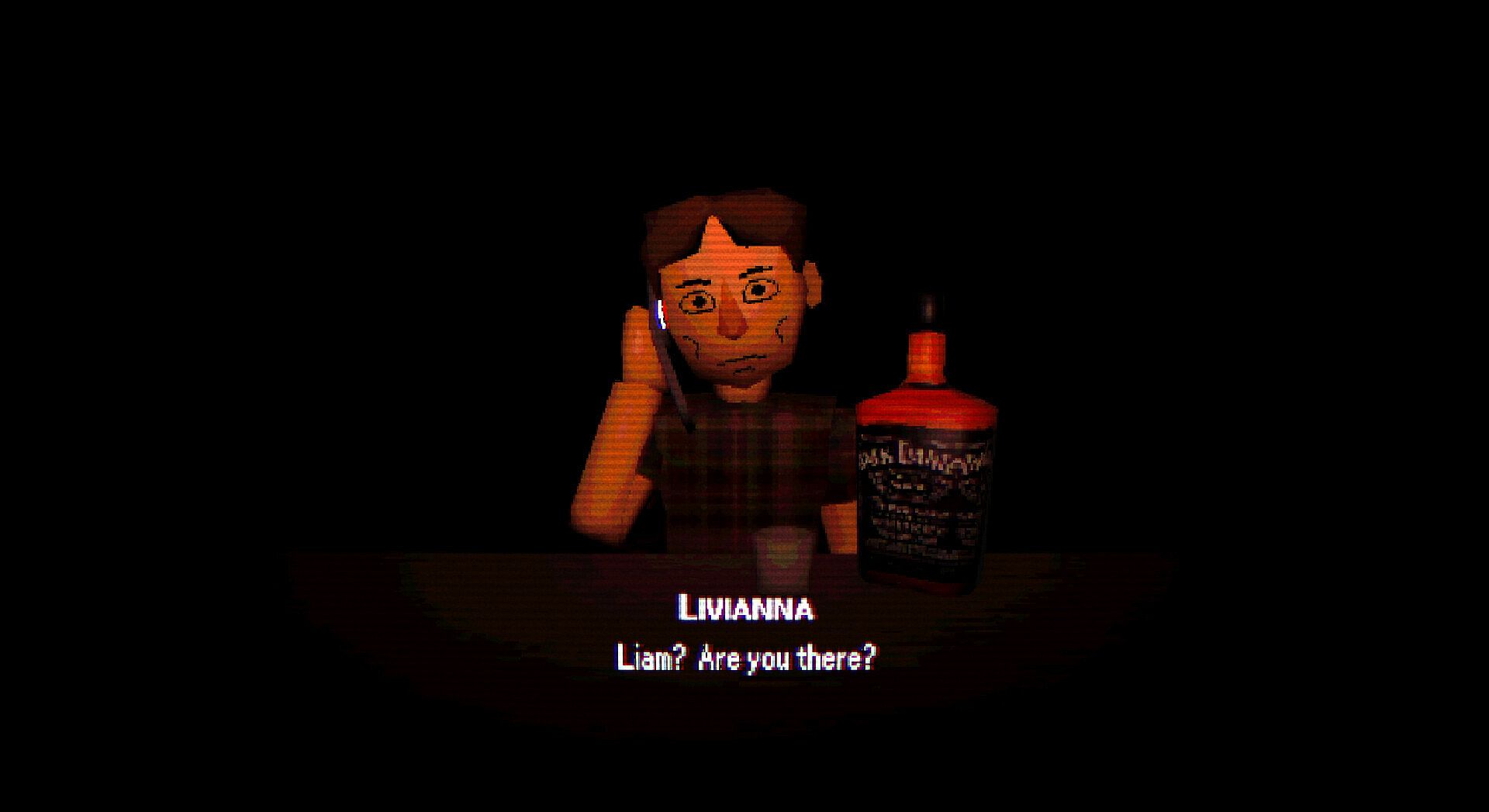
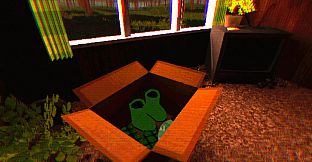
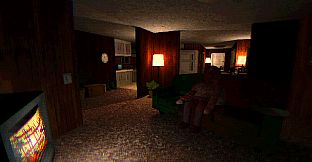
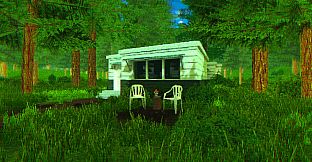
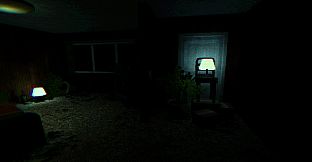
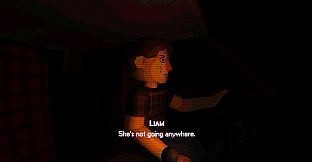
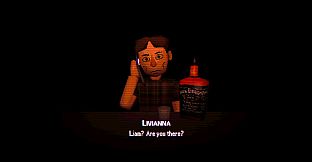
Rotting Grief is an indie adventure game centered on psychological horror and narrative storytelling. Players take on the role of Liam, a man grappling with the recent loss of his wife Livianna under unclear circumstances. The experience unfolds through the five stages of grief, tracking how personal denial, anger, bargaining, depression, and acceptance shape his path forward or pull him deeper into the past.
Gameplay
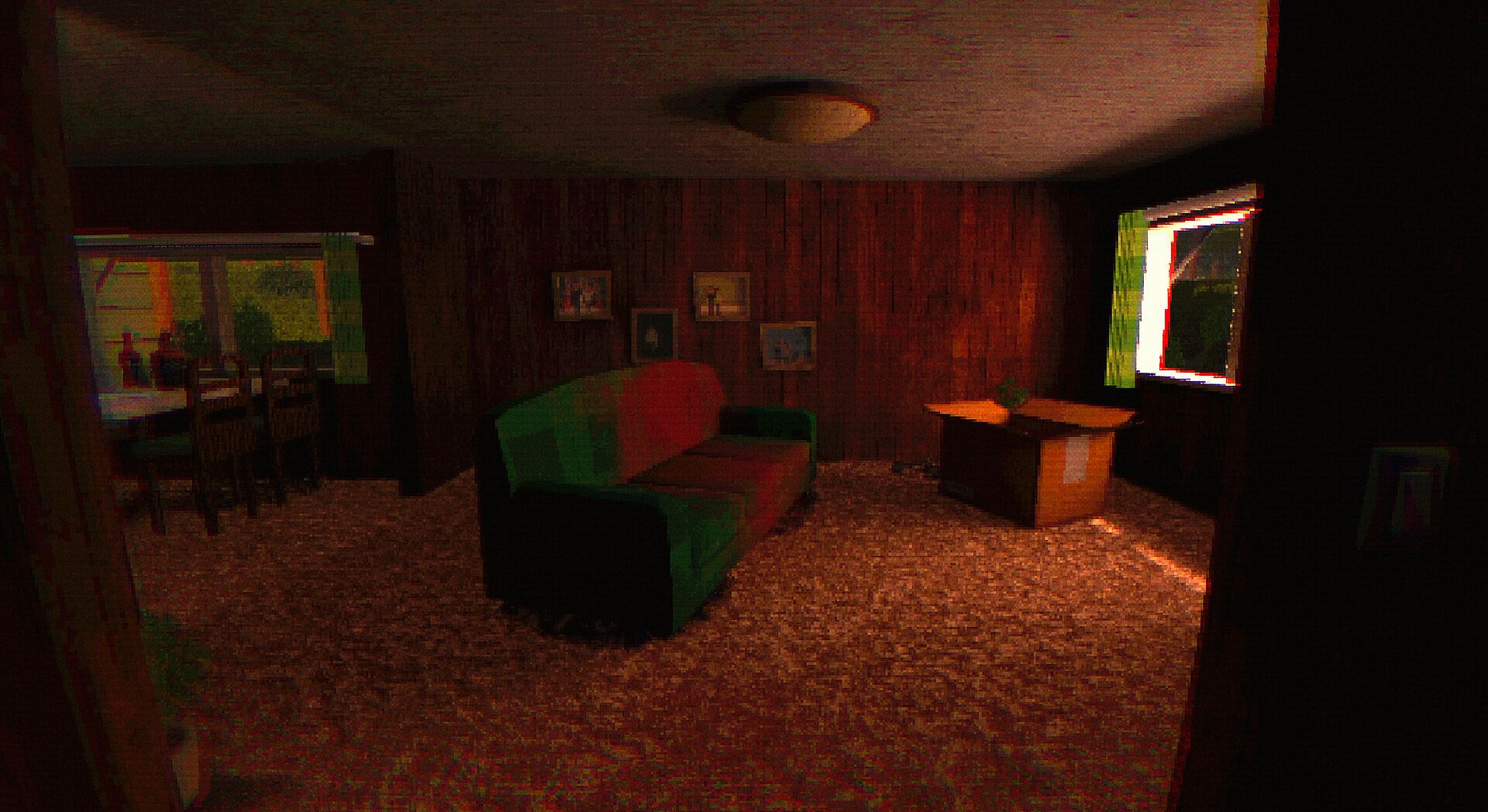
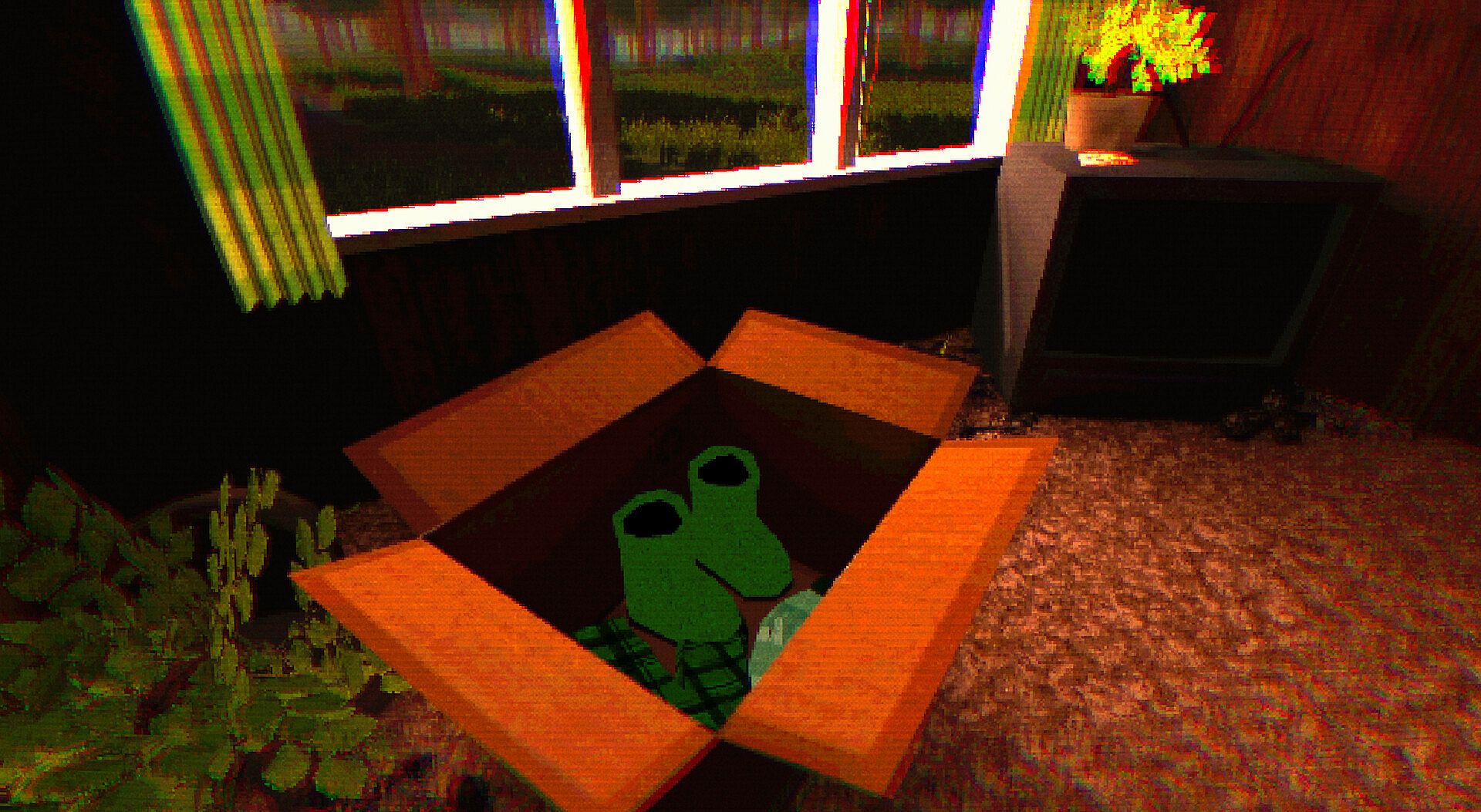
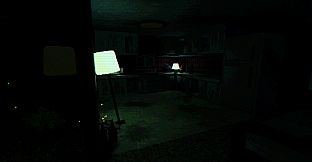
The core loop revolves around progressing through a linear yet introspective story that mirrors the stages of grief. Liam navigates environments that reflect his deteriorating mental state as society appears to break down around him. Exploration and interaction focus on uncovering details about the loss while observing how his drinking and growing instability influence what he encounters and how events unfold. The short runtime keeps the focus tight on emotional beats and narrative progression rather than extended side activities or complex systems.
Choices made during key moments affect Liam's responses and the overall tone, leading toward one of two distinct conclusions. Visual and atmospheric elements emphasize the psychological toll, with changes in perception and surroundings that align with each grief stage. This structure suits players who prefer deliberate pacing and character-driven tension over action or resource management.
Game Modes
Rotting Grief operates as a single-player narrative experience without separate multiplayer or competitive modes. The design centers on a solo journey through the story, allowing uninterrupted focus on Liam's internal conflict and the surrounding decay. Two main endings provide replay value for those interested in exploring alternate outcomes based on decisions made along the way.
No additional modes such as survival challenges, co-op sessions, or procedural elements appear in the game. The emphasis remains on the core narrative path and its emotional branches, making it a contained session that typically lasts around sixty minutes on a first playthrough.
Narrative and Themes
The story examines how individuals process profound loss and whether they remain anchored to the past or move toward an uncertain future. Liam's perspective drives the experience, with his increasing instability serving as both a character trait and a lens for interpreting events. Society's apparent collapse adds external pressure that mirrors his internal turmoil, creating a layered portrayal of grief without relying on traditional horror tropes like jump scares.
Themes draw directly from the five stages, using them as structural milestones rather than abstract concepts. This approach delivers a focused examination of denial, anger, bargaining, depression, and acceptance through personal interactions and environmental storytelling.
Is It Worth Playing?
Rotting Grief appeals to players seeking a brief, introspective psychological horror adventure that prioritizes emotional narrative over mechanical depth. Its sixty-minute length and two main endings make it accessible for those wanting a complete story in one sitting, with potential for a second playthrough to see alternate resolutions. The indie adventure format delivers a self-contained experience suited to fans of character-focused tales that explore mental health and loss.
Reception centers on its atmospheric delivery and thematic consistency, though the limited scope means it may not satisfy those looking for longer campaigns or varied gameplay systems. Availability on PC positions it as an easy entry point for anyone interested in short-form narrative horror without additional commitments. If the premise of following one man's grief through a crumbling world resonates, the game provides a direct and unadorned take on that journey.