


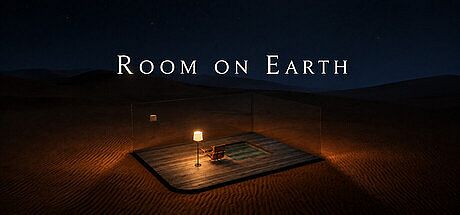


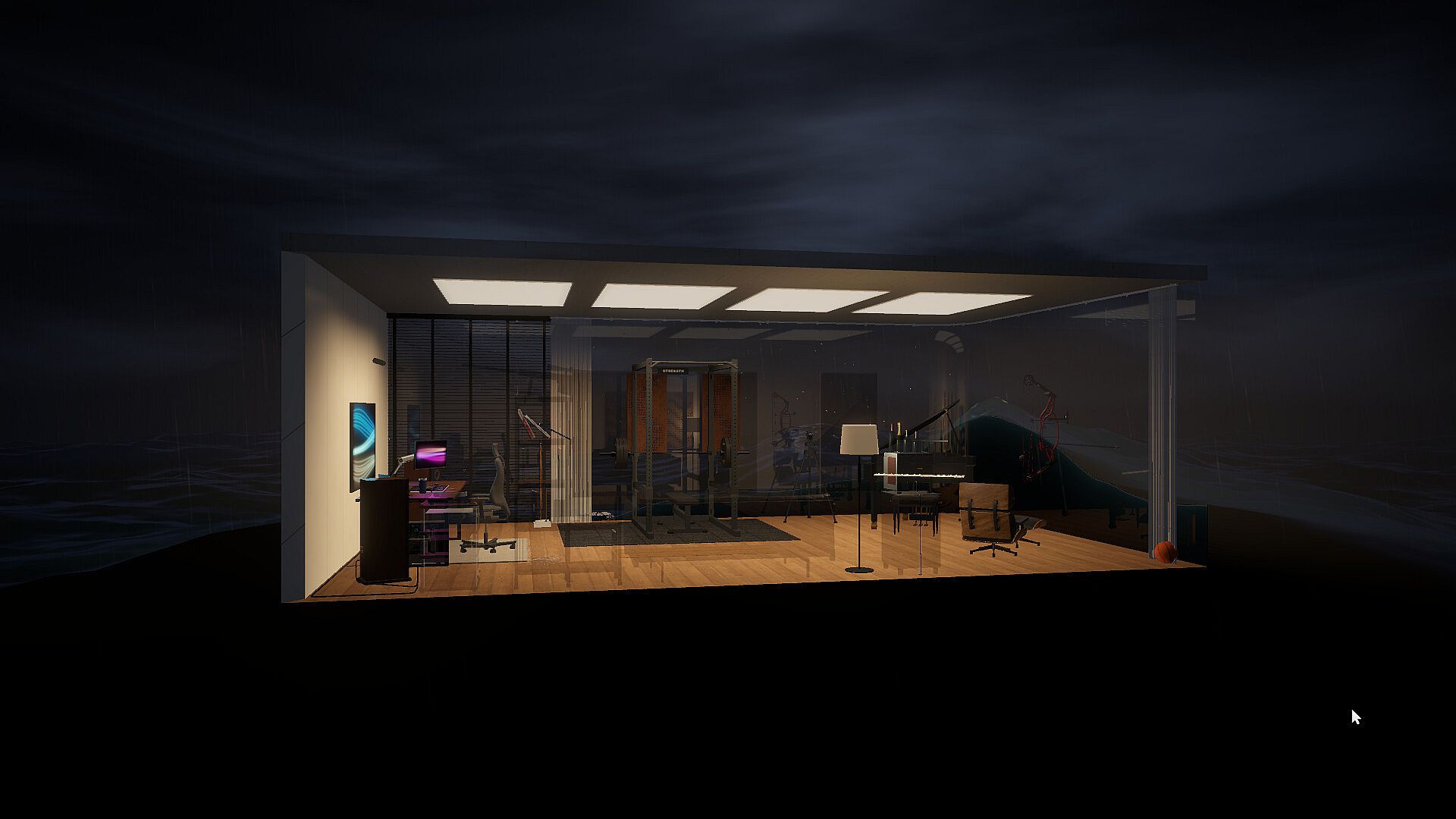
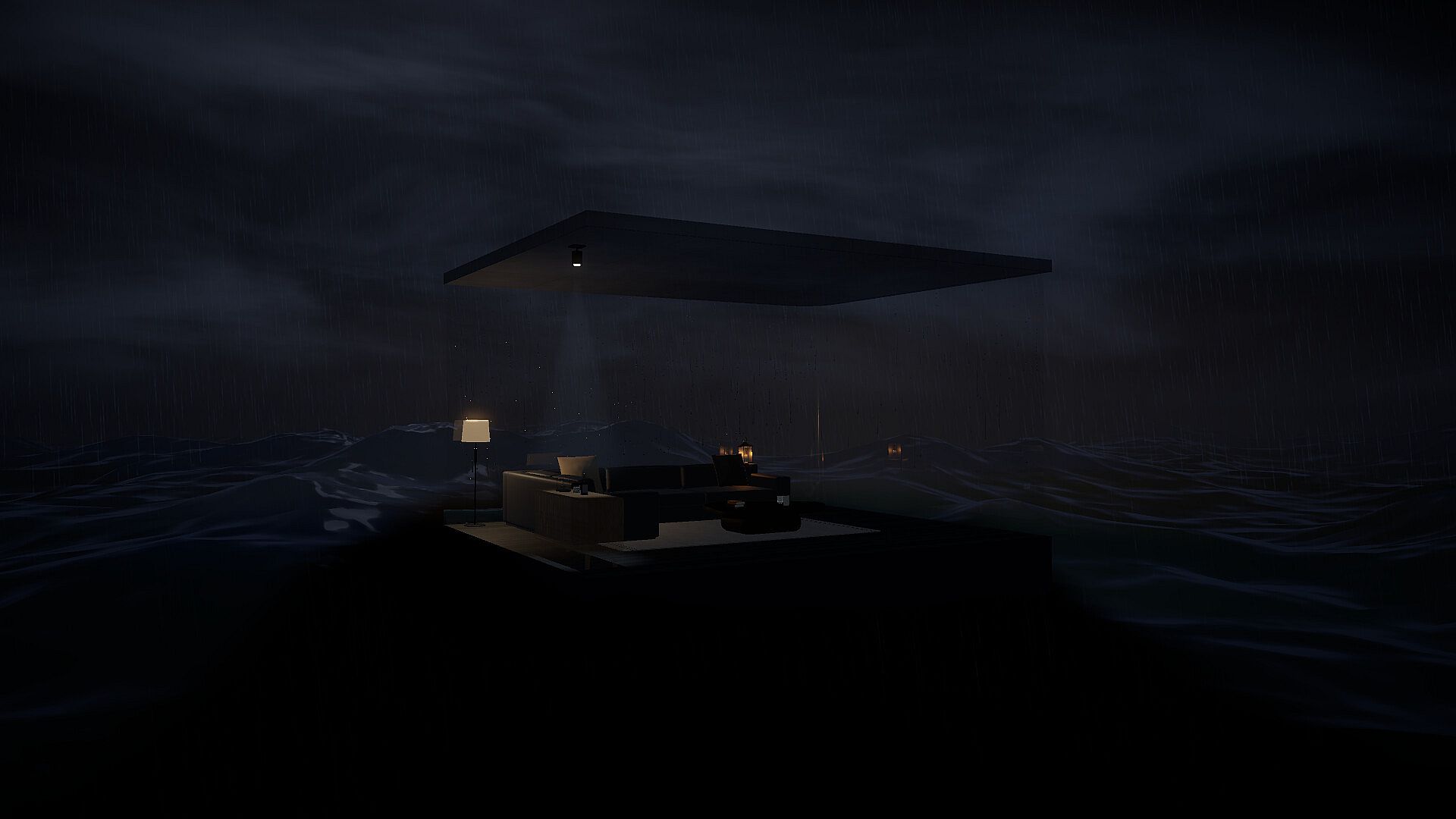
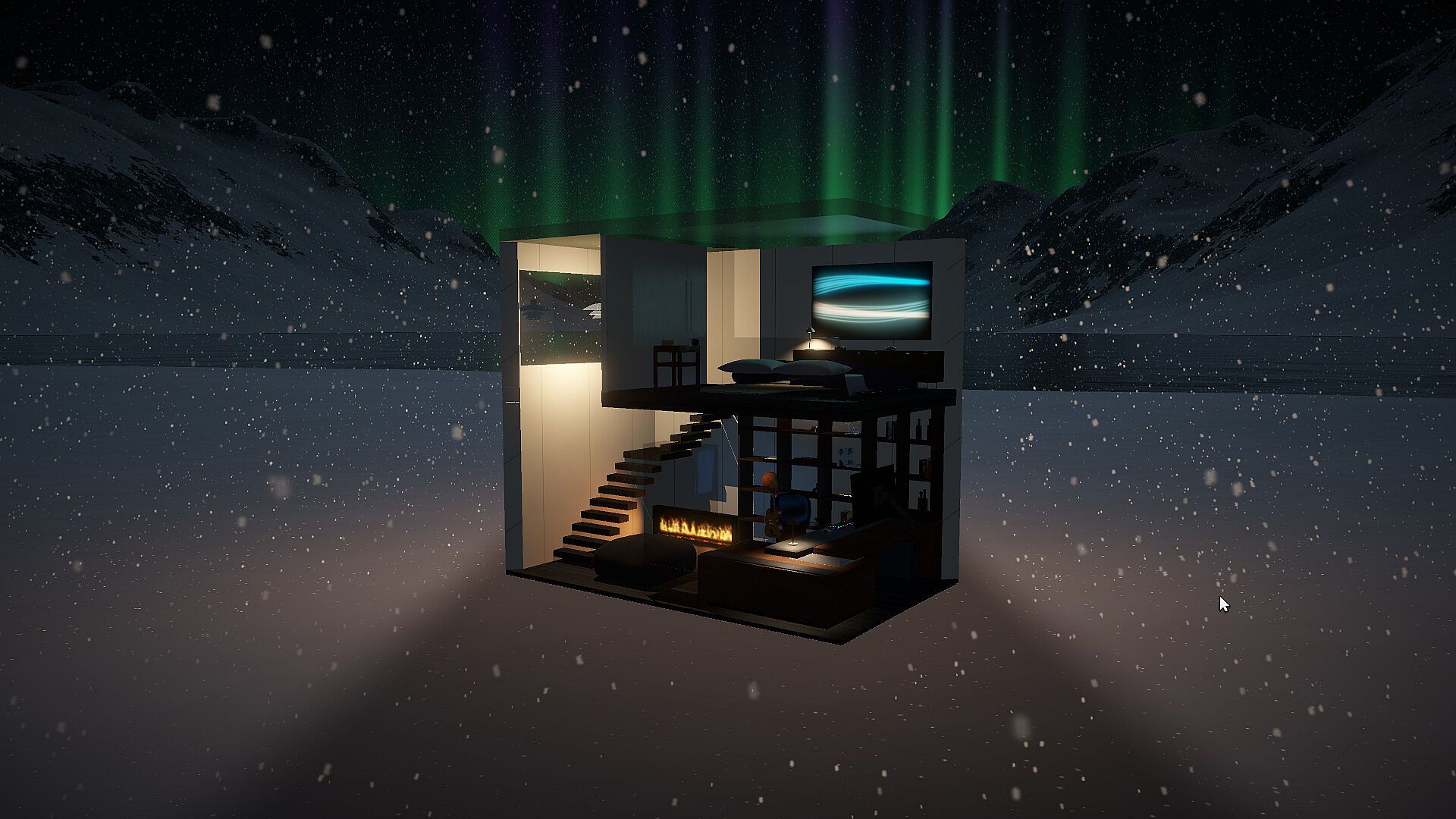
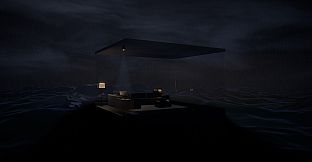
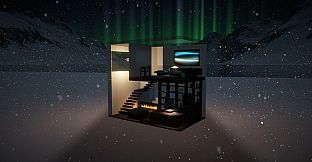
Room on Earth is a 3D sandbox simulation game that centers on freeform building, interior decorating, and item collecting within a single persistent room. The experience unfolds in a space that remains in perpetual night, with shifting exterior views that range from dunes to sea to stretches of snow, yet the interior stays familiar and functional. Players arrange furniture, place collectibles, and shape the environment without any imposed structure or time limits.
Gameplay
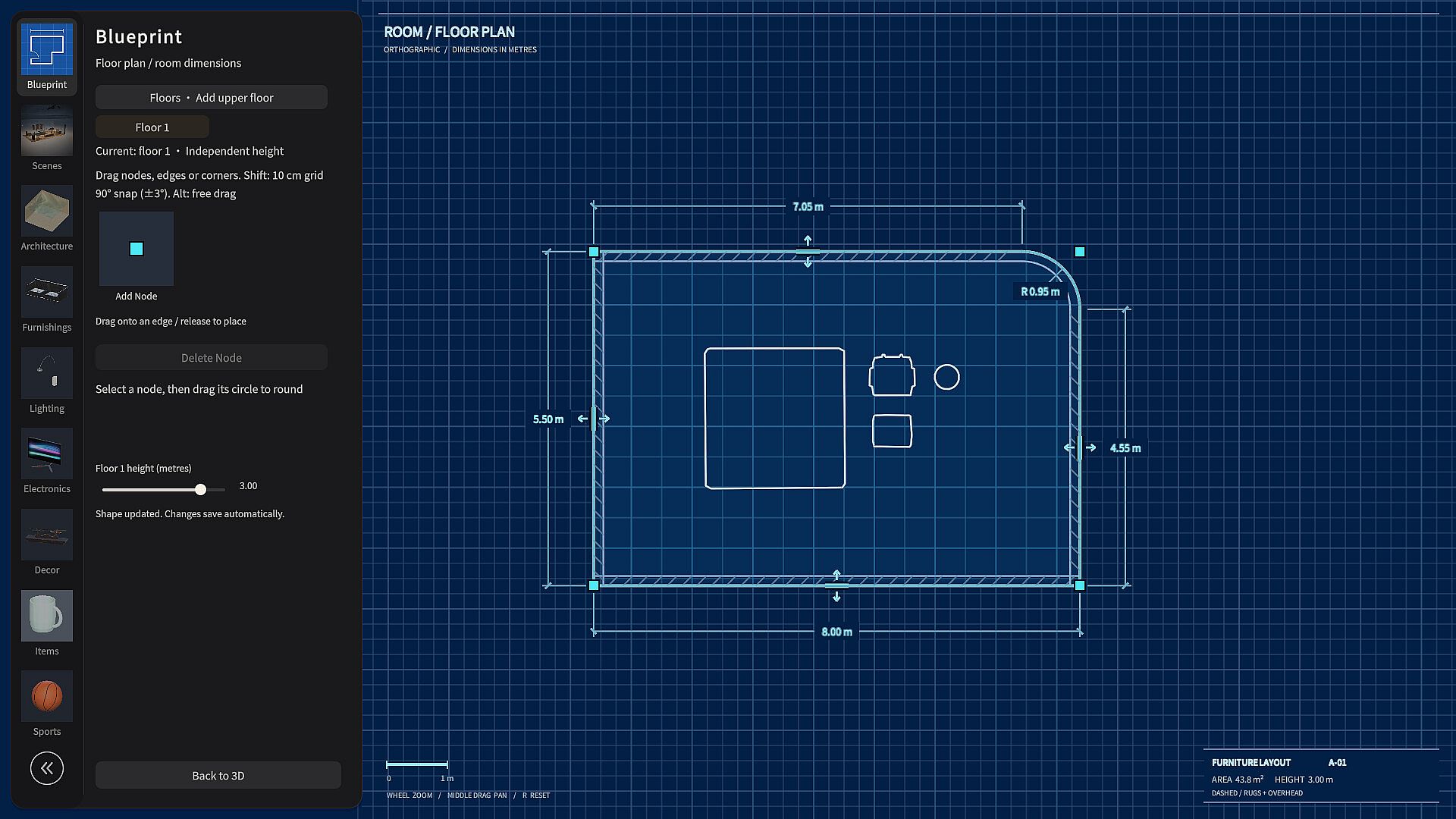
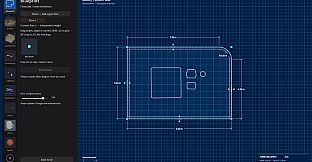
The core loop revolves around customizing every aspect of the room. From altering its basic structure to positioning individual pieces of furniture, the tools support precise placement and creative rearrangement. Items such as books, scale models, records, and assorted personal objects serve as collectibles that occupy shelves and surfaces. These objects carry no mechanical purpose beyond their visual and atmospheric presence, allowing the space to reflect personal taste rather than optimization goals.
Lighting interacts naturally with placed items, and background music continues uninterrupted as changes occur. The room supports incremental adjustments over extended sessions, with the ability to save a chosen configuration as a looping video or animated desktop wallpaper. Exterior scenery cycles through different landscapes, but these elements remain observational and do not influence interior mechanics or require interaction.
Physics elements appear in the placement system, enabling objects to rest in realistic positions without rigid grids or snapping constraints. The simulation emphasizes comfort and personal expression over progression systems or resource management.
Game Modes
Room on Earth operates entirely as a single-player sandbox experience. There are no separate competitive, cooperative, or challenge-based modes. All activity takes place within the same room environment, where players freely alternate between building, decorating, and collecting at their own pace. The absence of checklists or required objectives means sessions can focus on small refinements or large-scale redesigns without external pressure.
The design encourages repeated visits to evolve the same space over time. Saved views function as standalone outputs that extend the game beyond active play sessions, turning a favored layout into a persistent desktop element.
Visual and Atmospheric Design
The room maintains consistent interior lighting and audio regardless of the view beyond the window. Nighttime conditions inside create a stable, enclosed atmosphere that contrasts with the varied outdoor scenes. Collectibles and furniture respond to light sources, producing subtle shifts in shadows and highlights as arrangements change. The overall presentation stays grounded in realistic proportions and everyday objects, avoiding stylized exaggeration.
Sound design centers on functional elements such as working lights and playable music, reinforcing the sense that the room supports ordinary daily routines despite its unusual isolation.
Is It Worth Playing?
Room on Earth targets players who enjoy relaxed, creative sandbox activities in the casual simulation genre. Its appeal lies in the freedom to build without goals, timers, or external validation. Those who appreciate interior design tools, item curation, and low-pressure environments will find a focused outlet for personal expression.
The game remains in development with a planned release in Q1 2027. At this stage, the confirmed features align closely with the described sandbox loop of building, decorating, and collecting. Prospective players can evaluate the concept through the available description and screenshots to determine fit with their preferences for single-player creative play.












