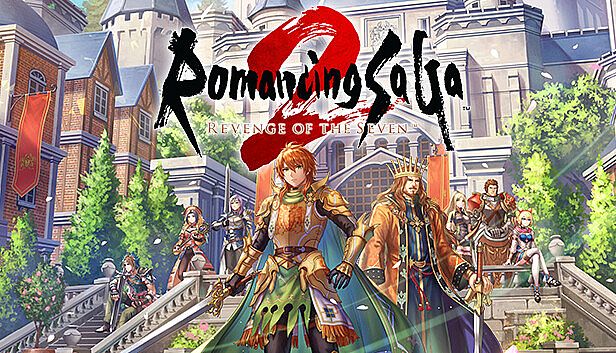
















Romancing SaGa 2: Revenge of the Seven is a remake of the 1993 non-linear RPG that places players in the role of successive rulers defending the Empire of Varennes. The title blends classic SaGa mechanics with updated presentation, full voice acting in Japanese and English, and a soundtrack featuring both original and rearranged tracks by composer Kenji Ito. As an RPG focused on empire expansion and generational succession, it emphasizes player choice in how the story unfolds across multiple rulers and objectives.
Gameplay
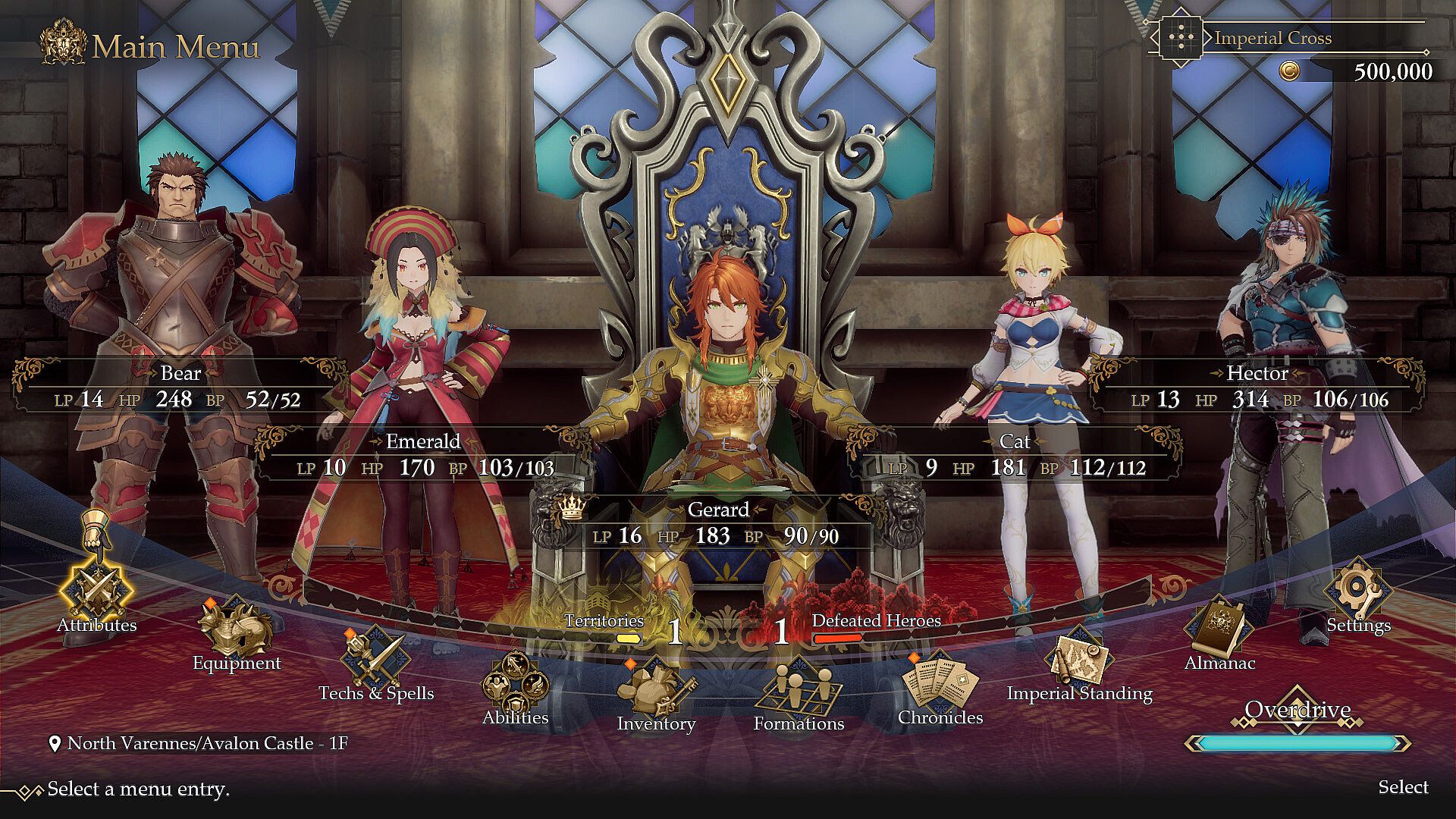
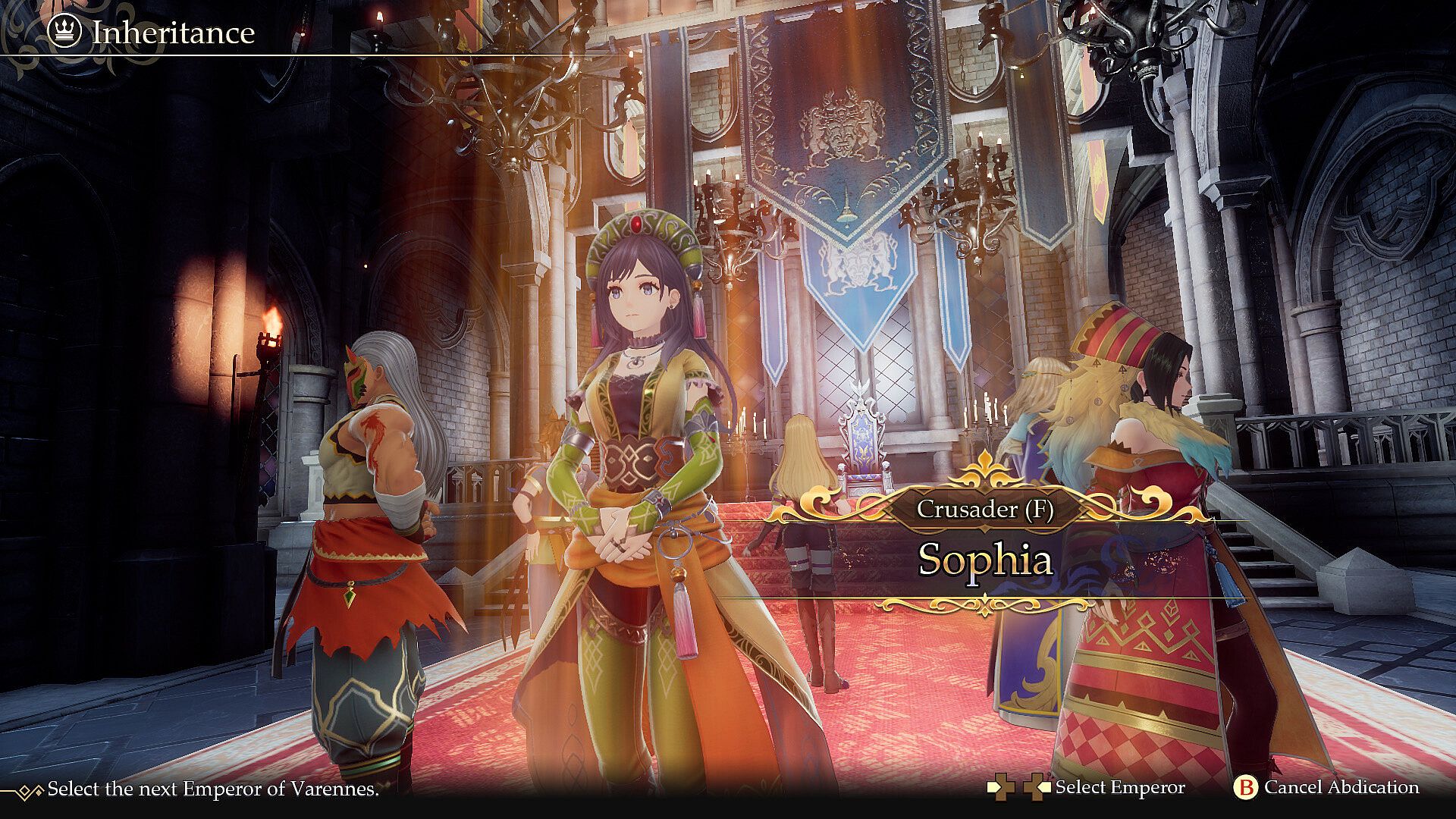
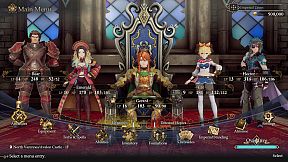
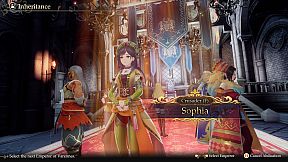
The core loop centers on recruiting characters from more than 30 classes that span various professions and races. Each class brings distinct weapon preferences, abilities, and combat roles, allowing players to assemble a retinue suited to different challenges. When an emperor steps down or passes, inheritance magic transfers knowledge and skills to the next ruler, creating continuity between generations without resetting progress entirely.
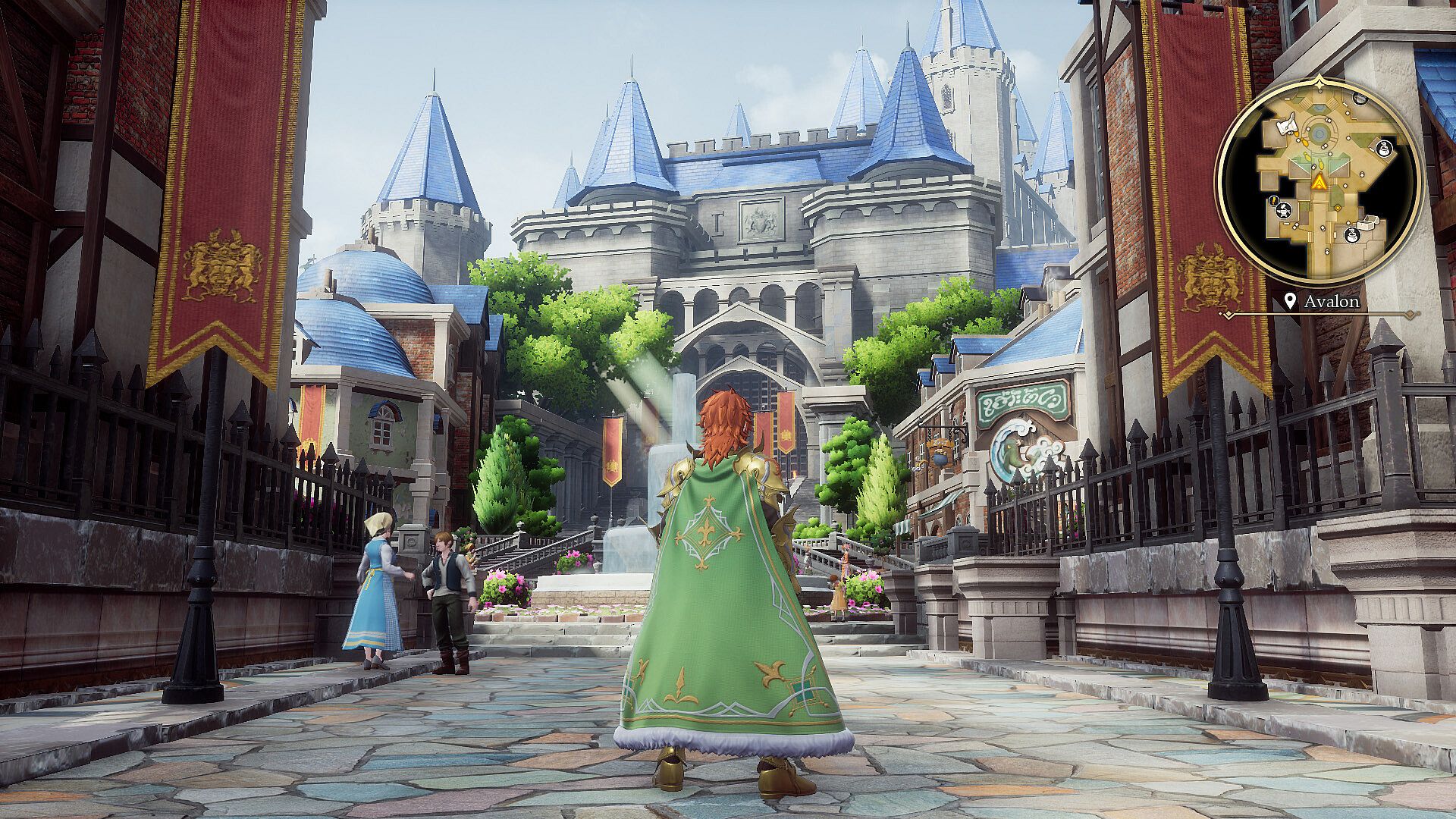
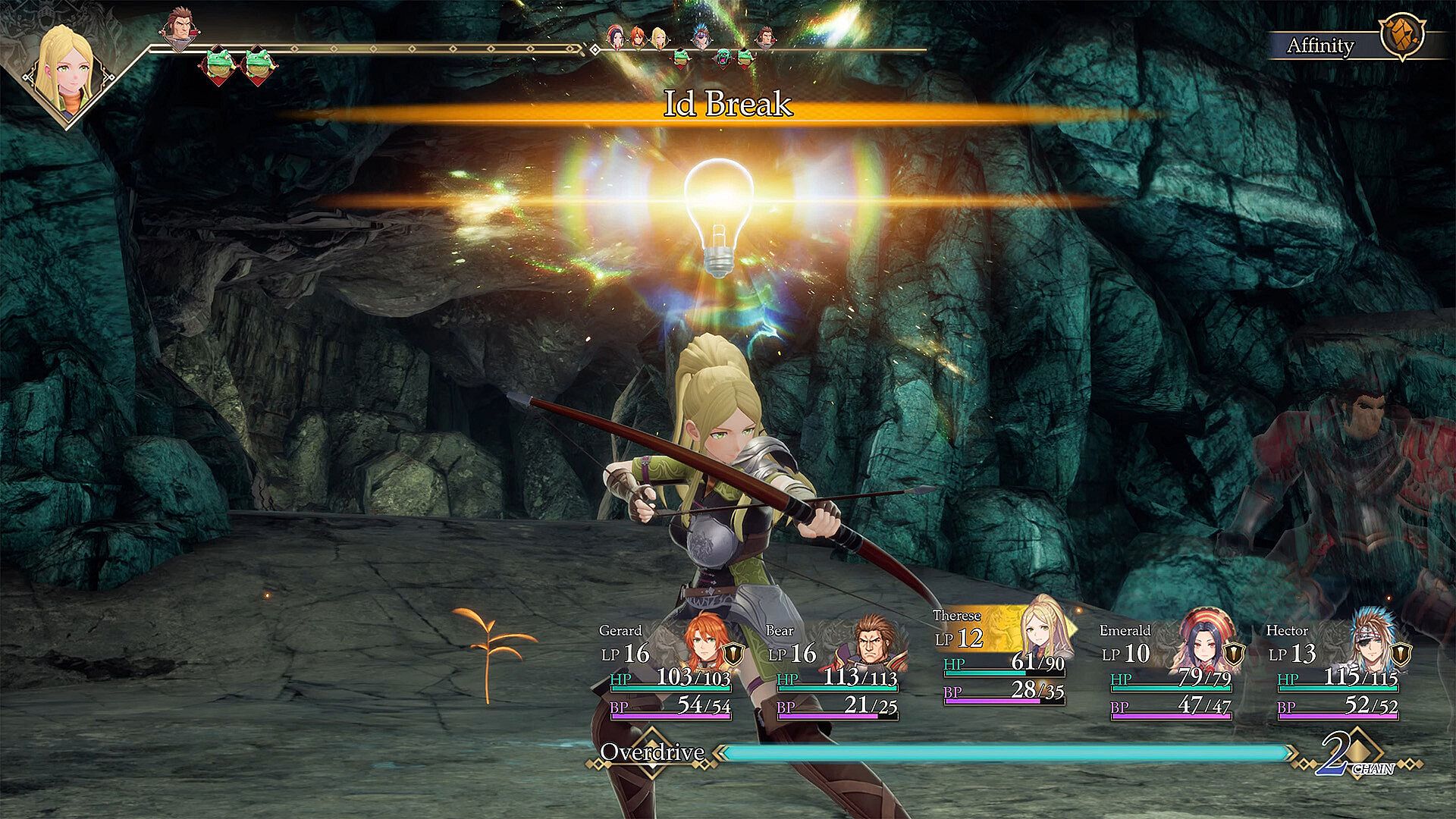
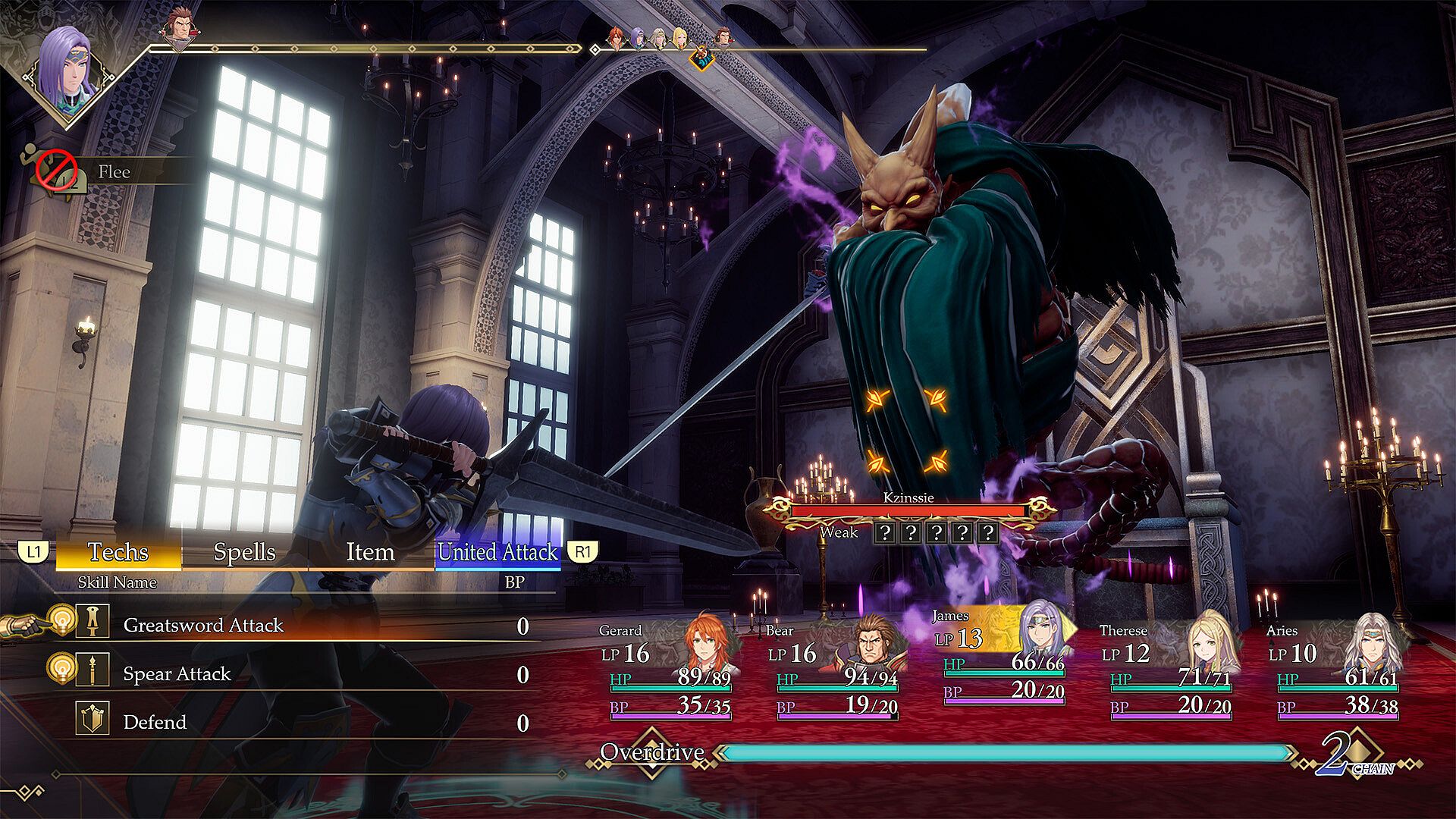
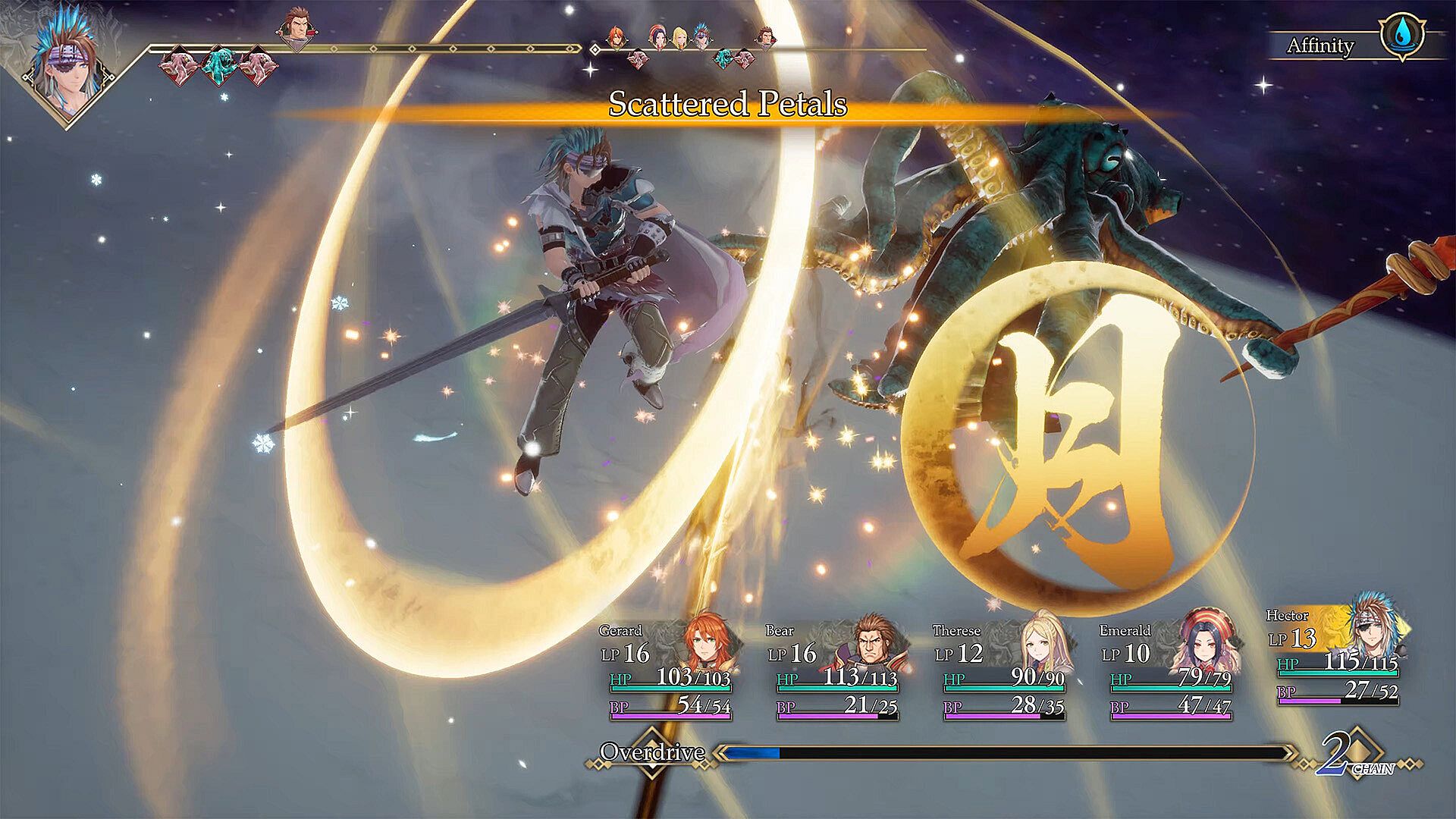
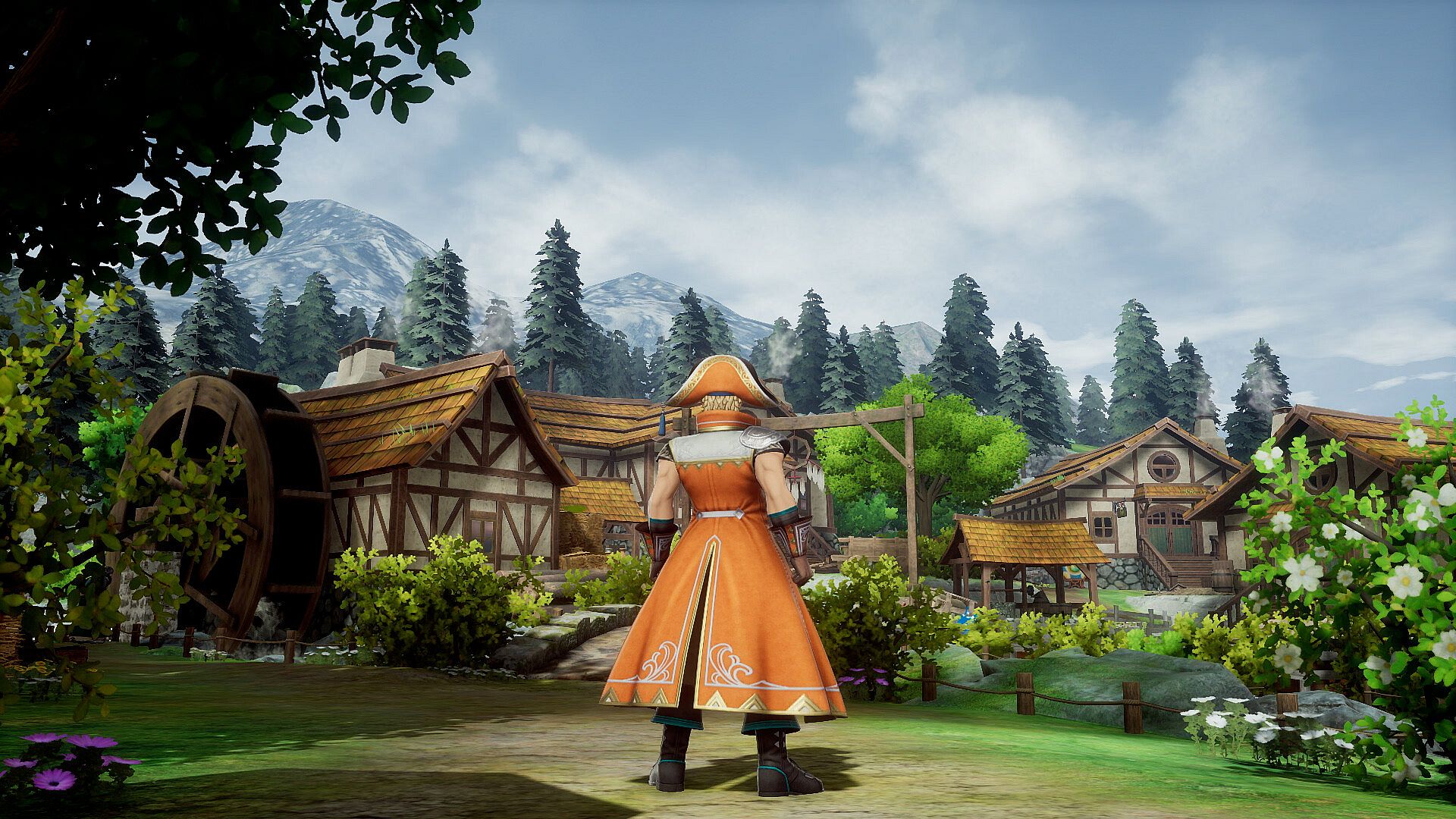
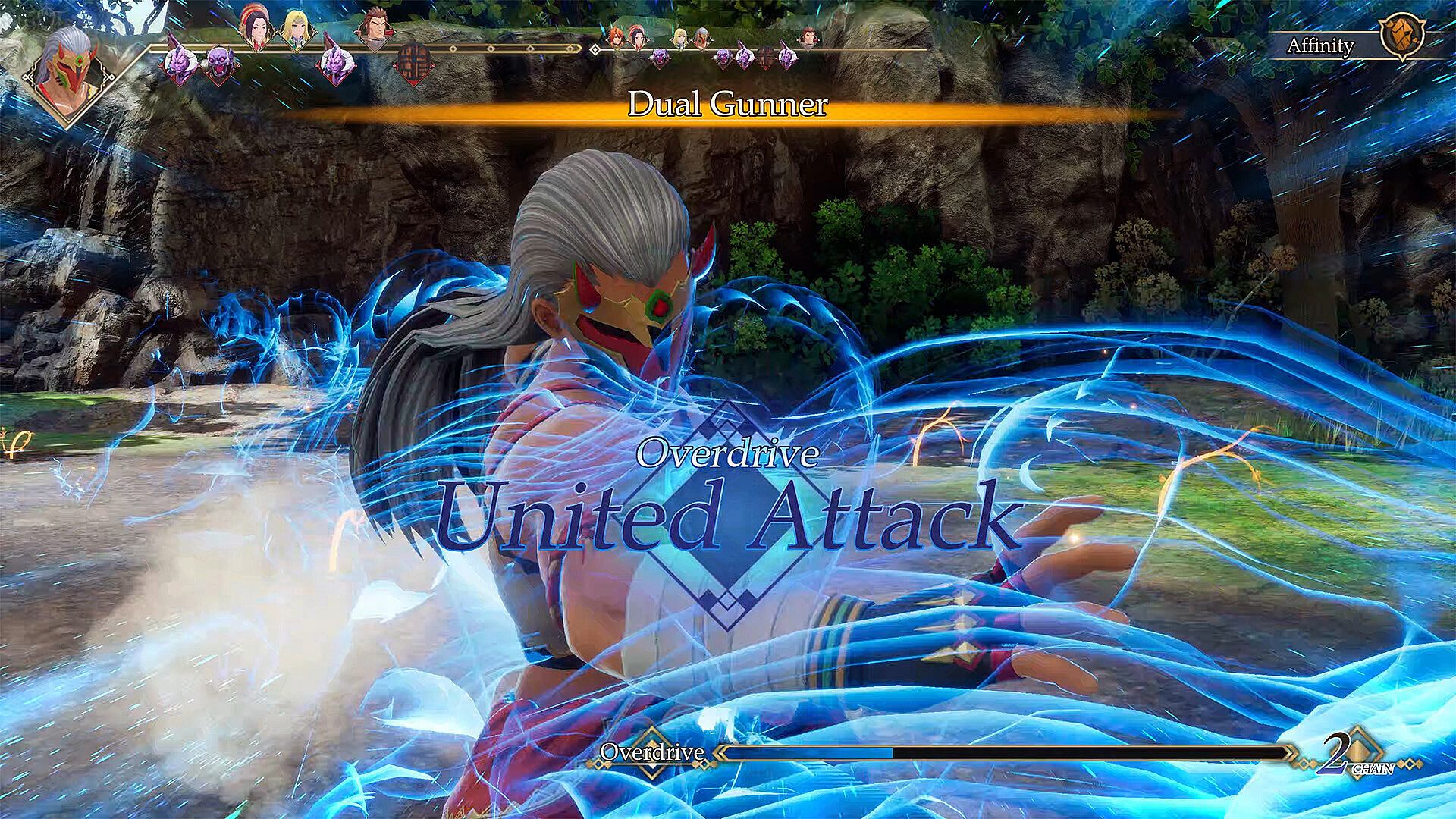
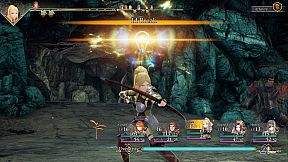
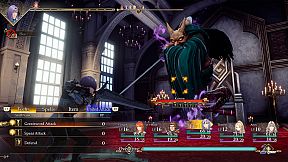
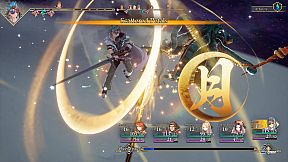
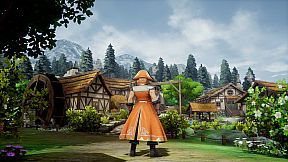
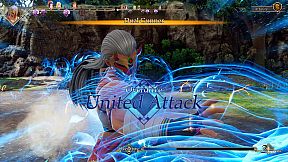
Combat operates on an enhanced timeline-based turn system that builds on the original strategic foundation. Players trigger Glimmers during fights to acquire new abilities on the fly, arrange characters into Formations for group-wide bonuses, and activate United Attacks for coordinated strikes that can shift momentum in tough encounters. Towns and dungeons feature fully reworked 3D environments while preserving the distinctive pixel-art-inspired character models drawn from Tomomi Kobayashi's concept art.
Progression ties directly to empire management. Expanding territory, managing resources, and deciding which threats to address next all feed into the broader narrative. The system rewards experimentation with different ruler candidates and order of operations rather than following a fixed sequence of events.
Game Modes
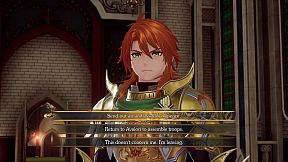
The free-form scenario structure serves as the primary mode of engagement. Players determine the sequence of empire expansion and the order in which they confront the Seven Heroes, resulting in substantially different story paths and available events based on those decisions. This approach creates multiple distinct playthroughs from the same starting point without requiring separate campaigns.
Three difficulty settings further customize the experience. Casual mode reduces combat emphasis to prioritize story progression. Normal mode provides a balanced challenge suited to experienced RPG players. Hard (Classic) mode recreates the demanding difficulty of the 1993 original for those seeking its specific level of strategic rigor.
Audio options function as an additional layer of customization. Players can switch between the original soundtrack and new arrangements at any time through the options menu, allowing direct comparison during play.
Story and Progression
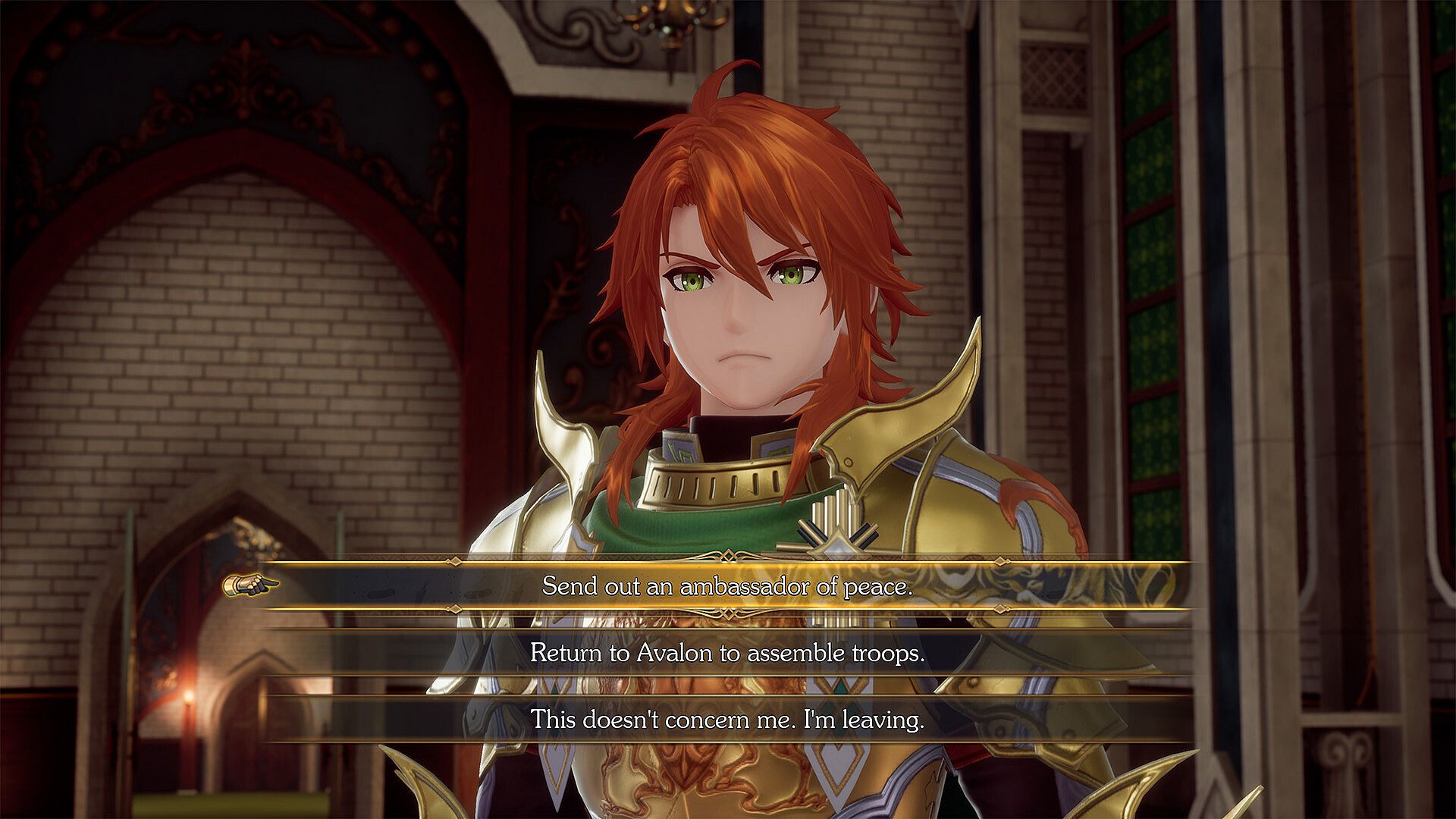
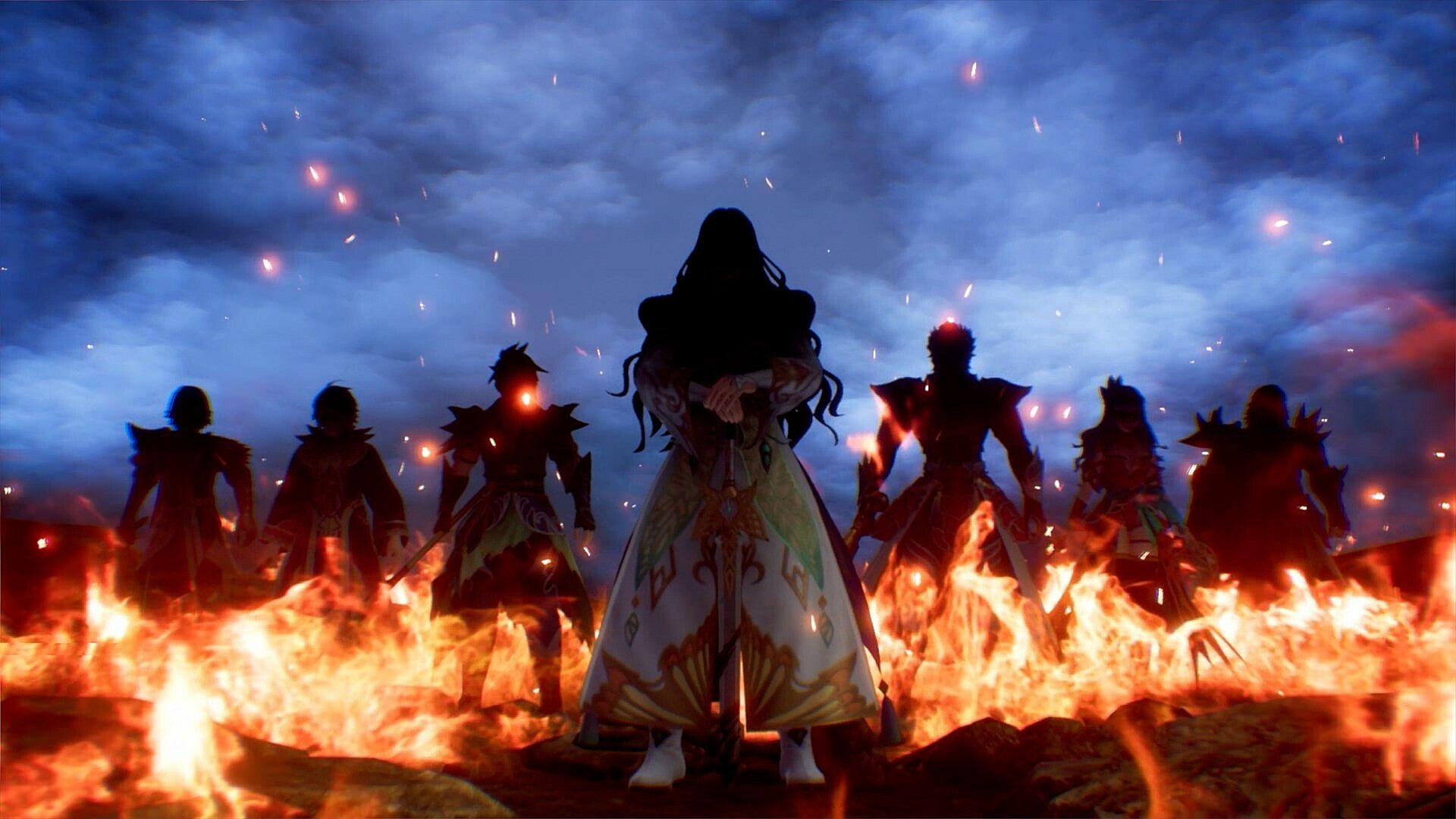
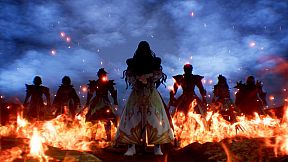
The narrative begins with the return of the Seven Heroes, once celebrated saviors now driven by revenge after centuries of neglect. As the current ruler of Varennes, players must rally forces against the monster legions they command while preparing future generations to continue the fight. The non-linear structure means key events and character interactions shift depending on which regions are secured and which heroes are targeted first.
Succession mechanics ensure that each new emperor inherits not only abilities but also the consequences of prior choices. This generational handoff encourages long-term planning across multiple rulers rather than focusing solely on a single protagonist's journey.
Is It Worth Playing?
Romancing SaGa 2: Revenge of the Seven suits players who enjoy non-linear RPGs where decisions about story order and character selection meaningfully alter the experience. The combination of strategic combat layers, generational inheritance, and flexible scenario structure rewards those willing to experiment across multiple playthroughs.
Newcomers benefit from the modernized graphics, voice acting, and adjustable difficulty that lowers barriers compared with the original release. Longtime fans gain an expanded presentation of familiar systems alongside the option to revisit classic difficulty. Those preferring tightly scripted linear stories or action-oriented combat may find the deliberate pacing and choice-heavy structure less immediately engaging.
The title stands as a self-contained entry that does not require prior knowledge of other SaGa games, making it accessible while still delivering depth for veterans of the series' signature mechanics.