




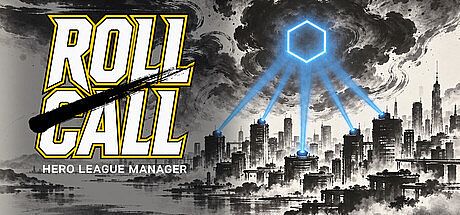


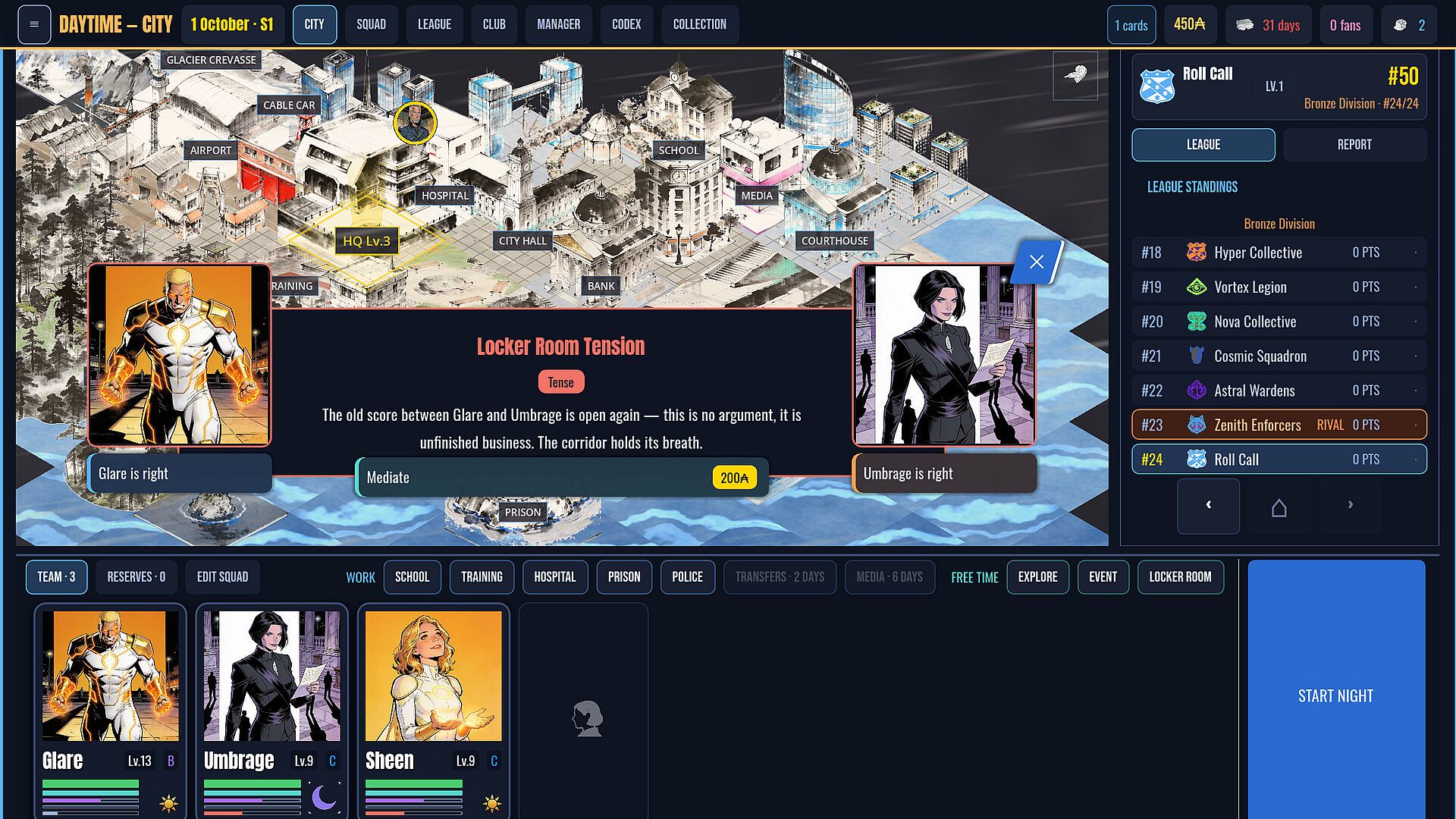

Roll Call: Hero League Manager is a single-player turn-based strategy RPG simulation game set in a world where superheroes need professional management. Players step into the role of club manager, building a team from the ground up in Nova Metropolis and guiding it through competitive seasons against rival organizations.
Gameplay
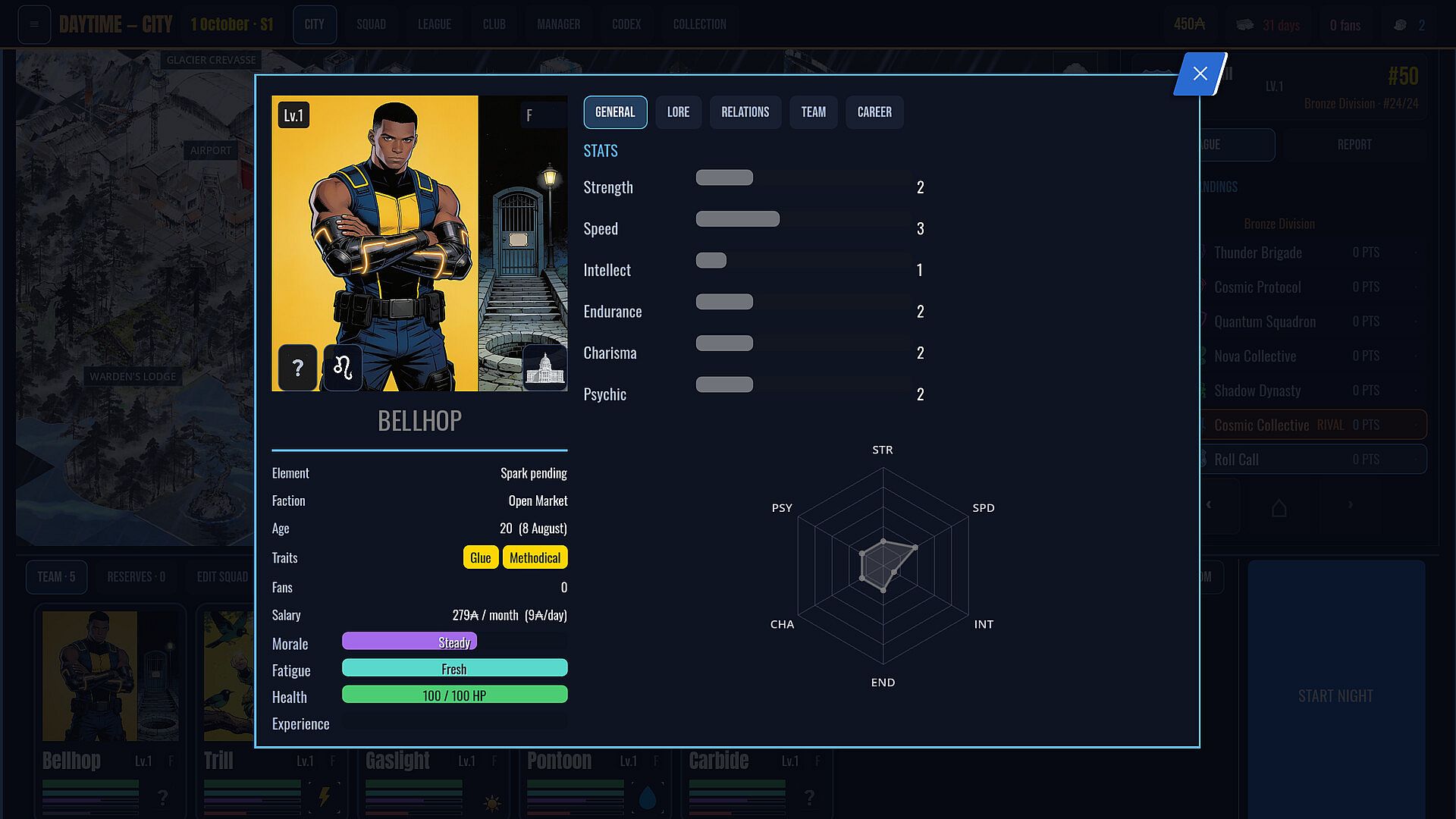
The core loop revolves around squad construction and mission assignment. With 888 playable characters available, managers scout new talent or negotiate transfers from other clubs. Training sessions improve individual heroes, while rank exams unlock higher potential. Elemental awakenings add further depth for those with hidden abilities, allowing teams to adapt through synergies.
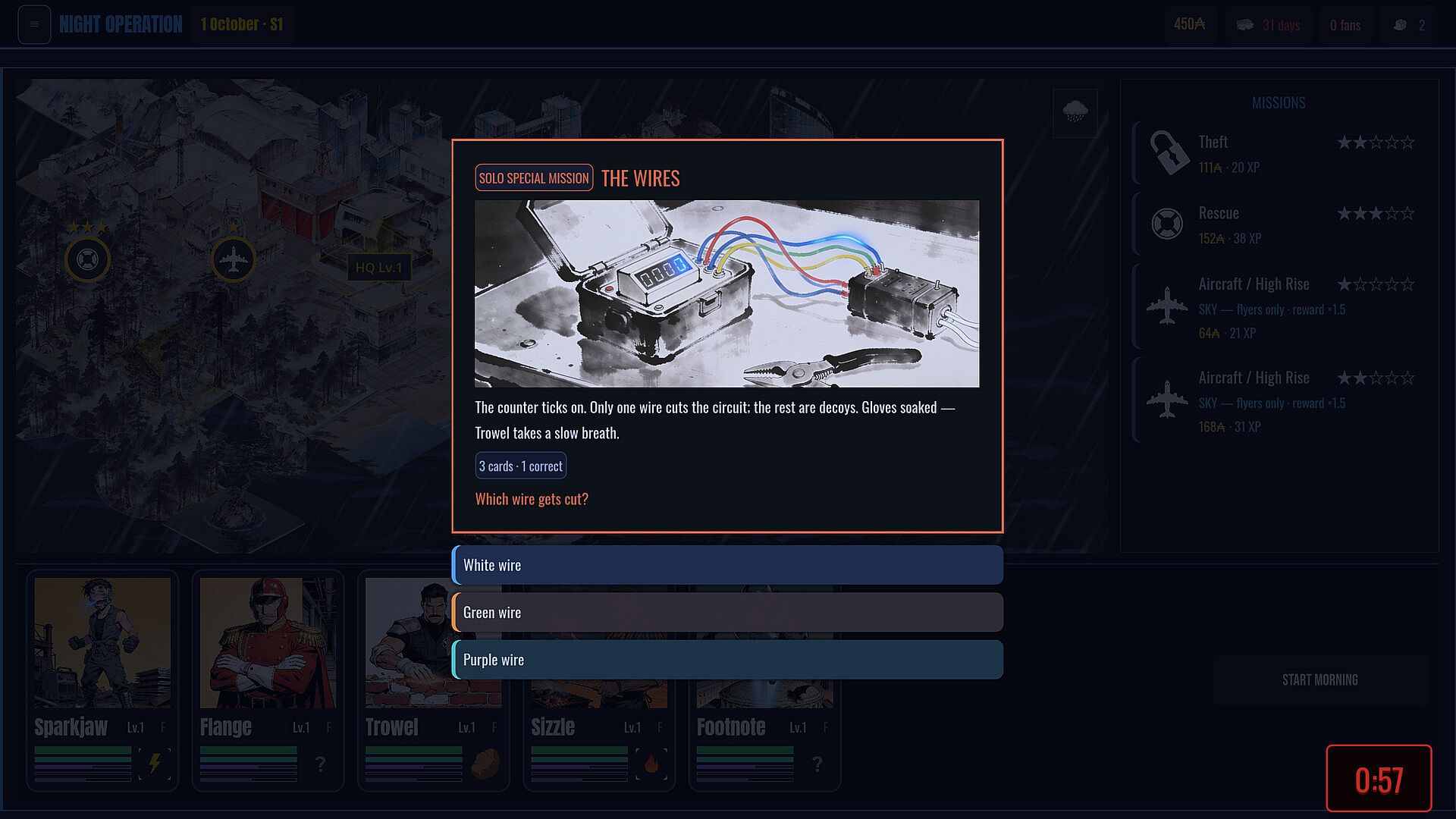
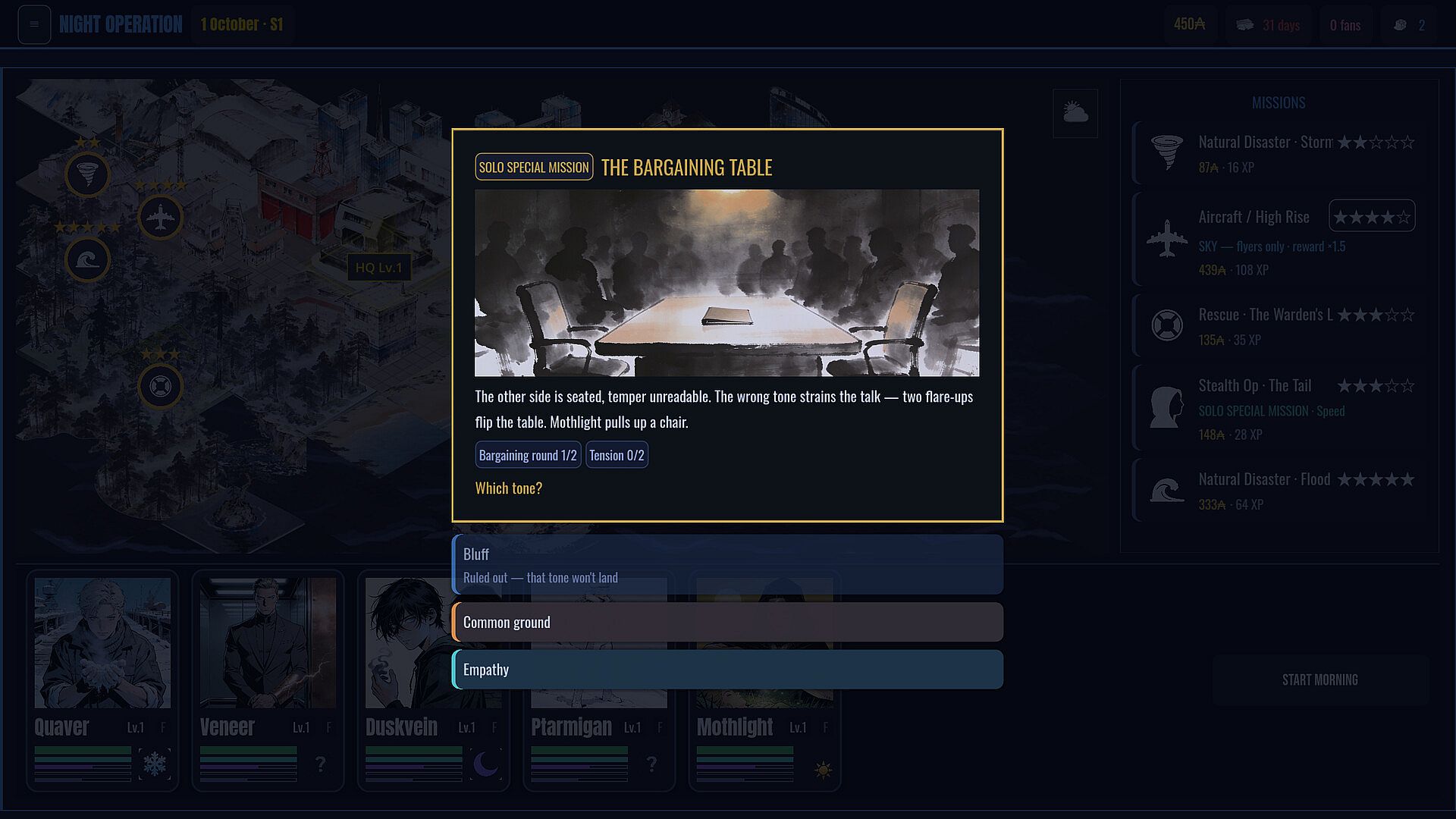
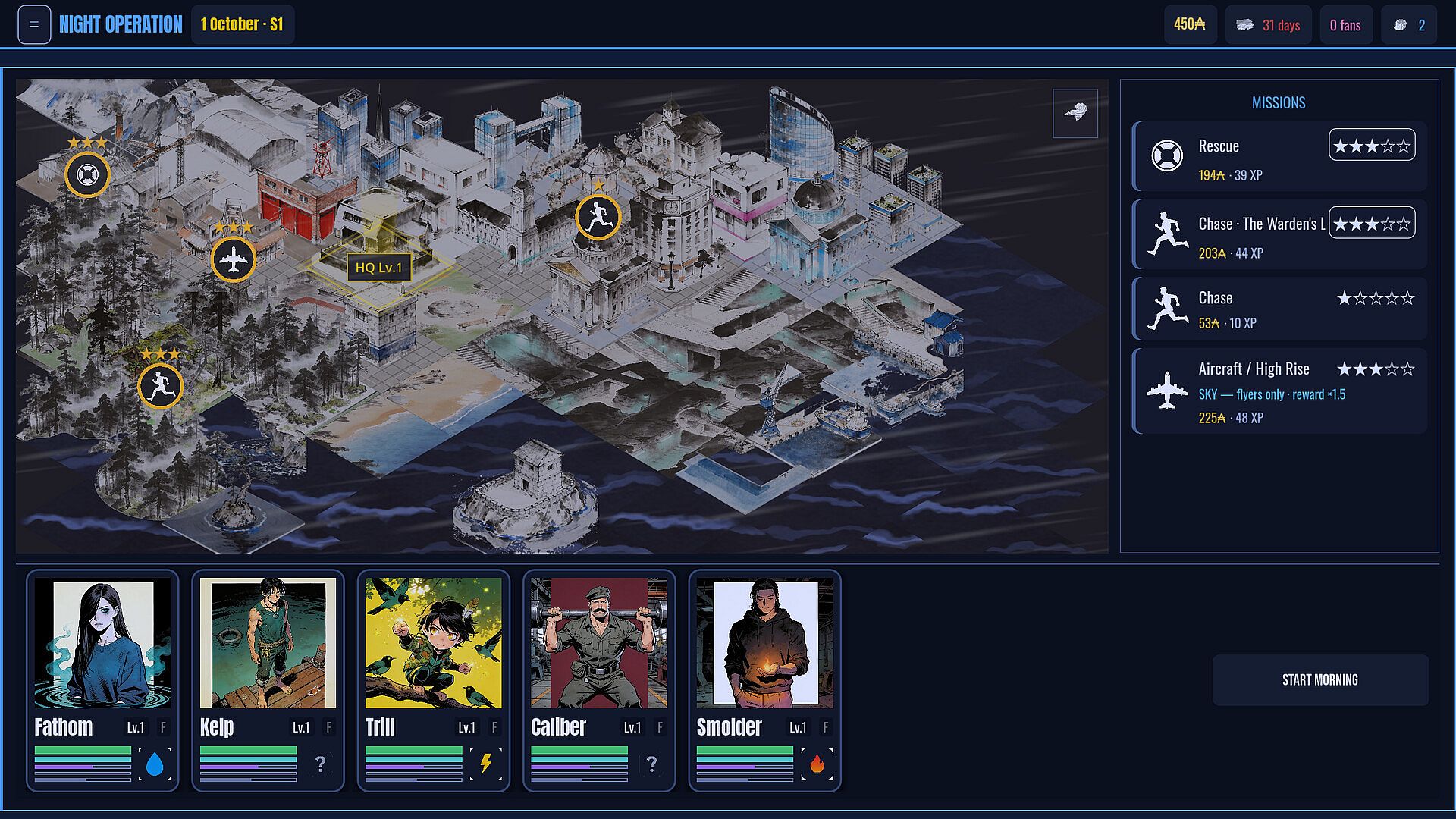
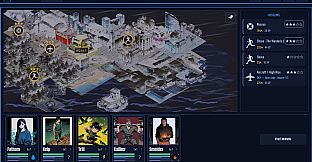
Missions vary widely and require careful hero selection. Rescues, chases, disasters, and covert operations each favor specific strengths. A lone specialist might handle one task better than a full squad, and team chemistry plays a decisive role in outcomes. Weather forecasts add another layer, as rain boosts Water heroes while hindering Fire types, and heatwaves reverse those advantages for Fire and Ice elements. Lineups must account for both the job and environmental conditions.
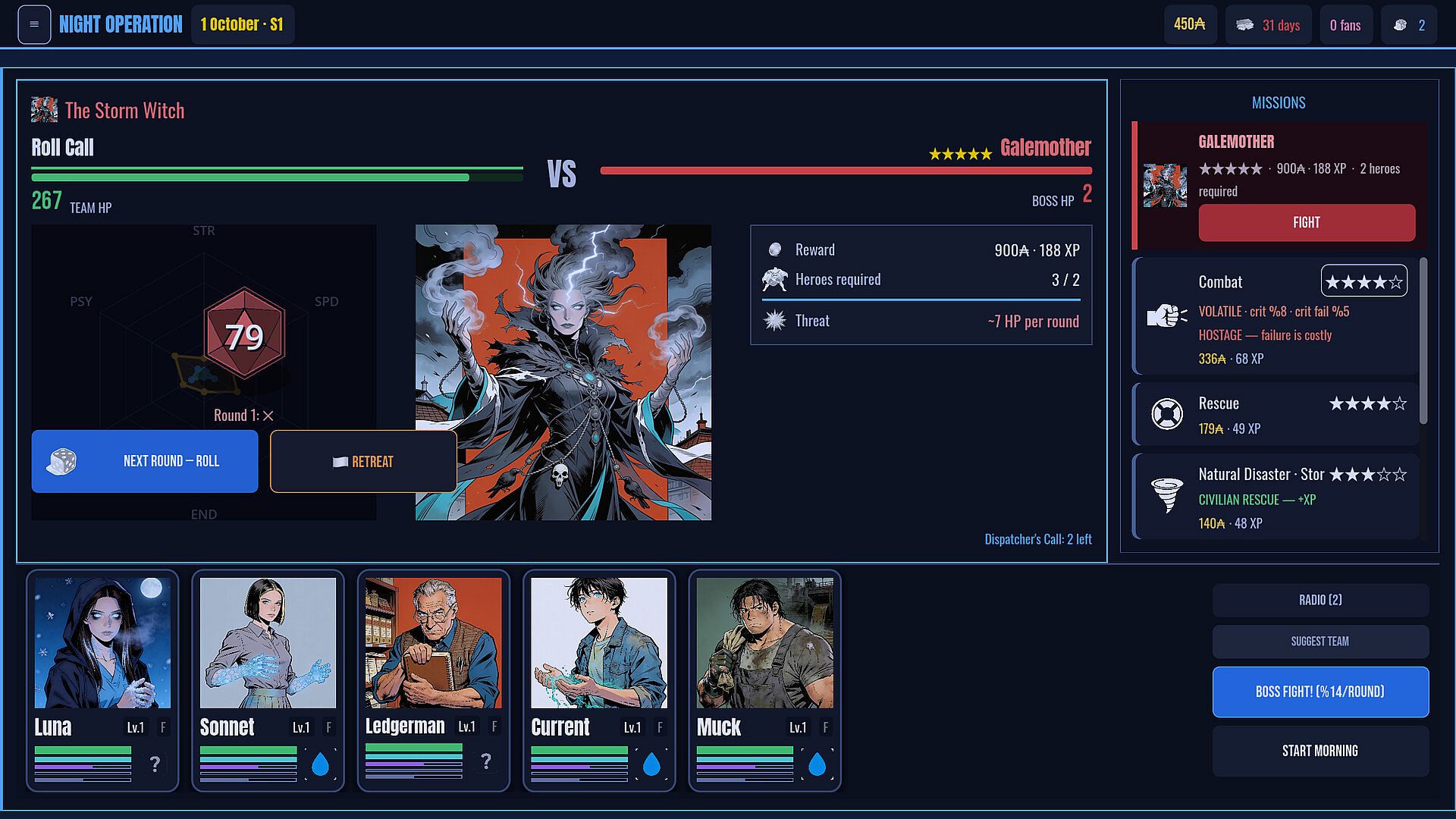
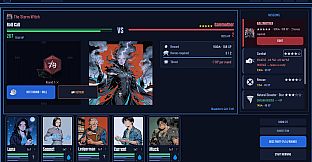
Encounters often resolve through successive dice rolls. Critical successes or failures can swing results dramatically. A limited reroll resource lets managers chase better outcomes without exhausting options for future crises. Boss fights against 35 unique opponents follow similar dice-based resolution, with squads built around identified weaknesses.
Defeated bosses offer recruitment opportunities. Imprisonment, interrogation, and rehabilitation turn former enemies into team members once conditions are met. Prison upgrades reduce escape risks, preventing stronger returns as new threats. Personal stories unfold alongside these systems. Old grudges, requests, and trust levels affect performance. Overwork leads to injuries, while neglected relationships can cause departures. Expeditions and connected missions reveal family ties and backstories across the city.
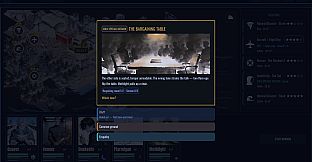
Financial management ties everything together. Transfer negotiations and contracts demand careful bargaining. Resources go toward training facilities, headquarters improvements, wages, and medical costs. Loans provide short-term relief but require repayment. Club development spans multiple seasons, with fan growth and league standing reflecting long-term decisions.
Game Modes
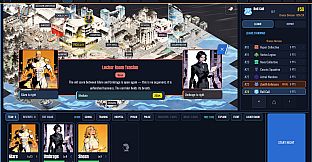
The game operates as a single-player management simulation focused on one continuous career. Managers start with an empty roster and no supporters, then build through scouting, transfers, and performance. League play pits the club against 49 AI-controlled rivals, each with their own squads and budgets. Every transfer shifts the competitive landscape, as heroes move between clubs over time.
Progression unfolds across successive seasons. Early focus lies on establishing a viable team and climbing standings. Later stages emphasize squad optimization, rival analysis, and sustained growth. No separate multiplayer or alternative modes exist beyond this core single-player experience.
Building and Managing the Squad
Success depends on matching heroes to roles while balancing elemental advantages and team dynamics. Some assignments suit specialists, while others reward coordinated abilities. Managers monitor forecasts and adjust lineups accordingly. Rerolls introduce risk-reward choices during critical moments.
Prison and rehabilitation systems extend recruitment options. Interrogation uncovers weaknesses, and upgrades secure inmates during the process. Personal management adds nuance, as trust and individual requests influence retention and effectiveness. Expeditions provide narrative payoffs and hidden connections that enrich the roster over time.
Is It Worth Playing?
Roll Call: Hero League Manager suits players who enjoy deep management simulations blended with strategic decision-making and light RPG progression. The turn-based systems emphasize planning around missions, weather, and dice outcomes rather than real-time action. League competition against 49 AI clubs provides ongoing structure across seasons, while the 888-character pool and 35 bosses offer variety in squad building and encounters.
Those drawn to single-player experiences with negotiation, training, and long-term club development will find substantial systems to engage with. The integration of personal hero stories and prison mechanics adds layers beyond pure numbers management. Availability remains limited to PC, with the full experience contained in one cohesive package.











