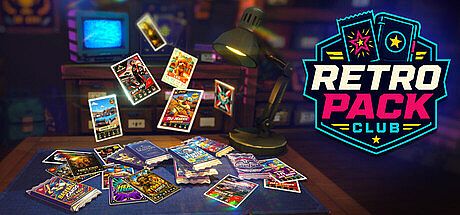



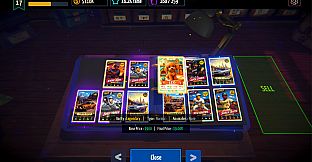



Retro Pack Club is a casual indie game for PC centered on the satisfying ritual of opening retro card packs and deciding the fate of each pull. Players tear into packs, flip cards one by one, and weigh the immediate value of selling against the long-term appeal of building a famous collection. The experience captures the childhood anticipation of that final reveal while adding layers of choice and progression that keep the loop engaging for extended sessions.
Gameplay
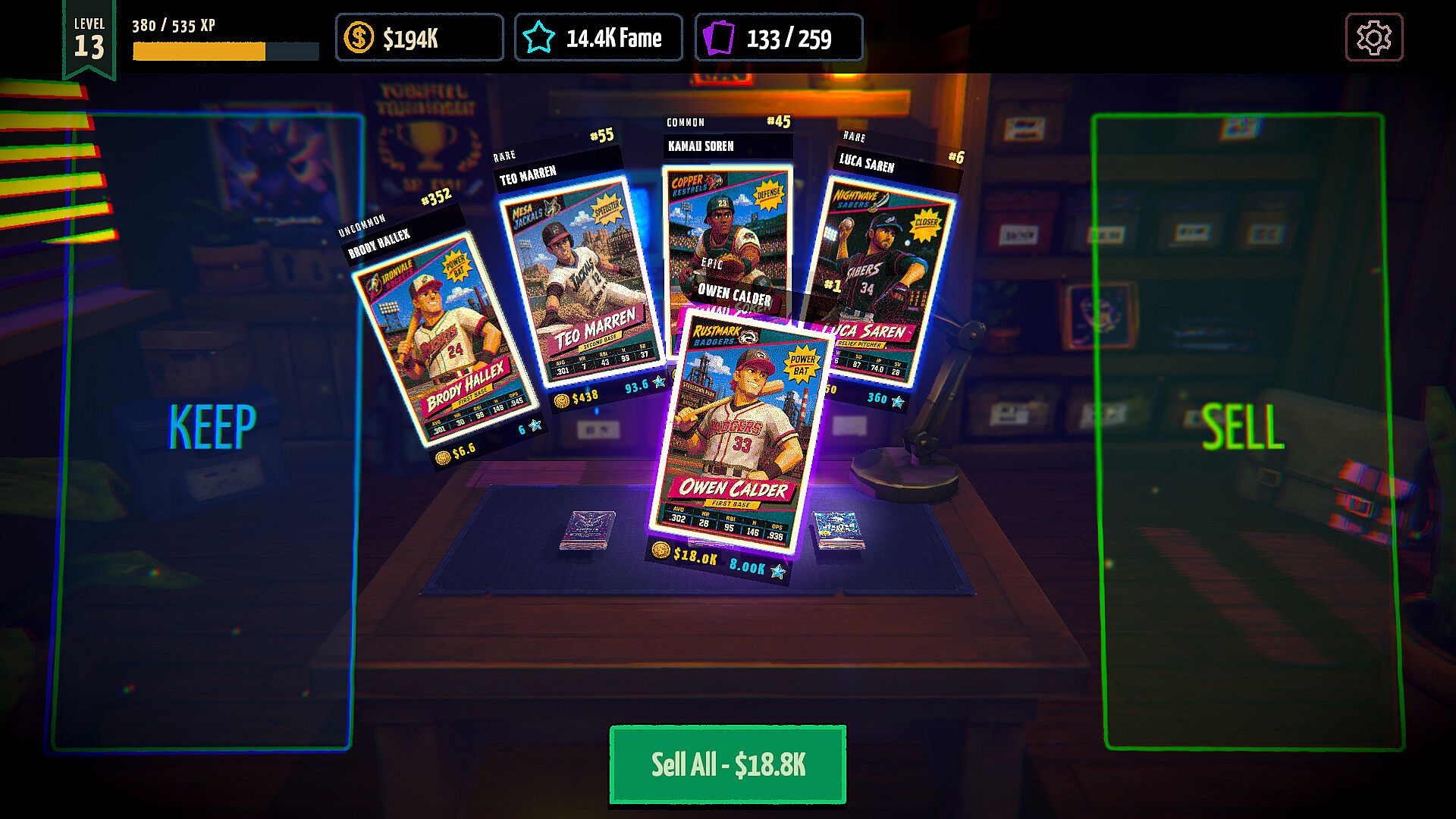
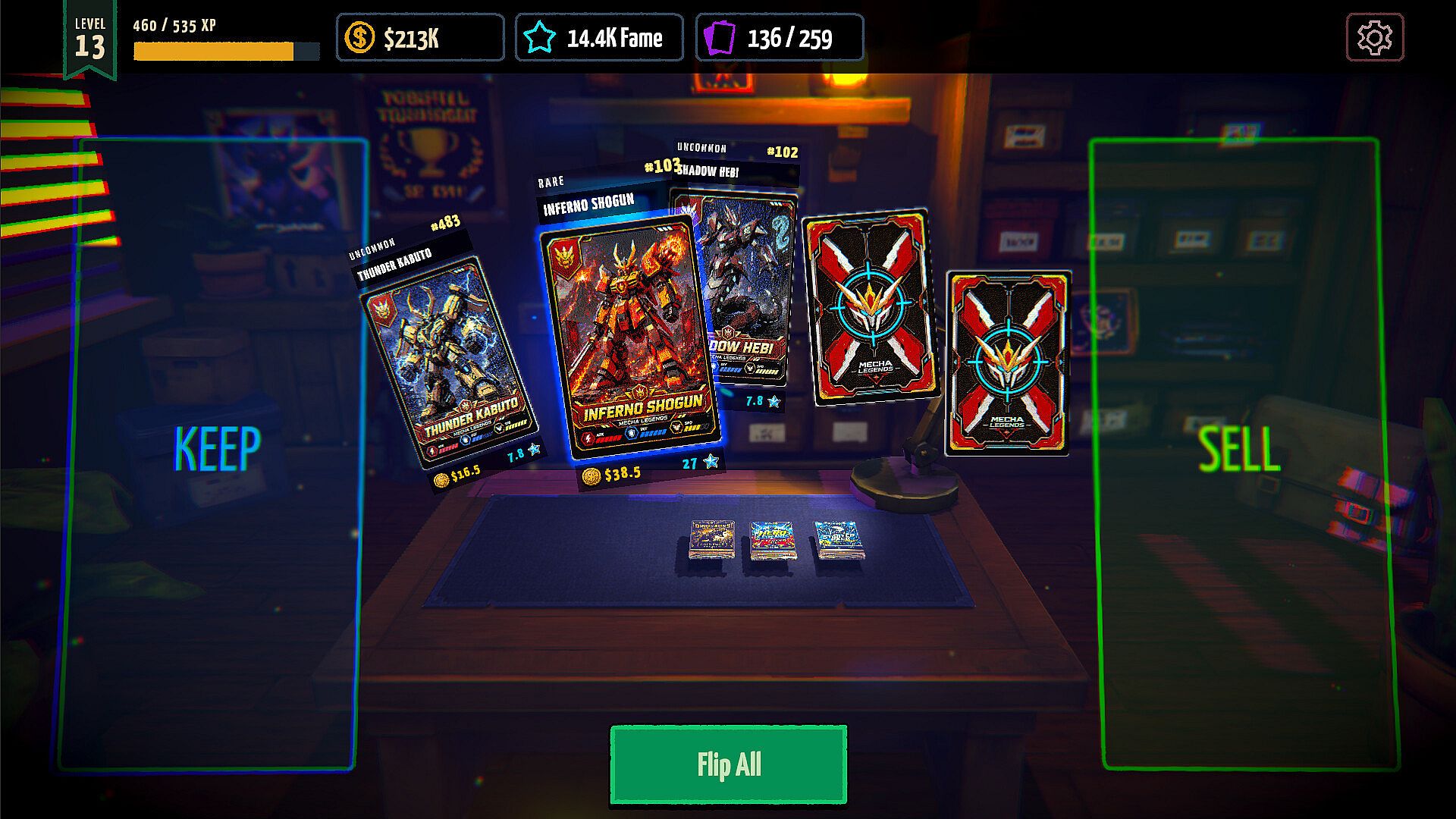
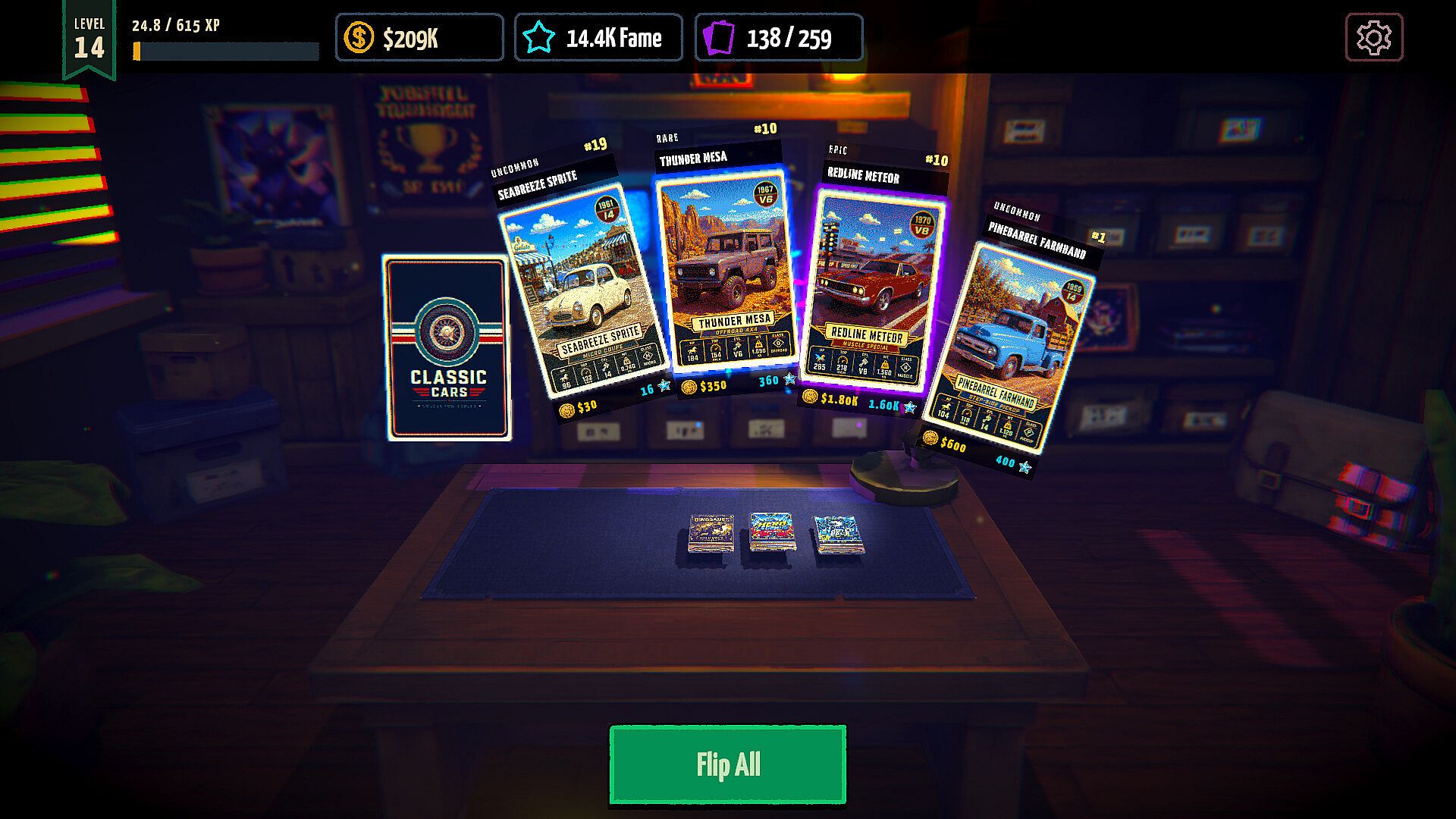
The core loop revolves around purchasing packs, opening them on a virtual table, and revealing five cards in sequence. Commons appear first, building tension toward rarer finds that may include foils, legendaries, or unexpected variants. Each card carries unique attributes such as finish type, potential misprints or glitches, and serial numbers that create thousands of possible combinations for any given design.
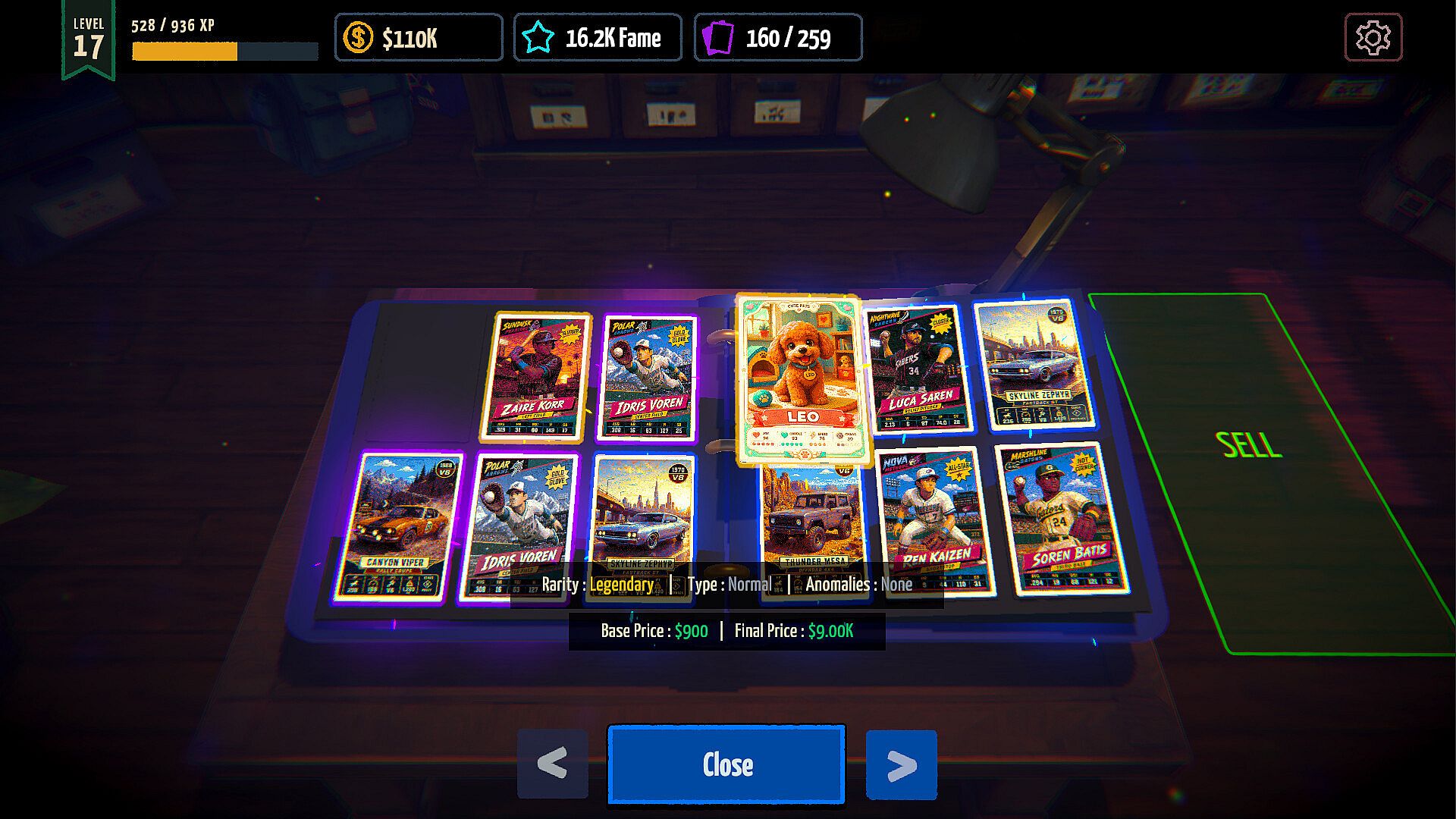
After the reveal, every card presents a binary decision. Selling converts it into cash that funds additional packs, while keeping it adds to the binder and increases overall collection fame. Binder space remains limited, forcing ongoing choices about what to retain and what to liquidate. This system turns every pack into a meaningful moment rather than simple accumulation.
Variants multiply across finishes, flaws, and numbering, so identical base cards rarely feel the same. A glitched common with a low serial number can hold more personal significance than a standard legendary. The process encourages repeated play as players refine their approach to luck and inventory management.
Game Modes
Retro Pack Club functions as a single-player collecting simulator with built-in progression systems. The primary activity centers on repeated pack openings and collection building, supported by Steam achievements and leaderboards that track player accomplishments in a shared space. No separate competitive or multiplayer modes appear in the available details, keeping the focus squarely on personal collection growth and the satisfaction of incremental improvements.
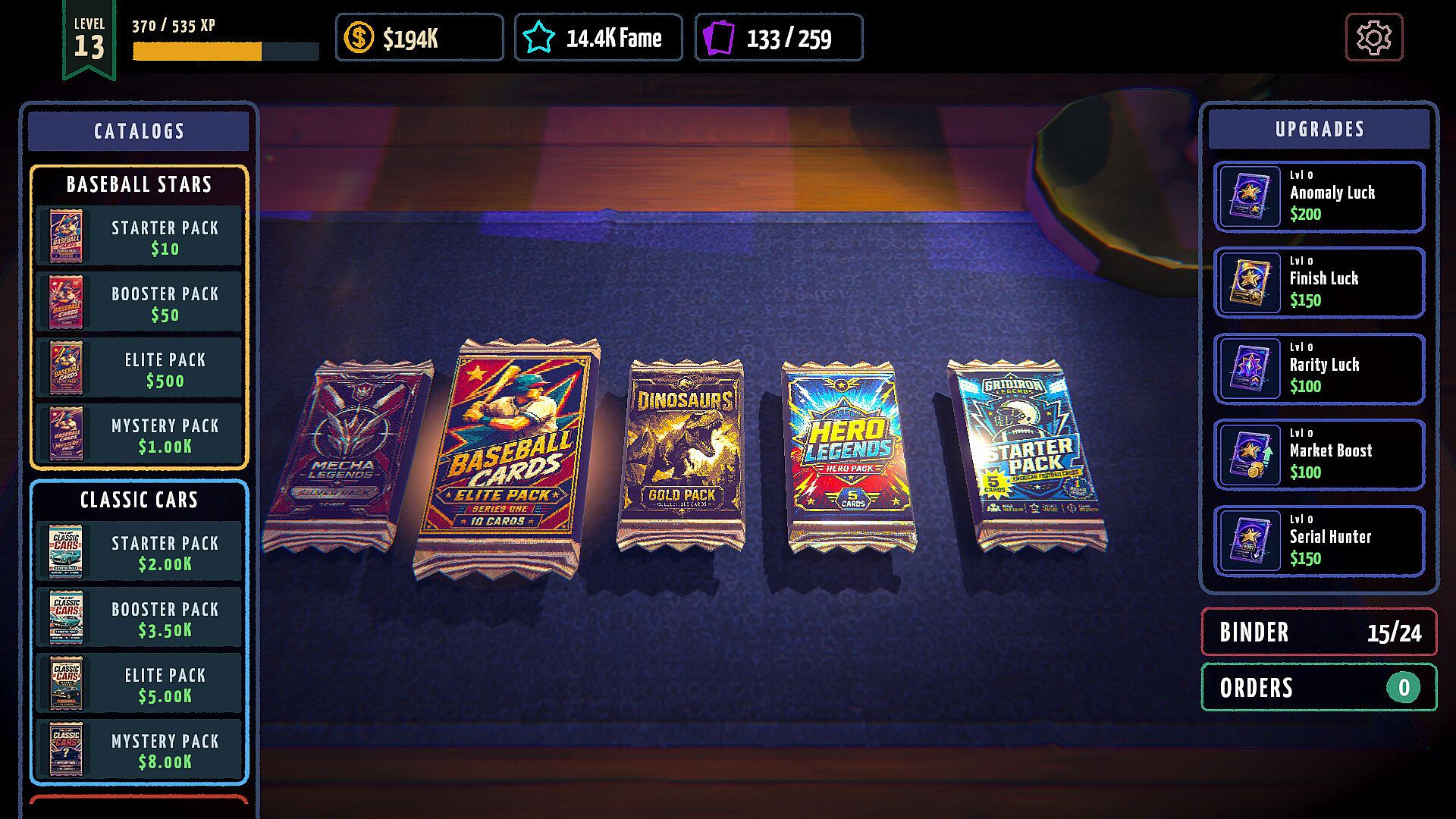
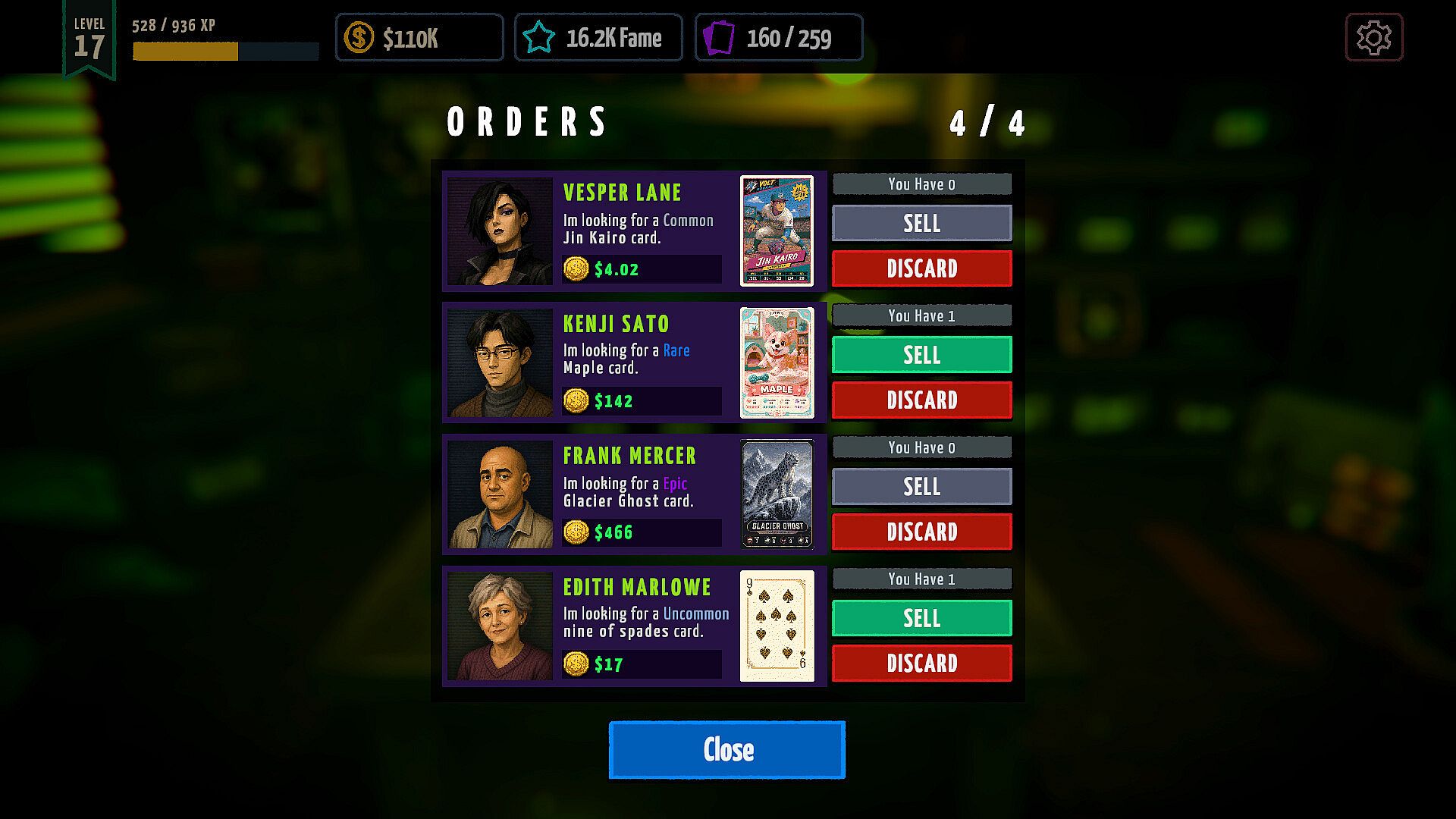
Progression ties directly to collection fame, which unlocks access to new themed sets with distinct artwork and chase cards. Players can also invest in upgrades that improve odds for specific outcomes like rarer pulls or desirable serial numbers. These elements integrate into the main loop without requiring navigation between distinct game modes.
Collection Building and Progression
Fame from kept cards determines which catalogs become available, introducing fresh themes and chase opportunities over time. Sets range from whimsical concepts to more elaborate designs, each bringing new reasons to continue hunting. The system rewards consistent play by gradually expanding the pool of available cards and variants.
Luck tuning forms another layer of depth. Players allocate resources to raise chances for foils, low serial numbers, or other desirable traits. This meta-progression transforms early sessions of modest pulls into later ones where targeted outcomes feel more attainable. The combination of binder management, set unlocking, and stat upgrades creates a steady sense of advancement within the relaxed pace.
Is It Worth Playing?
Retro Pack Club targets players who enjoy deliberate, low-pressure collecting experiences with meaningful decisions at every step. The single-player format and emphasis on personal choice suit those who prefer solitary sessions over fast-paced action or social competition. With a planned release on August 20, 2026, and no user reviews available yet, early impressions rest on the described mechanics of pack opening, sell-or-keep tension, and collection fame progression.
The game appears well suited to fans of casual indie titles that reward patience and pattern recognition. Steam features such as achievements and leaderboards add light external motivation without altering the core solo focus. Potential buyers interested in the described loop of ripping packs, evaluating variants, and managing limited binder space may find it worth following for its upcoming launch.