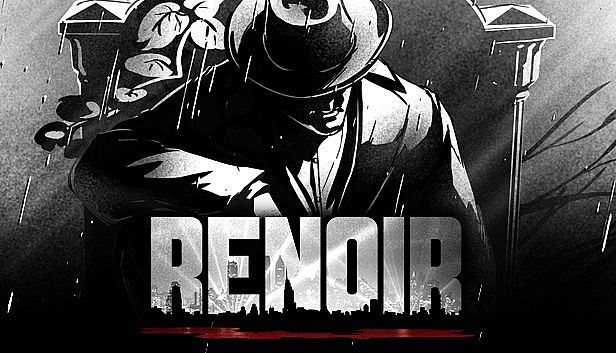



















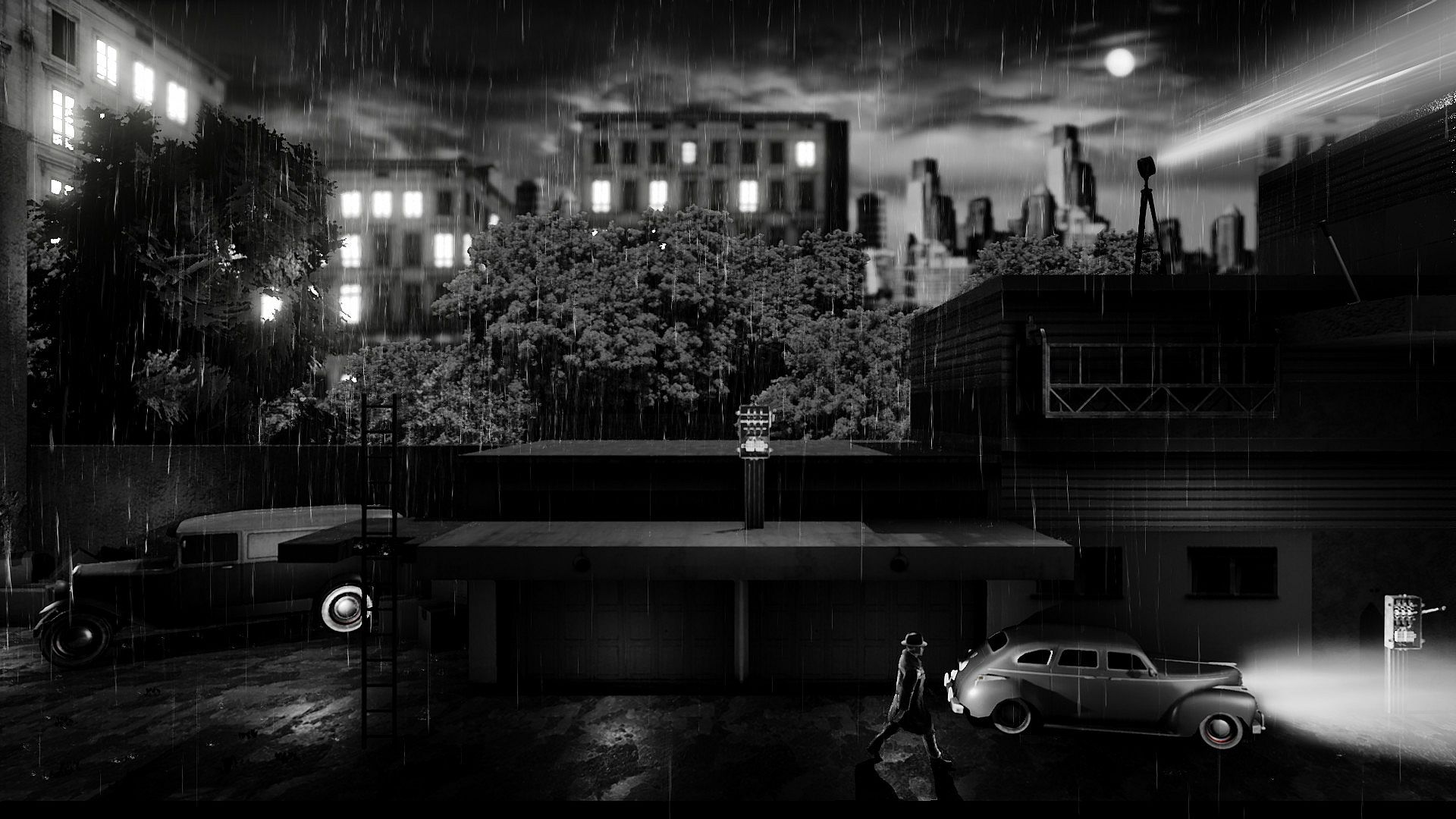
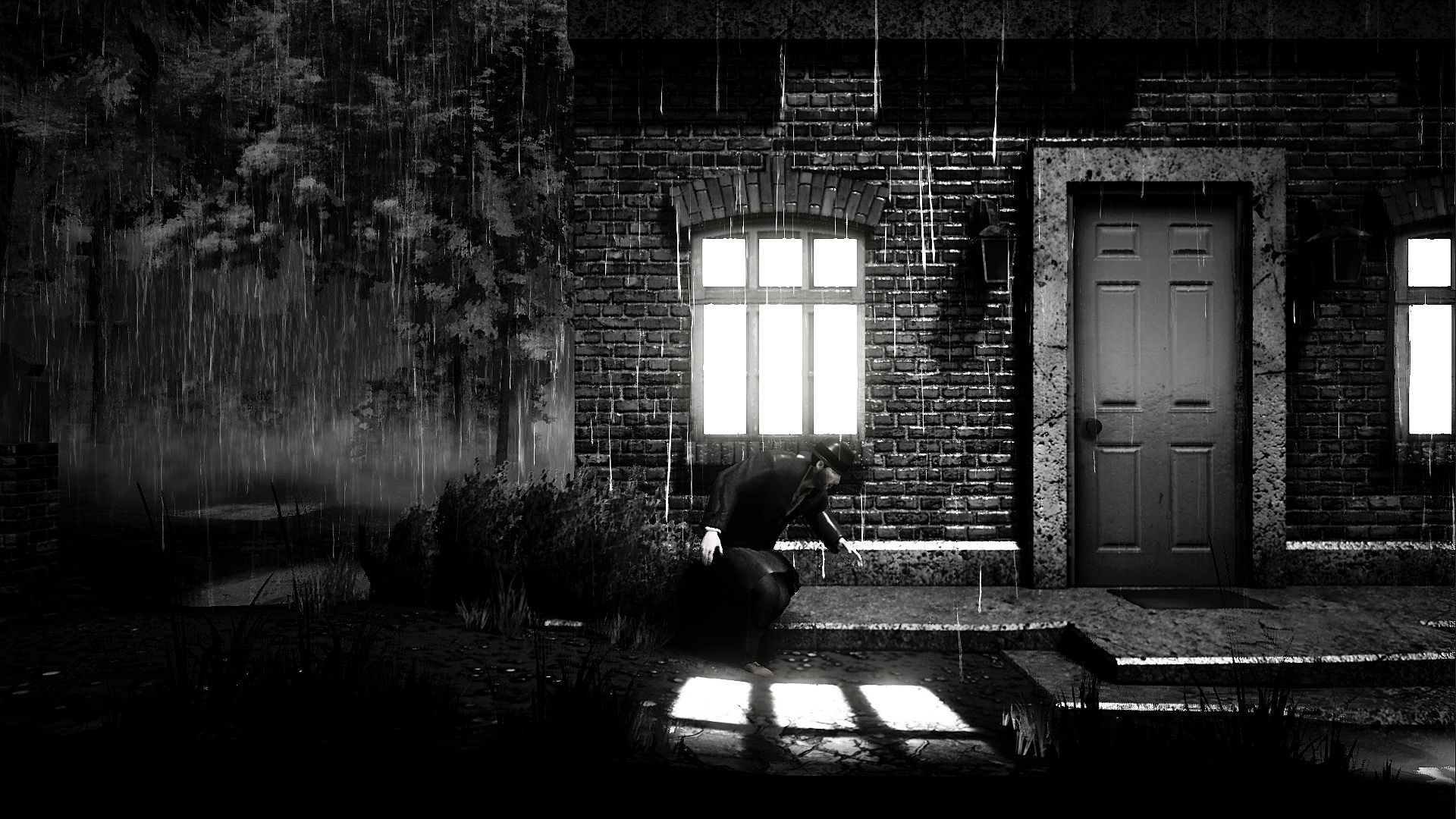
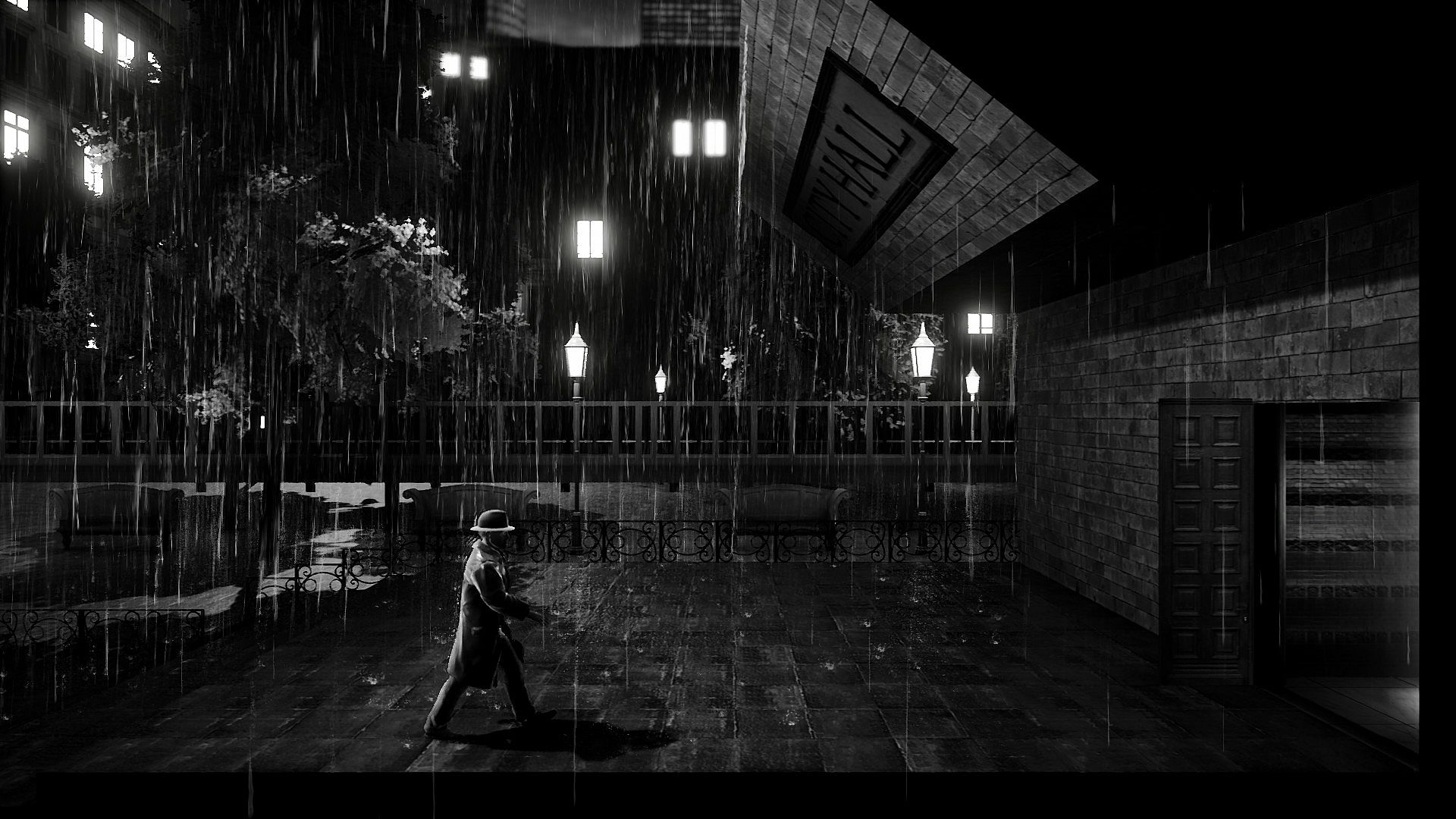
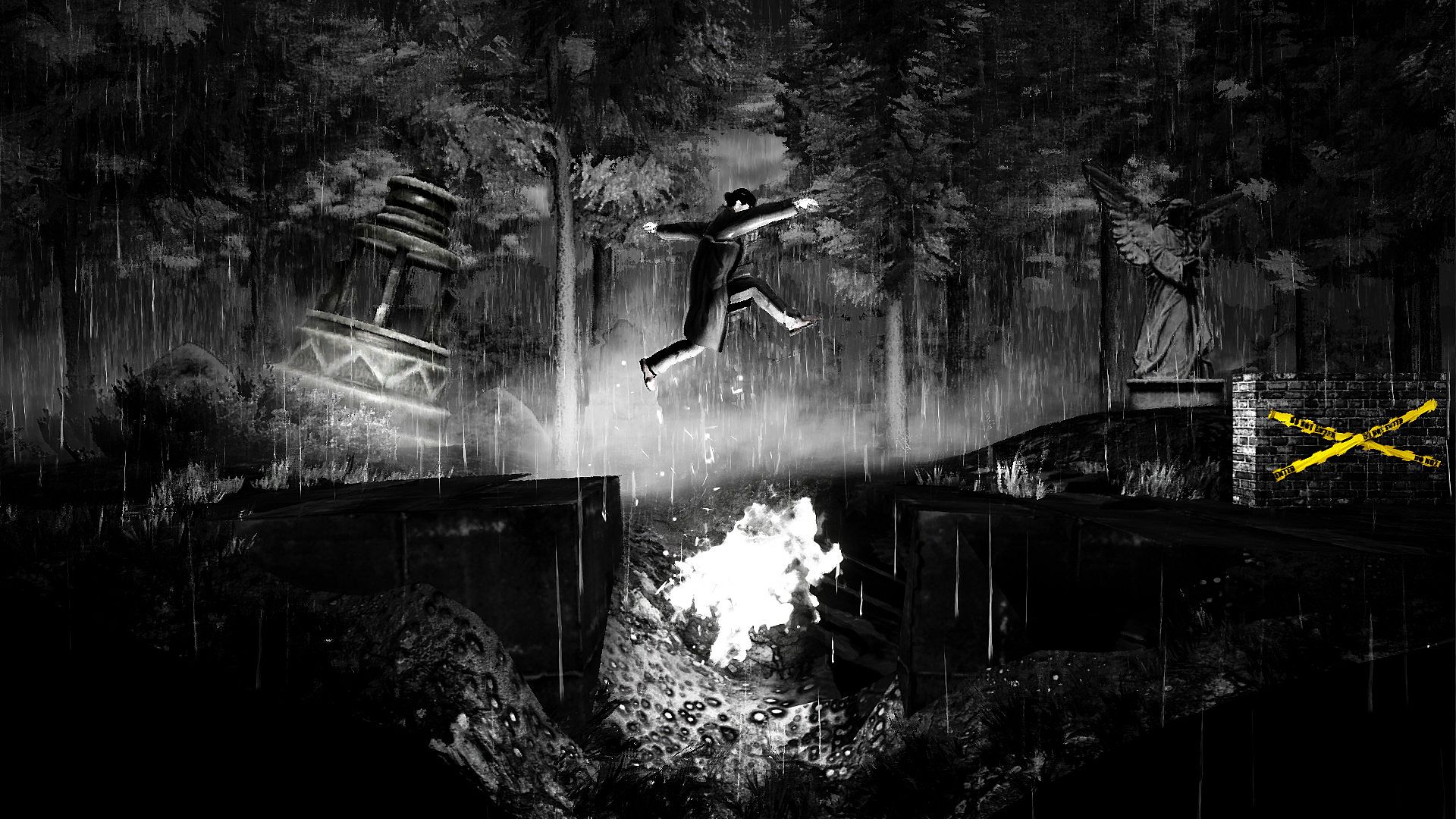
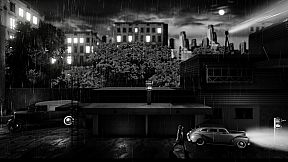
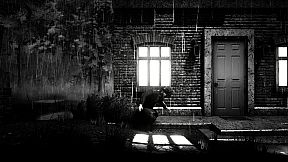
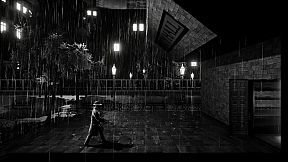
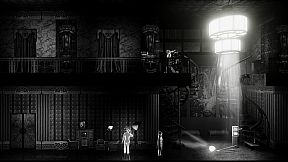
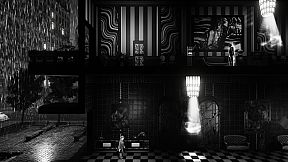
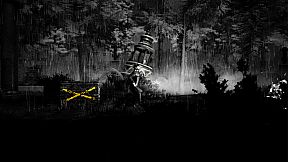
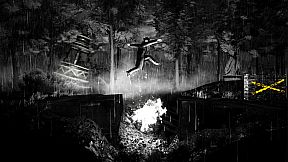
Renoir stands as a single player indie adventure that merges puzzle platforming mechanics with a classic noir detective tale. Players step into the role of James Renoir, a former police officer turned ghost who must navigate a corrupt metropolis to uncover his own killer. The experience unfolds in stark black and white visuals, drawing direct inspiration from Hollywood film noir aesthetics while delivering environmental challenges centered on phantom manipulation and light avoidance.
Gameplay
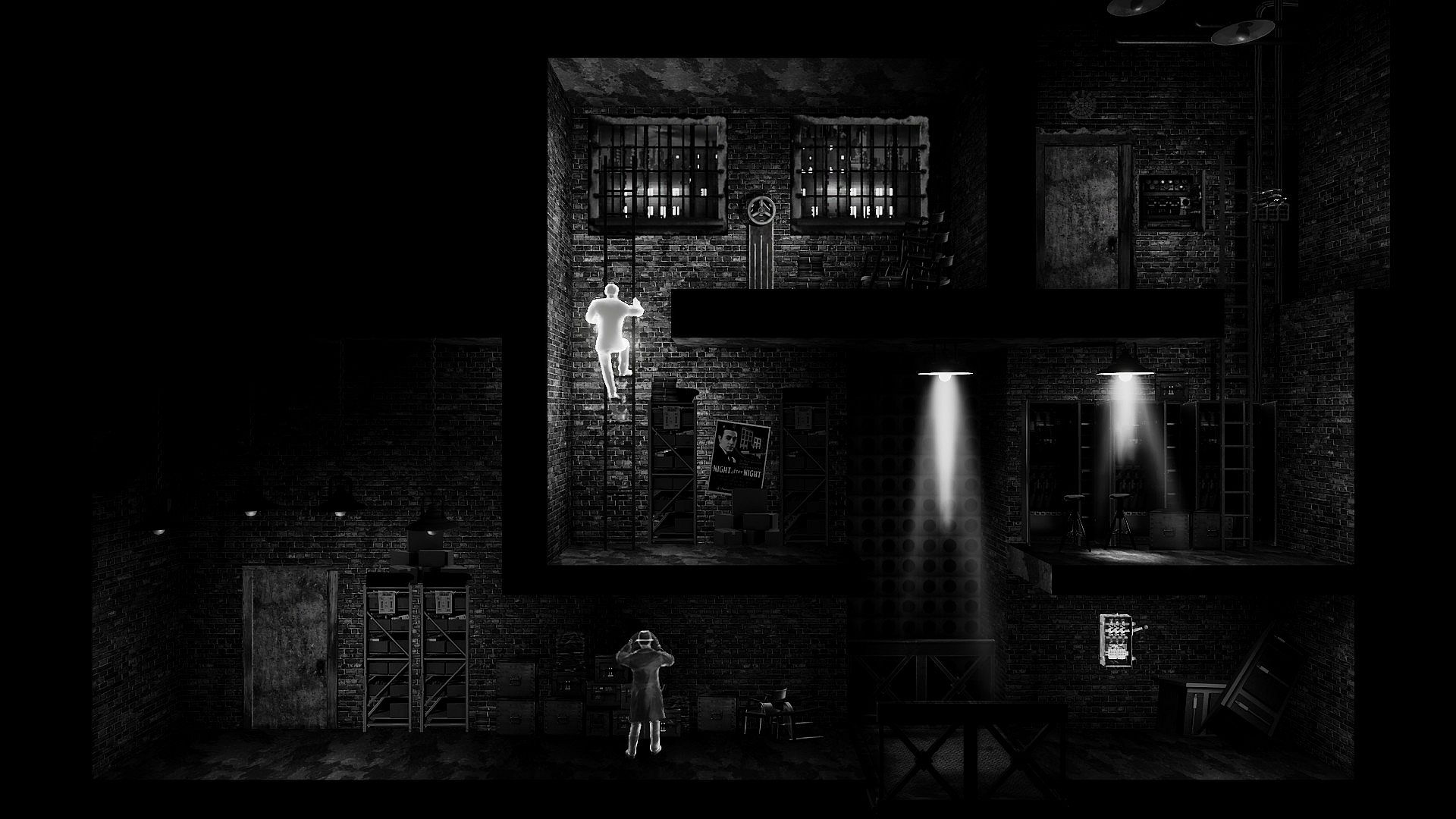
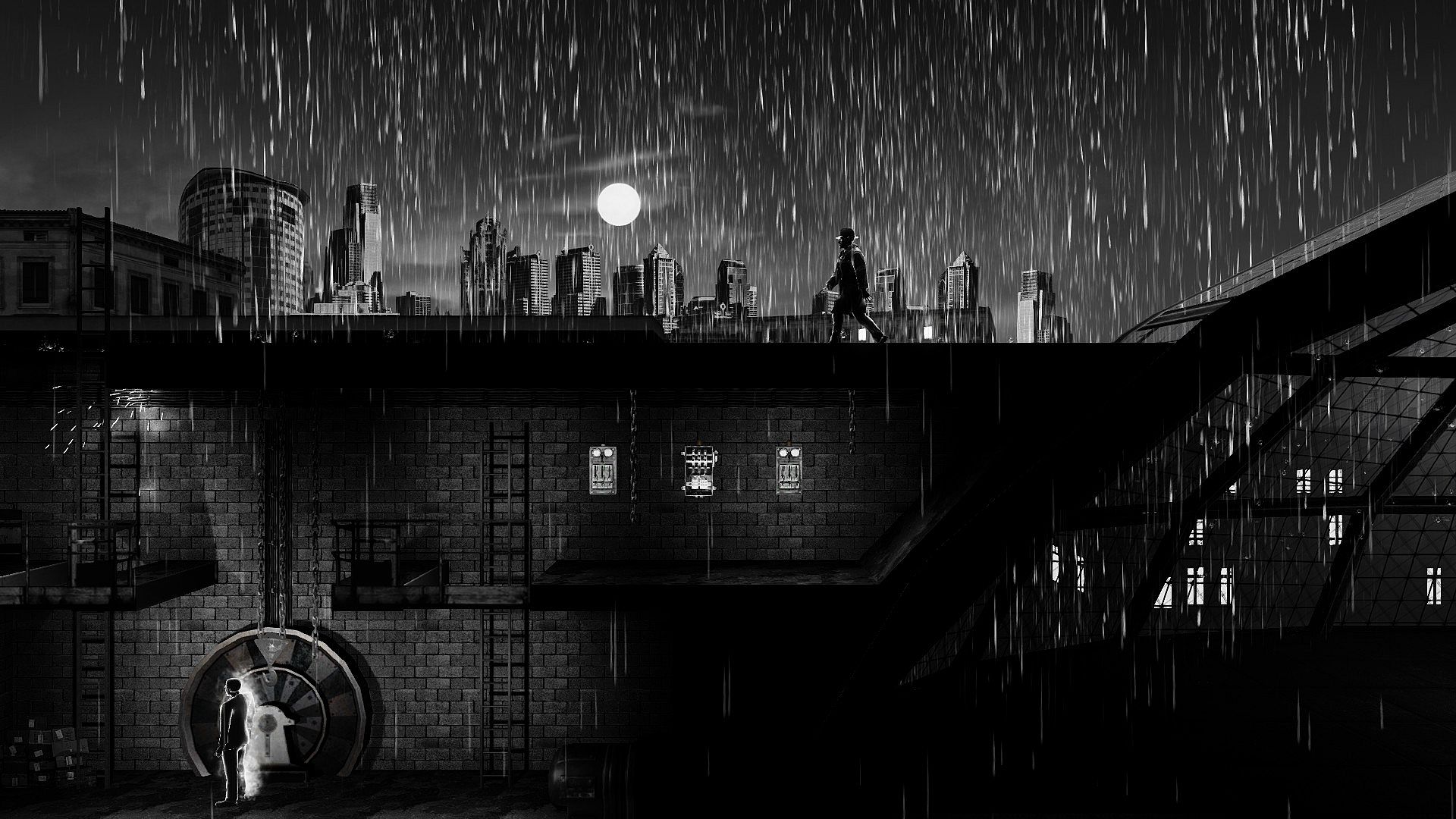
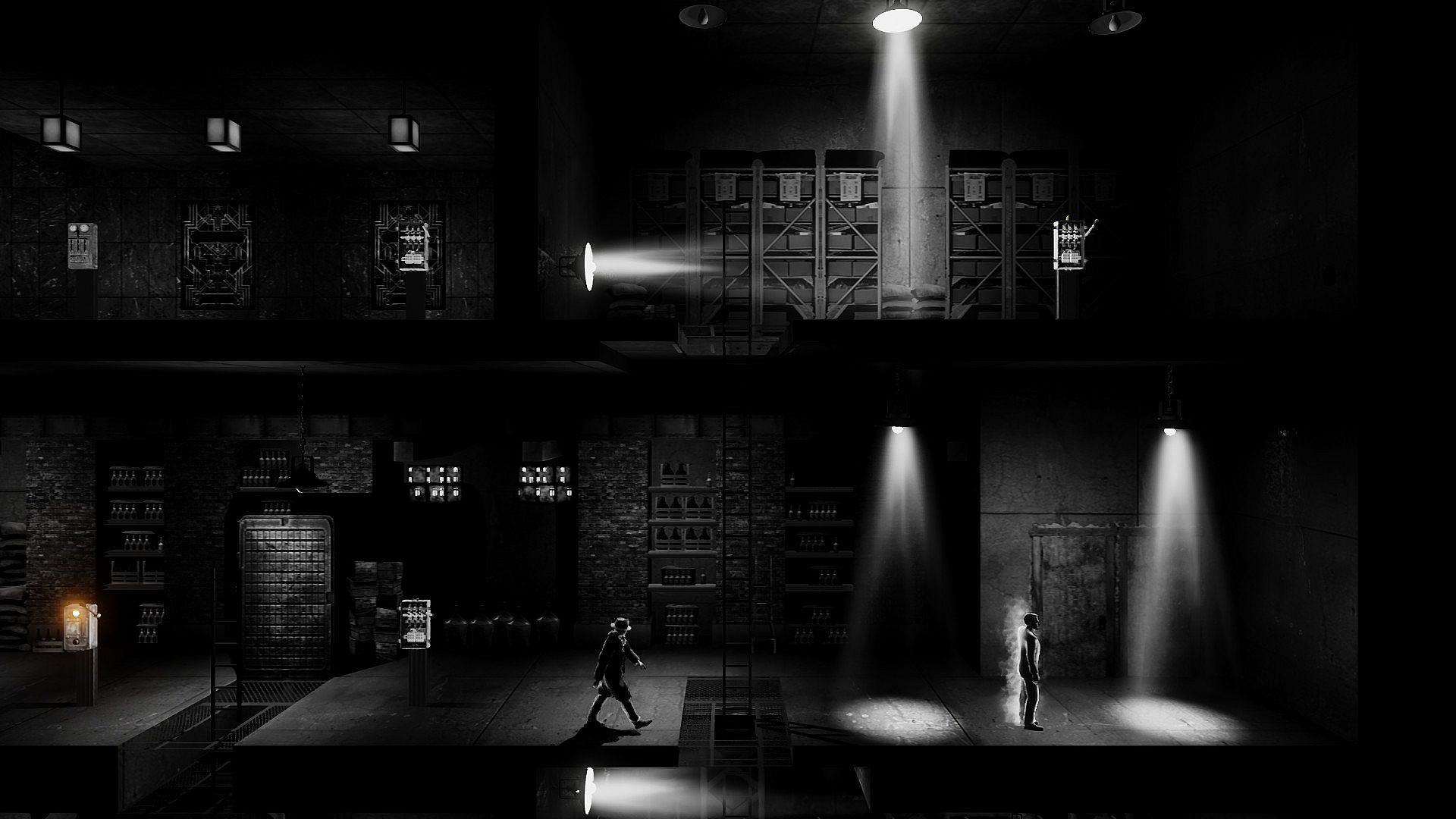
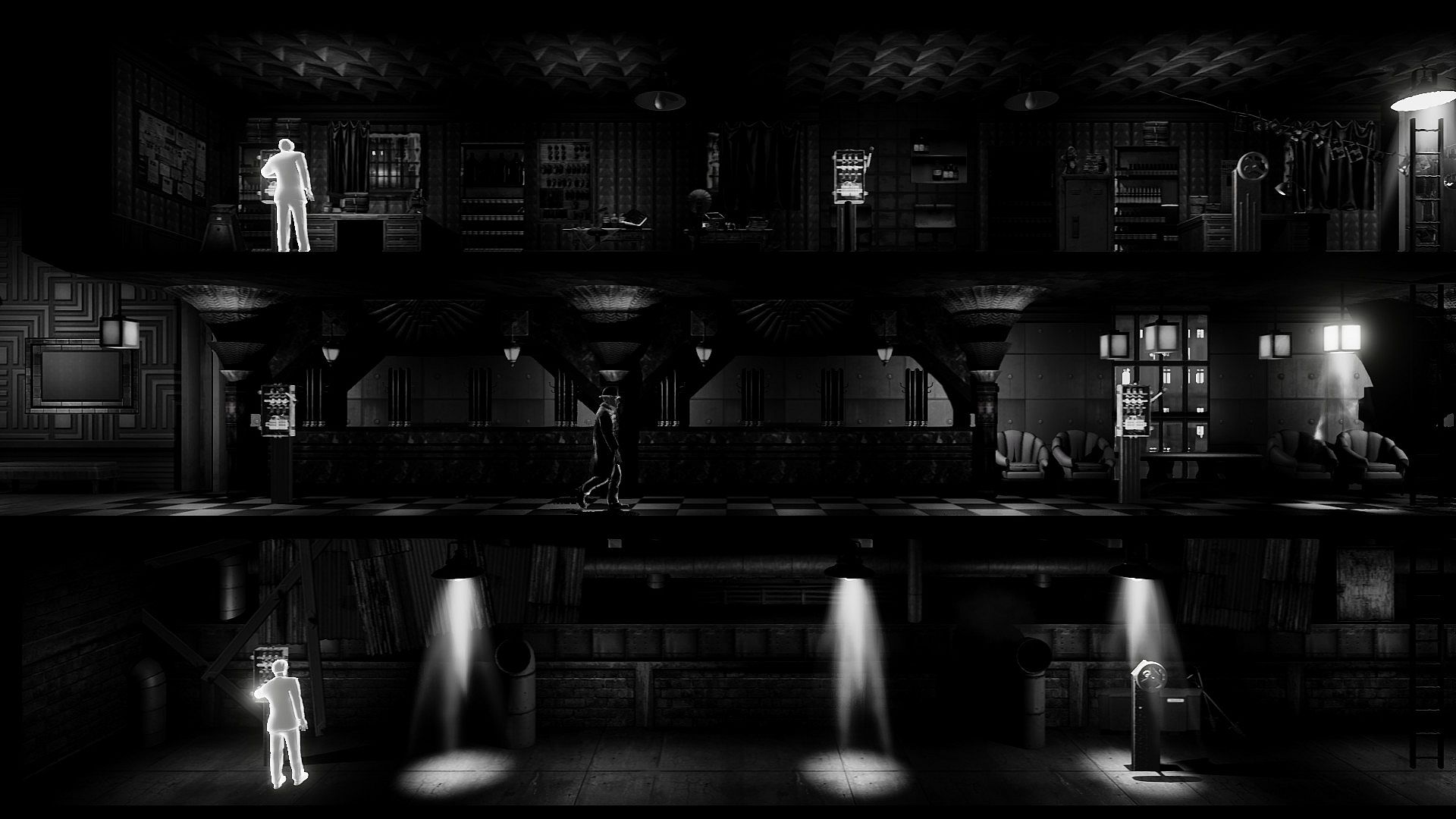
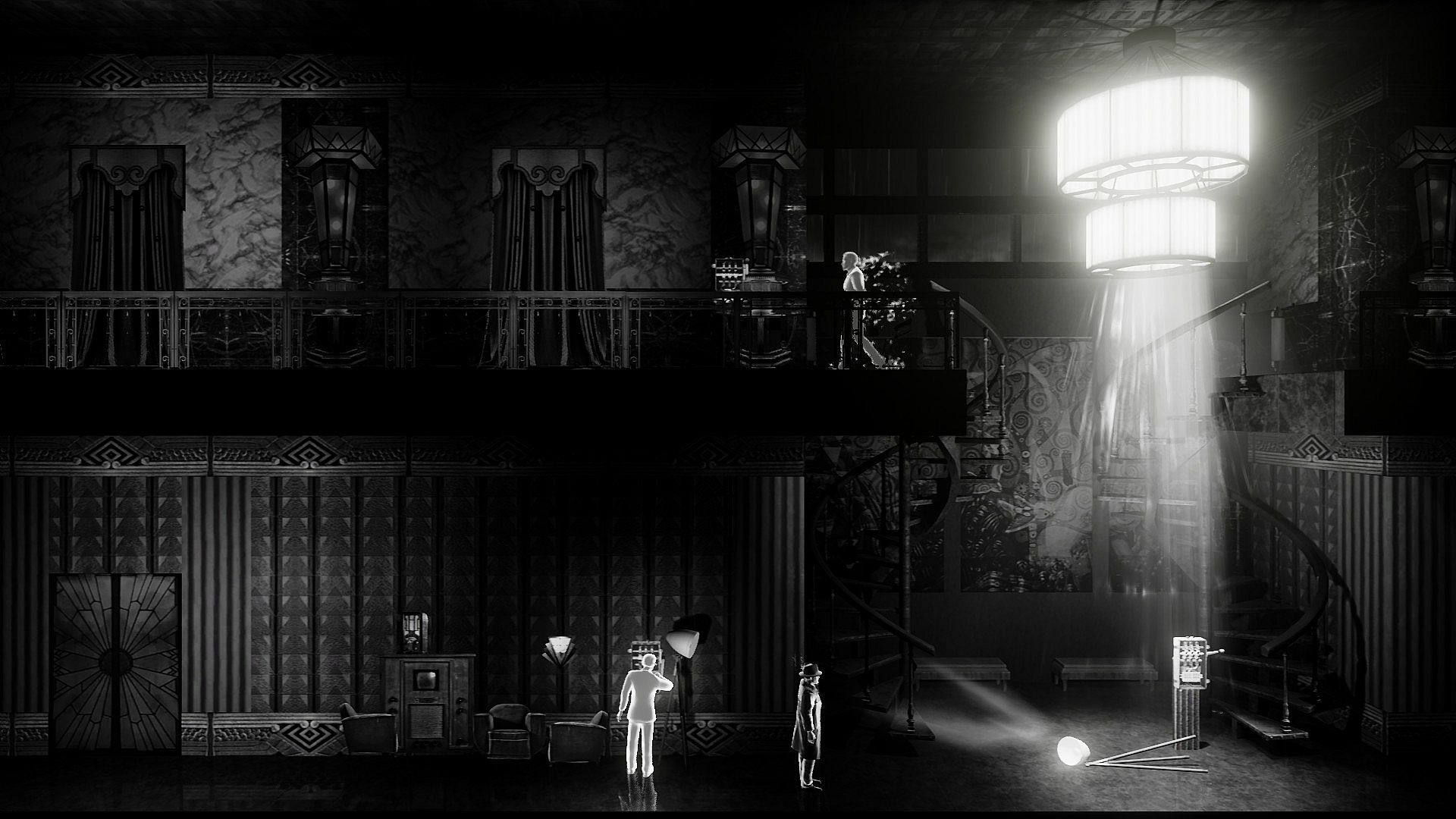
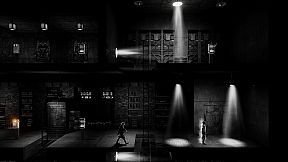
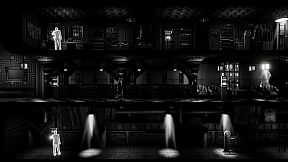
The core loop revolves around possession of nearby phantoms to interact with the environment in creative ways. Renoir's ghostly form cannot touch light without risk, forcing careful pathing through shadowed areas and strategic use of possessed entities to move objects, activate switches, or bridge gaps. Backtracking forms a key element, as players revisit locations from the living world to piece together memories and gather clues about the murder. Puzzle solutions often require experimenting with different phantom types and their unique abilities, creating a methodical rhythm that rewards observation over speed. The narrative advances through comic book style sequences that frame each chapter, revealing fragments of Renoir's past and the political corruption that defined his final days. Platforming sections emphasize precision timing and environmental awareness rather than complex jumping sequences, keeping the focus on puzzle logic and atmospheric tension.
Game Modes
Renoir offers a single player campaign with no separate multiplayer components or additional modes. The entire experience consists of a linear progression through puzzle driven levels that advance the murder mystery. Players complete the story by solving interconnected environmental challenges while collecting narrative clues, with no branching paths or alternate gameplay variants available. This structure keeps the emphasis squarely on the detective investigation and phantom based puzzle solving throughout the runtime.
Story and Atmosphere
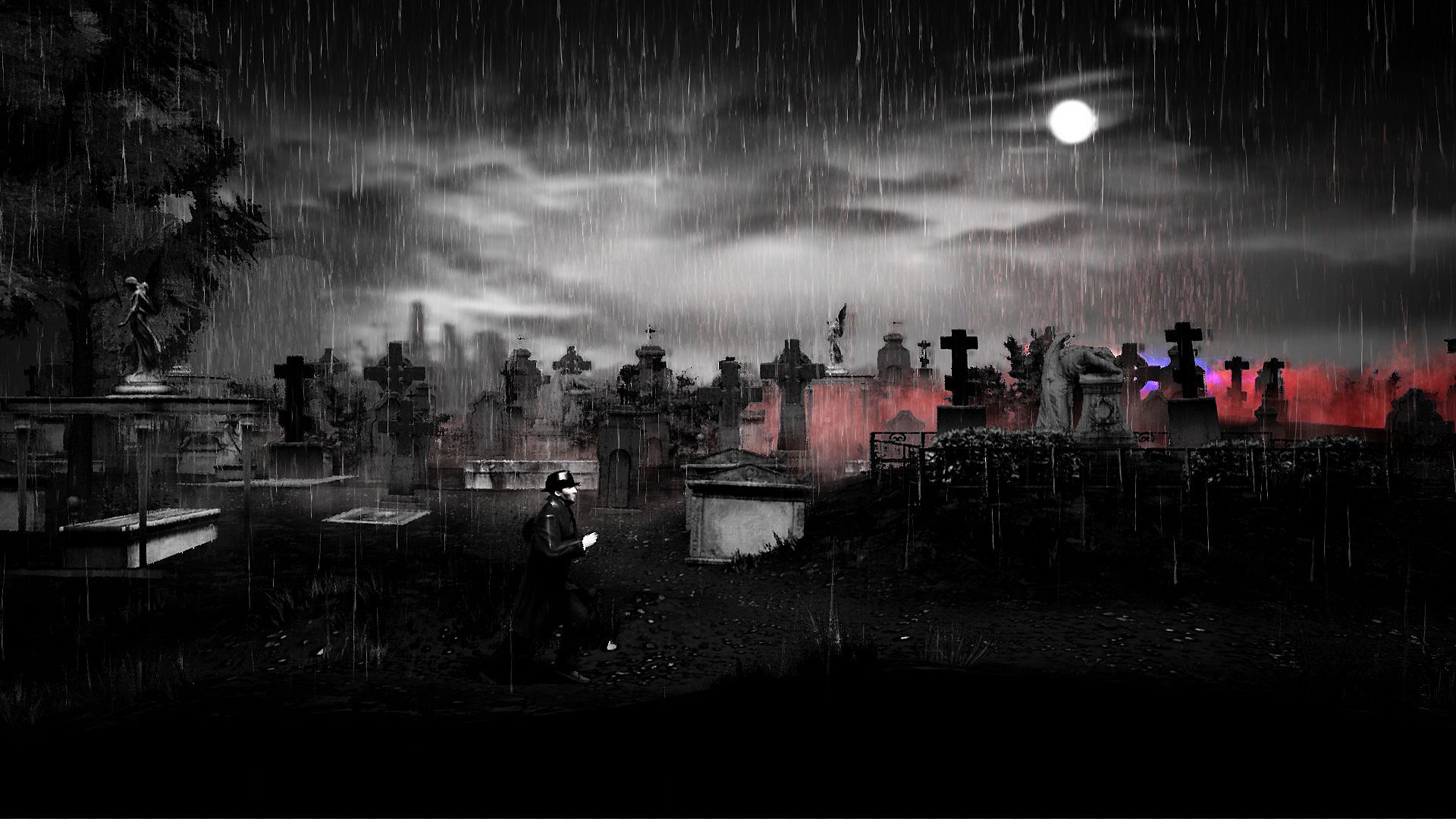
The plot follows Renoir's transformation from a promoted detective enjoying personal success to a spectral investigator driven by unfinished business. Corruption within the city's government and mafia influence sets the stage for the central crime, explored through recollected memories and environmental storytelling. Comic book panels deliver key exposition in a stylized format that matches the monochrome presentation. Sound design reinforces the noir tone with moody tracks that underscore isolation and suspense as the ghost moves through familiar yet altered city spaces. The setting captures a metropolis overrun by crime, where political power shields the true culprits, giving weight to each clue uncovered during the investigation.
Visual Style and Technical Approach
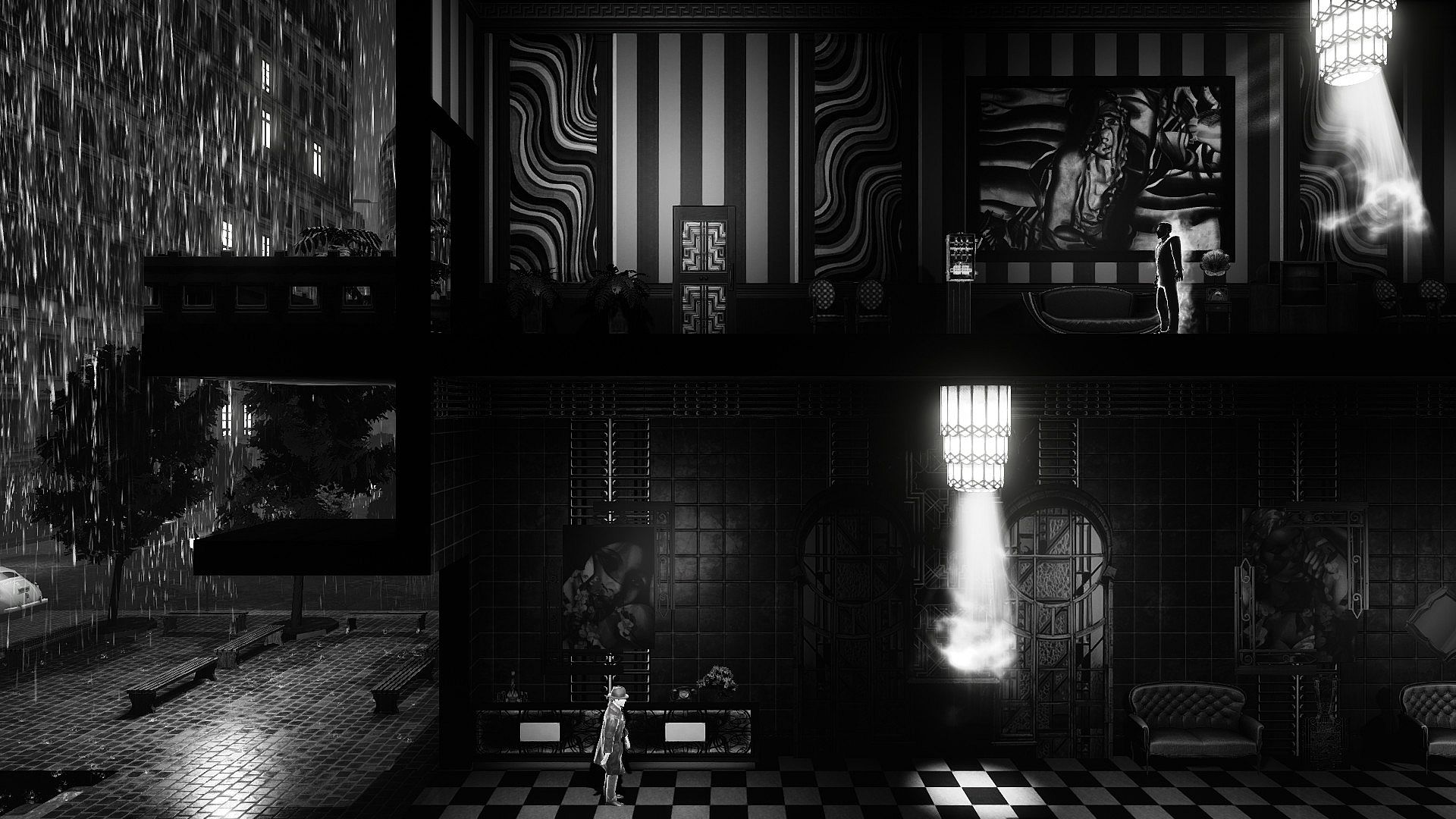
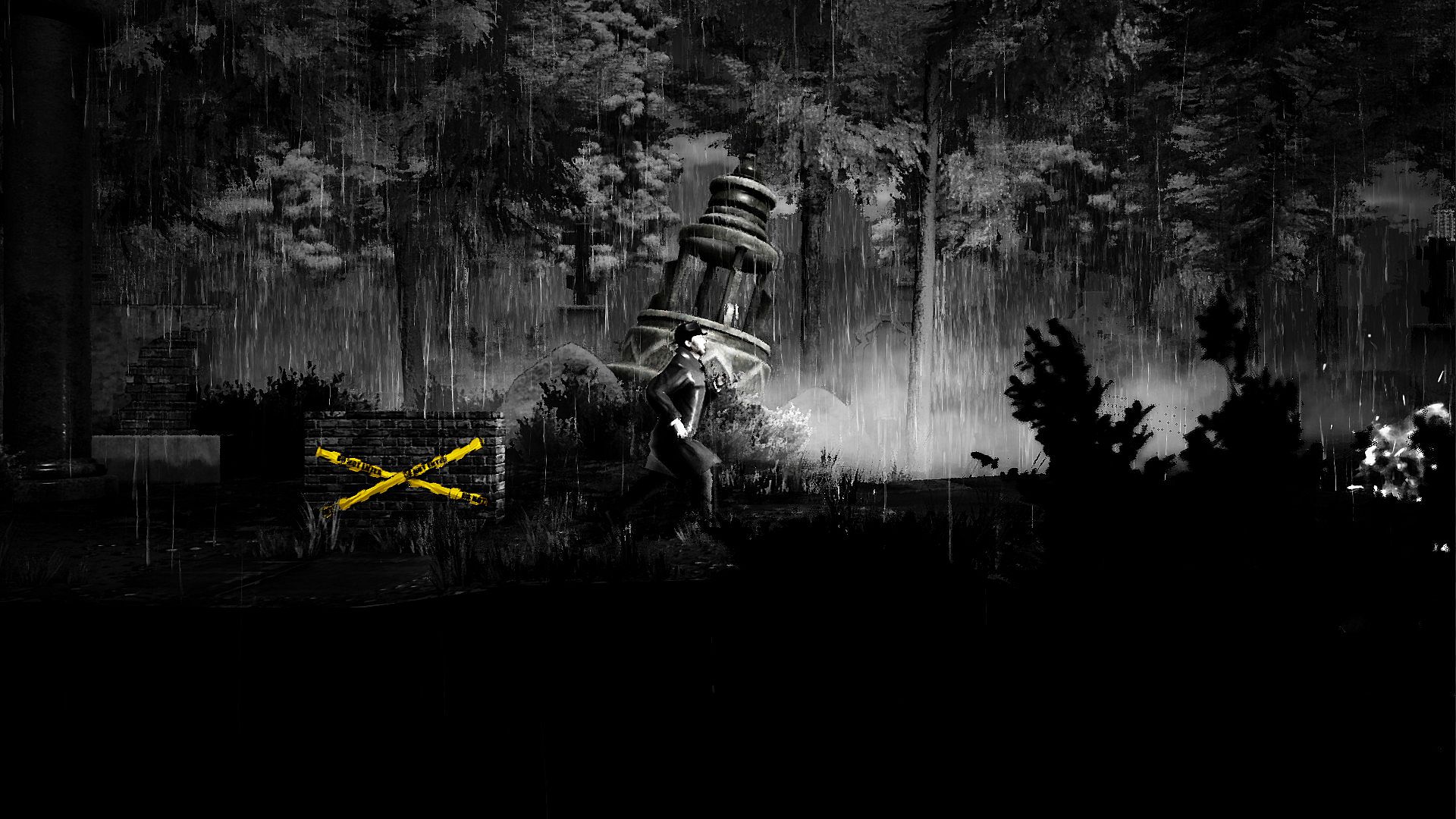
Built with Unreal Engine 4, the game maintains a consistent black and white palette that evokes vintage detective films. Detailed environments reflect the urban decay and opulence of high society areas Renoir once accessed, now viewed from the shadows. Phantom models and light effects serve functional roles in puzzles while enhancing the supernatural theme. The presentation avoids color entirely, relying on contrast, shadows, and silhouette work to guide player attention during platforming and possession sequences.
Is It Worth Playing?
Renoir suits players who enjoy deliberate puzzle platformers with strong narrative focus and atmospheric presentation. Those drawn to noir inspired stories and ghost mechanics will find the phantom control system engaging for its environmental creativity. The experience delivers a complete single player mystery without requiring ongoing updates or additional content. Reviewers have noted repetitive puzzle patterns and occasional control responsiveness issues as potential drawbacks for some, while praising the consistent art direction and story delivery. Availability remains straightforward on PC platforms for those seeking a compact indie adventure centered on investigation and light based restrictions. If the combination of noir storytelling and puzzle solving aligns with personal preferences, the title provides a focused session that concludes the central case without extraneous elements.