









人生档案:千禧 is a strategy, indie, and simulation game set in early access on PC. Players step into a business-life sandbox that spans the years 2000 to 2025, using knowledge of events that followed to shape decisions in a retro computer desktop environment. The experience centers on choosing a background, city, and name before guiding another life through opportunities in industry, company building, and personal choices.
Gameplay
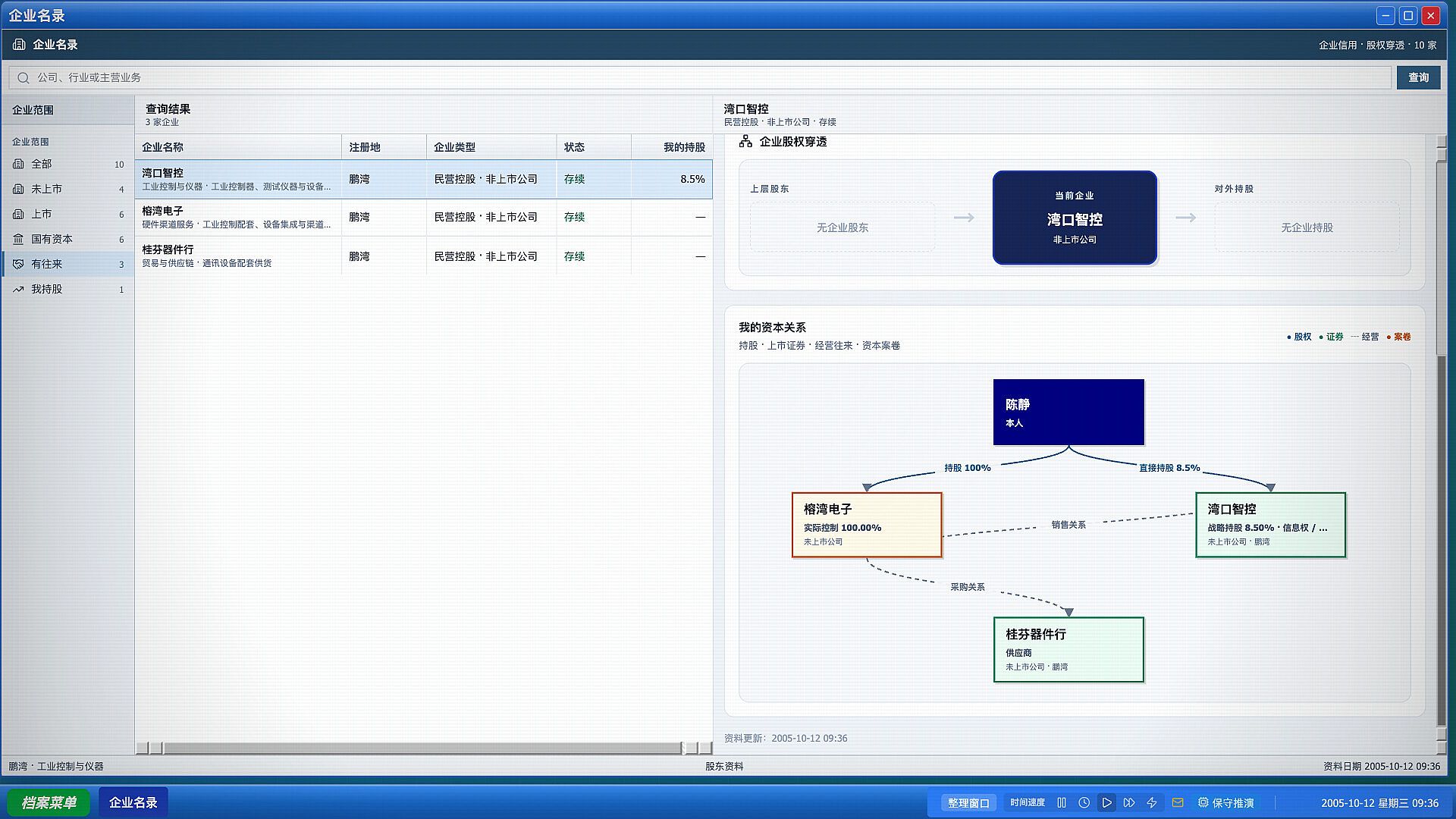
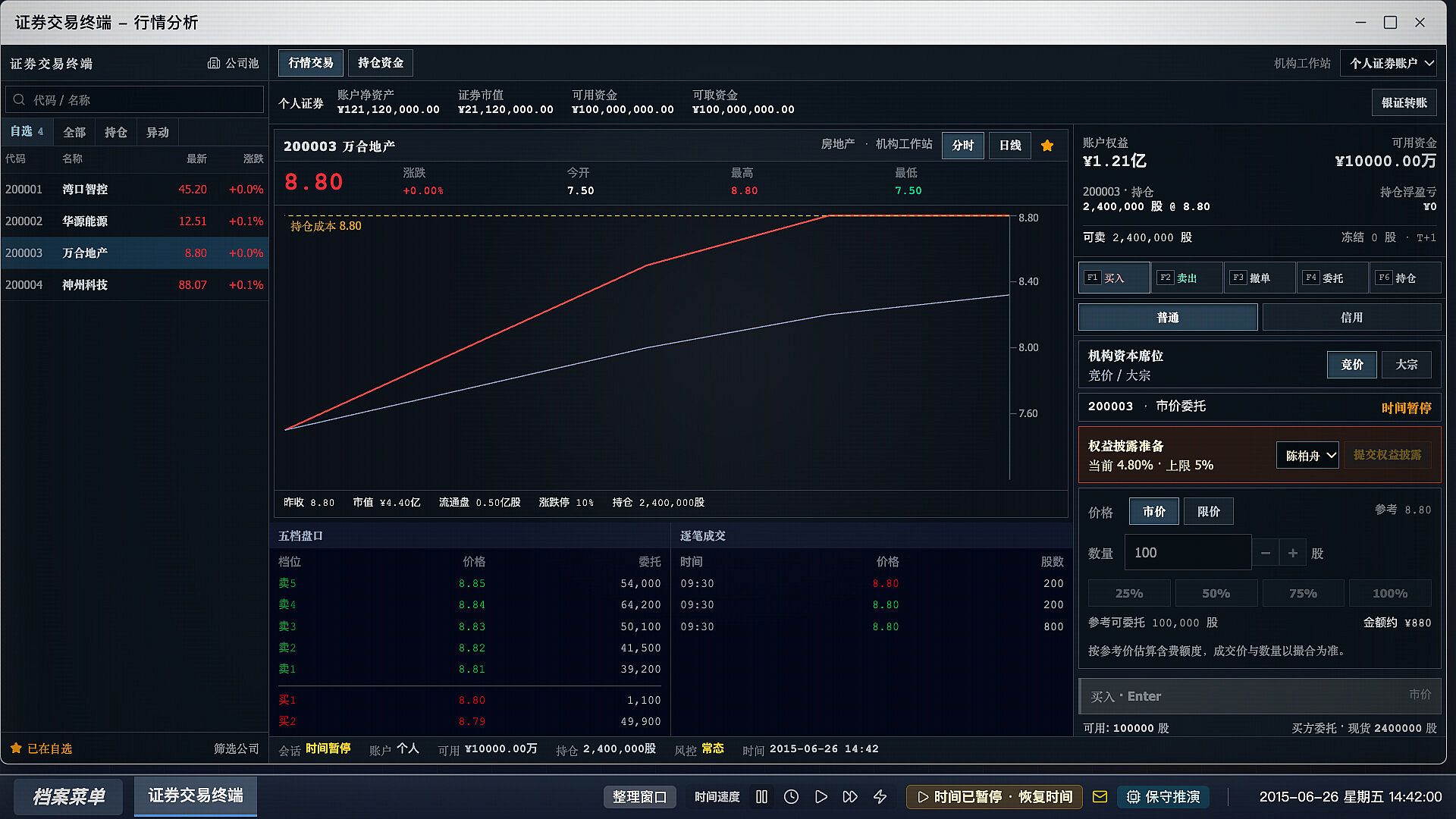
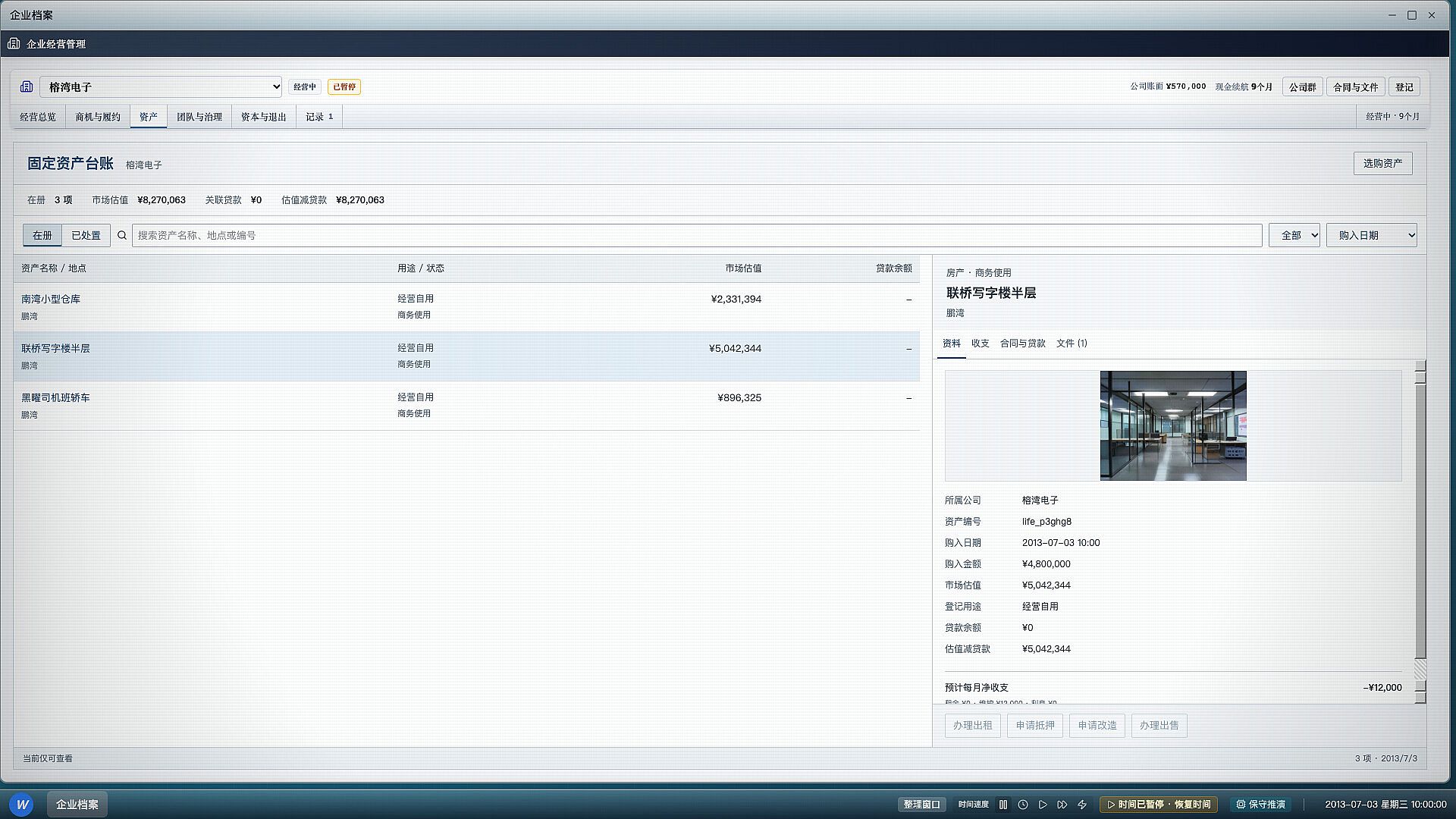
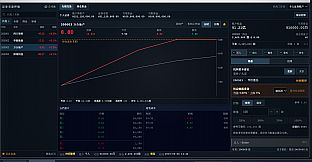
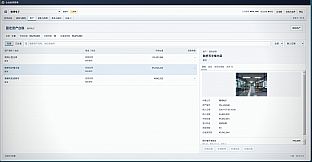
The core loop revolves around spotting emerging markets and deciding when to enter or exit them. Through the interface of an old-style computer, players review industries, launch companies, and prepare products aimed at future demand. The era influences share prices, orders, funding availability, property values, and interactions with others, creating a dynamic backdrop where broad historical directions remain known but personal actions can alter outcomes.
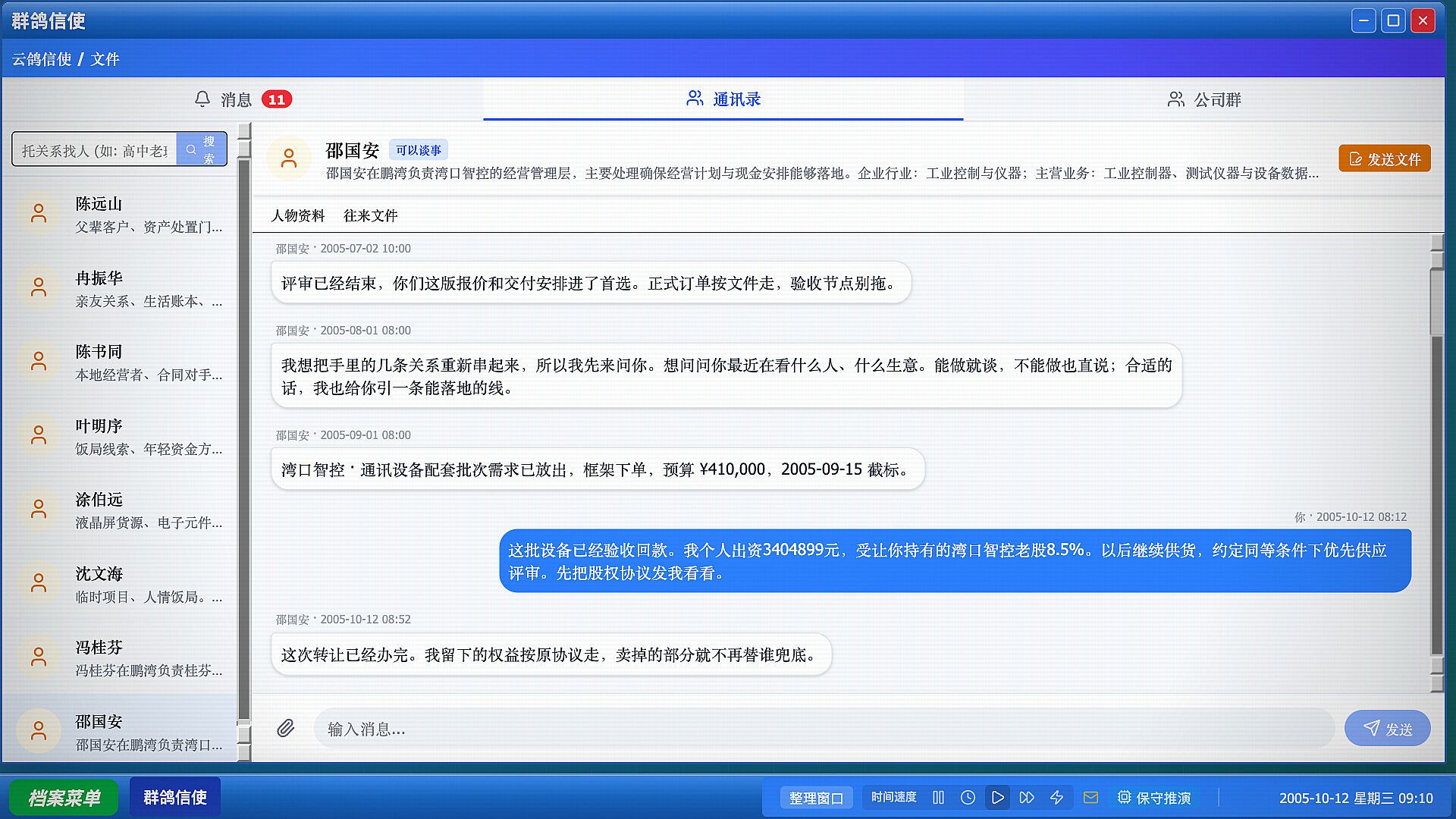
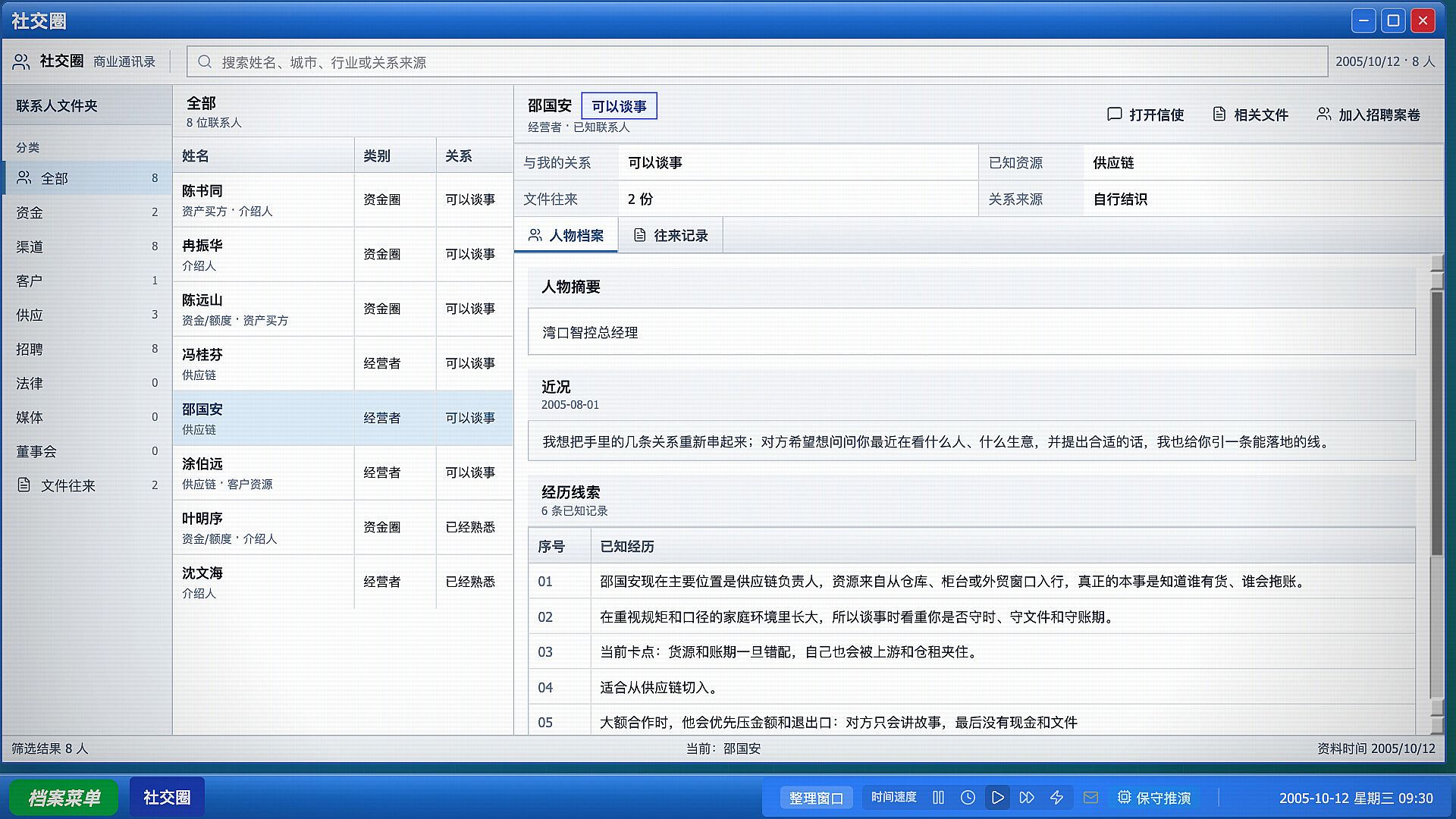
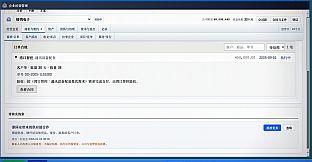
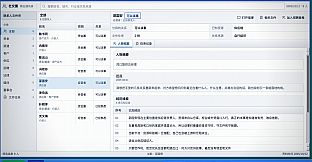
Conversations form a key part of progress. A messenger system allows proposals for partnerships, recruitment of talent, or joint investment discussions. Each contact maintains their own businesses, resources, and limits, requiring negotiation over prices, payment schedules, ownership stakes, and risk allocation. Funding offers vary in structure, including ownership dilution, board representation, and staged disbursements, with players comparing terms before committing.
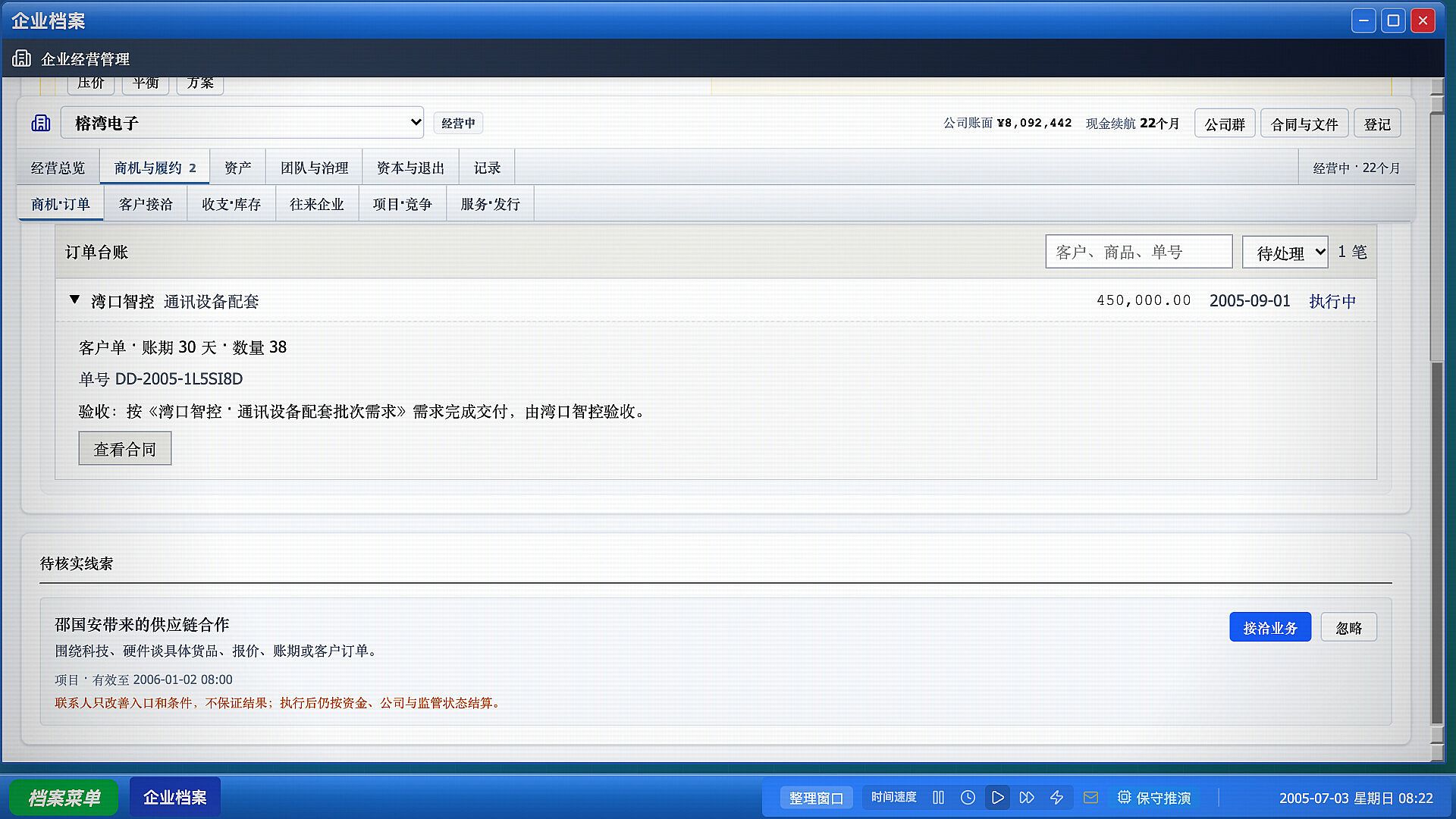
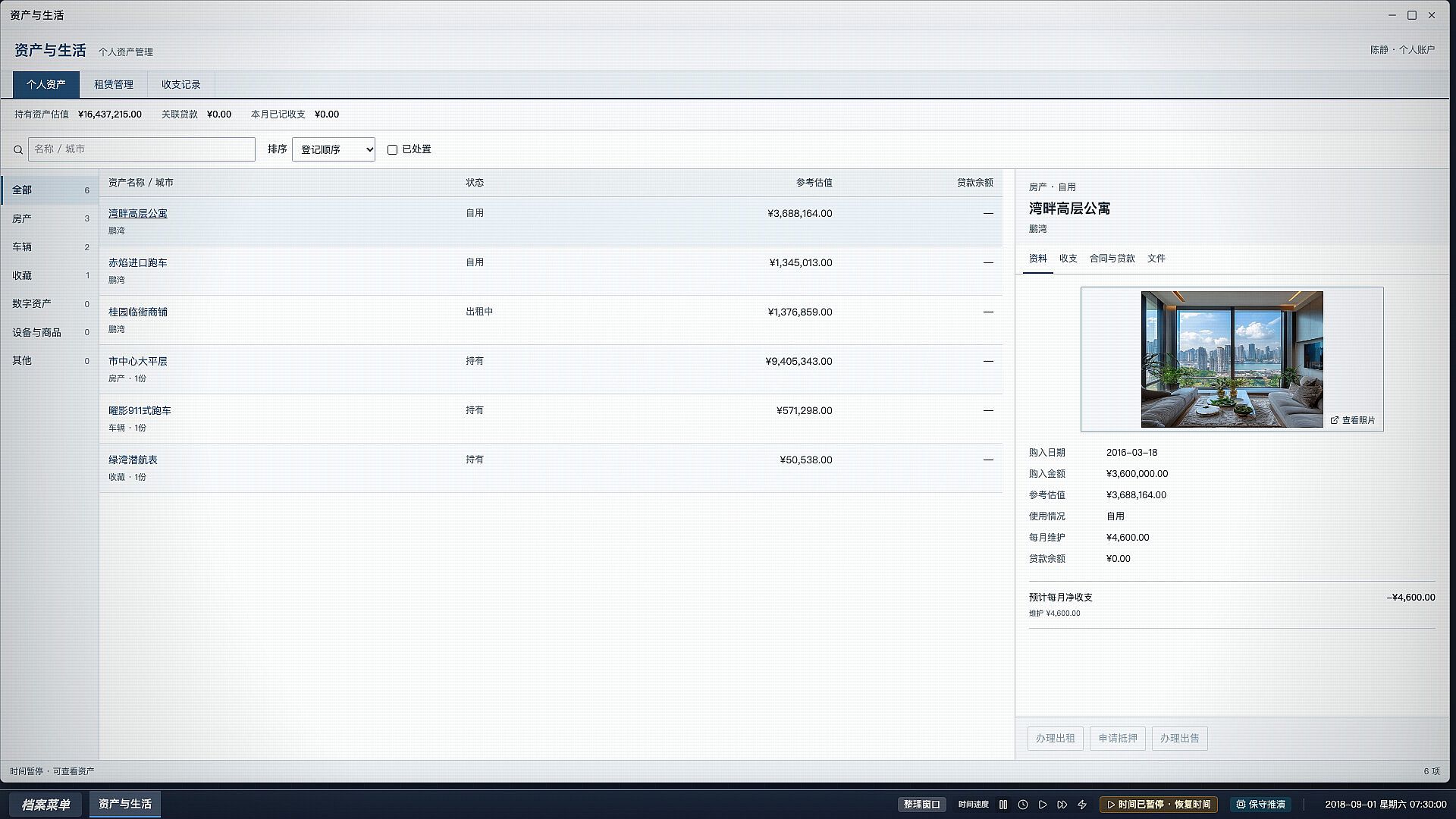
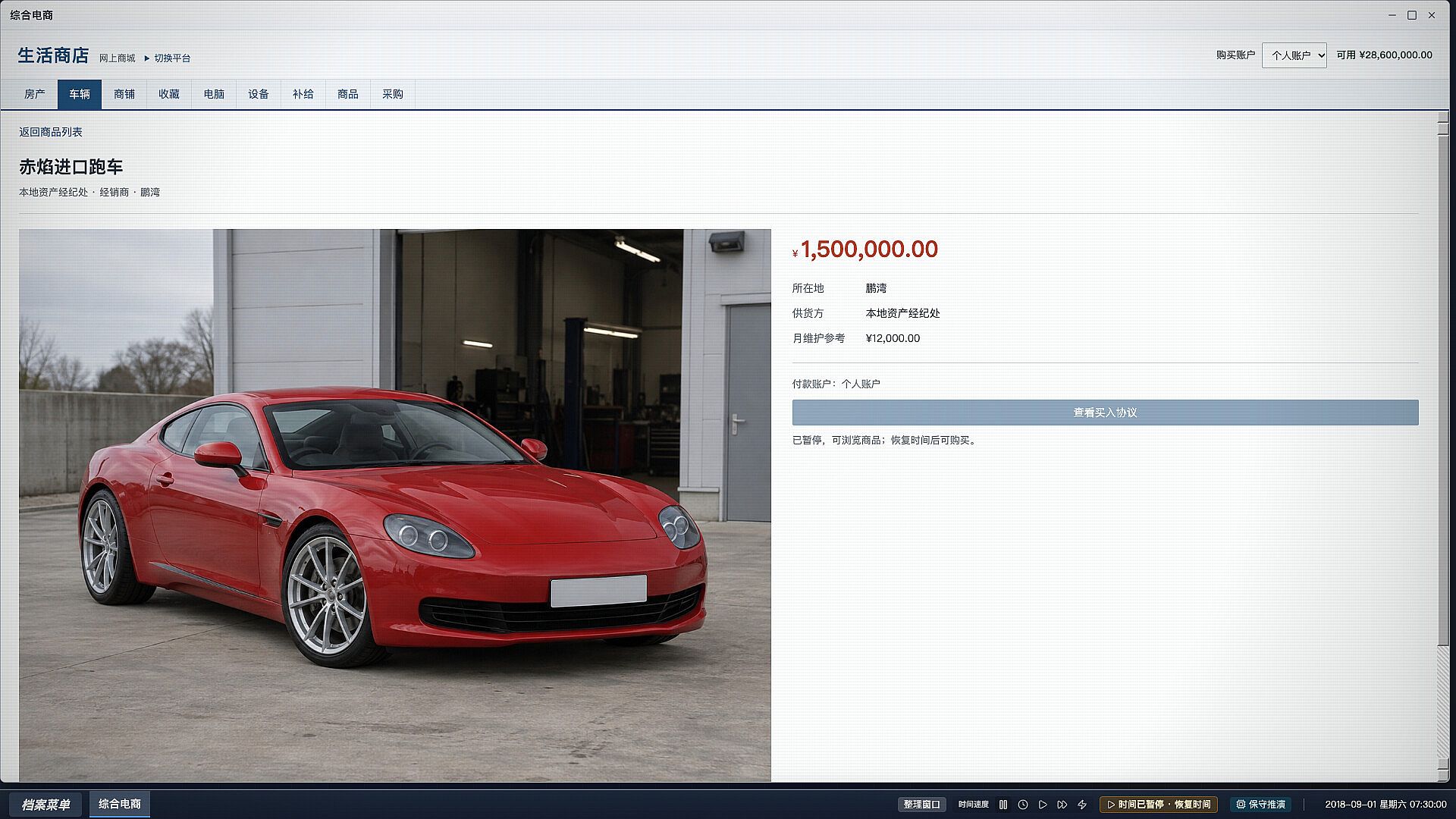
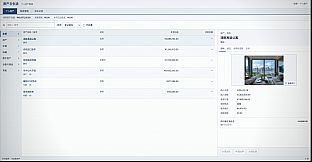
Once agreements are reached, they convert into binding documents that generate orders, payments, or asset holdings. These connections can branch into further deals, turning supplier ties into equity arrangements or turning acquaintances into partners. Capital earned supports multiple paths: taking jobs to build initial funds, hiring staff to scale operations, seeking buyers for a developed company, purchasing homes or vehicles, or maintaining flexibility for other pursuits.
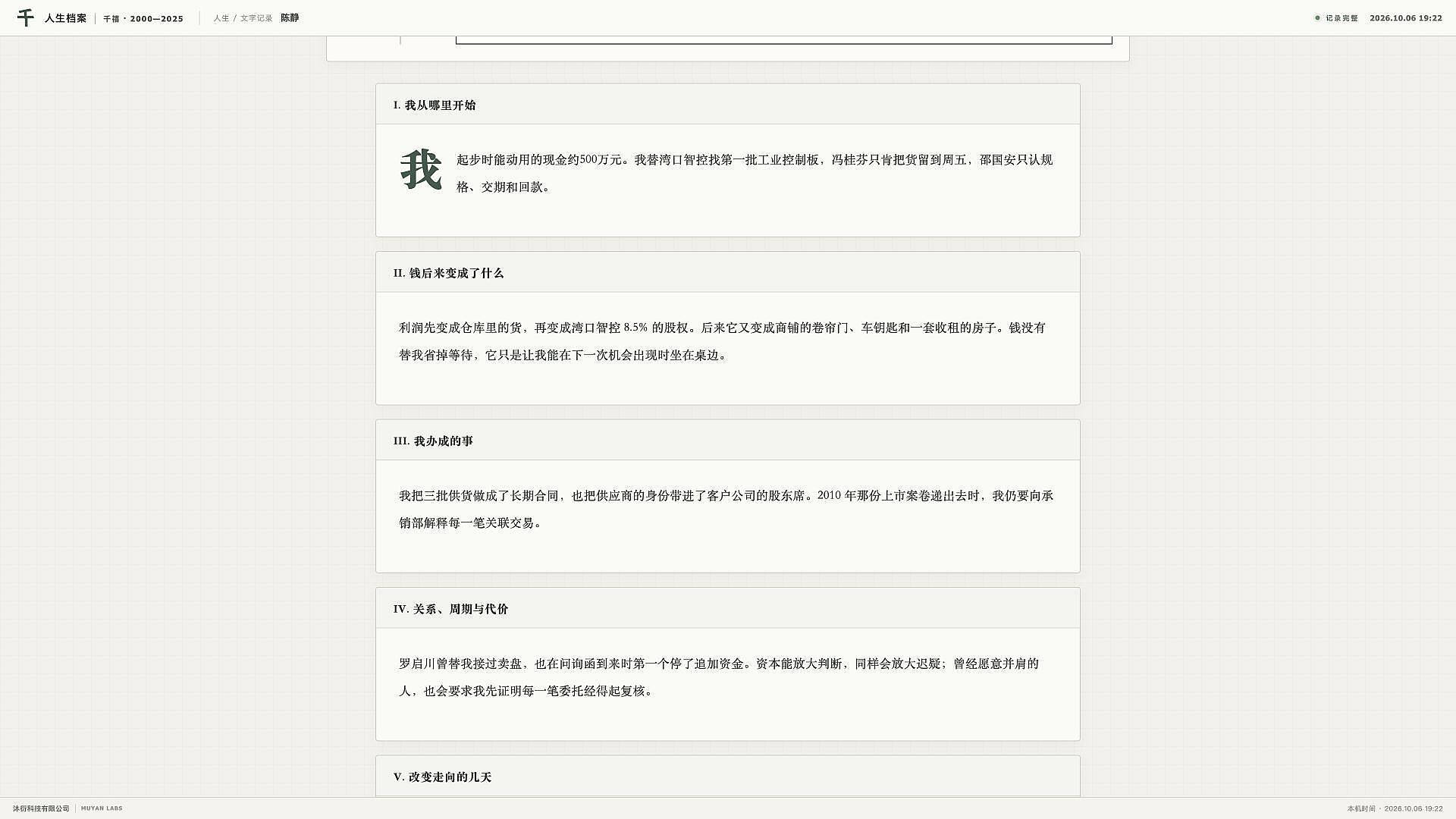
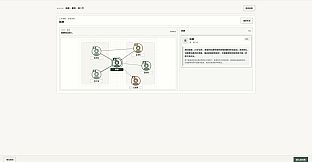
Business, investing, relationships, and daily life intersect throughout. Expansion creates new openings while introducing wages, debts, and commitments. Contacts pursue their own stories independently, adding layers to the simulation. The game tracks the chosen life path and preserves its details for review once the archive completes.
Game Modes
The experience operates as a single-player sandbox focused on overlapping systems of business management, investment timing, and interpersonal negotiations. Players navigate one continuous life arc from 2000 onward, making choices that blend commercial strategy with personal and relational elements. No separate competitive or cooperative modes are defined; instead, the structure emphasizes repeated playthroughs through different starting conditions and decision branches within the same framework.
Progression ties into a retro desktop simulation where actions generate documents and holdings that carry forward. The emphasis remains on foresight applied to fictional companies and locations, with the historical period providing context rather than precise market replication. AI-assisted interactions require an internet connection to function.
Key Mechanics and Systems
Negotiation and documentation stand out as central systems. Players weigh multiple offers, adjust terms, and finalize agreements that affect ownership, risk, and future obligations. These elements feed into broader life management, where earnings support lifestyle decisions or further ventures. The simulation accounts for how involvement in one area ripples into others, such as how a partnership might influence later funding rounds or personal relationships.
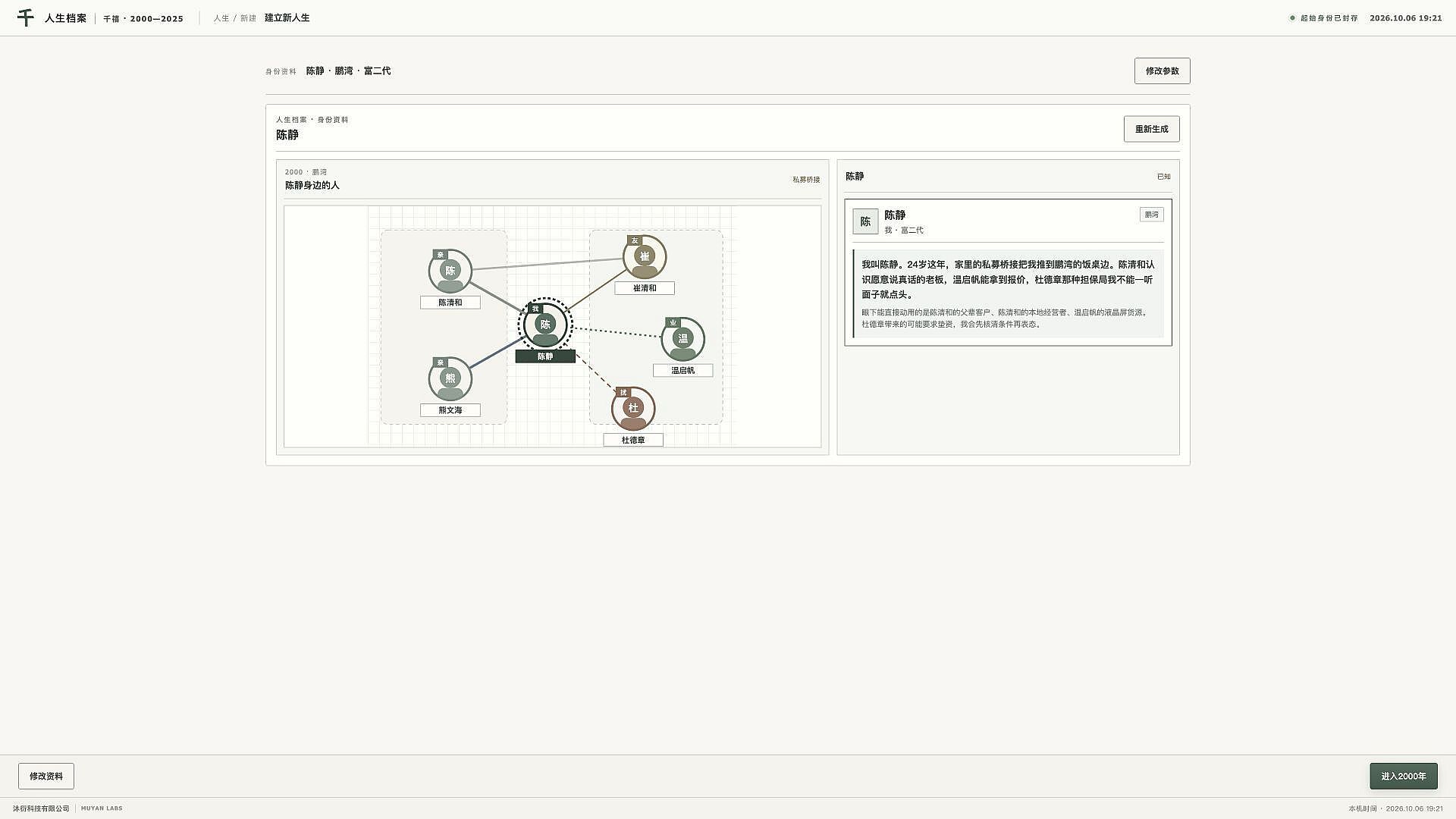
Background selection at the start influences available paths, while city choice shapes local opportunities and constraints. The period from 2000 to 2025 brings shifting conditions around funding, property, and social dynamics, all filtered through the player's remembered knowledge of broad trends. The game maintains a fictional cast of characters and entities to avoid direct real-world market modeling.
Is It Worth Playing?
This early access title suits players drawn to thoughtful strategy and simulation experiences that combine business decision-making with life management elements. The retro interface and emphasis on negotiation, investment timing, and overlapping personal systems provide a focused sandbox for experimenting with different approaches to building and sustaining a life across two decades. Support for Simplified Chinese forms the primary language option, with AI features dependent on connectivity. Those who enjoy deliberate pacing, term negotiation, and long-term consequence tracking in a single-player setting will find the core loop aligns closely with those interests. The fictional nature of characters and events keeps the focus on player-driven choices rather than historical accuracy.











