







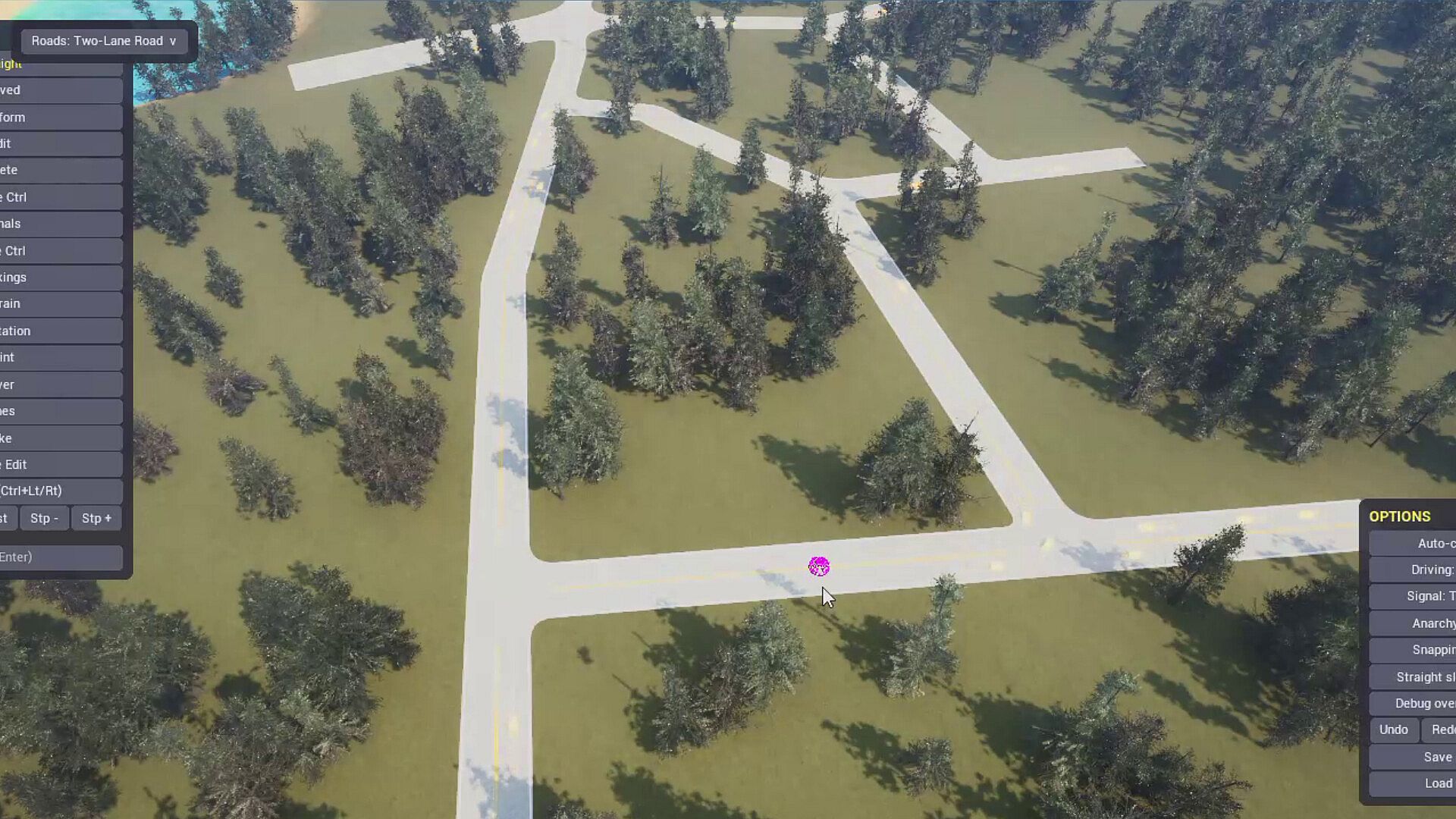

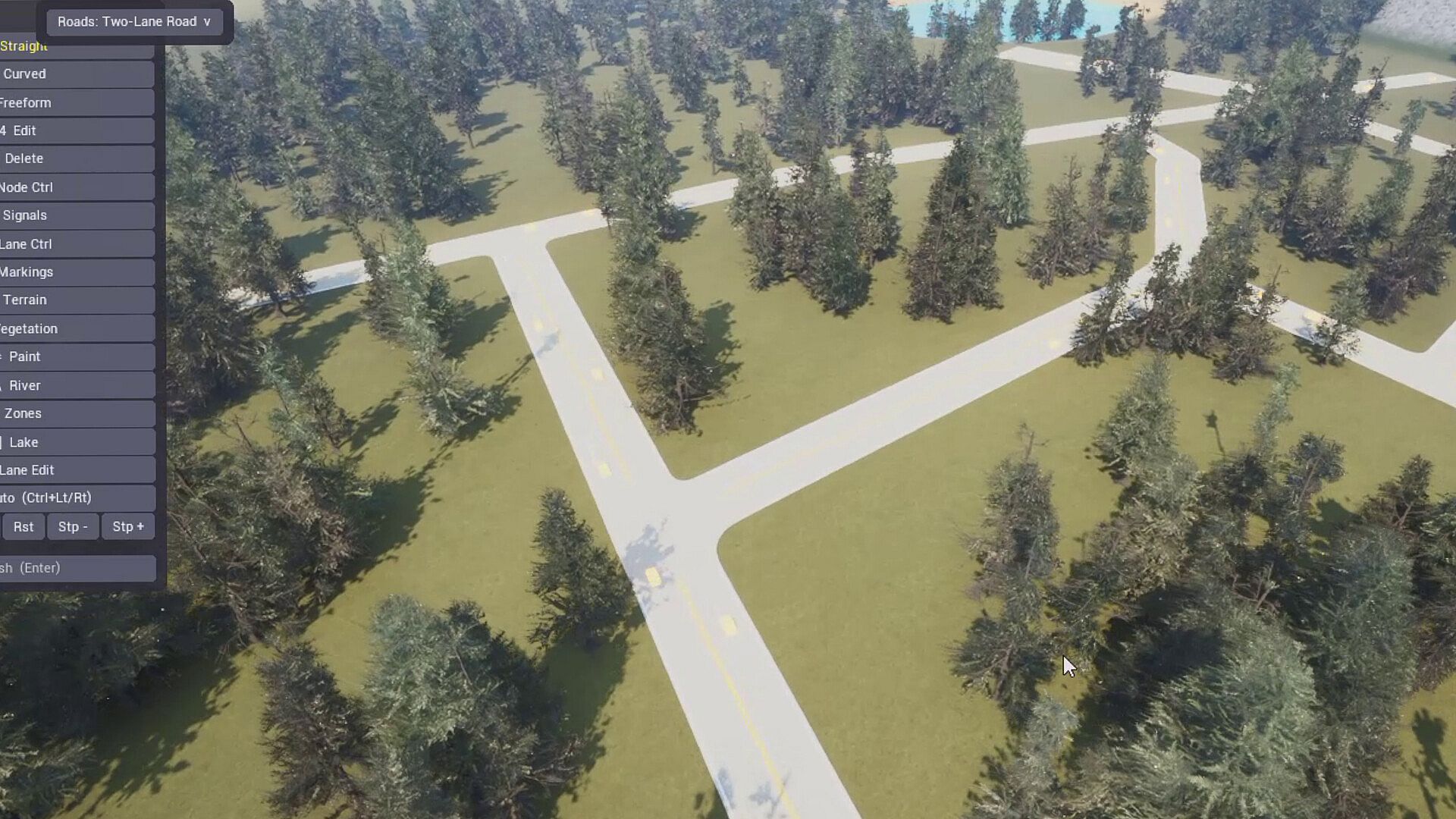
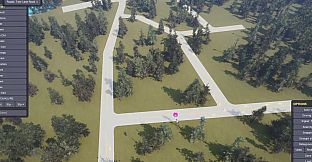

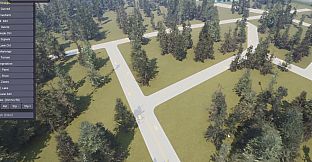
Regions is a single player city building and regional management simulation available on PC in Early Access. Players shape an entire region of connected towns, cities, industrial zones, suburbs, and rural areas rather than focusing on one isolated settlement. The experience centers on infrastructure planning, transportation networks, land development, and the daily lives of individual residents who respond to every decision.
Gameplay
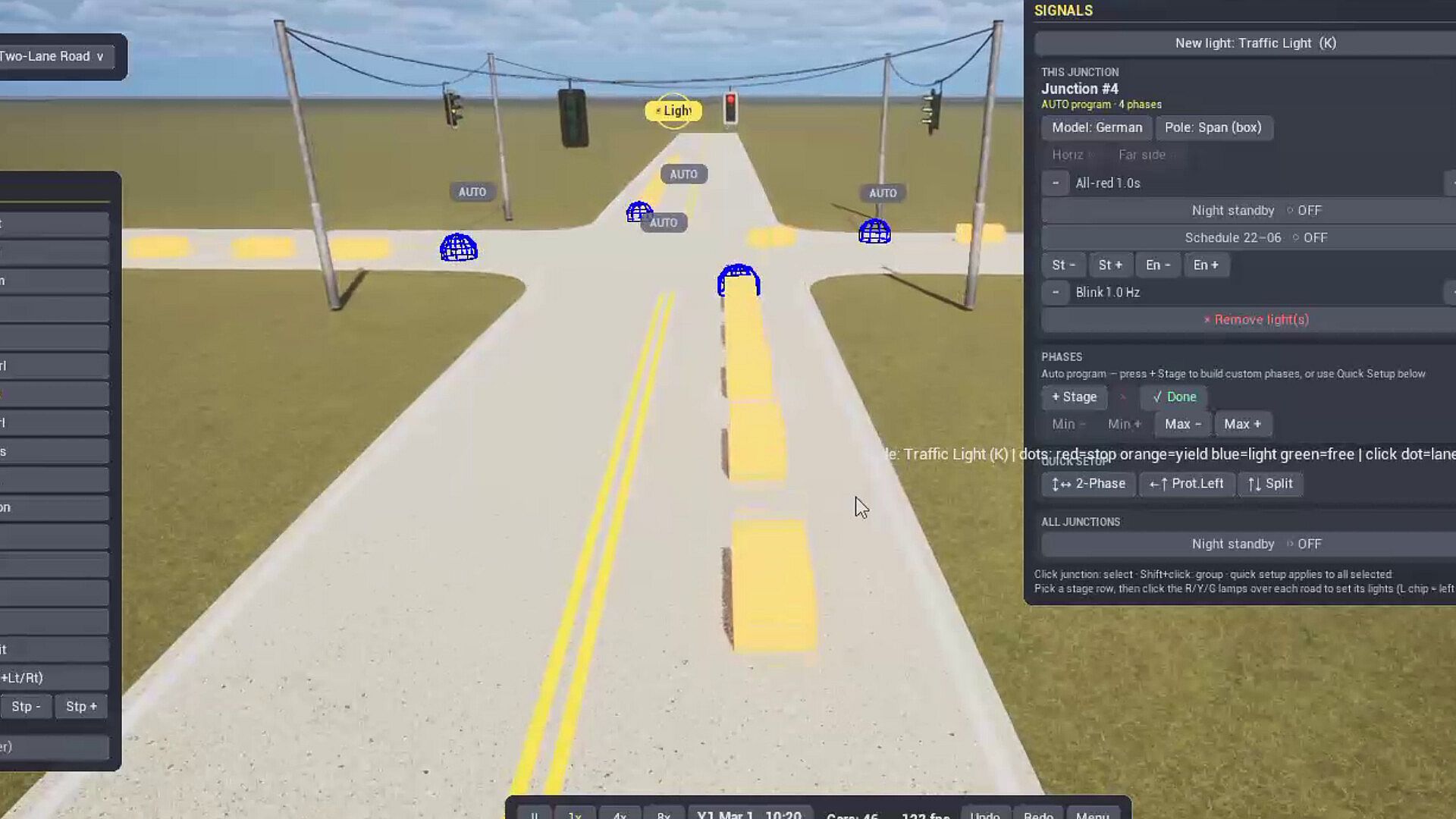
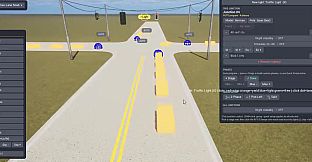
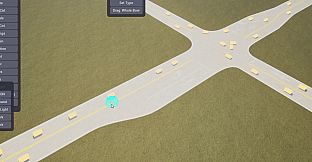
The core loop involves transforming open land into a functioning region through careful infrastructure design and ongoing management. Roads form the foundation, built from functional lanes that support driving, turning, parking, transit, cycling, and pedestrian movement. Intersections, roundabouts, highways, bridges, and elevated sections must account for traffic flow, with lane rules and signals directly influencing vehicle behavior.
Land development follows road networks that create blocks and parcels. Zoning tools determine residential, commercial, or industrial use, while factors like accessibility, land value, parking, and nearby services shape how buildings emerge. Development can occur naturally or under direct player control for key districts. Residents act as individual agents with homes, jobs, schedules, and needs, commuting across the region and contributing to traffic patterns and economic activity.
Growth brings new challenges. Expanding roads and services must keep pace with demand, while declining areas risk losing population and investment. Events such as traffic incidents, construction, weather, or emergencies disrupt routines and require adaptive responses that ripple through the transportation system.
Game Modes
Regions operates as a pure sandbox simulation. There is no required storyline or fixed city layout. Players begin with undeveloped land and decide the character of the region, whether that means a dense metropolitan network, independent towns linked by highways, a transit focused system, or any other configuration. The single player format emphasizes continuous, self directed management without multiplayer elements or campaign constraints.
Infrastructure and Transportation Systems
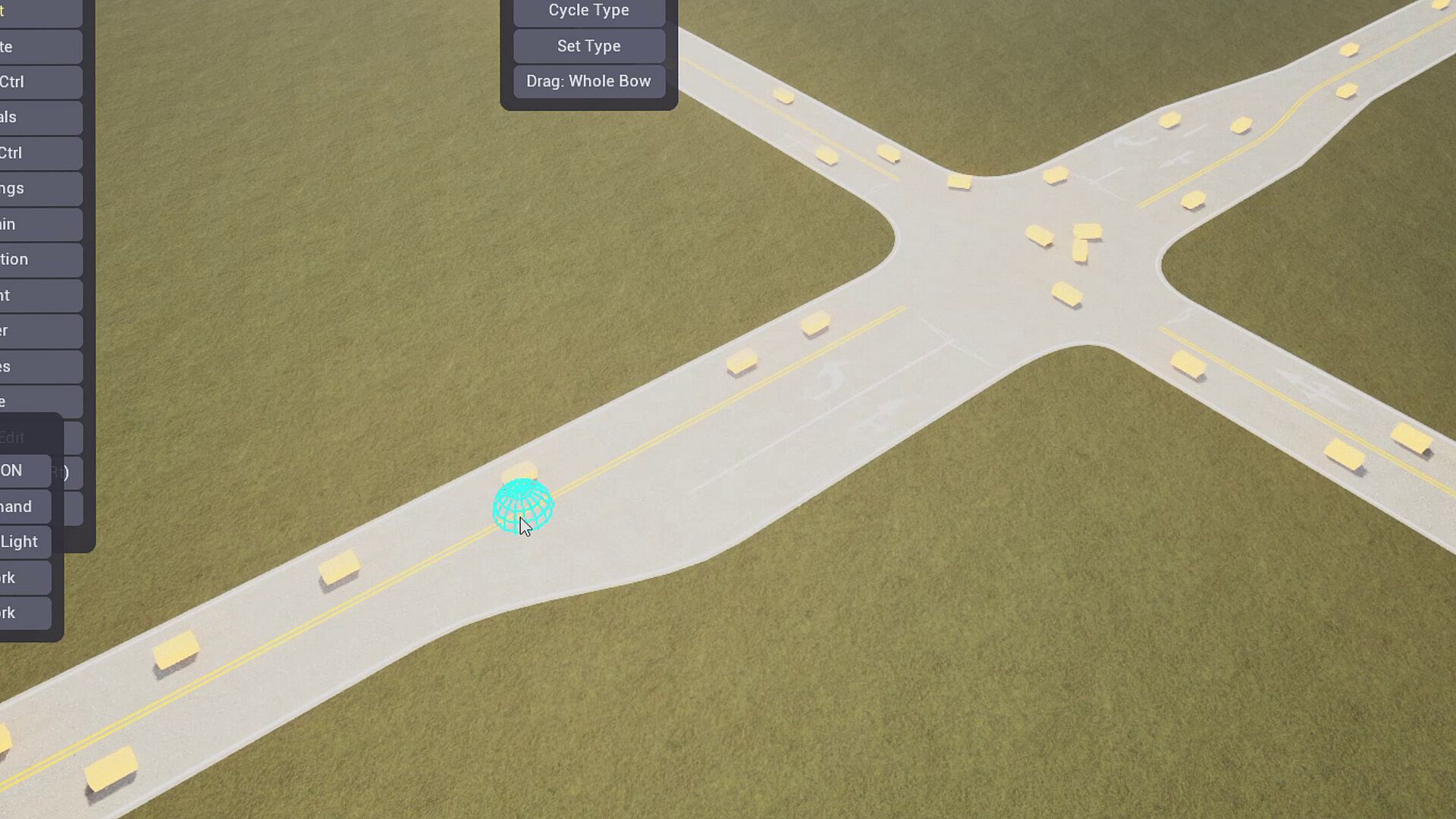
Road construction uses straight, curved, and freeform tools to create detailed networks. Functional lanes and intersection layouts determine how vehicles merge, yield, and navigate congestion. As the region expands, older roads require upgrades to eliminate bottlenecks and connect distant communities. Traffic consists of individual drivers with distinct behaviors rather than abstract percentages, allowing targeted interventions like lane controls or signal adjustments.
Public services, utilities, and freight movement share the same infrastructure. Successful connections can boost development across multiple areas, while poor planning in one spot can affect distant neighborhoods. Players monitor data to identify issues and refine the network over time.
Population and Regional Balance
Individual residents drive the simulation through their routines and choices. They travel between homes, workplaces, shops, and services, influencing demand for housing, employment, and amenities. Neighborhood desirability, parking access, and land value affect where people choose to live and work. Balancing residential, commercial, and industrial zones with transportation capacity and municipal finances becomes essential as the region matures.
Construction, maintenance, and redevelopment costs must align with tax revenue. Rapid expansion can strain resources, while slower growth allows for more deliberate planning. The simulation responds to thousands of interconnected decisions without following a predetermined path.
Is It Worth Playing?
Regions suits players who enjoy detailed, systems driven city building with an emphasis on realistic transportation and agent based population simulation. The sandbox approach rewards experimentation with different regional layouts and infrastructure priorities. Those seeking a focused single player experience centered on infrastructure, land use, and emergent traffic patterns will find substantial depth in the mechanics described. As an Early Access title, the game continues to evolve, making it a strong option for simulation fans comfortable with ongoing development and iterative improvements.











