






Recently Extinct is a single-player indie simulation and adventure game focused on excavation and quiet discovery in a post-catastrophe world. Players dig through soil and rubble to recover ordinary objects that later generations have misinterpreted in a museum setting, gradually revealing the human stories attached to each item.
Gameplay
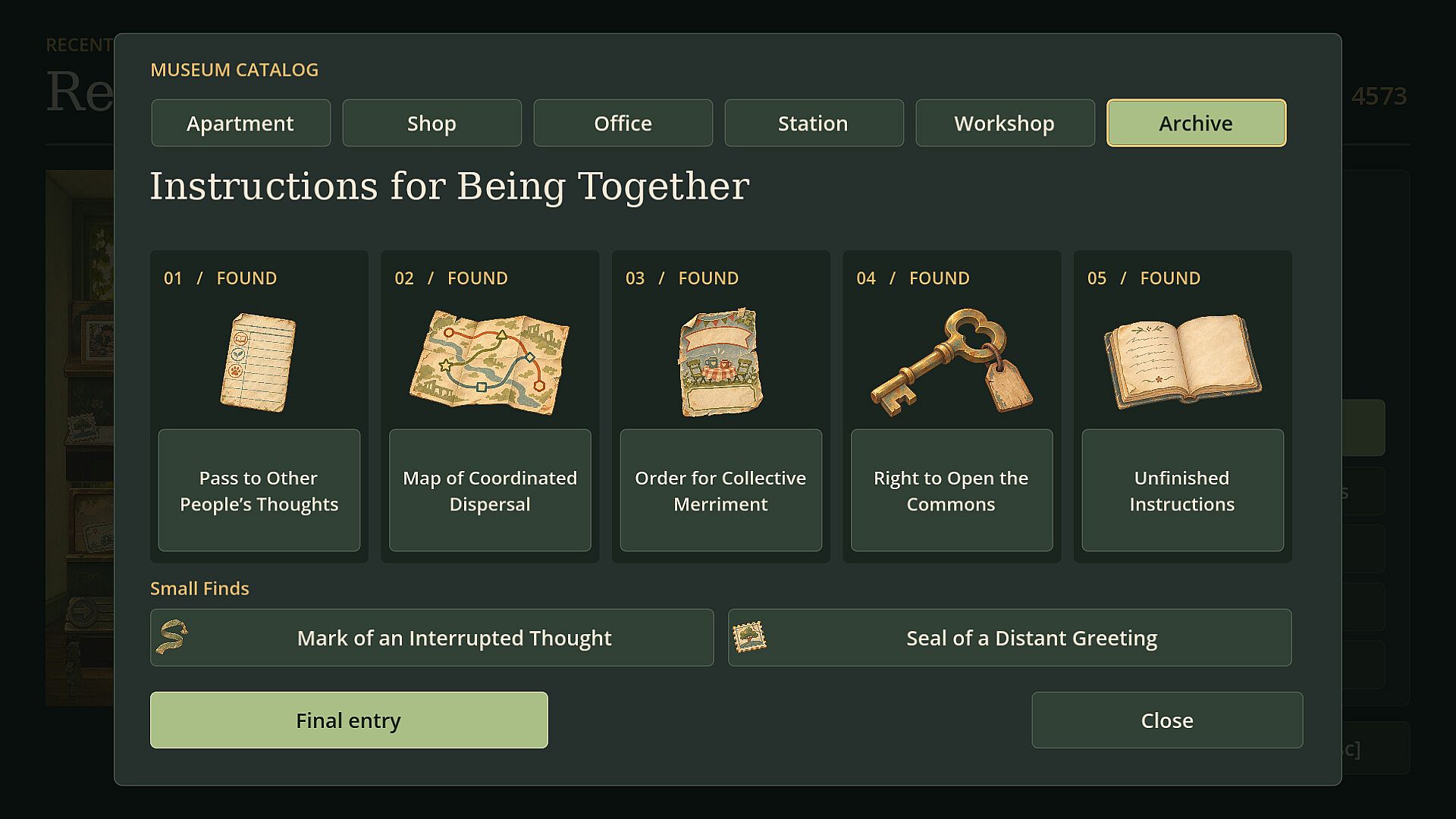
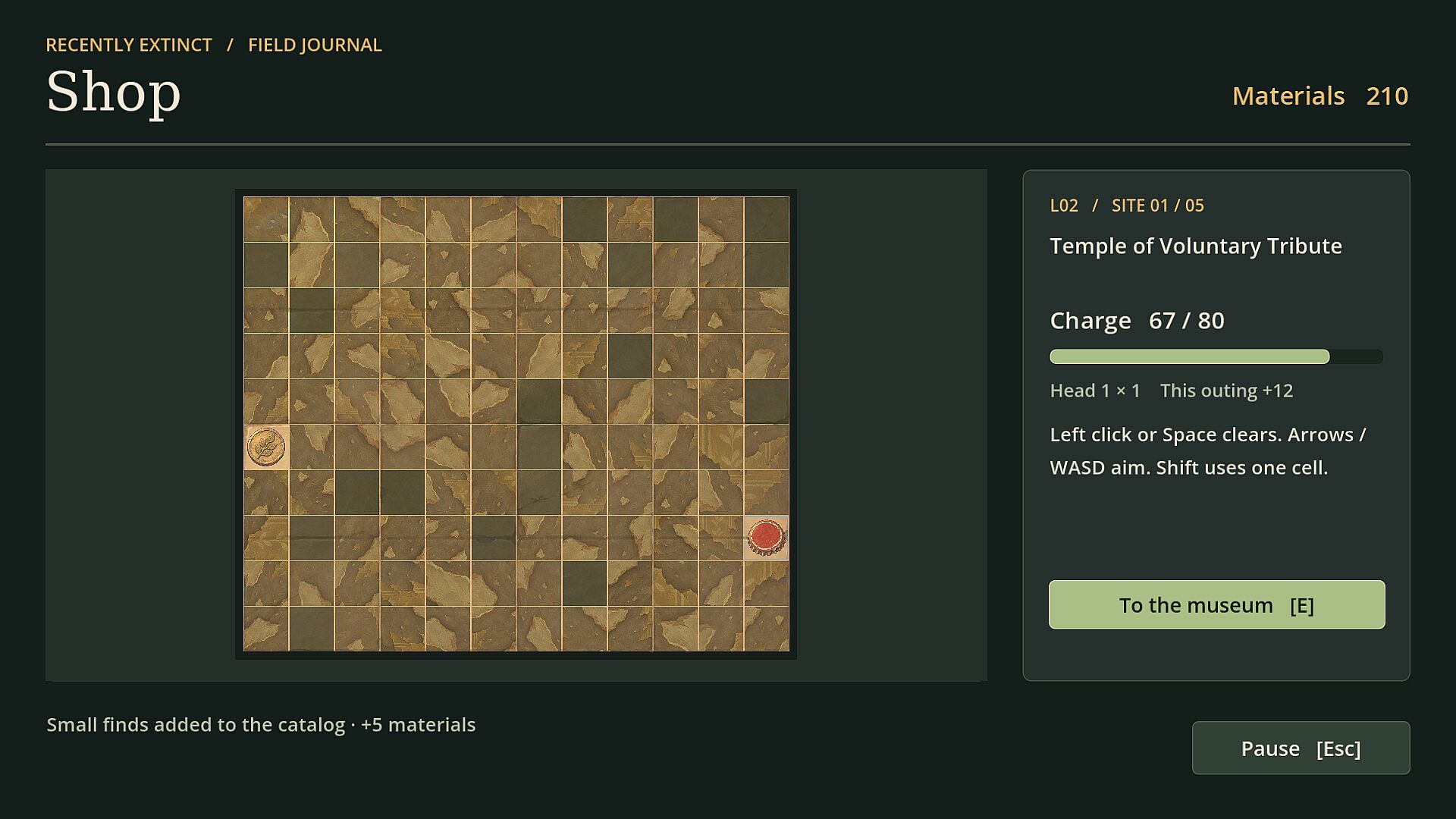
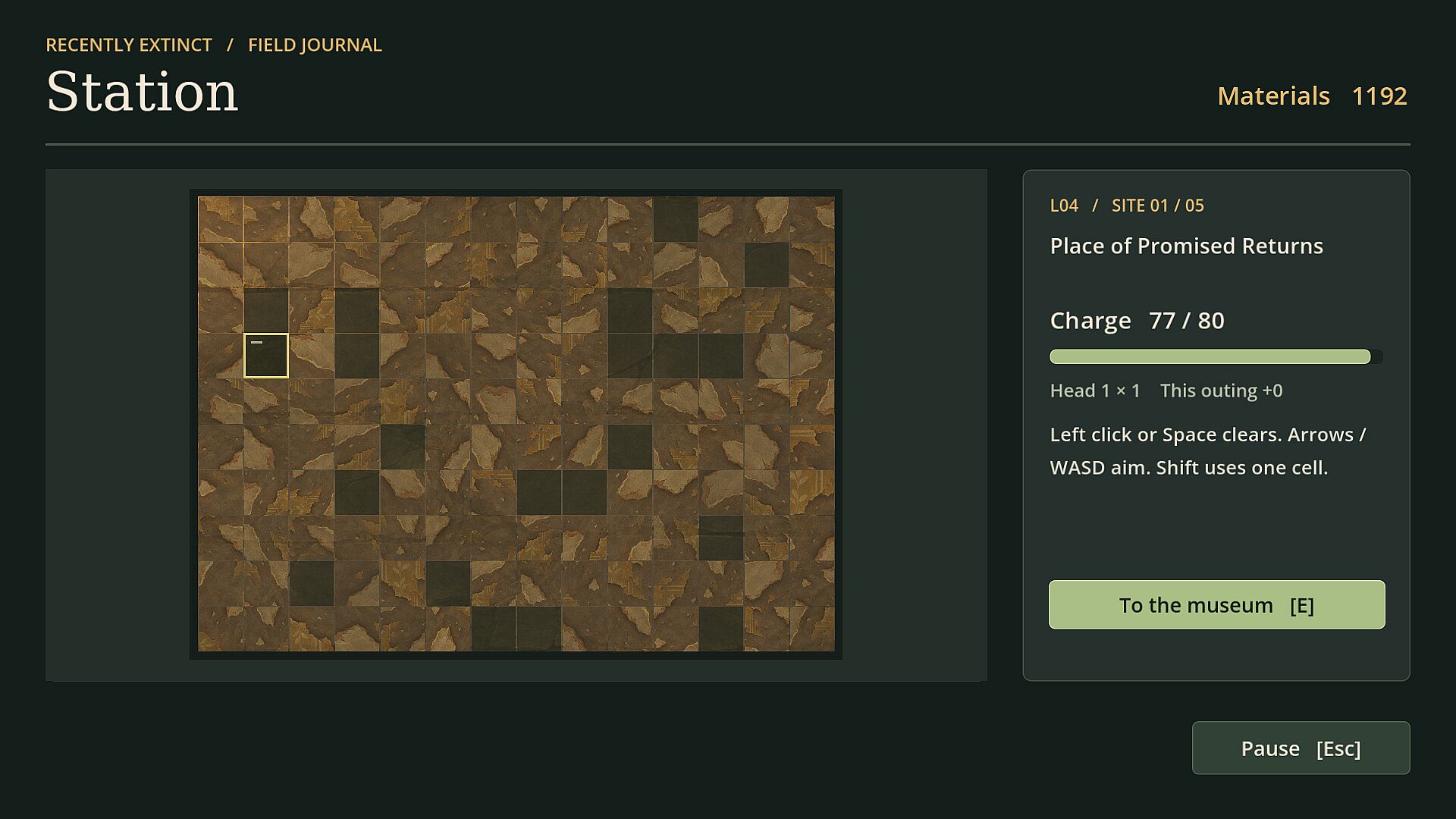
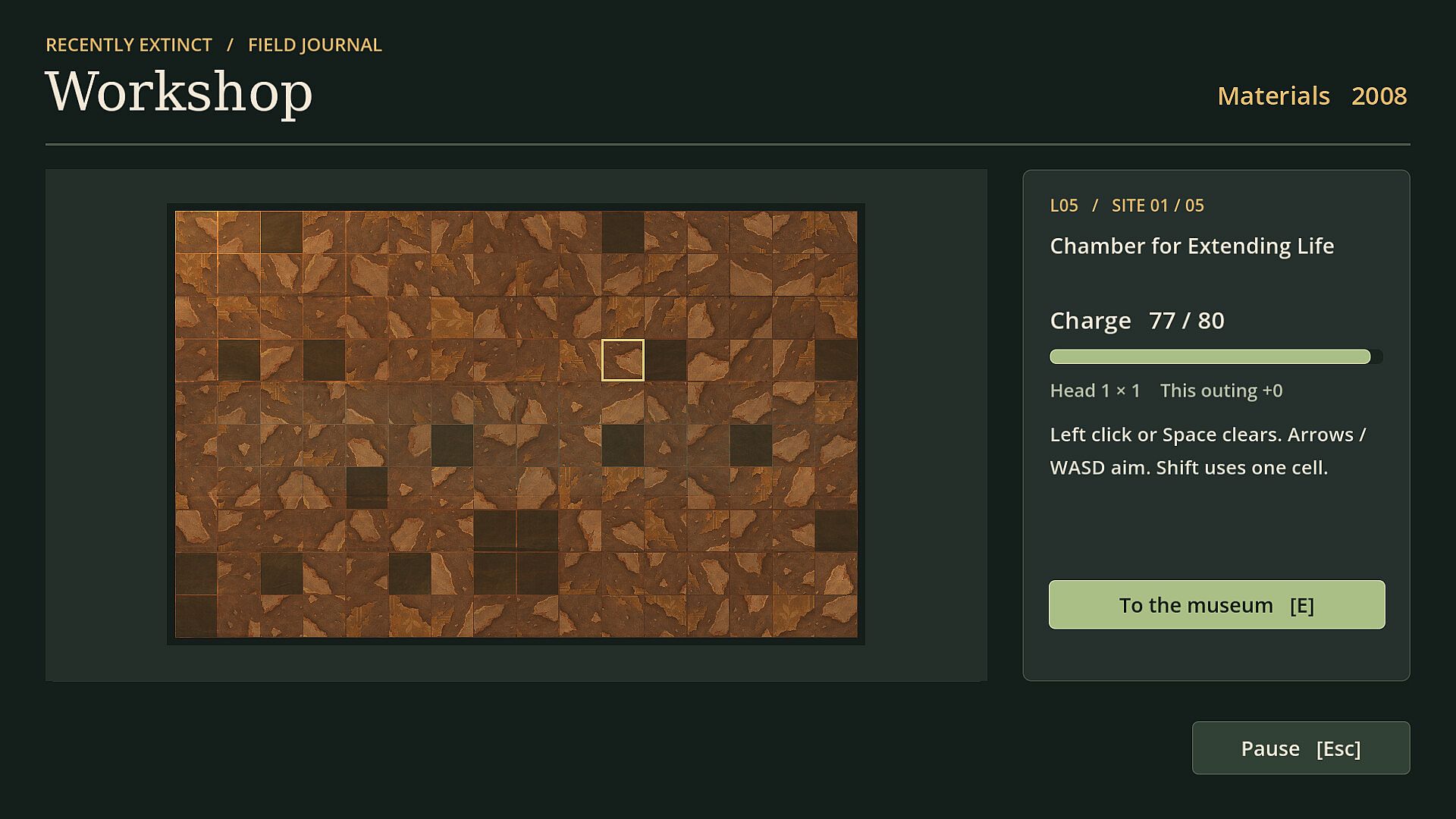
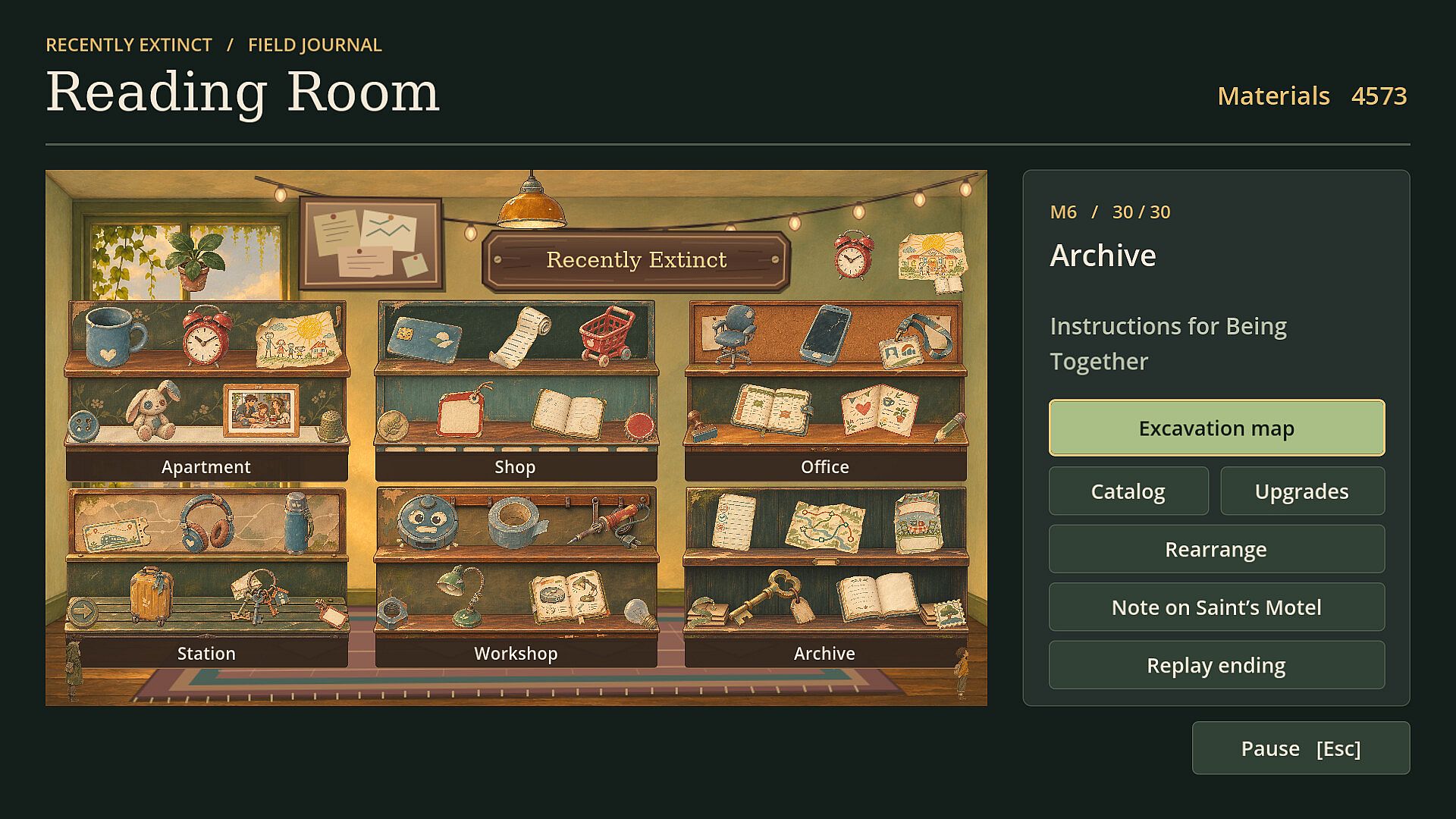
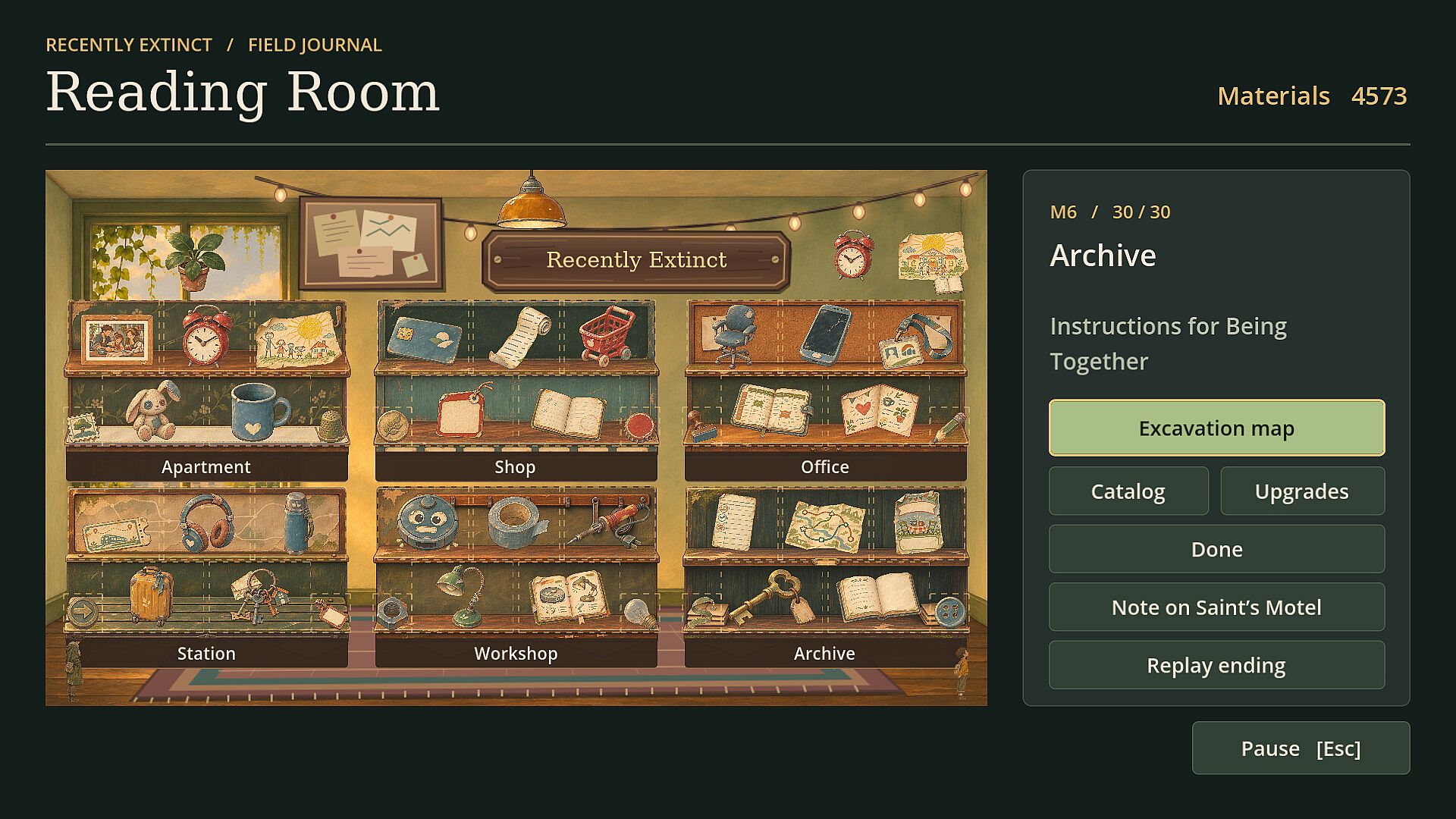
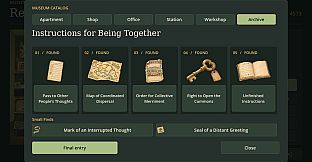
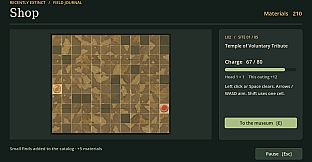
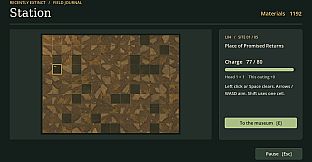
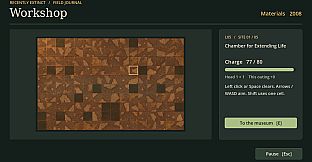
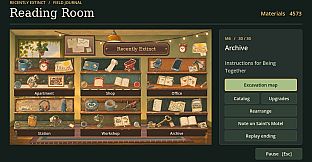
The core loop centers on excavation sessions across six distinct locations, including an apartment, a shop, an office, a station, a workshop, and an archive. Players clear away debris to uncover exhibits and small finds while collecting materials that support tool improvements. Progress carries over between visits to the museum, where the abandoned reading room gradually transforms as displays fill with new items. Upgrades cover strength, charge, and attachments, with a total of 28 tool upgrades available to expand digging capacity and efficiency. Experimentation with different attachments encourages varied approaches to clearing ground during each return trip.
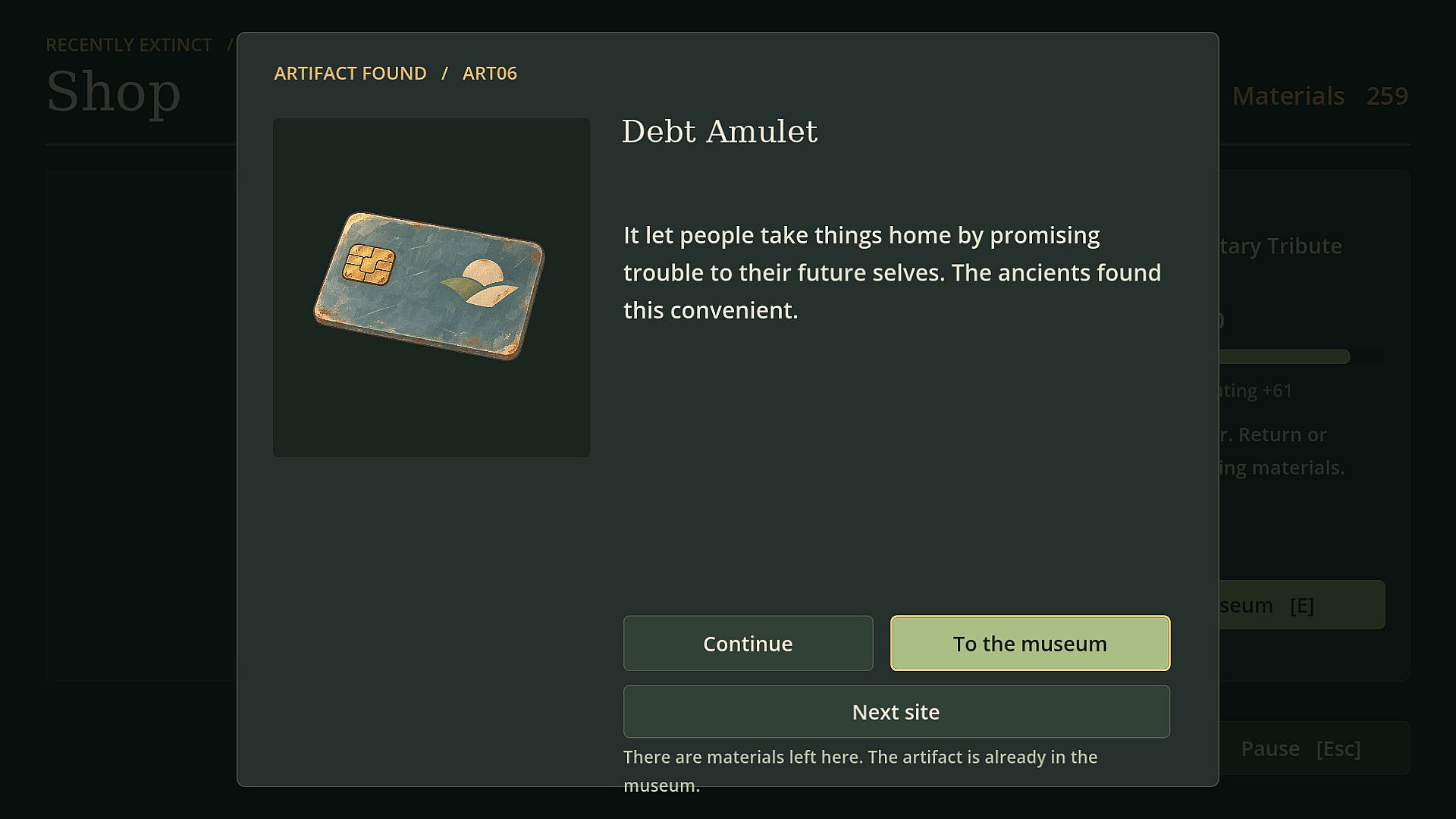
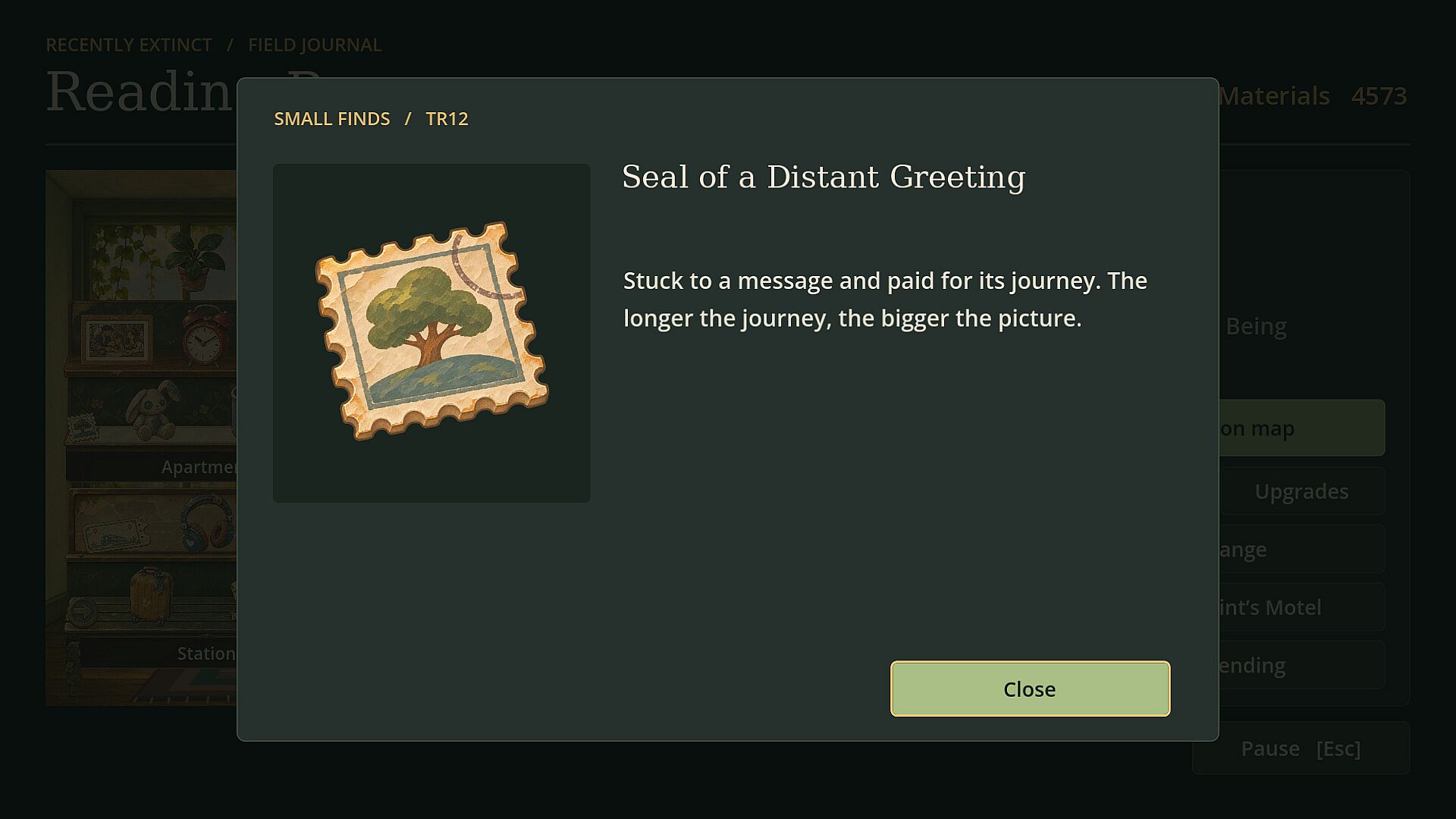
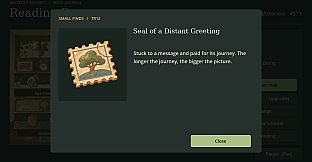
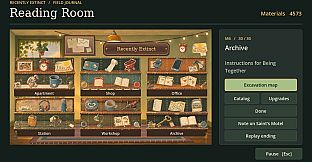
Once objects reach the museum, players arrange exhibits in showcases and reposition small finds across open displays. Each item begins with a mistaken interpretation that reflects the settlement's limited understanding, followed by the true story behind its collection. Six collections incorporate 30 exhibits and 12 small finds, each tied to small narratives delivered through familiar everyday objects and understated museum-style humor. The experience emphasizes deliberate pacing without combat or resource management systems that demand constant attention.
Game Modes
Recently Extinct operates as a linear single-player adventure with built-in replay elements. The primary mode guides players through the six excavation sites toward a complete ending. After finishing the main story, the game supports repeat excavations that allow continued exploration of the same locations with upgraded tools. A catalogue system lets players revisit collected items and their associated stories at any time. No separate competitive or multiplayer modes exist, keeping the focus on solitary, reflective play sessions that can be adjusted for text size, control remapping, and animation reduction.
Exploration and Progression
Progression builds through persistent tool enhancements and the steady accumulation of museum pieces. Each successful dig yields materials for further upgrades, while the museum itself evolves visually as collections grow. The six small stories unfold gradually through object descriptions, rewarding careful reading and repeated visits. Accessibility features support mouse, keyboard, or controller input, allowing players to tailor the experience to personal comfort without altering core mechanics.
Is It Worth Playing?
Recently Extinct suits players who enjoy short, thoughtful single-player simulations centered on discovery and light narrative rather than action or competition. Its structure supports a complete first playthrough followed by optional returns for additional excavation and catalogue browsing. With no combat, survival elements, or time pressure, the game appeals to those seeking a calm pace and opportunities to reflect on ordinary objects recontextualized after catastrophe. As an unreleased title, its reception remains to be seen, but the described systems emphasize accessibility and personal pacing for a focused audience.











