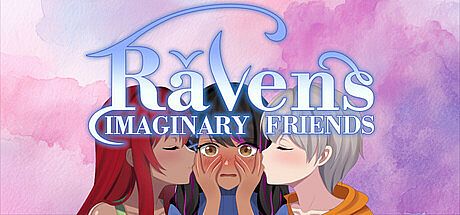



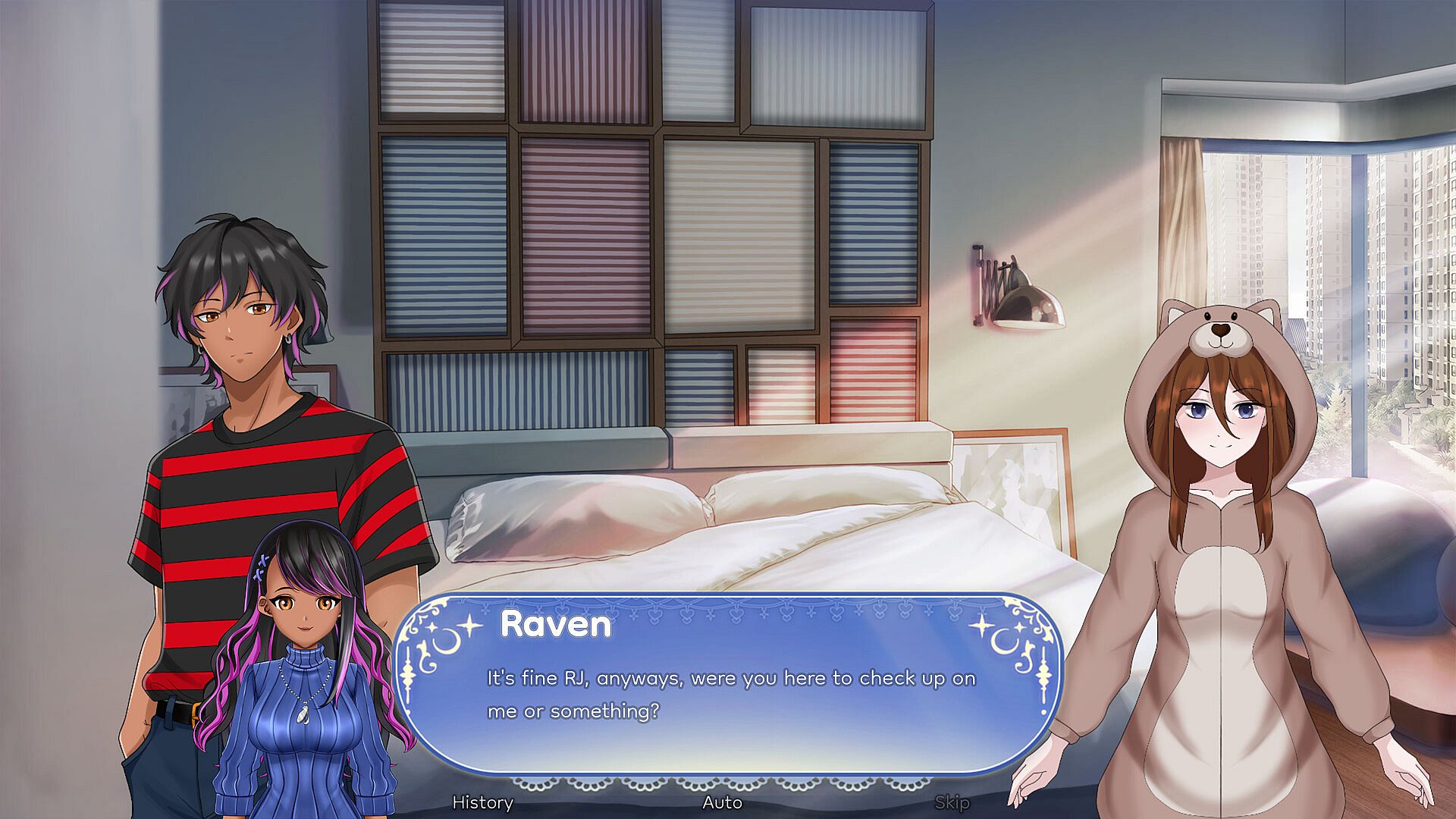

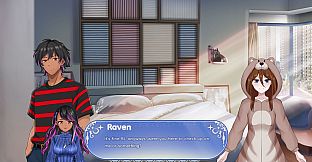


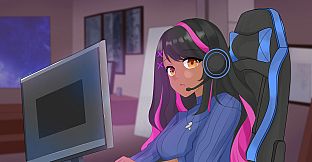
Ravens Imaginary Friends is a single-player adventure visual novel set on PC. The story follows Raven after a life-threatening accident that leaves her recovering both physically and emotionally. Upon waking, she discovers that her childhood imaginary friends, Robin and Venus, have materialized as adults in the real world. Both women confess long-hidden feelings for her, creating an immediate and complex love triangle that has simmered in her subconscious for years.
Gameplay
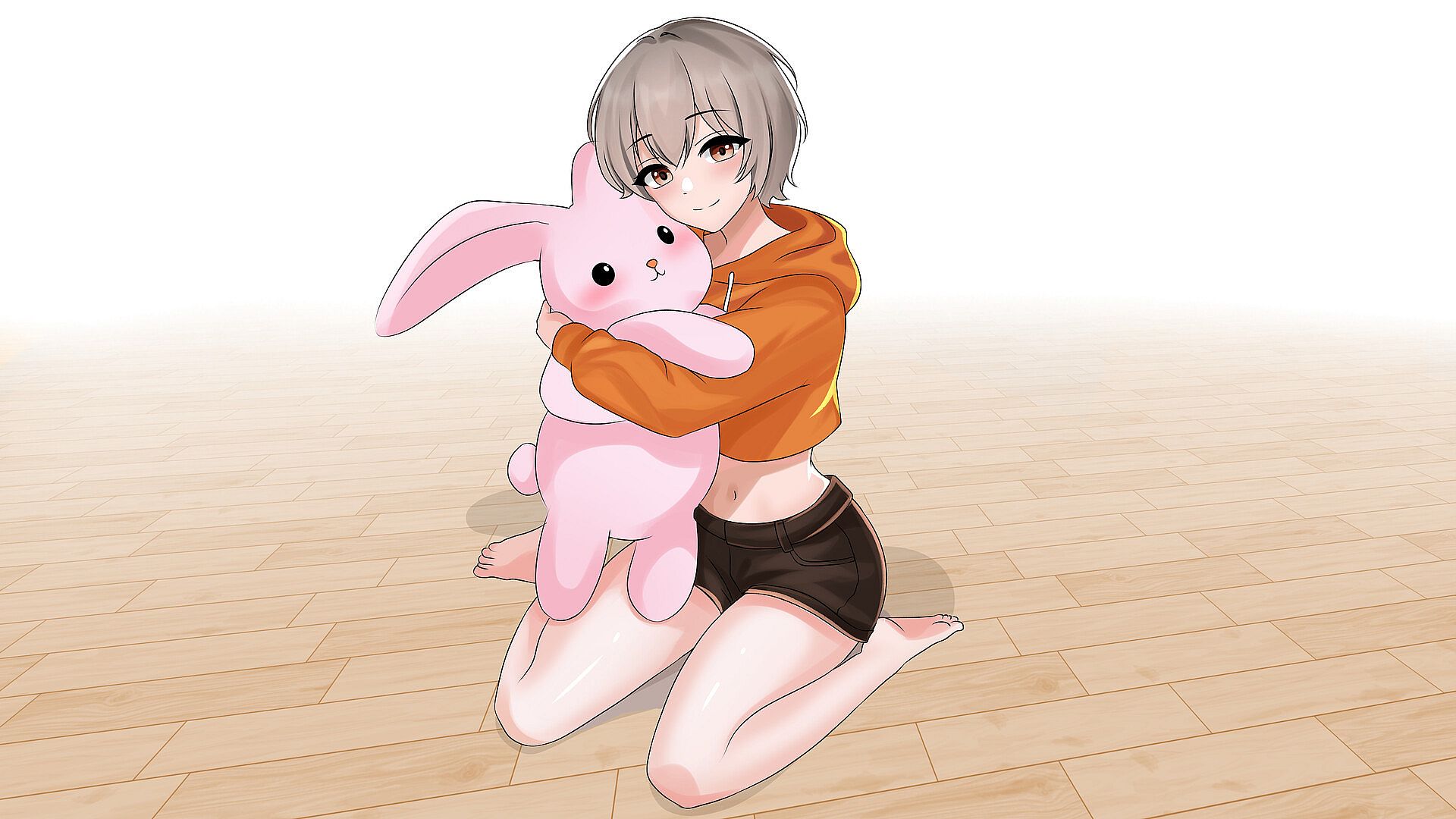
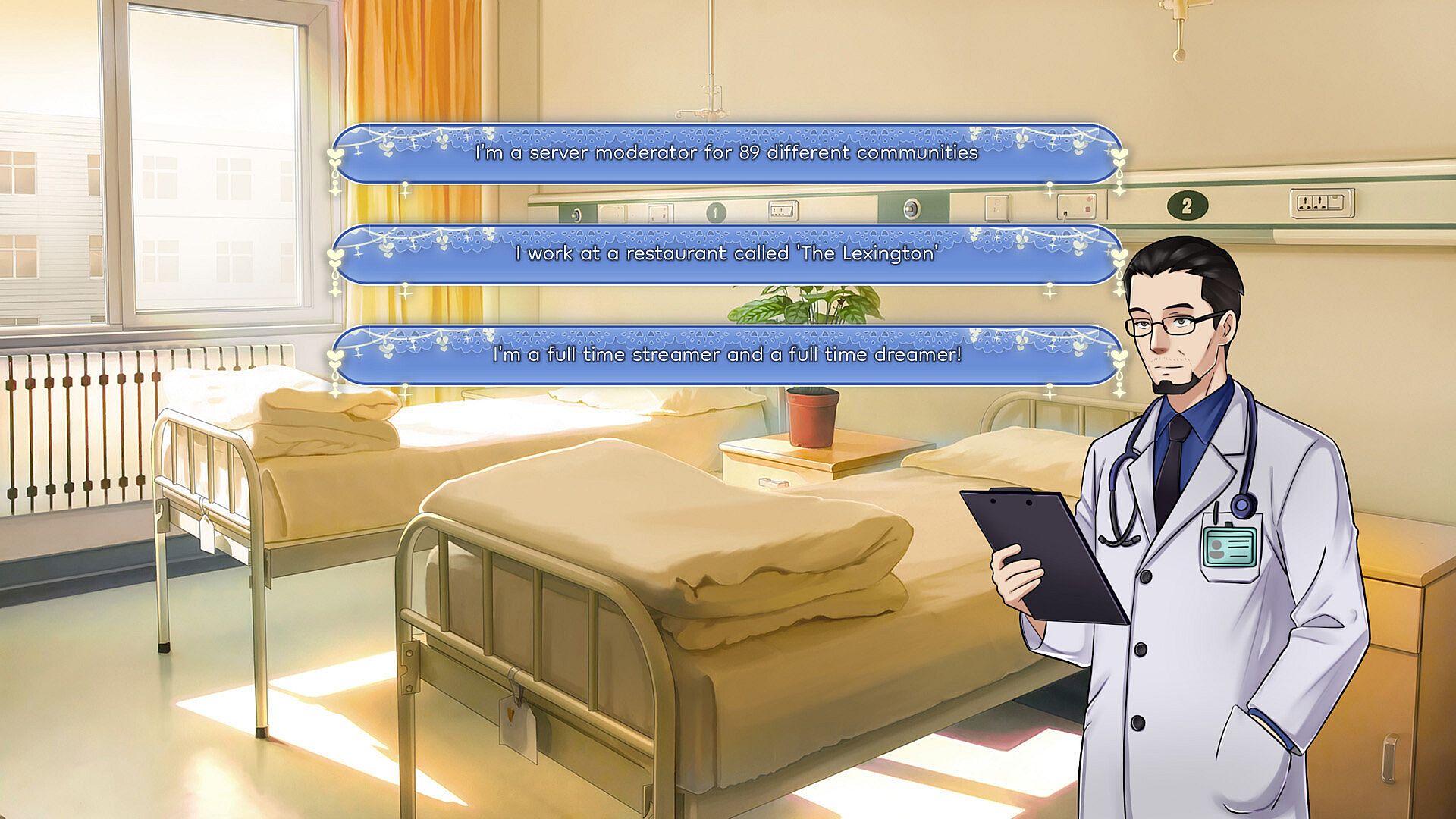
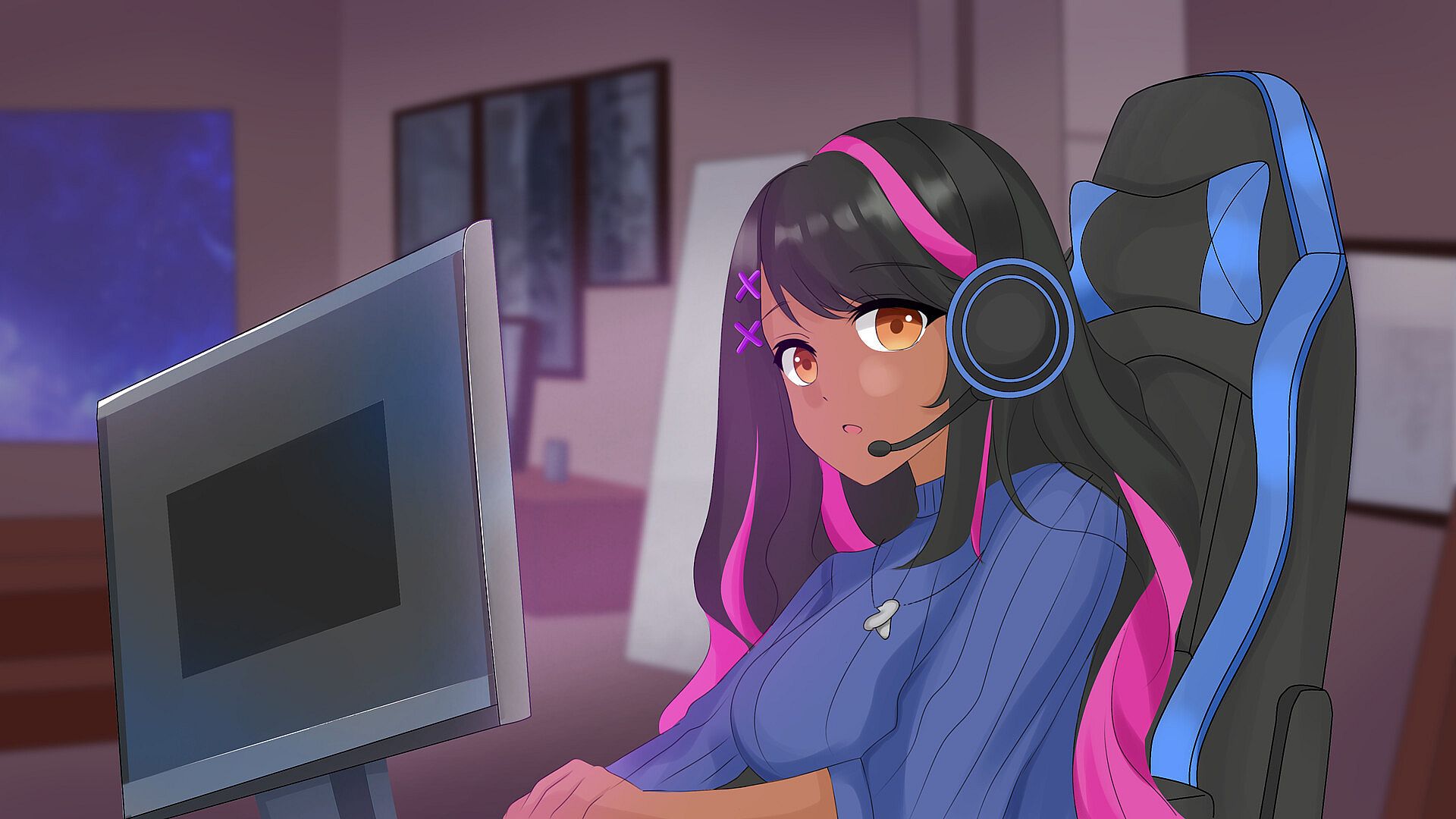
The core loop centers on daily life management and narrative choices. Raven balances medical recovery, returning to work, and interactions with friends and family while navigating romantic developments. Dialogue trees and decision points shape how relationships evolve, with emphasis on emotional conversations and intimate moments. The experience highlights yuri themes through multiple kissing scenes and romantic progression between female characters. Fully voiced performances bring every line of dialogue to life, and the hand-drawn artwork depicts characters and settings in detailed, consistent style across all scenes.
Progression feels deliberate rather than rushed. Players spend time reading through extended conversations that explore personal histories, current struggles, and shifting dynamics. Recovery elements appear as light constraints on energy or schedule, forcing thoughtful allocation of time between work obligations, social visits, and private moments with Robin or Venus. The 100 percent human-created content avoids procedural generation, resulting in tightly scripted sequences that reward careful attention to character motivations.
Game Modes
The game structures its narrative around three distinct routes. Two primary paths focus on Robin and Venus individually, each offering unique dialogue branches, romantic milestones, and resolutions tailored to that character. A secret third route unlocks after certain conditions are met in the main paths, providing an alternate perspective on the central relationships. Route selection occurs through key choices during the story, and completing one path does not automatically grant access to the others without replaying with different decisions.
Each route maintains the same core systems of time management and conversation choices but diverges in tone and outcome. Players can expect multiple endings per route depending on how they handle conflicts between personal healing, family expectations, and romantic commitments. The structure encourages at least two full playthroughs to experience the main routes before pursuing the hidden content.
Story and Characters
Raven serves as the central figure whose perspective drives every scene. Her recovery arc intersects with the sudden appearance of Robin and Venus, forcing her to confront how childhood fantasies now occupy real space in her adult life. Robin and Venus arrive fully formed as adults, each carrying distinct personalities that influence how they express affection and compete for Raven's attention. Supporting characters from Raven's social circle provide additional context and occasional complications without overshadowing the central triangle.
The narrative explores themes of identity, subconscious desire, and the challenges of integrating fantasy into reality. Conversations frequently revisit the accident and its aftermath, giving players insight into Raven's mental state alongside the romantic developments. Voice acting covers all major dialogue, enhancing the emotional weight of confessions, arguments, and tender exchanges.
Is It Worth Playing?
Ravens Imaginary Friends suits players who enjoy story-driven visual novels with strong romantic focus and yuri elements. The route-based structure delivers replay value through different character perspectives and endings, while the fully voiced cast and consistent artwork maintain engagement across multiple hours of reading. Those seeking light time-management mechanics alongside relationship building will find the daily schedule system adds structure without overwhelming the narrative.
The game remains in active development, with no public release date or player review data available yet. Its emphasis on human-created content and explicit romantic content positions it for audiences comfortable with mature yuri storytelling. If the premise of childhood imaginary friends becoming romantic rivals appeals, the available route information suggests a focused experience centered on choice and consequence rather than open-world exploration or combat systems.