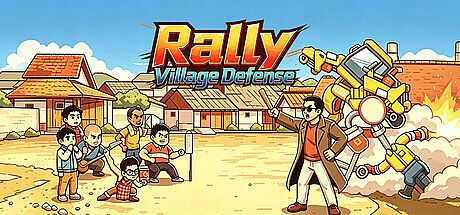









Rally: Village Defense is a casual strategy game for PC that combines backpack management, roguelike progression, and bullet heaven action in a single-player experience centered on protecting a rural village from advancing bulldozers.
Gameplay
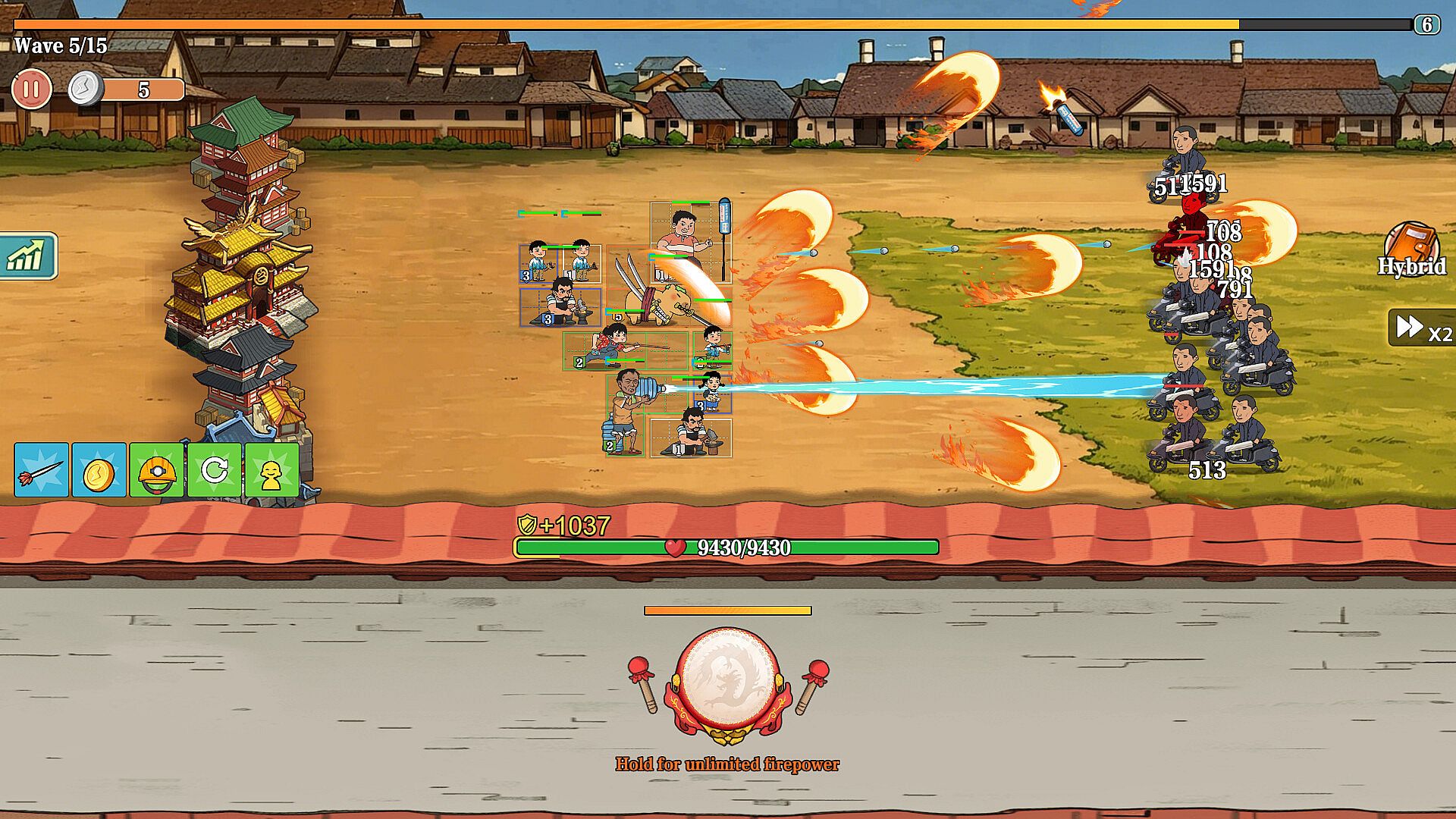
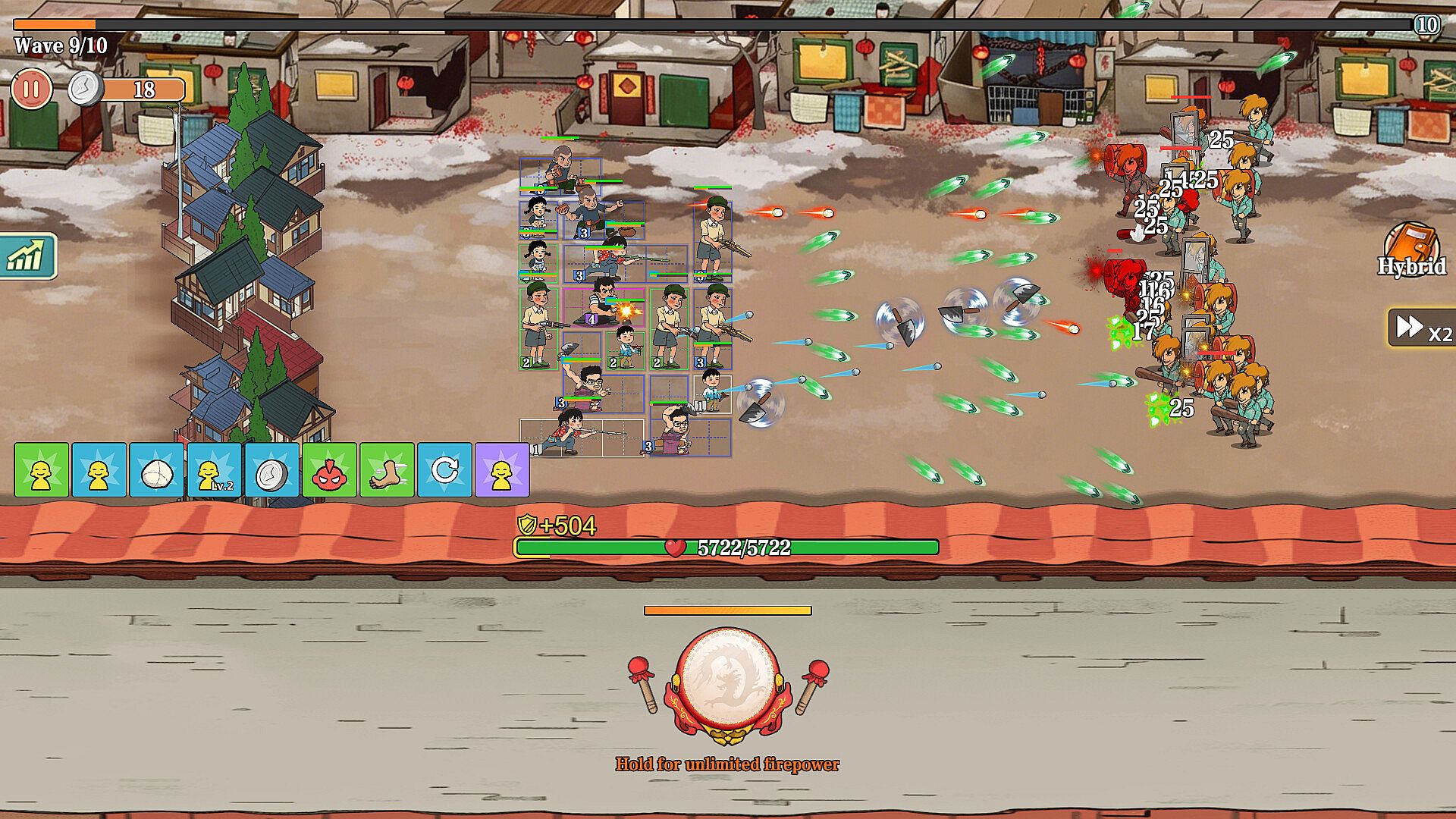
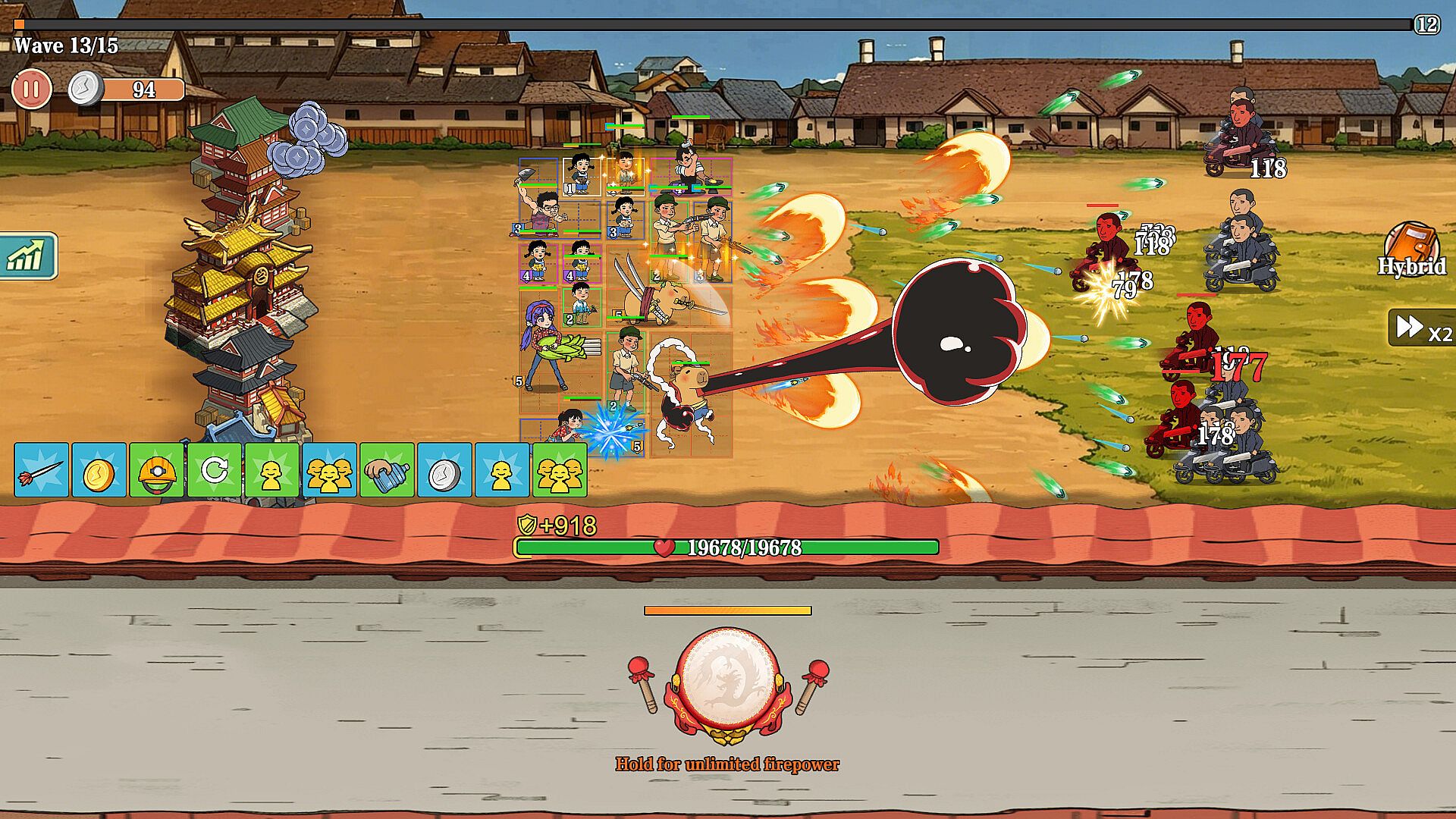
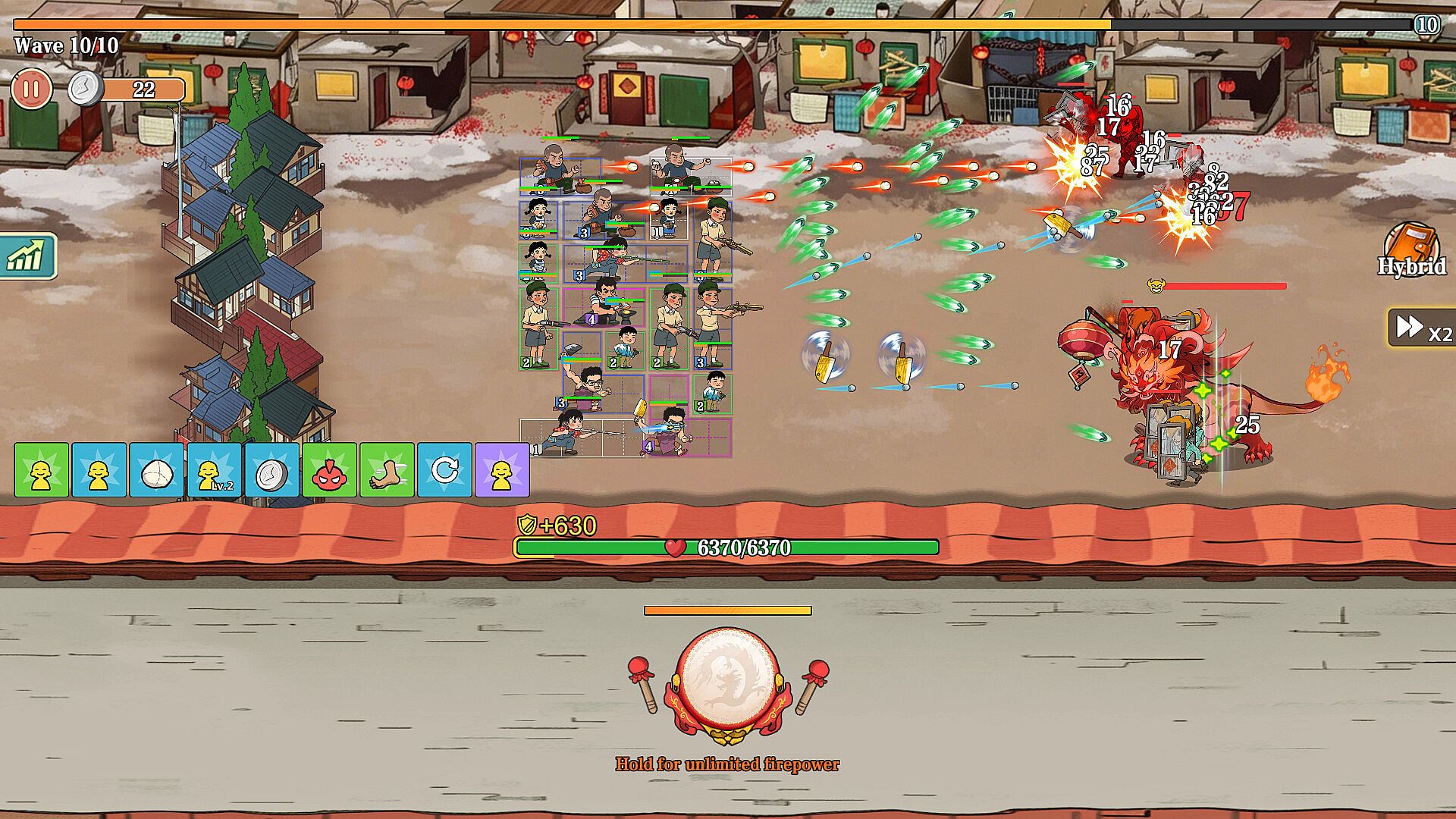
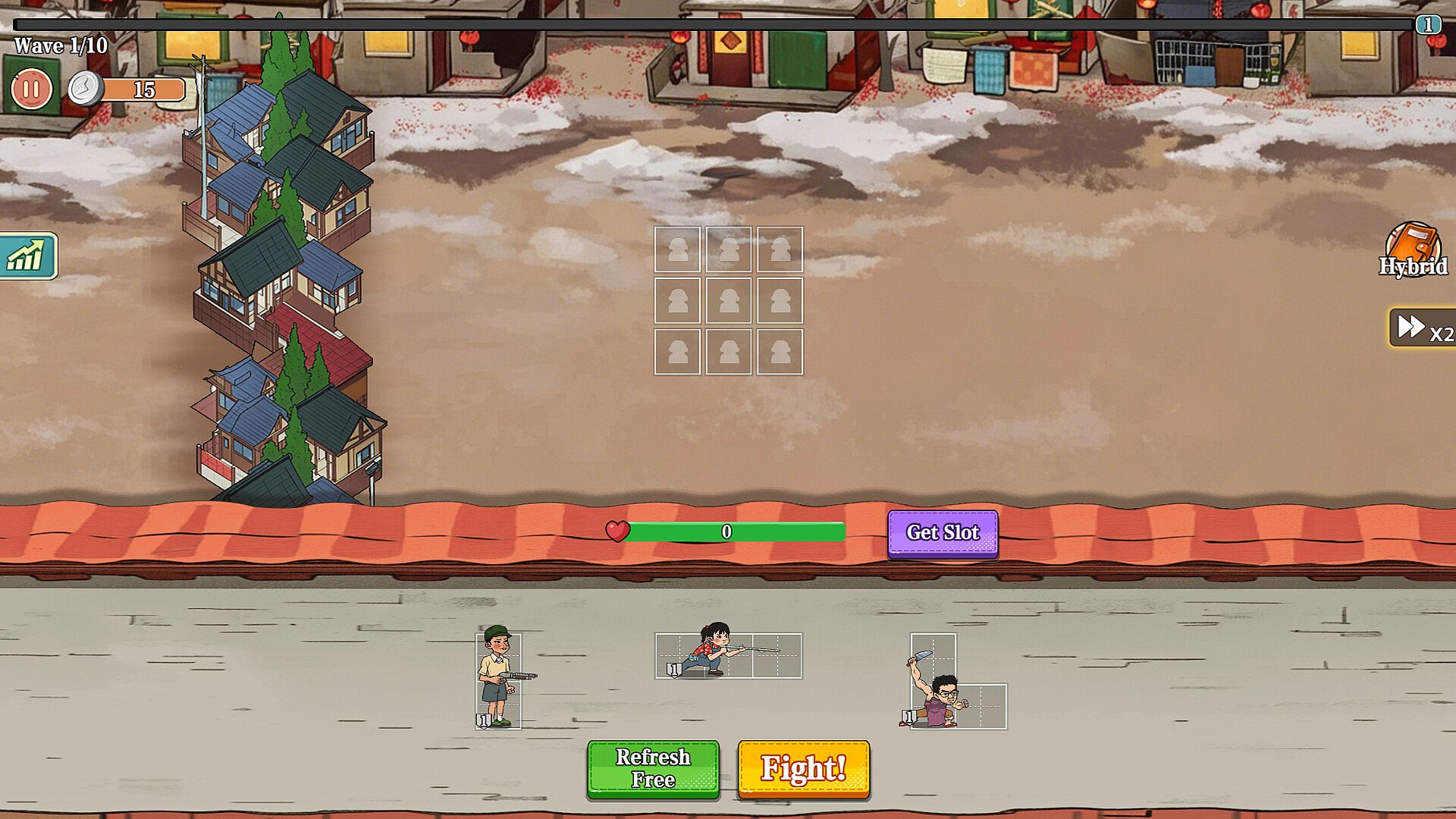
The core loop revolves around recruiting villagers, positioning them on a limited grid inside a backpack, and upgrading their abilities across successive levels. Each hero occupies a set number of slots, forcing players to weigh the benefits of a single high-impact unit against a spread of smaller, more flexible ones. Positioning matters because adjacent heroes can receive buffs or shields from certain characters, while ranged and melee types handle different threats in the advancing waves.
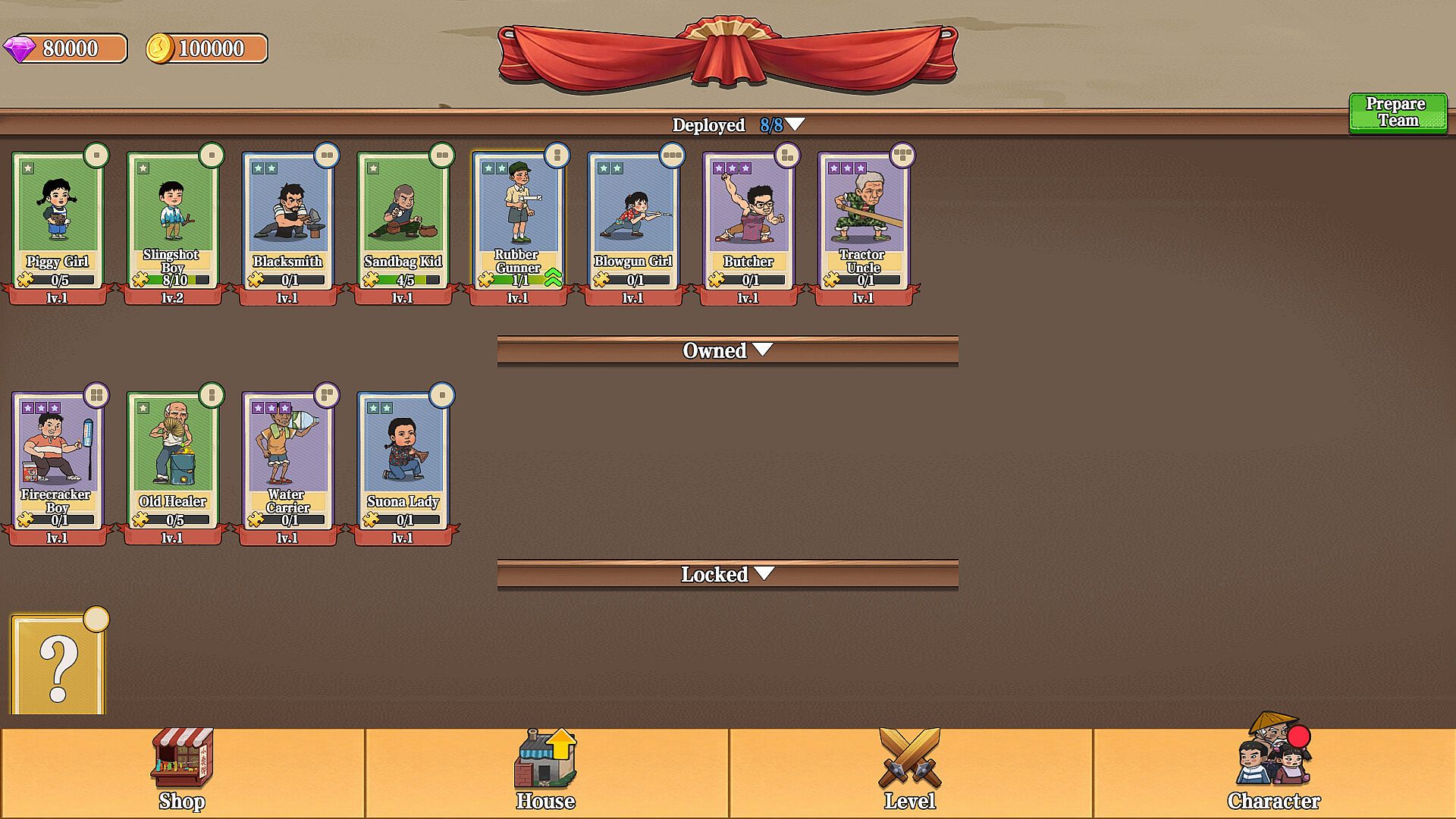
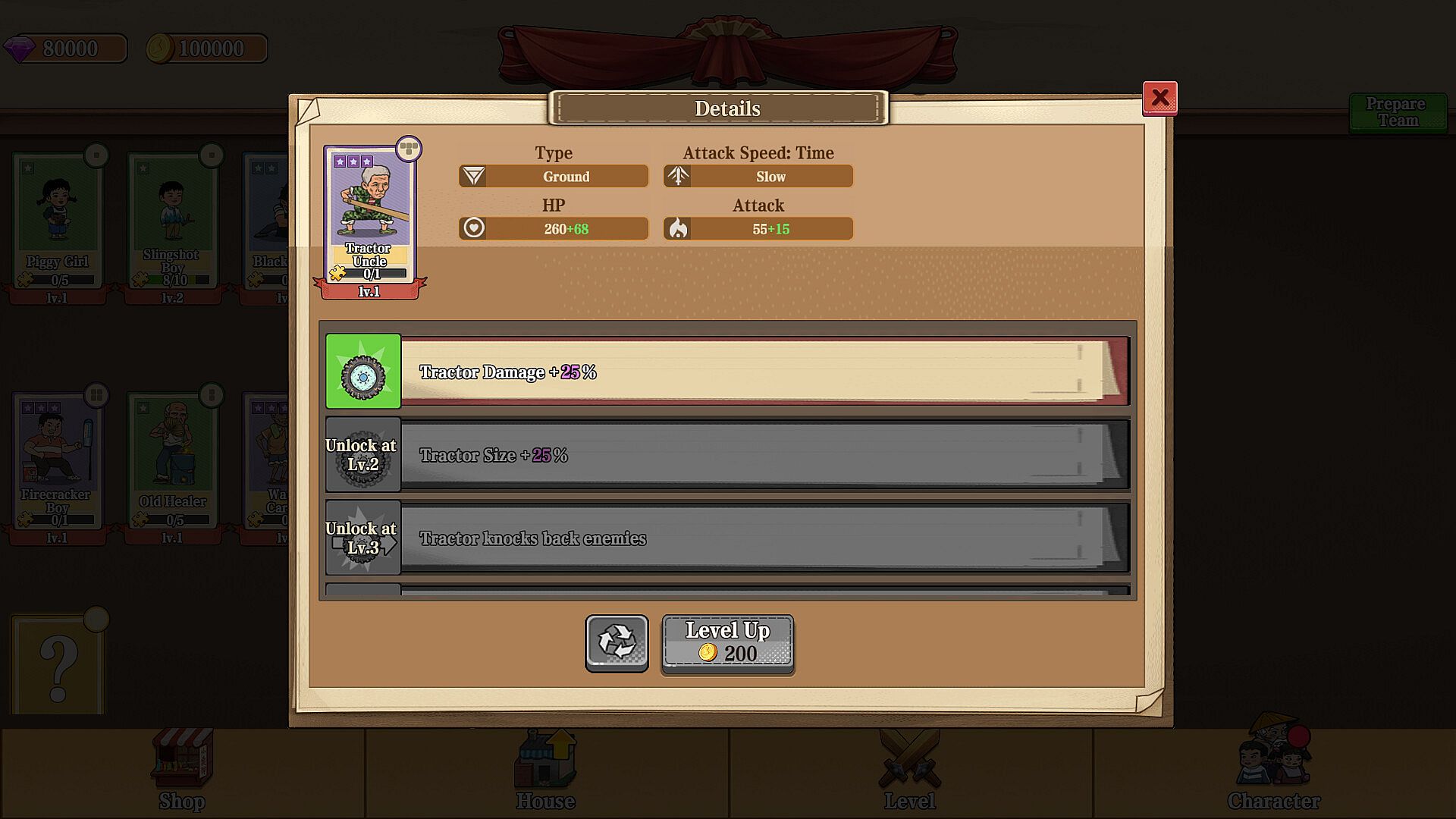
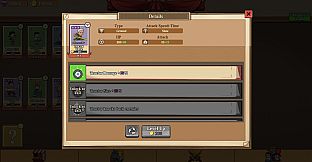
Twelve common heroes form the foundation of every run. Piggy Girl generates coins with her piggy bank shake. Slingshot Boy delivers bouncing ranged attacks. Blacksmith provides armor to nearby allies. Sandbag Kid serves as a melee tank that knocks foes backward. Rubber Gunner binds enemies for crowd control. Blowgun Girl charges for critical piercing shots. Firecracker Boy creates explosions with burning damage over time. Old Healer restores health to the team. Water Carrier sprays high-pressure water for area damage. Suona Lady boosts the entire group with charge effects. Butcher applies bleed and slows. Tractor Uncle crushes and knocks back lines of enemies.
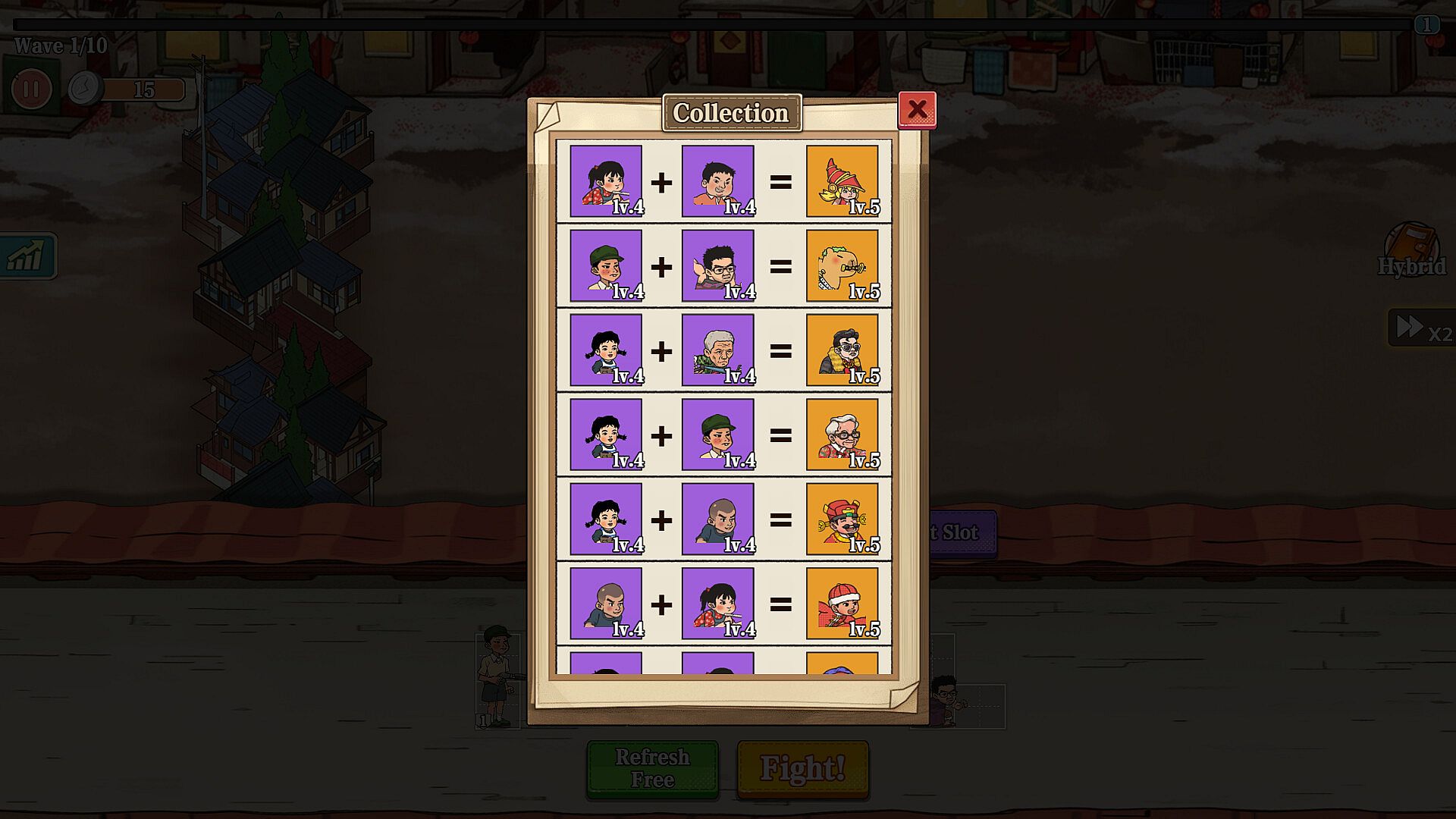
Hero fusion adds another layer. Pairing two specific purple heroes produces an orange super hero with stronger ultimate abilities. Eleven fusion recipes exist, including Firework Mage from Firecracker Boy and Blowgun Girl, Capy Swordsman from Butcher and Rubber Gunner, Rich Car Villager from Piggy Girl and Tractor Uncle, and several others that reward thoughtful team composition.
Game Modes
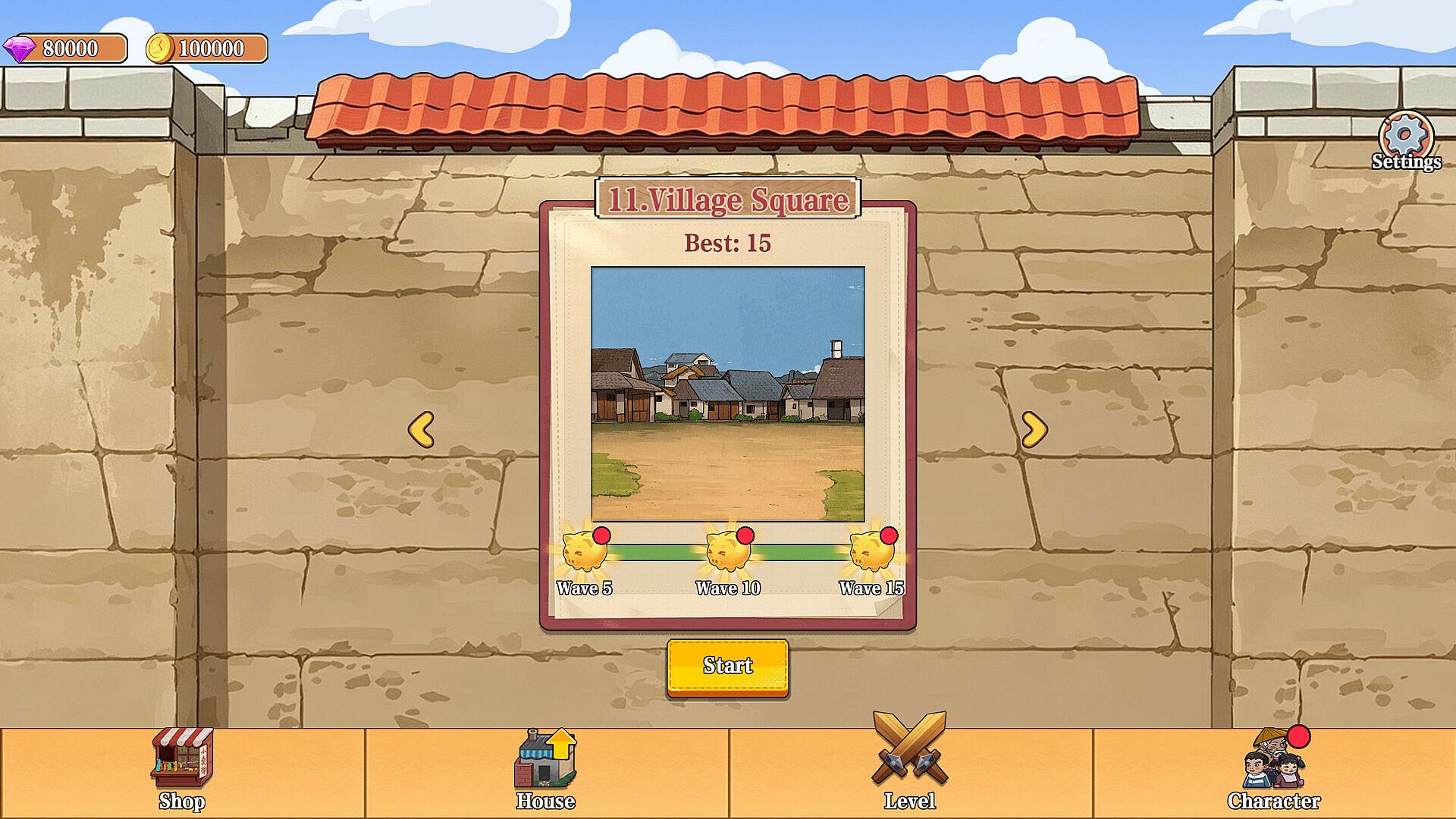
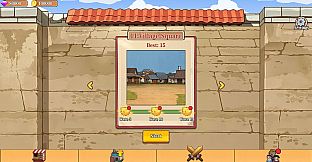
Play proceeds through fifty chapters that increase in difficulty. Each chapter presents a fresh layout and enemy composition, requiring new decisions about hero placement and upgrades. The roguelike structure means resources collected during a run carry forward to strengthen heroes and the village between attempts, so earlier failures contribute to later success.
Village upgrades run parallel to hero growth. Improved structures grant ongoing bonuses that support the defensive line without requiring direct control. The single-player focus keeps attention on optimizing limited backpack space and adapting to escalating threats rather than competing against others.
Progression and Village Upgrades
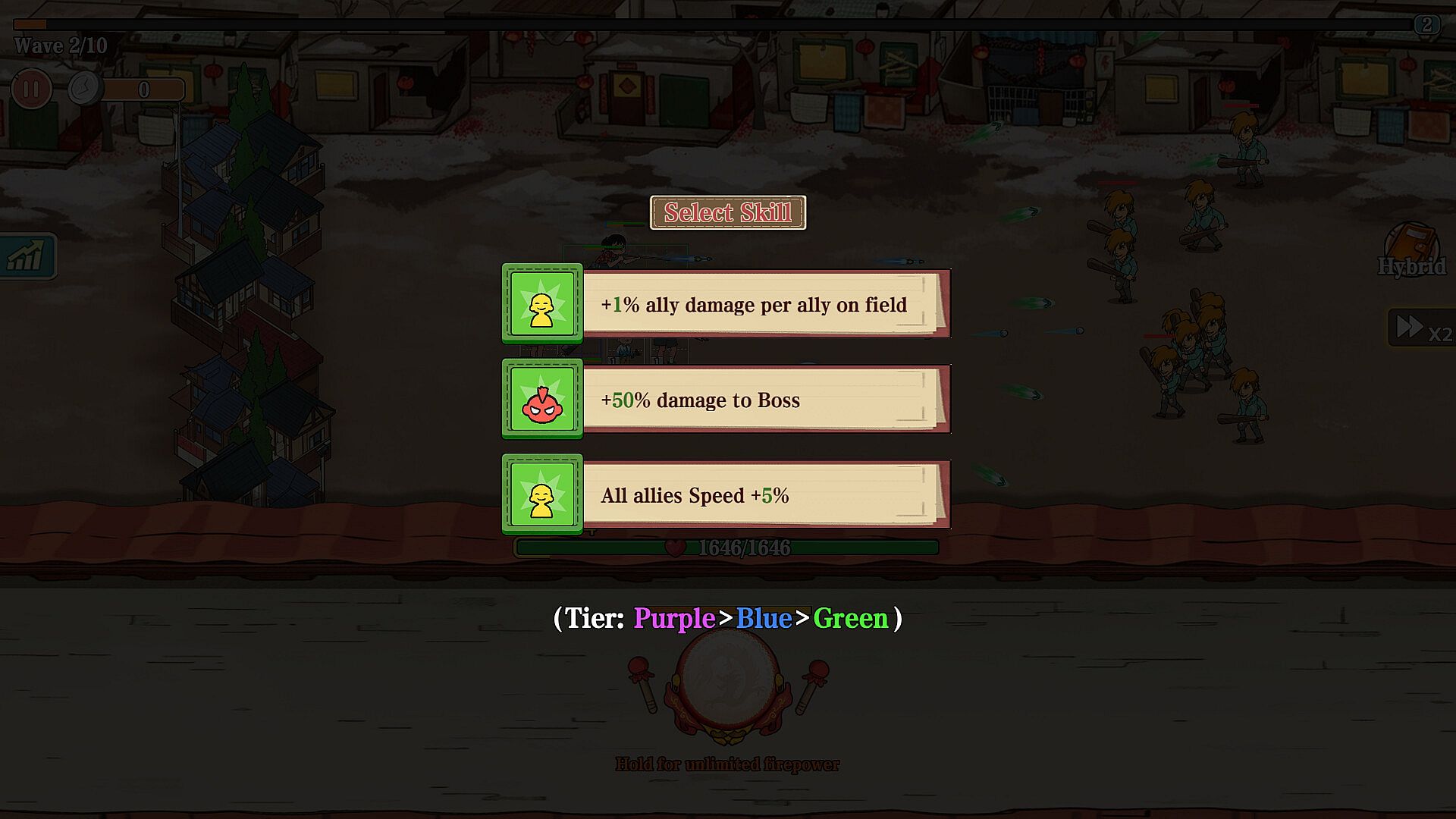
Between chapters, players spend accumulated resources on permanent improvements to both individual heroes and the village itself. Stronger heroes gain better stats and abilities, while village enhancements provide passive support during defense. This dual progression creates a steady sense of advancement even when individual runs end in defeat.
The Chinese rural theme influences the visual style and character personalities, giving the defense scenario a light, humorous tone. Ordinary villagers with everyday tools become the last line against heavy machinery, and the fusion system lets those same characters combine into more powerful forms that shift the tide of a tough wave.
Is It Worth Playing?
Rally: Village Defense suits players who enjoy strategic placement puzzles, incremental growth systems, and satisfying wave-clearing action without requiring fast reflexes. The backpack slot limitation turns every level into a fresh optimization challenge, while the fifty chapters and fusion options provide enough variety to encourage repeated playthroughs. Fans of roguelike loops will appreciate how failure feeds into stronger future runs, and those who like casual strategy will find the systems easy to grasp yet deep enough to master. The game remains in active development with its listed features intact, making it a solid choice for anyone seeking a relaxing yet thoughtful village defense experience on PC.