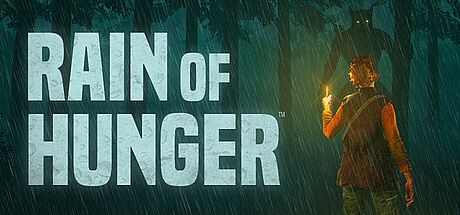


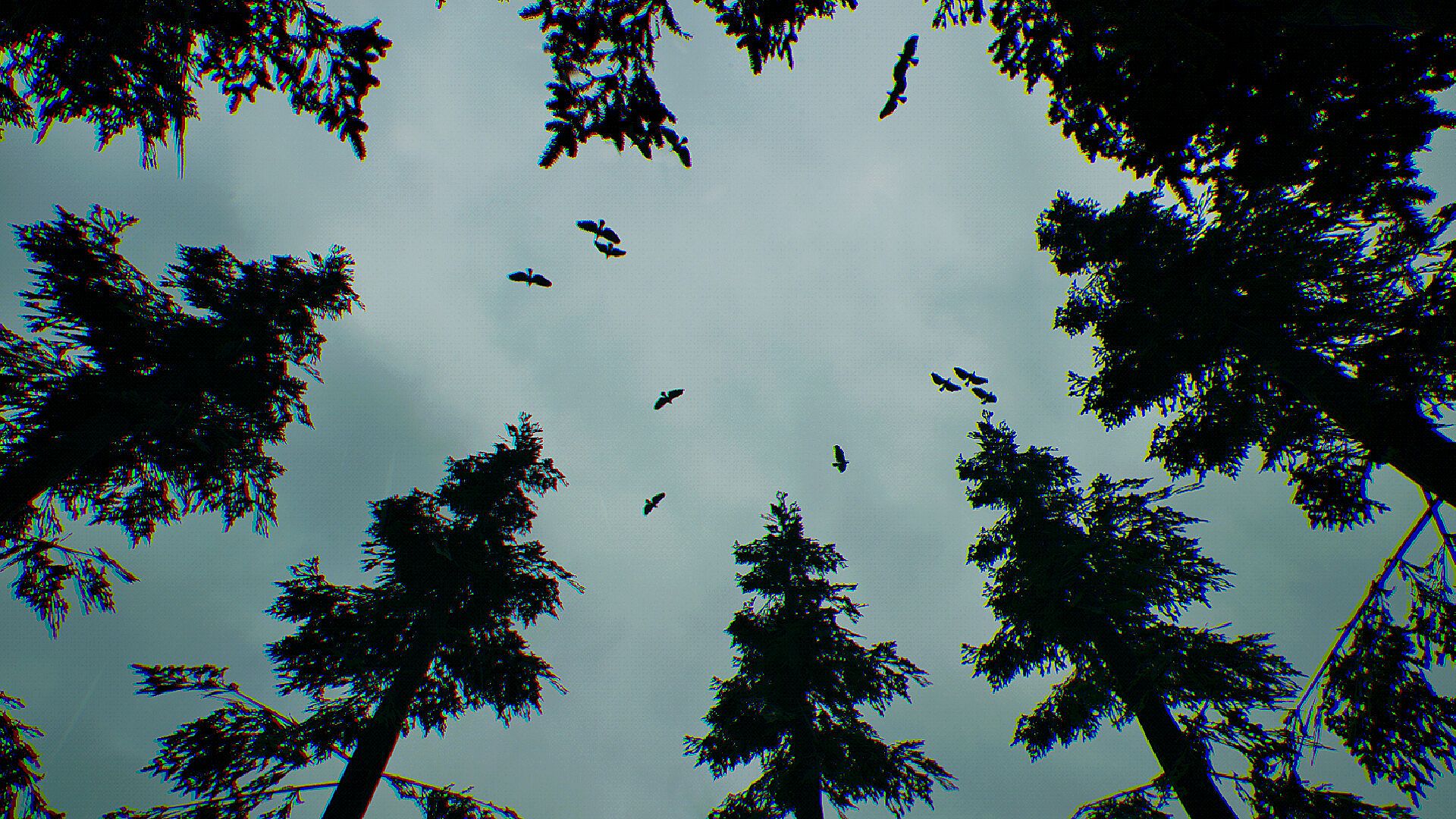
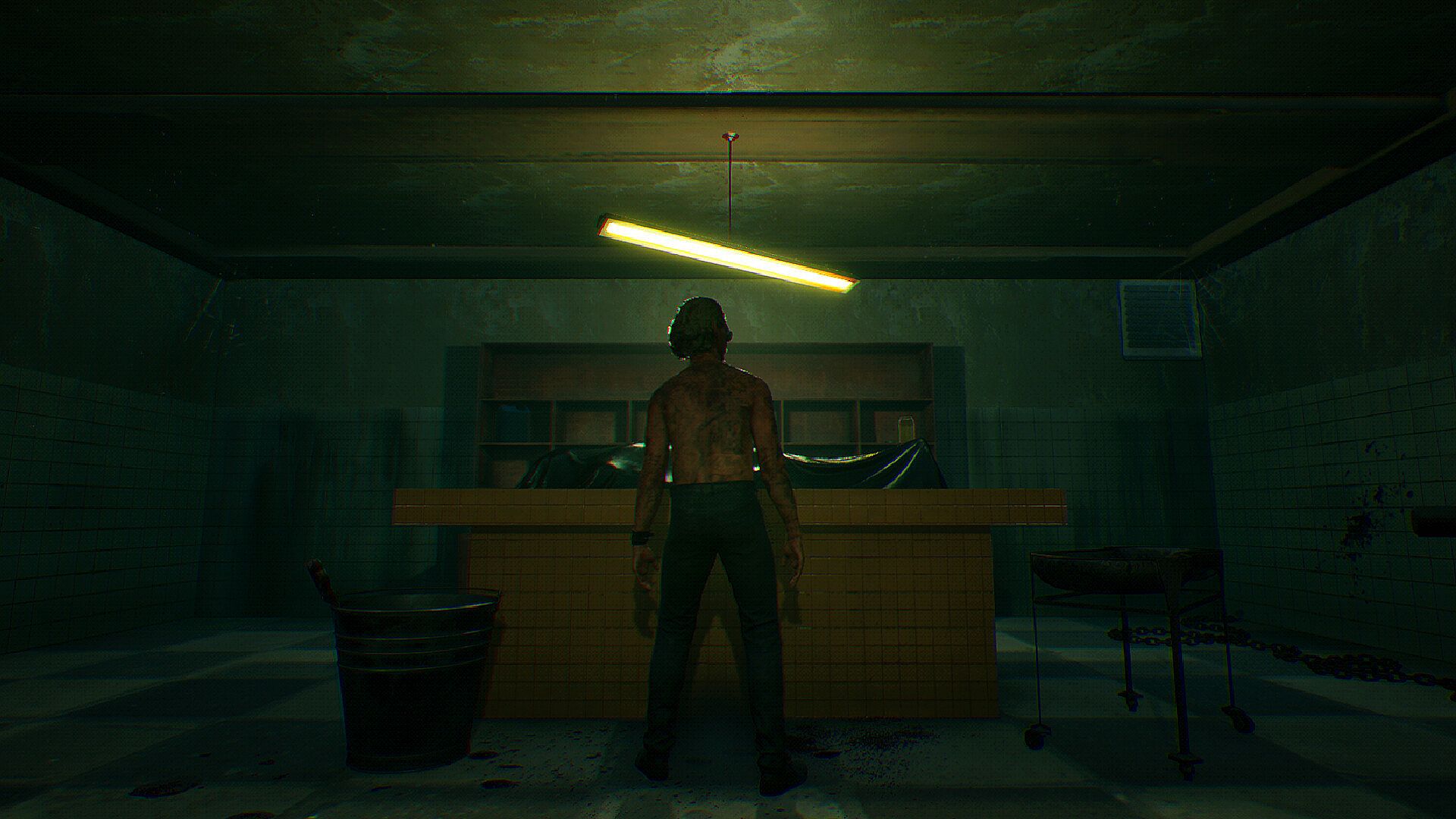
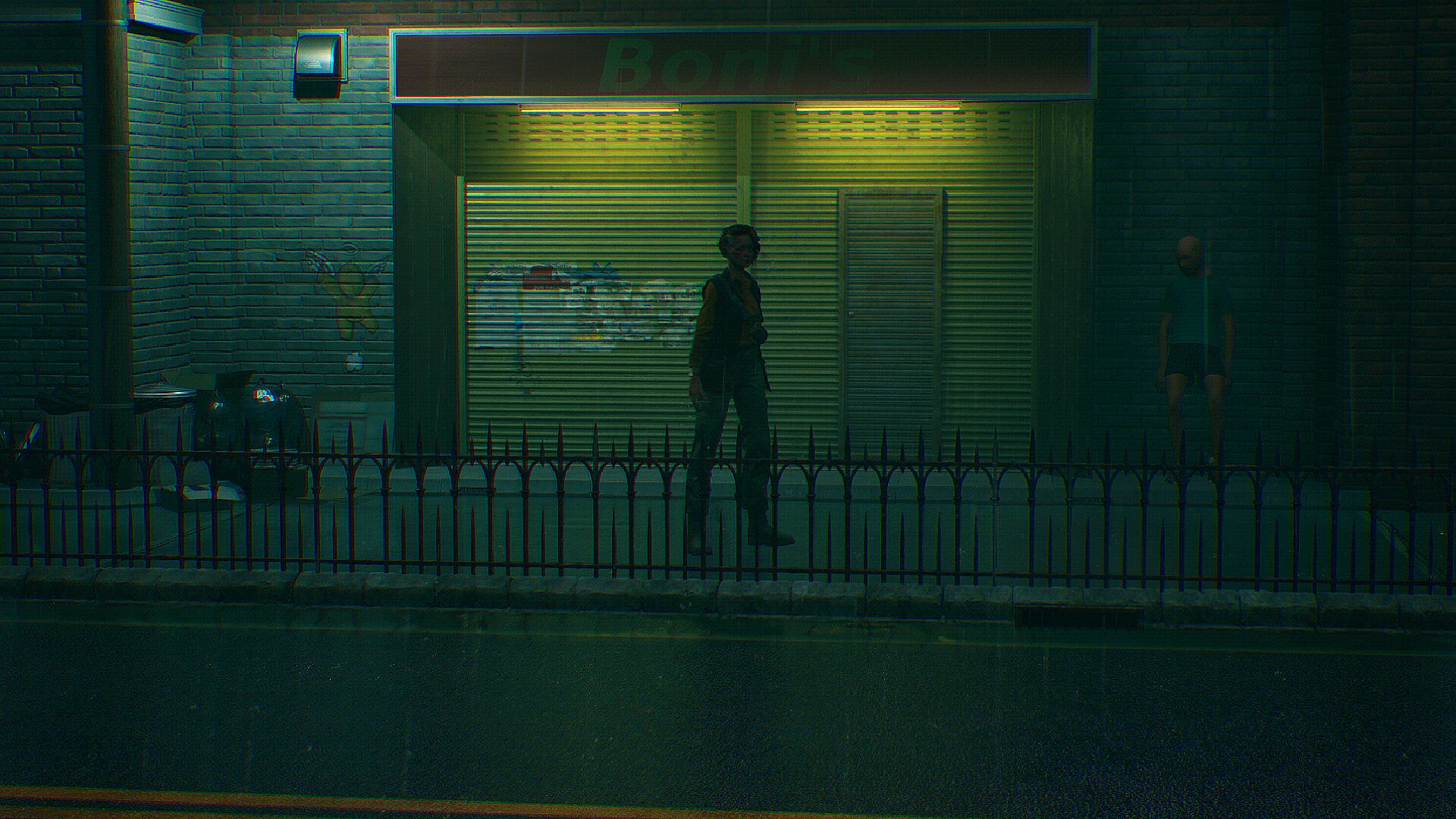
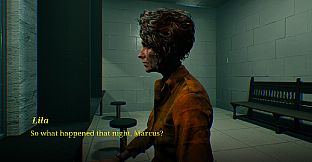


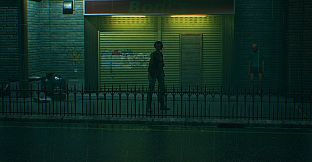
Rain of Hunger is an indie adventure game built around psychological horror on PC. The experience centers on a rainy logging town called Harnett where a long-buried crime continues to echo through the present. Players switch between two protagonists whose stories intersect across years, uncovering layers of trauma and human cruelty without any supernatural elements beyond the fear they create.
Gameplay
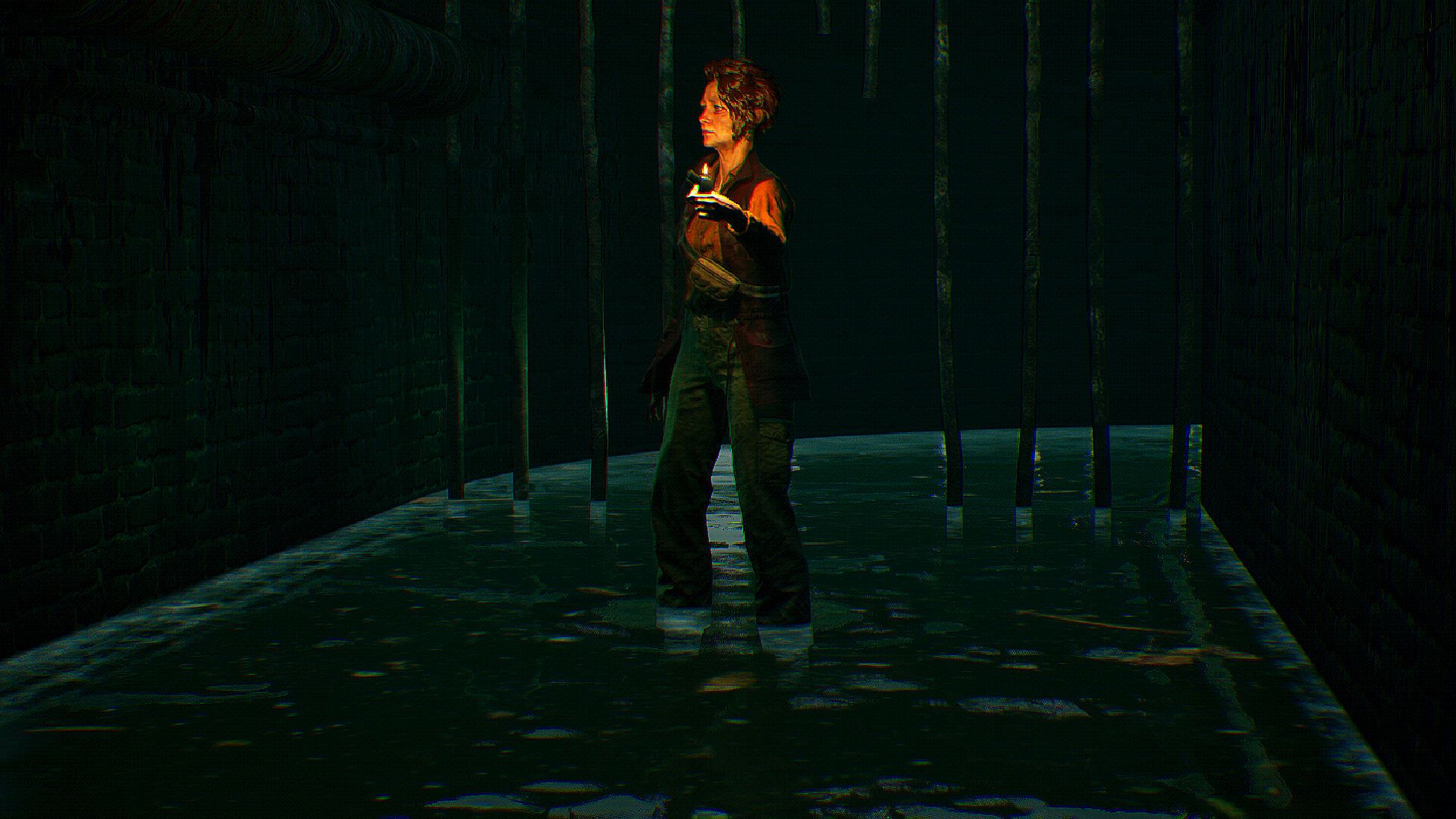
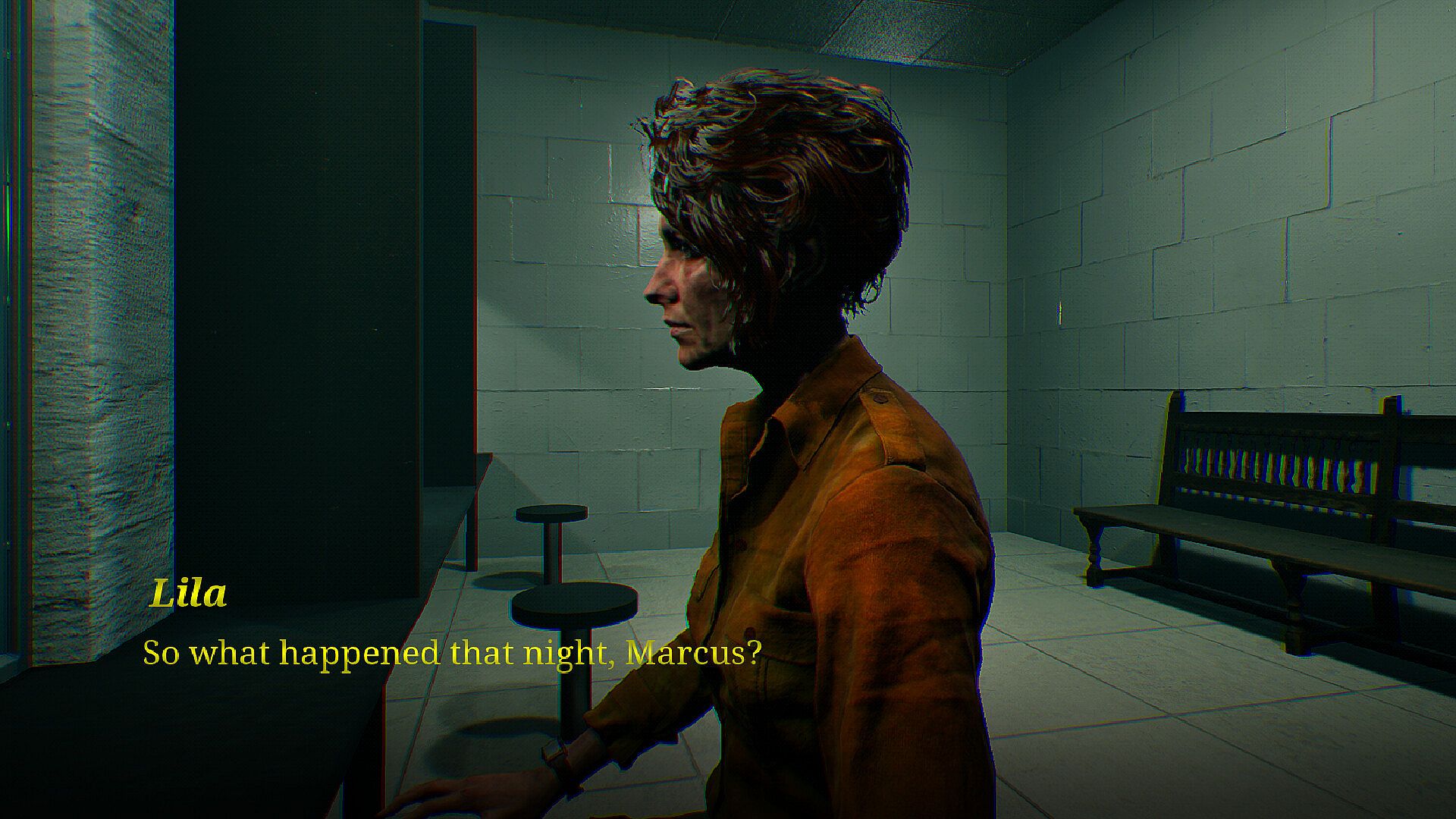
The core loop alternates between two distinct control styles that reinforce the sense of vulnerability. As Lila Kane, fixed-camera tank controls force deliberate movement through dark tunnels and abandoned spaces, where the only light source is a lighter that must be managed carefully. Environmental interactions replace combat, turning every shadow and sound into a potential threat while the player pieces together clues as a true-crime novelist. Marcus Hale sections shift to first-person perspective, emphasizing raw instinct during a single desperate night. Limited resources mean survival depends on observation and quick decisions rather than direct confrontation, heightening the tension in confined indoor areas and rain-soaked exteriors.
Game Modes
Rain of Hunger offers a single-player narrative campaign with no separate multiplayer or competitive modes. The structure relies on sequential perspective shifts between the two protagonists, allowing players to revisit key locations and events from opposing viewpoints. Multiple endings emerge from choices made during investigation and survival segments, encouraging replay to explore different outcomes tied to the central mystery of what remains hidden in the tunnels.
Story and Narrative
The plot follows the aftermath of a break-in that spirals into one of the most disturbing crimes in the town's history. Marcus Hale's first-person account captures the night everything began, while Lila Kane's later investigation reveals that the horror persisted long after any arrest. A growing mystery surrounds the entity referred to as "Demon" that inhabits the tunnels beneath Harnett. The dual-protagonist approach makes each revelation feel personal, exploring themes of guilt, trauma, and the lasting consequences of human actions without relying on jump scares or external monsters.
Atmosphere and Setting
Heavy rain and a 2000s small-town aesthetic create constant practical tension throughout the experience. Logging industry remnants, dimly lit interiors, and restricted visibility from weather conditions ground the horror in realism. Limited lighting from the lighter and environmental details emphasize isolation and dread, making every corridor and hidden passage contribute to the overall sense of unease.
Is It Worth Playing?
Rain of Hunger suits players who prefer deliberate, atmospheric psychological horror over action-driven experiences. The fixed-camera and first-person segments deliver contrasting feelings of helplessness and urgency, supported by a story that unfolds through investigation and personal perspective rather than combat. Those drawn to narrative-driven indie adventures with multiple endings and a focus on emotional consequences will find the dual-protagonist structure rewarding, while anyone seeking fast-paced survival or multiplayer elements should look elsewhere. The game's emphasis on resource management and environmental interaction rewards careful exploration in a contained, rain-soaked setting.