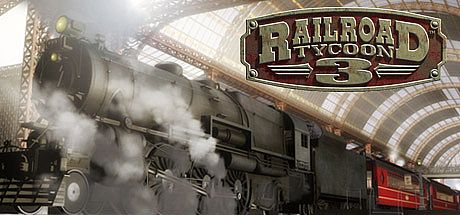

















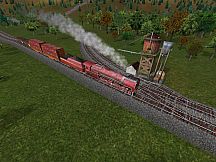
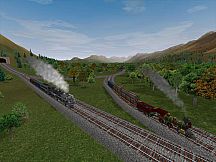
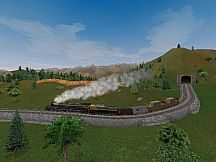
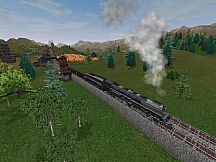

Railroad Tycoon 3 is a strategy game centered on building and managing a railroad empire across detailed maps of real-world regions. Players develop rail networks that connect cities and industries while balancing construction costs, cargo transport, and financial decisions in a living economy.
Gameplay
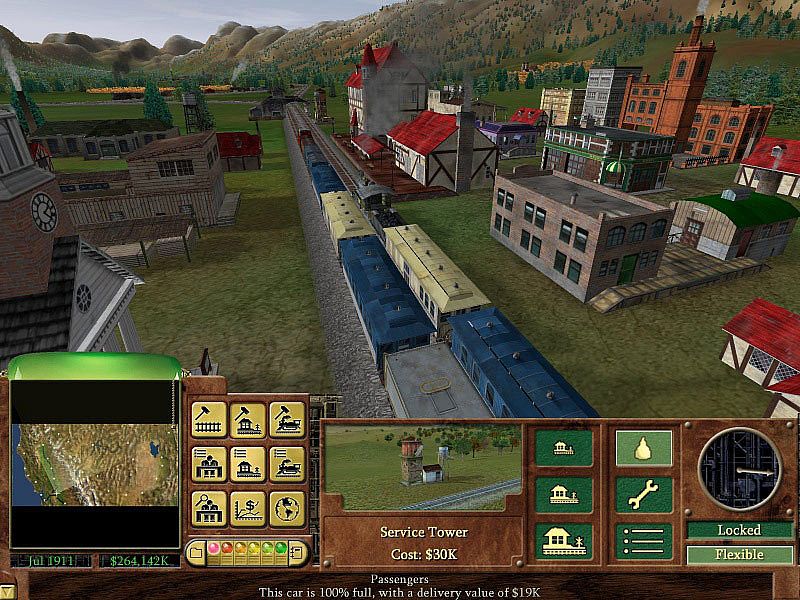
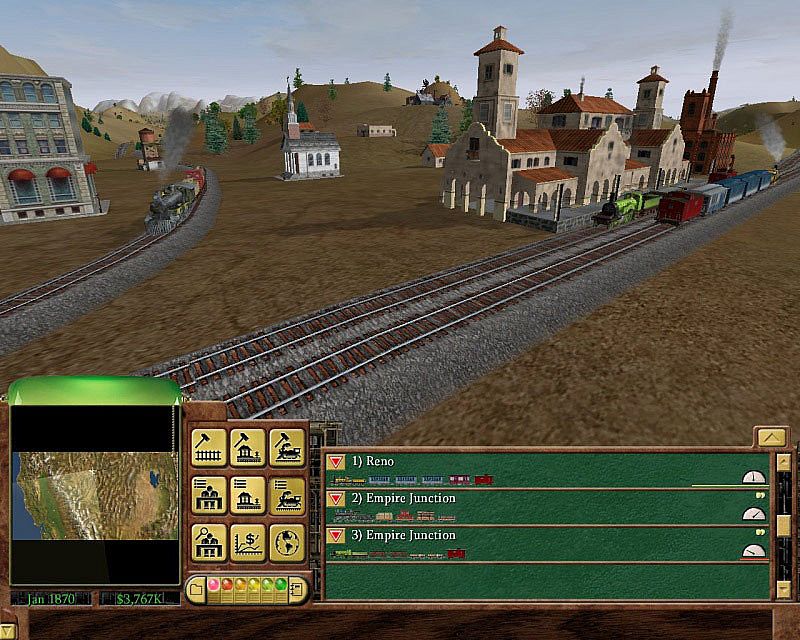
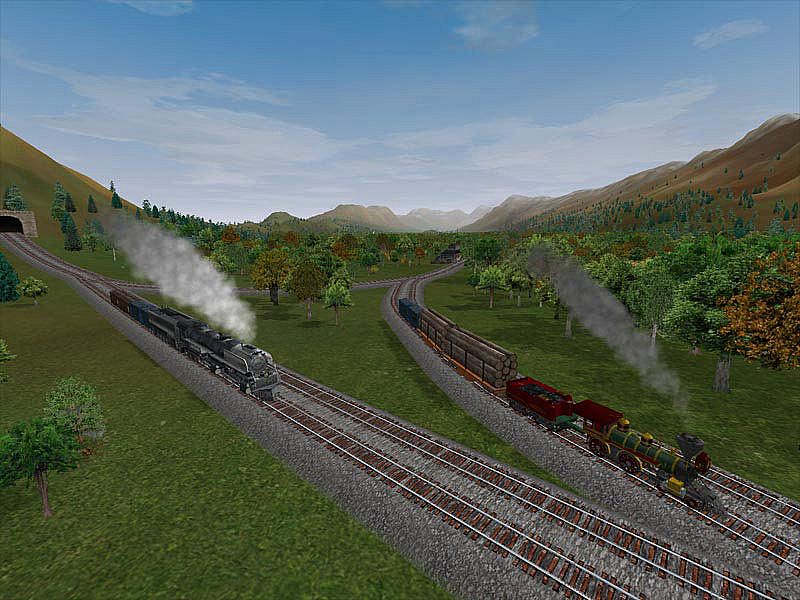
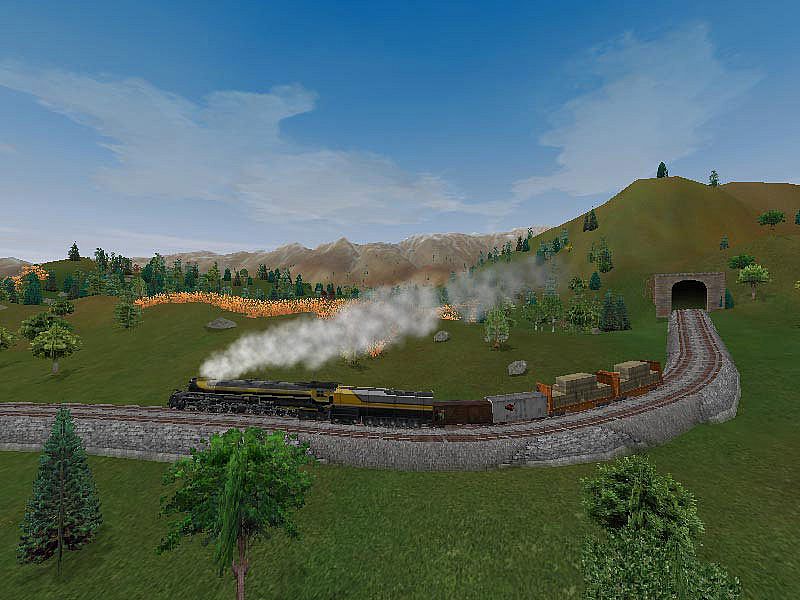
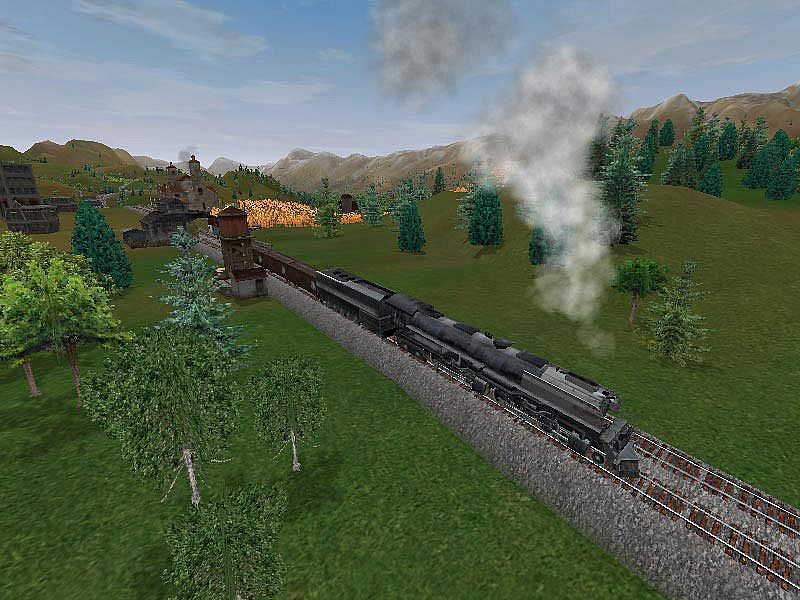
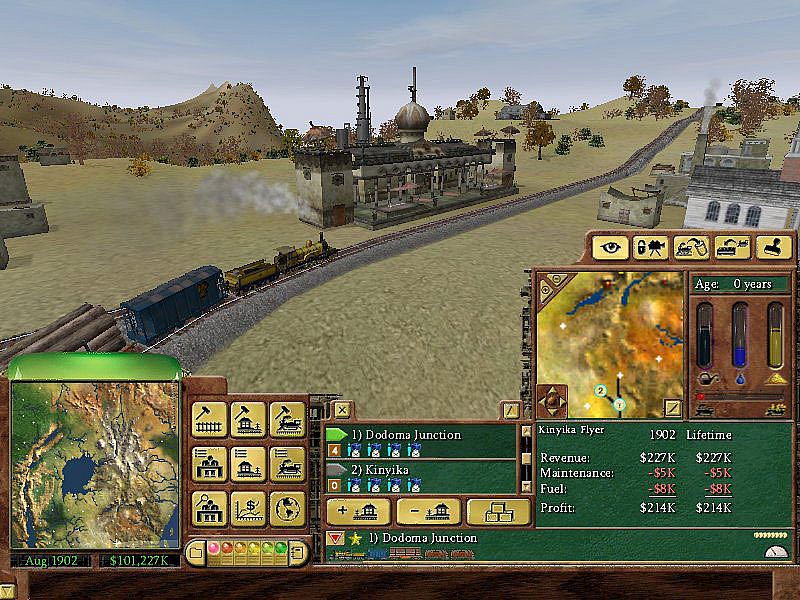
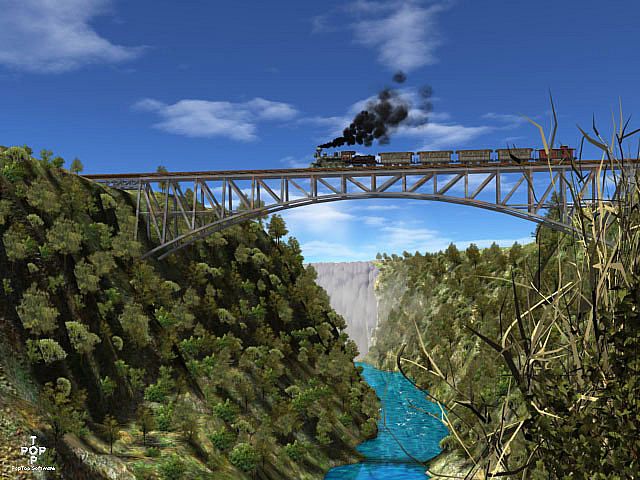
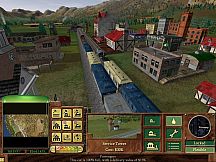
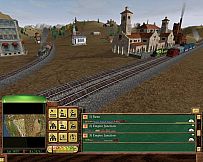
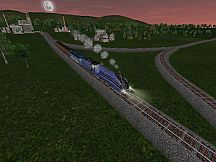
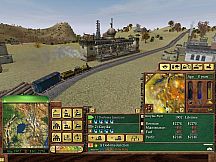
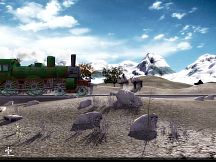
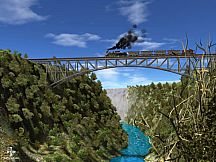
The core loop revolves around track construction and train operations. Users lay rails that include tunnels through mountains and overpasses over existing routes or water. The 3D engine supports seamless camera movement from wide continental views down to close inspections of individual locomotives and stations.
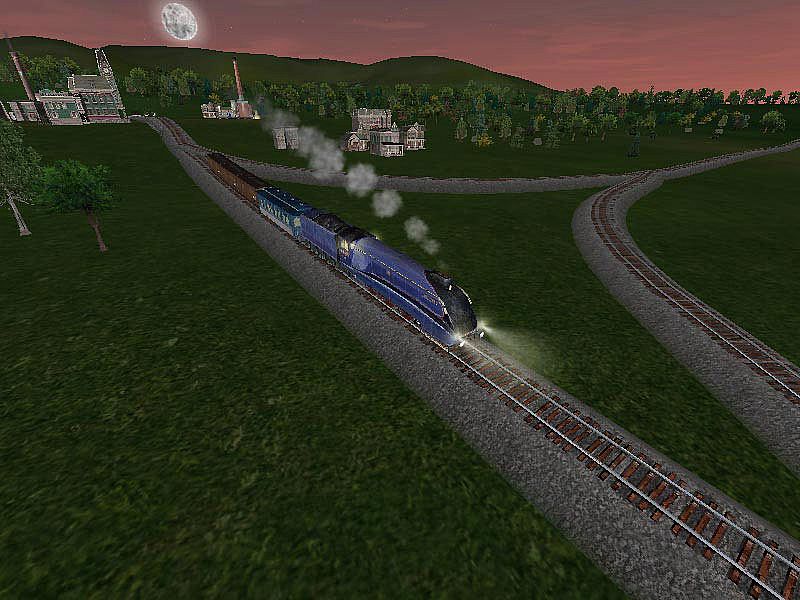
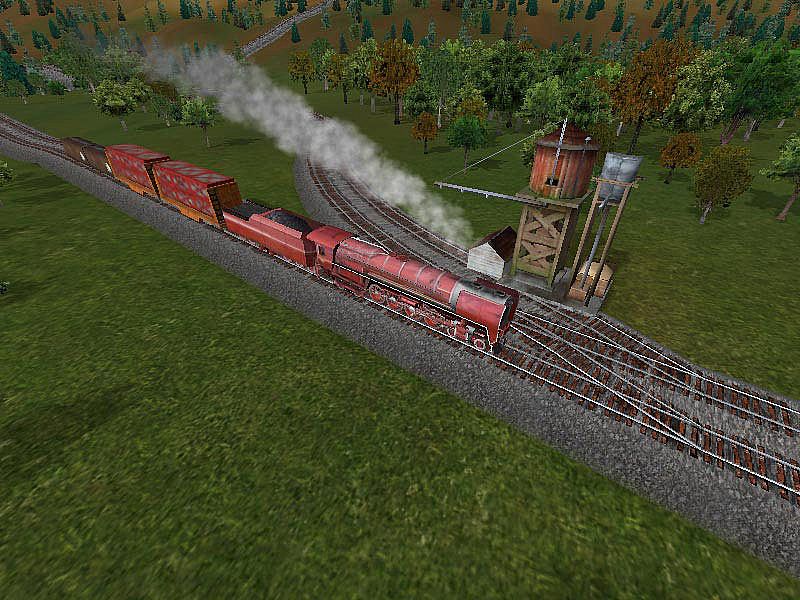
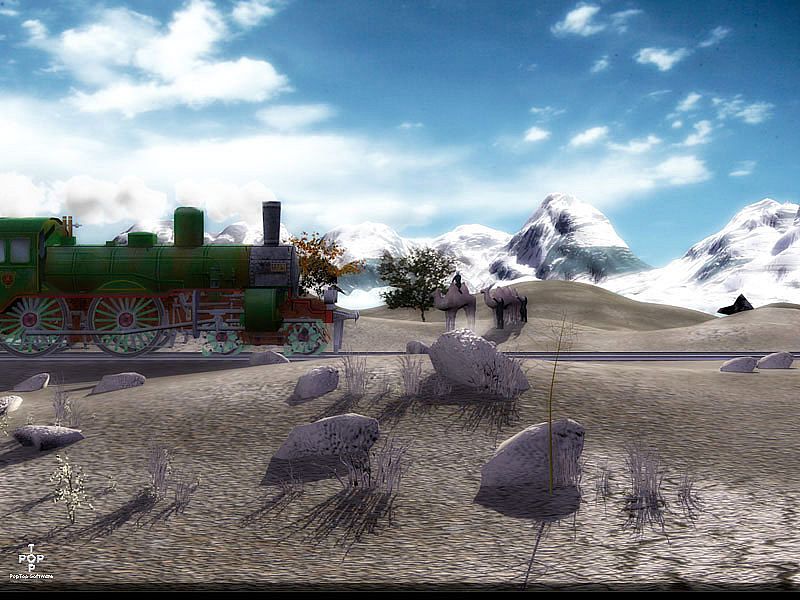
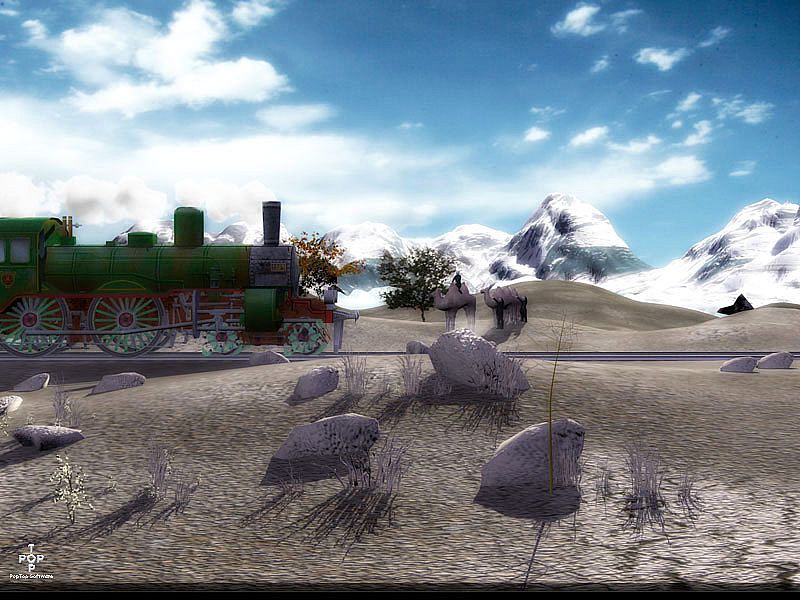
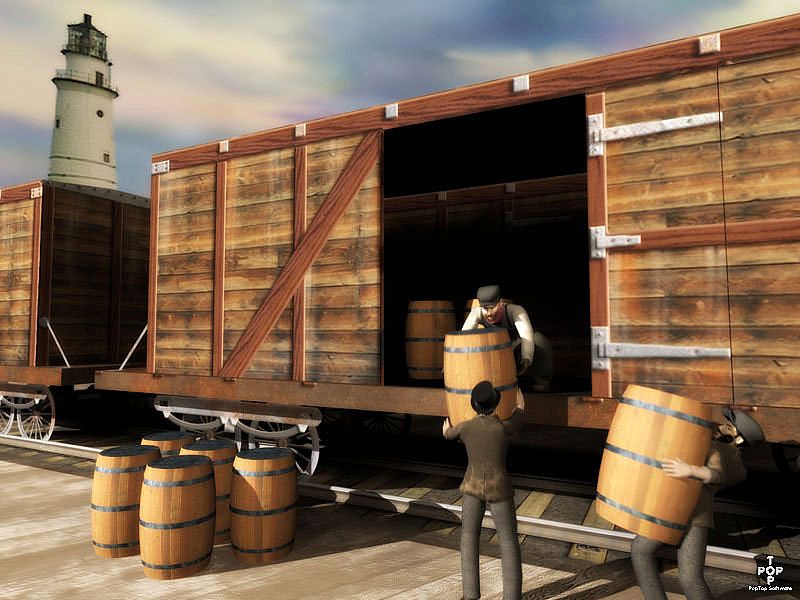
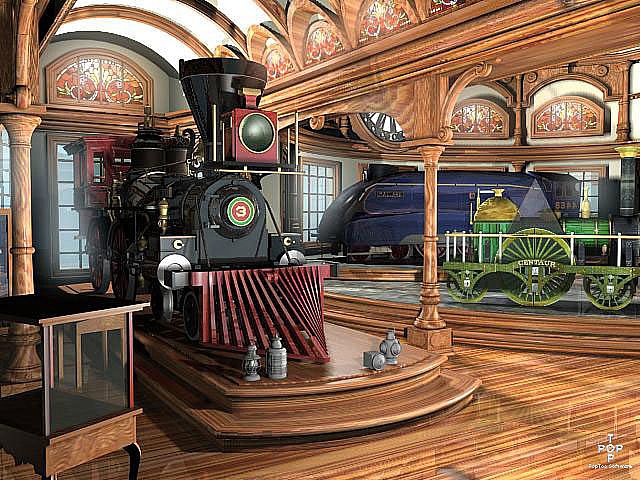
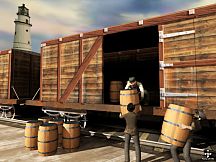
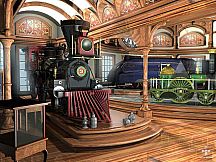
Over 40 locomotives appear in the roster, spanning early steam engines through diesel models and high-speed bullet trains. Each engine type carries different performance characteristics suited to terrain and cargo demands. More than 35 cargo varieties move through the system, with prices and demand shifting based on supply levels at various locations.
An integrated stock market adds another layer of strategy. Players buy and sell shares in their own company or competitors, using profits or losses to influence long-term growth. The economy reacts to player actions, so efficient routing and timely expansion directly affect revenue streams.
Game Modes
Twenty-five scenarios form the main singleplayer experience. Each scenario presents a specific historical or geographic challenge, such as linking distant regions or meeting production targets within time limits. Success requires adapting track layouts and train schedules to the unique constraints of each map.
Multiplayer support allows up to four participants over a local area network. The mode focuses on competitive empire building where opponents vie for the same resources and routes. Online chat and matchmaking features were included at launch, though connections remain restricted to LAN setups.
Key Mechanics
Track placement demands careful planning to minimize gradients and avoid costly bridges or tunnels where possible. Terrain affects both construction expenses and train speeds, forcing players to weigh shortcuts against long-term efficiency.
Cargo management extends beyond simple hauling. Different goods generate varying profits depending on distance traveled and market conditions at the destination. Maintaining steady supply lines while expanding the network creates ongoing decision points throughout a scenario.
The stock market mechanic rewards foresight. Share prices fluctuate with company performance, so strategic investments can fund further expansion or defend against hostile takeovers by rivals.
Is It Worth Playing?
Railroad Tycoon 3 delivers a focused business simulation for players who enjoy methodical planning and economic management. The combination of track building, cargo logistics, and market trading creates a complete loop that rewards attention to detail over rapid action.
The title runs on modern PCs through its original release or current digital storefronts. Singleplayer scenarios provide substantial content without requiring additional purchases, while LAN multiplayer suits small groups seeking direct competition.
Those interested in railroad history or tycoon-style strategy will find the 25 scenarios and extensive locomotive roster offer repeated play value. The game suits users comfortable with older interfaces who prioritize depth in simulation over modern graphical polish or frequent updates.