

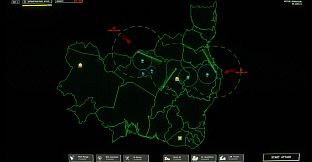
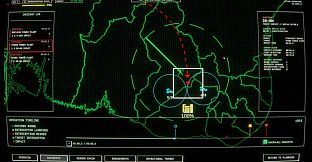
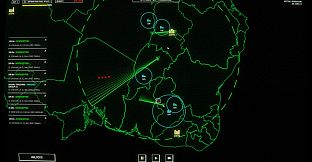
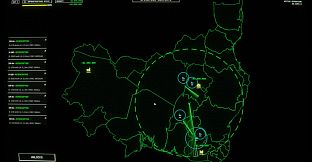
Radar Line is a strategy game focused on constructing and overseeing an air defense network on PC. Players manage limited resources to gather intelligence, position detection and interception equipment, and safeguard key sites from successive waves of aerial threats including drones, cruise missiles, and ballistic missiles.
Gameplay
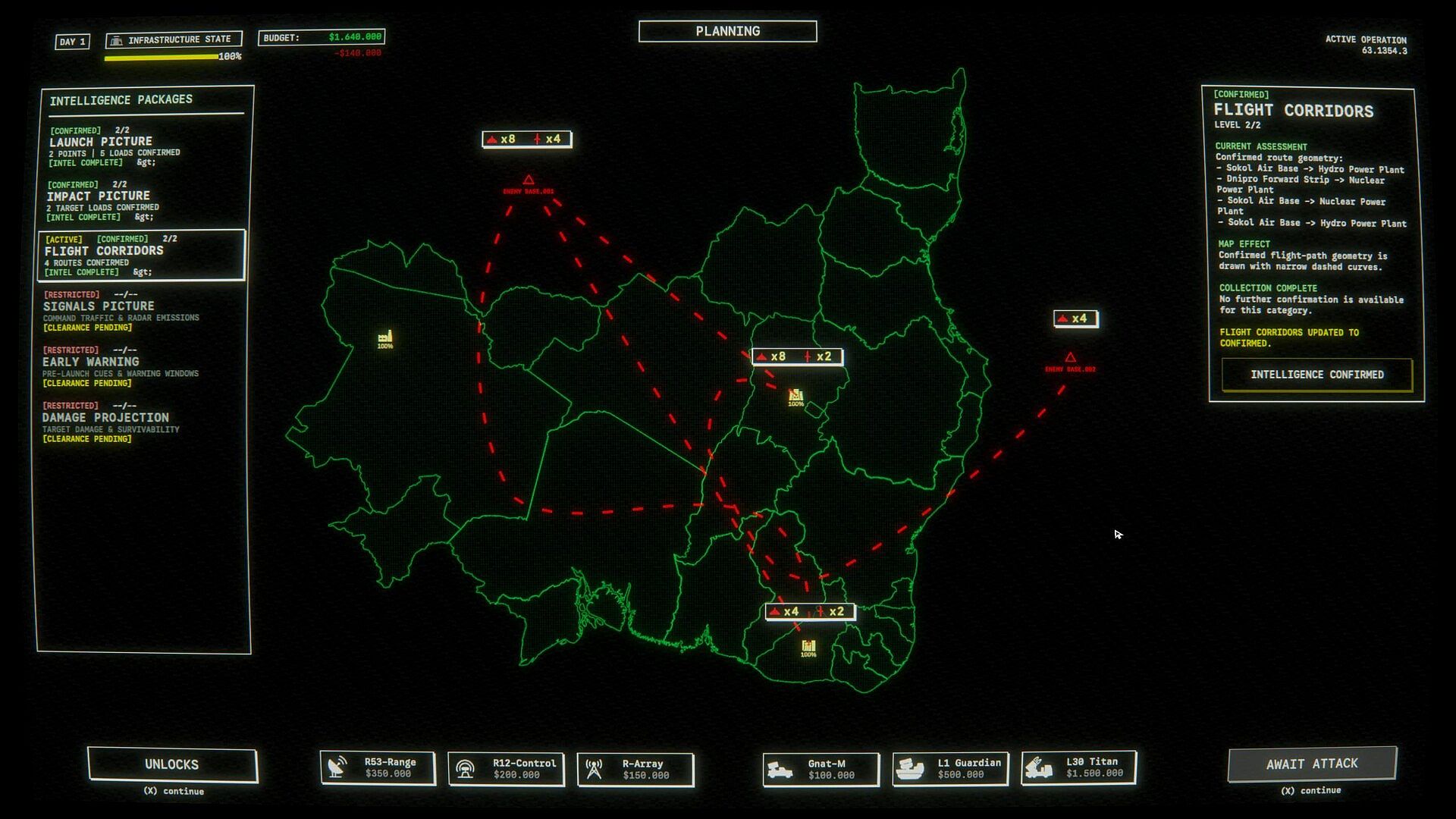
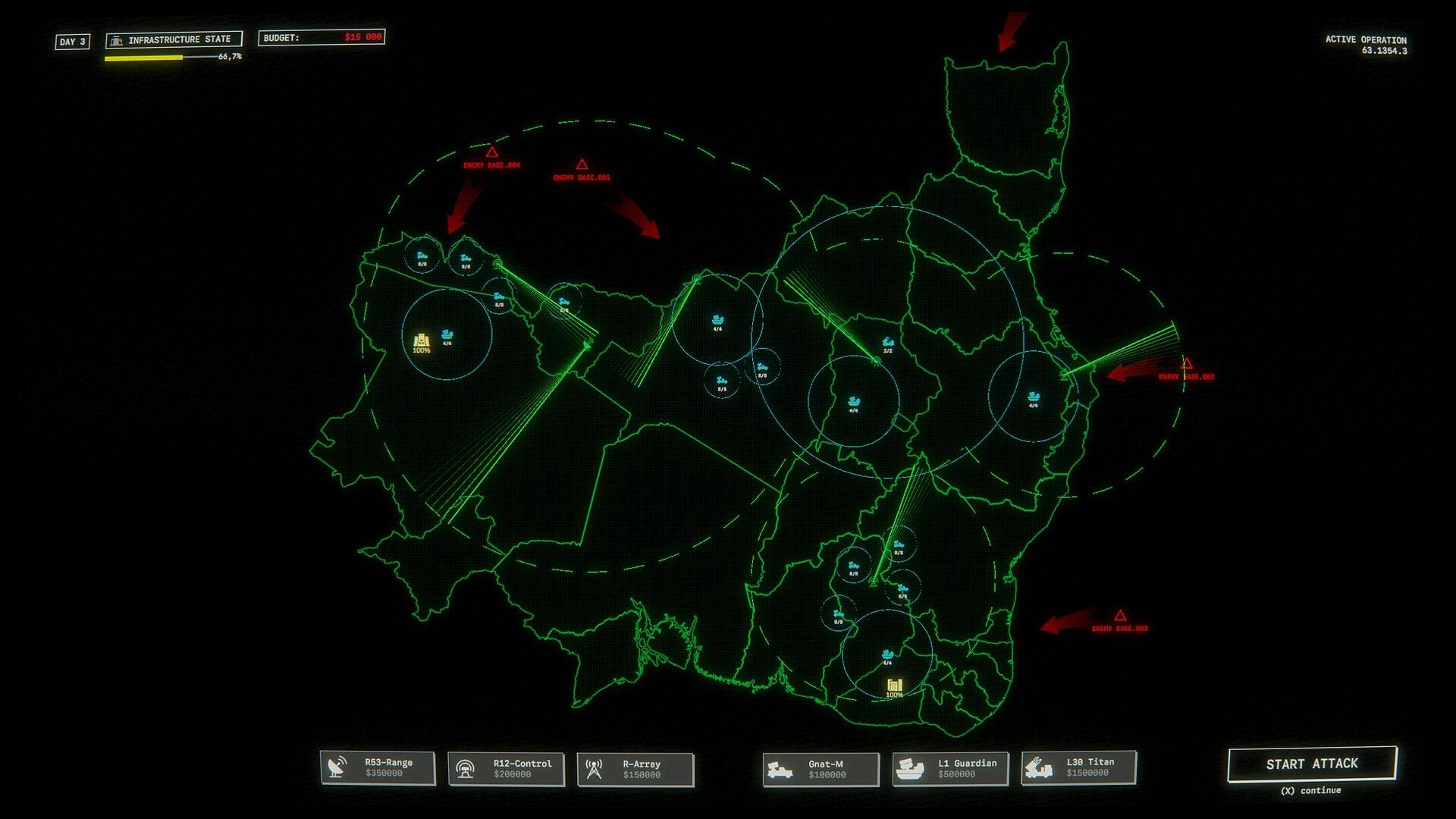
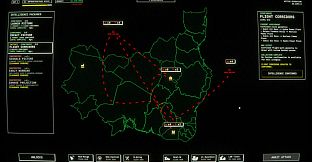
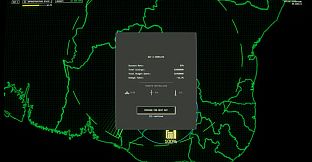
The core loop centers on preparing for and responding to enemy attacks through careful resource allocation and network design. Each cycle begins with an intelligence briefing that provides partial details on upcoming threats. Allocating budget to reveal more specifics about launch sites, targets, or flight paths improves defensive planning, yet reduces funds available for actual hardware purchases.
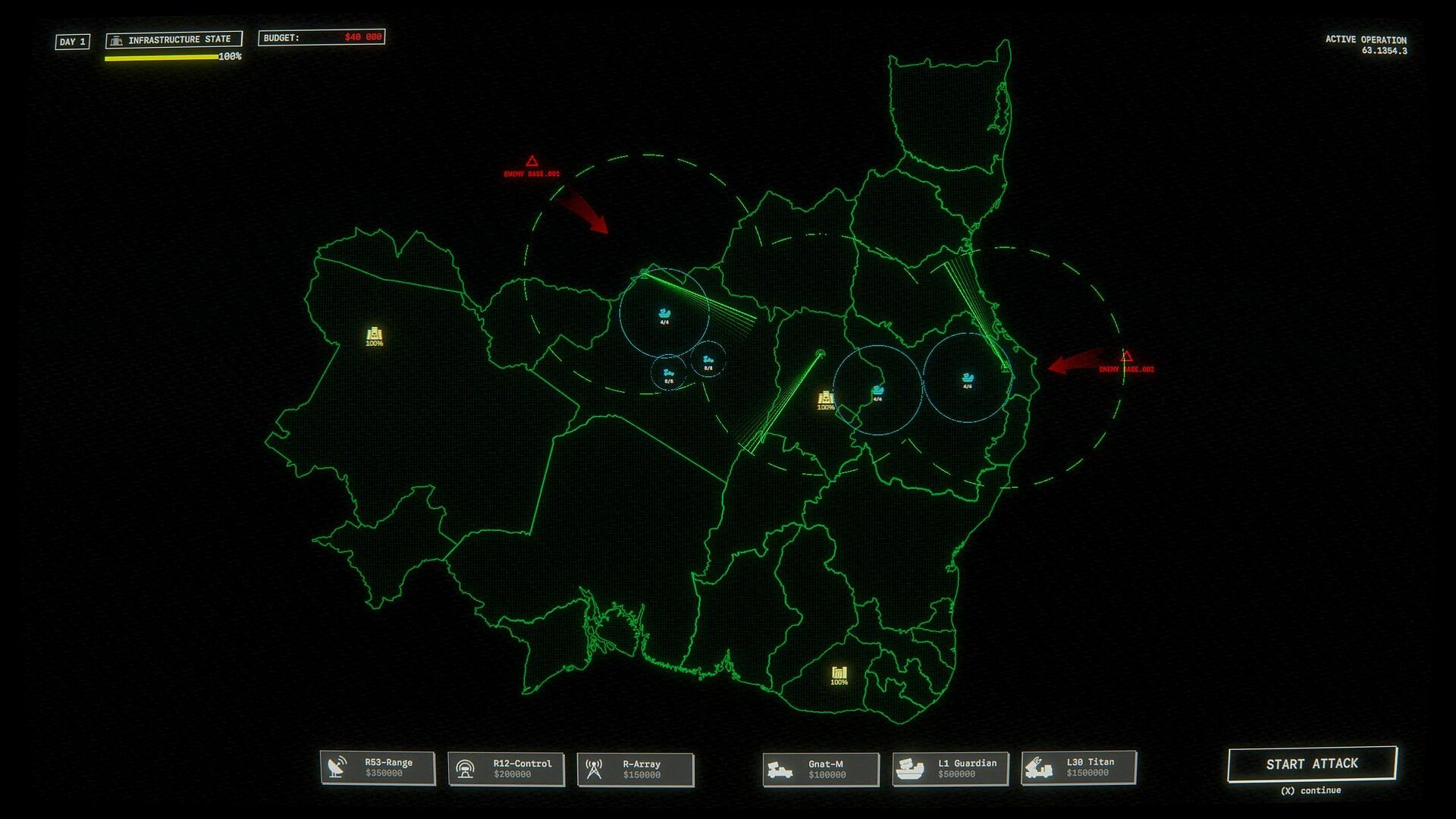
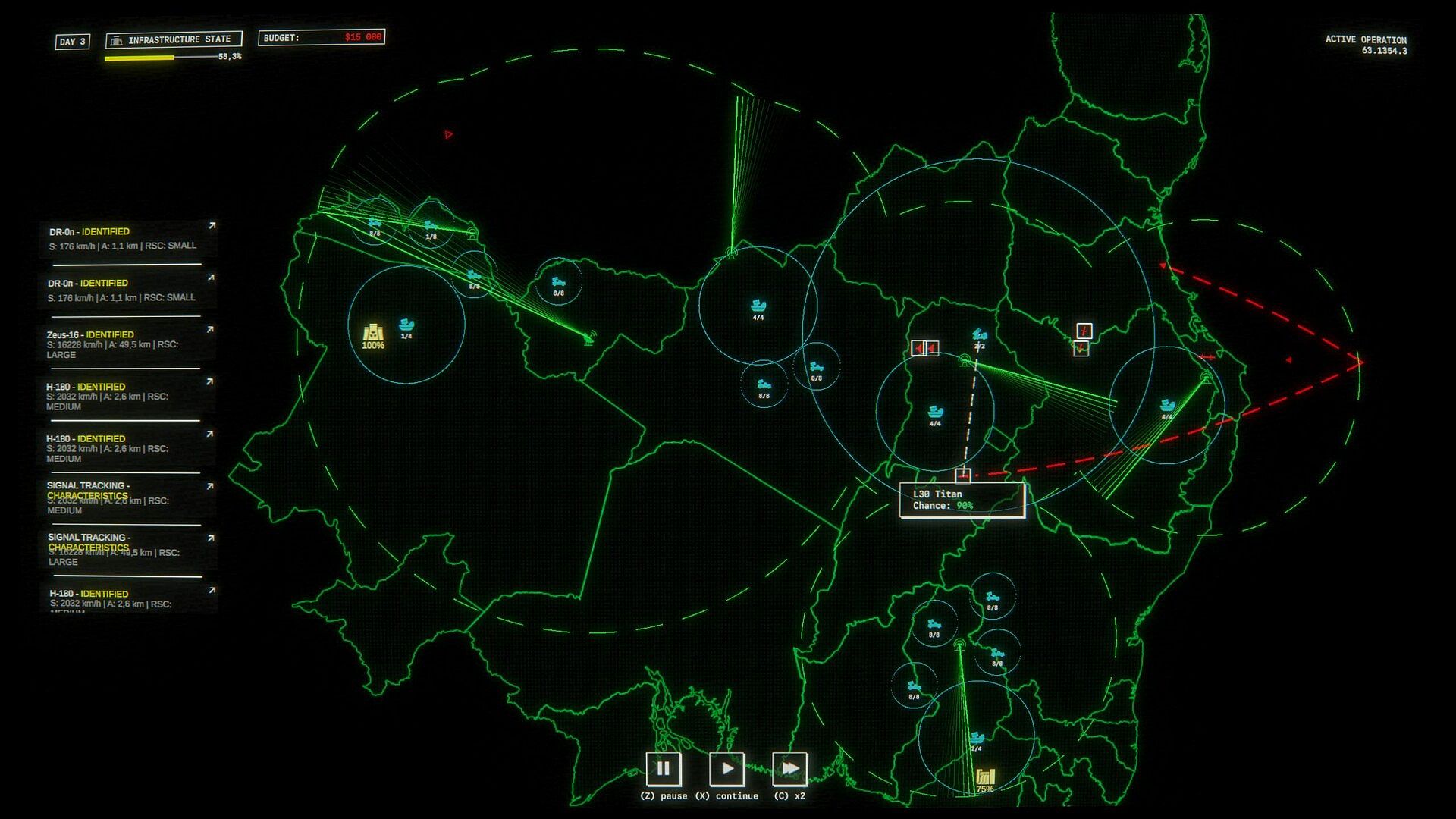
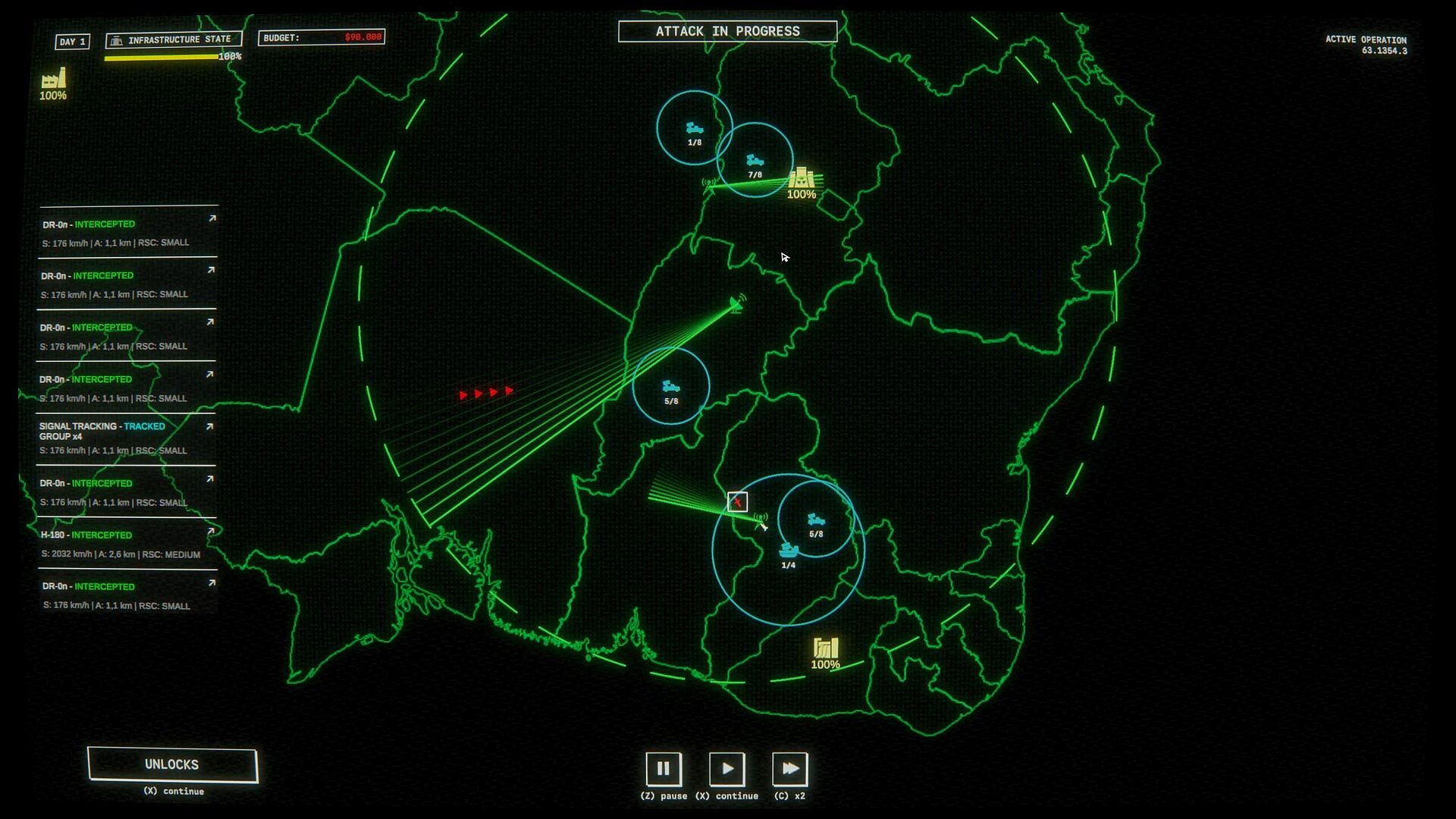
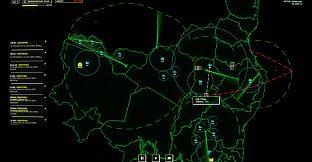
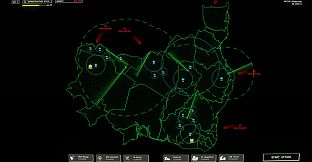
Defense construction involves placing radars with varying detection ranges and scan rates alongside launchers optimized for particular threat types. Effective setups require overlapping fields of coverage while conserving ammunition across limited stocks. Engagement rules can be configured so launchers respond automatically once tracks are confirmed, but players must account for the time needed to detect contacts and establish reliable tracks before interception becomes possible.
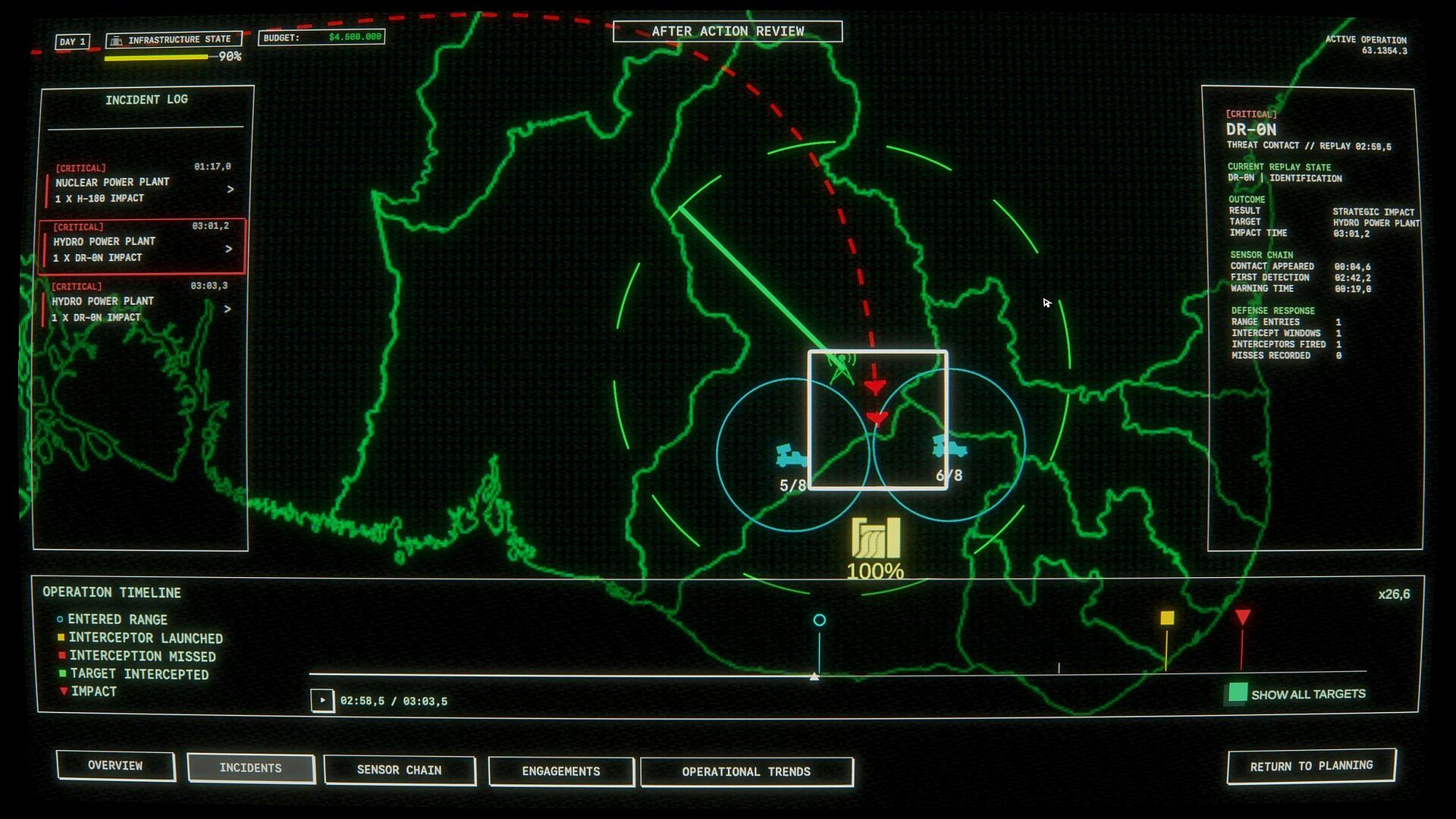
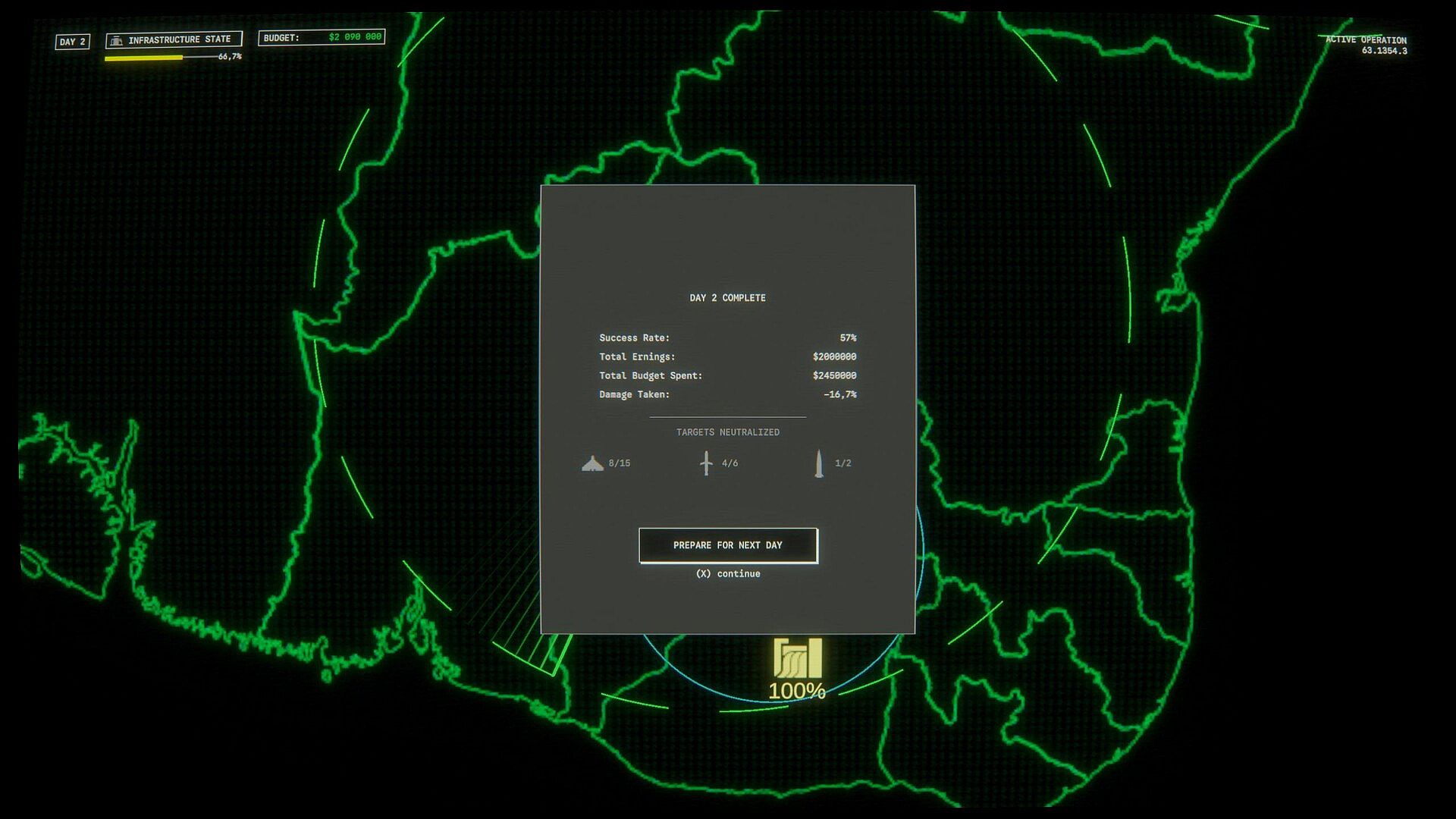
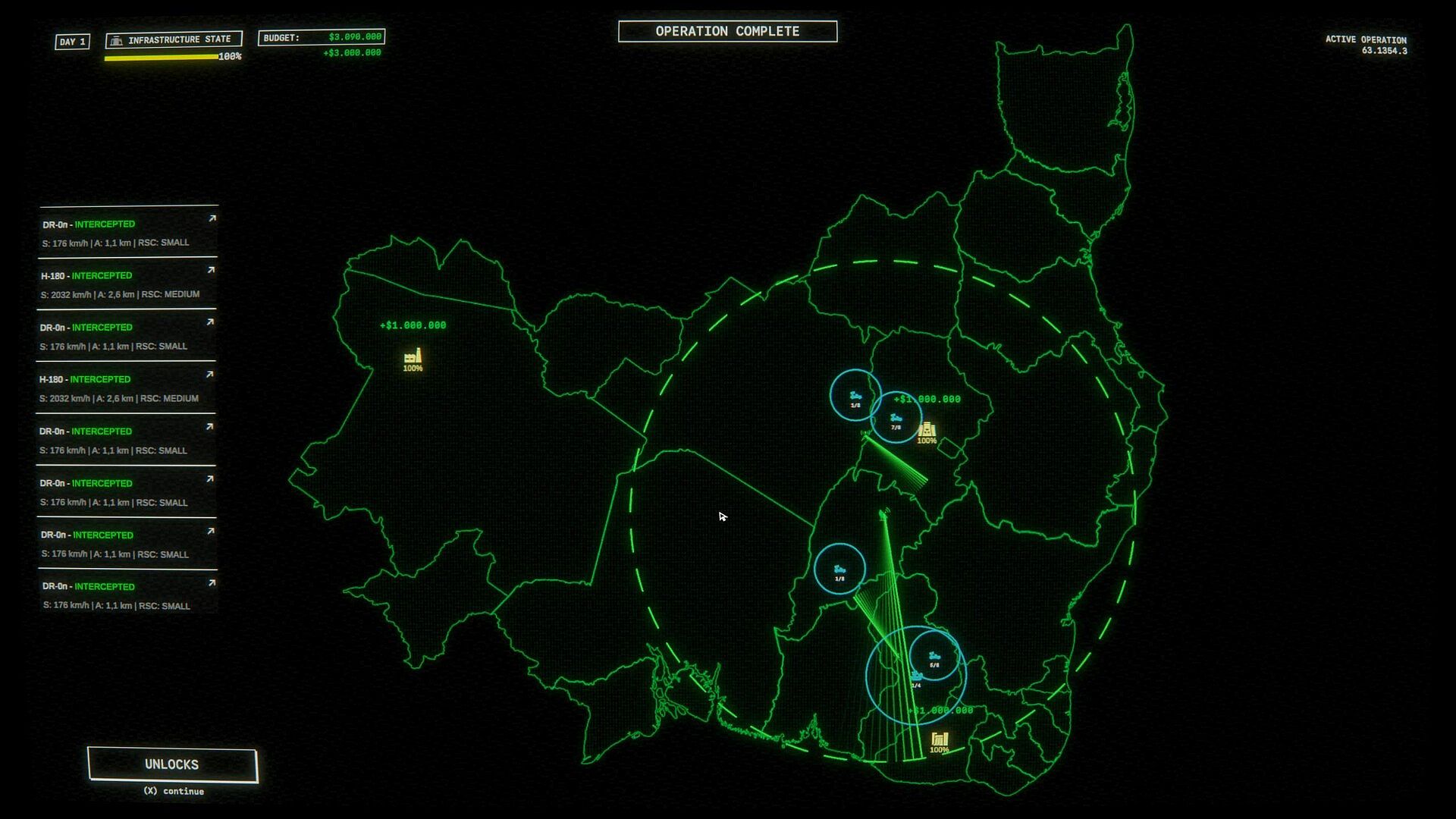
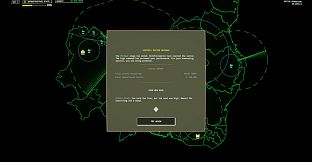
Threats escalate in complexity across the campaign. Swarms of drones test volume handling, faster cruise missiles shorten reaction windows, and ballistic missiles exploit any gaps in coverage. After each wave concludes, a review phase allows inspection of the timeline to identify failure points and refine the layout for future encounters. New equipment unlocks progressively, with upgrades available to counter improved enemy capabilities.
Game Modes
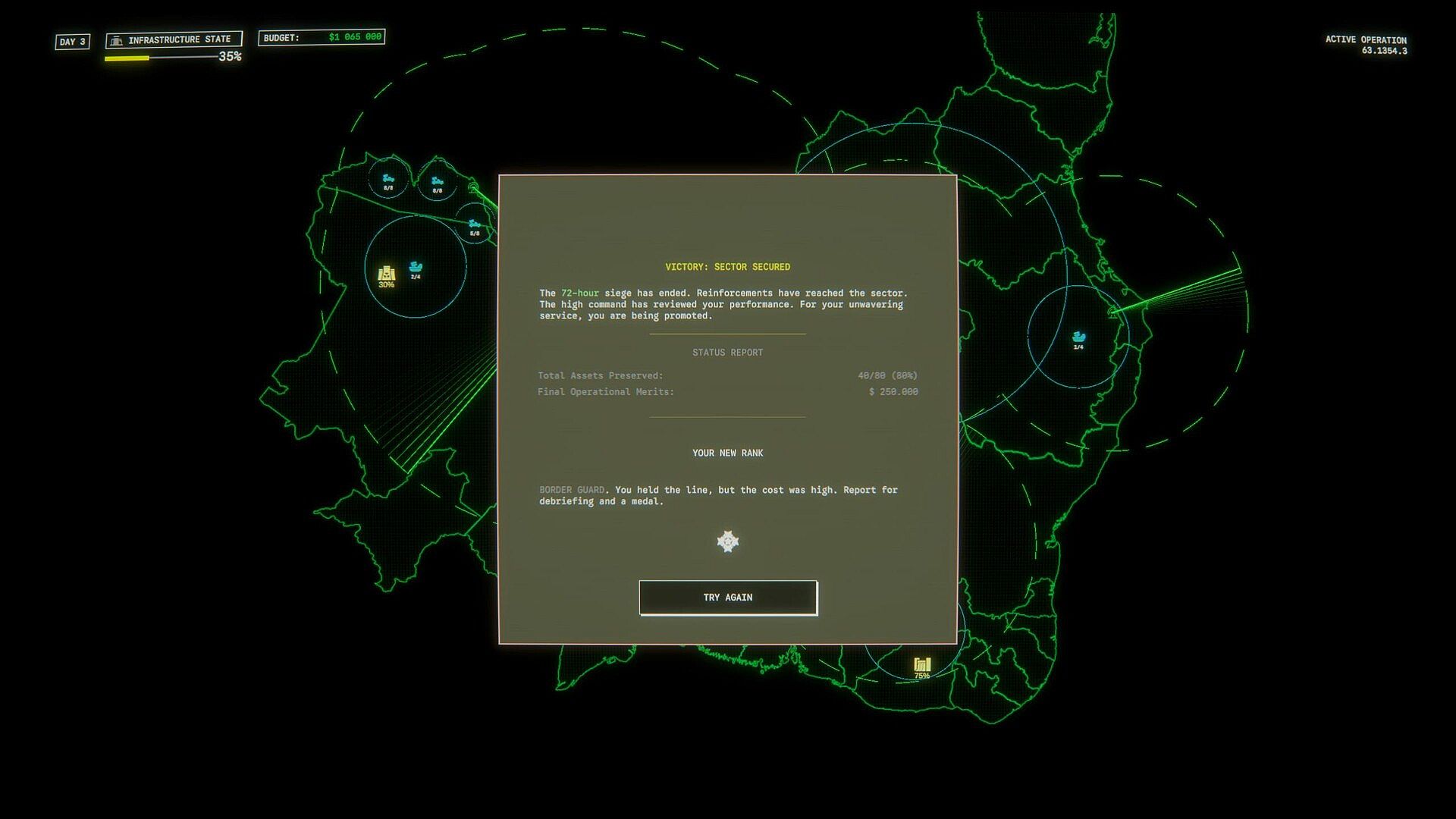
Radar Line operates as a single-player campaign experience built around sequential attack waves. The structure emphasizes preparation, execution, and analysis phases without additional modes such as competitive multiplayer or separate challenge scenarios. Progression occurs through the campaign itself, where success in earlier defenses unlocks expanded options for later stages.
Intelligence spending, hardware deployment, and post-action review form the repeatable framework across all encounters. No separate game modes exist beyond this integrated campaign flow, keeping focus on iterative improvement of the air defense network against increasingly demanding threats.
Key Mechanics
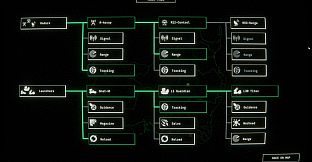
Detection and tracking represent foundational systems. Radars must first locate contacts before tracks can form, enabling launchers to engage. Trade-offs between radar range and scan speed influence how quickly the network responds to different threat profiles. Launcher selection and placement further dictate effectiveness against specific incoming munitions.
Budget management ties intelligence gathering directly to defensive spending. Over-investing in information leaves fewer resources for equipment, while insufficient intel can lead to poorly positioned defenses. Ammunition limits add another layer of constraint, requiring prioritization of which threats to intercept.
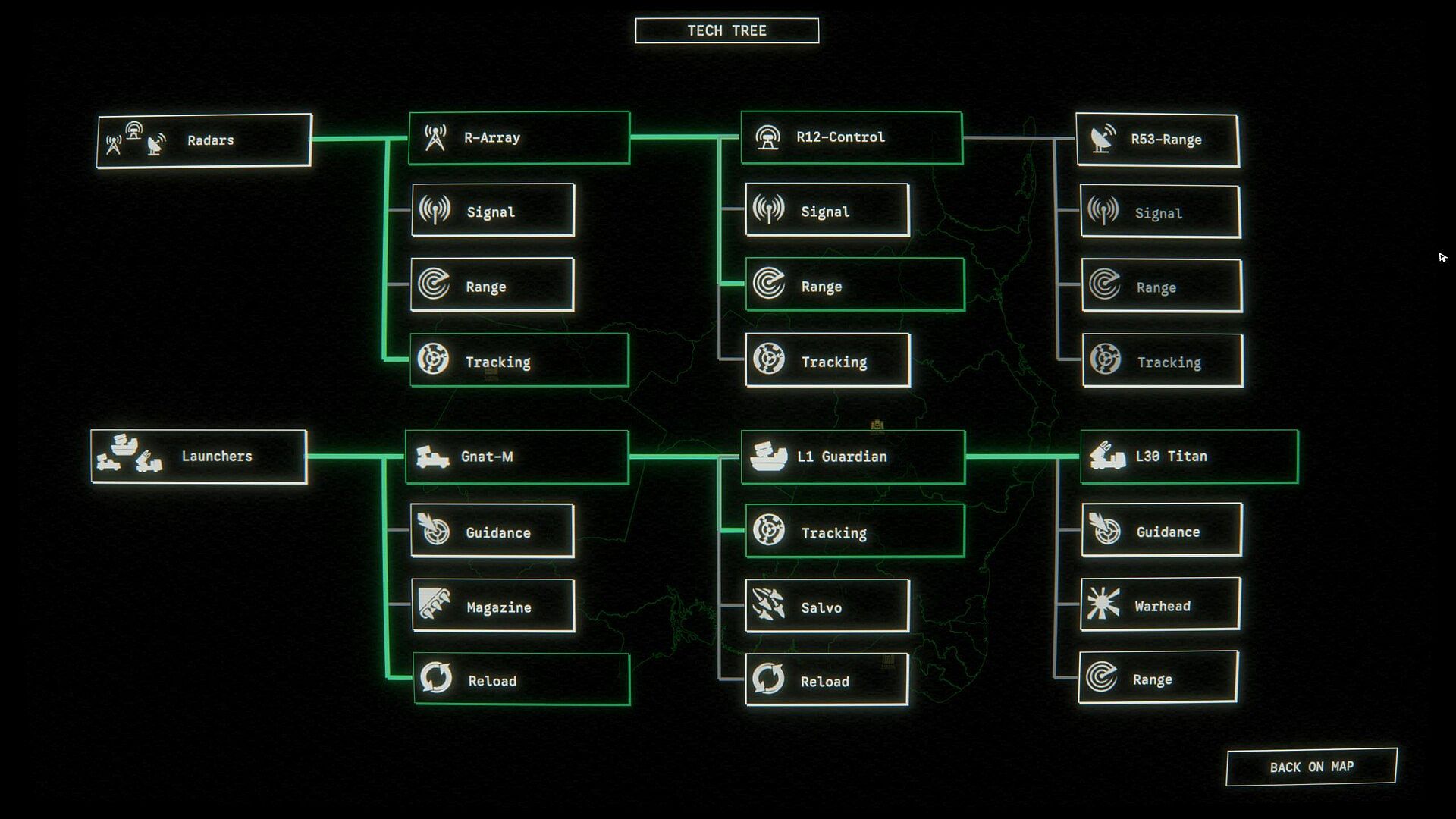
Upgrades and unlocks expand options as the campaign advances. New radar and launcher variants allow adaptation to faster or more numerous enemies, encouraging experimentation with network configurations based on lessons from prior attacks.
Is It Worth Playing?
Radar Line suits players who enjoy deliberate strategy games centered on resource trade-offs and defensive planning. The emphasis on intelligence decisions, equipment trade-offs, and post-attack analysis creates a thoughtful loop for those interested in air defense simulation elements.
With the game still listed as coming soon and no user reviews available, reception details remain unavailable. Its single-player campaign format and focus on iterative defense building appeal to fans of methodical strategy titles rather than fast-paced action or multiplayer experiences. Availability is limited to the PC platform once released.