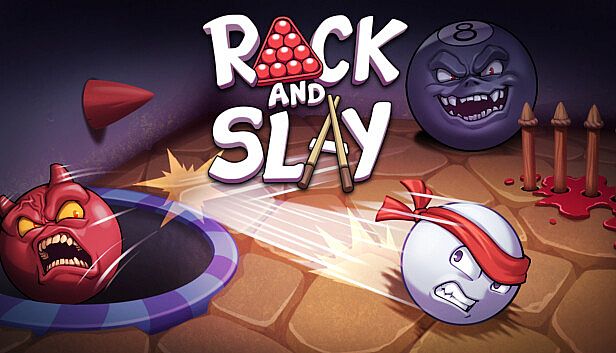











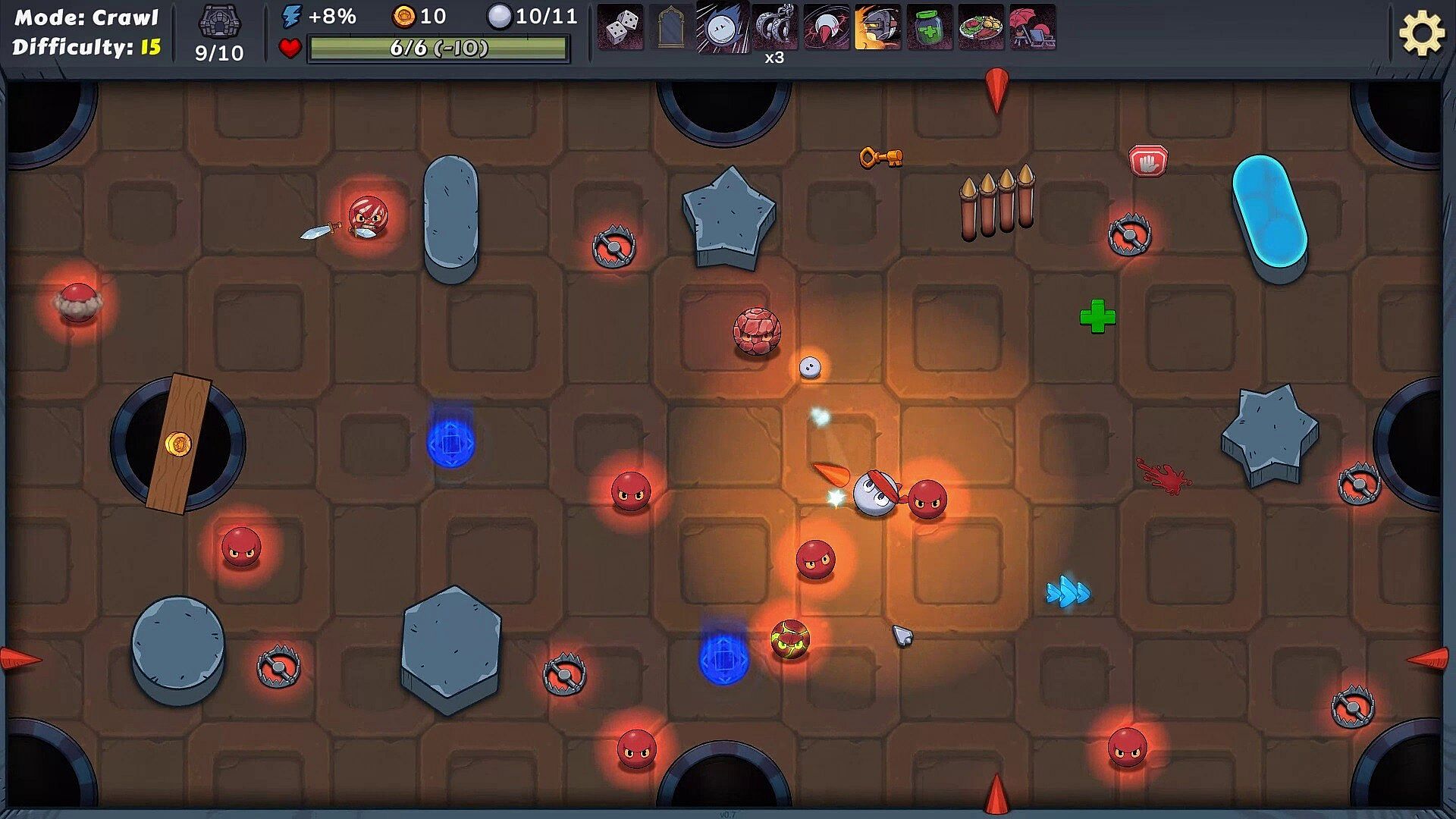
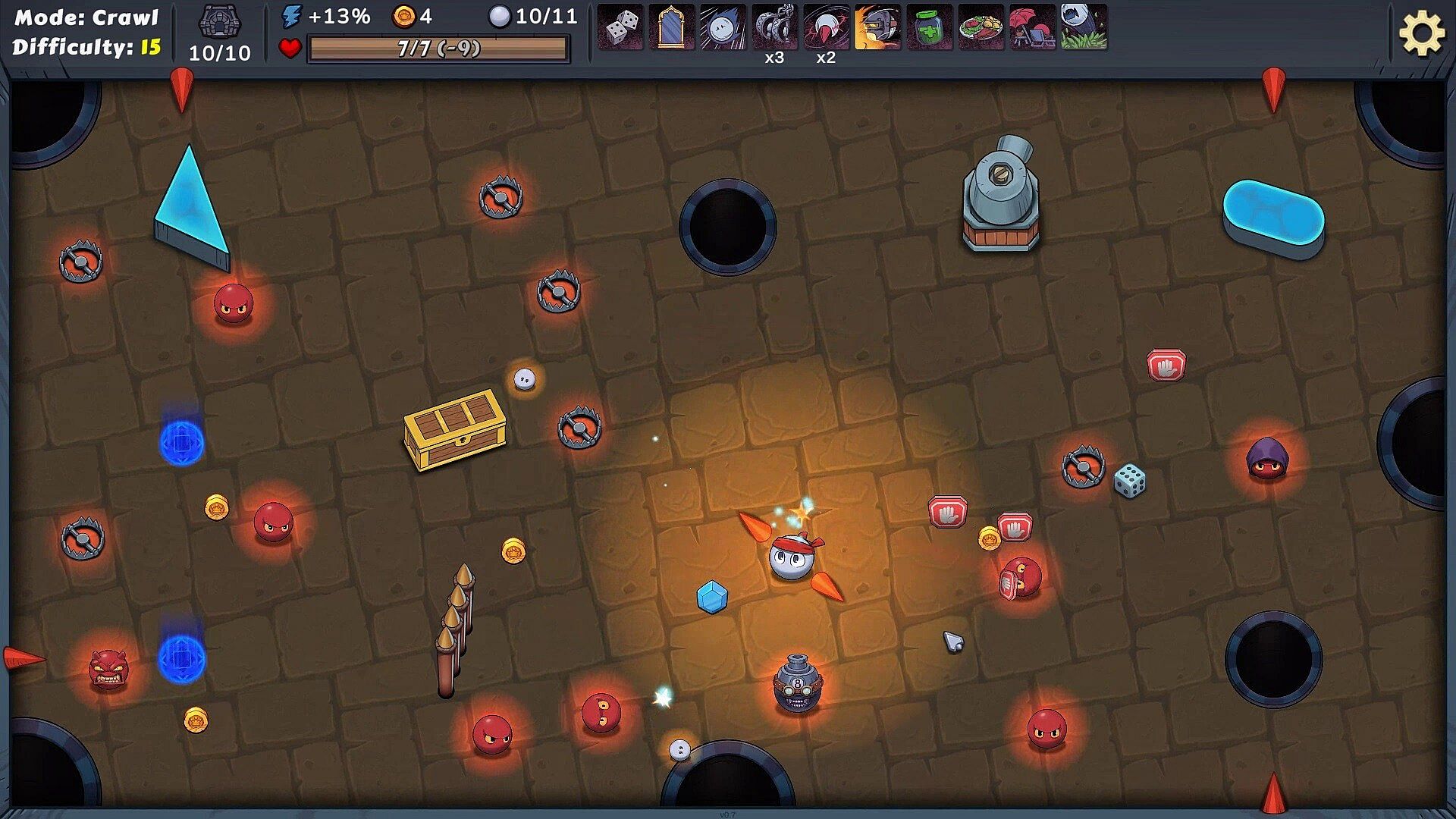
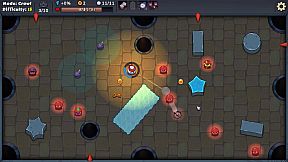
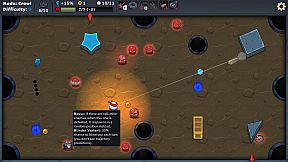
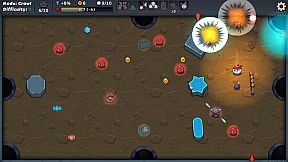
Rack and Slay is a single-player strategy indie RPG that blends billiards physics with roguelike dungeon crawling. Players control a white billiard ball navigating randomly generated levels filled with monster balls, traps, and power-ups. The core loop involves precise aiming and shooting to pot enemy balls into pockets or hazards while avoiding self-inflicted setbacks from obstacles and enemy behaviors.
Gameplay
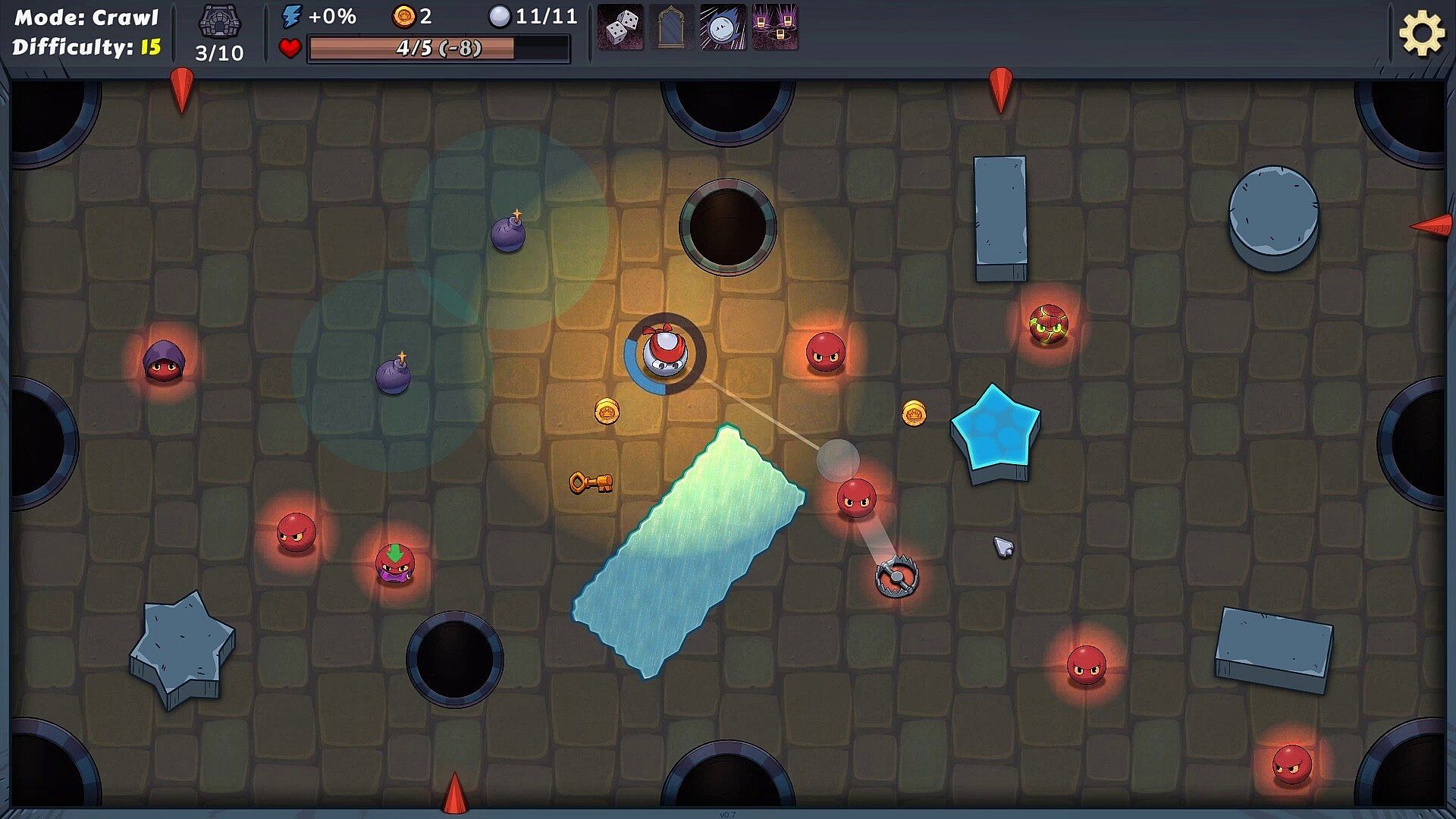
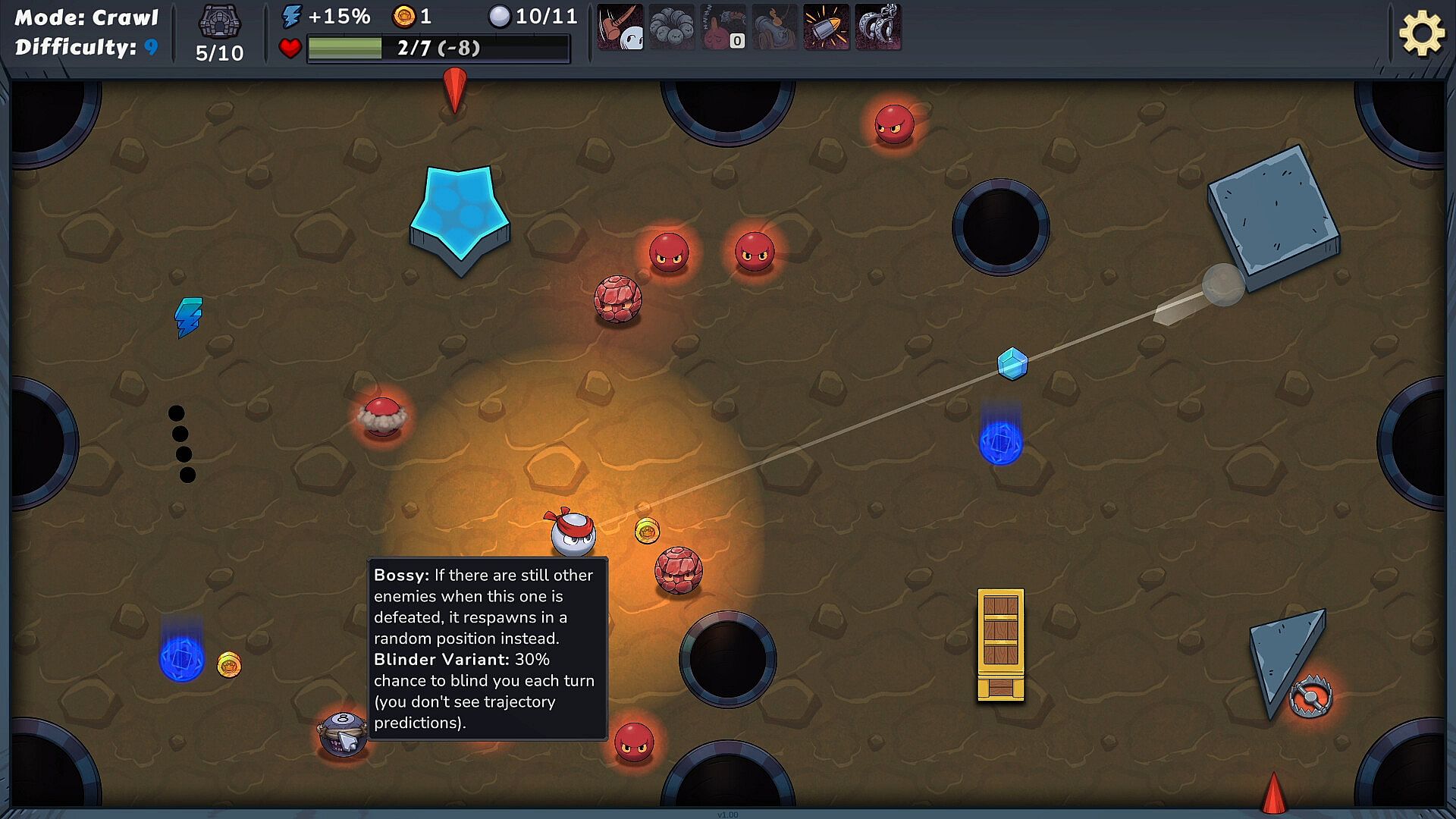
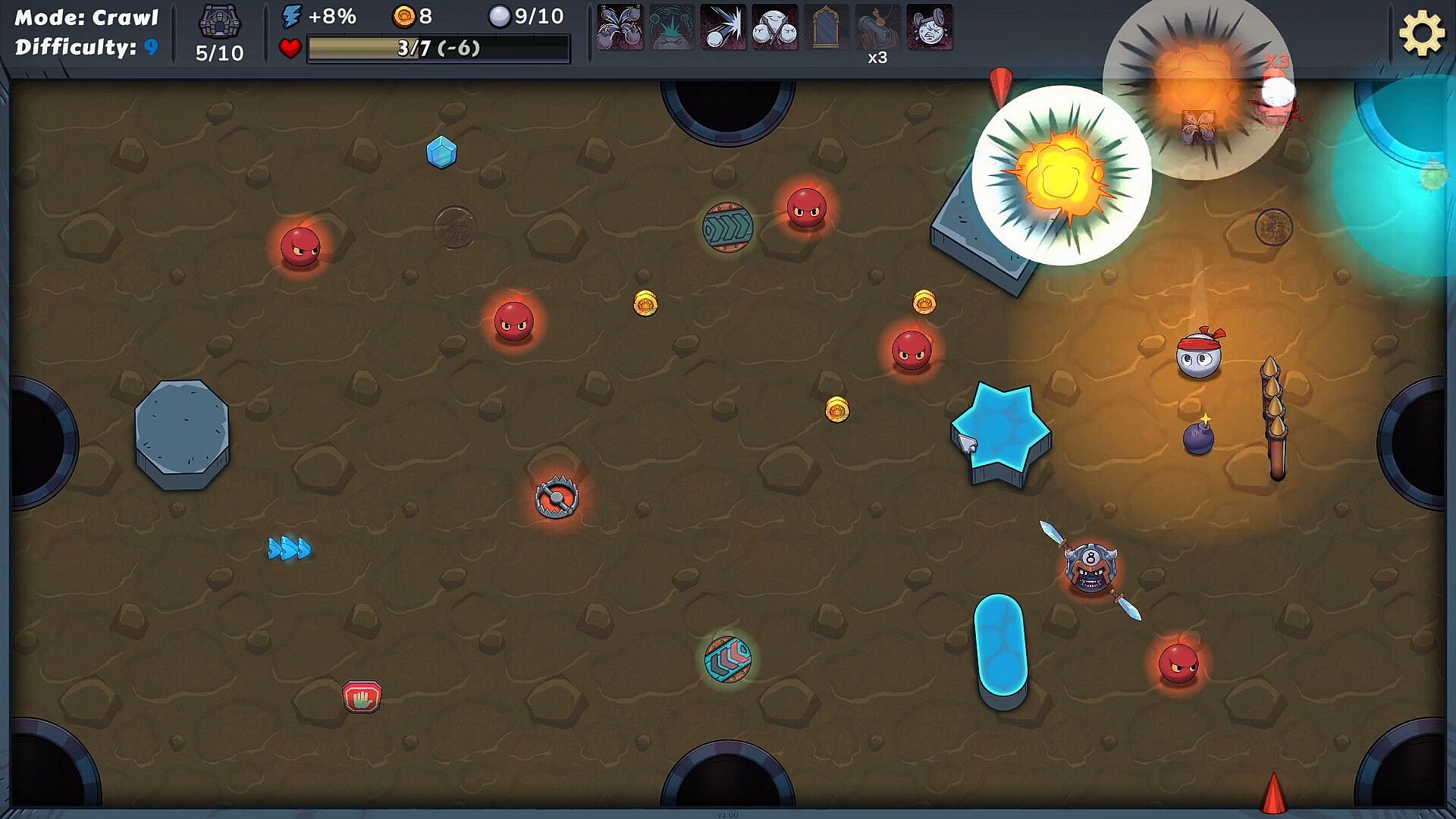
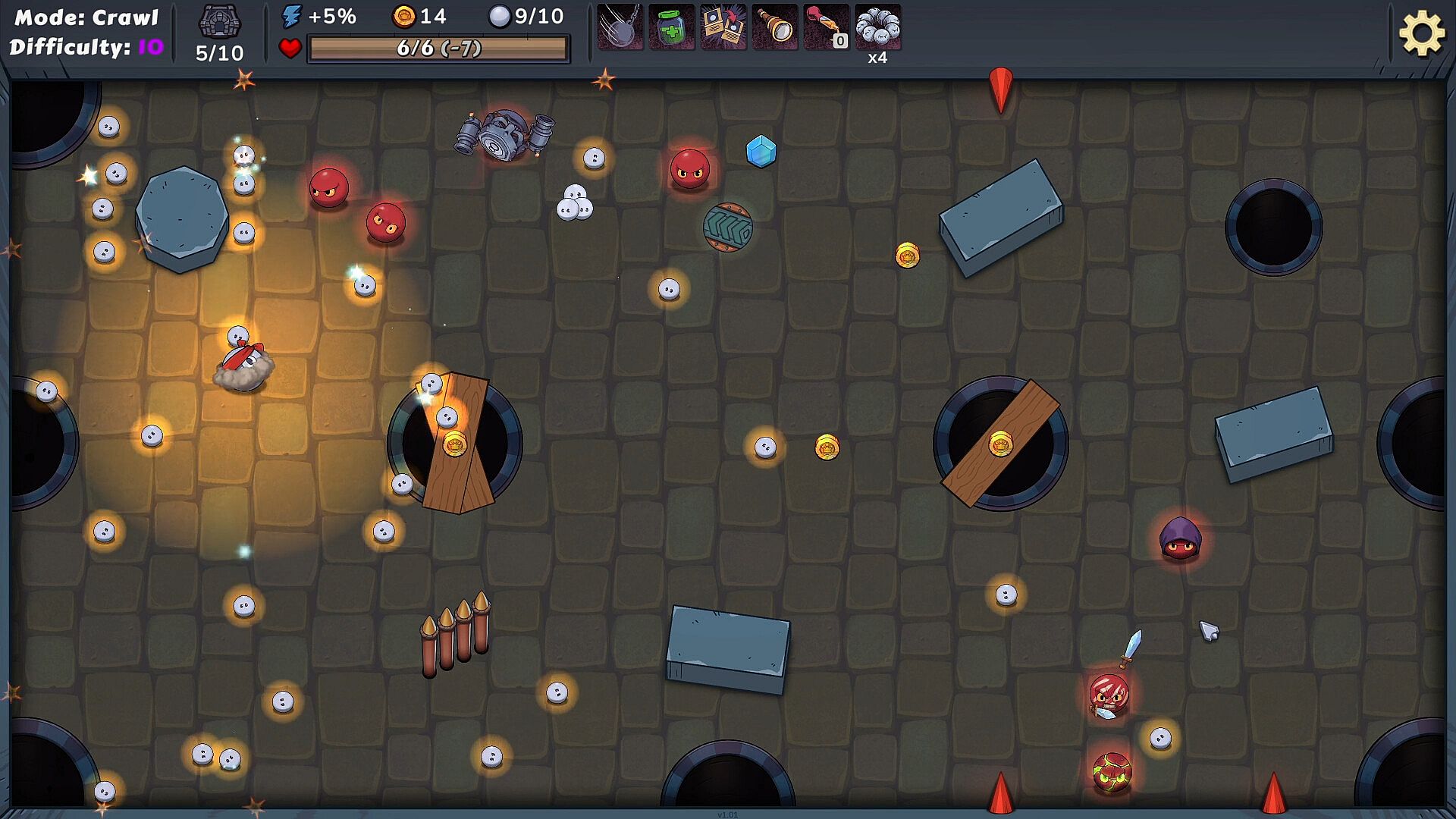
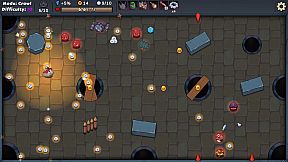
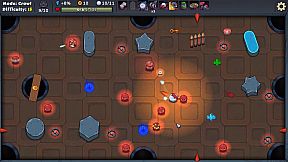
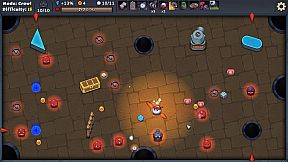
Each run begins with the player as the white ball on a table-like arena. Monster balls possess distinct traits such as armor plating or dormant states that require specific approaches to eliminate. Obstacles like spikes, bounce pads, boost zones, and teleporters influence ball trajectories for both the player and enemies, enabling combo opportunities and environmental tactics. Procedural generation ensures varied layouts across runs, with collectibles providing temporary advantages during levels.
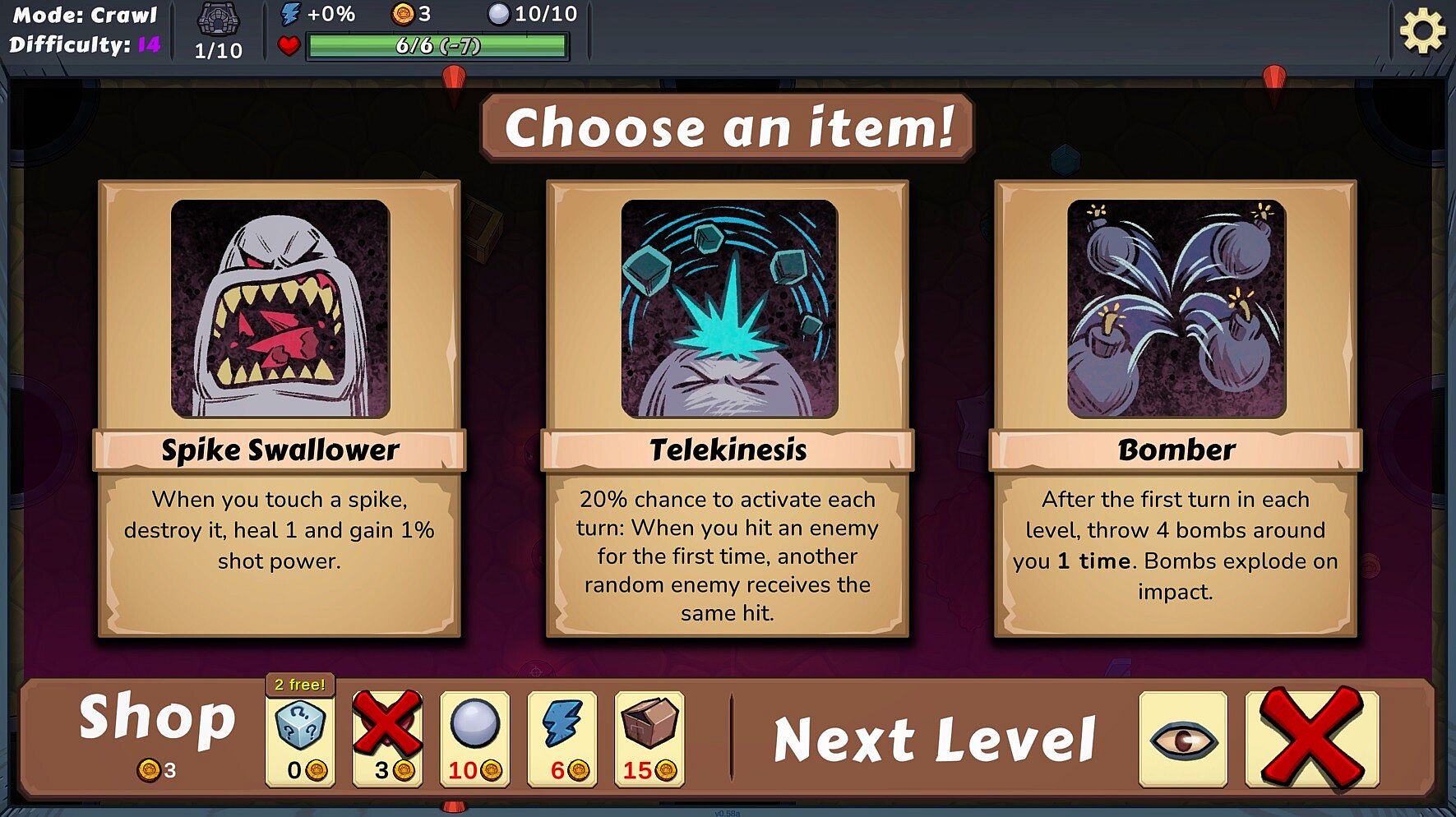
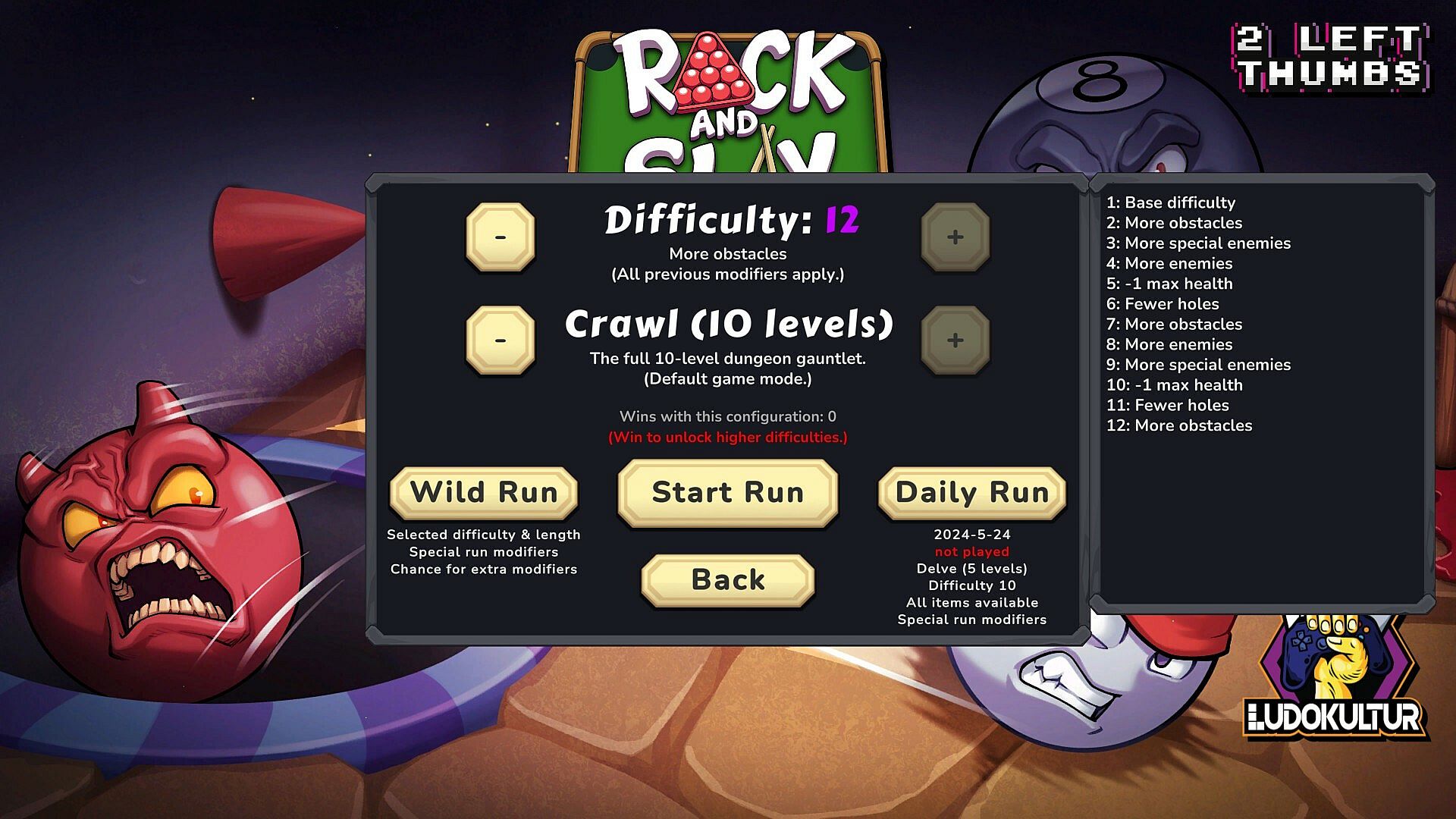
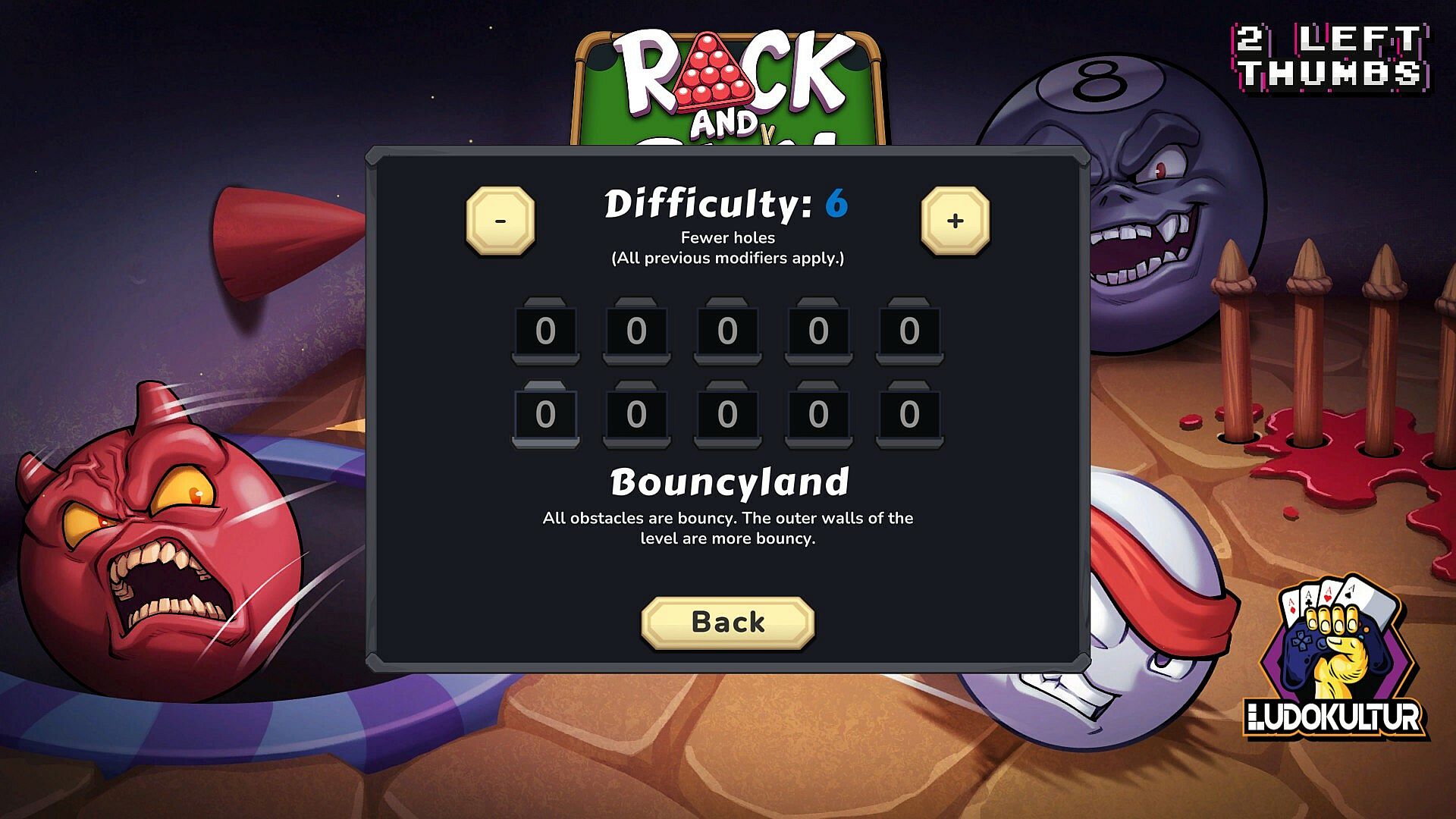
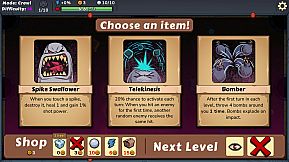
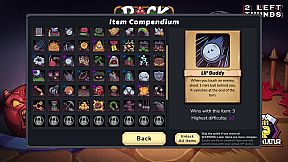
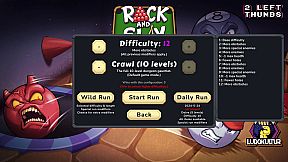
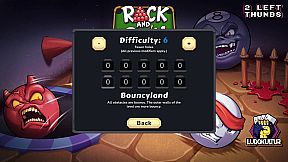
Between stages, players draft from over 100 stackable items that introduce permanent changes to abilities, enemy interactions, or level conditions. These choices encourage experimentation with synergies, such as combining effects that reward aggressive positioning or defensive setups. Difficulty scales across 20 tiers, each layering additional modifiers that increase enemy resilience or alter table dynamics without relying on incremental stat boosts.
Controls remain straightforward, supporting mouse or controller input for quick aiming and shots. The absence of a persistent power grind means every session focuses on immediate build decisions and execution rather than long-term accumulation.
Game Modes
Standard runs consist of a full 10-level dungeon crawl that typically lasts 20 to 30 minutes. Delve Mode shortens this to five levels while increasing loot frequency for faster pacing. Single-level raids offer brief sessions with pre-assigned random items, suitable for quick attempts.
Endless Mode extends a completed run indefinitely, allowing players to test the limits of accumulated item combinations against escalating challenges. Daily Runs present a fresh set of modifiers each day, creating consistent variety without manual setup.
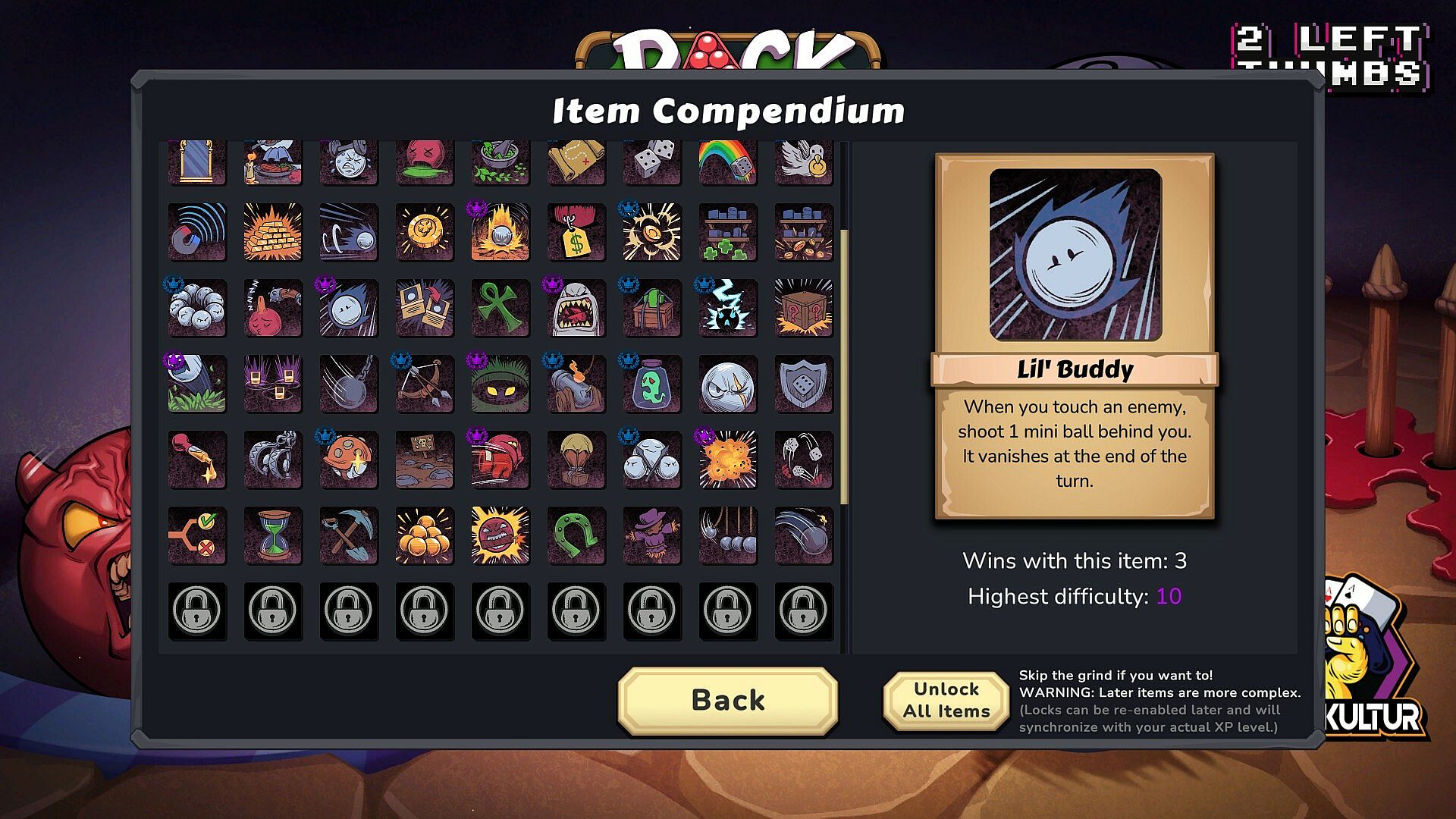
Progress tracking records wins by difficulty and mode, awarding specific badges for successful runs with individual items. This system supports completionist goals by highlighting which builds have been mastered across different conditions.
Replayability and Progression
Procedural elements combine with the large item pool to produce distinct experiences on every attempt. Unlocking additional items through play expands options without introducing mandatory grinds or paywalls. The 20 difficulty levels provide structured escalation, while badges and the item compendium offer tangible markers of mastery.
Physics interactions reward careful planning alongside adaptability, as a single misaimed shot can cascade into failure or unexpected success. Builds can emphasize direct potting, trap manipulation, or indirect control through item effects, accommodating different preferences within the same framework.
Is It Worth Playing?
Rack and Slay delivers focused sessions that fit into short breaks while supporting deeper exploration through its modes and item variety. The game launched in May 2024 and maintains Very Positive reception based on hundreds of reviews, with players noting its consistent fun factor and lack of filler progression systems.
It suits those who enjoy roguelikes with tangible physics mechanics and build experimentation over narrative depth or multiplayer elements. The indie development by a two-person team emphasizes core systems without extraneous features, resulting in a streamlined experience that rewards repeated play through genuine mechanical variety rather than volume alone.
Availability on PC makes it accessible for strategy fans seeking something distinct from traditional dungeon crawlers. The combination of short run times, daily challenges, and escalating difficulty supports ongoing engagement for players who value skill expression and combinatorial discovery.