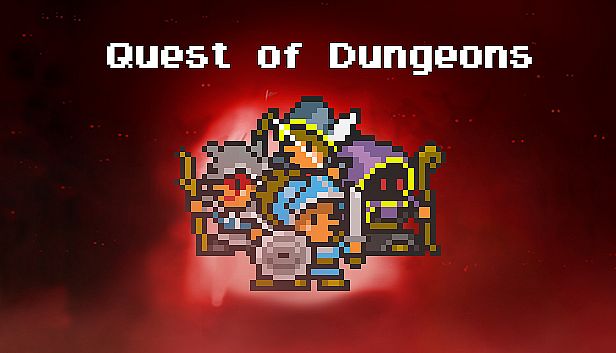











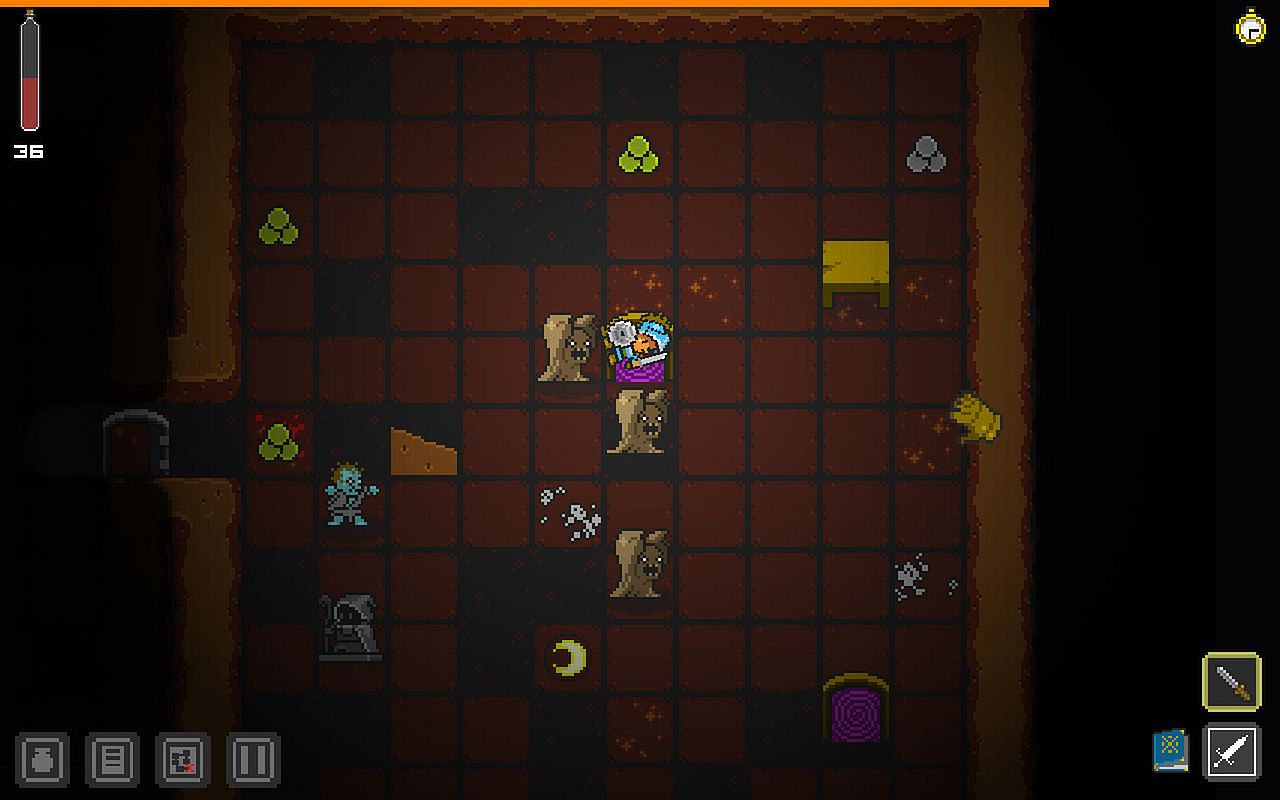
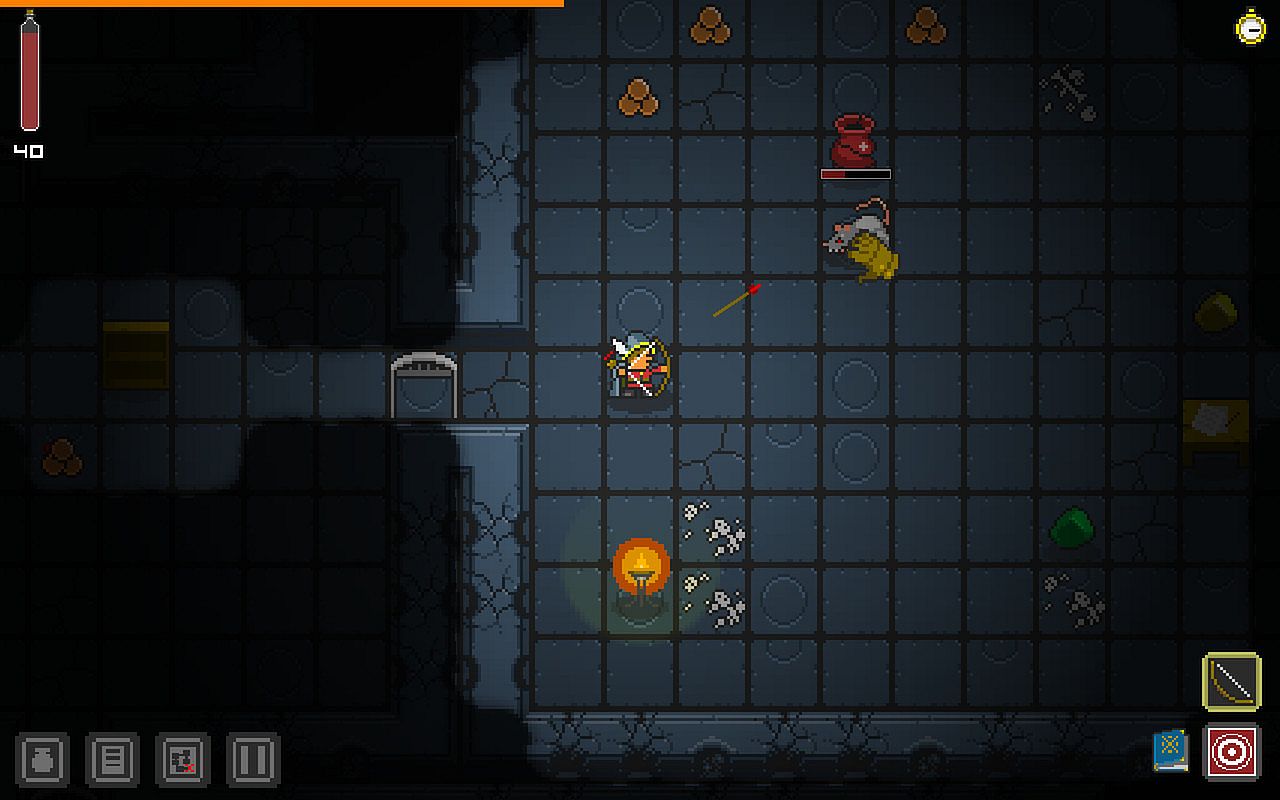
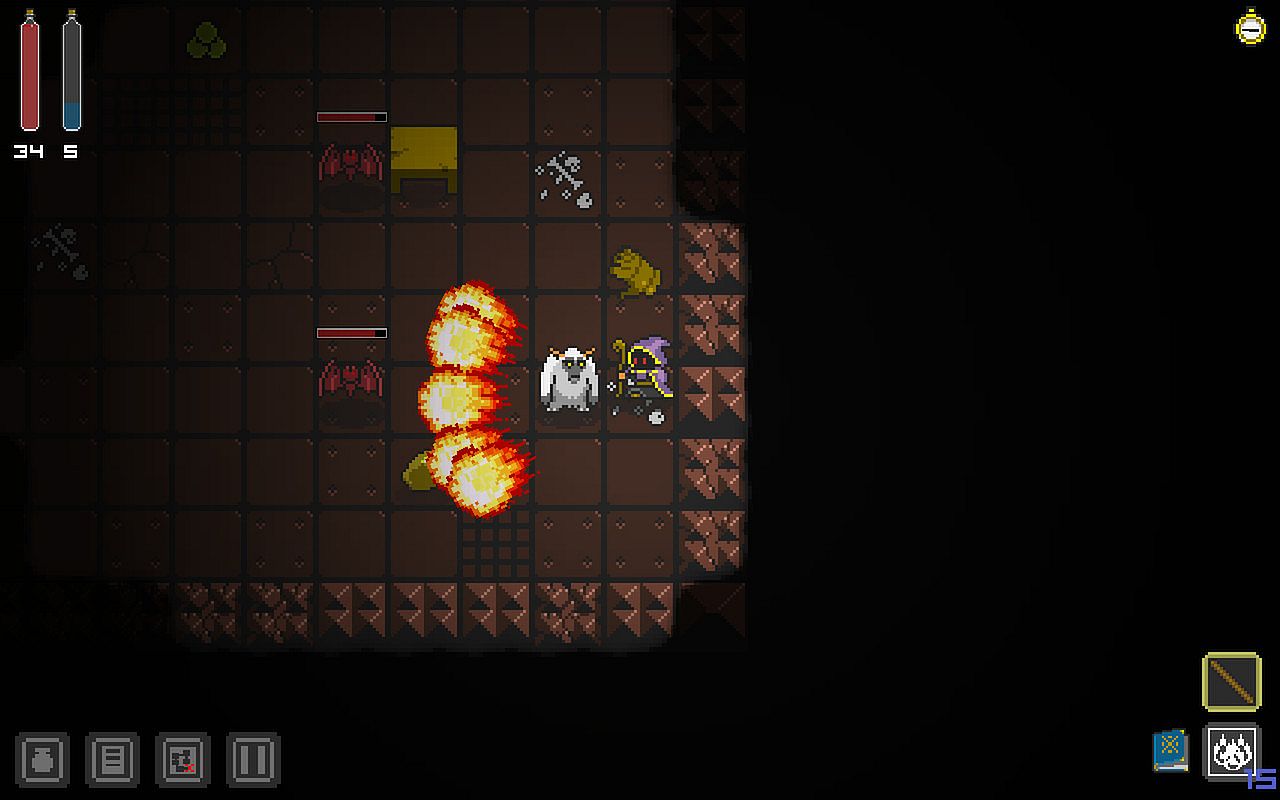
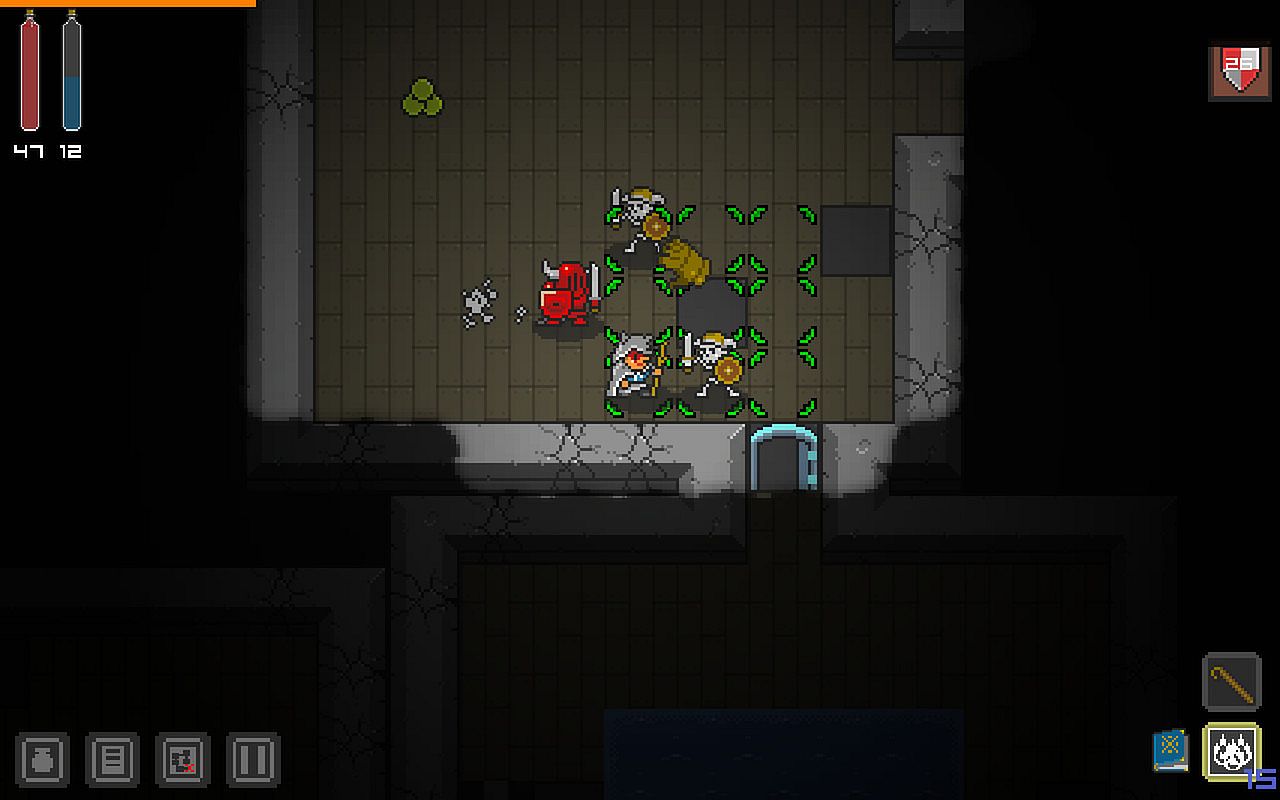
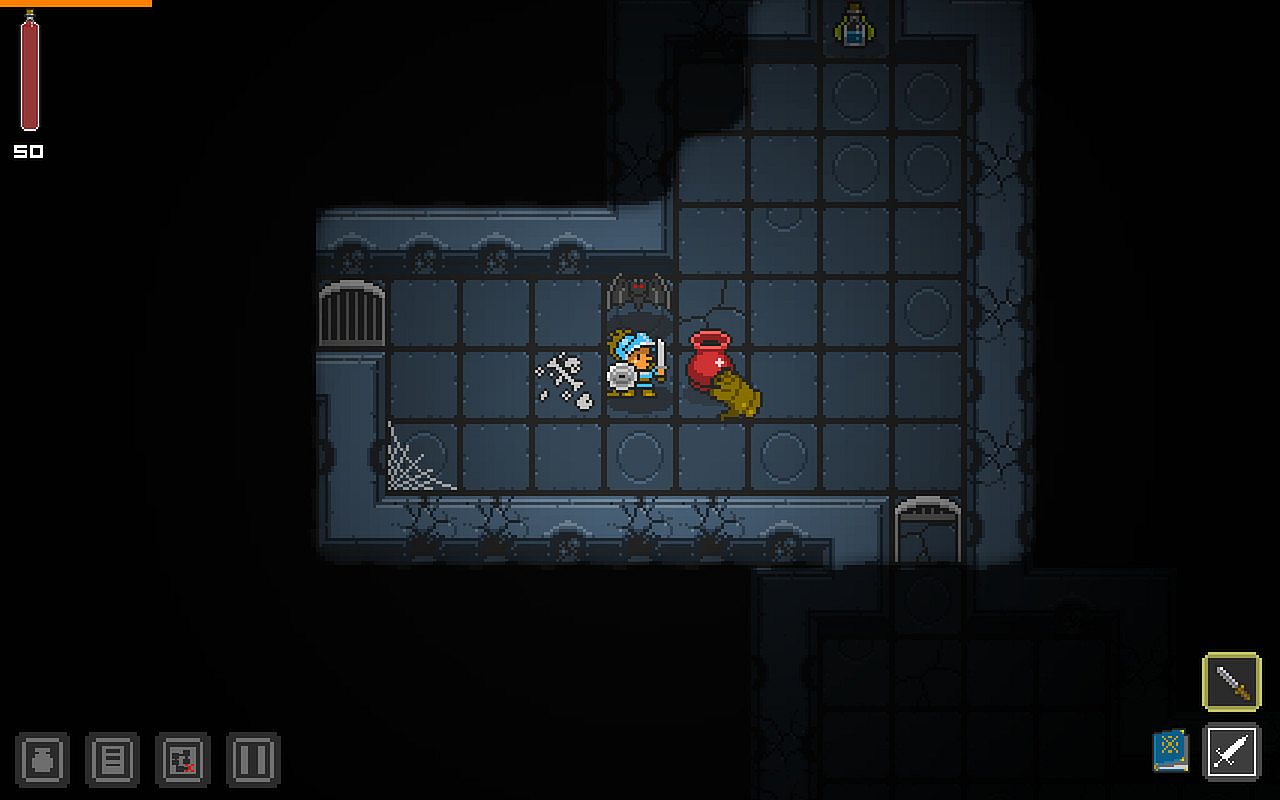
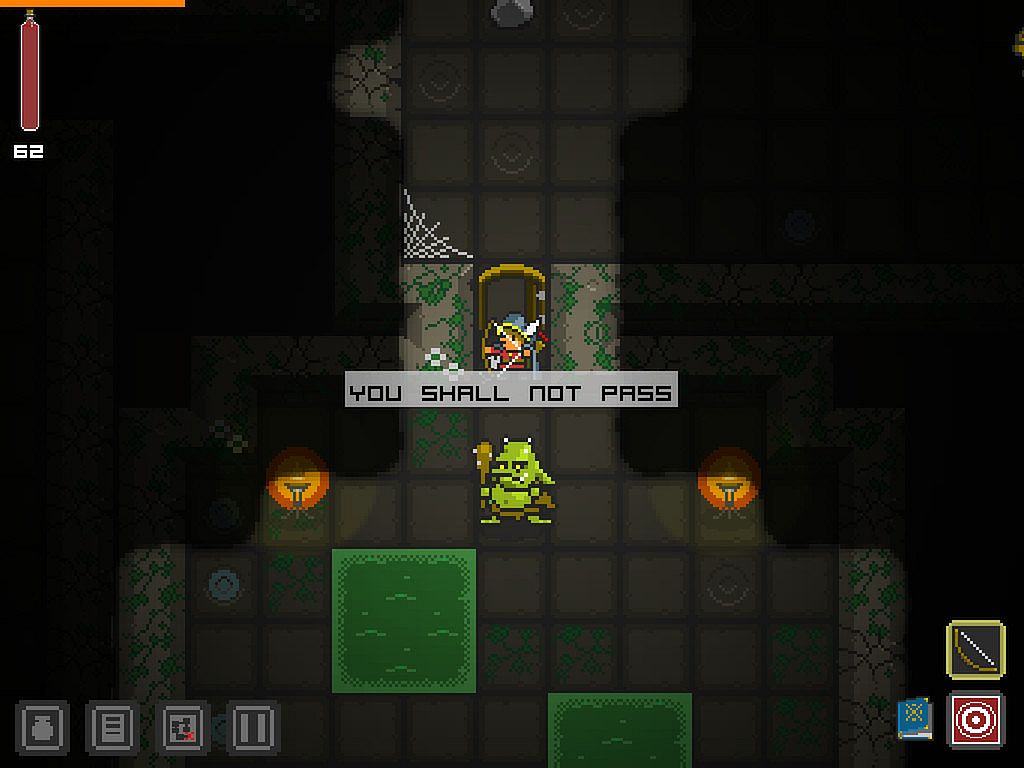


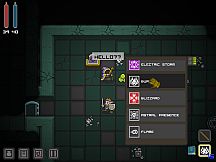
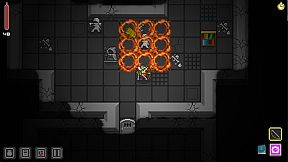
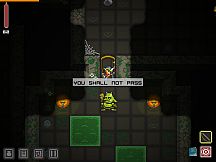
Quest of Dungeons stands as a turn-based roguelike dungeon crawler that blends indie RPG and adventure elements with a distinctive 16-bit retro visual style. Players step into the role of a hero tasked with entering a dark lord's lair to restore light to the world, navigating randomly generated environments filled with enemies, loot, and hazards.
Gameplay
The core loop revolves around exploring procedurally generated dungeons where every run presents new layouts, enemy placements, and item distributions. Movement and actions occur on a turn-based system, with each step, attack, or item use consuming a turn while enemies respond accordingly. Combat emphasizes positioning and resource management, as players select from four distinct classes at the start of each attempt.
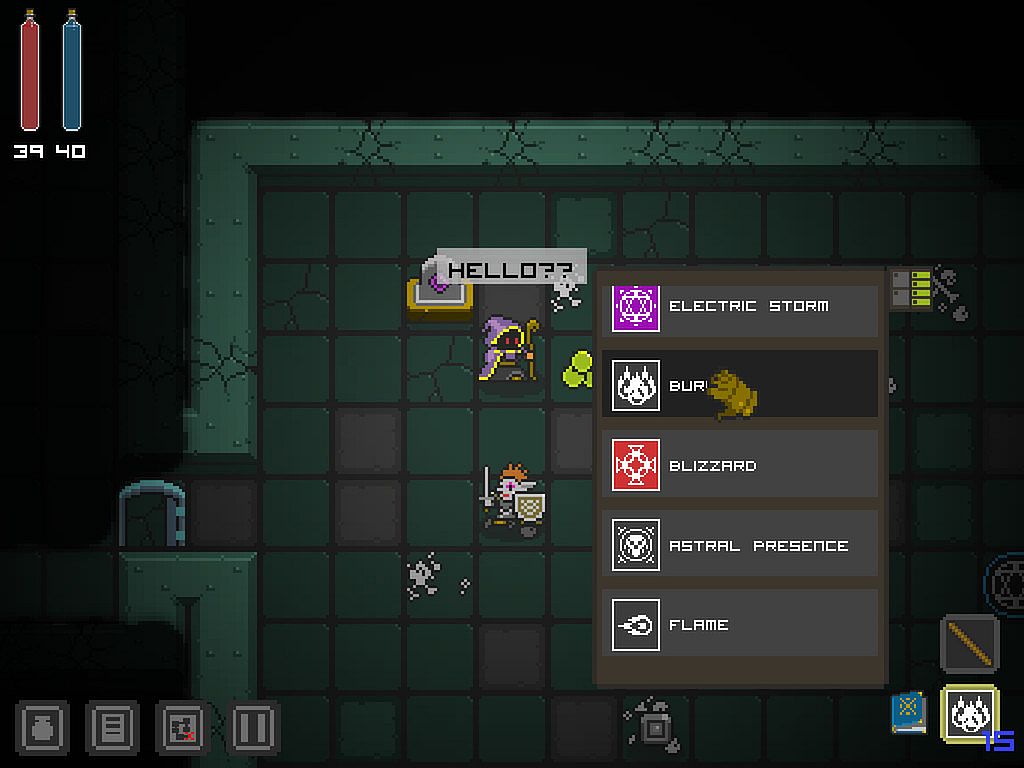
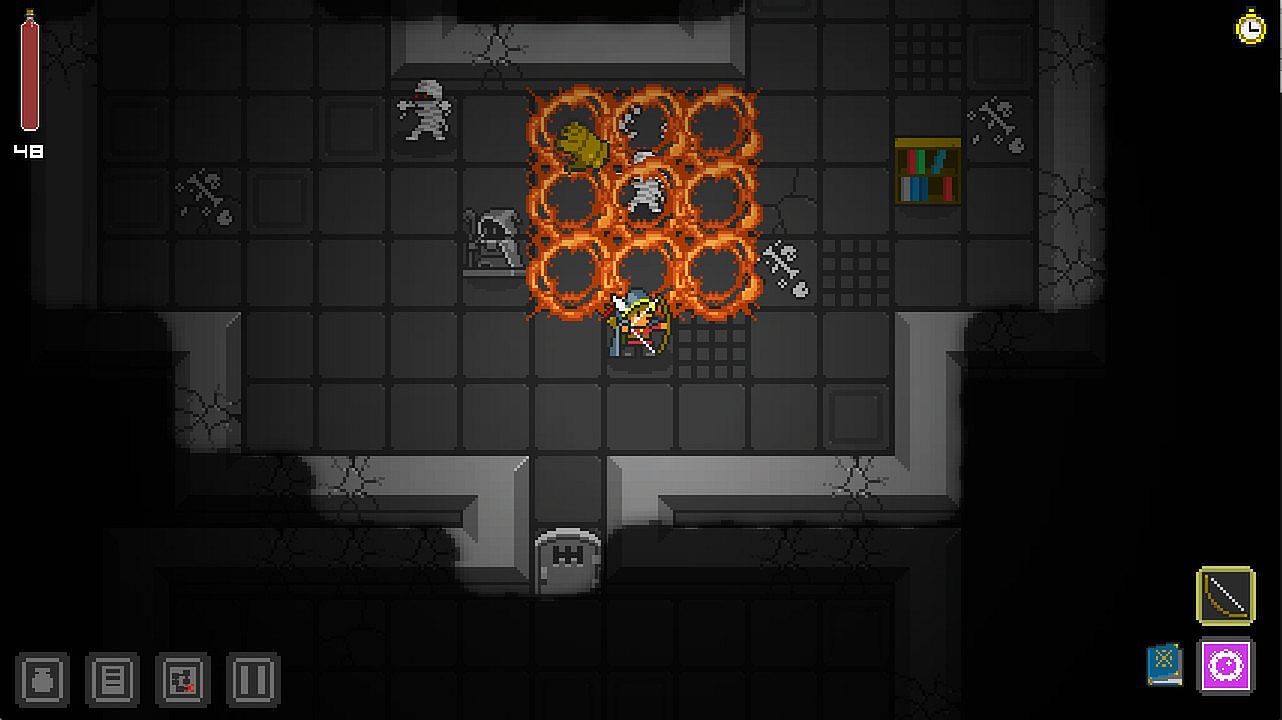
The Warrior focuses on close-range melee with high durability. The Wizard relies primarily on magical abilities for offense while retaining basic melee options. The Assassin excels at ranged attacks with a bow, offering safer engagement from distance. The Shaman combines melee strikes with mana-powered spells for hybrid flexibility. Skills learned from tomes found during runs introduce cooldown-based abilities that add tactical depth without overwhelming complexity.
Looting plays a central role, with weapons, armor, and consumables scattered throughout the dungeons. A shop system allows buying and selling gear to optimize loadouts between encounters. Procedural weapons ensure variety across playthroughs, while boss fights and quest objectives provide structured challenges amid the randomization. Four difficulty levels let players adjust the intensity, from more forgiving settings to stricter ones that demand careful planning.
Game Modes
Quest of Dungeons centers on single-player procedural runs that serve as the primary experience. Each attempt functions as a self-contained adventure where death triggers permadeath, resetting all progress and forcing a fresh start with new randomization. This structure encourages repeated attempts to improve survival strategies and item management.
Difficulty selections act as built-in variations, altering enemy strength, resource availability, and overall challenge without changing the fundamental rules. Leaderboards track Adventure points earned across runs, allowing comparison of performance within the community. No separate multiplayer or co-op options exist, keeping the focus squarely on solo exploration and mastery of the turn-based systems.
Classes and Progression
Character choice influences combat approach and long-term viability. Warriors tank damage effectively in tight spaces. Wizards and Shamans leverage spells for crowd control or burst damage. Assassins prioritize safe ranged picks to whittle down threats. Progression comes through collected tomes that unlock new abilities, combined with shop upgrades that enhance weapons and defenses for subsequent floors.
The system rewards experimentation, as different class and skill combinations interact uniquely with the procedural elements. Shops provide opportunities to refine gear mid-run, while permadeath ensures that every decision carries weight across the dungeon's multiple levels.
Replayability and Challenges
Procedural generation of dungeons, weapons, and enemy encounters drives high replay value. No two runs unfold identically, pushing players to adapt tactics on the fly. Boss encounters and scattered quests add targeted objectives that break up standard exploration without introducing scripted sequences.
The four difficulty tiers further extend longevity, allowing newcomers to learn mechanics before tackling harder settings that emphasize precise timing and resource conservation. Permadeath heightens tension, making successful clears feel earned through accumulated knowledge rather than repetition of fixed content.
Is It Worth Playing?
Quest of Dungeons appeals to players who enjoy classic roguelike structures with accessible controls and retro presentation. Its straightforward mechanics make it approachable for those new to the genre, while the combination of procedural variety, permadeath, and class-specific playstyles sustains interest for veterans seeking quick sessions or extended campaigns.
Reception has remained generally positive among fans of turn-based dungeon crawlers, with praise for its clean implementation of core systems and nostalgic art direction. The game continues to be available on PC without major recent updates, maintaining its original design for those drawn to unadorned roguelike experiences. It suits individuals comfortable with high-stakes runs and iterative improvement over narrative-driven adventures.