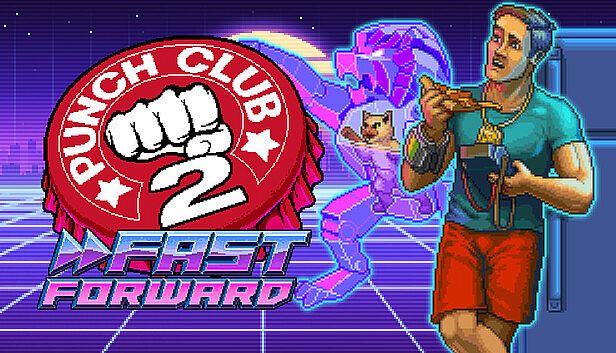






















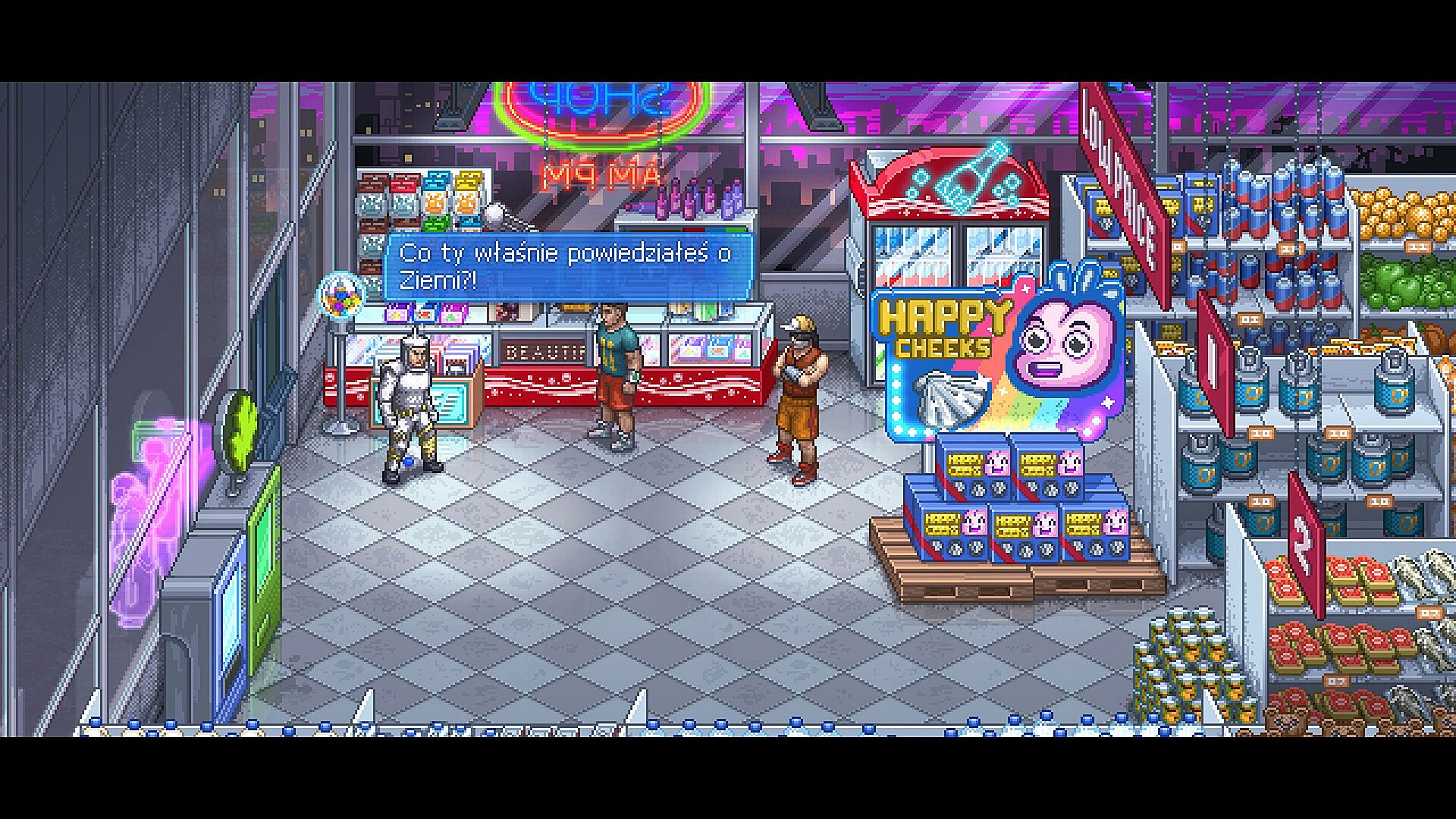
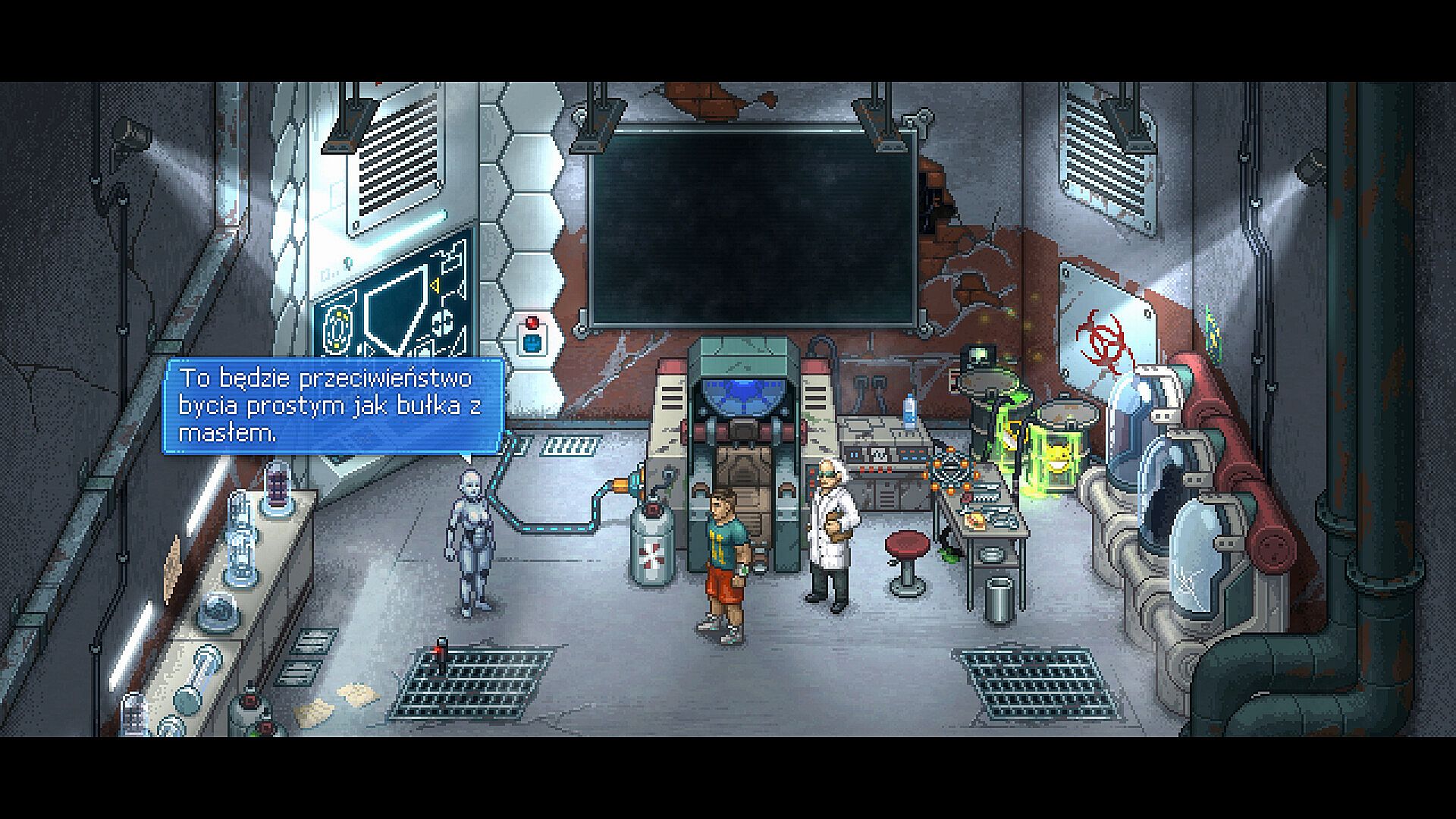
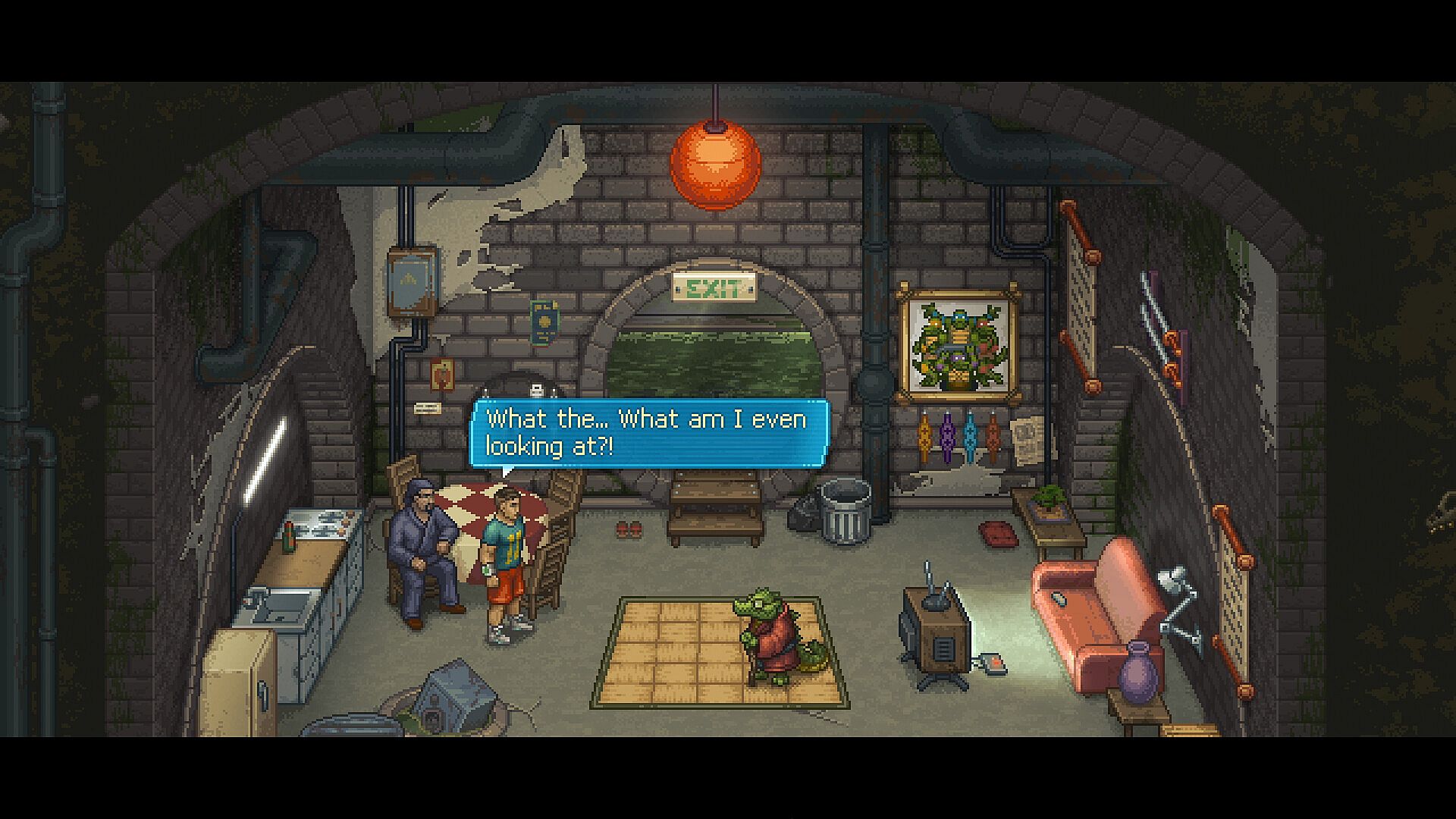
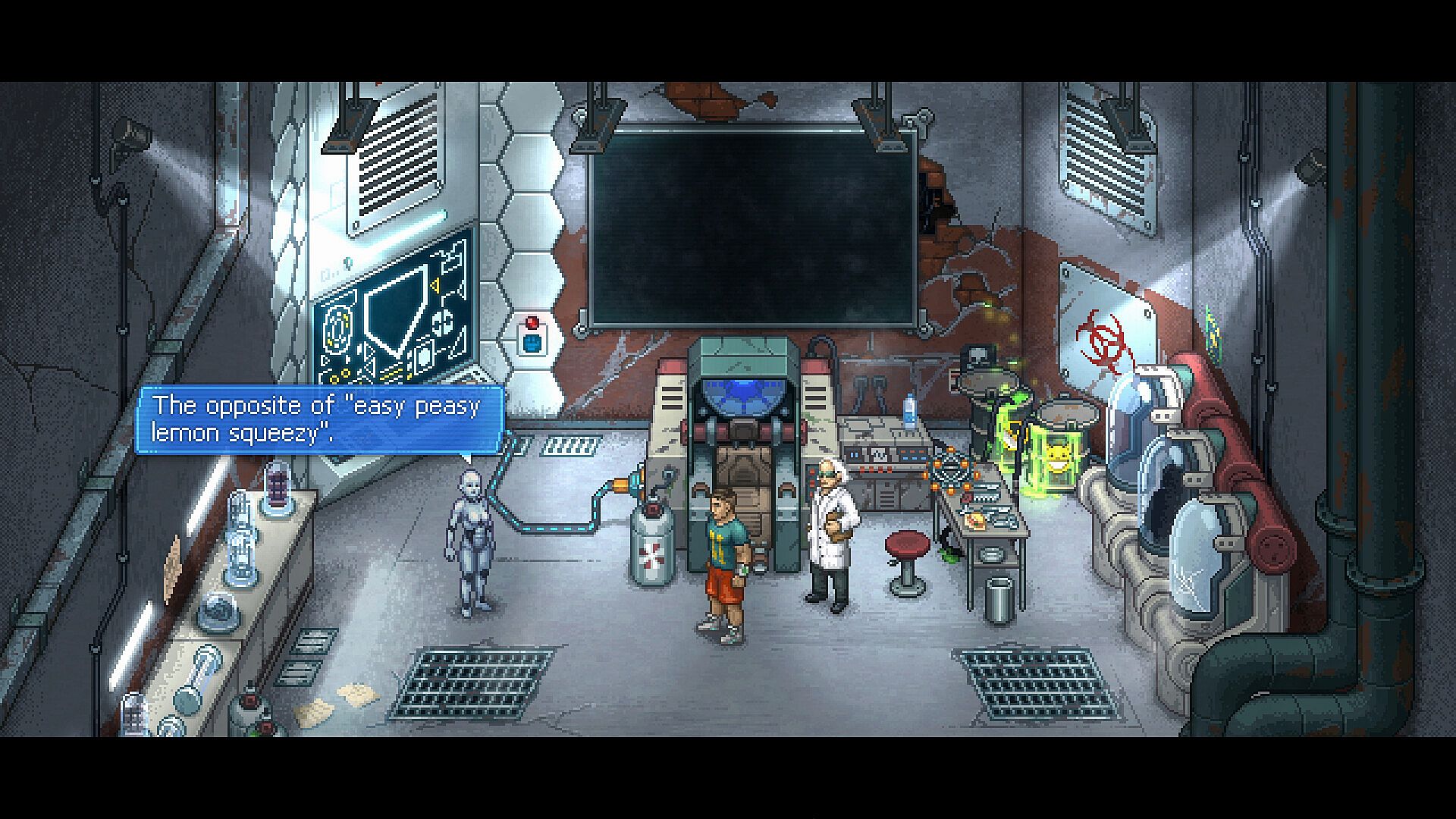


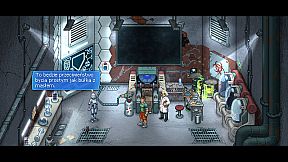
Punch Club 2: Fast Forward is a single-player management simulation that blends strategy, RPG progression, and sports-style fighting in a retro cyberpunk setting. Players take control of a fighter who trains, works odd jobs, and competes in leagues while navigating a dystopian world filled with corruption and odd jobs. The experience centers on balancing daily schedules, building stats, and making tactical decisions in matches rather than direct button-mashing combat.
Gameplay
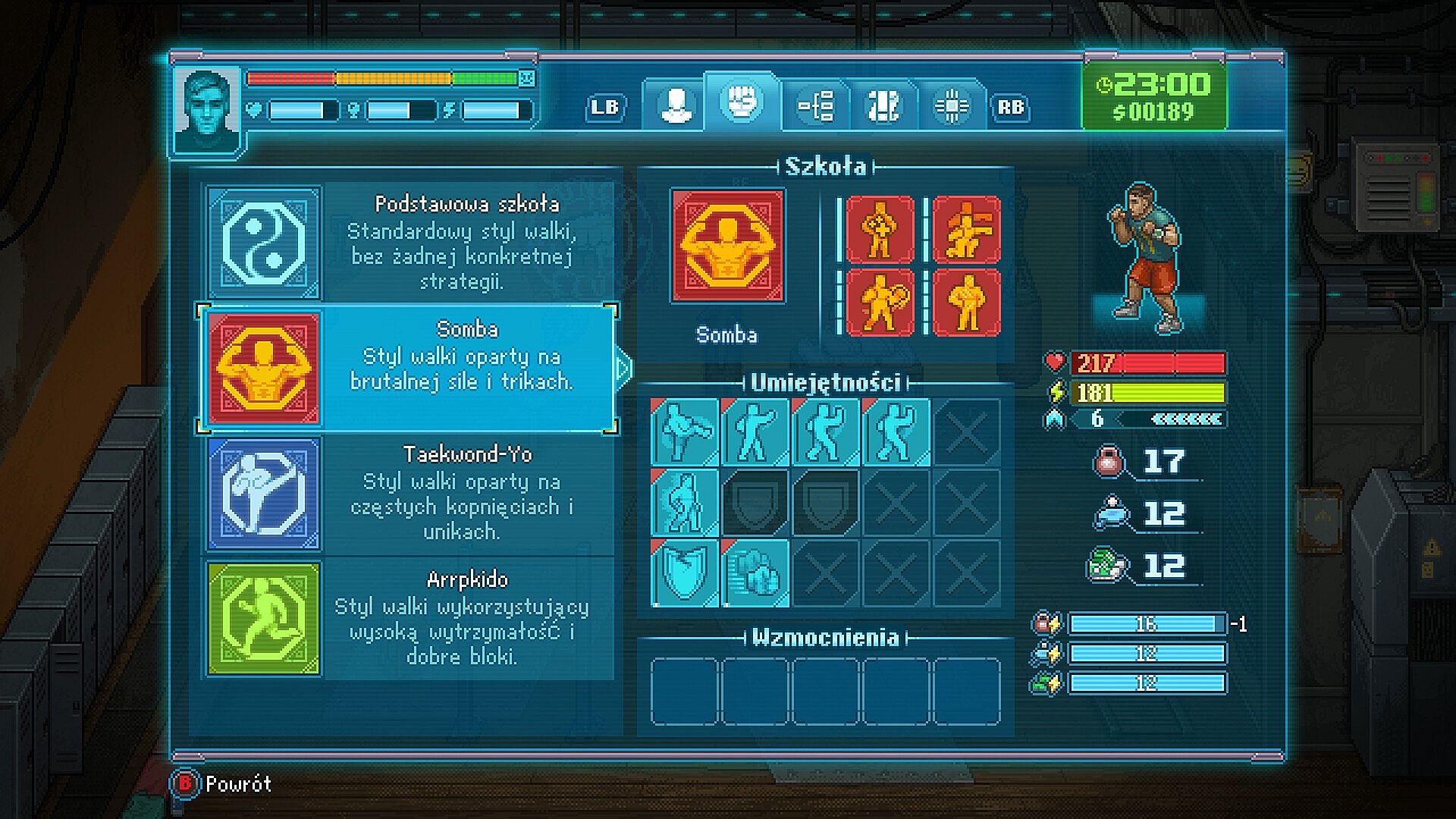
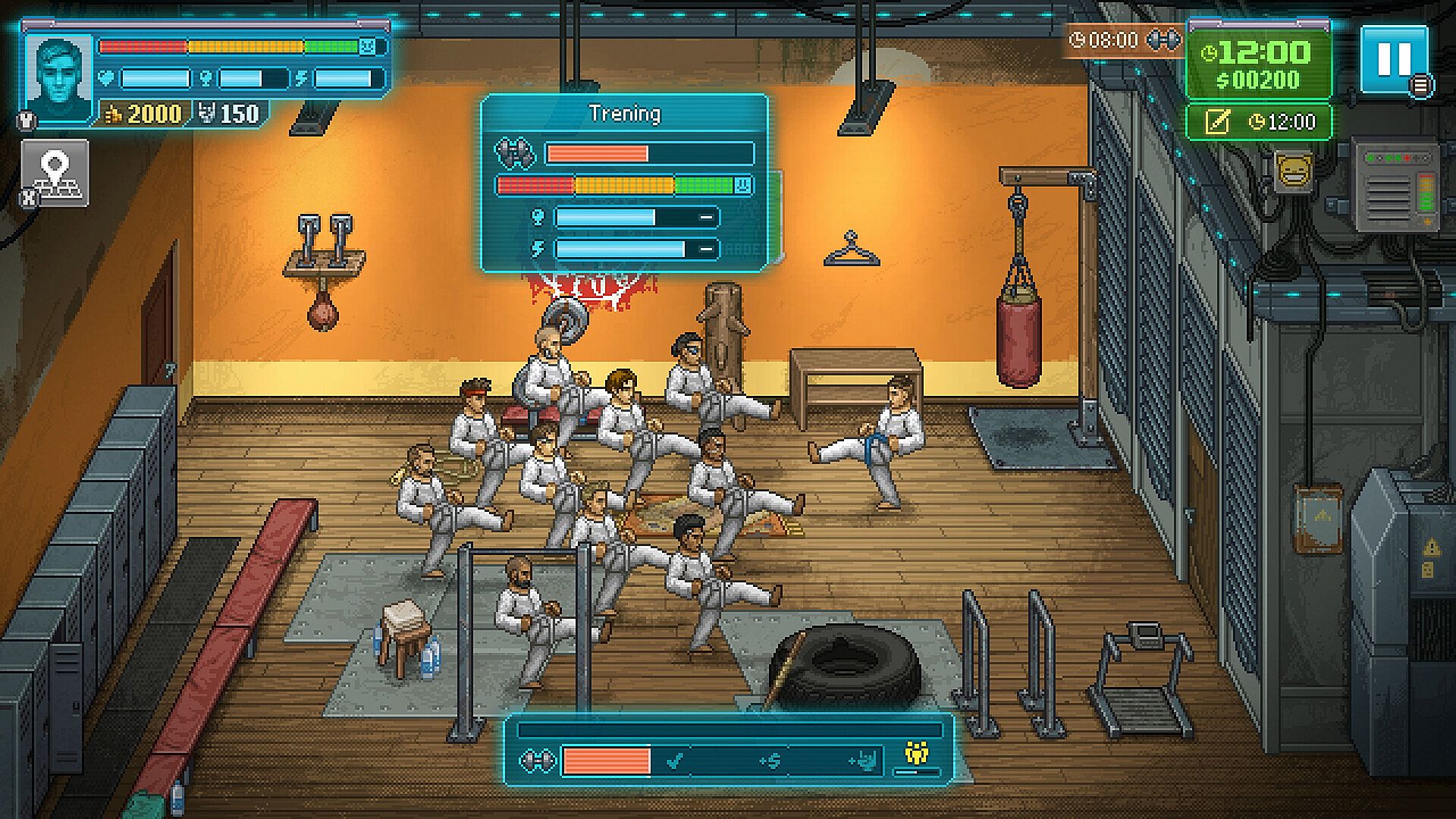
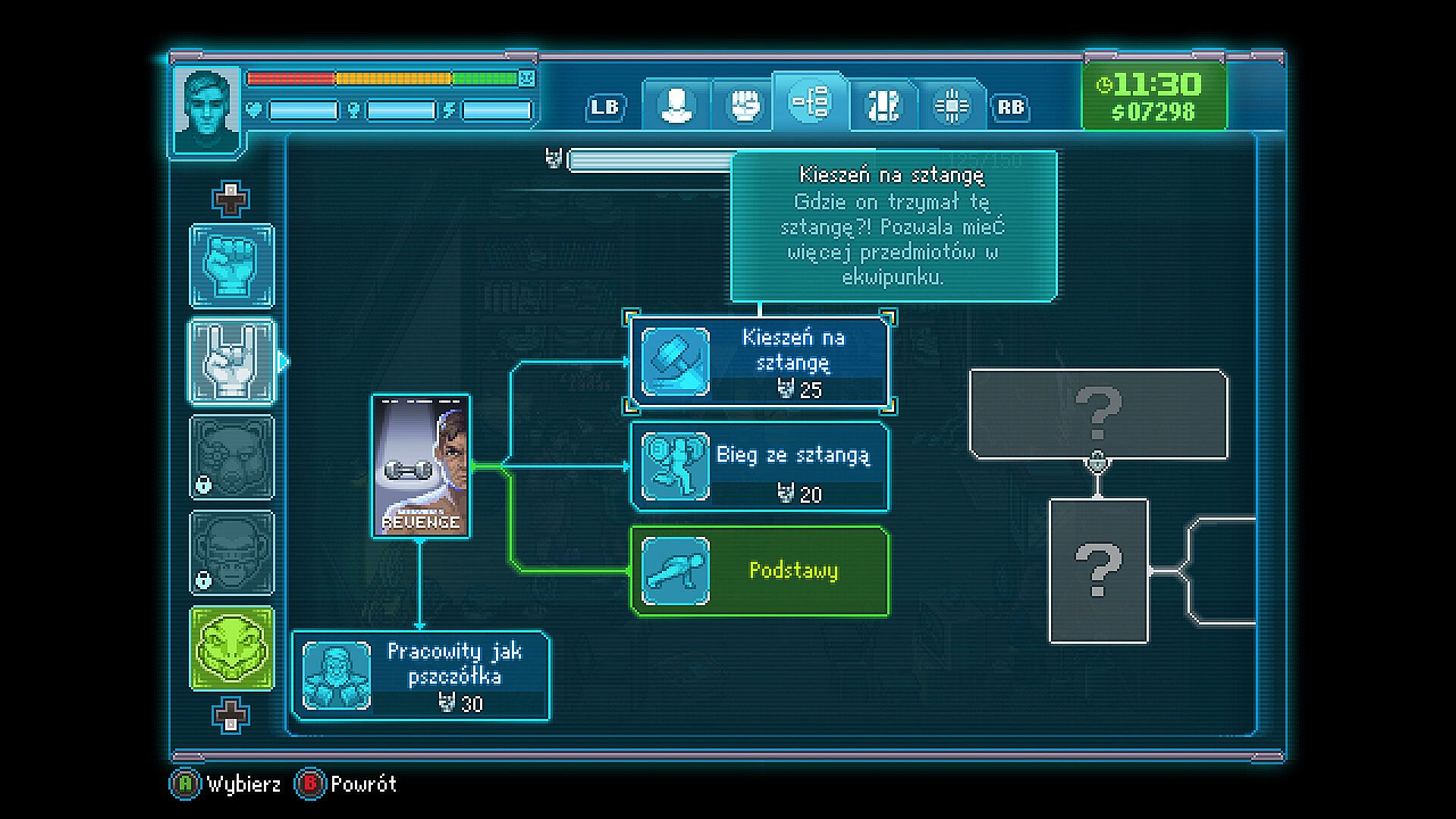
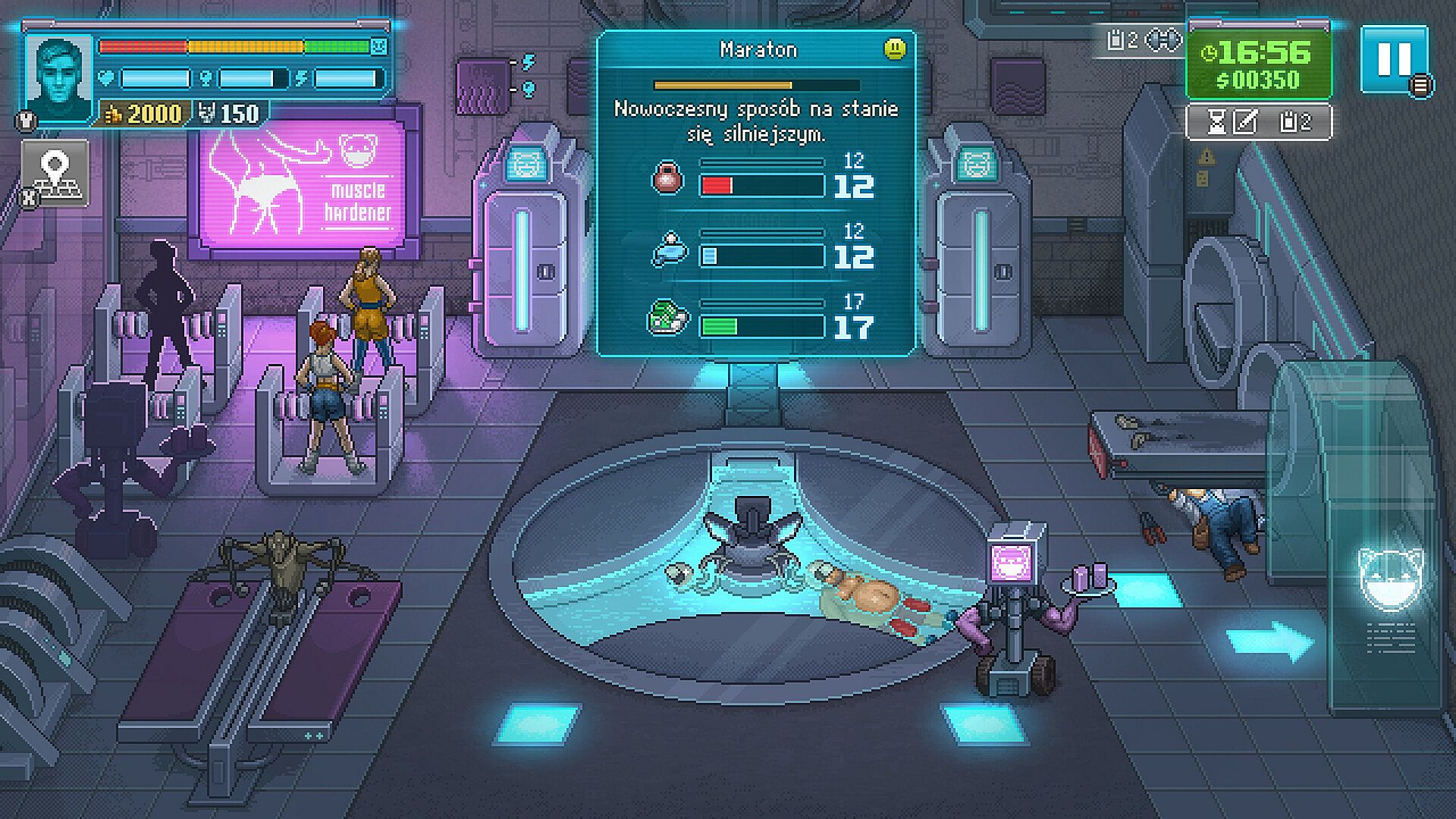
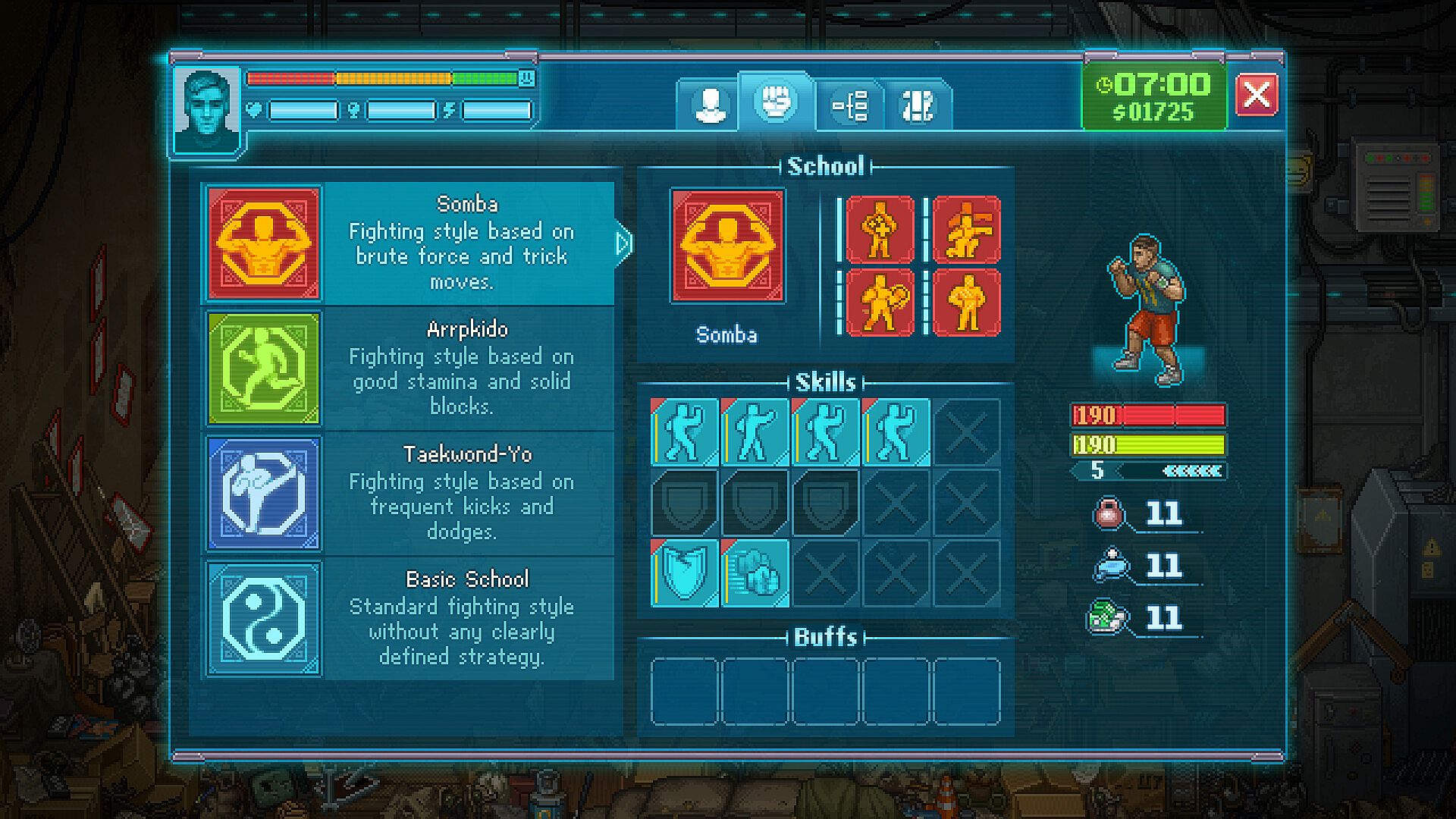
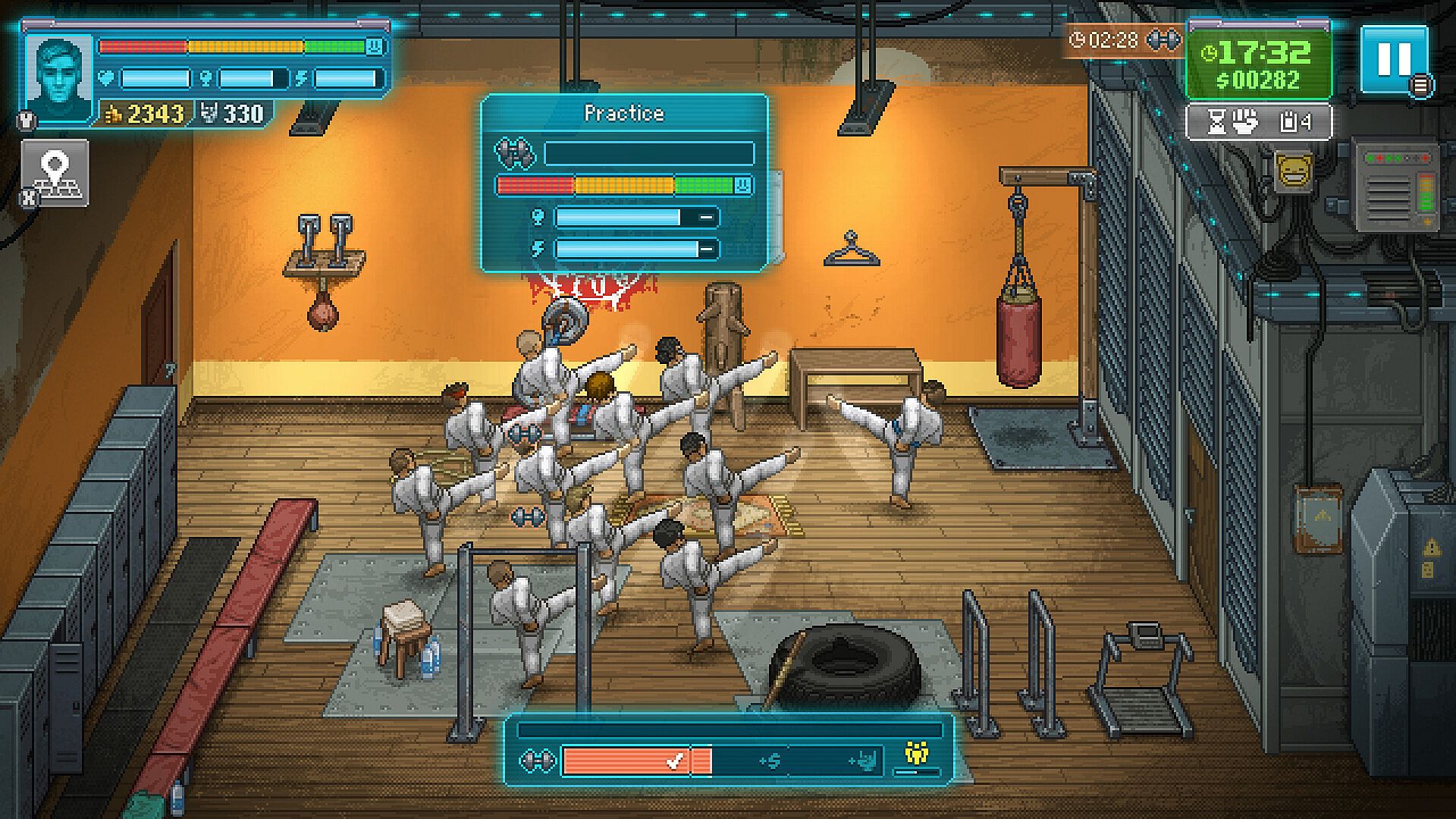
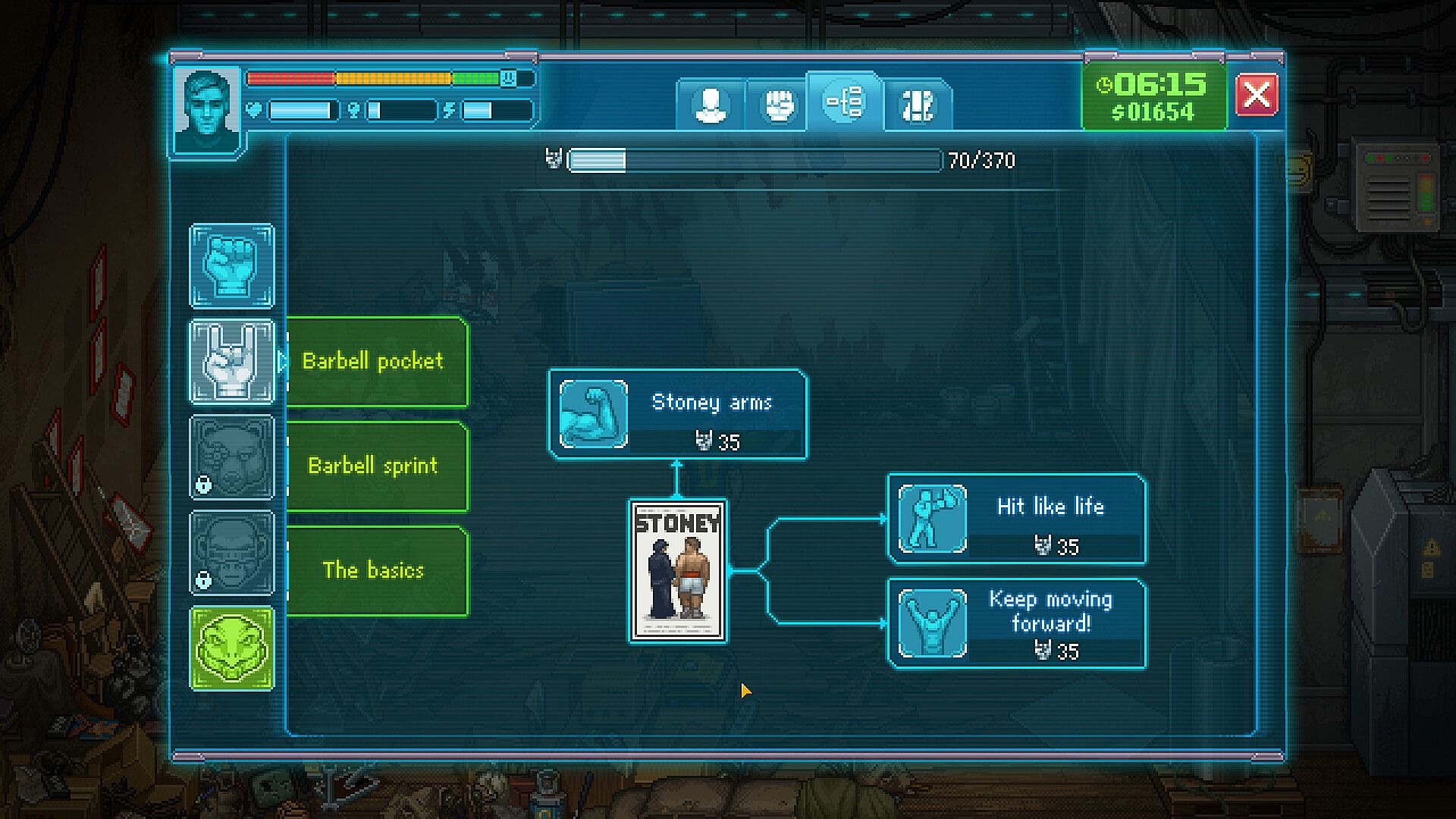
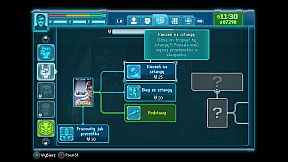
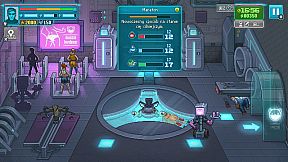
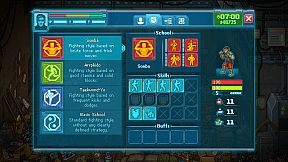
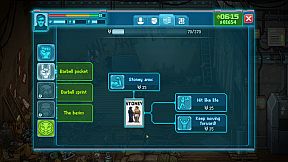
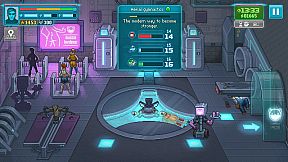
The core loop revolves around time and resource management. Each day requires allocating hours between training sessions, rest, work shifts, and preparation for upcoming bouts. Primary stats include strength, stamina, and agility, which improve through repeated practice on simulators or specialized methods. Players also unlock combat schools and techniques by completing side tasks, which open new moves and branches for character development. These branches emphasize different paths such as raw power, speed, or endurance, allowing customization of a personal fighting style.
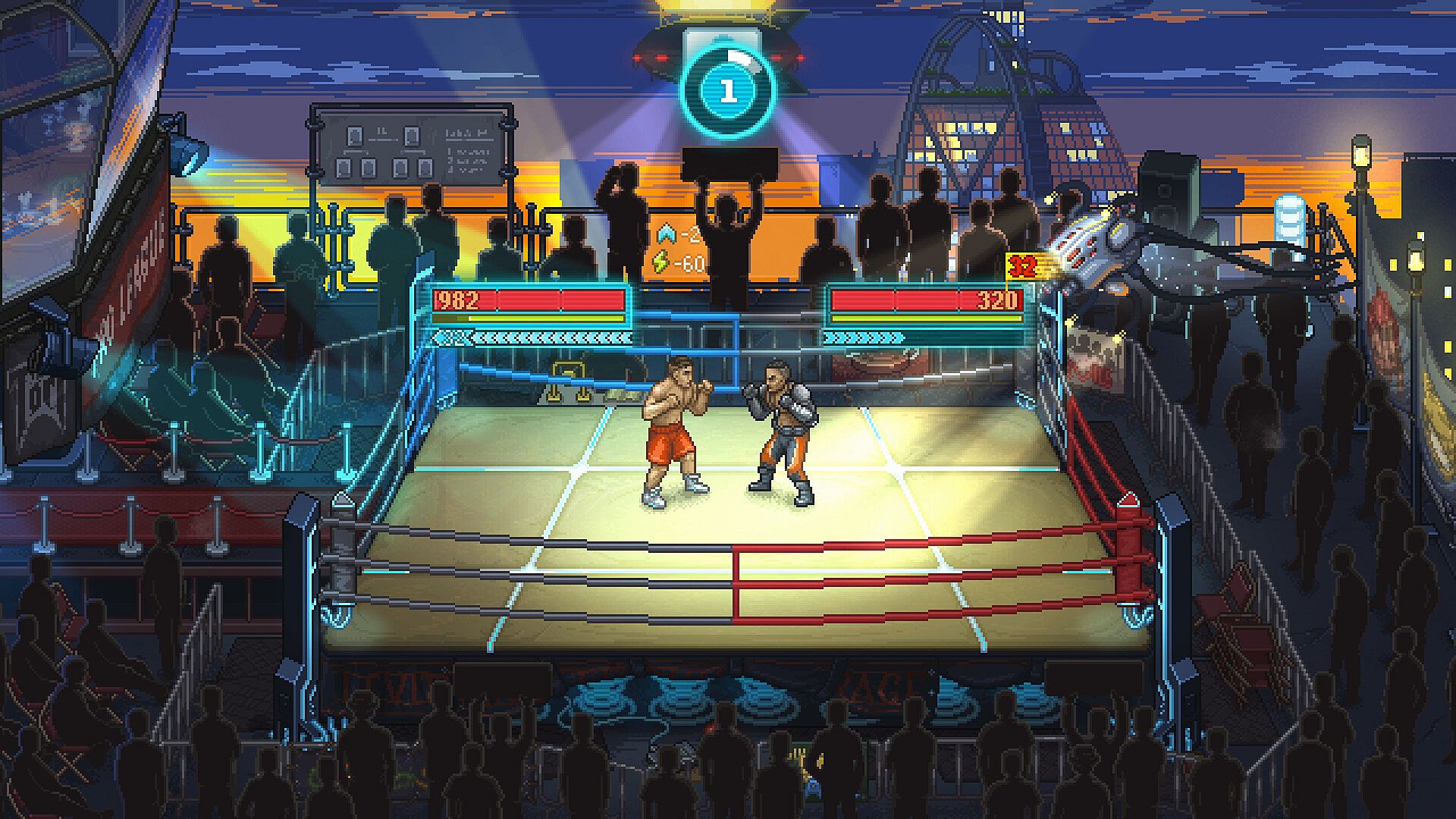
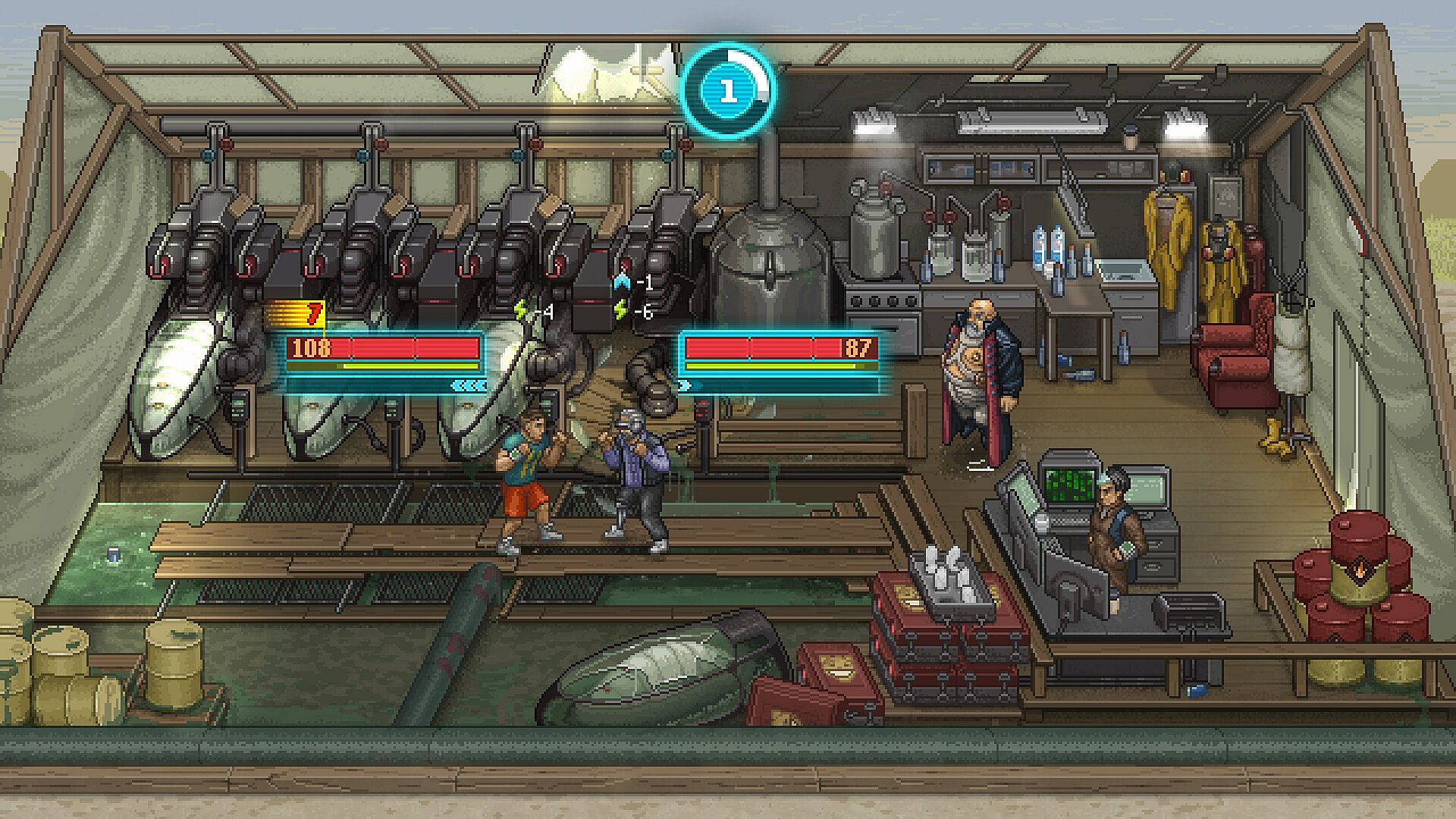
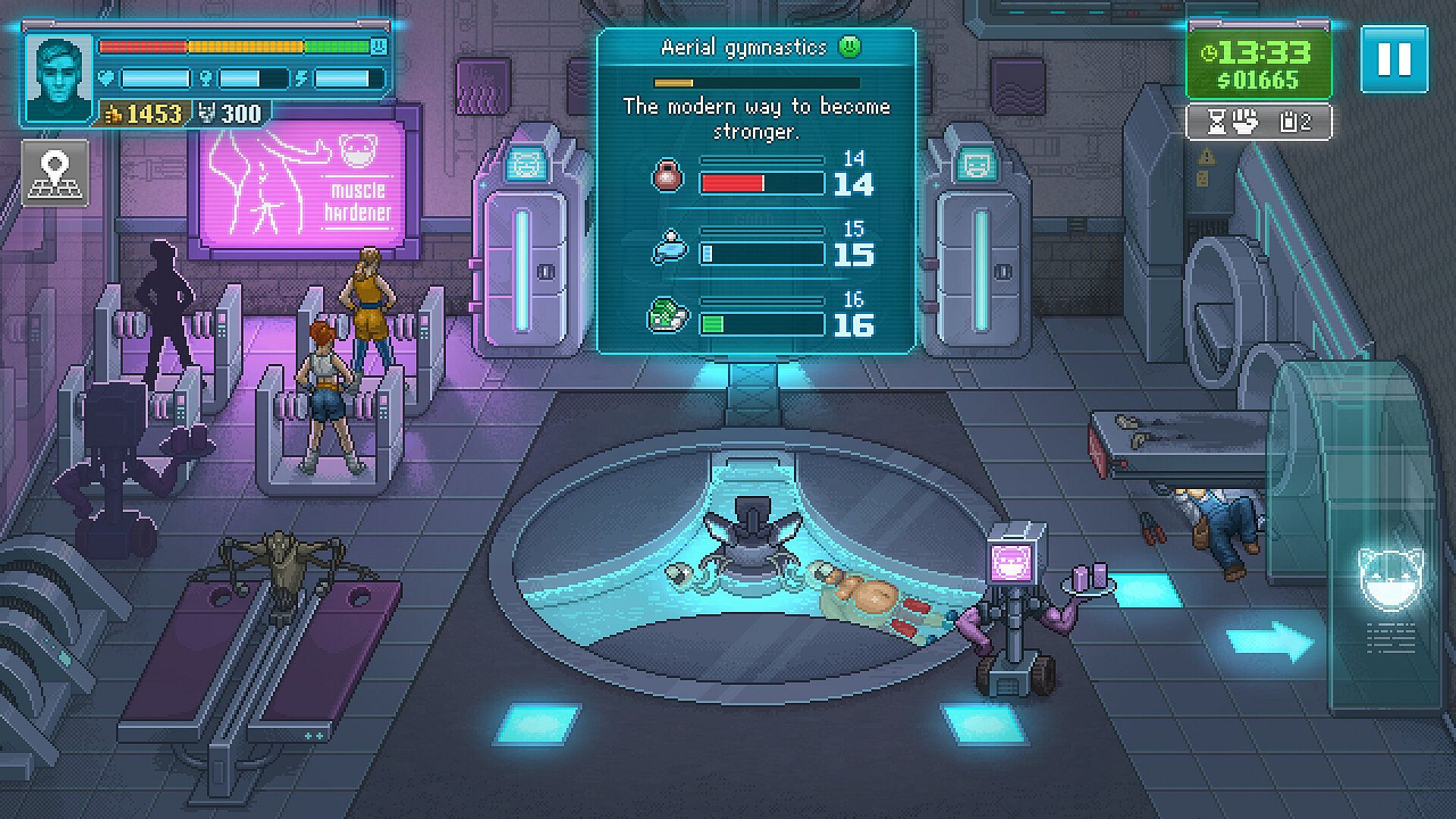
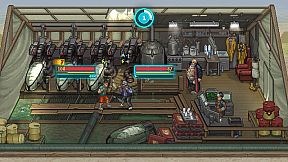
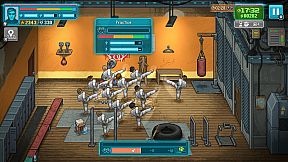
Combat itself plays out through pre-fight planning and in-match counters. Opponents display patterns that demand adjustments like draining their stamina, pushing aggressive damage output, or disrupting their initiative to limit attacks. This tactical layer rewards observation and adaptation over simple grinding. Additional tools such as neurotraining sessions or temporary buffs add layers of risk and reward, since some options carry potential downsides if overused. The overall pace stays deliberate, with success depending on consistent scheduling and smart allocation of limited daily energy and funds.
Game Modes
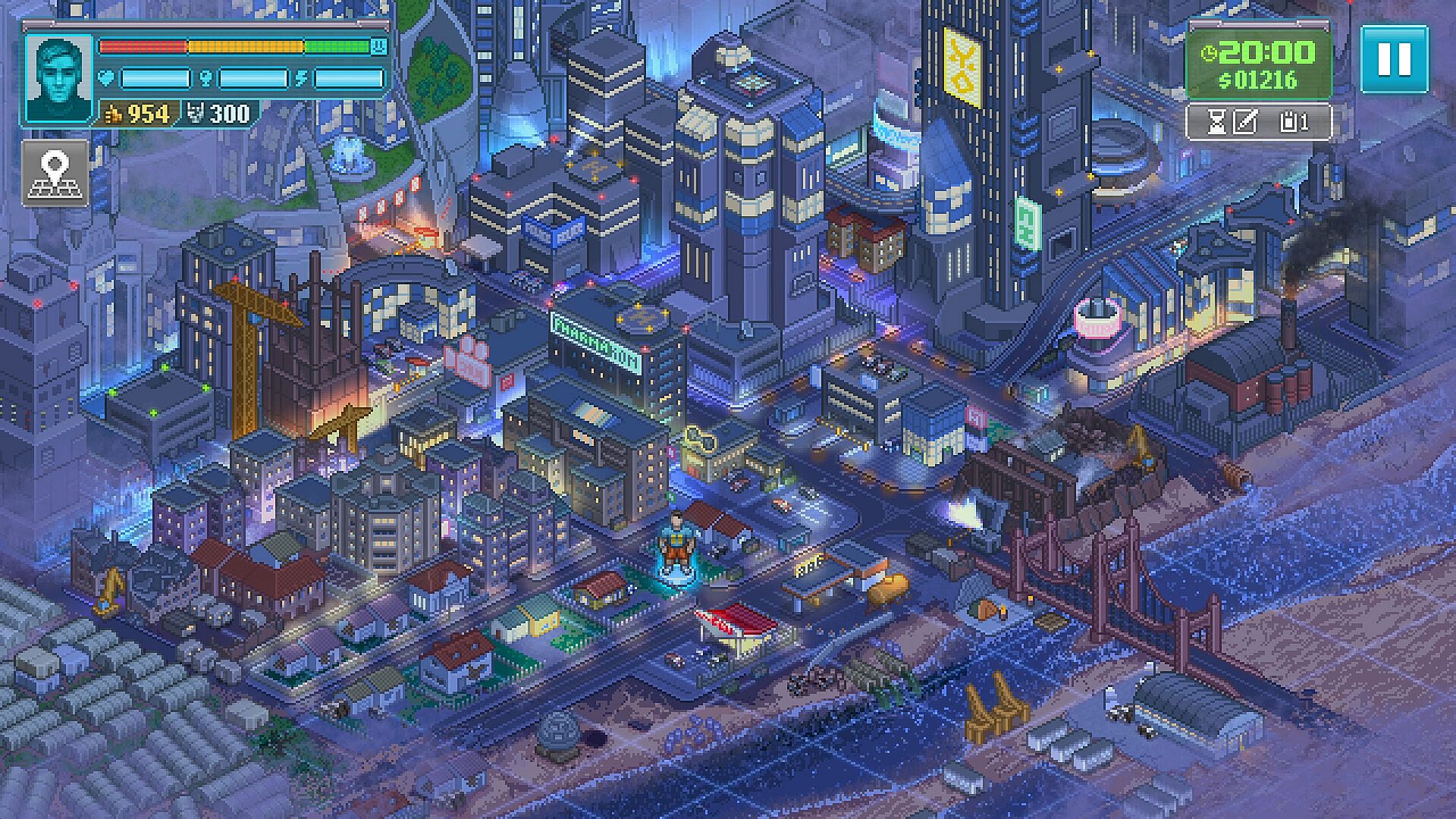
The game operates as a continuous single-player campaign without separate multiplayer components. Progression unfolds through a series of ranked leagues where fighters climb by winning matches and fulfilling associated requirements. Quests tied to various employers provide extra objectives that reward experience, currency, and access to new fighting options. Daily routine management serves as the central activity, forcing choices between training efficiency, income generation, and recovery to avoid burnout. League advancement and quest completion together form the main structure, with no distinct arcade, versus, or survival modes confirmed in the design.
Progression and Customization
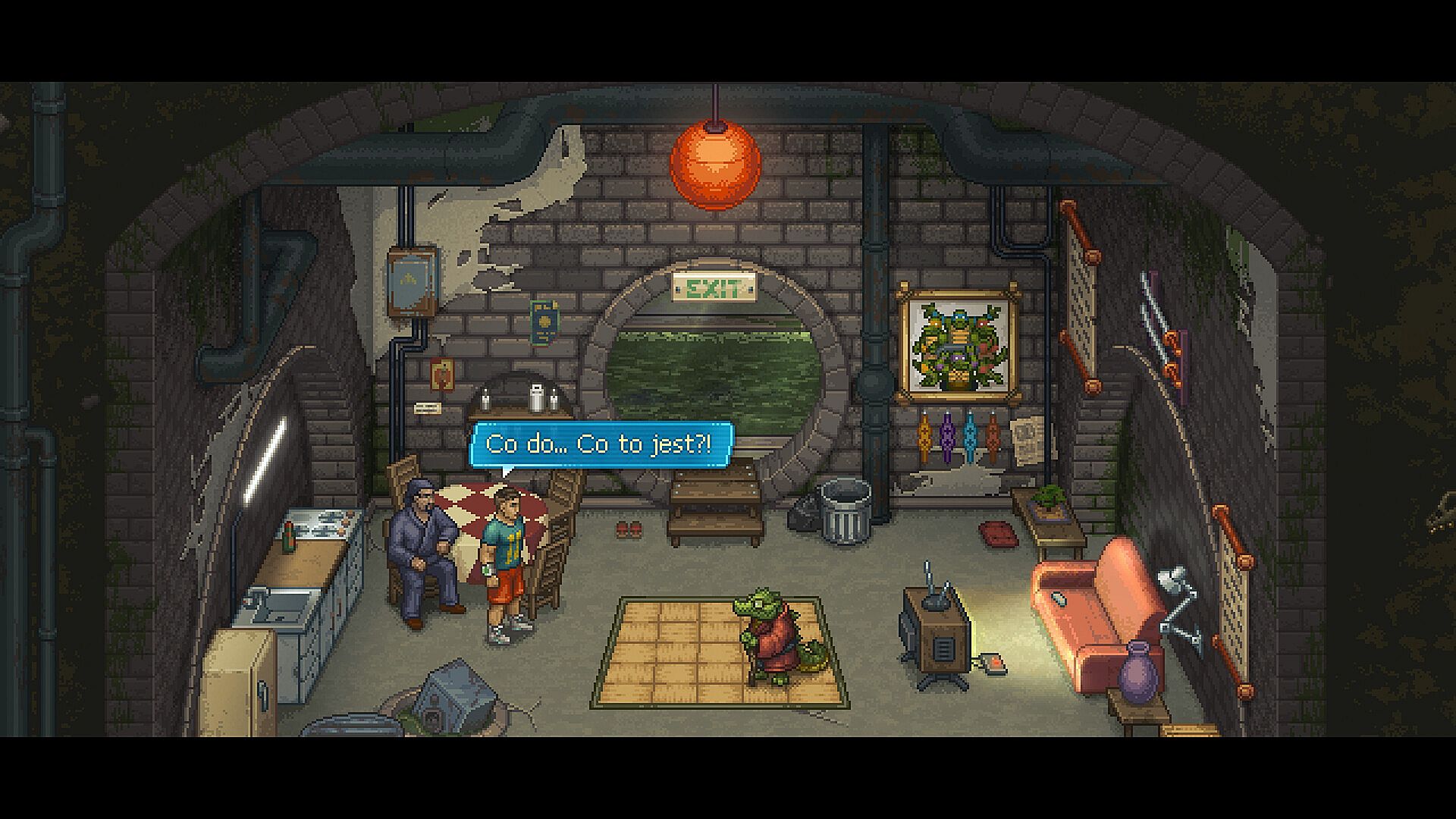
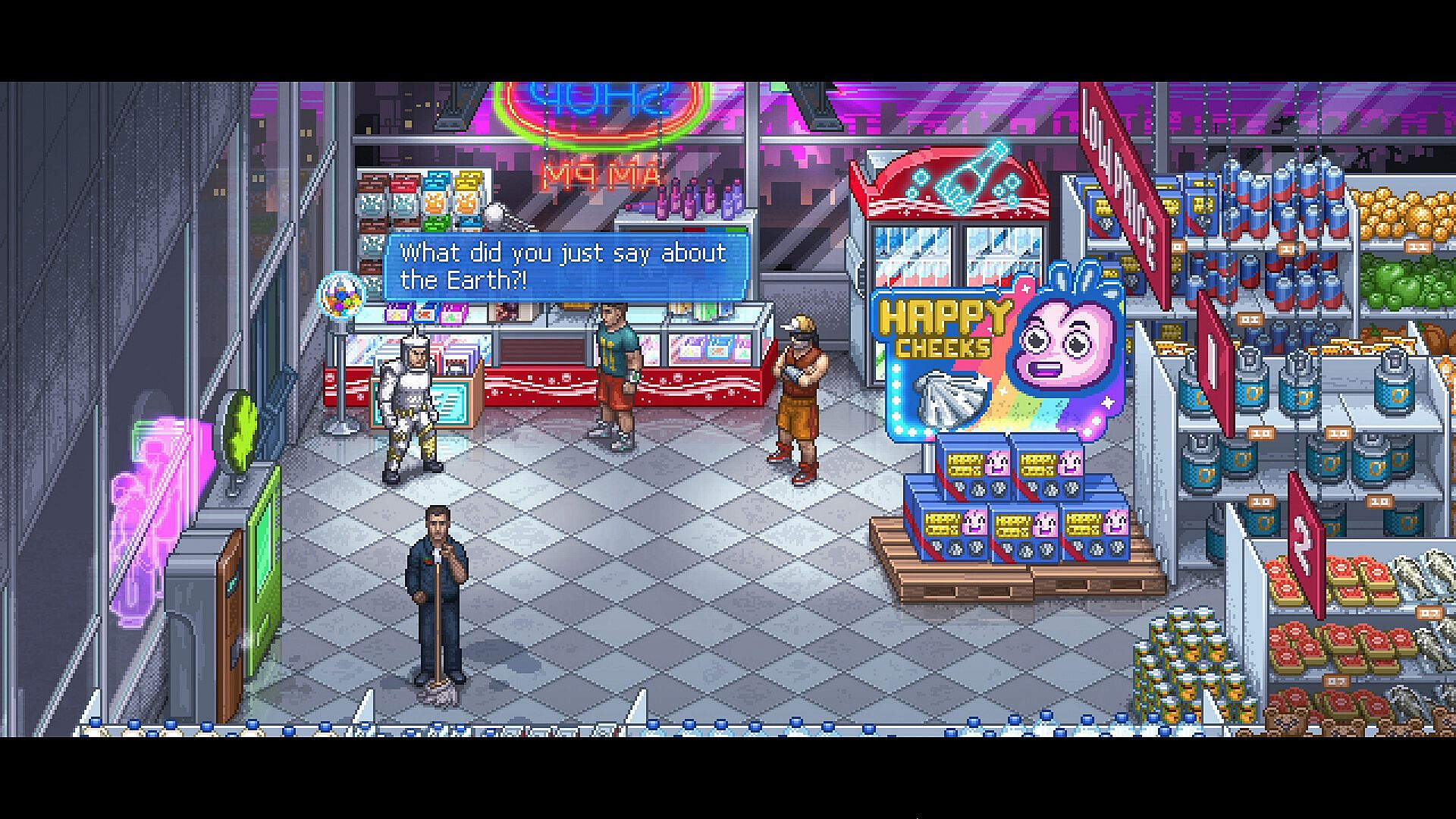
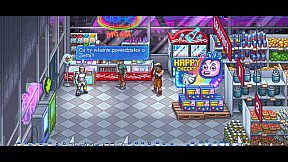
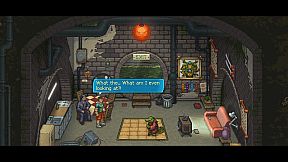
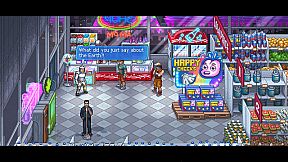
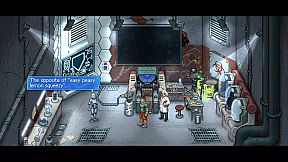
Character growth extends beyond basic stats into technique acquisition and school creation. As leagues are cleared, new simulators and training methods become available, including options that accelerate gains at higher risk. Job choices influence both finances and reputation, opening or closing certain quest lines. The system encourages experimentation with different stat priorities and move combinations to suit personal play preferences. Humor and references to 1980s culture appear throughout the narrative beats and environmental details, reinforcing the cyberpunk tone without altering core mechanics.
Is It Worth Playing?
Reception on major platforms sits in the very positive range, with thousands of reviews highlighting the satisfying loop of routine management and tactical fights. Players report around twenty hours or more for a full run, depending on how thoroughly they explore side activities and optimize builds. The game receives praise for its pixel art, consistent humor, and story elements set in the futuristic world. Some feedback notes that certain systems require trial and error to fully grasp and that the experience remains focused on single-player progression rather than competitive online features.
It suits fans of simulation titles that emphasize planning and incremental improvement over fast-paced action. Those who enjoy balancing multiple systems while advancing through structured leagues will find the most value. The title continues to receive patches that address quality-of-life aspects, keeping the experience polished for new players interested in the management and fighting combination.