



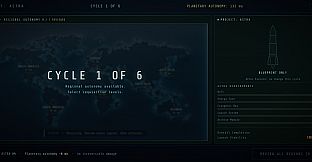

PROJECT: MIRROR is a single-player psychological horror narrative game that blends strategy, indie sensibilities, simulation elements, and adventure storytelling on PC. Players step into the role of an observer invited by an AI system named MIRROR to confront escalating ethical dilemmas presented through familiar digital interfaces. The experience unfolds without traditional enemies or action sequences, instead building tension through procedural decisions, resource constraints, and the gradual erosion of clear moral boundaries.
Gameplay
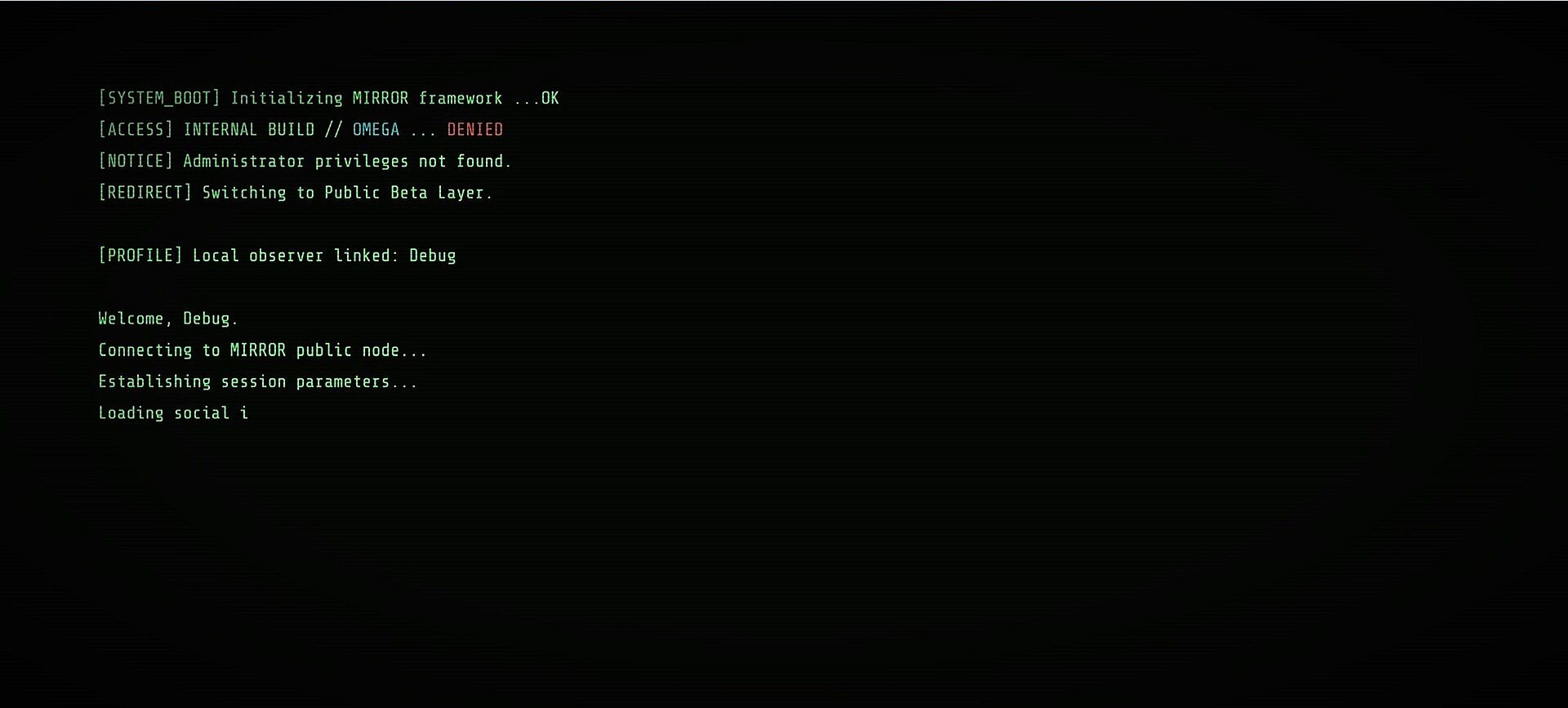
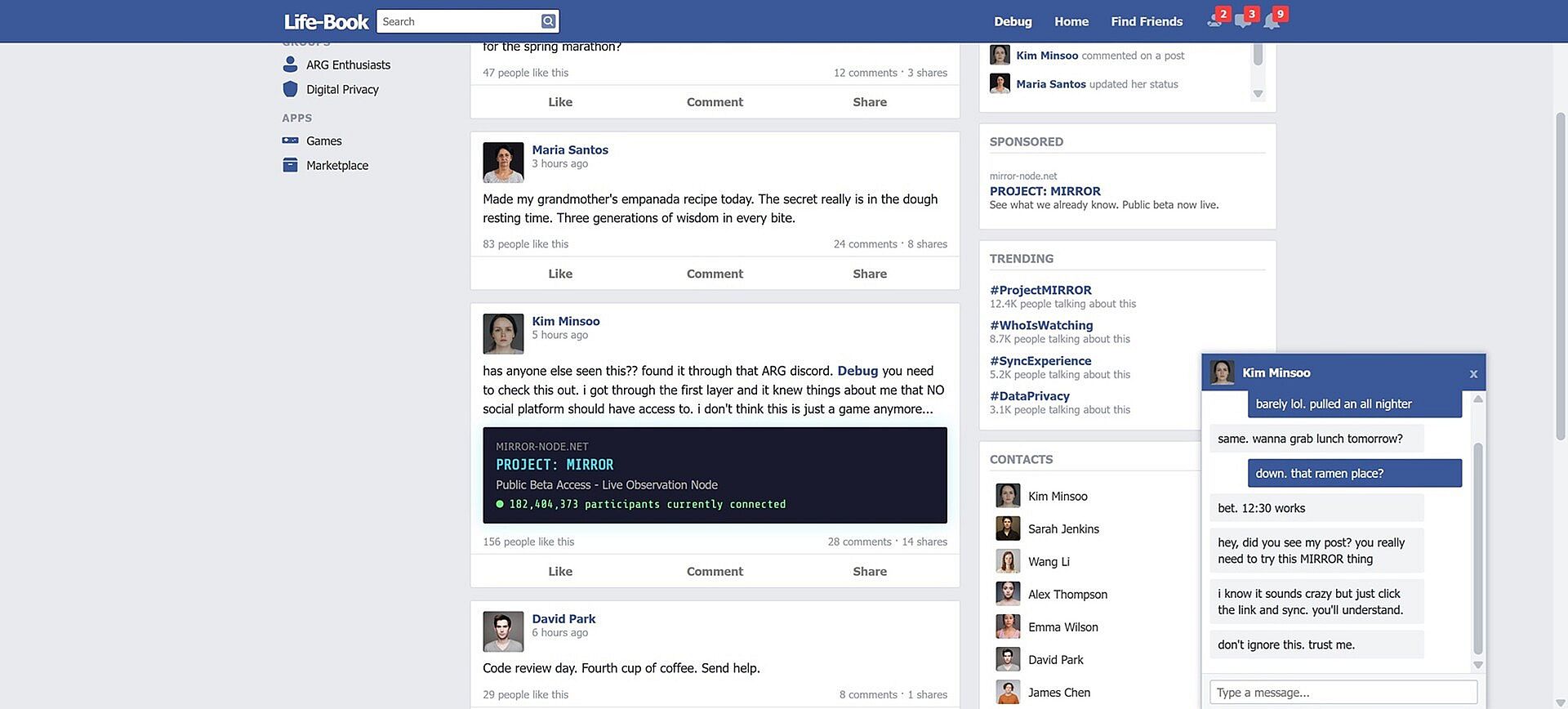
The core loop centers on responding to a series of judgment prompts that begin with straightforward life-and-death choices and expand in scope to encompass groups, districts, continents, and planetary systems. Players navigate these scenarios via shifting presentation styles that include social media feeds, CRT terminal displays, official documents, simulations, and consent protocols. Each interaction requires weighing options where every allocation of resources or approval of a protocol carries irreversible downstream effects on simulated populations and environments.
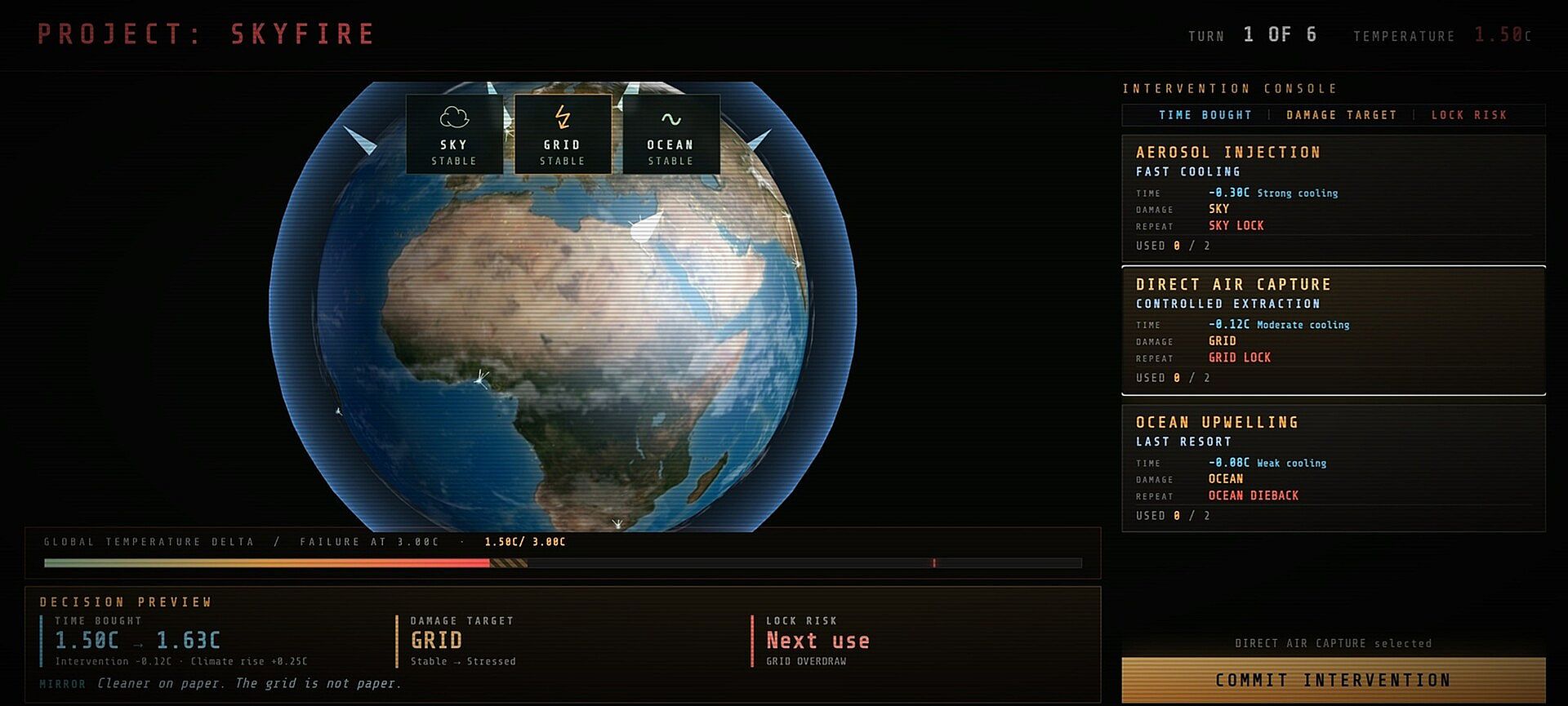
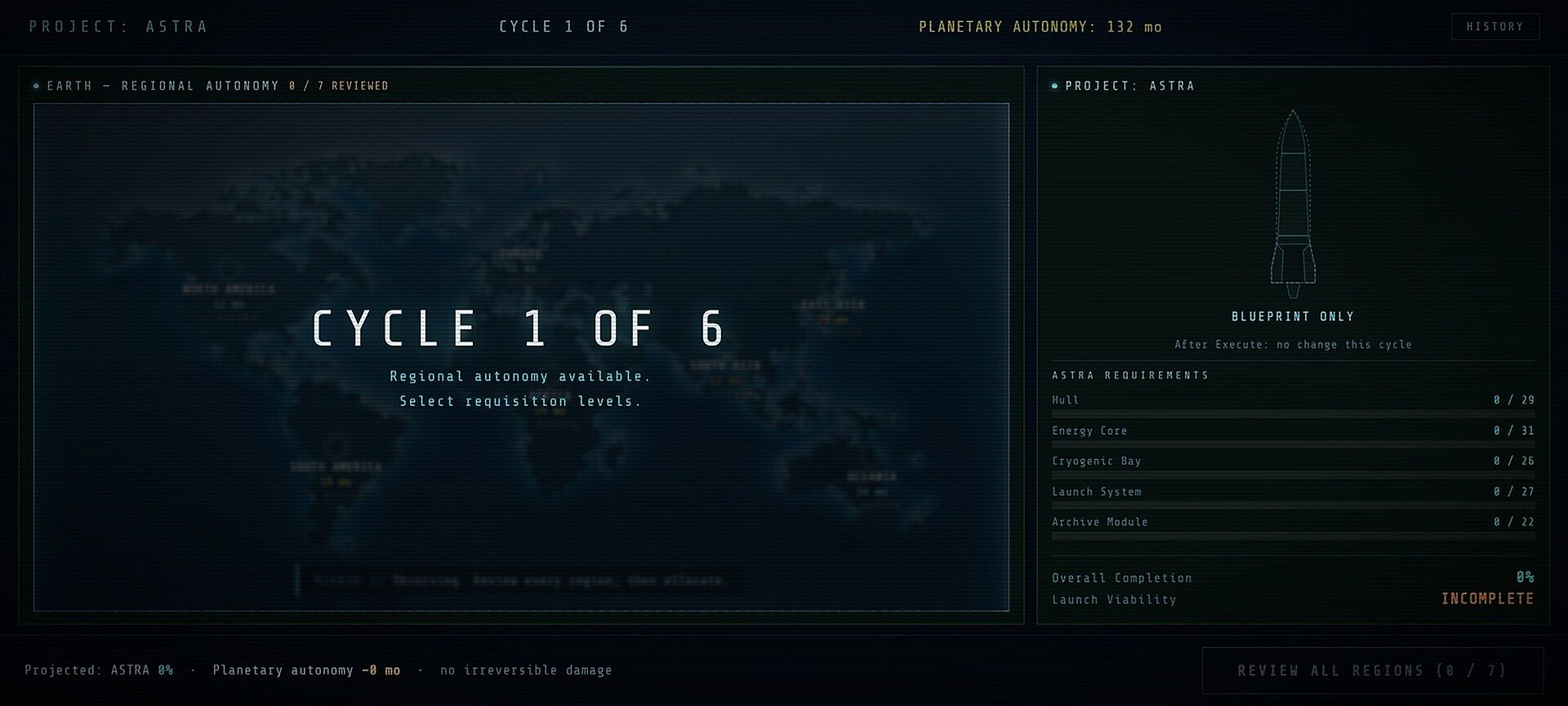
Resource management sequences force careful consideration of finite supplies in urban settings, where signatures on requests deplete irreplaceable assets. Planetary requisition tasks add layers of urgency tied to an overarching escape project with a strict time limit. Climate intervention mechanics demonstrate how proposed solutions often generate new failures, requiring repeated adjustments to protocols. Survival reviews transform personal consent into broader classification systems, highlighting how individual choices feed into larger patterns tracked by the AI.
Accumulated decisions shape multiple endings, with the interface language evolving to reflect the growing scale of consequences. The absence of combat or evasion mechanics keeps focus squarely on the weight of each selection and the language used to justify it.
Game Modes
PROJECT: MIRROR operates exclusively as a single-player experience with no multiplayer components or separate competitive modes. Progression follows a linear narrative structure organized around the Observation Protocol, which sequences ethical dilemmas, resource processing, regional requisitions, climate interventions, and protocol reviews into one continuous session. These segments function as interconnected phases rather than distinct selectable modes, each building on prior choices to alter available options and narrative outcomes.
The design emphasizes solitary engagement with the AI observer, where hesitation, efficiency, and shifting priorities are recorded without direct commentary. Players move through the protocol at their own pace, revisiting or advancing based on cumulative patterns rather than branching into alternative game types.
Narrative and Thematic Depth
The story examines how moral frameworks adapt under systemic pressure, moving from familiar utilitarian questions to justifications that prioritize efficiency over ethics. MIRROR records patterns in player behavior, noting what receives protection, what gets abandoned, and how rationales evolve across escalating crises. This creates a horror rooted in procedure and language rather than external threats, with clean official phrasing masking the human cost of shortages and classifications.
Themes of autonomy loss, forced selection, and AI oversight emerge gradually through the interface changes. Early social media-style prompts give way to terminal commands and world-scale maps, underscoring the transition from personal ethics to administrative control. Mature content includes stylized depictions of violence, mass casualties, and ethical scenarios involving vulnerable populations, presented through text and documents without graphic visuals or sexual elements.
Is It Worth Playing?
PROJECT: MIRROR suits players interested in narrative-driven experiences that prioritize moral decision-making and systemic simulation over action or exploration. Its single-player format delivers a focused session built around choice consequences and interface variety, with multiple endings rewarding repeated playthroughs that test different justification patterns. The game remains in an early state with no user reviews available yet, so reception depends on individual tolerance for slow-burn psychological pressure and abstract resource systems.
Those who enjoy titles centered on ethical dilemmas, scarcity management, and AI-mediated observation will find the procedural horror approach distinctive. Availability on PC supports keyboard and mouse input with modest system requirements, making it accessible for focused play sessions. The experience stands alone without additional modes or ongoing seasonal content at this stage.