




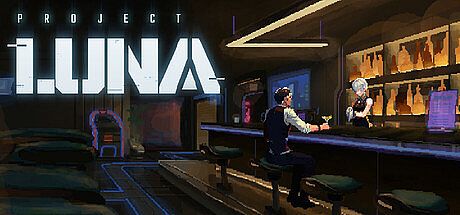



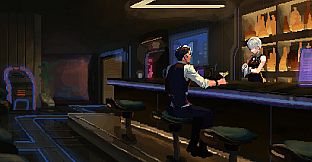
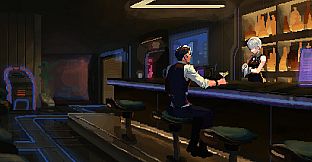
Project L.U.N.A is an indie simulation and adventure game built as a pixel art bartending visual novel. Set in a cyberpunk version of Seoul in 2068, players take on the role of L.U.N.A, the owner and bartender of the bar called Unknown. The experience centers on serving guests who arrive with personal stories, mixing drinks to match their tastes, and making dialogue choices that influence ongoing relationships and narrative outcomes.
Gameplay
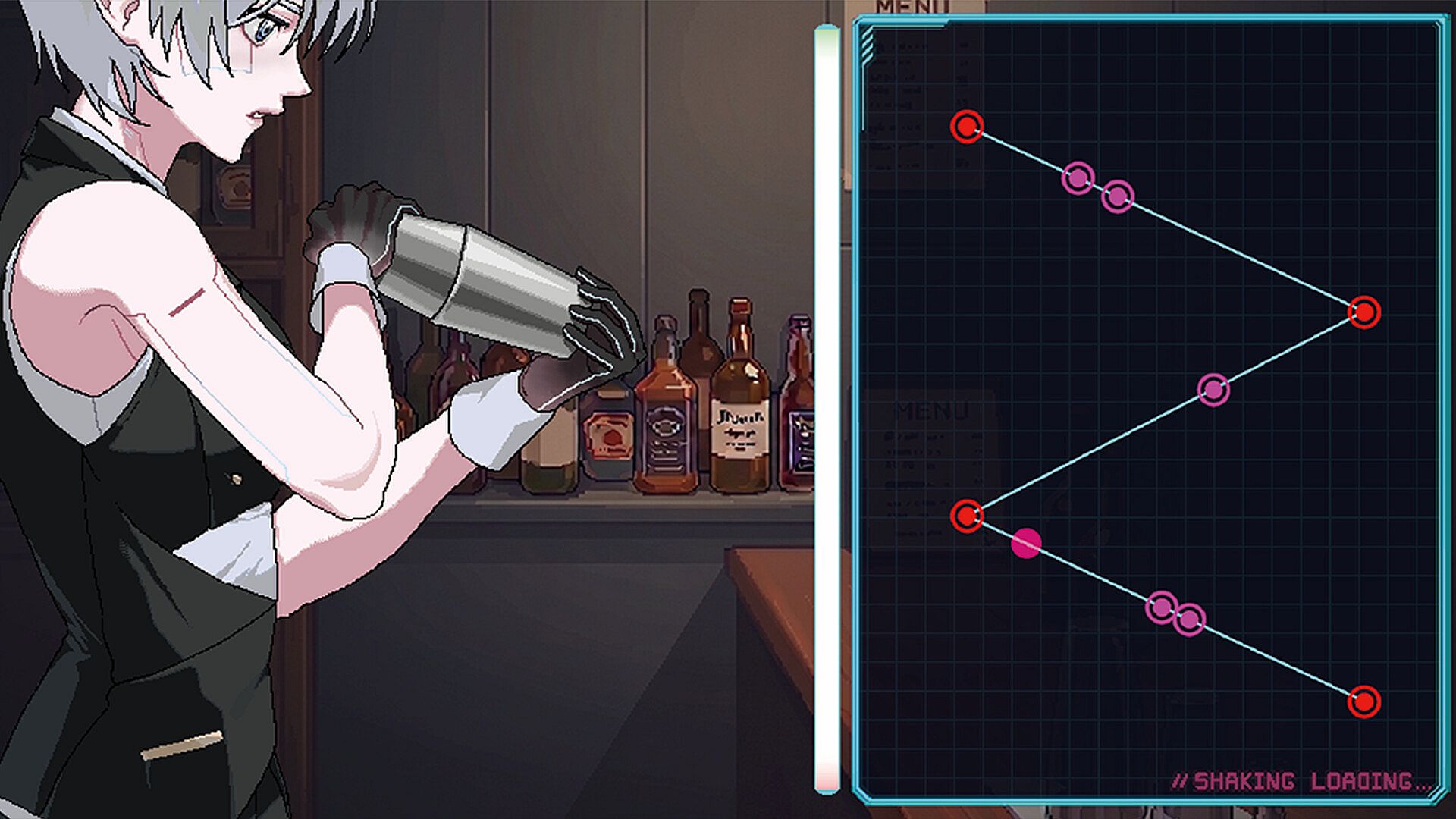
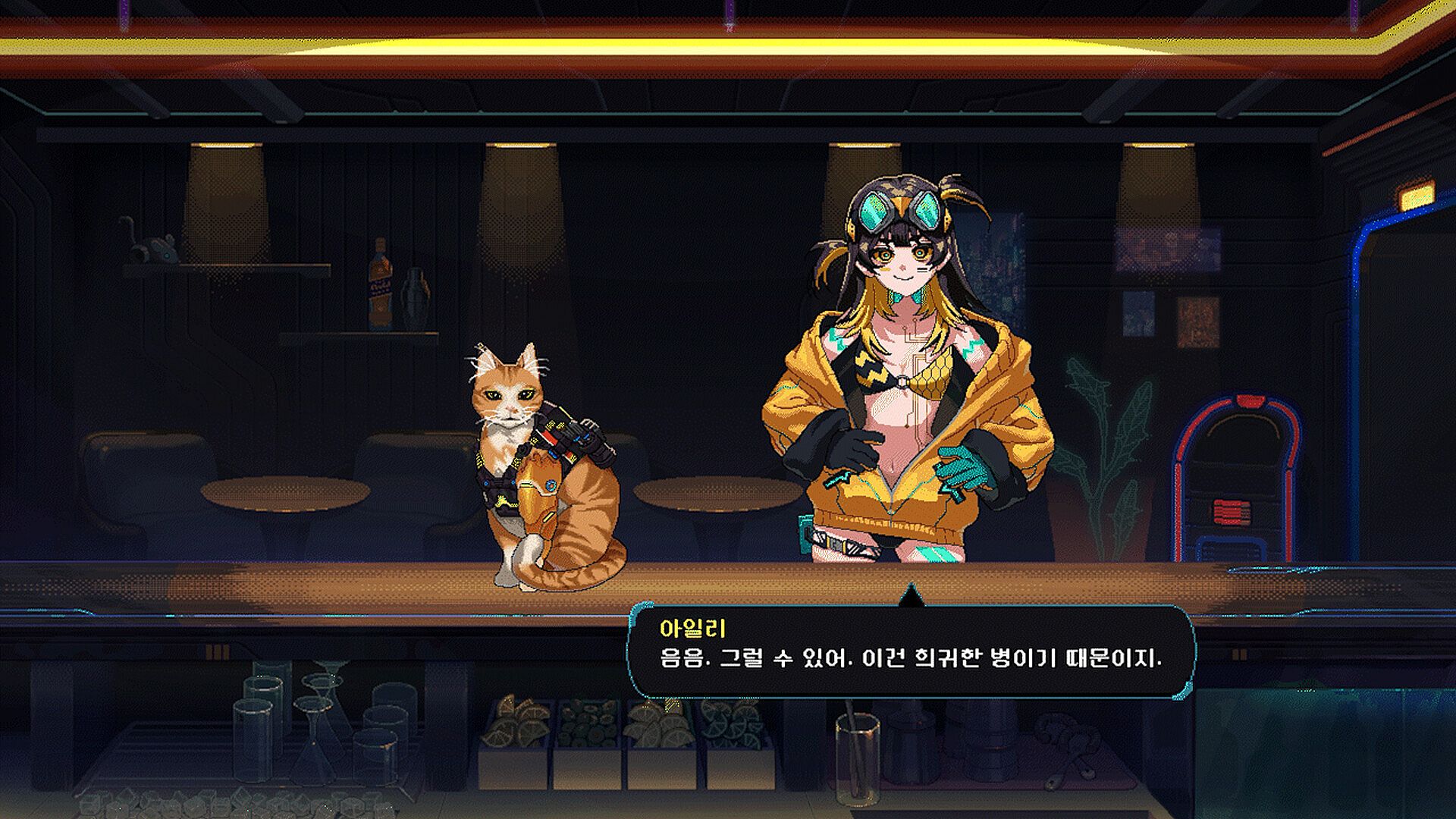
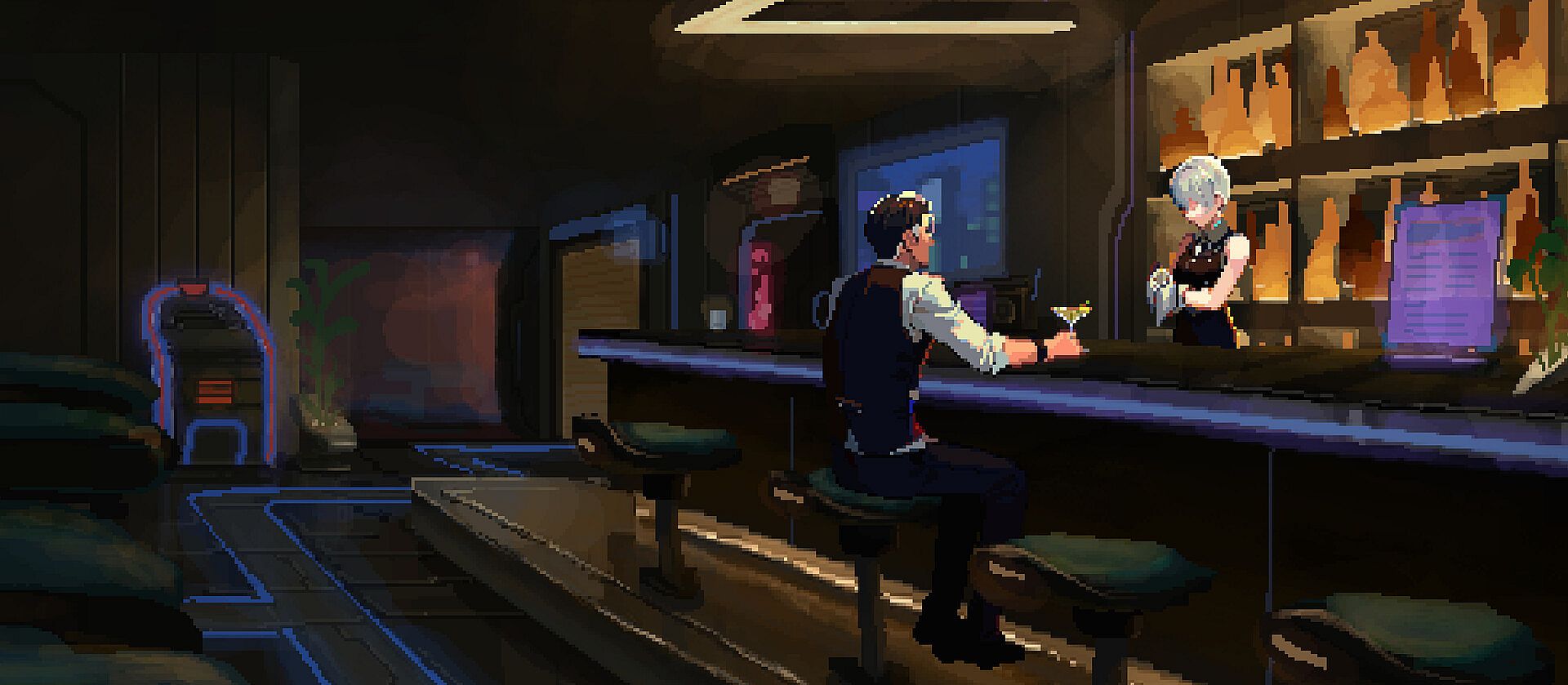
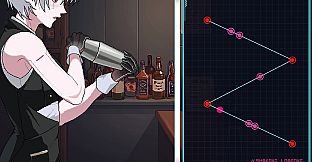
The core loop revolves around daily operations at the bar. Guests enter with distinct preferences for cocktails, and players must listen to their conversations to identify what they want. Crafting each drink requires selecting ingredients and preparation methods that align with those preferences. Dialogue options during these interactions can strengthen or alter bonds with characters, which in turn shapes how their personal stories unfold over multiple visits.
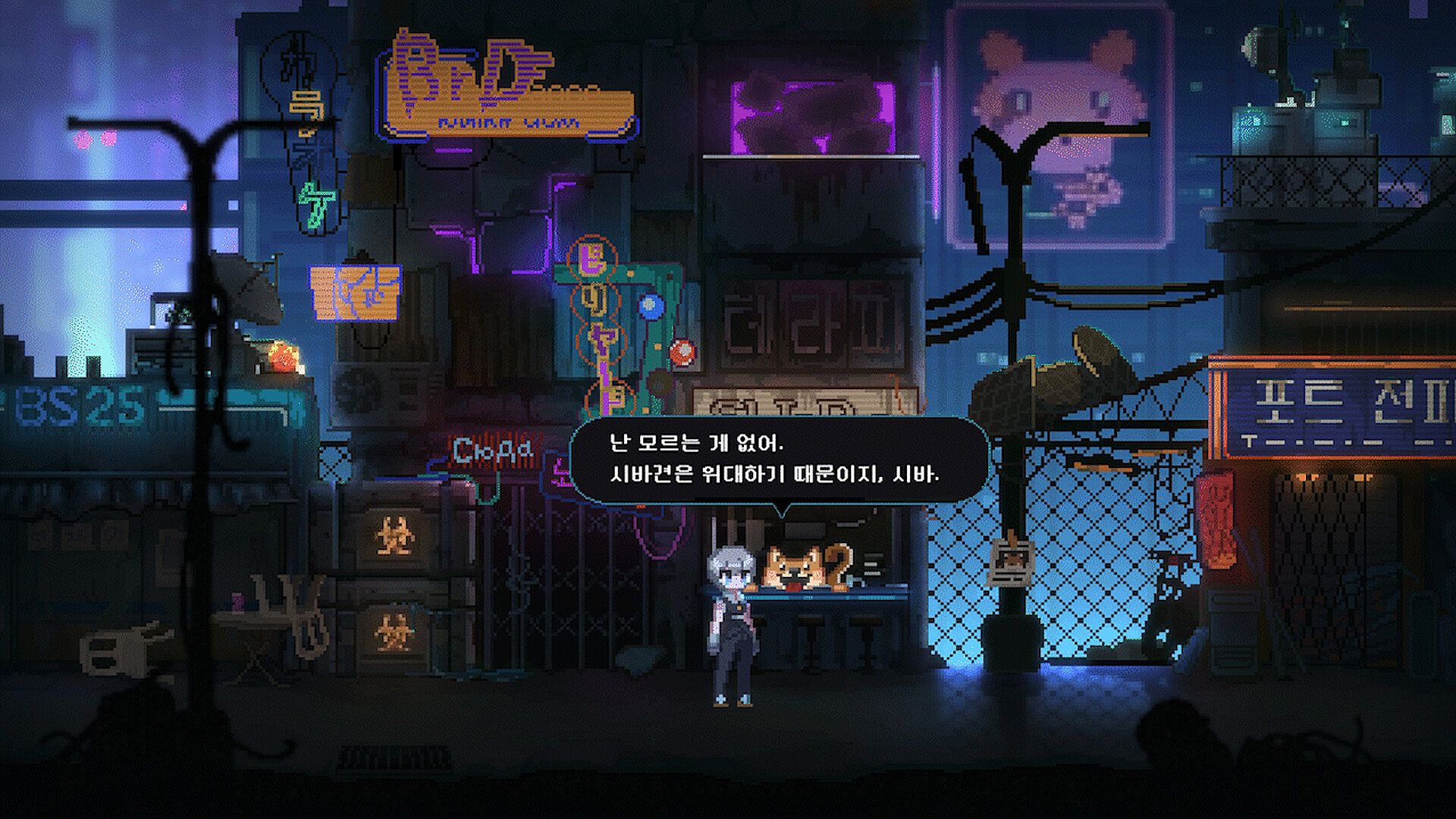
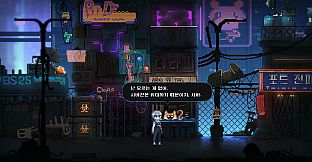
Exploration extends beyond the bar itself. Players can move through different districts of Seoul to meet additional characters and gather information. These outings reveal layers of the city that contrast its bright neon exterior with hidden social and political realities. Every choice in conversation or service carries consequences that affect later events, creating a branching structure driven by relationship management and observation rather than combat or resource collection.
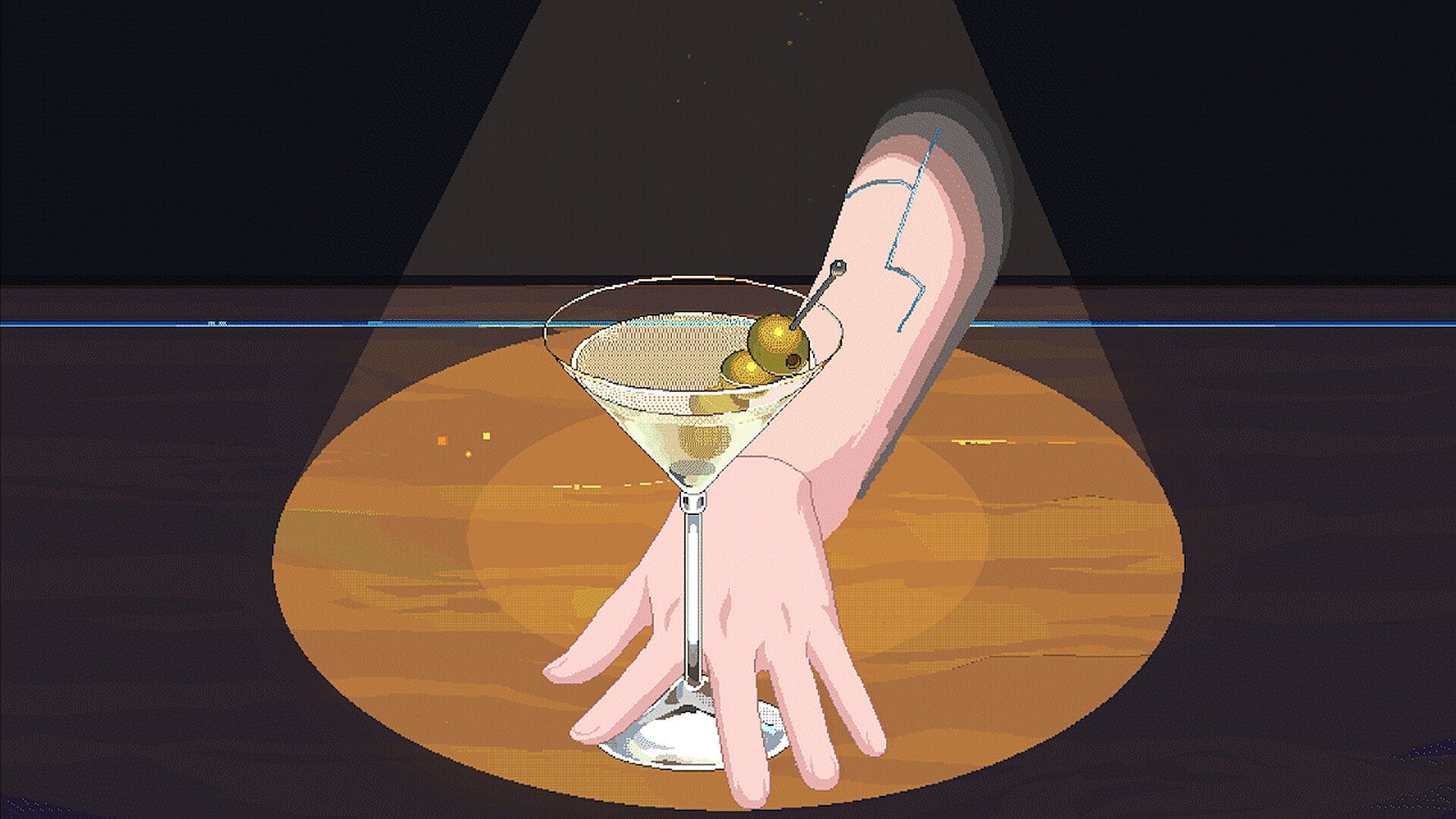
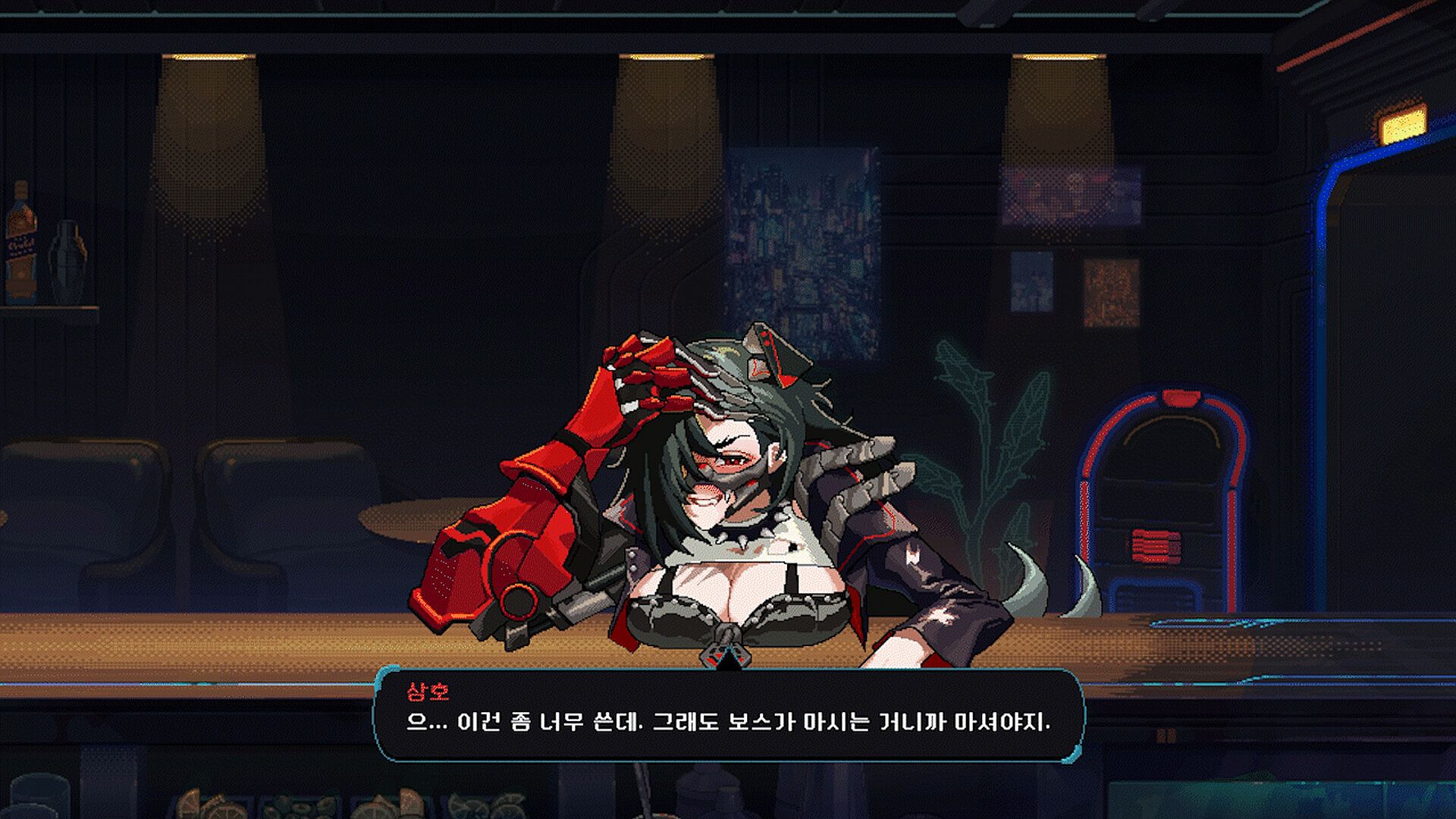
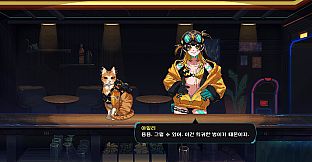
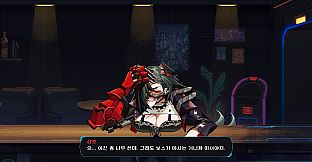
The pixel art presentation supports the intimate focus on character interactions. Scenes emphasize close-up views of the bar counter, drink preparation, and facial expressions during talks. Mature themes appear through narrative consequences, including character deaths that result from player decisions and are shown either directly or through context and dialogue.
Game Modes
Project L.U.N.A operates entirely as a single-player experience. There are no multiplayer components or competitive modes. Progress follows a linear daily structure centered on bar shifts, with optional side explorations that feed back into the main narrative threads. Story advancement depends on repeated interactions with the same guests, allowing players to track how earlier choices influence later developments without any separate campaign or challenge variants.
The design keeps all activity within one cohesive playthrough. Achievements track specific outcomes such as particular drink combinations or relationship milestones, but these remain tied to the same single-player framework. No additional modes like endless play or alternate scenarios have been confirmed at this stage.
Setting and Atmosphere
Seoul in 2068 appears as a high-tech metropolis filled with neon and advanced systems, yet the game highlights the lives of those operating on its margins. The bar Unknown sits in a hazardous outskirts area where visitors range from ordinary patrons seeking comfort to more enigmatic or threatening figures. This environment frames the bartender role as both a service job and a position for uncovering personal and societal truths through careful listening.
Atmosphere builds through the contrast between polished technology and the disposable treatment of human lives. Cocktail preparation serves as a mechanical anchor that grounds the more abstract story elements, while city exploration adds context to the guests' backgrounds. The pixel art style reinforces a retro-futuristic feel without overwhelming the focus on dialogue and decision-making.
Is It Worth Playing?
Project L.U.N.A targets players who enjoy narrative-driven visual novels combined with light simulation elements. Those interested in choice-based storytelling, character relationship building, and atmospheric cyberpunk settings will find the described mechanics align with that preference. The game remains in development with a planned release in Q1 2027, so current information comes solely from its official description and feature list.
Because no user reviews or completed play sessions exist yet, any assessment rests on the confirmed single-player structure and emphasis on dialogue and drink crafting. Fans of similar indie titles that blend bartending mechanics with branching stories may wish to follow its progress through the wishlist option on its store page. The absence of multiplayer or separate modes means it suits solo sessions focused on story discovery rather than competitive or replay-heavy formats.











