







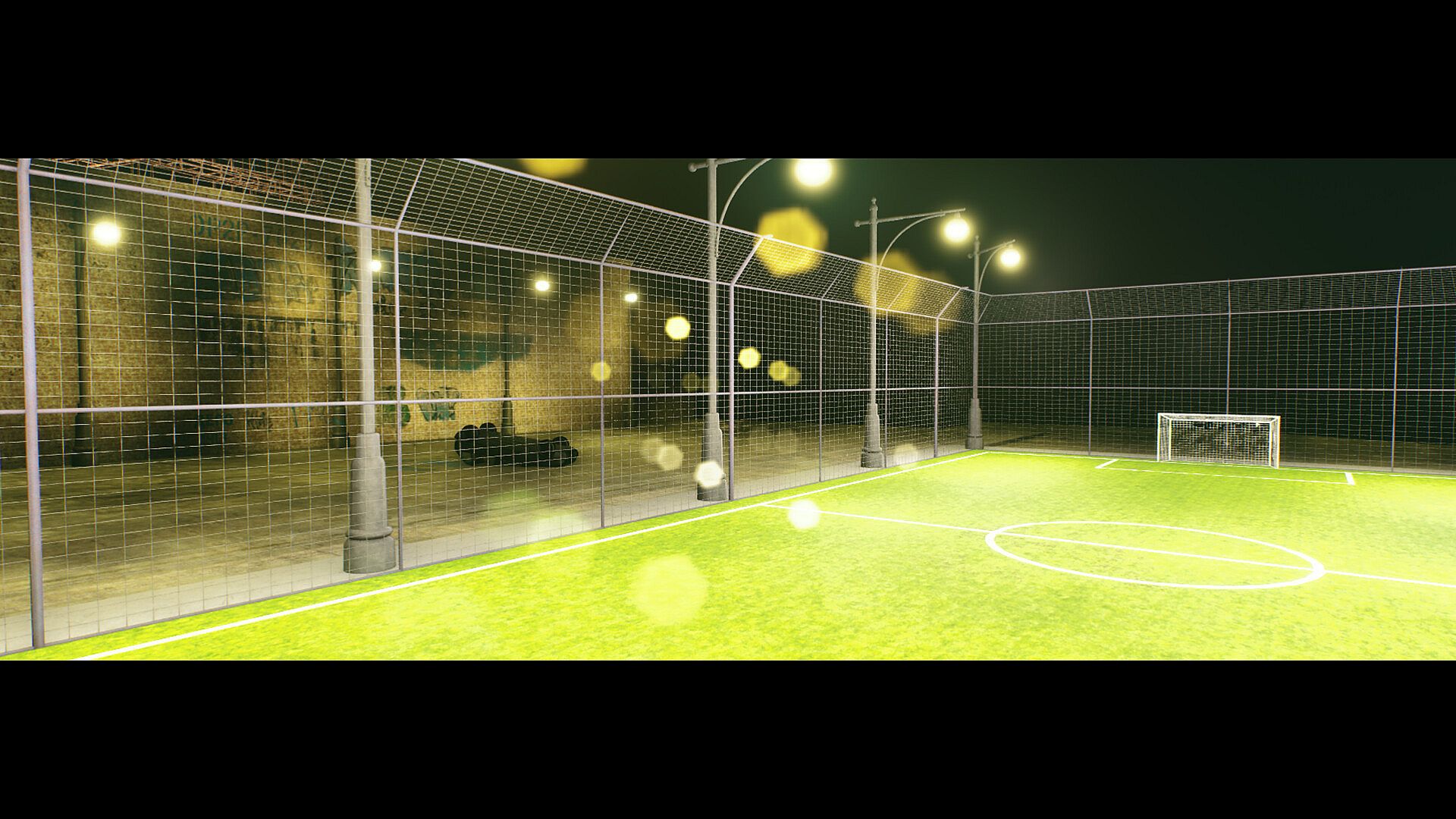
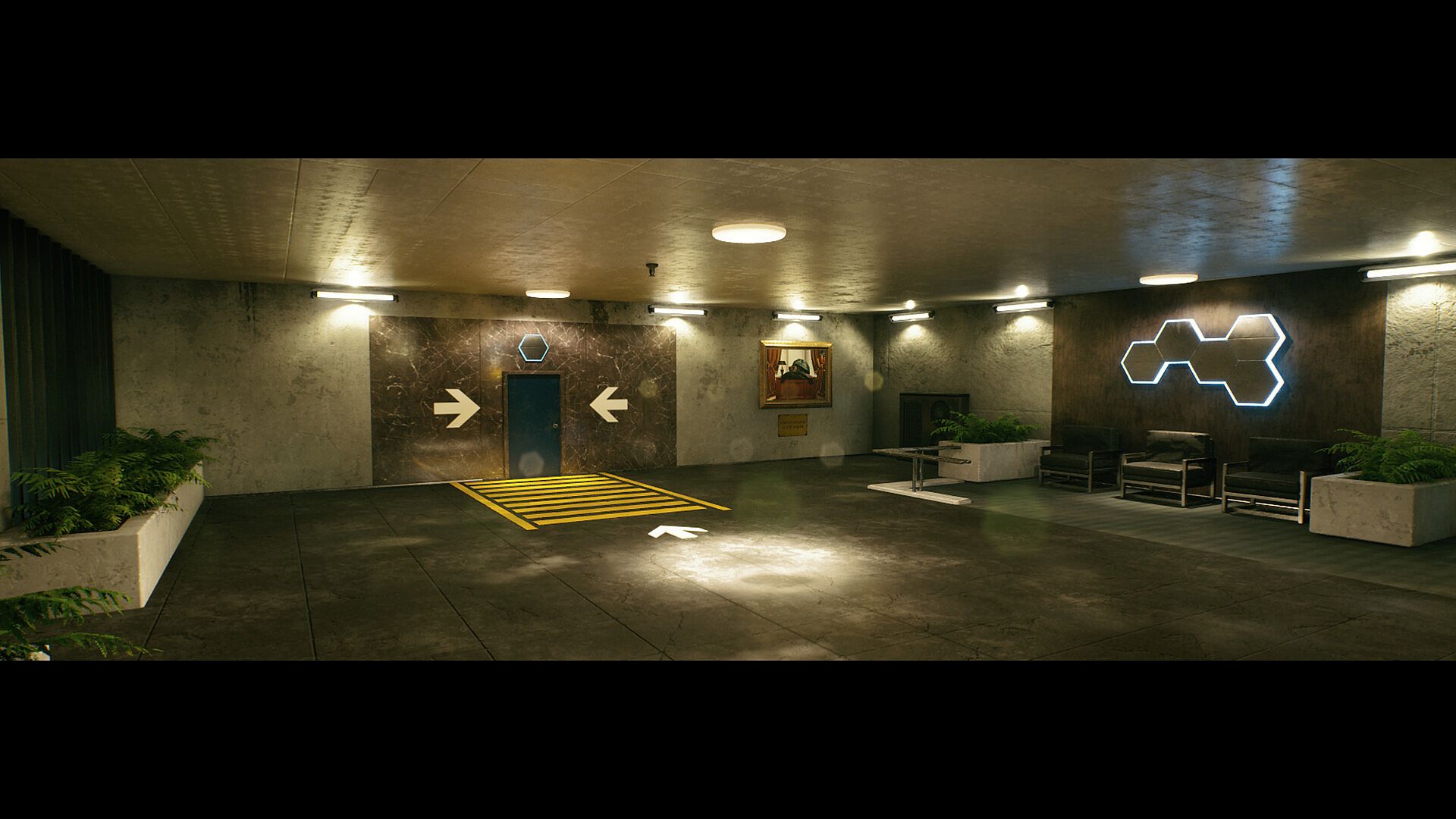
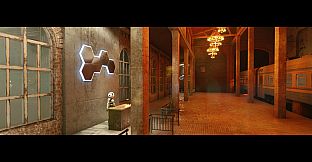
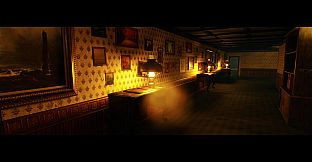

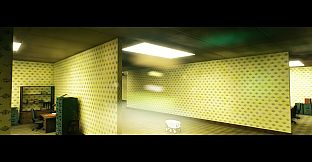
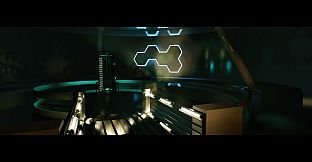
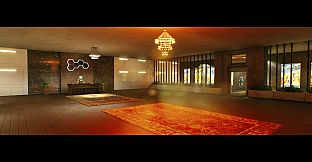
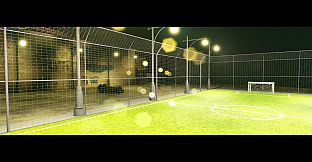
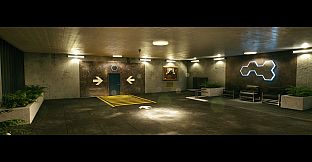
Project 14 is an indie adventure game set in a near-future world where society is crumbling outside the walls of a luxury life-redesign program. Players step into the role of a participant who has paid for access to this exclusive service, only to find themselves navigating a series of controlled environments designed to reshape their reality into something perfect. The experience unfolds as a compact psychological journey that emphasizes observation, interaction, and personal choice over traditional action or combat.
Gameplay
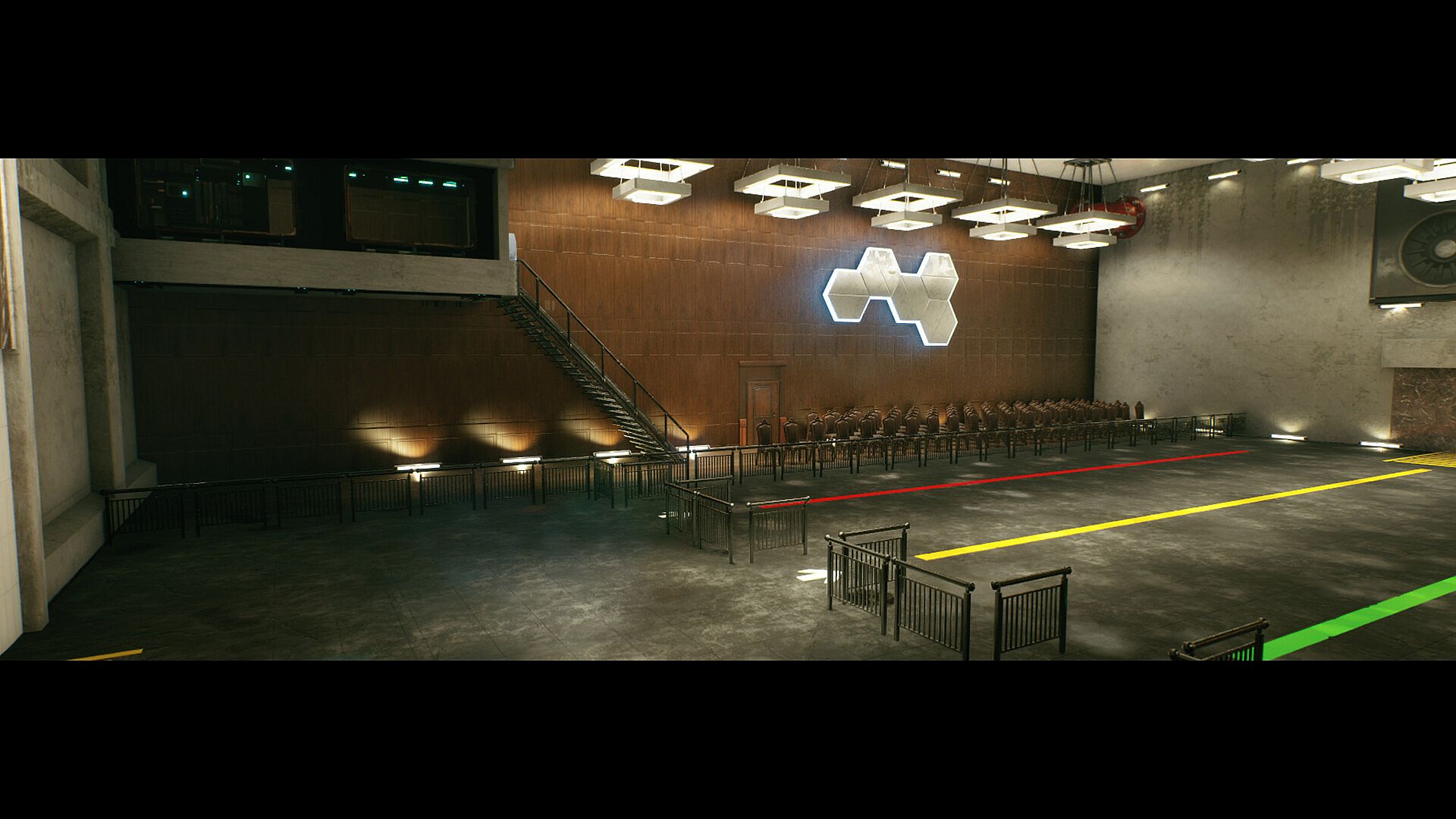
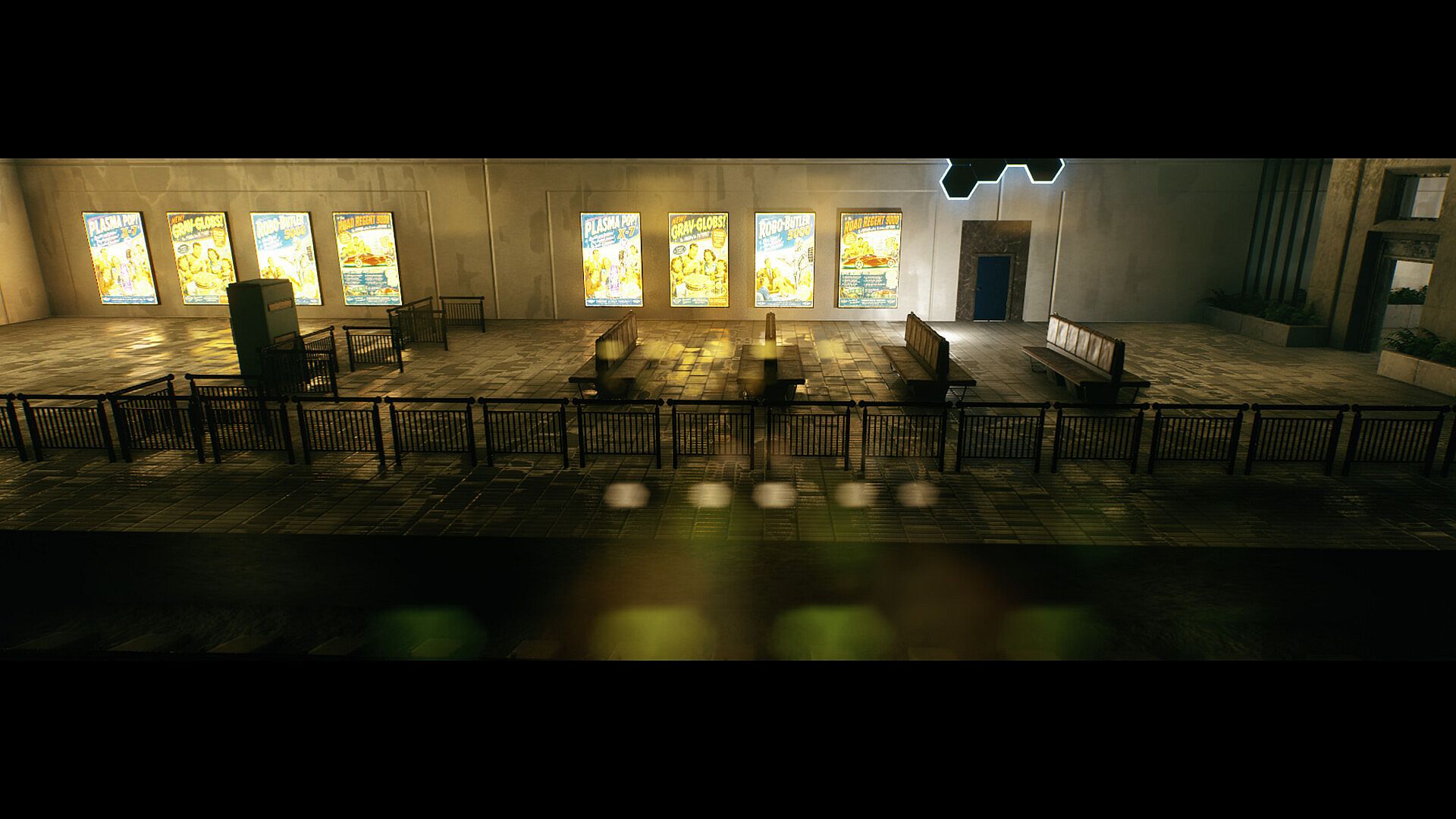
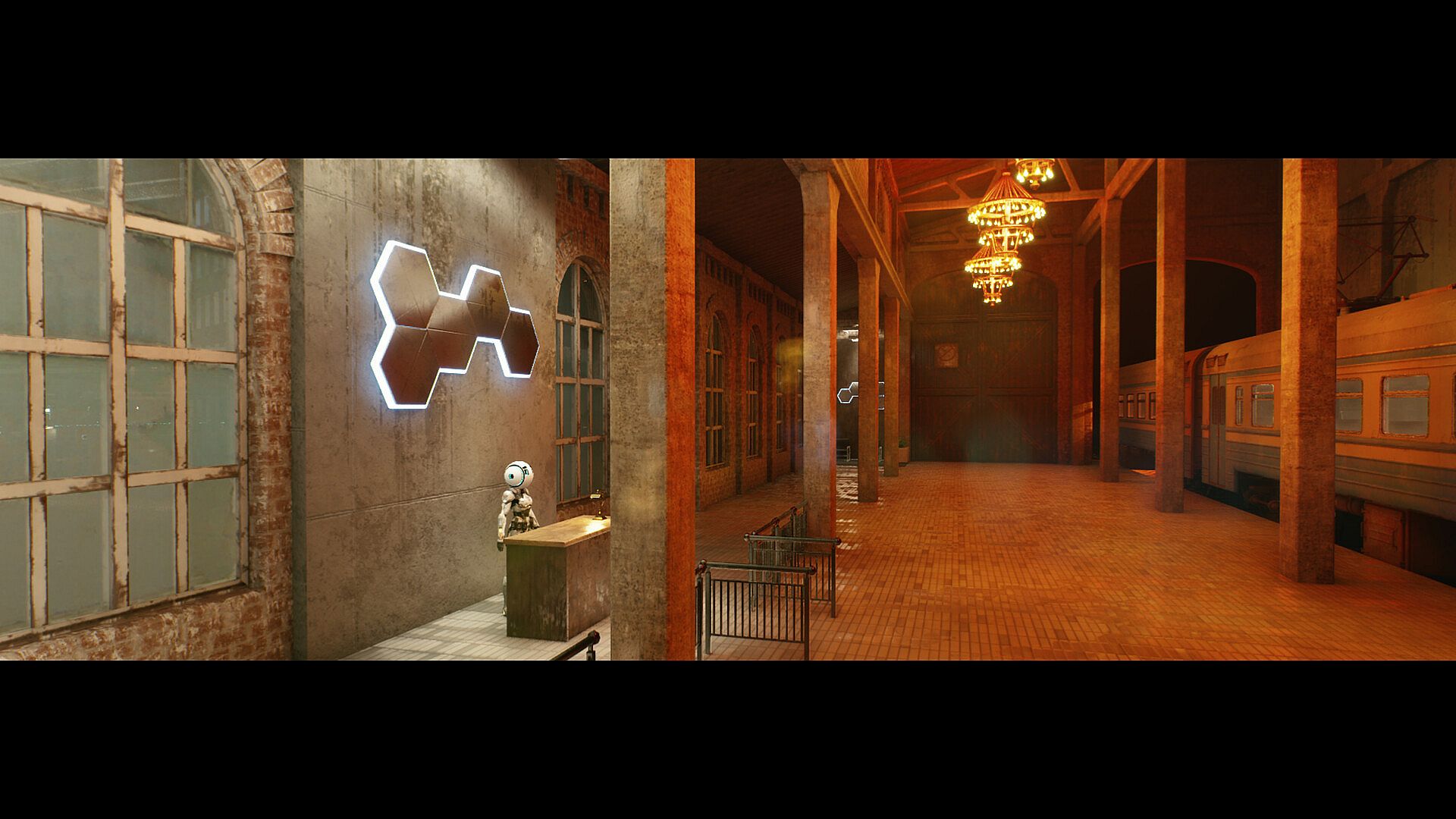
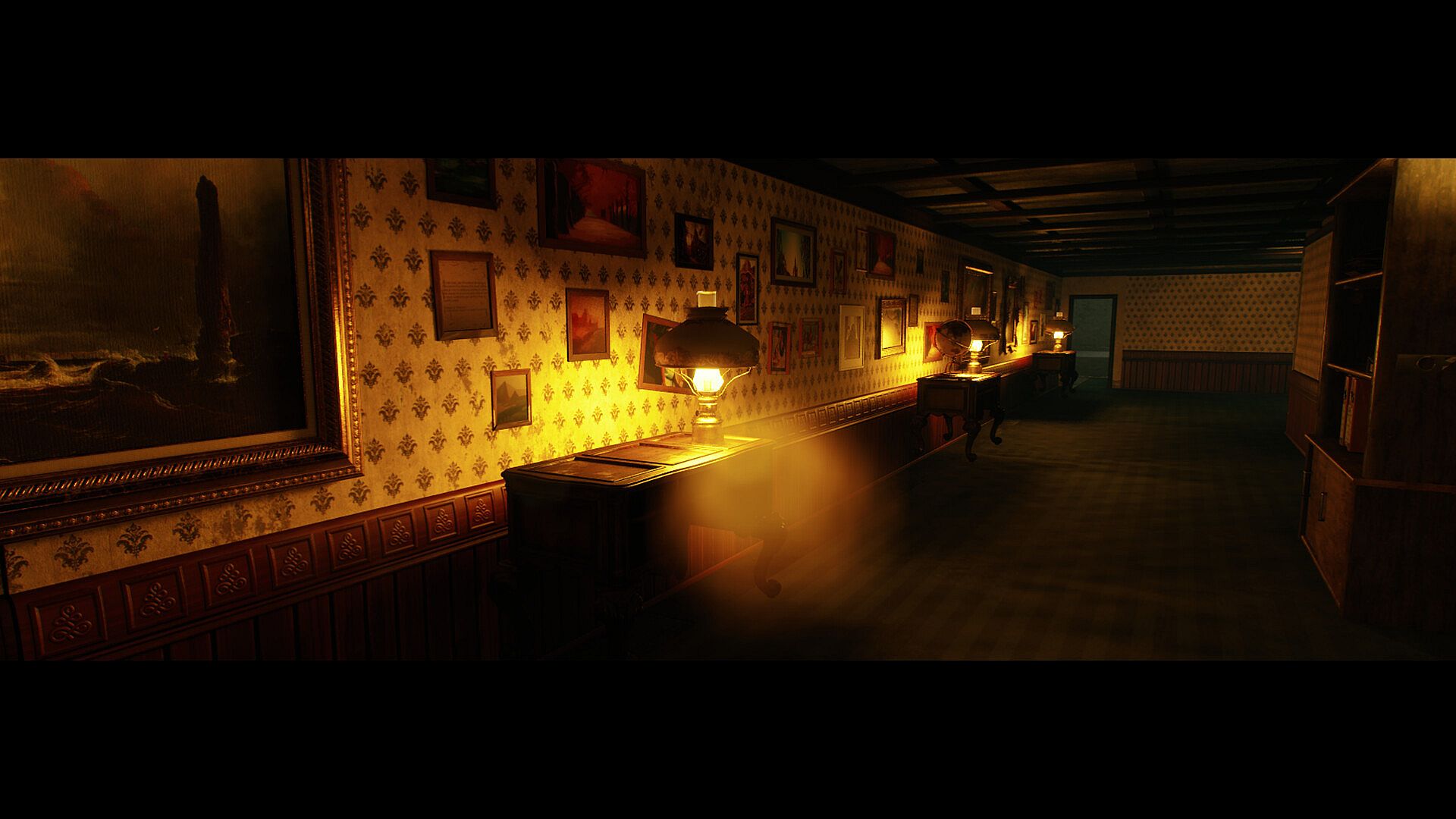
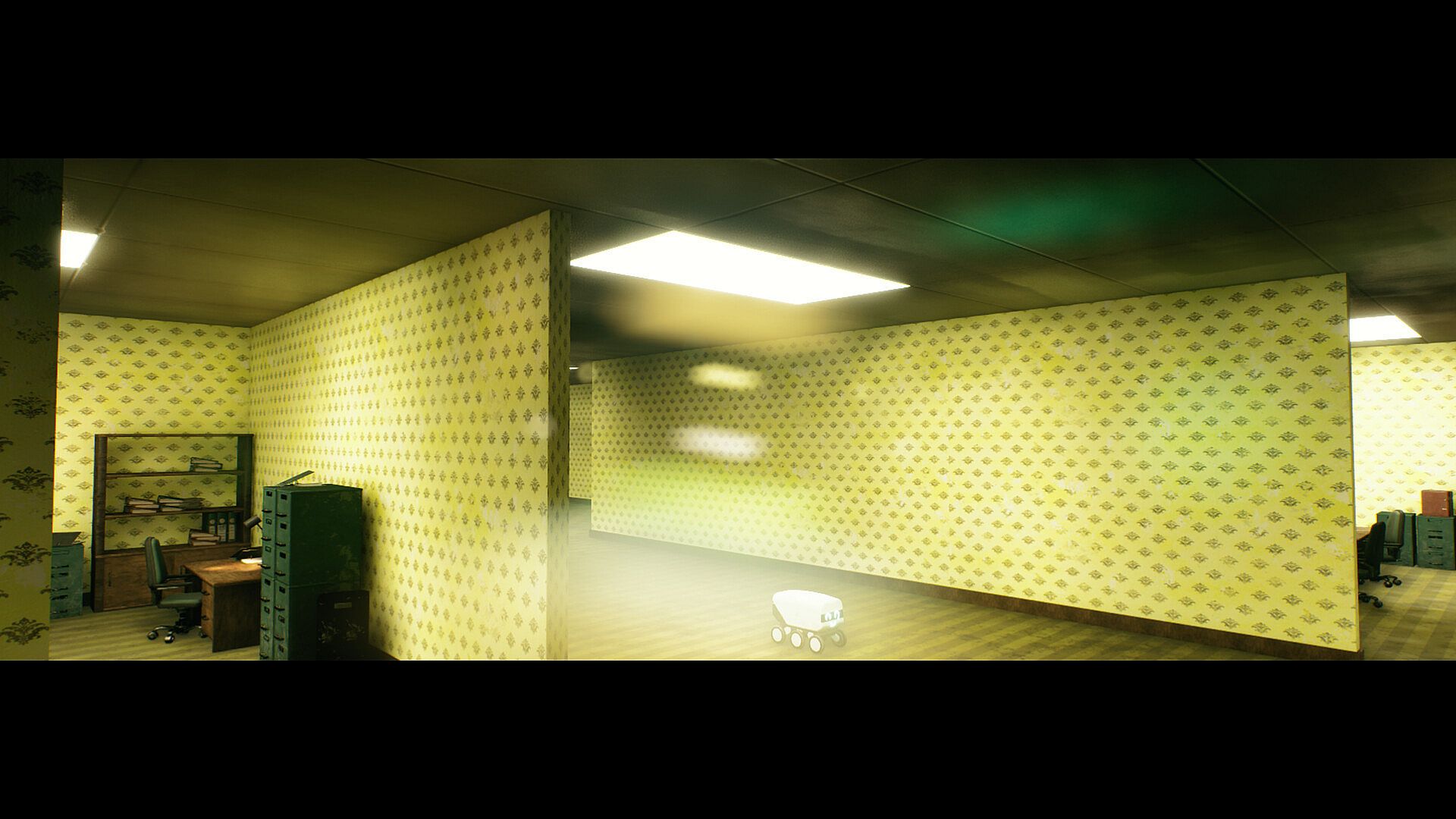
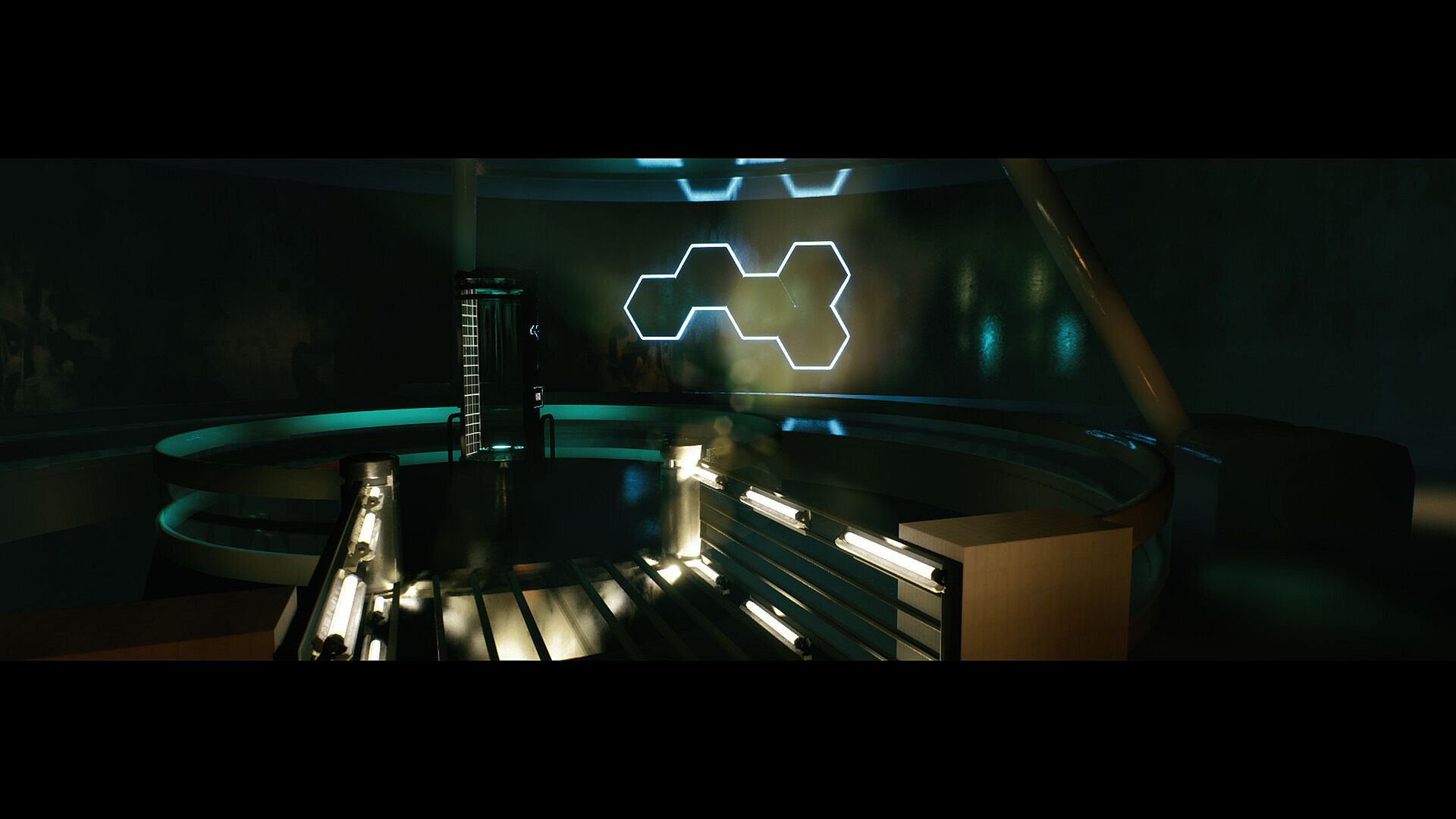
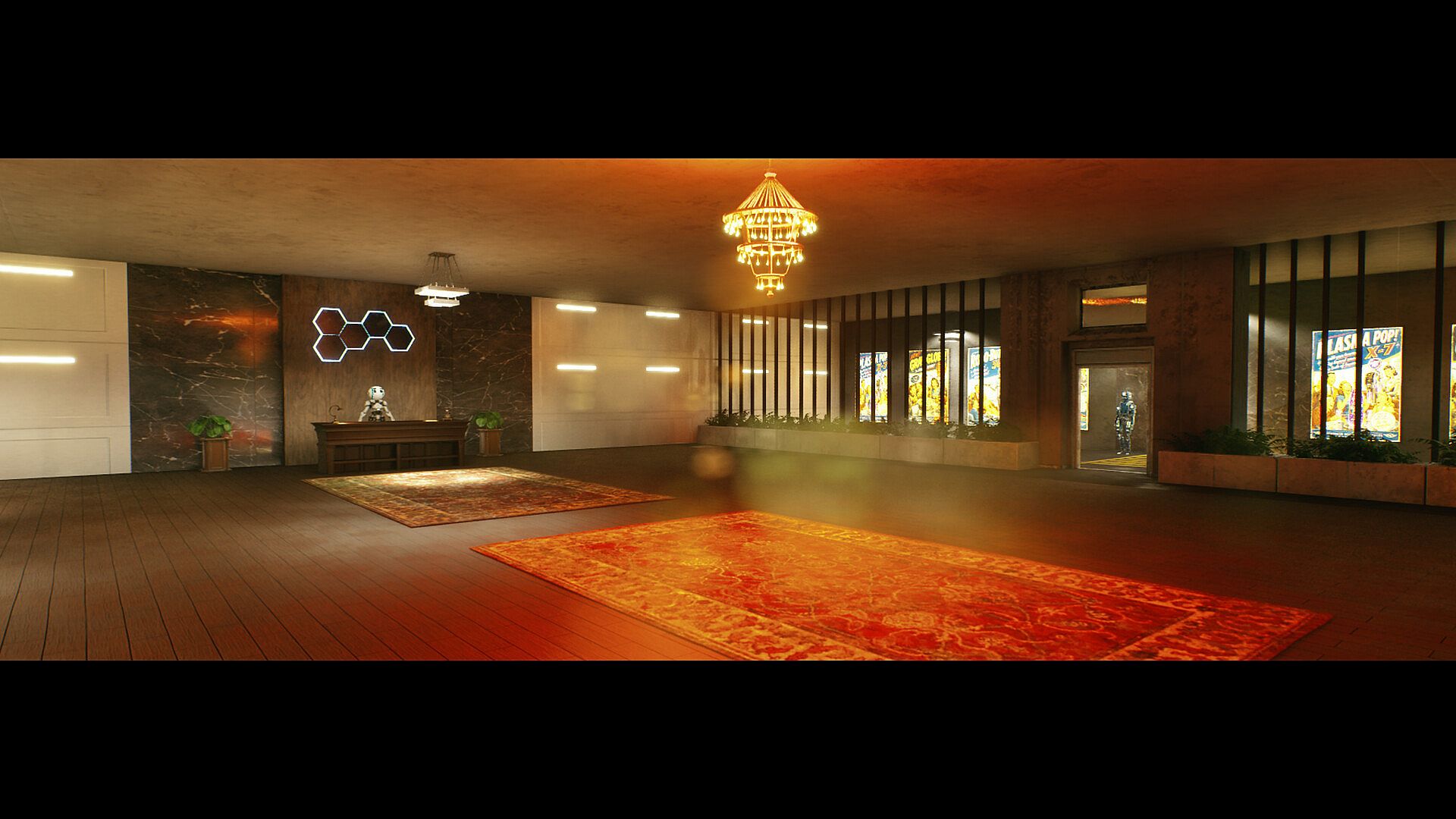
The core loop revolves around moving through a sequence of carefully designed spaces that range from sterile lobbies to dimly lit corridors and deceptively calm resting areas. A calm, polite system voice provides constant narration and guidance, commenting on actions while tracking behavior throughout the session. Players examine objects, open doors, and test boundaries in each room, with the voice responding in real time to encourage compliance or note deviations. Subtle environmental details and audio cues build tension as the program reveals its methods for evaluation and adjustment. Every movement and interaction carries weight because the system adapts its responses based on observed patterns, creating a sense of being studied and gently redirected toward an ideal outcome.
Exploration feels deliberate and unhurried, allowing time to linger in spaces or rush through them depending on preference. Hidden elements appear in the form of alternative paths or overlooked details that reward curiosity without requiring precise timing or reflexes. The atmosphere shifts gradually from clinical efficiency to something more unsettling as the voice continues its measured commentary, highlighting the contrast between outward politeness and the underlying control mechanisms at work.
Game Modes
Project 14 does not feature traditional multiplayer modes or separate campaigns. Instead, the experience branches through player-driven approaches that alter how the program reacts. One path involves following instructions precisely as the model participant, completing tasks in sequence without deviation. Another encourages testing limits by searching for overlooked options or alternative routes within the same environments. A third approach focuses on deliberate disruption, pushing against the established procedures to observe how the system voice and overall structure respond to resistance. These styles emerge naturally from the same set of rooms and interactions, with decisions accumulating to influence the final presentation of the promised perfect reality. The compact structure supports replaying the full session in a single sitting to compare outcomes across different behavioral patterns.
Atmosphere and Narrative Delivery
Sound design centers on the system voice, which maintains a consistent tone even as events grow more ambiguous. Visuals emphasize clean lines and controlled lighting that gradually give way to less orderly details in later spaces. The narrative avoids direct exposition, instead letting the environment and voice interactions imply the larger context of a collapsing world and the selective nature of the program. Ambiguity is intentional, leaving players to interpret what the redesign truly offers and what personal cost it carries. The short length keeps the focus tight, with no filler sections or extended travel between key locations.
Who the Game Appeals To
This title suits players interested in choice-driven stories that prioritize psychological tension over action or puzzle complexity. Those who enjoy observing systems and testing their responses will find satisfaction in the different ways decisions shape the session. The absence of combat or resource management keeps attention on the relationship between the participant and the guiding voice. Availability on PC allows easy access for short play sessions without hardware demands beyond standard requirements for an indie adventure title.
Is It Worth Playing?
Project 14 delivers a focused psychological experience built around exploration and behavioral choices within a single continuous session. Its strength lies in the consistent atmosphere and the way small decisions accumulate into noticeable shifts in tone and outcome. Players who value compact, reflective adventures will appreciate the opportunity to finish the game quickly while still having room to experiment with different approaches on subsequent playthroughs. The design rewards attention to detail and willingness to engage with the program's rules rather than demanding mastery of complex mechanics. For anyone drawn to indie adventure games that examine control, compliance, and personal agency through environmental storytelling, the title provides a complete and self-contained session worth experiencing.











