

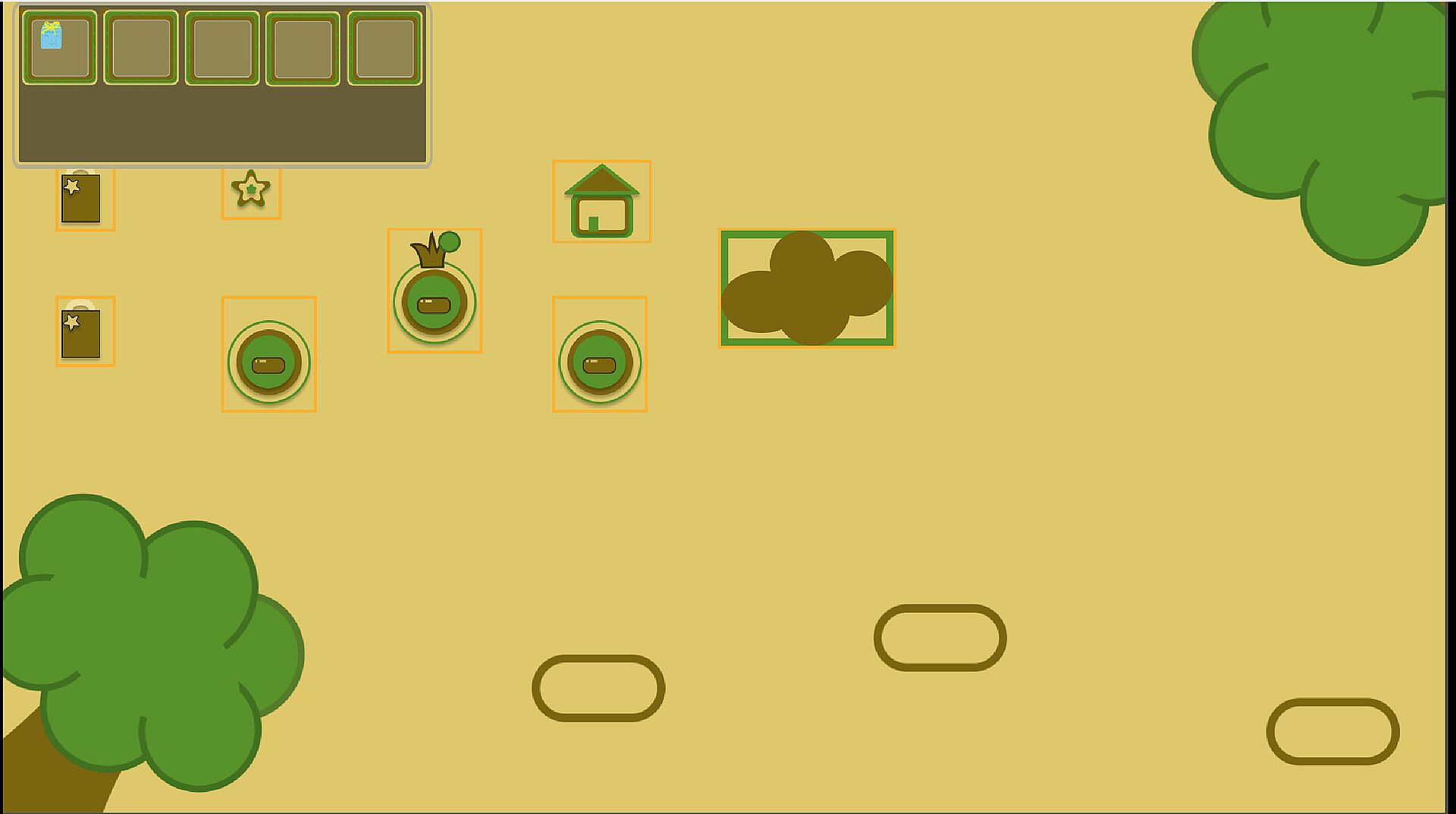

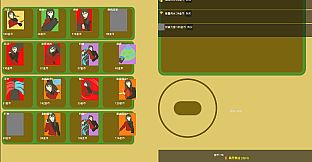



please have fun in the dream is a roguelike card game built for single-player strategy on PC. Battles unfold inside dreams, where players manage a deck and respond to enemy actions through color matching and resource decisions. The title arrives as the developer's first project, scheduled for release on August 19, 2026, with a demo already available for those interested in testing the core loop ahead of launch.
Gameplay
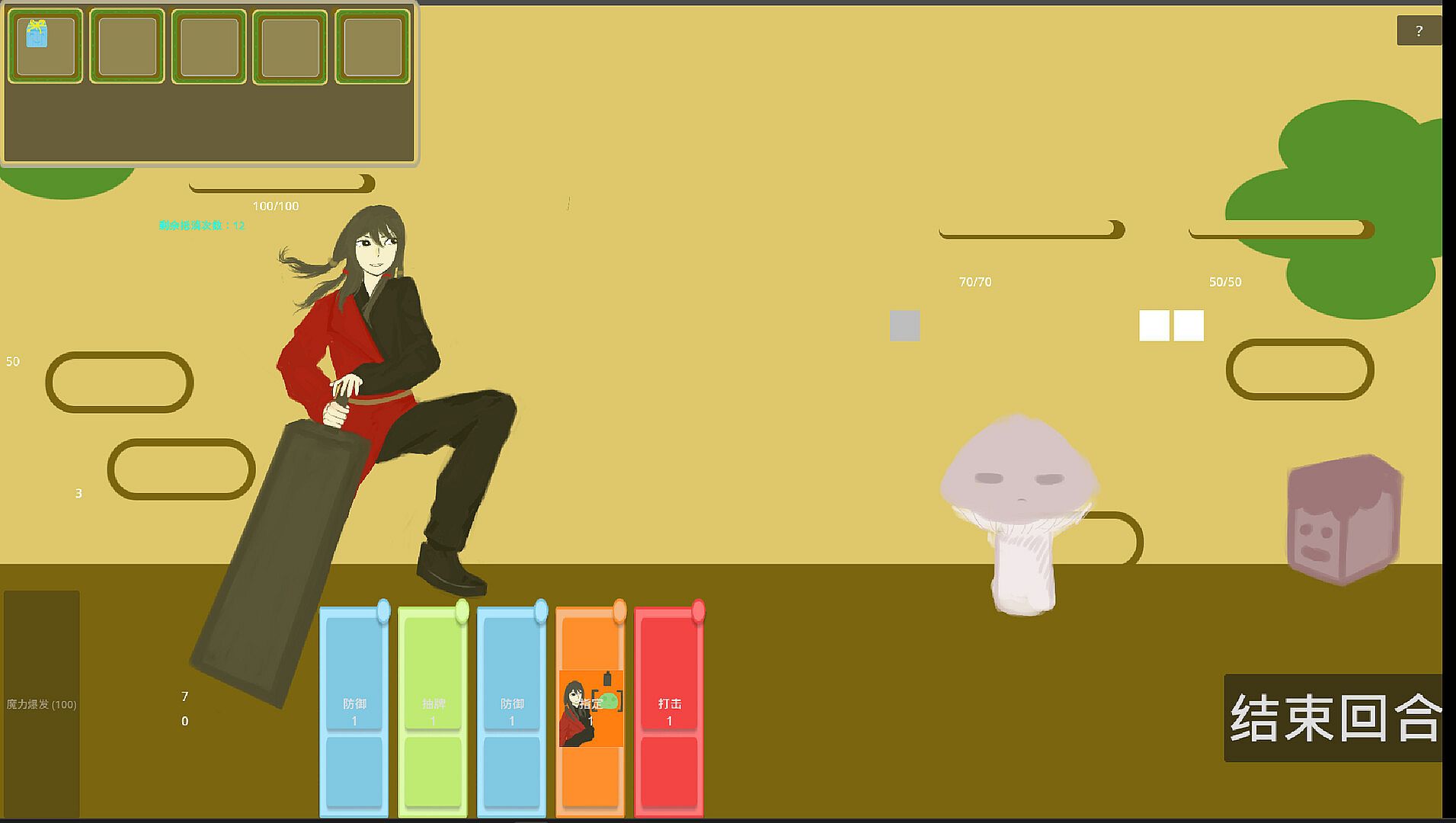
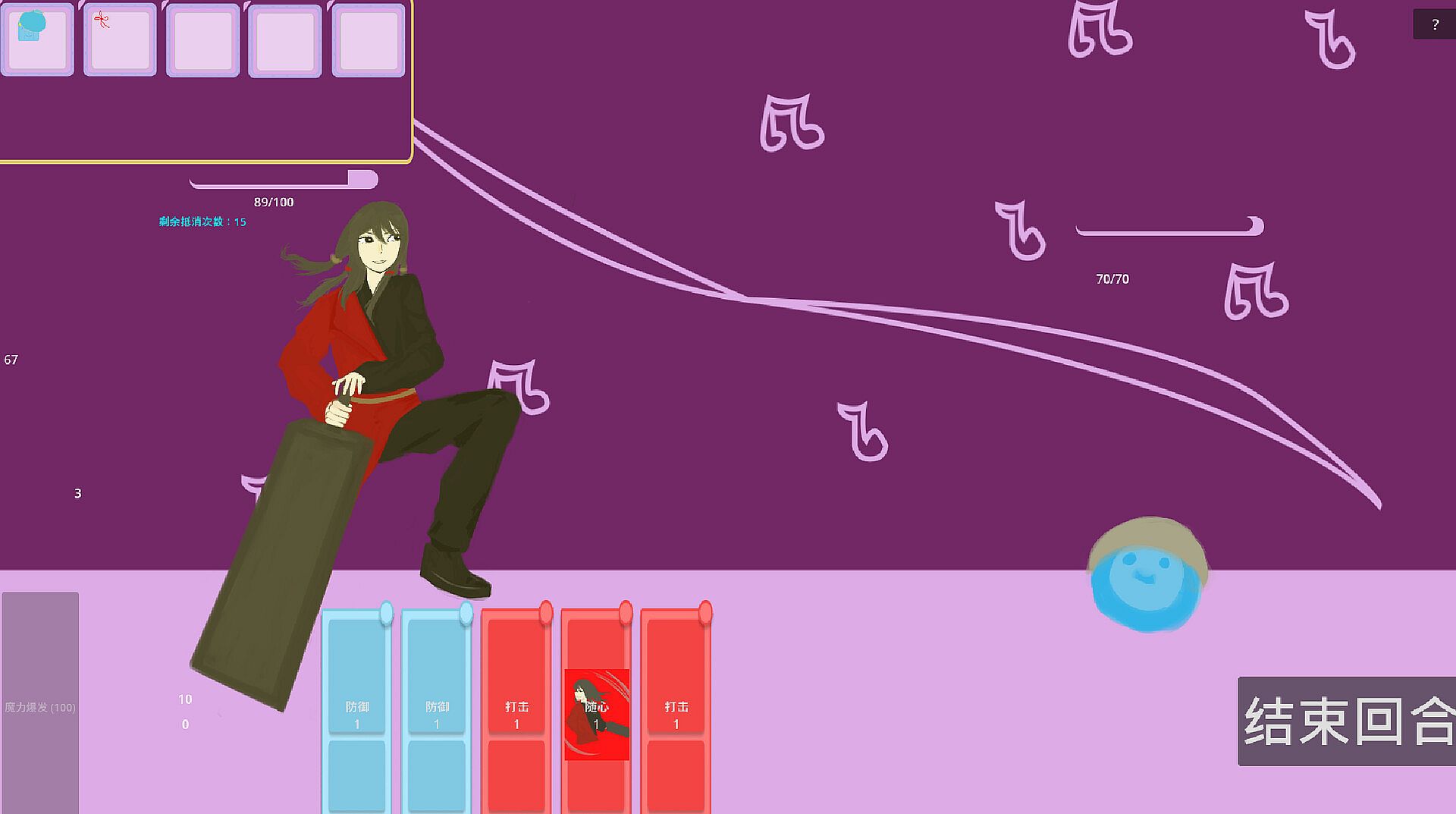
The experience centers on one playable character and a restricted initial card pool. Card colors introduce strategic layers during combat. Matching the color of an enemy card in hand allows cancellation of that action before it resolves. This system turns potential threats into opportunities without requiring direct damage or removal in every case.
Mana serves multiple purposes outside of standard casting. At rest sites players can spend it to thin their deck by removing unwanted cards. During fights the same resource supports temporary buffs that alter combat flow. These choices encourage careful planning across runs rather than relying on raw power.
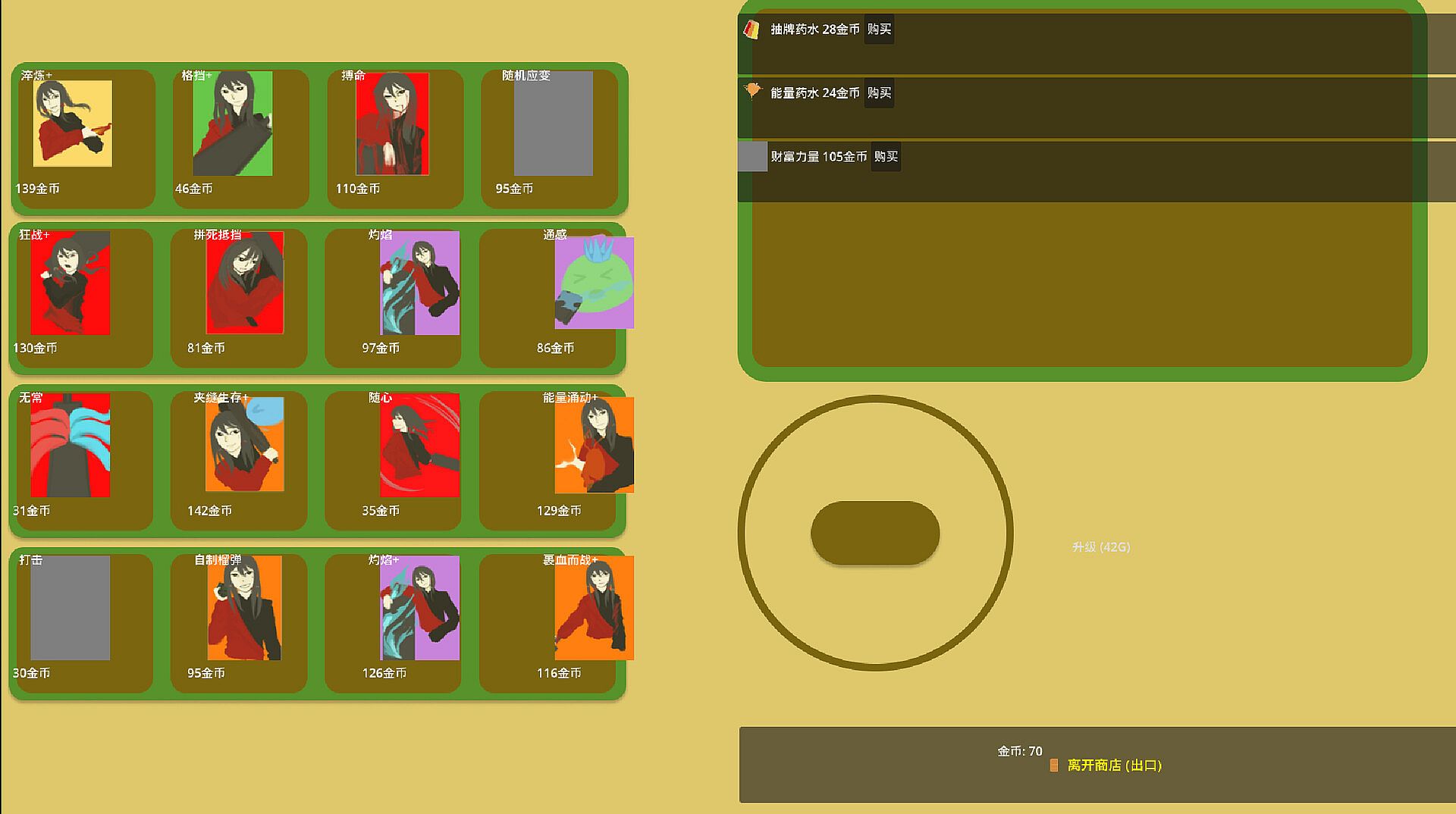
Card acquisition feels more generous than in many roguelikes. The shop always displays sixteen options at once. Different enemy types drop varying quantities of cards after victory, creating incentives to seek out specific encounters. This setup reduces the pressure of thin draws while still rewarding thoughtful pathing through the dream sequences.
Game Modes
The game operates entirely in a single-player roguelike structure. Runs consist of dream battles connected by rest sites and shop visits. No separate competitive or cooperative modes appear in the available information. Progression stays focused on improving the single character's options through repeated attempts and card management.
Core Systems and Progression
Deck building revolves around the color cancellation mechanic and mana flexibility. Players start with limited choices but gain access to more cards through consistent play. The roguelike format means each run resets the deck state while carrying forward knowledge of enemy patterns and shop value. Rest sites act as key decision points where mana can reshape the remaining deck for upcoming challenges.
Enemy variety influences rewards directly. Stronger or distinct foes provide larger card drops, which in turn affects how quickly a run can scale. The fixed shop size of sixteen cards keeps selection manageable yet varied enough to support different build directions within the color system.
Is It Worth Playing?
The title targets players who enjoy roguelike card games that emphasize timing and resource conversion over large decks or complex synergies. Its color-based cancellation and dual-use mana create a focused decision space that differs from many established entries in the genre. Because the project is the developer's first attempt, expectations should center on a compact, experimental experience rather than polished depth or extensive content.
With no user reviews available prior to release, reception remains unknown. The presence of a demo offers a direct way to evaluate the mechanics before purchase. Those drawn to single-player strategy titles with dream-themed presentation and straightforward progression may find value in supporting an independent effort that highlights these specific systems.