




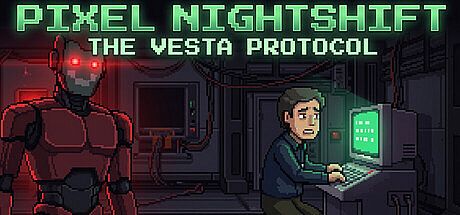


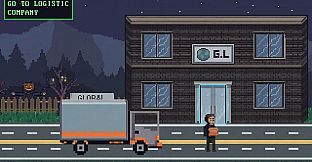
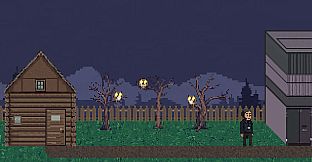
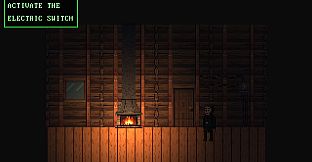
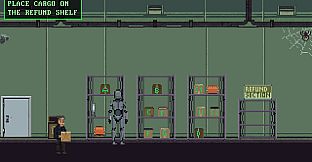
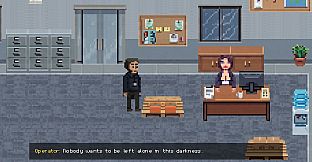
Pixel Nightshift: The Vesta Protocol is an indie simulation adventure game that blends pixel art visuals with psychological horror elements. Players take on the role of a night shift operator at Vesta Robotics, handling routine warehouse tasks that gradually give way to unsettling disturbances in an isolated facility.
Gameplay
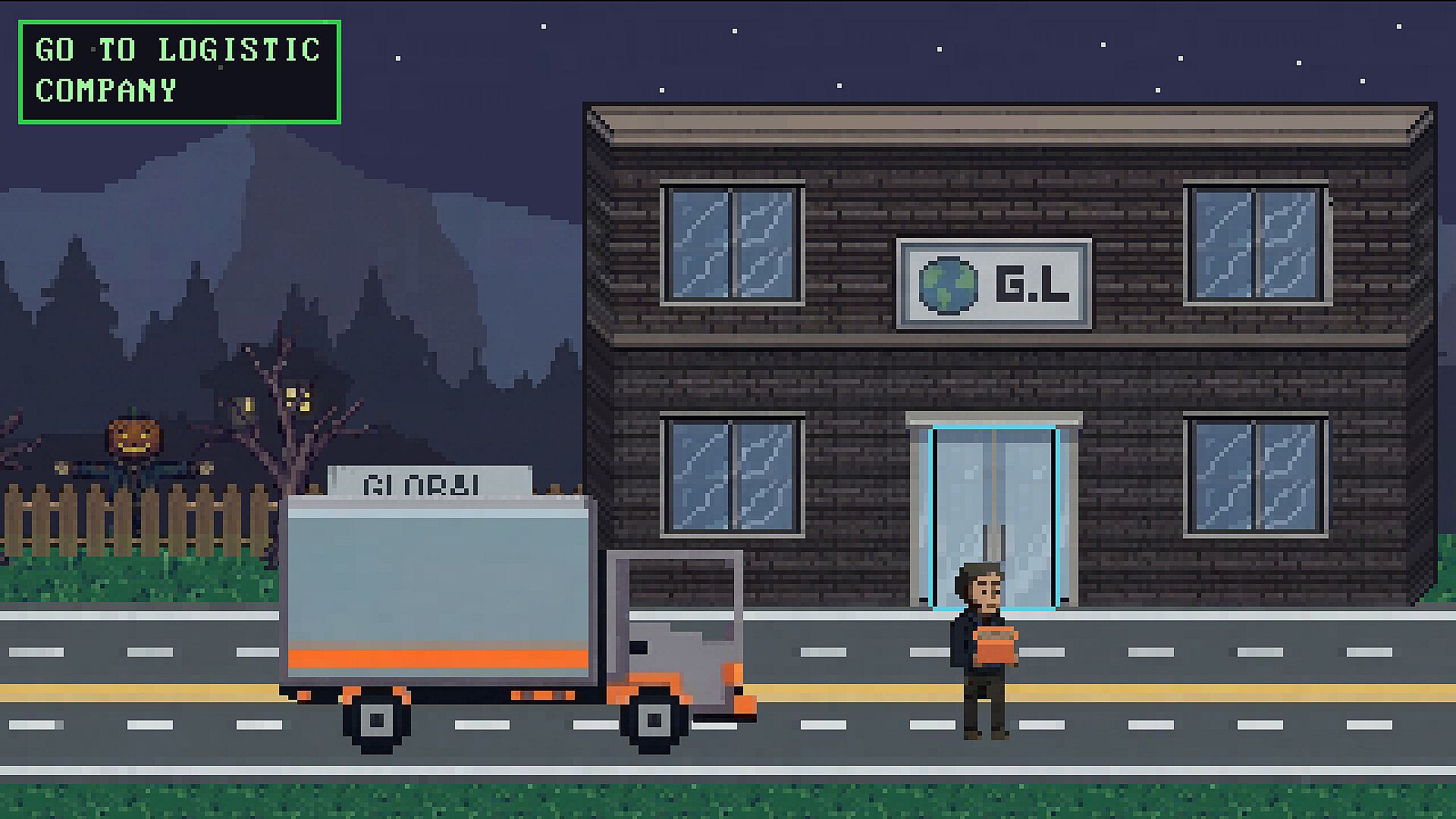
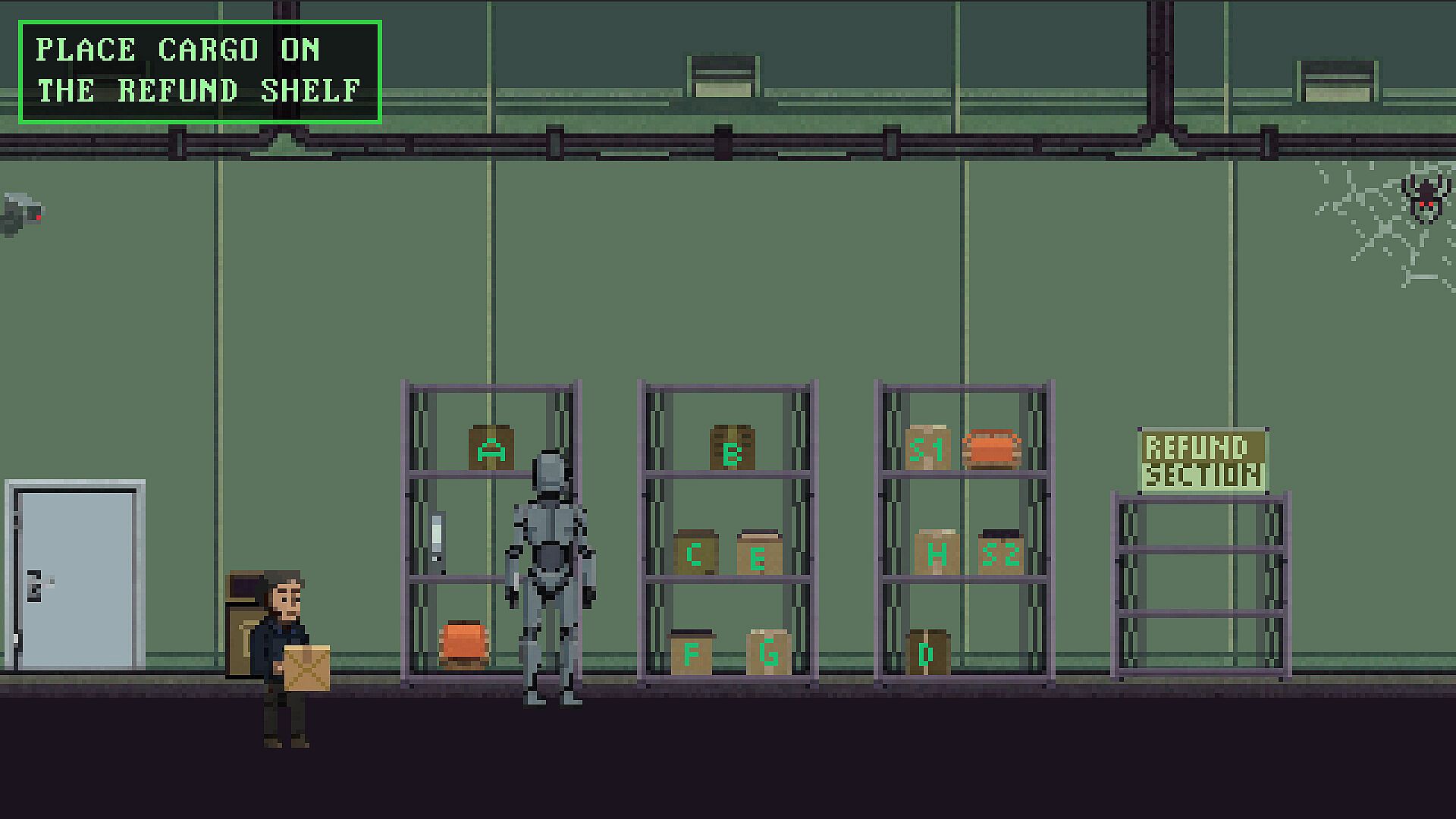
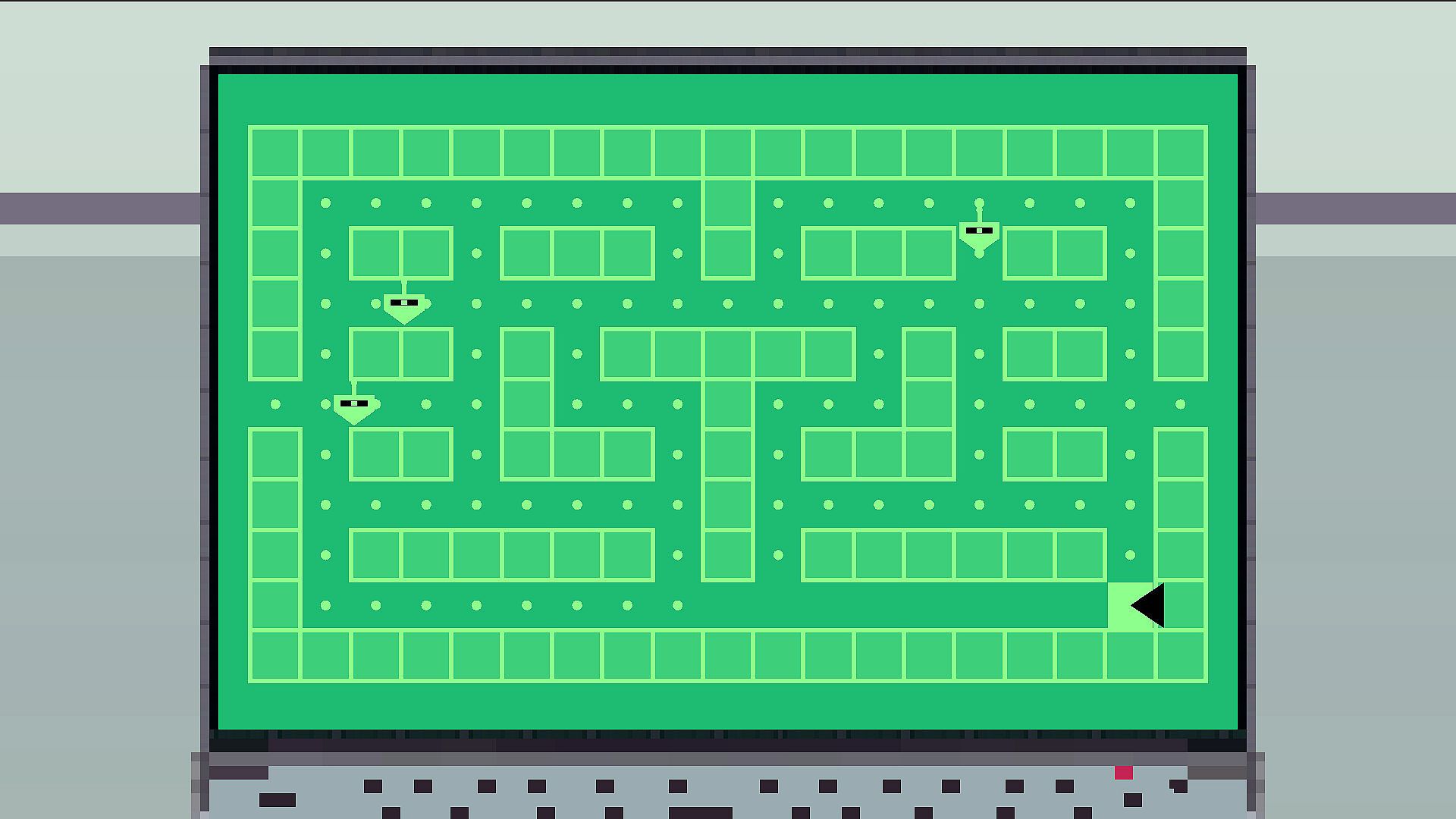
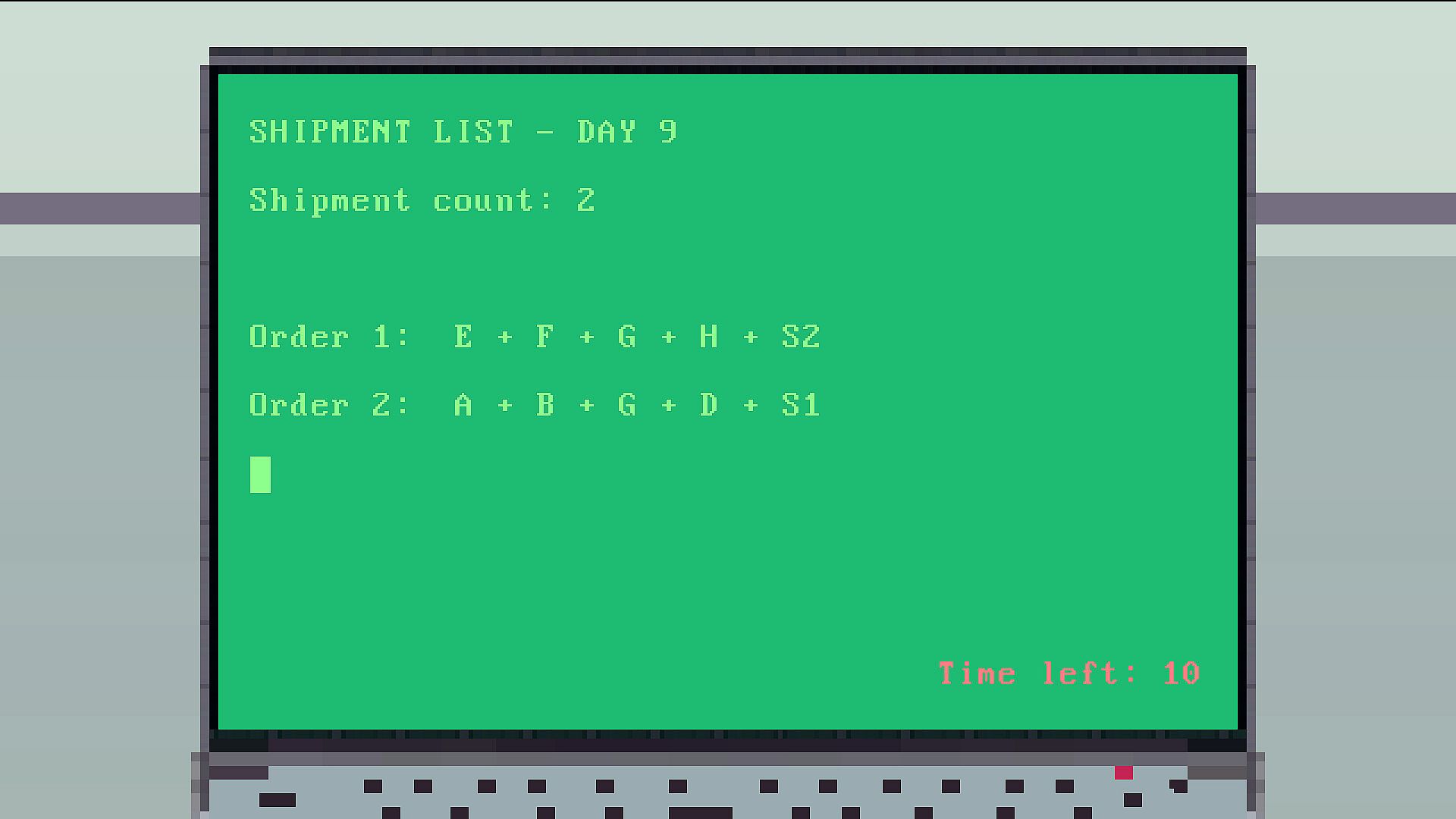
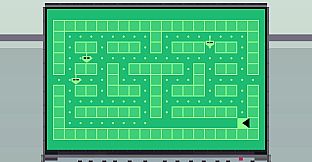
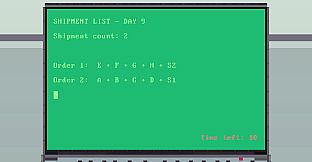
The core loop centers on completing daily quotas through a structured set of actions. At the start of each shift, orders appear on the terminal for review. The operator then moves through the dark warehouse to gather required parts, packs them into cargo, and loads the delivery truck. Security verifications must be cleared before work begins, consisting of nine unique protocol mini games that challenge focus through distinct mechanics.
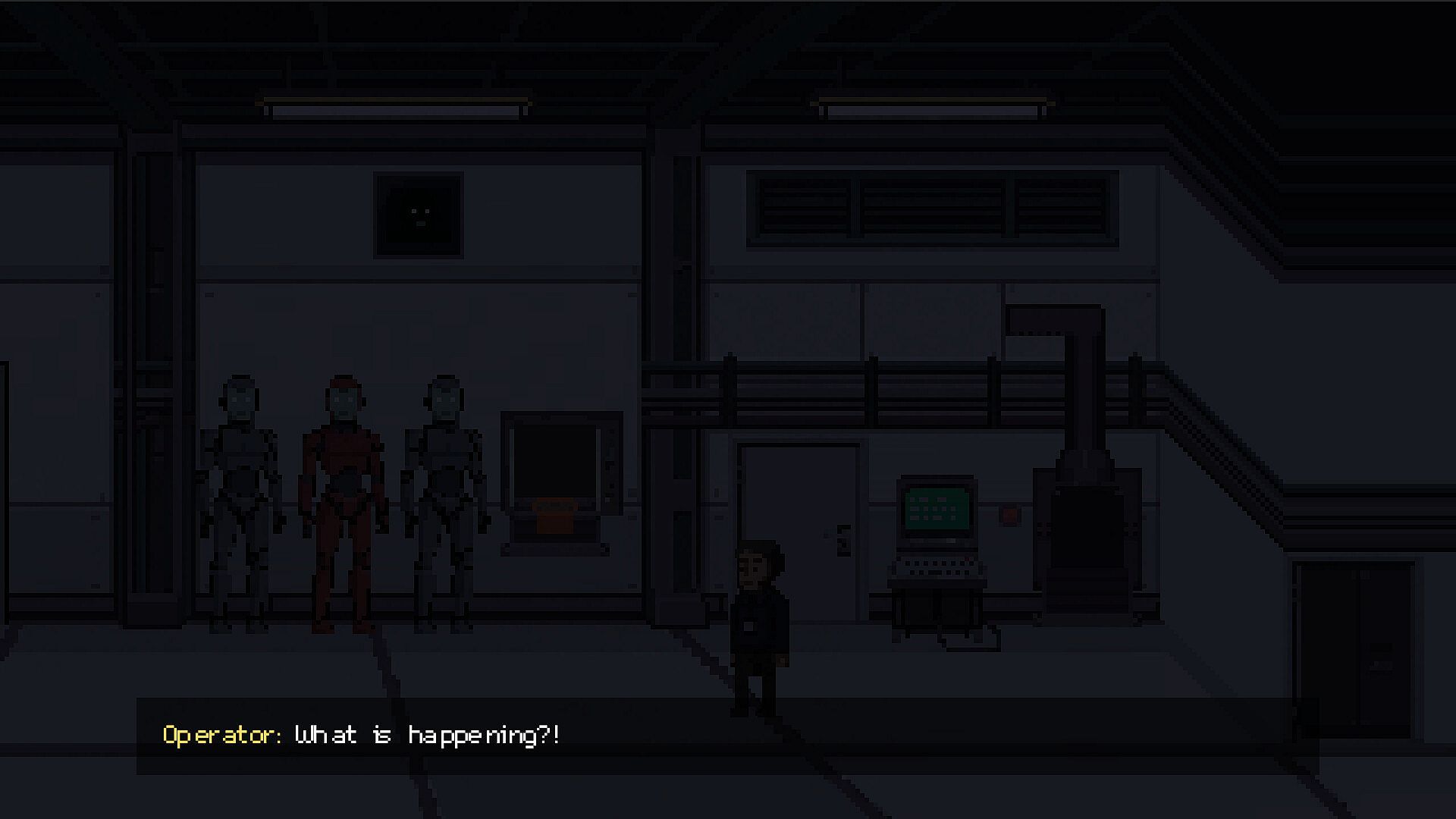
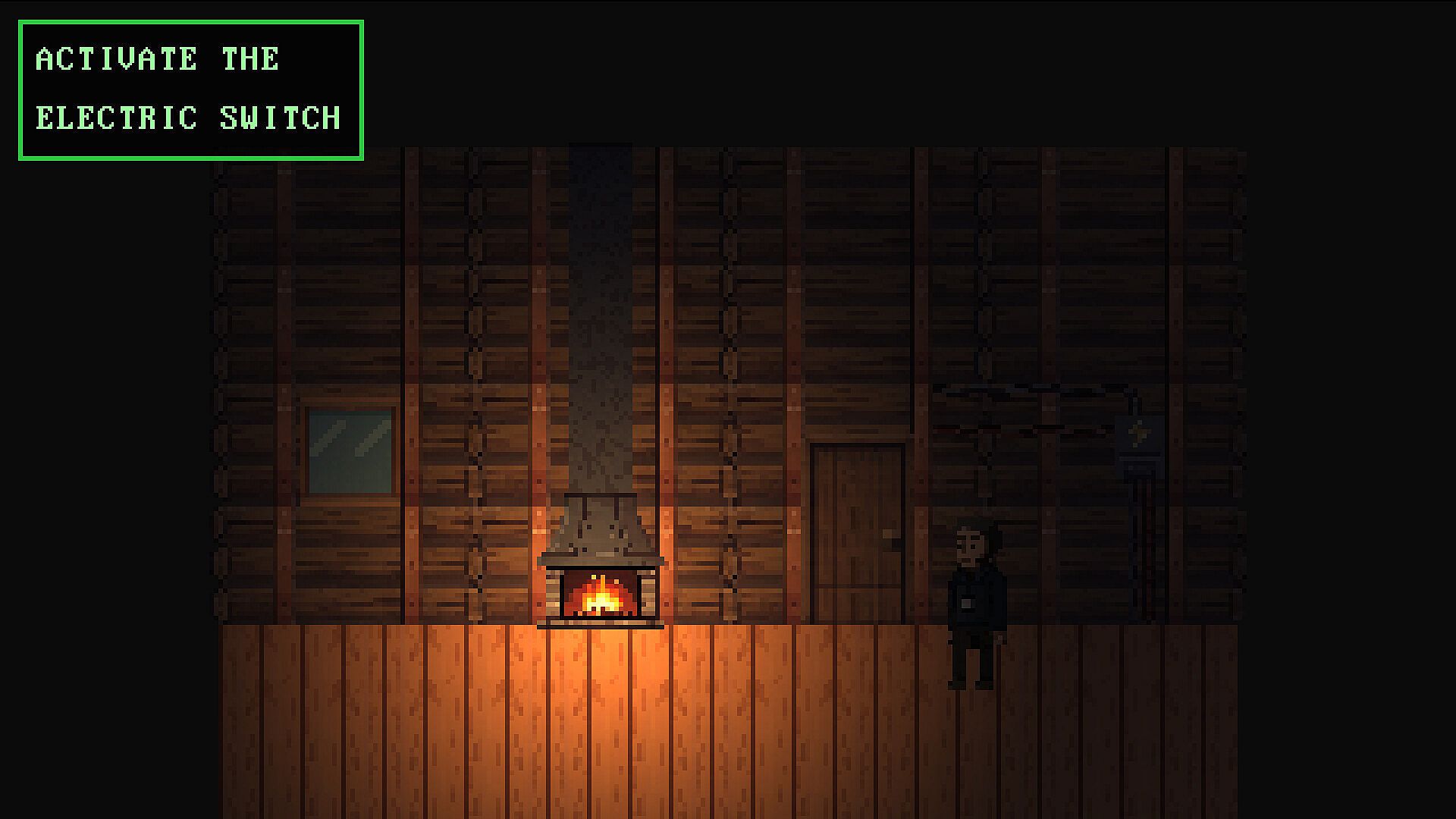
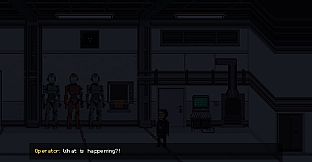
As shifts progress across the ten night sequences, the environment introduces subtle changes. Echoes echo through empty corridors, lights flicker, and boxes shift positions without explanation. Figures emerge in the shadows while the terminal itself becomes less reliable. These elements build tension without altering the fundamental routine of processing shipments and meeting targets.
Small decisions during interactions influence the outcome, directing the narrative toward one of two distinct endings. The entire experience unfolds in a focused 30 to 45 minute session, emphasizing atmosphere over extended playtime. Handcrafted visuals at 320x180 resolution pair with classic CRT terminal styling to reinforce the isolated, retro setting.
Game Modes
The game operates as a singleplayer narrative experience with no multiplayer components or separate competitive modes. All content revolves around the sequential night shifts, where players repeat the core tasks of order processing, part collection, packing, and loading while navigating escalating anomalies.
Progression follows a linear structure across the ten shifts, with player choices affecting only the final resolution. The nine verification mini games serve as integrated checkpoints rather than optional side activities, each presenting unique mechanics that grow erratic over time. This setup keeps the focus on the psychological unraveling within the rigid daily workflow.
Narrative and Atmosphere
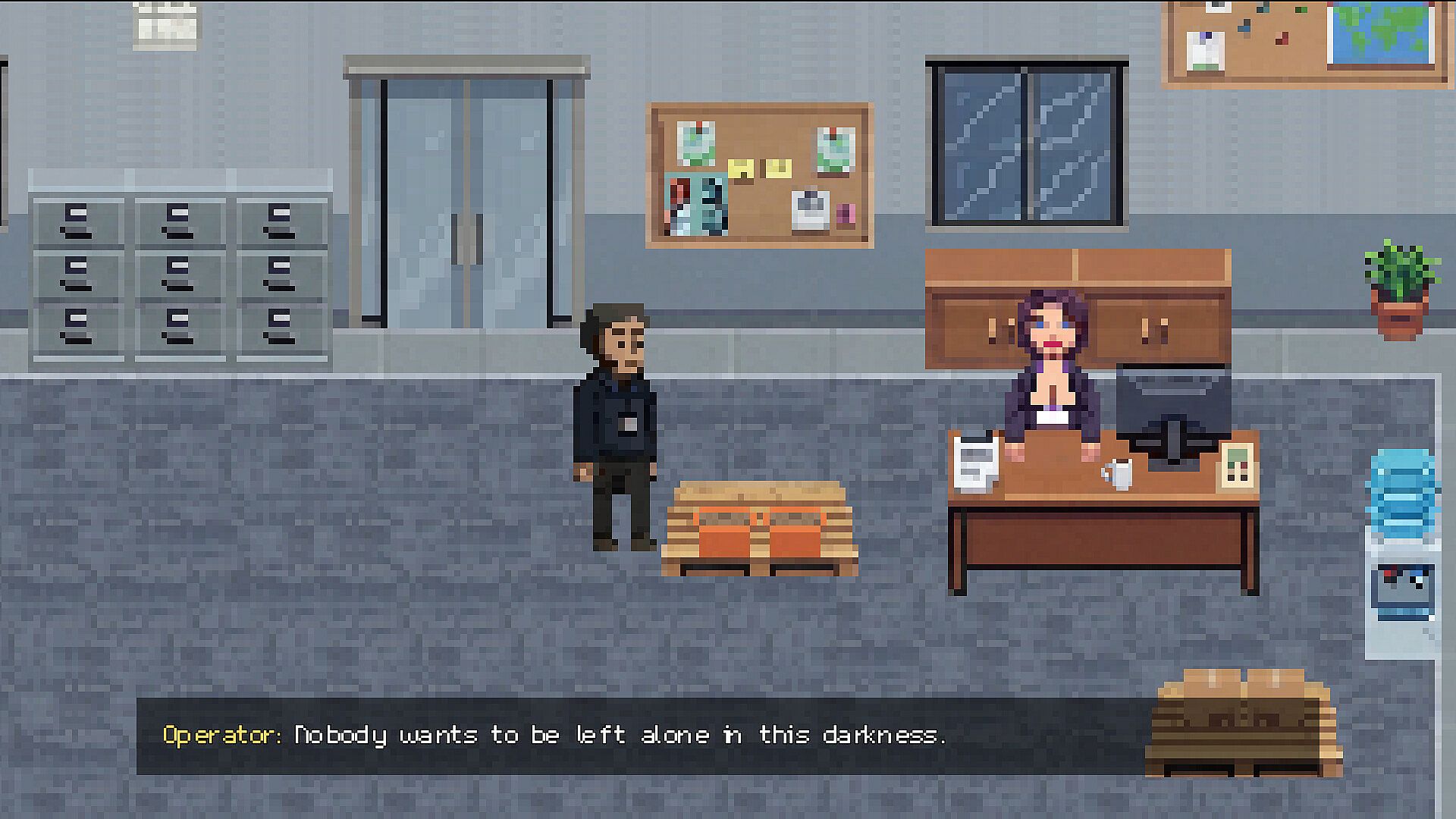
The story unfolds through environmental storytelling and terminal interactions rather than direct exposition. Isolation defines the setting, with the operator alone amid shipping crates and distant sounds. Anomalies such as misplaced boxes and unexpected figures disrupt the expected pattern, creating a sense of gradual breakdown in the facility systems.
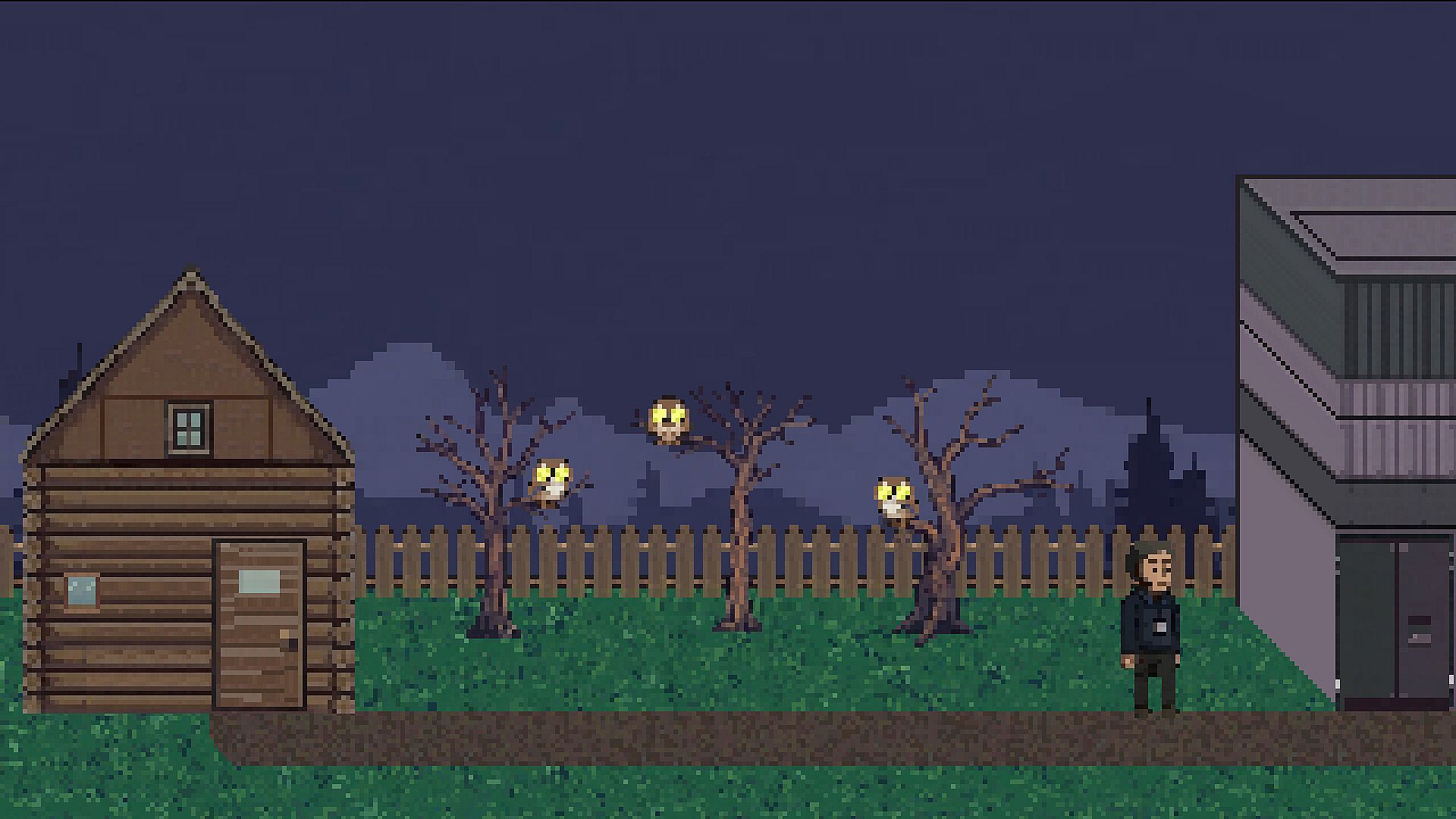
Pixel art presentation maintains a consistent retro aesthetic throughout, using limited resolution to heighten the sense of confinement and unease. The CRT filter on the terminal adds to the mechanical, impersonal tone of the work environment.
Is It Worth Playing?
This title suits players seeking a concise psychological horror experience centered on routine tasks that turn unsettling. The short length and choice-based endings provide replay value for those interested in exploring both outcomes without a large time commitment. Emphasis on simulation mechanics combined with horror elements appeals to fans of indie narrative adventures that prioritize atmosphere and subtle tension over action or complex systems. Availability on PC makes it accessible for short sessions focused on the core loop of warehouse operations and verification challenges.











