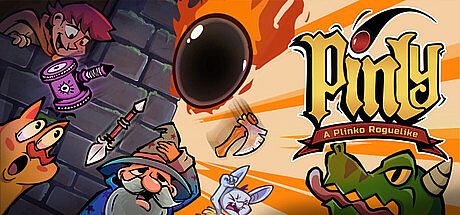


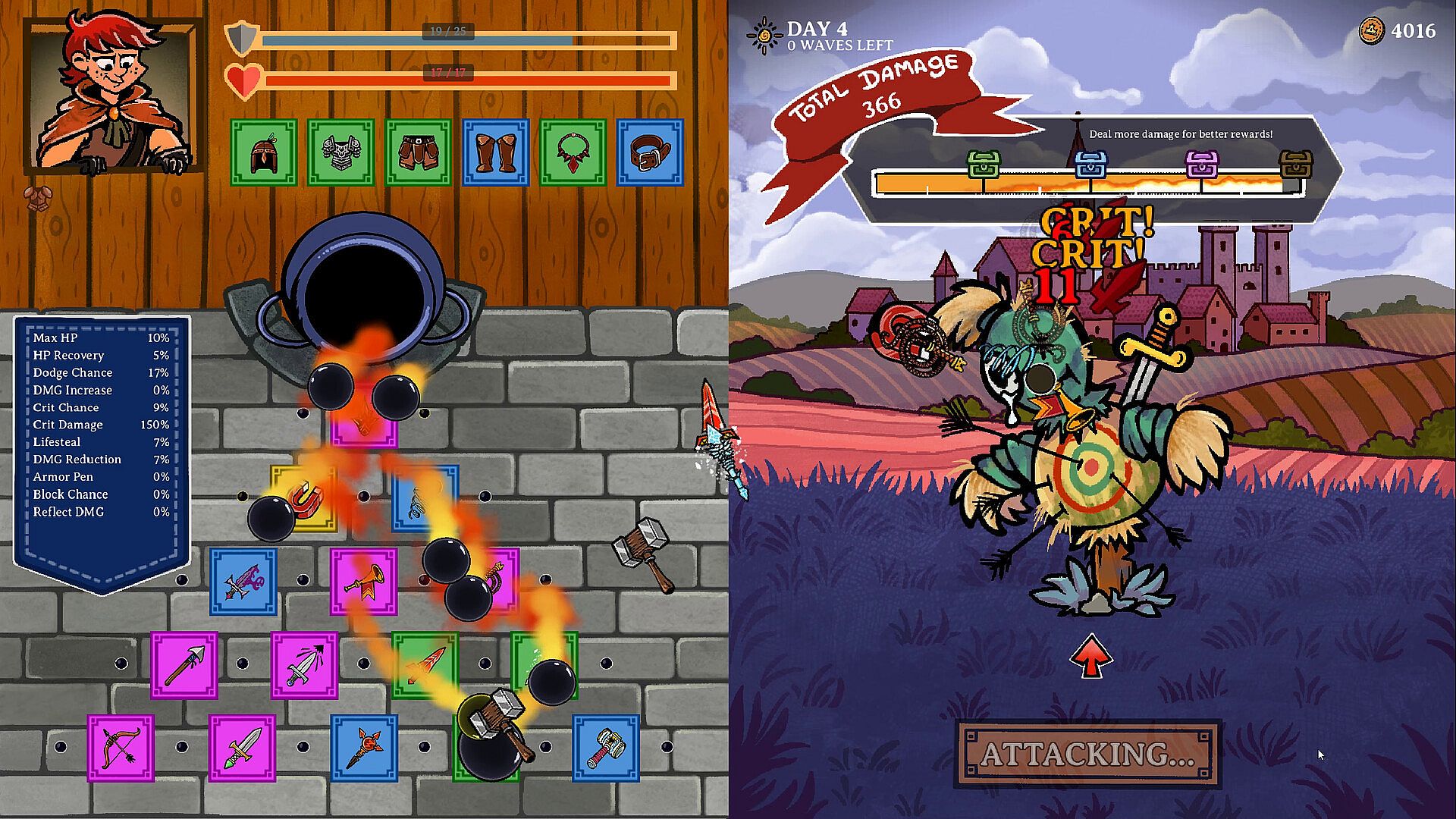
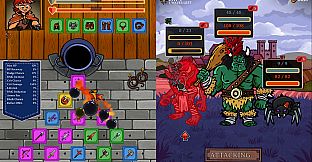
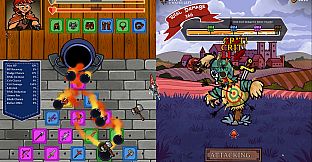
Pinly: A Plinko Roguelike is a single-player strategy title that merges roguelike progression with physics-driven combat and wave-based castle defense on PC. The core loop revolves around positioning weapons on a Plinko board, dropping a ball that bounces through the layout to inflict damage, and refining a collection of gear between encounters to survive longer runs.
Gameplay
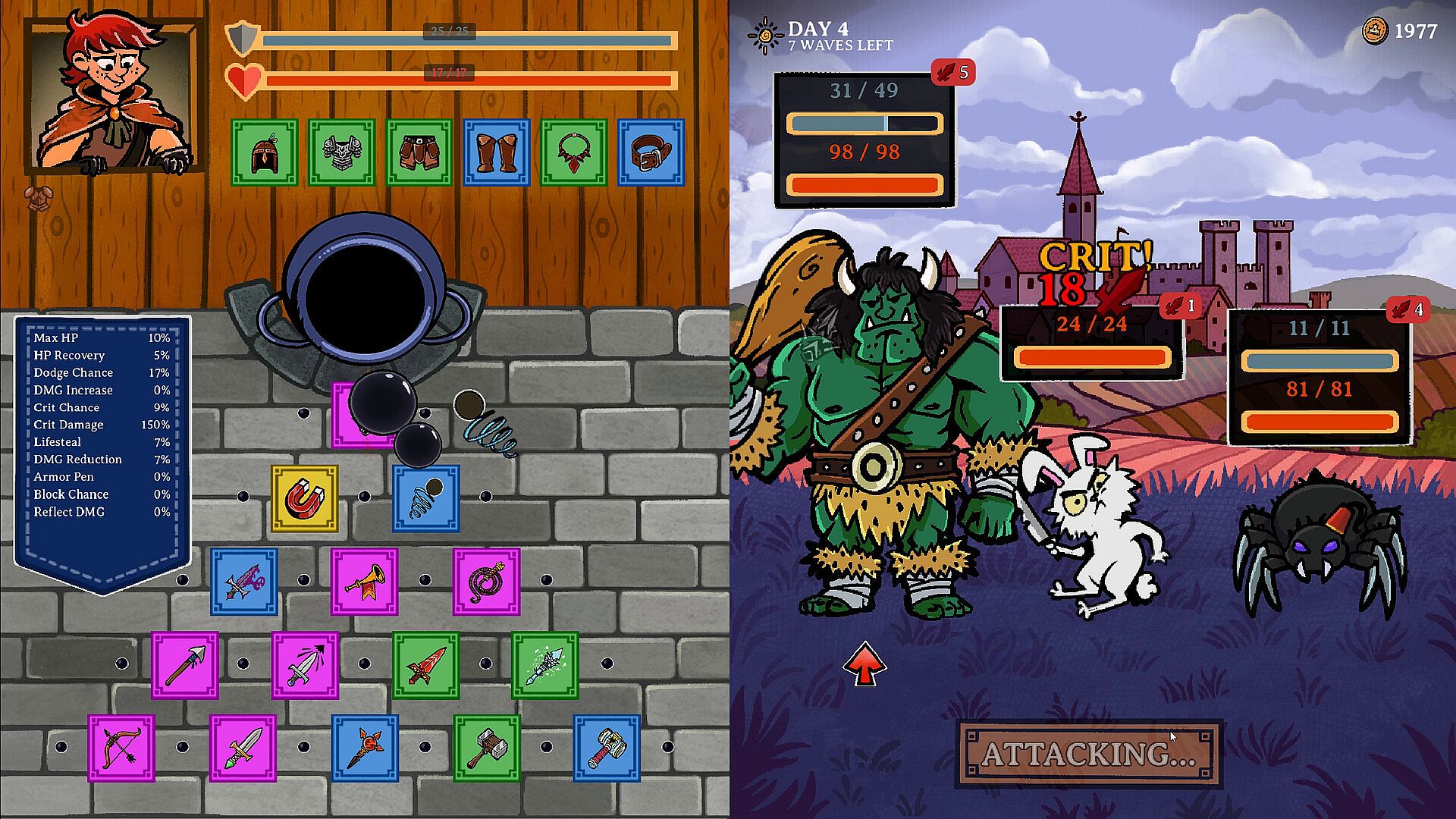
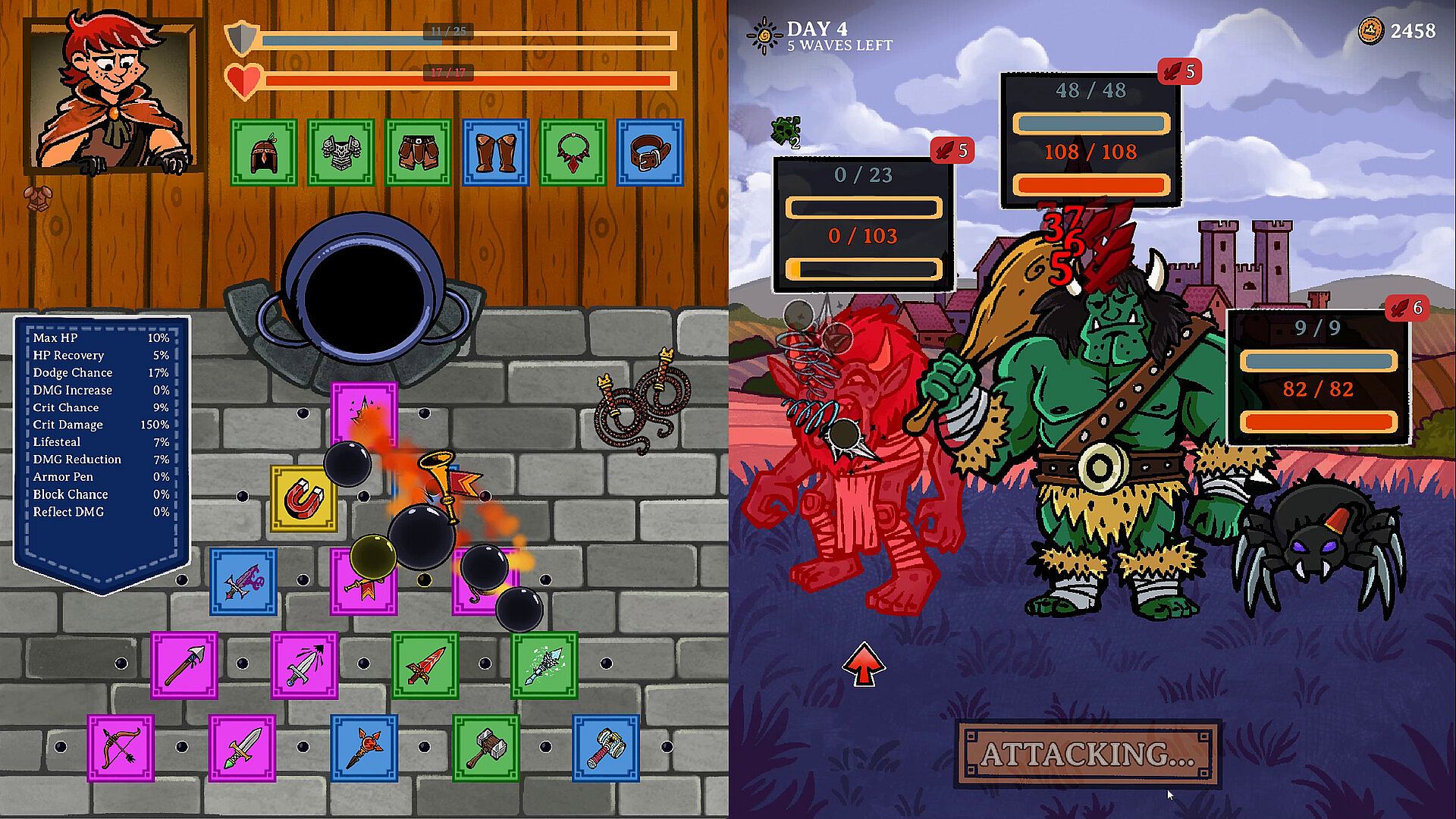
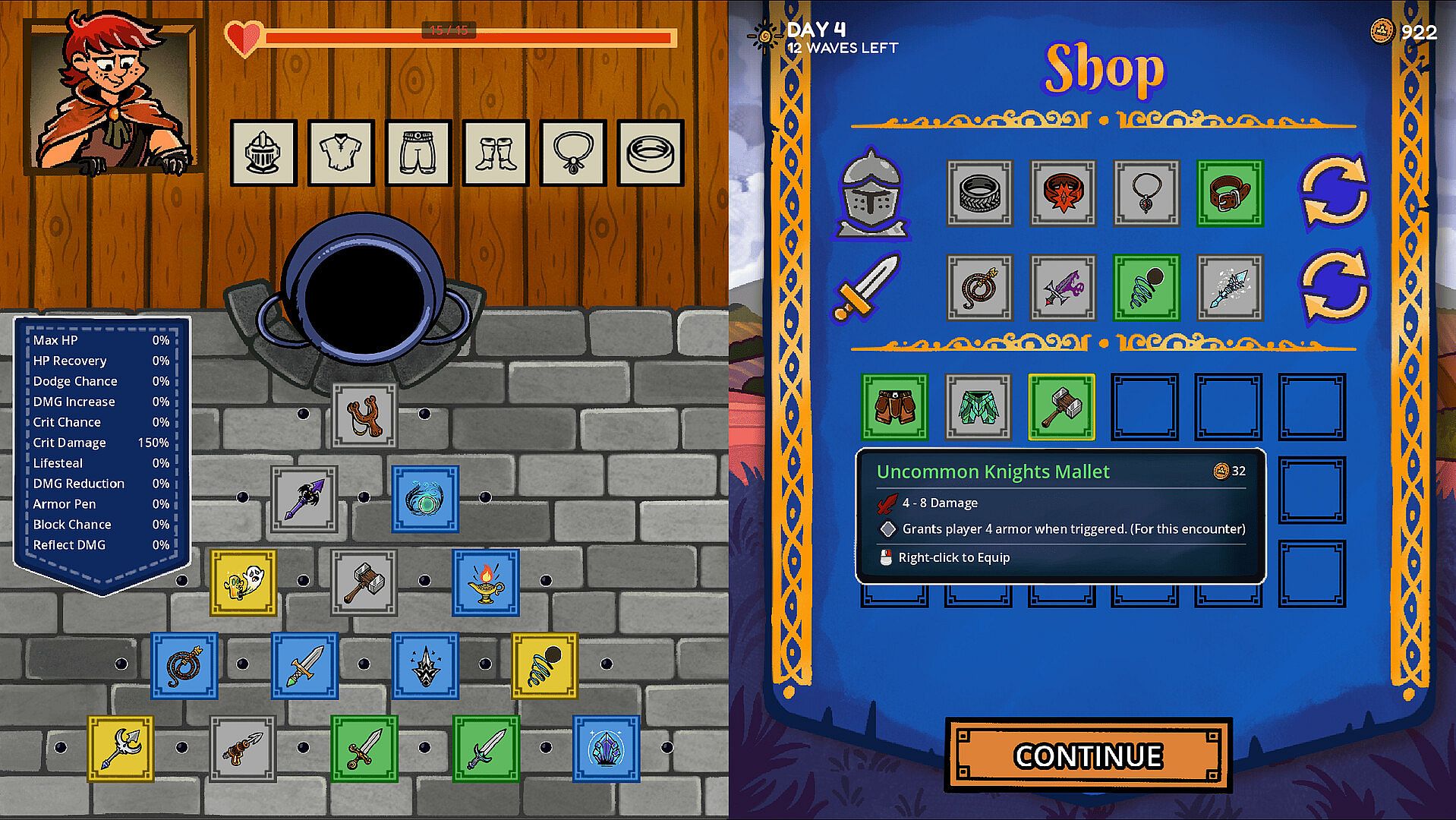
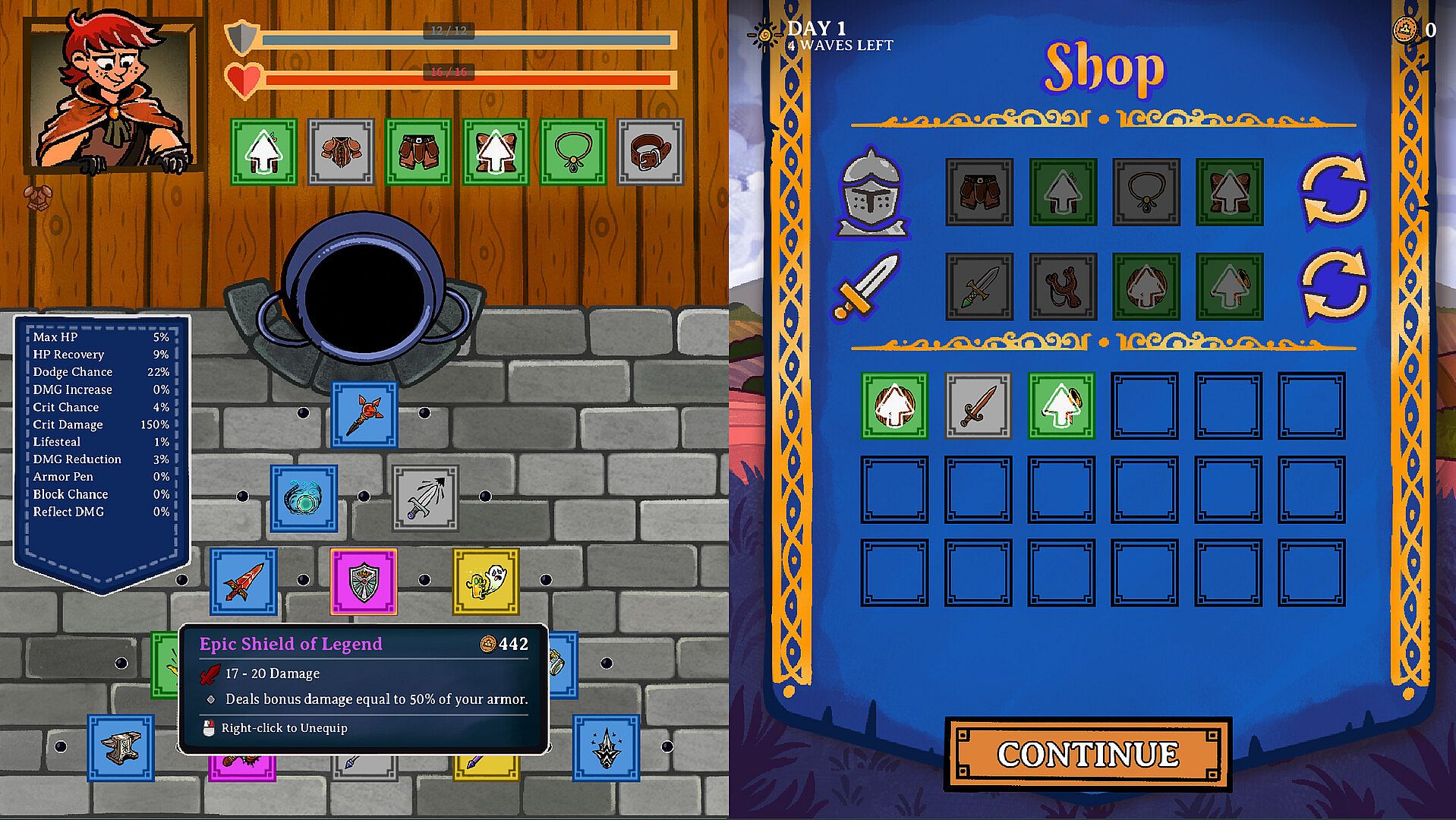
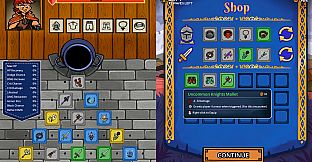
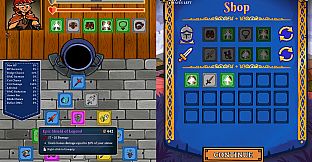
Each session begins with the defense of a castle against successive enemy waves that increase in strength. Between these waves, players access a shop to purchase, sell, or rearrange items including weapons, armor, and rings. Weapons occupy specific slots on the Plinko board, and the ball's unpredictable path determines which pieces activate during each drop. Layout choices directly influence outcomes because the ball may pass through high-damage zones or miss them entirely depending on placement and item properties.
Duplicate items can be merged to create upgraded versions with improved stats or new effects. This merging system encourages experimentation with combinations that amplify damage output or provide defensive benefits. Armor and rings contribute to overall resilience, while weapons focus on offense. The process repeats across multiple waves until the run ends, with permanent death resetting progress but introducing fresh item pools for the next attempt.
Physics play a central role because the ball's trajectory introduces variability that no fixed strategy can fully eliminate. Successful runs depend on adapting the board configuration to the current wave threats and available loot. The shop phase allows fine-tuning so that strong synergies emerge over time, turning early struggles into more controlled defenses later in a run.
Game Modes
The game centers on a single roguelike mode built around wave-based castle defense. Players progress through escalating daily waves of enemies while managing resources and loadouts between fights. No separate multiplayer options or alternative named modes appear in available information, keeping the focus on individual runs that emphasize build variety and survival decisions.
Each run resets upon death, presenting new loot opportunities and requiring fresh decisions about item placement and upgrades. The structure rewards consistent refinement of the Plinko board across waves rather than one-time setups. Enemy scaling ensures that early advantages must be maintained through careful management to reach later stages.
Item Management and Builds
Loadout construction happens primarily in the shop between waves. Players evaluate weapons for their damage potential when the ball passes through them and consider how armor or rings might mitigate incoming threats. Merging duplicates creates stronger variants that occupy the same board slots but deliver greater impact.
Layout planning adds another layer because overlapping paths or strategic gaps can maximize or minimize activations. A well-arranged board turns random bounces into reliable damage sources, while poor placement leaves gaps that allow enemies to advance. The variety of available gear supports different approaches, such as concentrating high-value weapons in central positions or spreading them to cover multiple bounce routes.
- Weapons slot directly onto the board and activate on contact with the ball.
- Armor and rings provide supporting stats that influence overall run viability.
- Merging creates upgraded items with enhanced capabilities.
Is It Worth Playing?
Pinly appeals to players who enjoy roguelike structure combined with strategic positioning and resource decisions. The unique Plinko combat system offers a distinct alternative to traditional turn-based or real-time battles, rewarding those who like experimenting with layouts and item synergies. Because the title remains in a coming-soon state with no released version yet, current details rest on the described mechanics rather than post-launch player data.
Those drawn to single-player experiences that blend physics elements with loot progression and escalating challenges will find the core loop matches that interest. The absence of confirmed updates or additional content at this stage means interest should center on the foundational gameplay of board management and wave survival. Potential buyers can monitor for release to assess how the systems perform in practice.