


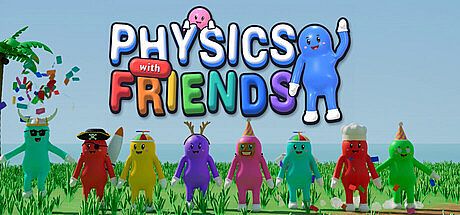


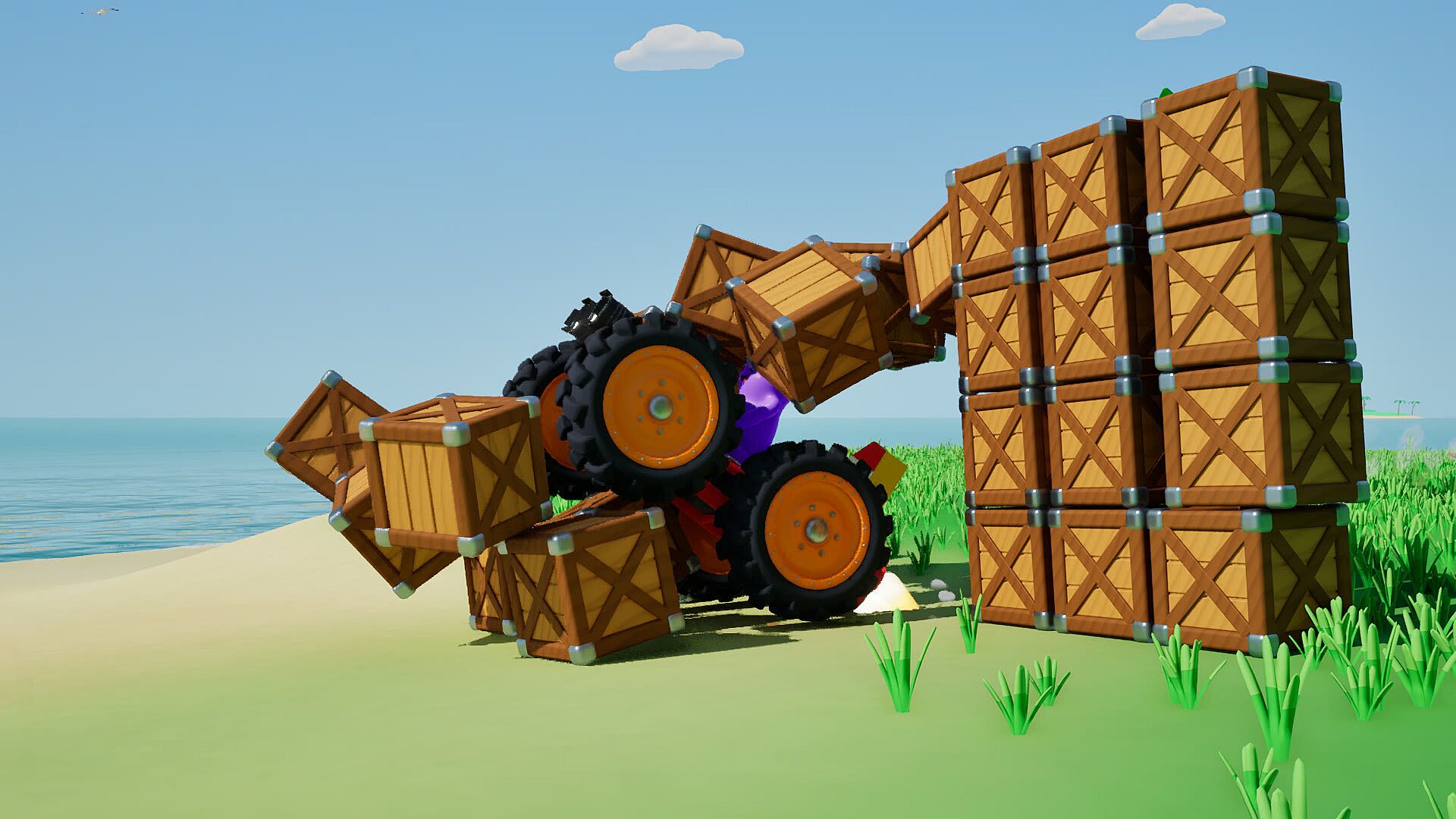
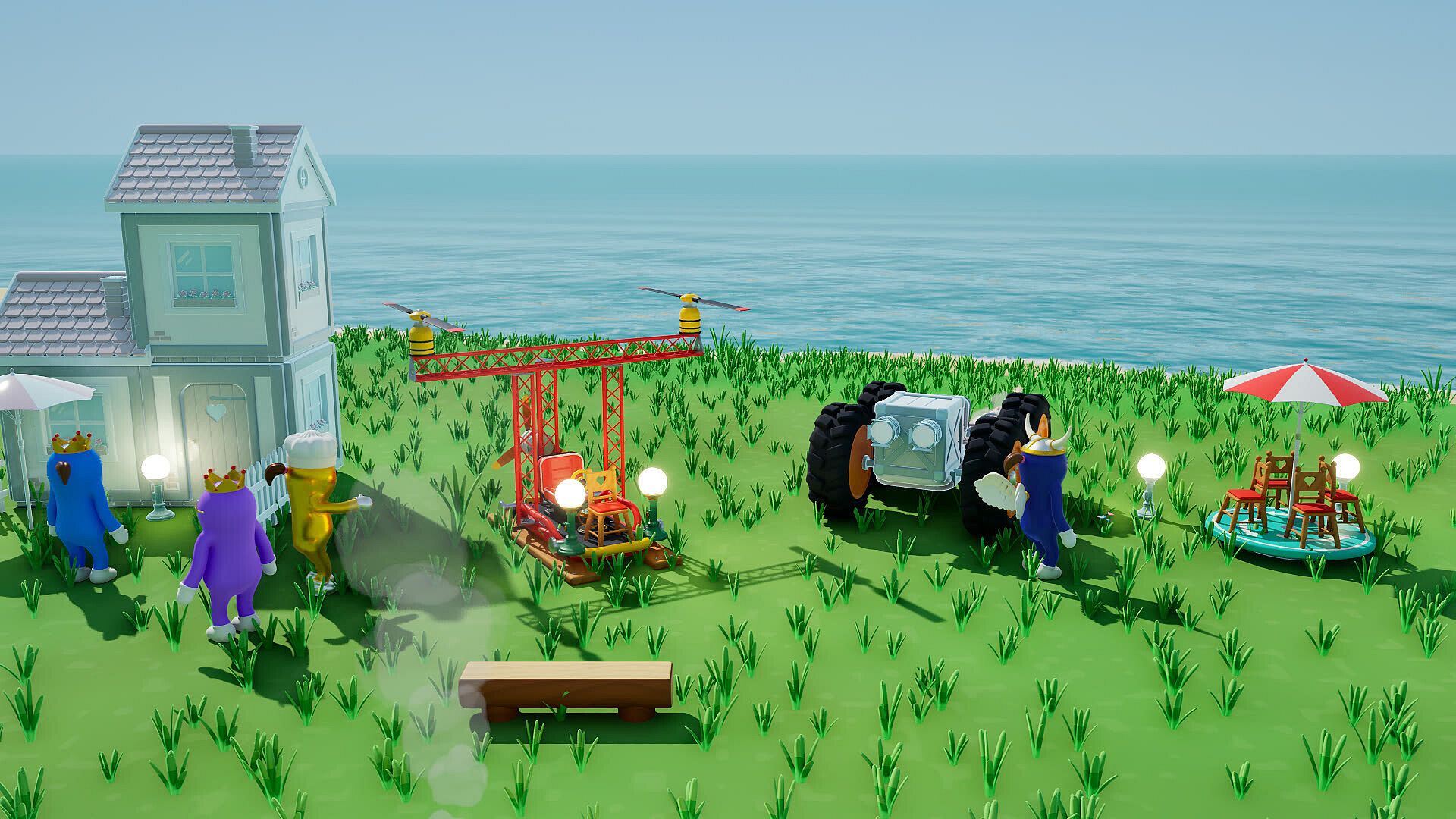
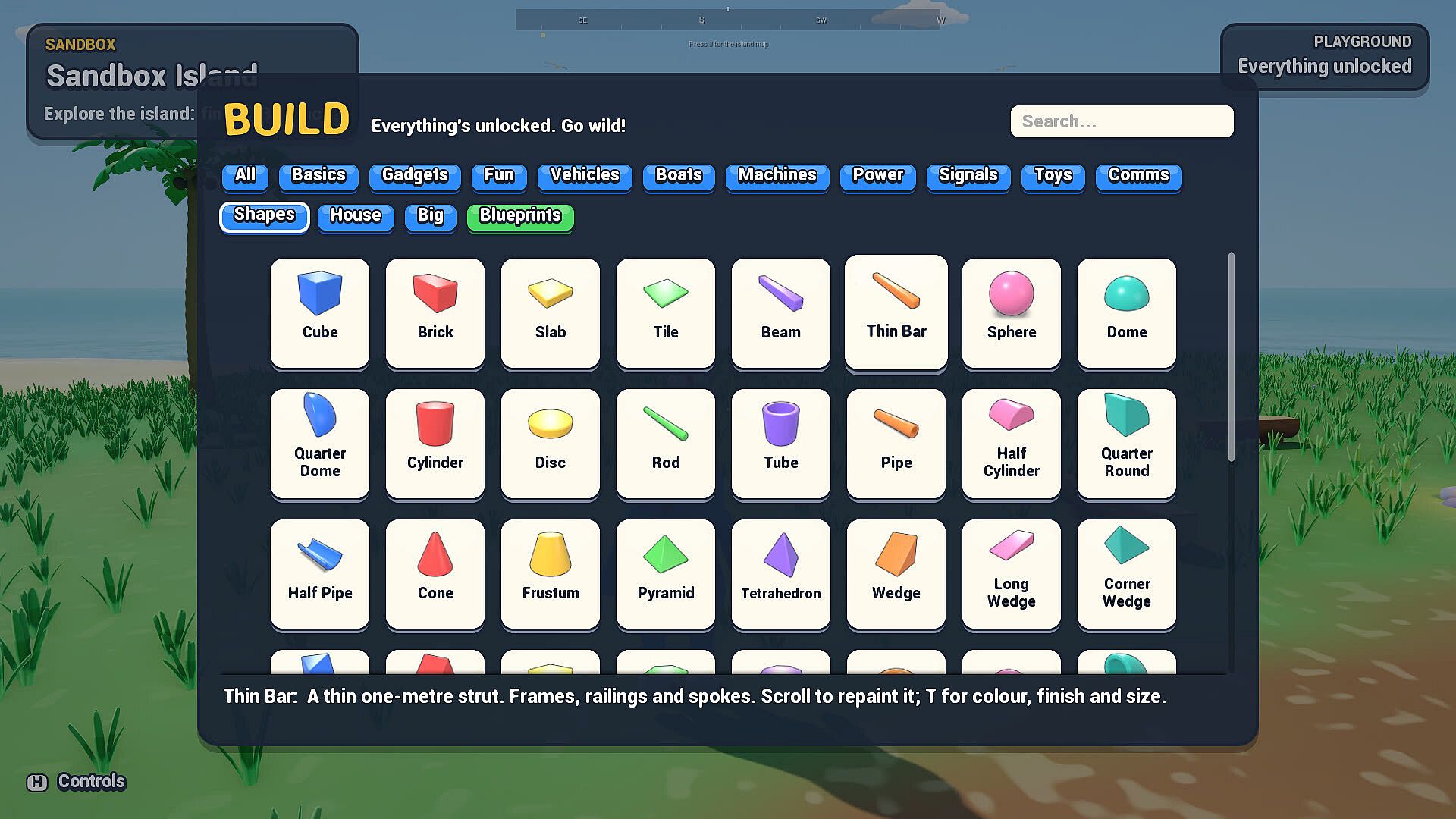
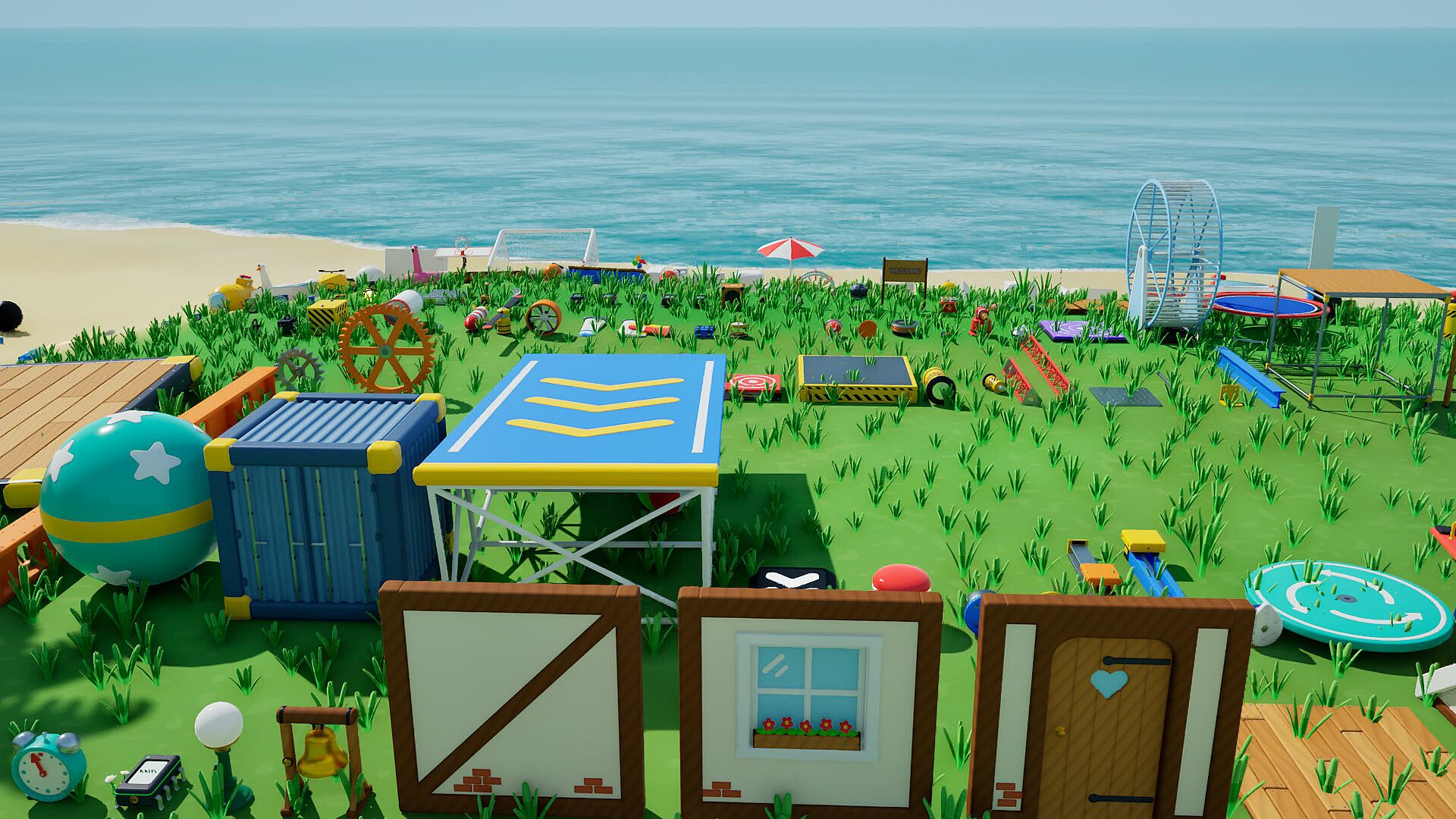
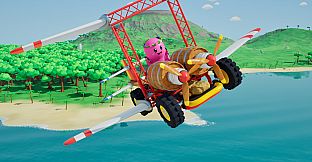
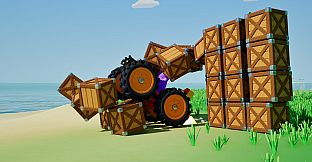
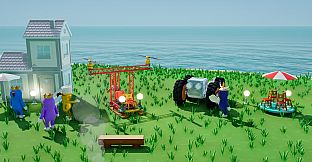
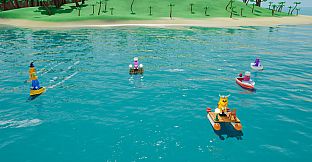
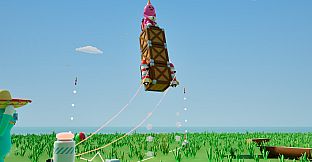
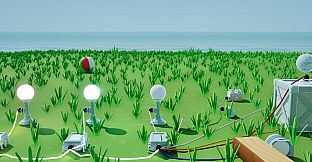
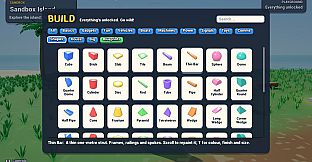
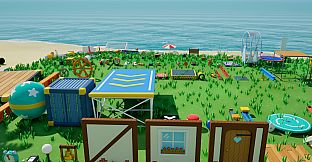
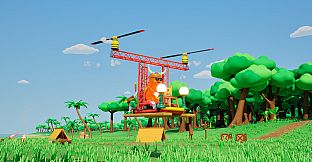
Physics with Friends is an indie casual simulation game built around a physics sandbox where players construct working machines from hundreds of parts and test them on a large island. The core loop involves assembling vehicles, structures, and contraptions that obey real physics rules, then riding or operating them alone or with others. Parts connect on contact, snap flush, and support welding, resizing, and material changes across wood, metal, rubber, stone, gold, and glow finishes. Over 260 components cover mechanical elements like motors, pistons, gears, and winches alongside ropes, lifters, sensors, and decorative items such as spotlights and note blocks.
Gameplay
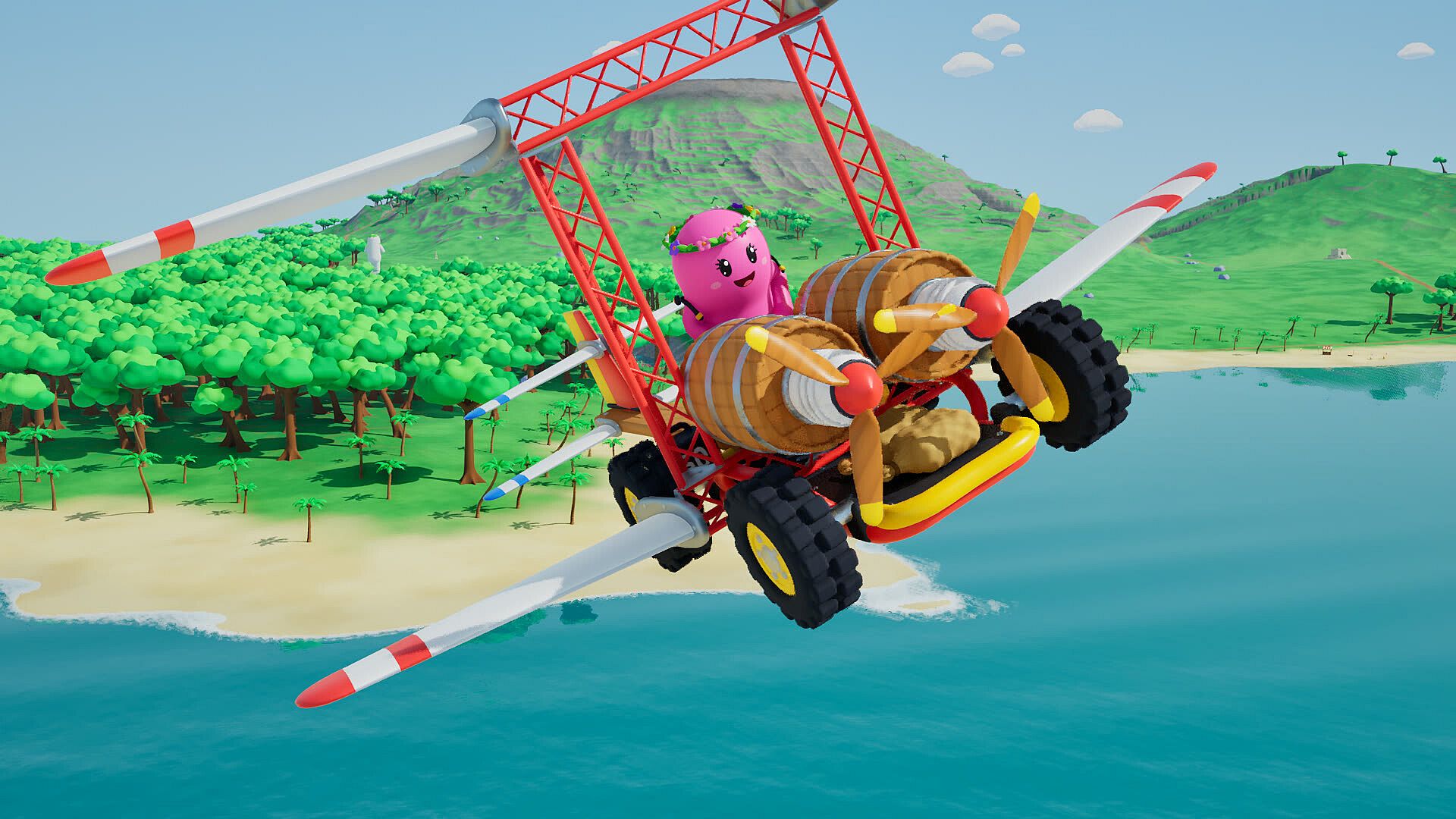
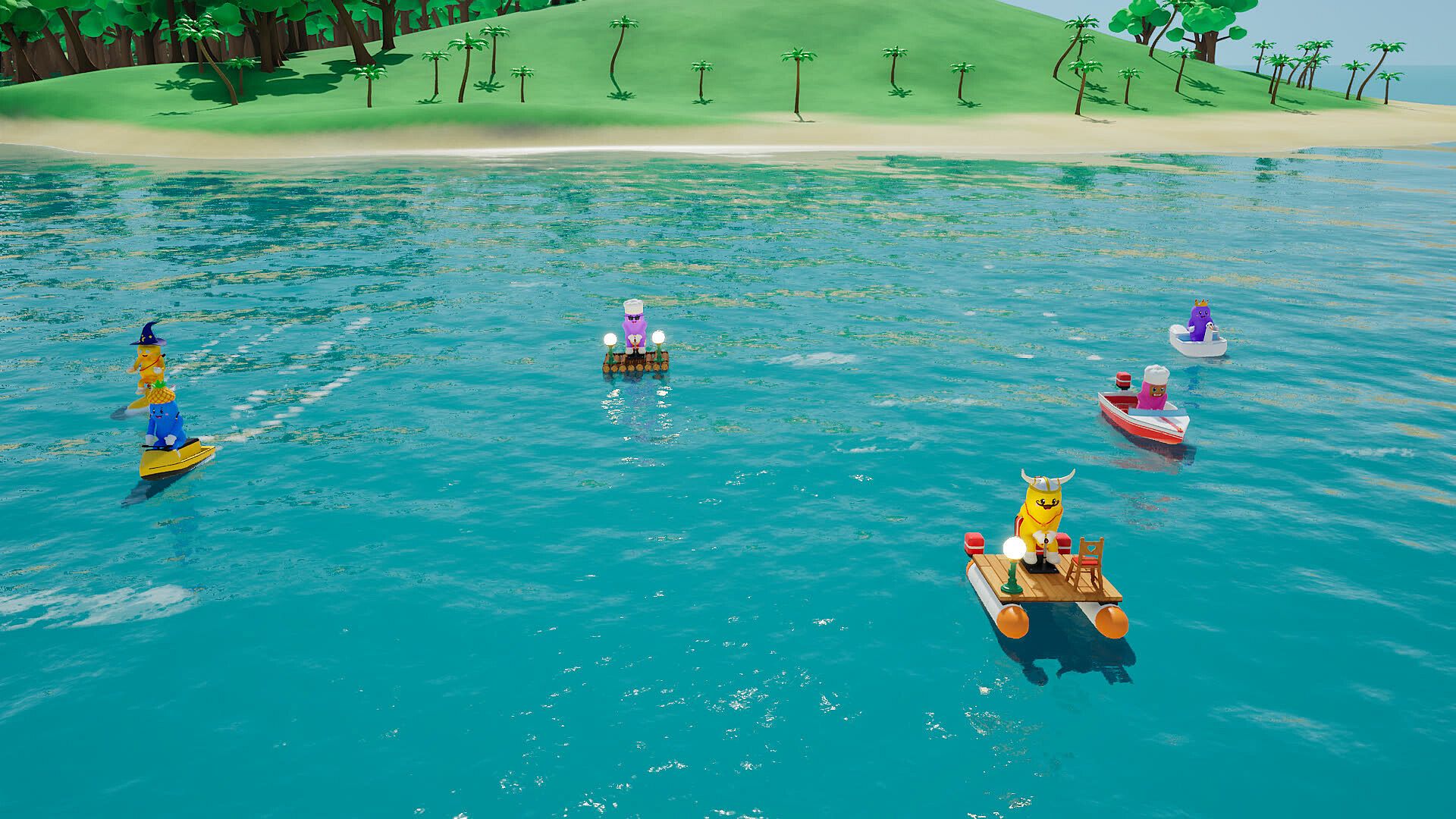
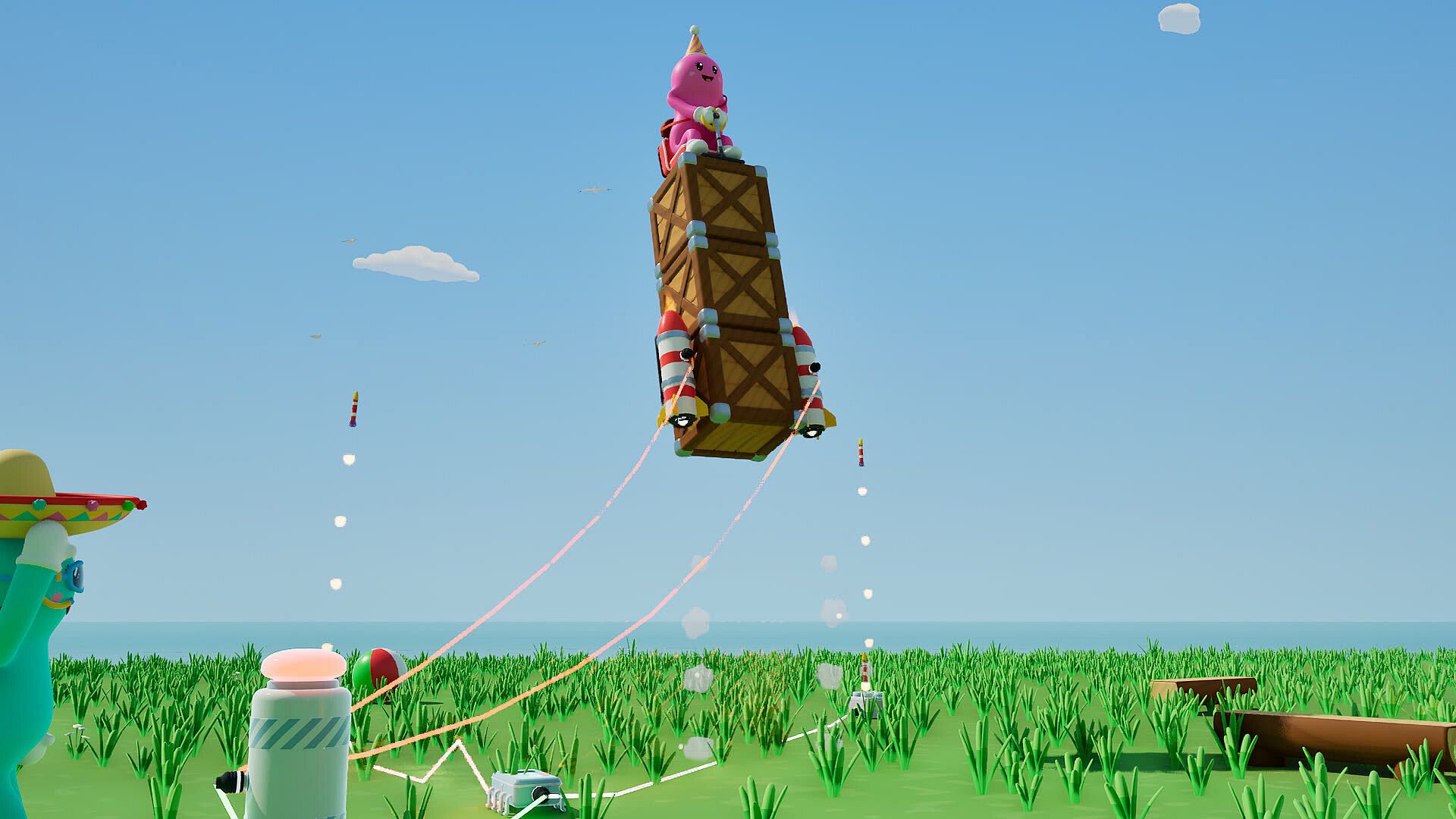
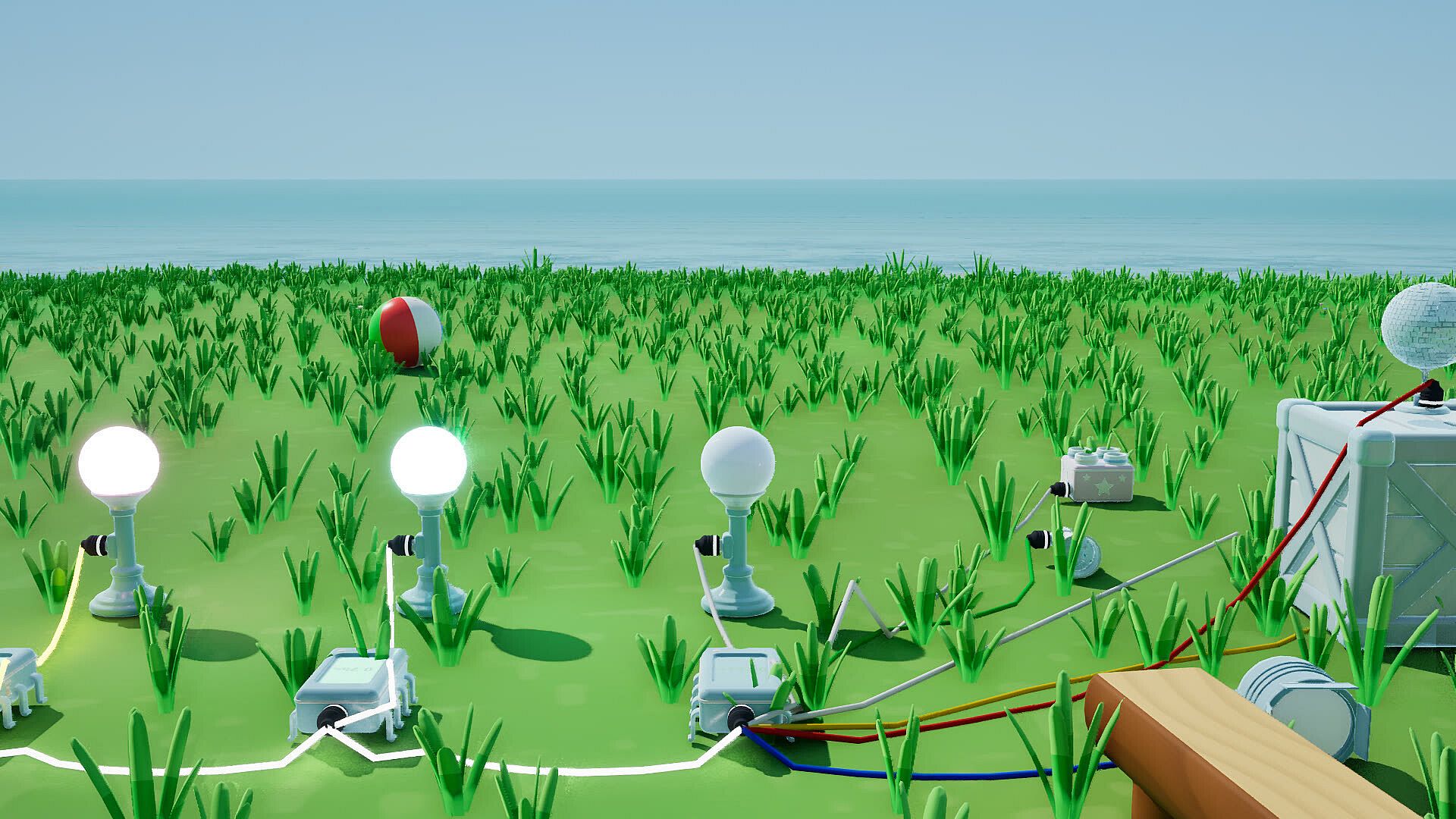
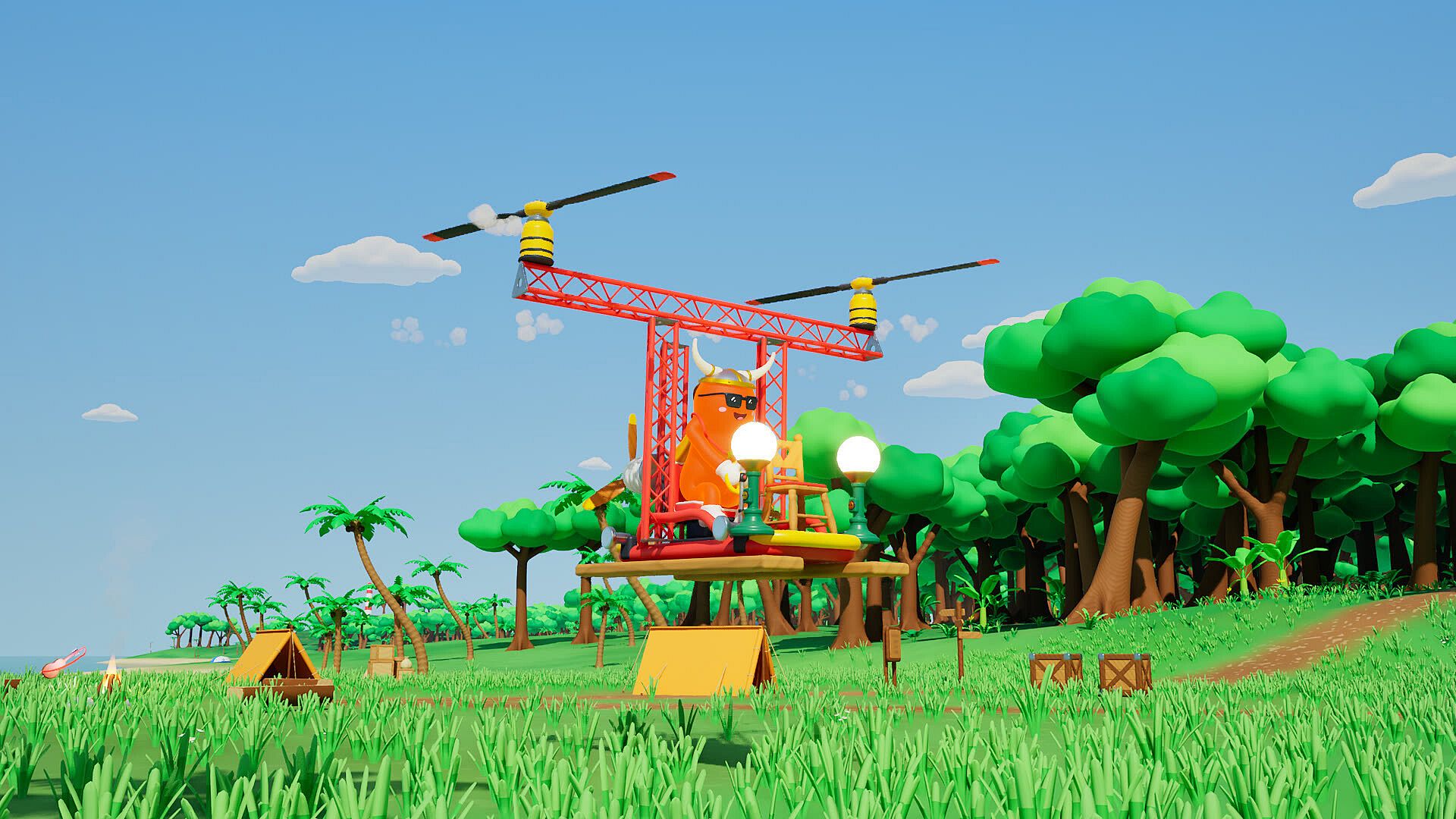
Building starts with basic frames and expands through functional additions. A simple go-kart grows into a monster truck with suspension and thrusters. Aircraft require wings, propellers, flaps, rotors, and gyroscopes for flight, while boats incorporate sails, pontoons, keels, and motors. Hovercraft, catapults, cranes, and marble runs add variety. Signals allow wiring buttons to doors or sensors to fans, creating logic with pressure pads, tripwires, and gates. Wind and water mechanics include sails, turbines, hover pads, and ballast tanks. Blueprints save up to 20 creations with images for reuse across sessions. The island resets each playthrough, so saved designs carry progress forward. AI builders can activate in groups of two, four, six, or eight to populate the map with their own constructions, from go-karts to biplanes and merry-go-rounds, which they then operate.
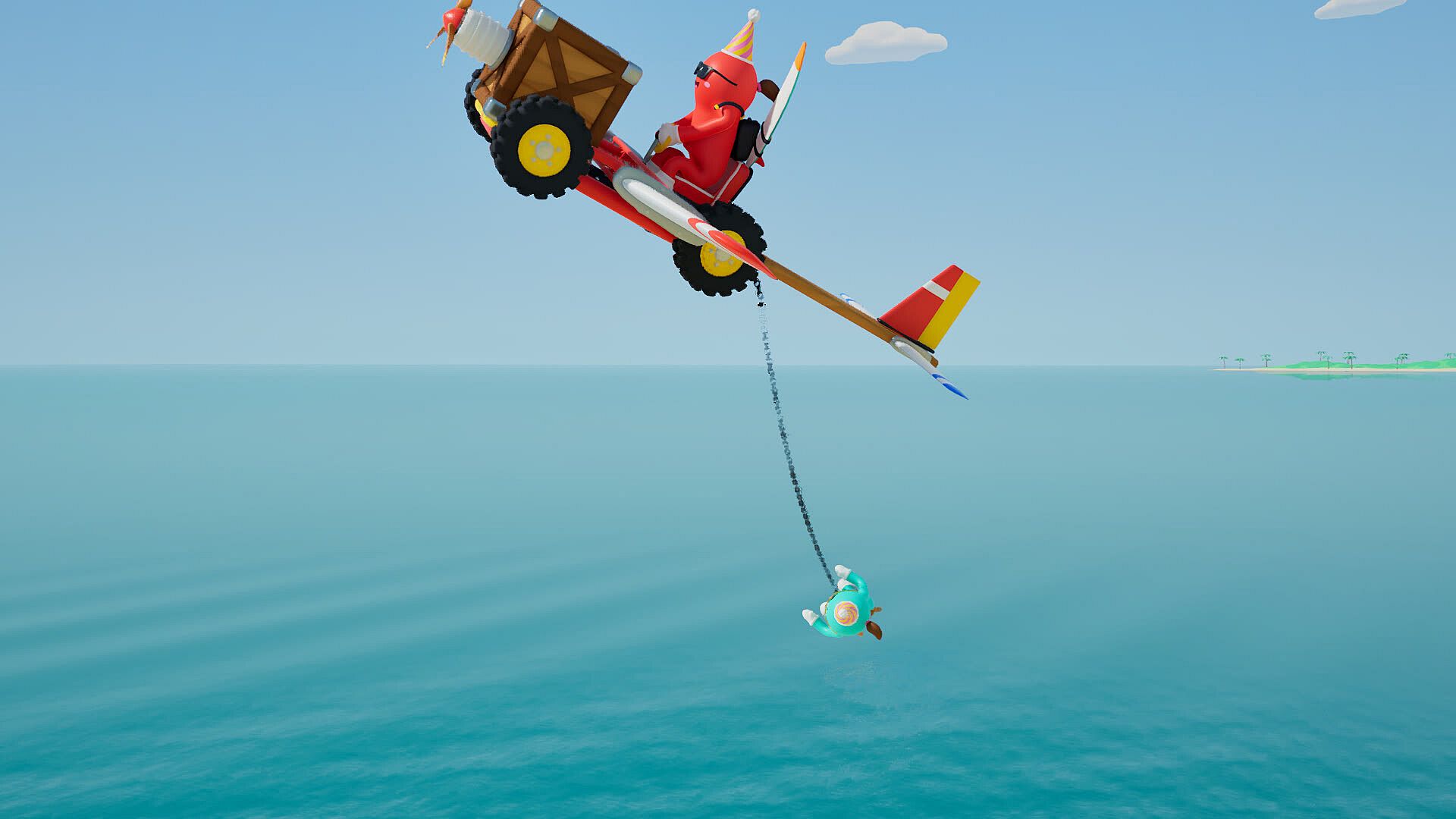
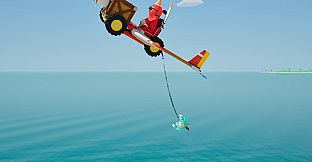
Chaos emerges naturally through shared physics. Friends can be chained to planes, launched from cannons, or lifted by balloons. TNT, wrecking balls, water cannons, and trapdoors enable pranks without permanent harm. Exploration reveals 30 landmarks including a castaway camp, farm, harbor, lighthouse, waterfall, temple, crashed plane, mine, and lava crater. Fifty outfit pieces hide across the map, unlocked permanently upon collection. A wardrobe provides hints for missing items. Controls support keyboard and mouse for precision or an Xbox-style controller for core actions, with first- or third-person views available.
Game Modes
The main experience centers on the open Sandbox Island for free building and exploration with up to seven friends in online co-op. A smaller Playground offers a race track, docks, cove, and lighthouse for quicker sessions. Twenty challenge levels restrict parts and impose time limits for tasks such as reaching a star on a pillar, knocking targets, retrieving a golden egg, or sailing through rings, awarding up to three stars per level. Solo play functions fully with optional AI companions. The level editor lets creators select from Beach, Archipelago, or Cliffs maps, place starts and goals, add obstacles, limit available parts, adjust wind and waves, then test and share sessions. Friends can join mid-build.
Voice chat adapts to proximity, with walkie-talkies and megaphones extending range and a voice warper altering tones. Open mic, push-to-talk, and mute options support different group styles. Lifting heavy objects works better with multiple players coordinating grabs.
Exploration and Customization
The island map tracks discovered locations automatically. Outfit collection encourages thorough searching, with 27 hats, 10 face pieces, nine back pieces, and 17 colors and finishes available in total. Five hats and eight colors start unlocked. Every part unlocks immediately with no shop or microtransactions required. Graphics scale from low to epic presets alongside resolution, window mode, and frame limit choices.
Is It Worth Playing?
Players seeking a relaxed physics sandbox with strong co-op and creative freedom will find consistent value in the building systems, working machines, and shared chaos. The absence of paid content keeps focus on construction and experimentation. Singleplayer remains viable through challenges and AI support, while groups benefit from proximity voice and collaborative lifting. Those who enjoy testing contraptions and exploring a persistent-feeling world through blueprints will appreciate the depth. The game suits casual sessions or longer collaborative builds without artificial barriers.











