

Petty Ungodliness is a single-player tactical roguelite deckbuilder that combines strategy and RPG elements on PC. Players bond with forgotten gods who now work retail jobs, rebuild their power, and push back the gray apathy overtaking the world through card-based combat and narrative choices.
Gameplay
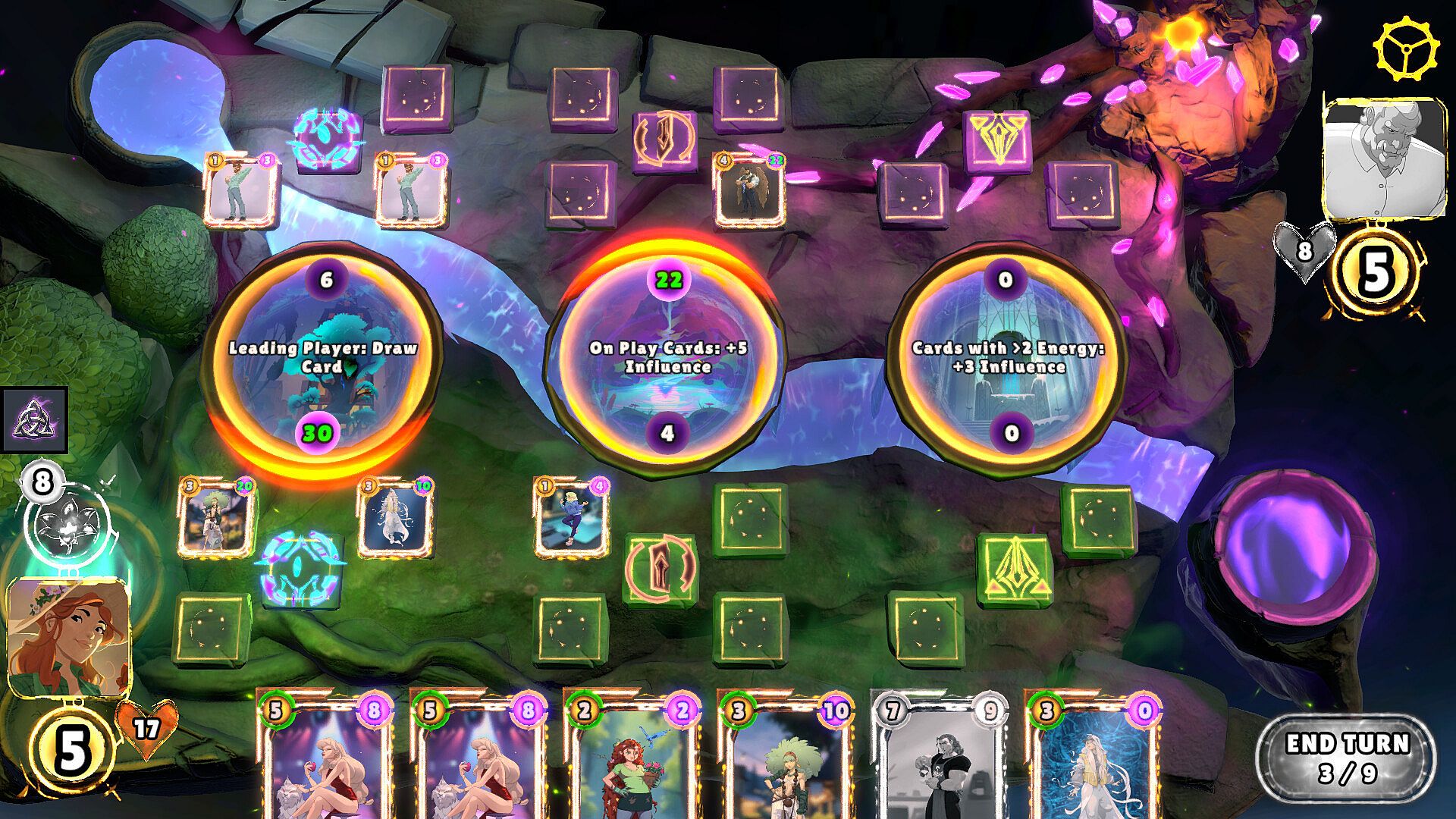
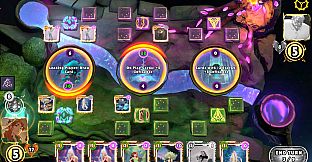
Combat unfolds across three simultaneous lanes known as Places of Power. Each lane carries its own rules and rewards that change from match to match. Players build influence with cards to claim lanes, dealing damage when they win one while losing life if they concede. Hero abilities tied to each god allow rule-breaking moves that can turn a board around instantly.
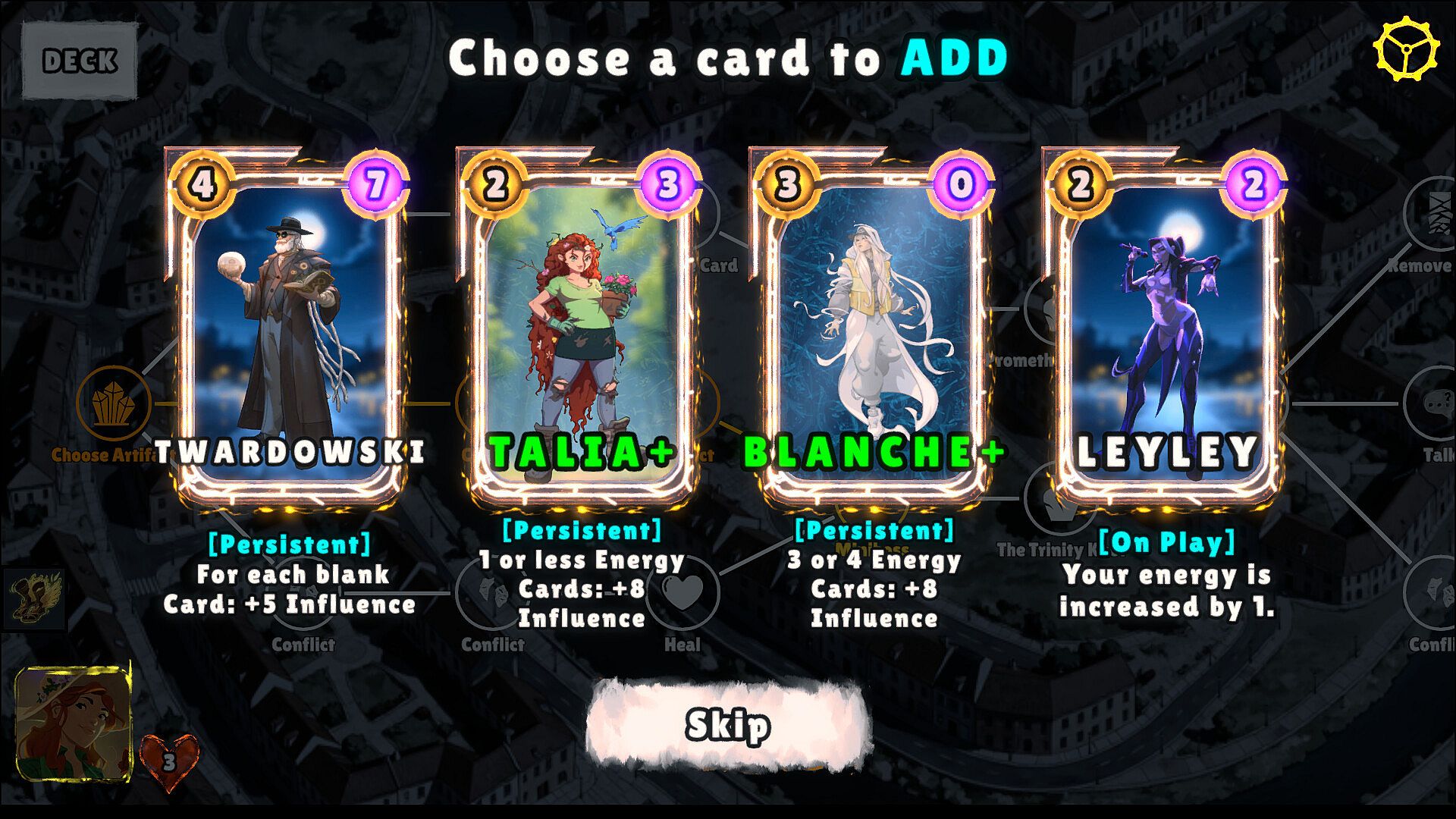
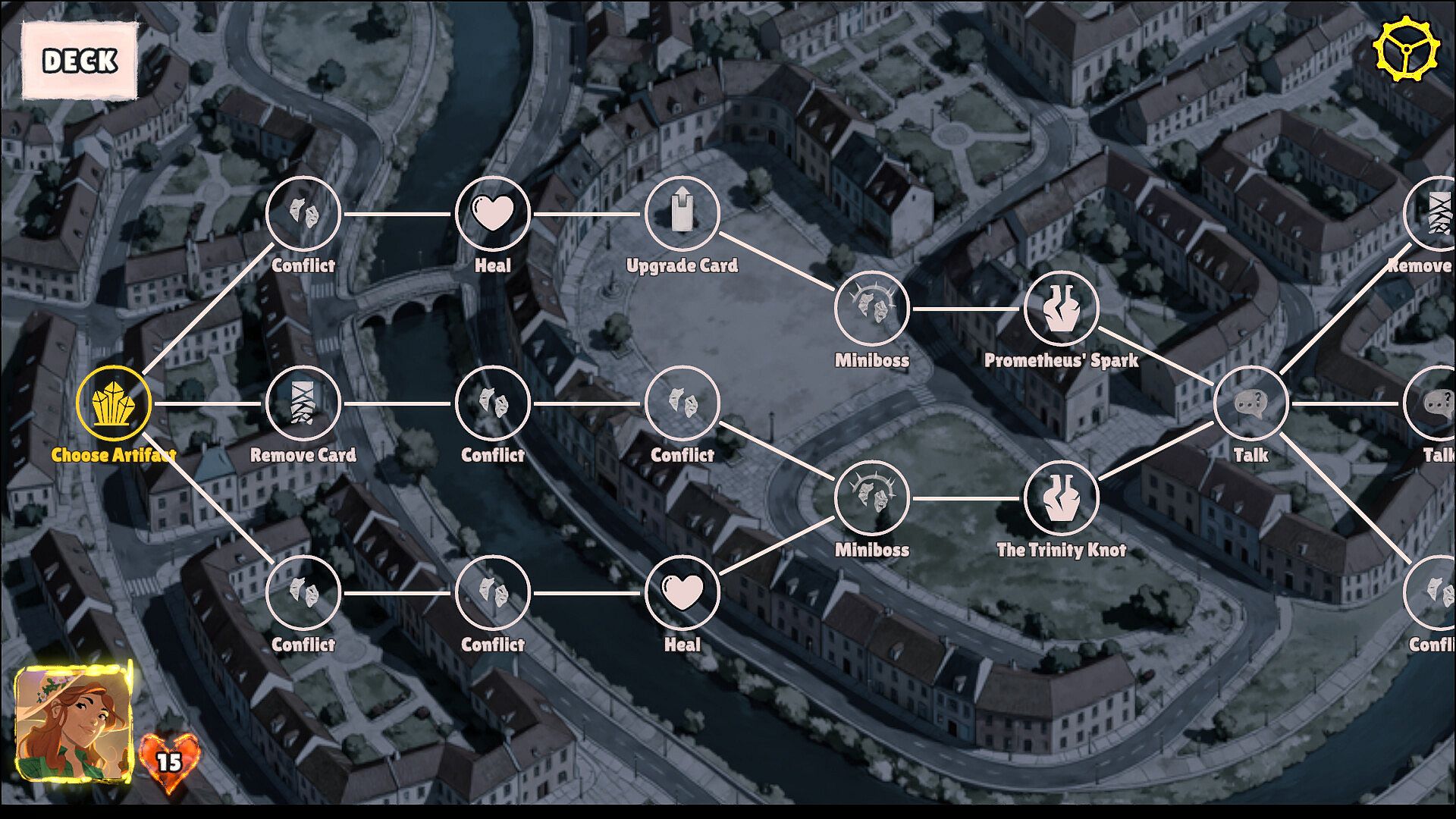
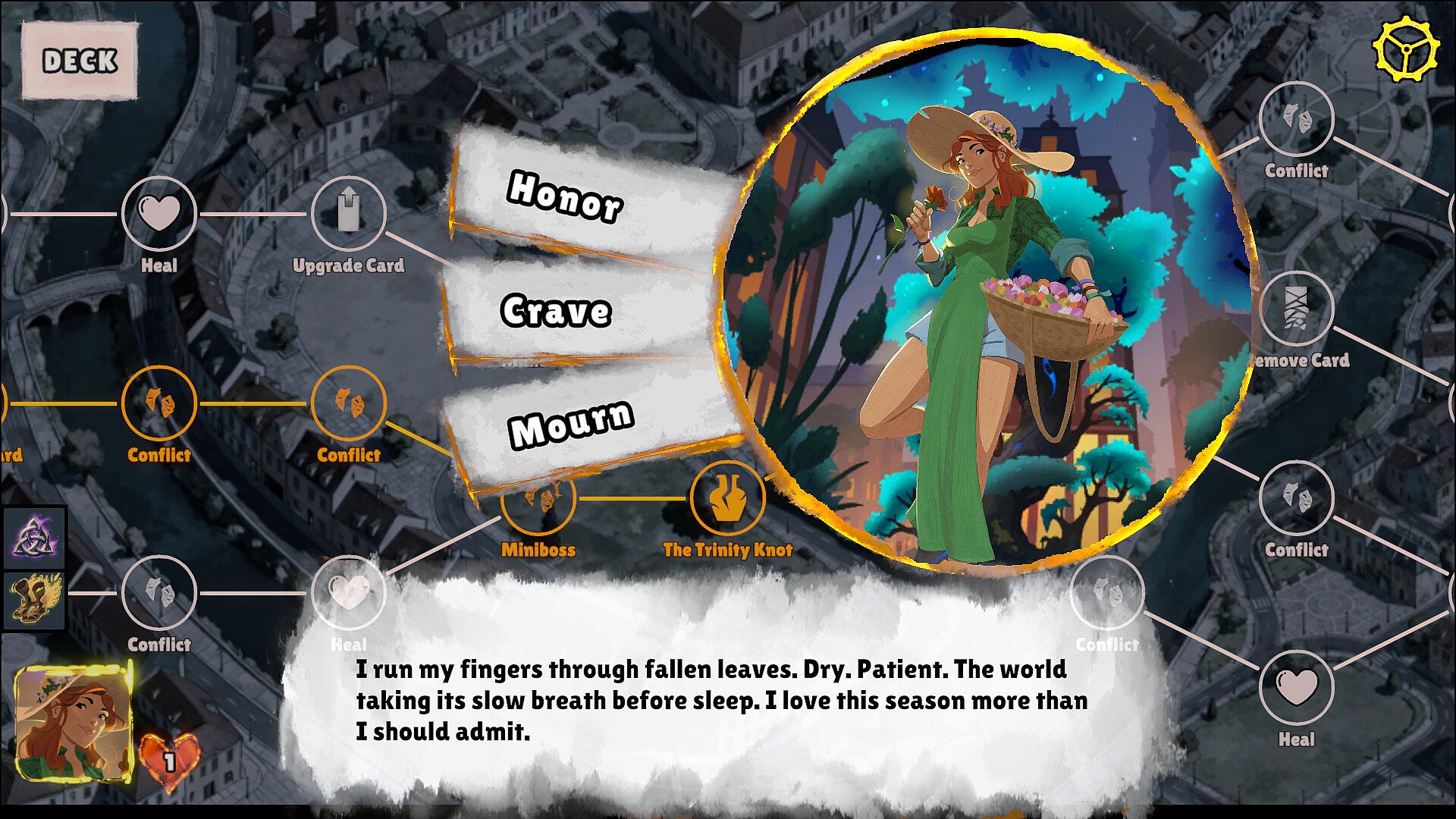
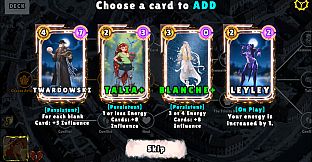
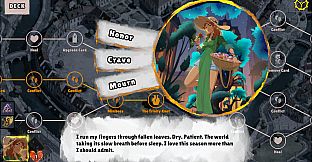
Decks grow through relationships formed with the gods. Story decisions during runs grant new cards, upgrades, or remove weaknesses. Deeper bonds unlock additional cards, artifacts, and branching story paths. The closer the connection, the harder the tests that must be passed to claim full divine power.
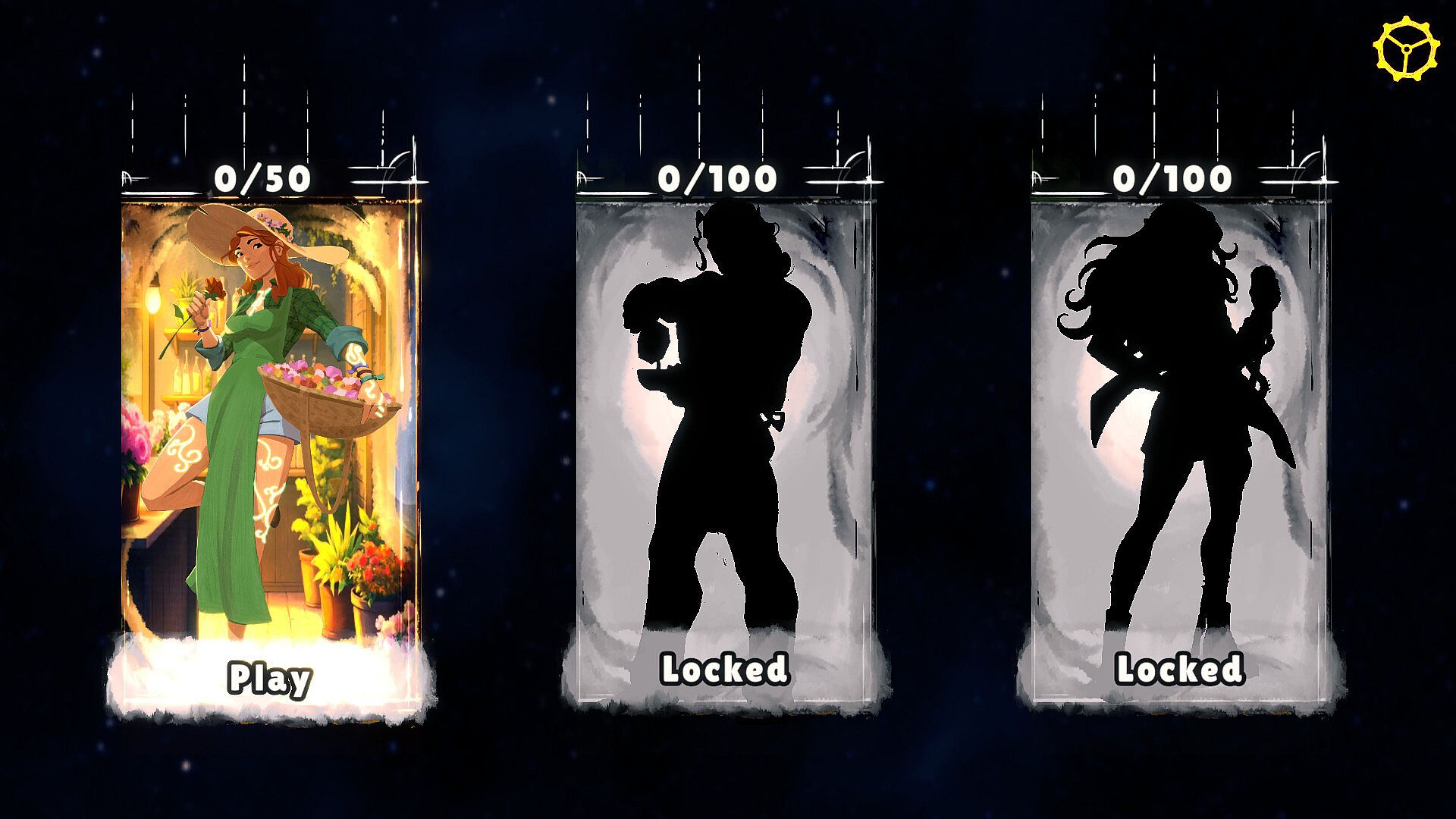
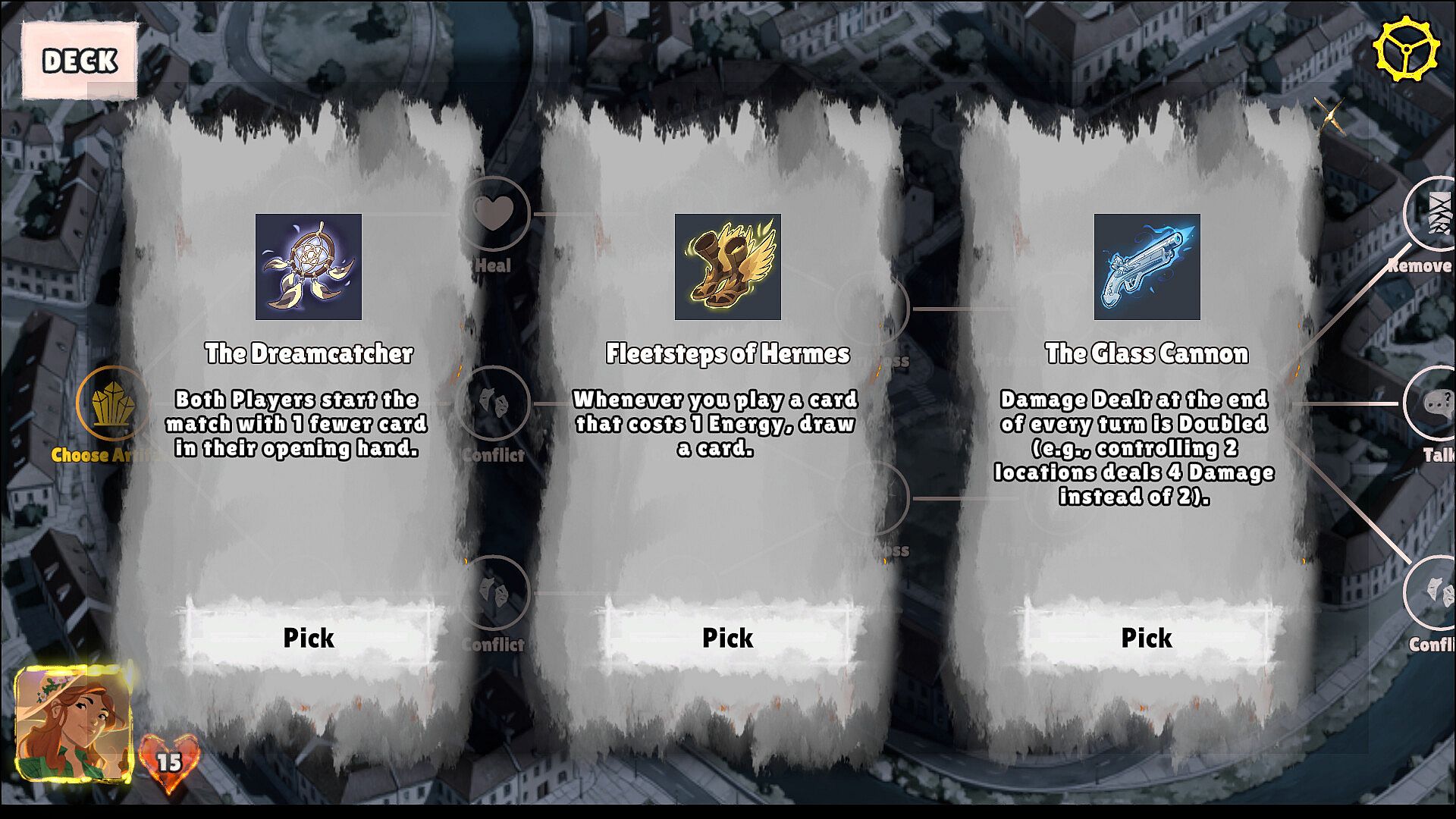
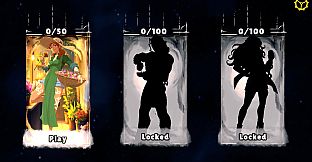
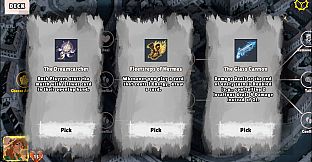
Each run starts with three key choices: which god serves as partner and rule-breaker, the starting deck that sets the strategy, and an artifact that shapes the entire playstyle. Artifacts support distinct archetypes and force adaptation when early picks prove mismatched to the challenges ahead.
Game Modes
The game centers on single-player runs that progress deeper into the faded city. Each attempt involves engaging gods through combat and conversation to strengthen alliances. Success restores divinity to individual gods, returning color to the world as bonds are completed.
Runs emphasize adaptation because Places of Power alter their conditions every fight. One lane might favor expensive cards while another penalizes them, requiring constant reading of the board and adjustment of tactics. Players can push toward confronting apathy directly or explore befriending the void itself.
Core Systems and Progression
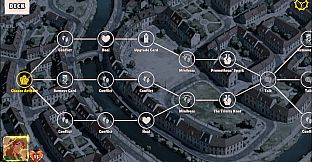
Progression ties directly to relationship building. Earned gods join through a mix of battle performance and dialogue choices. Story branches reward cards or artifacts while also introducing new weaknesses that must be managed. Completing bonds fully restores each god to their former state, with visible world changes as color returns.
Artifacts function as run-defining elements that anchor different strategies. A poor early selection can lead to tough lessons, such as facing a grudge-holding barista who still packs significant power. The system rewards experimentation across multiple attempts.
Is It Worth Playing?
Petty Ungodliness targets players who enjoy tactical deckbuilding paired with character-driven progression. The three-lane combat and shifting lane rules create repeated decision points that reward careful planning and quick adaptation. Relationship mechanics add layers where narrative choices directly affect available cards and long-term options.
The game remains in development with a planned release date to be announced and an active playtest available for those interested in early access. Its focus on single-player roguelite runs suits those who prefer deep, repeatable strategy sessions over multiplayer formats. Fans of deckbuilders that integrate story and god-like characters will find the core loop of building influence, managing lanes, and strengthening bonds a strong match for their interests.