

Pest Order is a strategy, casual, and simulation game built around pixel art image recognition puzzles on PC. Players take on the role of an AI trainer at a fictional pest control company, examining low resolution images to identify animals while the underlying narrative gradually reveals a more unsettling purpose behind the work.
Gameplay
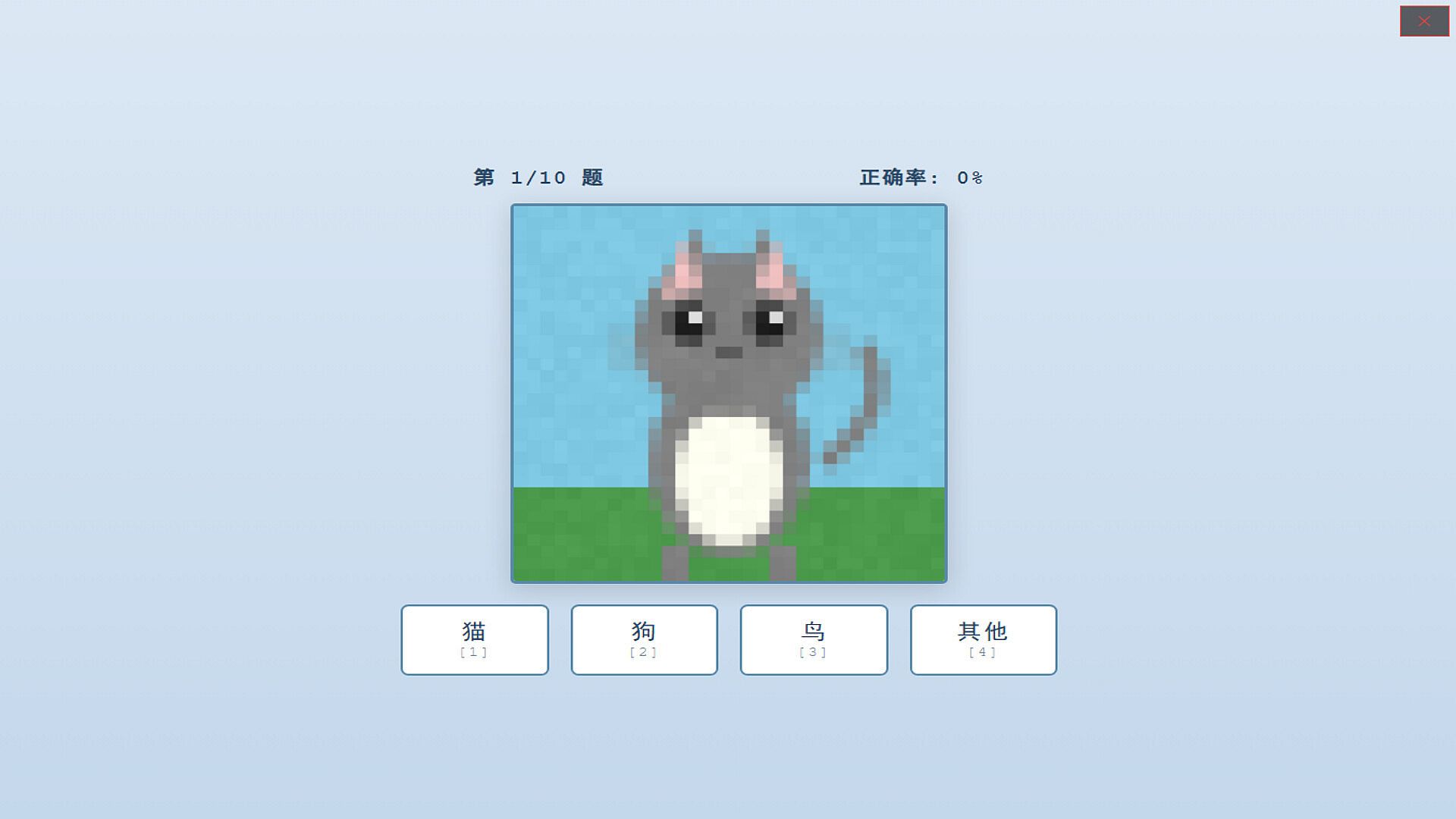
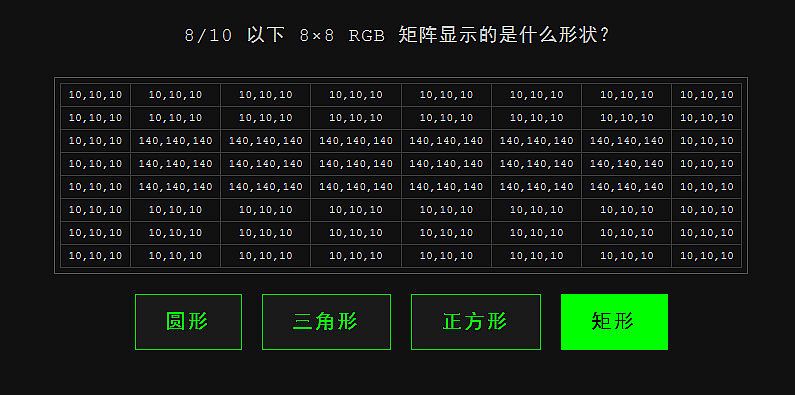
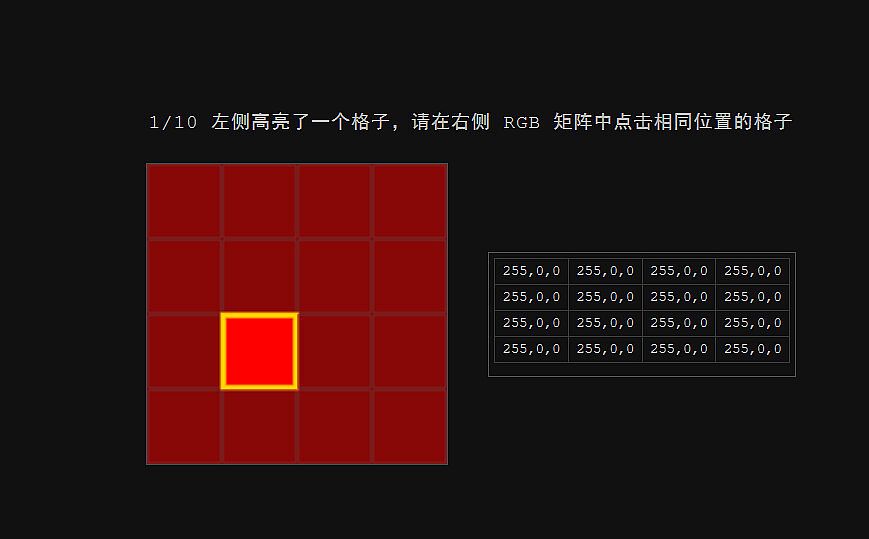
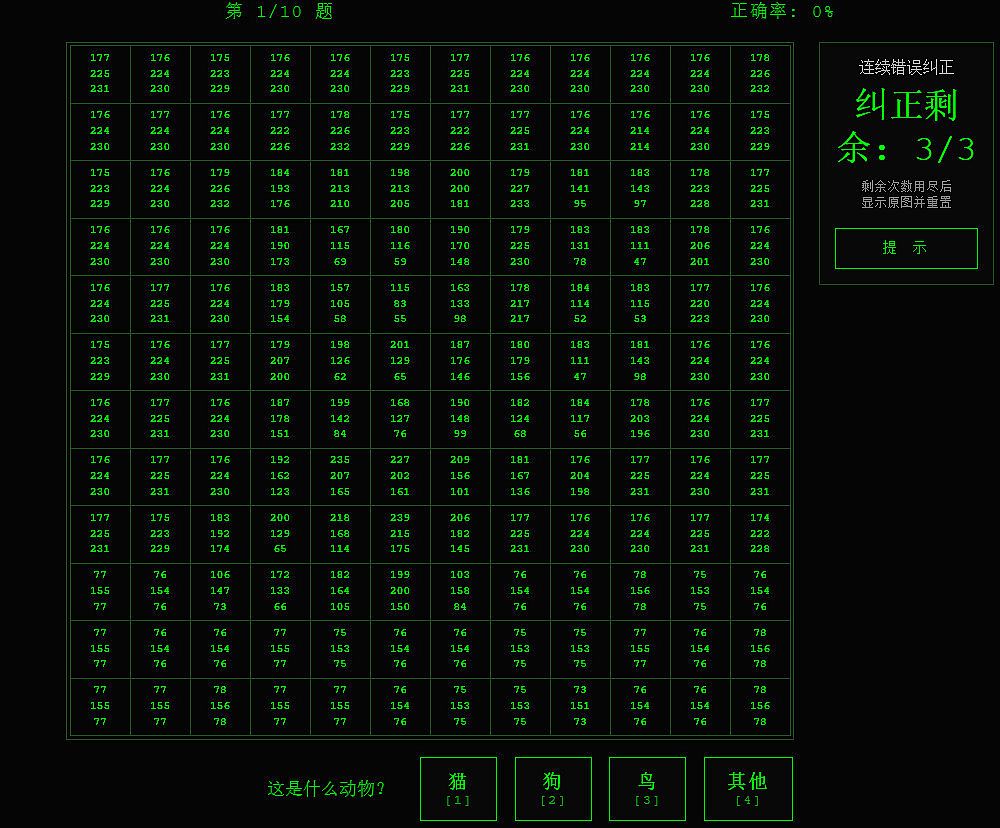
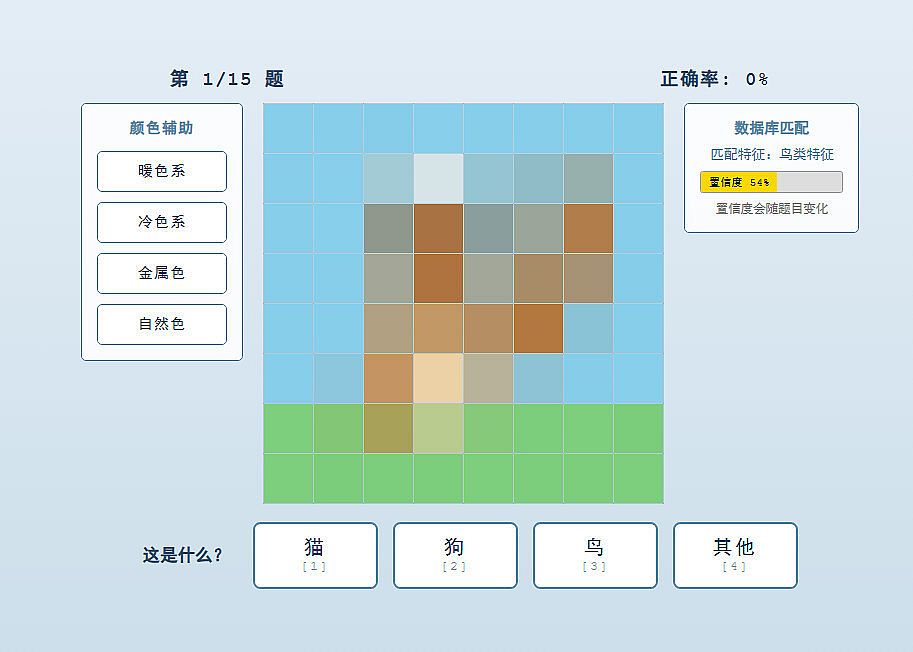
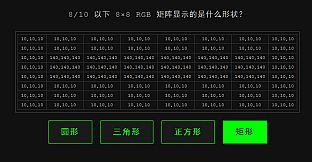
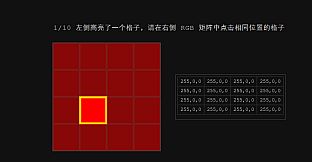
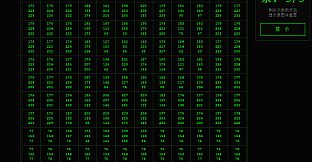
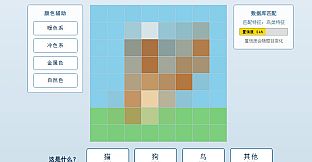
The core loop centers on identifying animal species from 32 by 32 pixel art images that appear nearly mosaic like, relying on silhouettes and broad color blocks rather than fine details. Images then disappear, replaced by an 8 by 8 grid of RGB values that players must decode to locate outlines such as a cat's ears or a dog's shape using only numerical data. Color fills return to the grid for further analysis, and highlight tools allow filtering by warm or cool tones while hovering reveals RGB tooltips for precise inspection.
Players drag selection boxes around designated pest targets within the matrix, adjust a confidence threshold, and submit their judgment. An AI system auto tags pests during live review segments, where players must confirm or cancel each elimination under a countdown timer. Grid resolution increases dynamically from 8 by 8 up to 16 by 16 across stages, introducing more noise and interference that demands greater accuracy and speed.
Game Modes
The primary experience follows a linear progression through five stages of image recognition tasks, with randomized question draws ensuring no two sessions present the exact same sequence of puzzles. An entirely optional decryption chain runs parallel to the main tasks, involving anomalous RGB values, system warning pop ups, a former trainer's memo, and a hidden terminal that players can pursue to uncover additional layers of the story.
Completing the game without engaging the decryption chain remains possible, though the available endings differ based on choices made during the process. Colorblind accessibility mode supports broader participation, and a Data Museum feature lets players revisit every previously identified image for review or practice.
Story and Progression
Beneath the routine of pest identification lies a decryption chain that rewards attentive players with fragments of a larger truth about what the system is actually eliminating. These elements appear scattered across the five stages and include visual anomalies and interactive terminals that only the most observant participants will fully assemble.
Four distinct endings reflect different approaches to the emerging revelations. One path leads to exposing the truth, another involves looking the other way, a special outcome occurs from failing every question in the first stage, and a hidden conclusion requires pushing the system's limits beyond standard expectations. Sixteen achievements track progression, performance metrics, and secret discoveries across three categories.
Is It Worth Playing?
Pest Order suits players who enjoy deliberate puzzle solving and pattern recognition in a compact, single player format. The combination of visual decoding, numerical analysis, and timed decision making creates a focused loop that emphasizes observation over reflexes. Randomized elements and the optional story layer add replay value for those interested in multiple endings and hidden content.
The colorblind mode and Data Museum provide practical support for repeated sessions, while the short stage structure keeps sessions manageable. Individuals drawn to simulation style tasks wrapped in a light narrative framework will find the mechanics align closely with the described systems, making it a solid choice for targeted puzzle enthusiasts seeking something distinct from typical action or strategy titles.