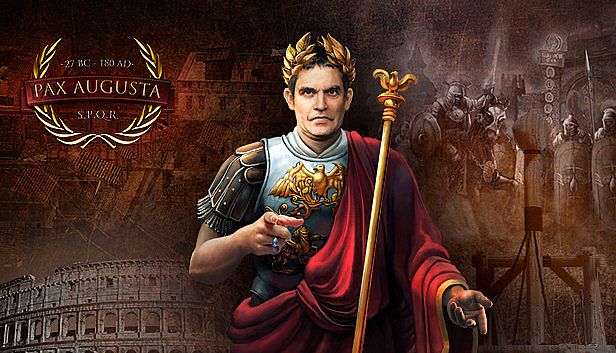

















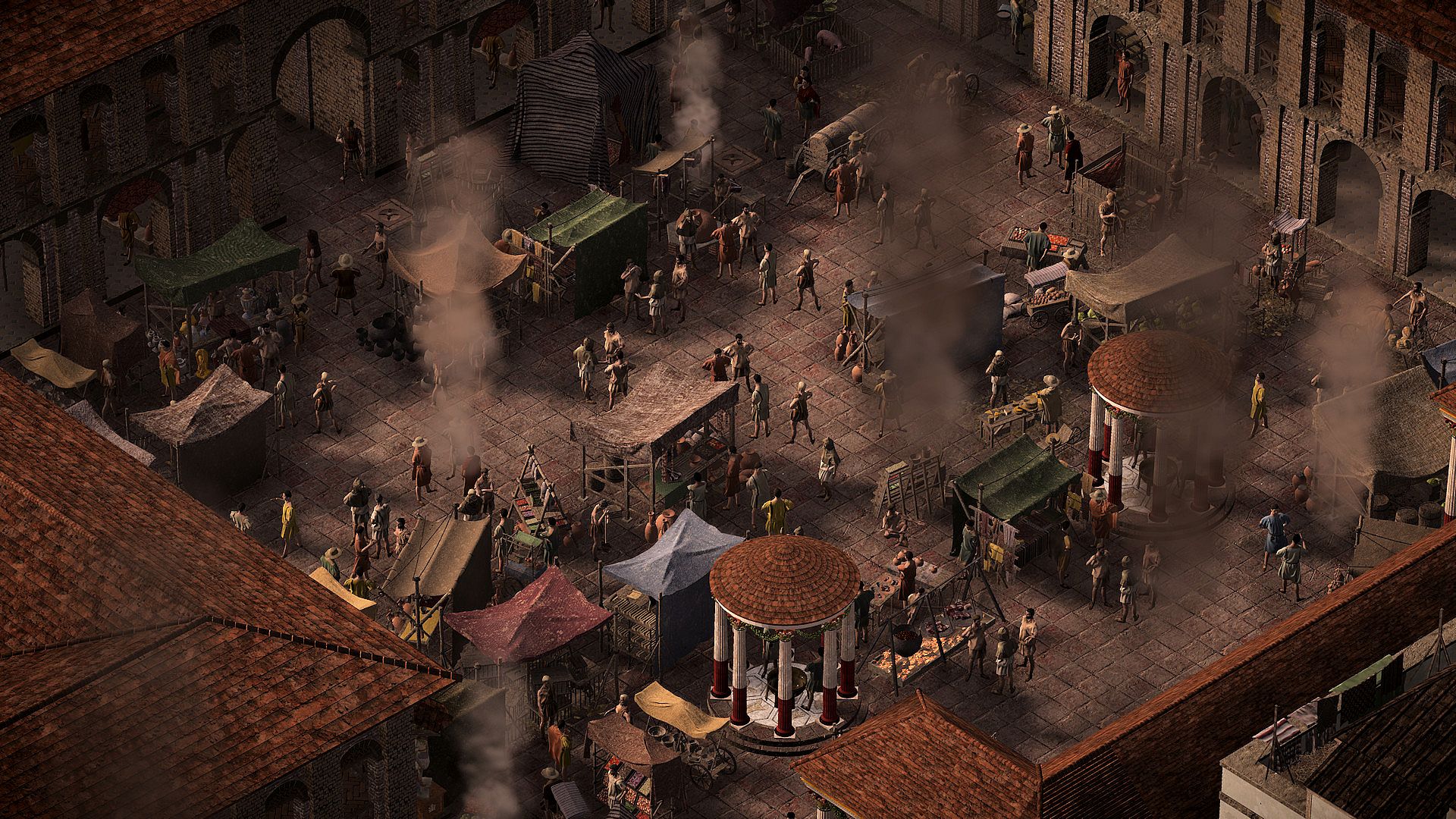
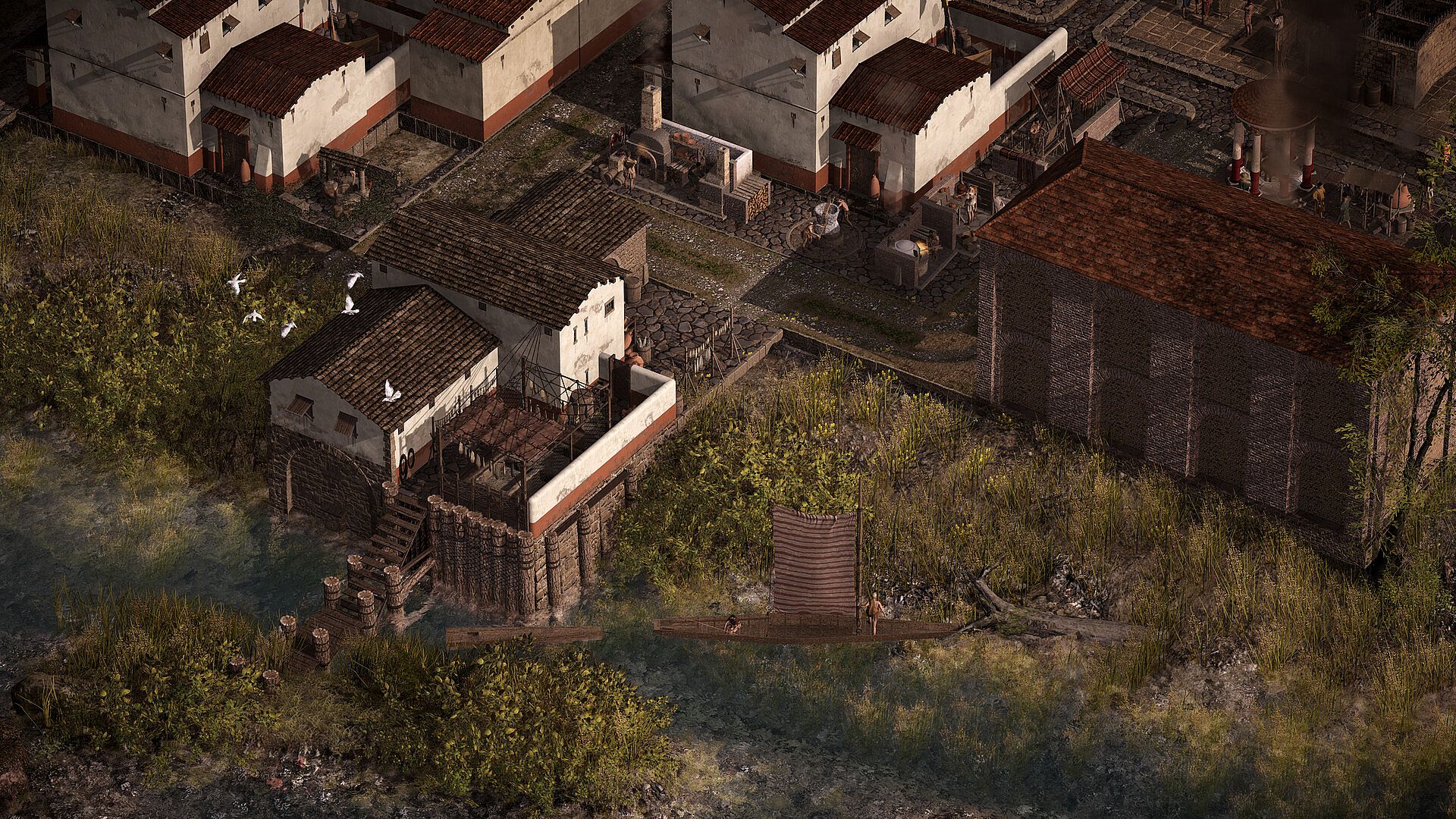
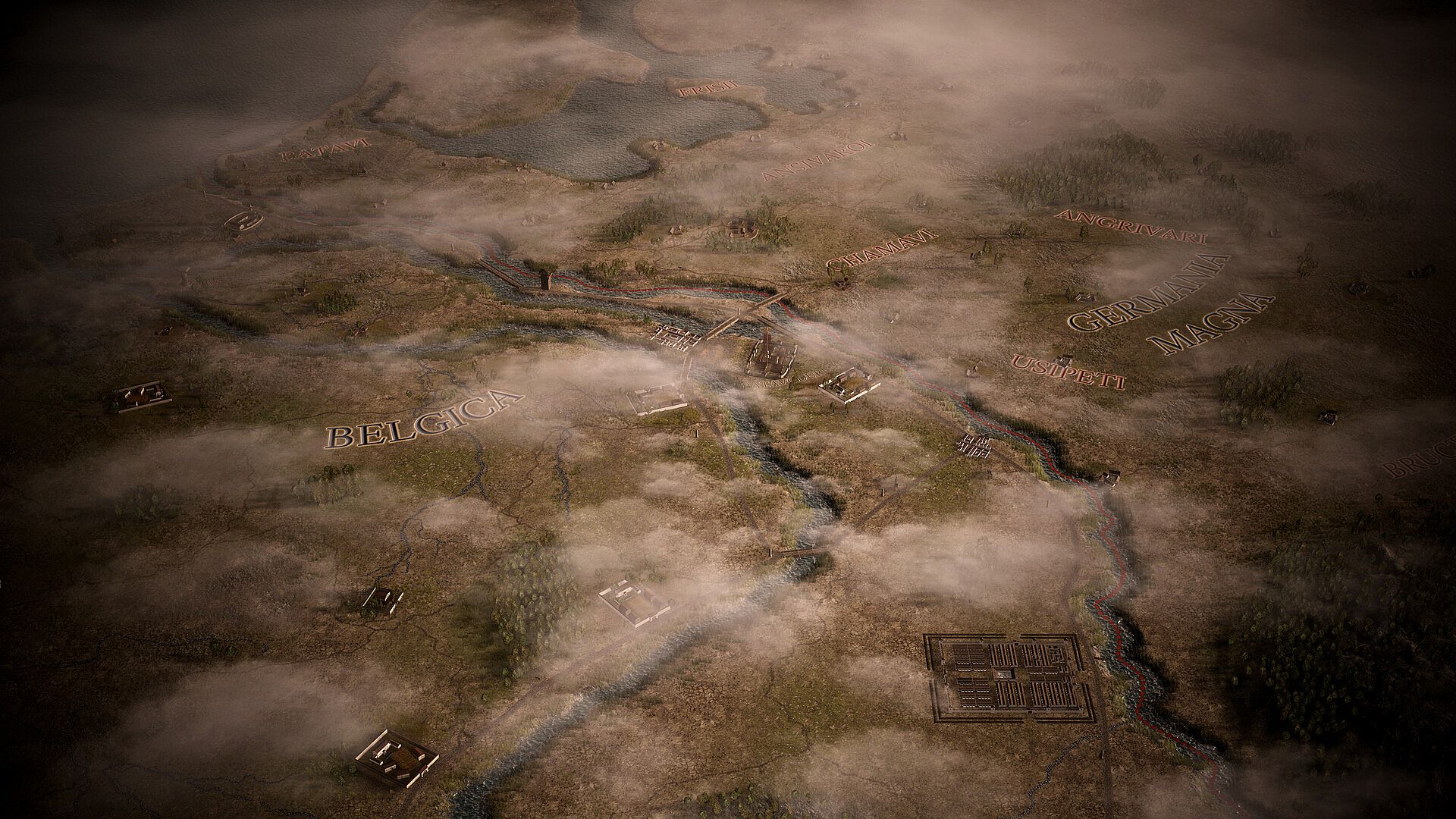
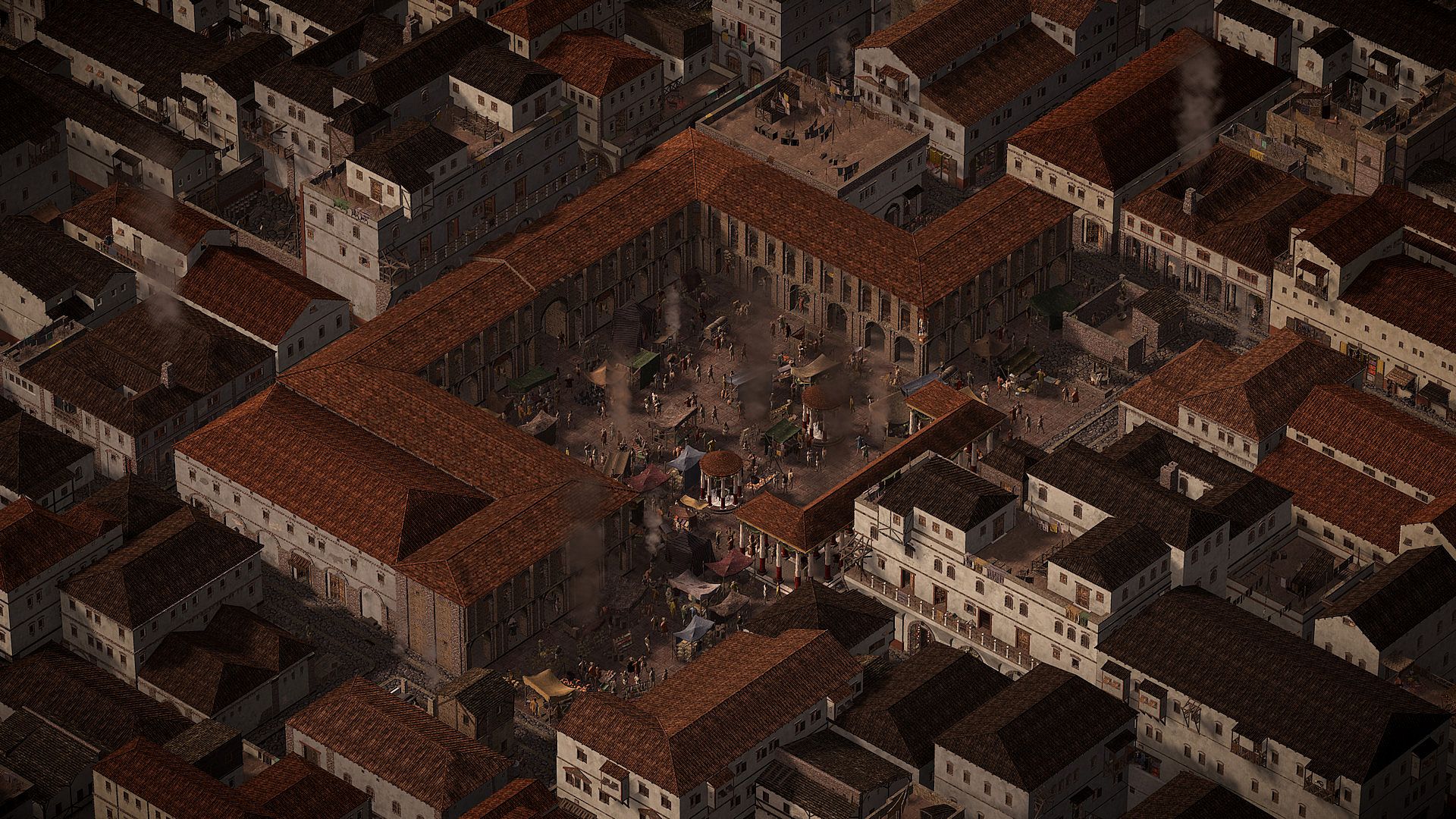
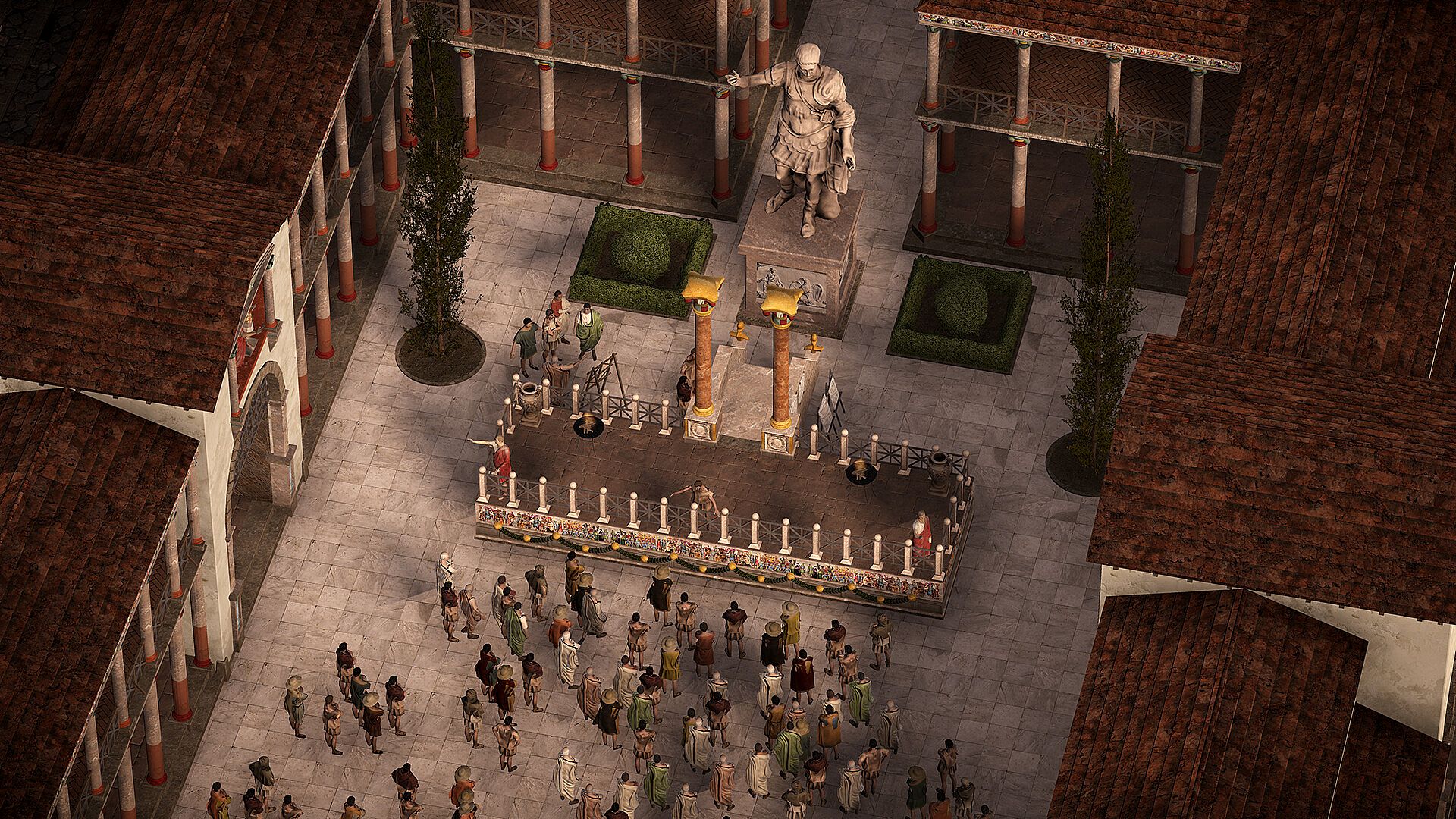
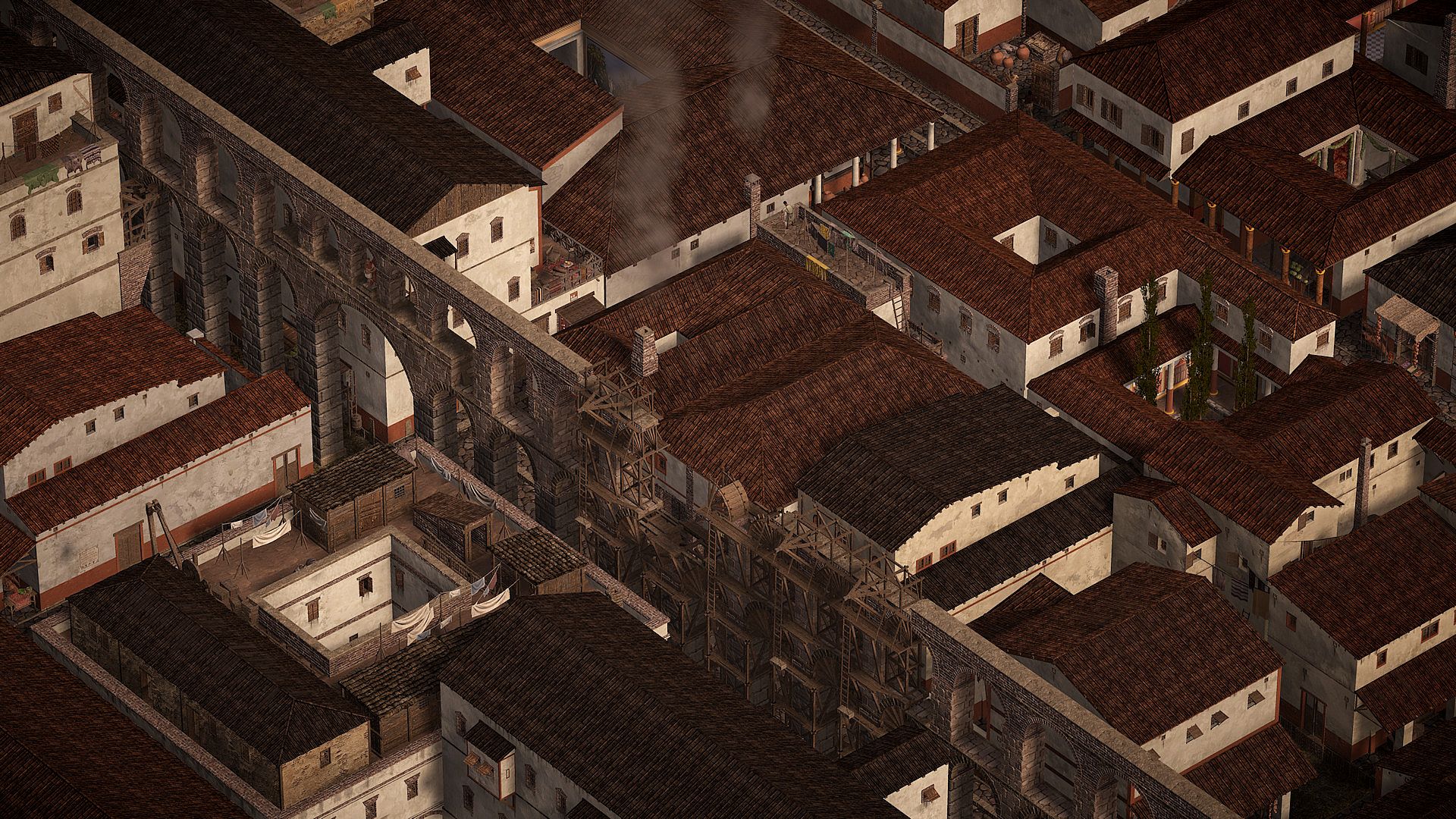
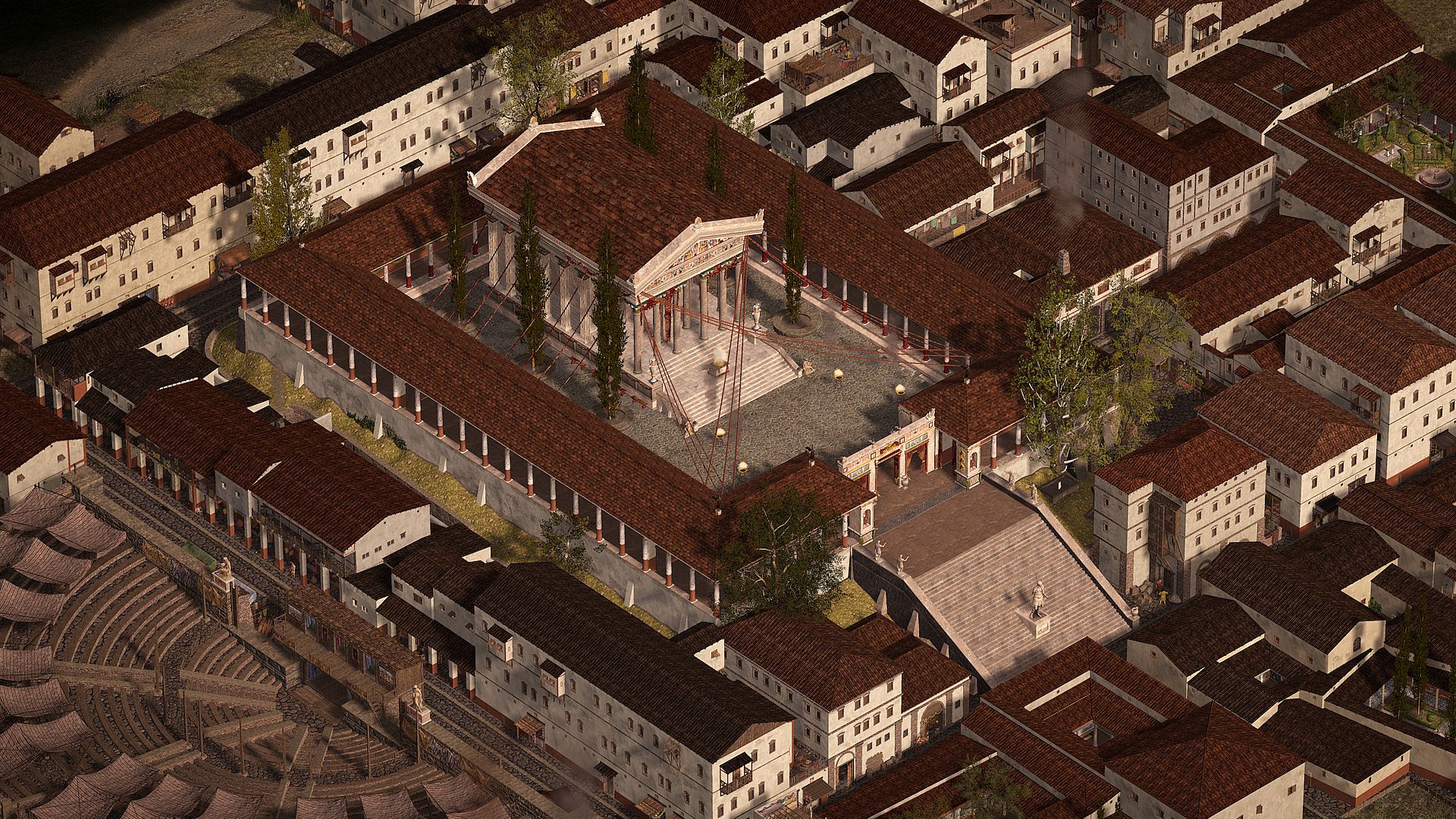
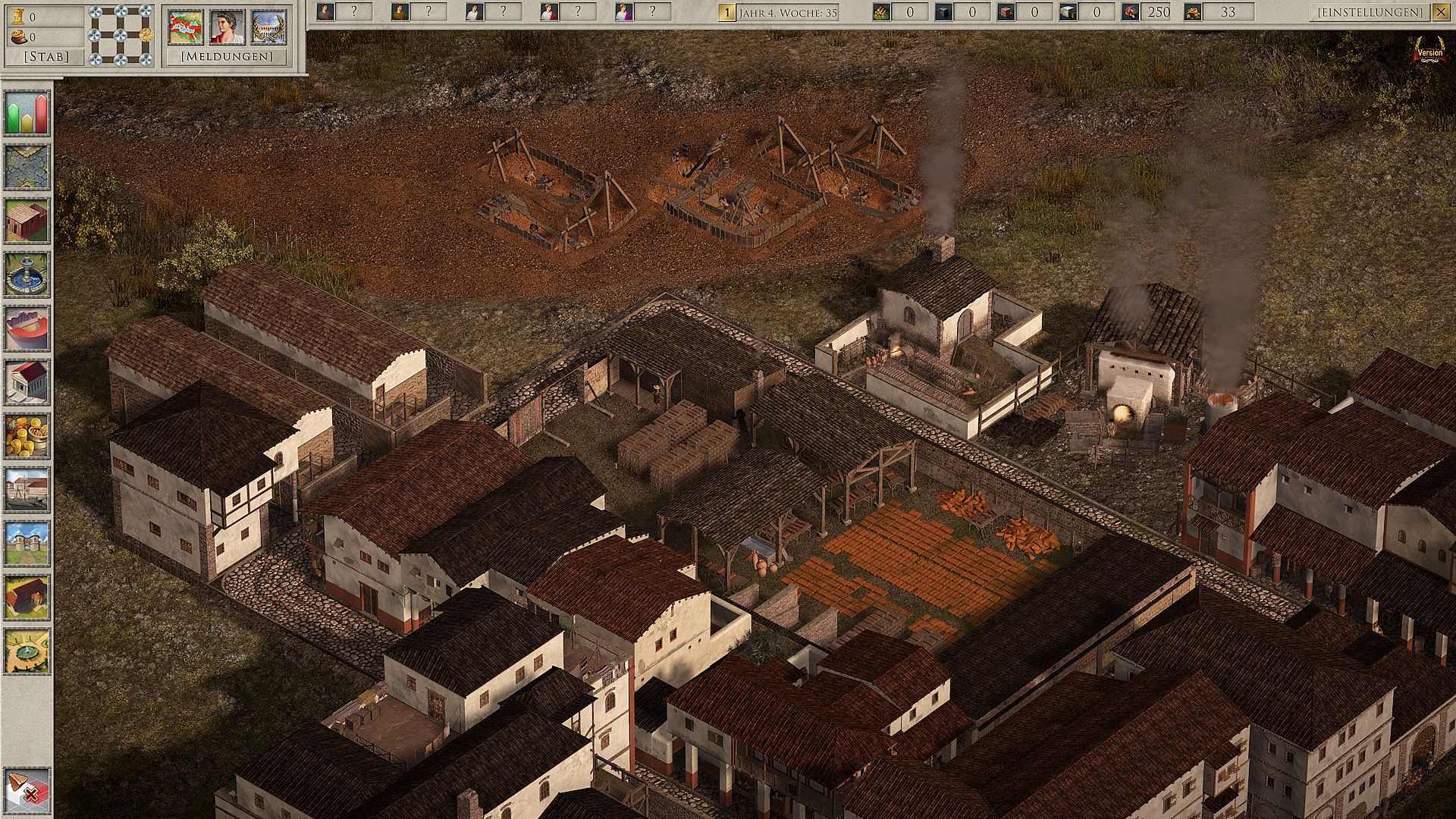
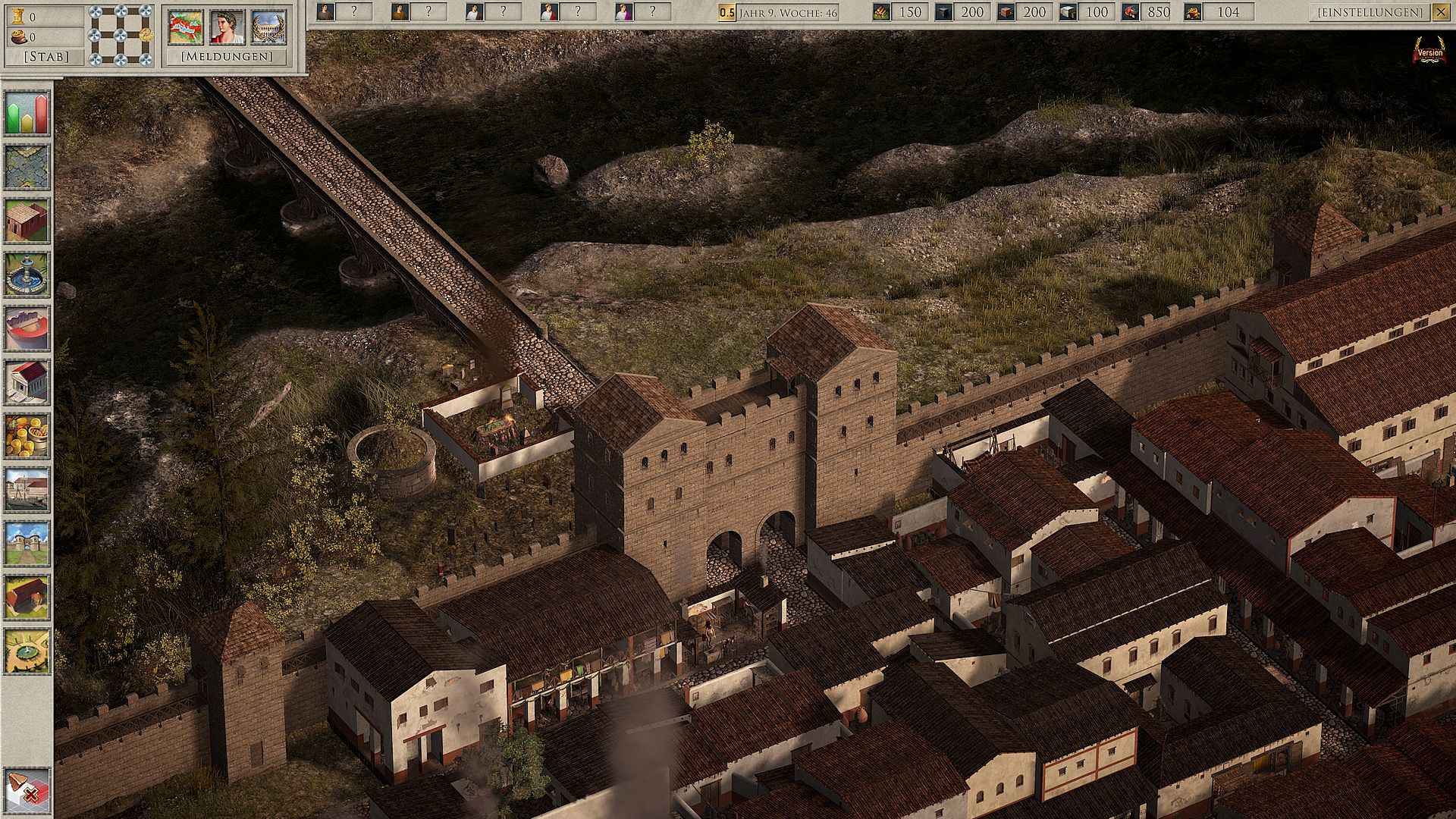
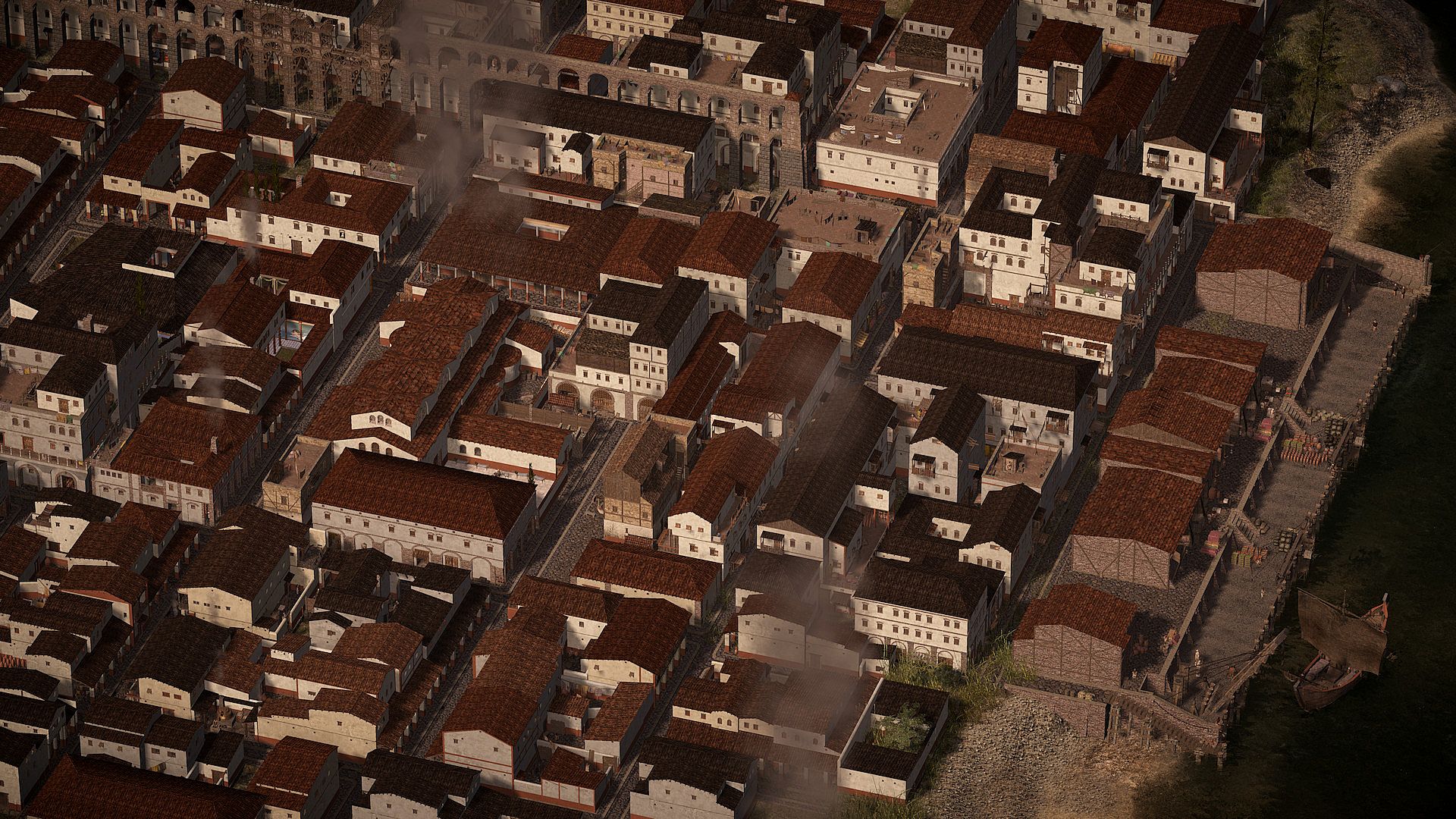
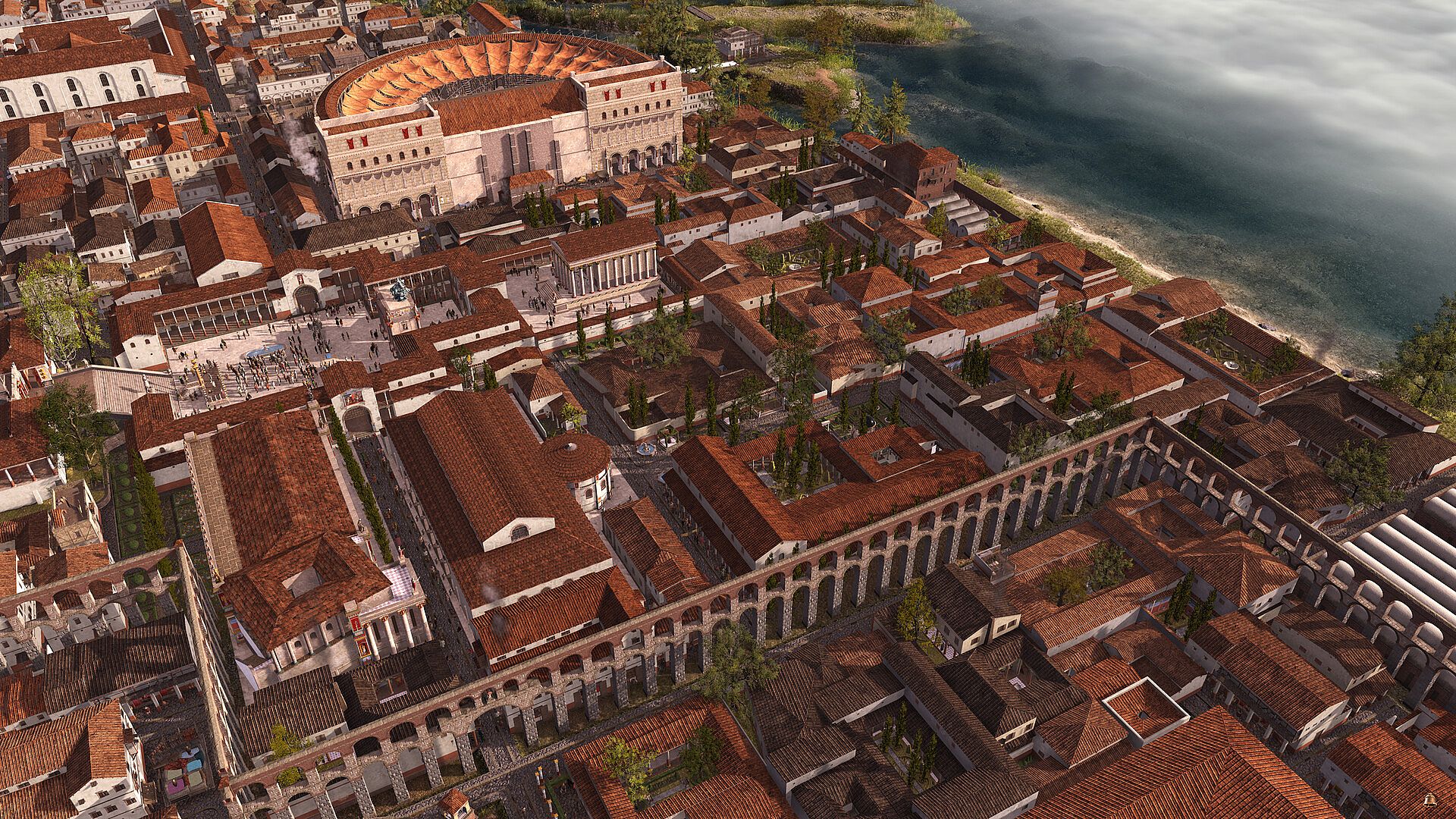
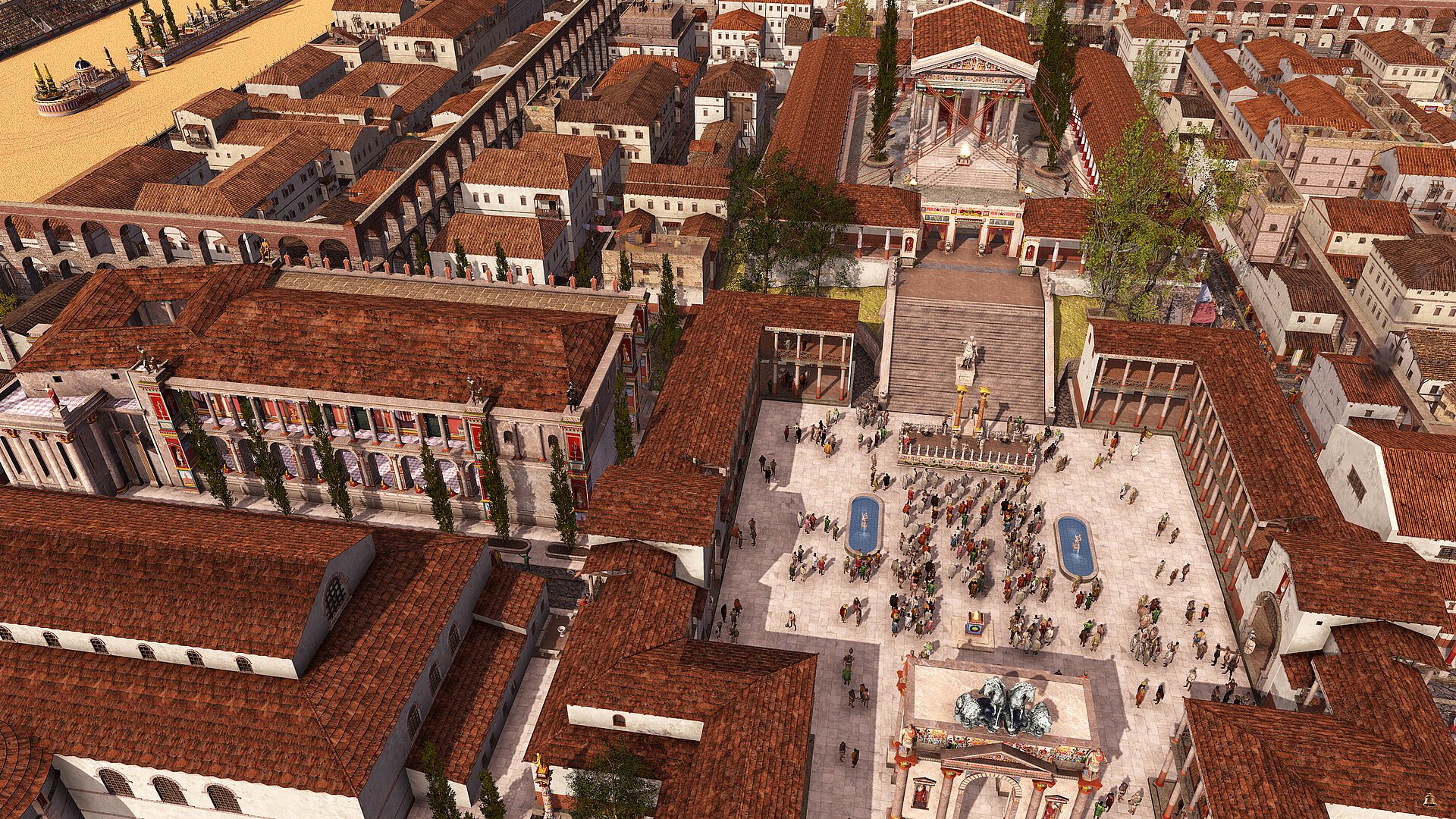
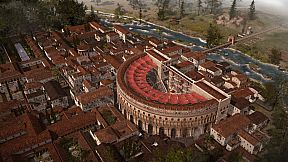
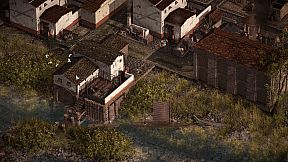
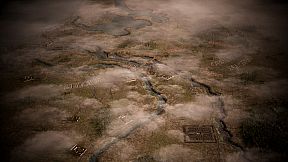
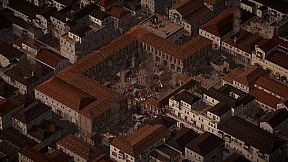
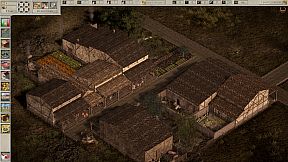
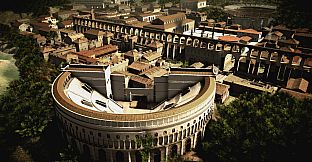
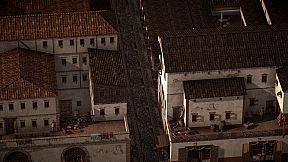
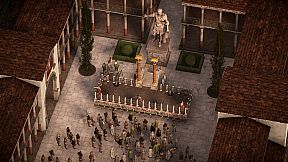
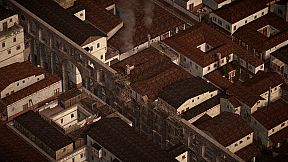
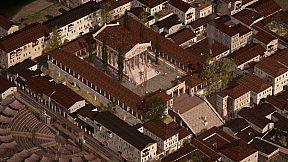
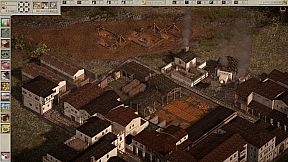
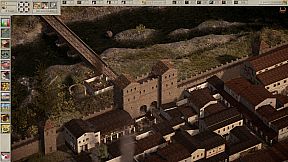
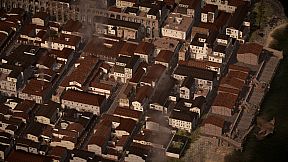
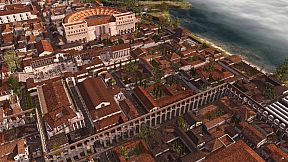
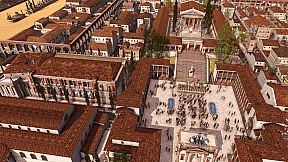
Pax Augusta stands out as a strategy simulation game focused on city-building in the ancient Roman Empire. Players step into the role of a governor tasked with developing settlements along the empire's borders, blending historical accuracy with management challenges. This PC title emphasizes authentic architecture and urban planning, drawing from real Roman structures to create a detailed experience of expanding a small outpost into a thriving metropolis.
Gameplay
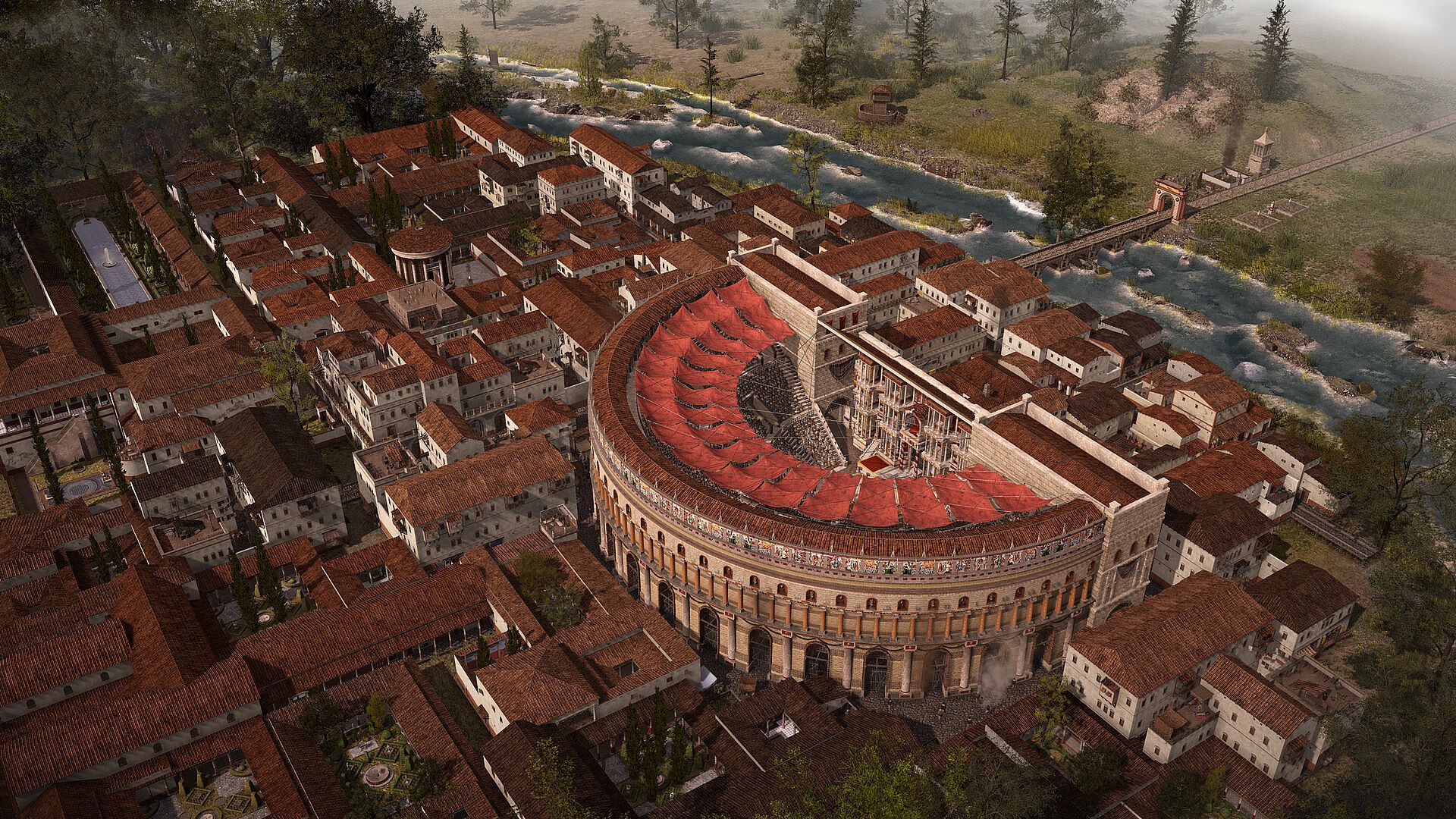
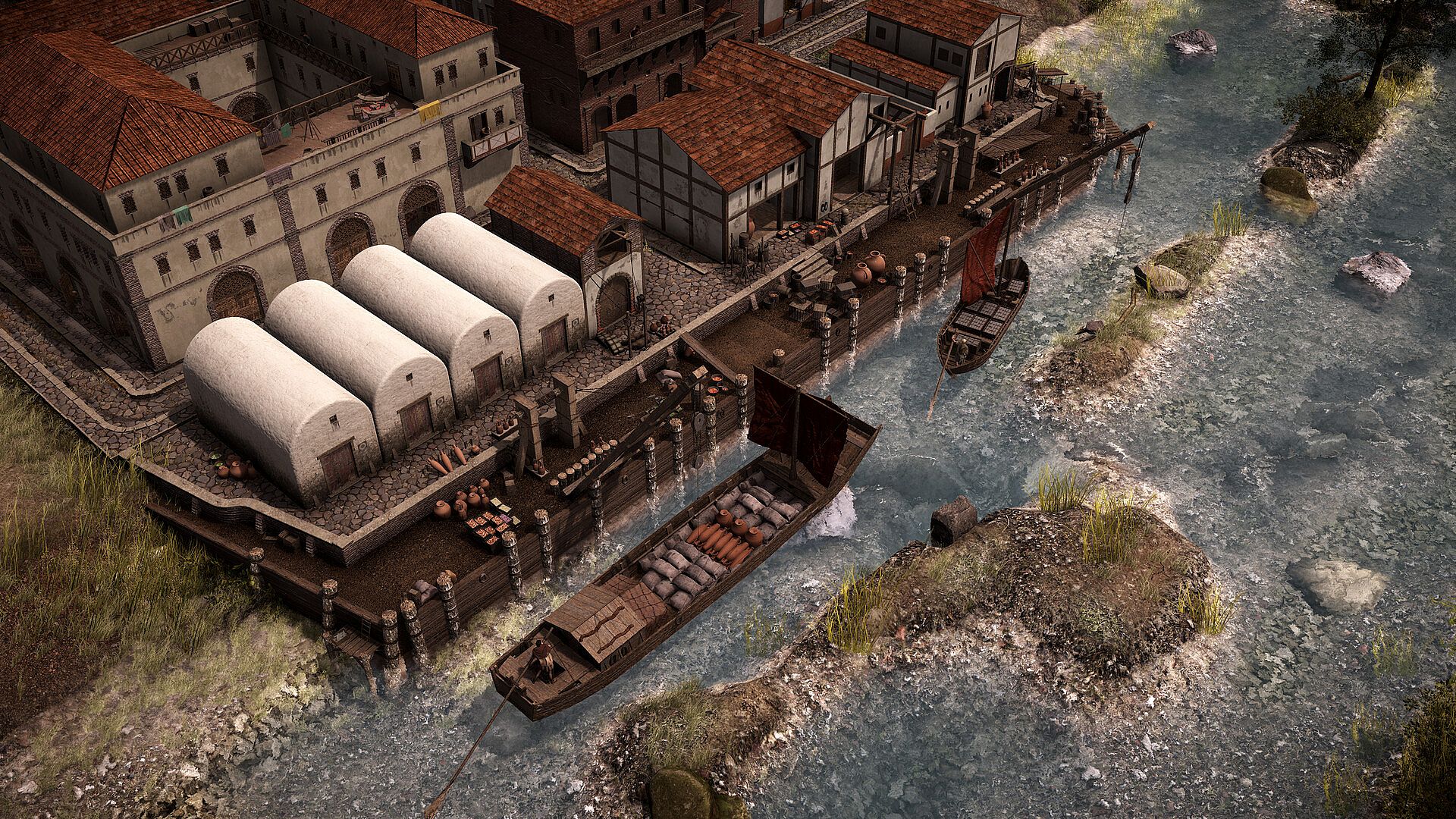
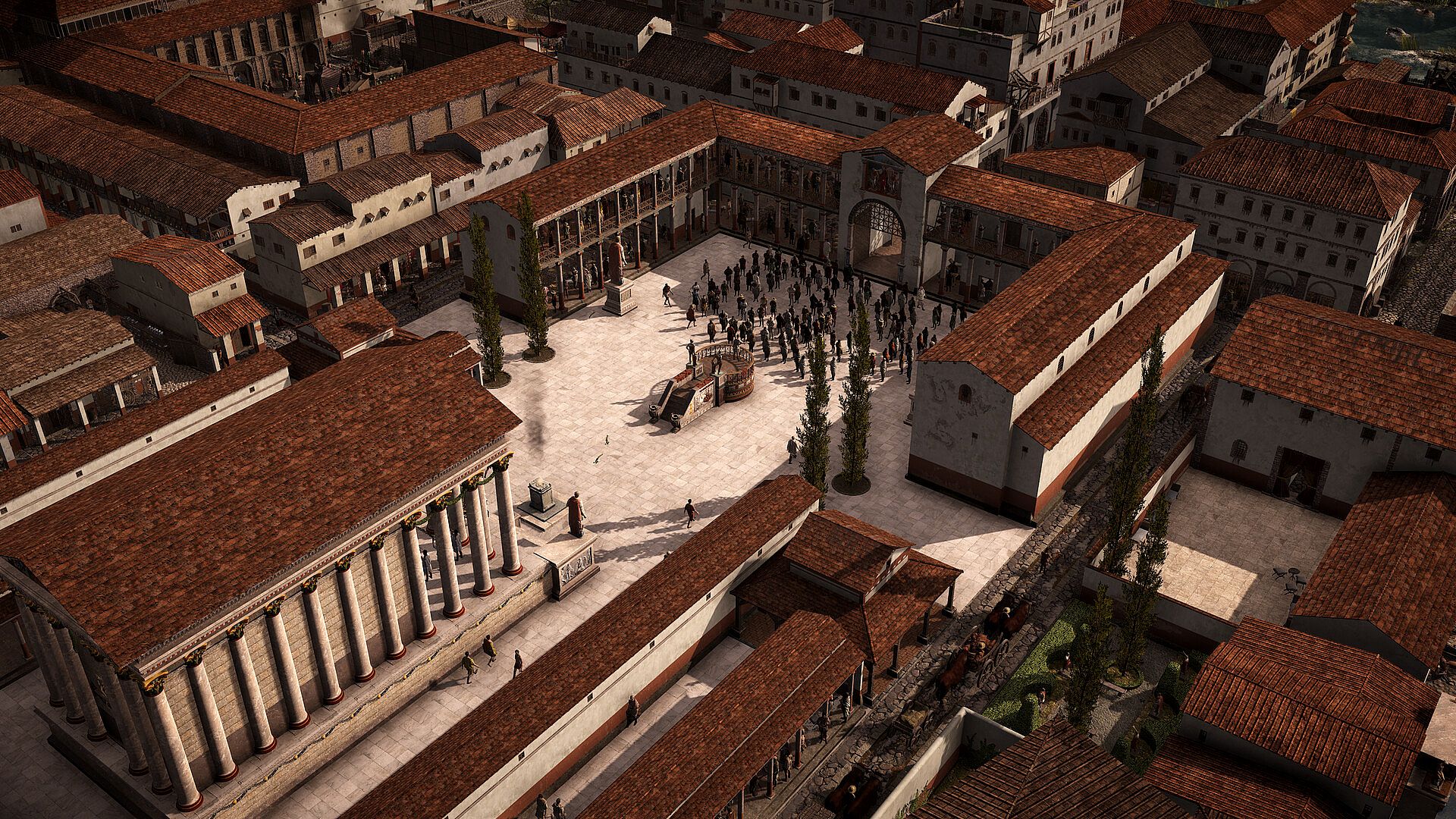
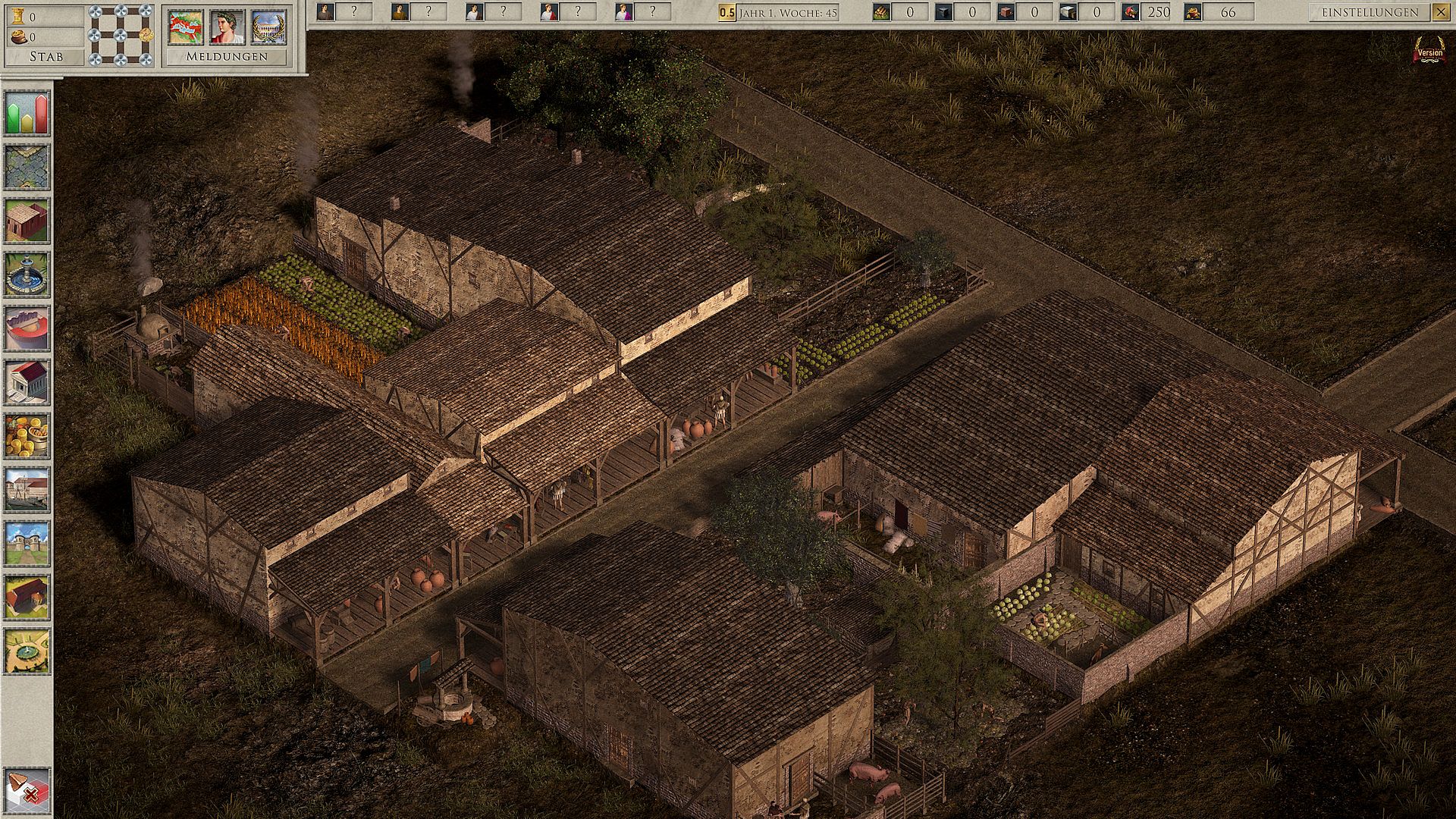
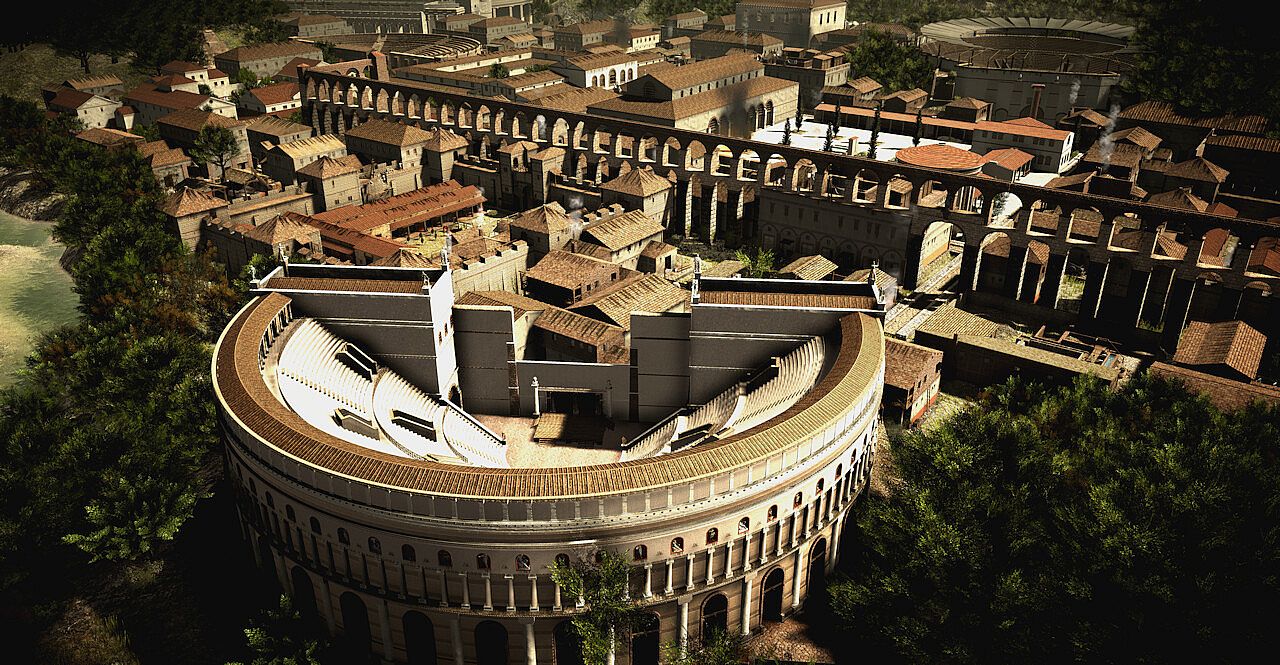
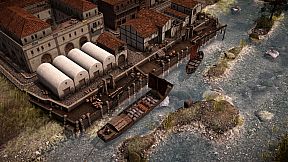
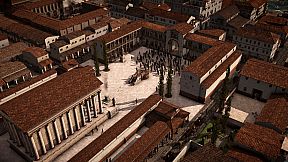
In Pax Augusta, the core gameplay revolves around constructing and managing Roman cities with a focus on organic growth. You begin with a basic settlement near an imperial road, then build essential structures like harbors and forums to attract inhabitants. As the population grows, you handle resource extraction, such as mining raw materials, and construct facilities like baths, theaters, and gladiator schools to maintain citizen satisfaction and provide employment.
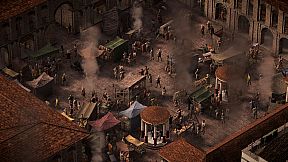
Trade plays a central role, requiring you to form agreements for food and materials while avoiding over-reliance on single partners. Challenges include natural disasters like fires and diseases, as well as political elements where emperors influence your progress through privileges or tests. Reputation building allows access to new settlements and offices, unlocking monuments and sites. The mechanics encourage balancing economy, urban development, and stability for long-term success.
Game Modes
Pax Augusta offers two primary ways to play, each catering to different preferences in strategy simulation. Sandbox mode provides unrestricted freedom to design and expand cities without narrative constraints, ideal for experimenting with layouts and buildings.
The story campaign draws inspiration from historical Roman writings, presenting a structured experience where you navigate political intrigue and challenges to build and maintain settlements. This mode tests strategic decisions against a backdrop of empire politics, aiming for prosperity amid potential unrest or imperial whims.
Key Features and Mechanics
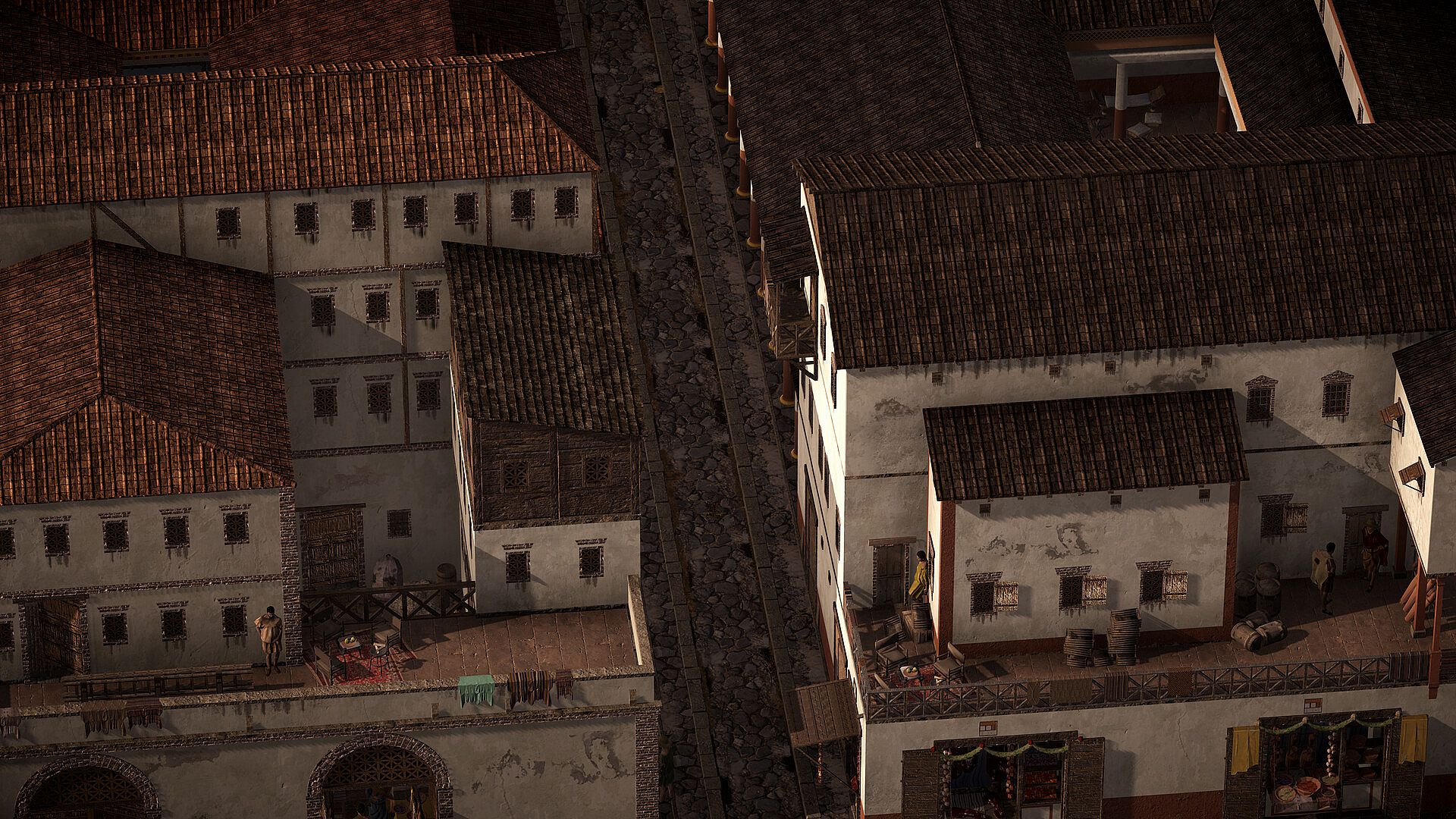
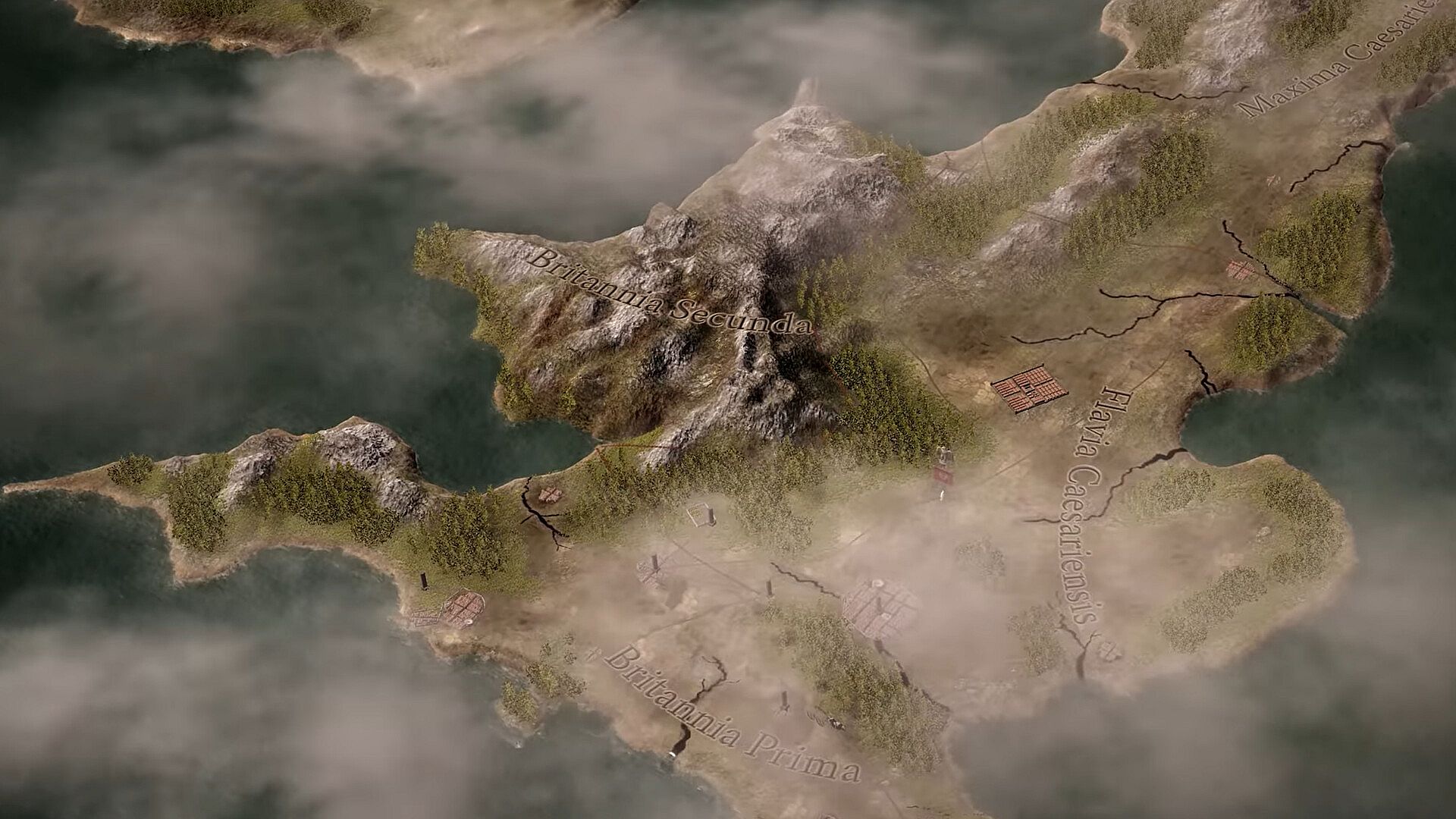
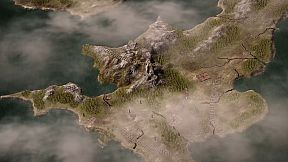
Historical accuracy defines many buildings in Pax Augusta, recreated from real Roman models that players can recognize from existing ruins. The game world spans regions like Gaul and Germania, with dynamic trade routes for importing goods like marble or exporting local products. Diverse construction options range from farms to arenas, supporting varied city designs.
Mechanics include fluid city expansion where decisions impact growth, alongside crises that demand quick responses. Recent updates have enhanced performance and stability, improving the overall experience for smoother gameplay.
Is It Worth Playing?
For fans of strategy simulation games with a historical twist, Pax Augusta delivers a compelling mix of city management and Roman authenticity. It has earned mostly positive feedback, with 70% of over 500 reviews highlighting its detailed building system and immersive setting. Ongoing updates address performance, keeping the game supported post-launch.
If you enjoy thoughtful planning over fast-paced action, this title suits builders who appreciate depth in trade, politics, and urban challenges. Those seeking lighthearted or modern-themed simulations might find its focus on ancient realism more demanding, but it rewards patient players with a sense of achievement in crafting enduring cities.