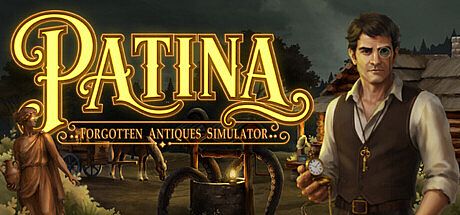


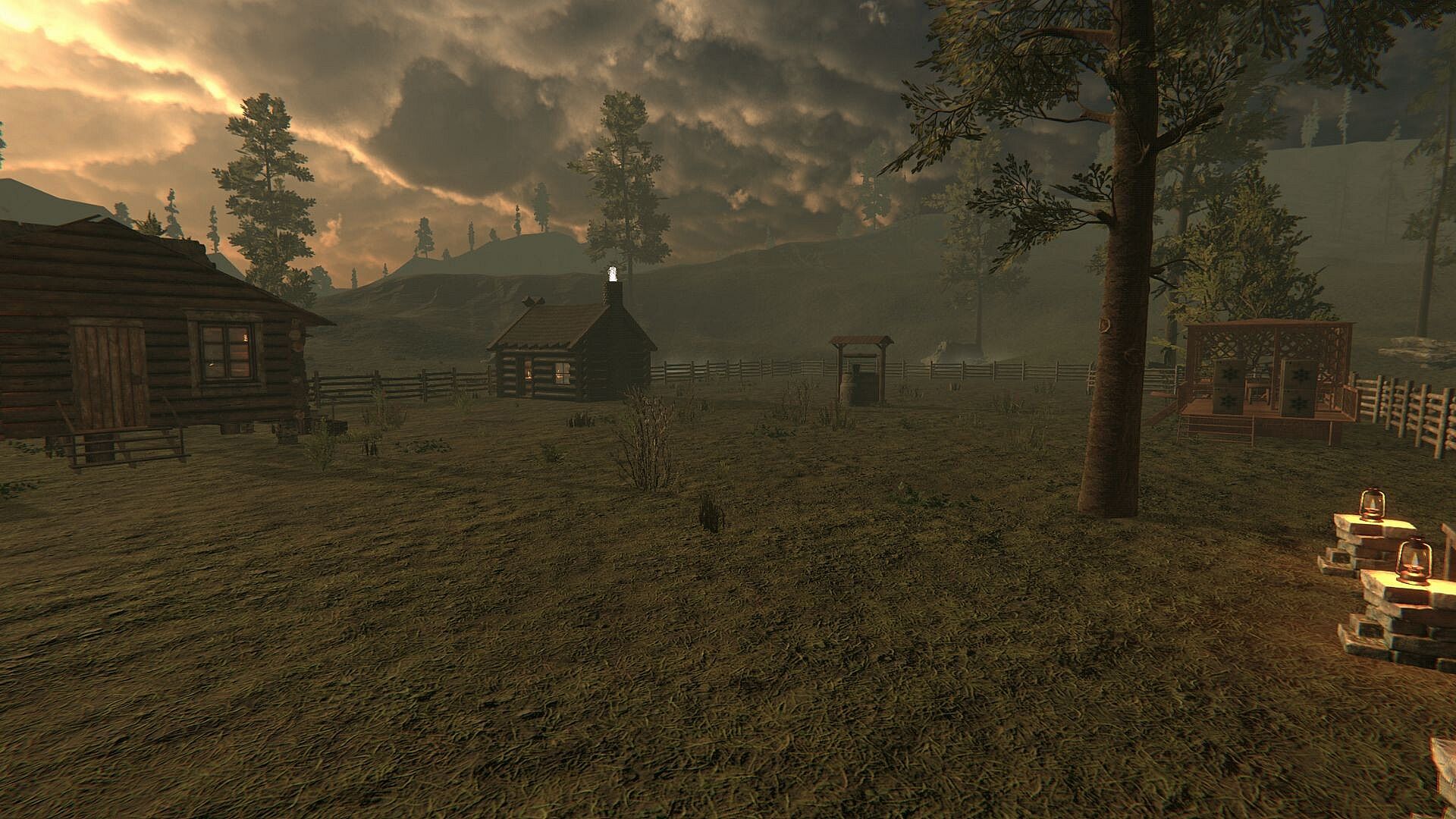
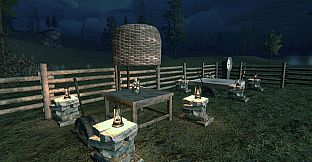

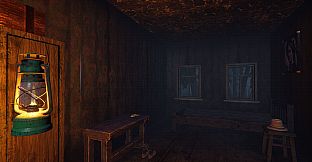
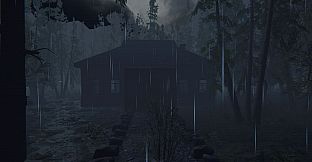
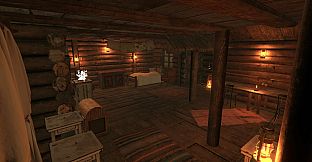
Patina: Forgotten Antiques Simulator is an indie casual simulation and adventure game set on PC. Players take on the role of a restorer who scours forgotten locations for overlooked items and turns them into valuable pieces through careful work in a personal workshop.
Gameplay
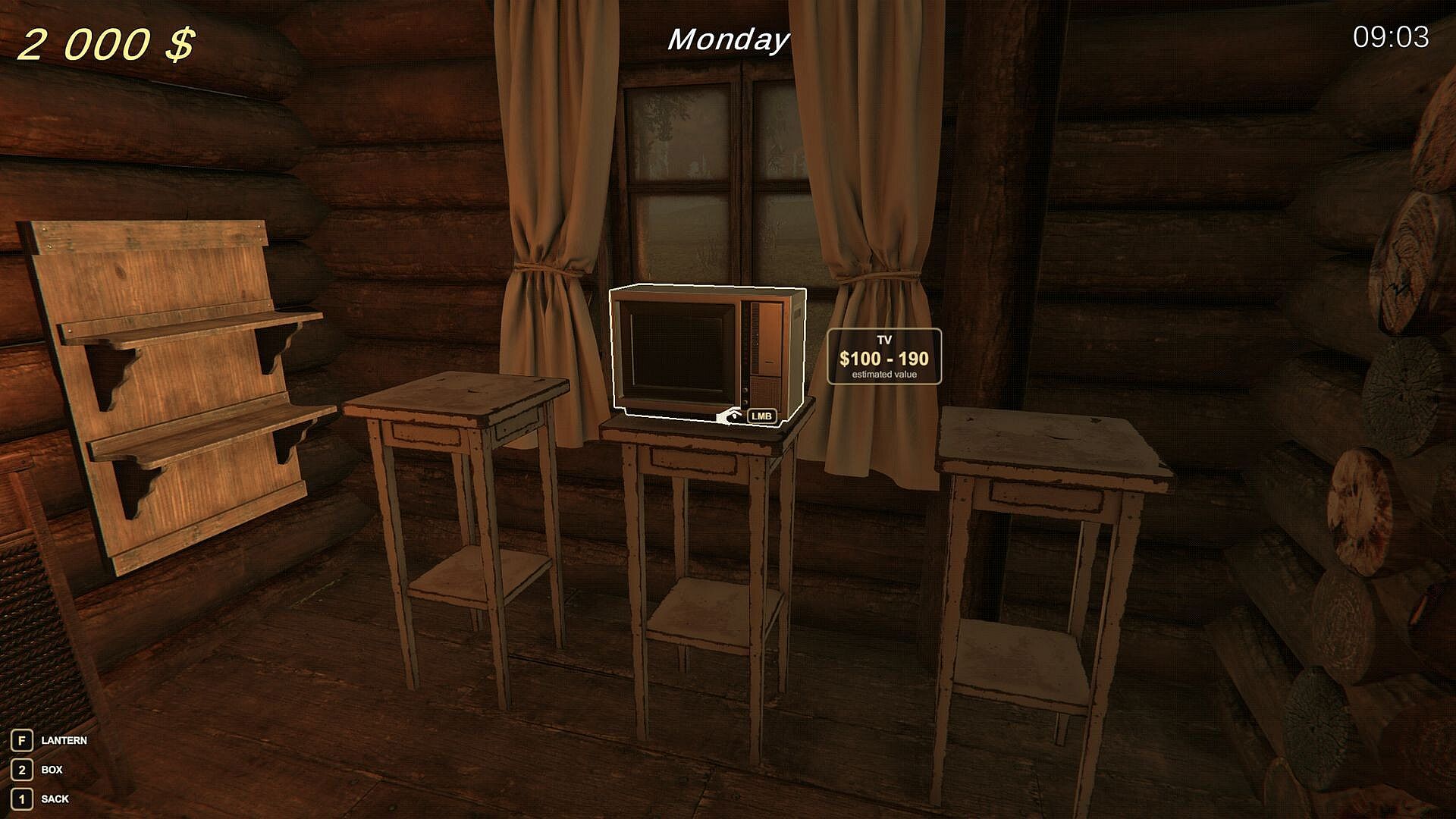
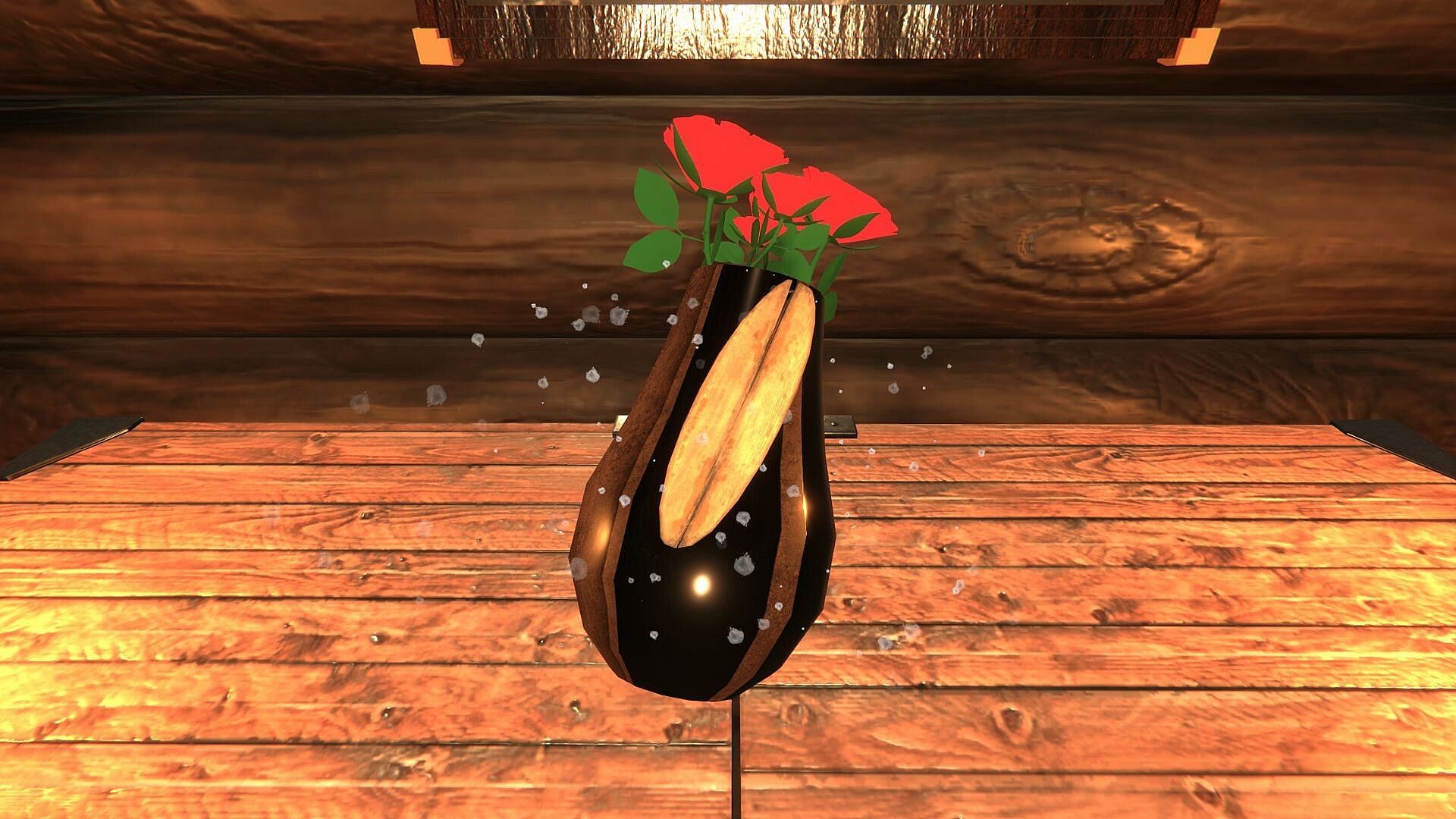
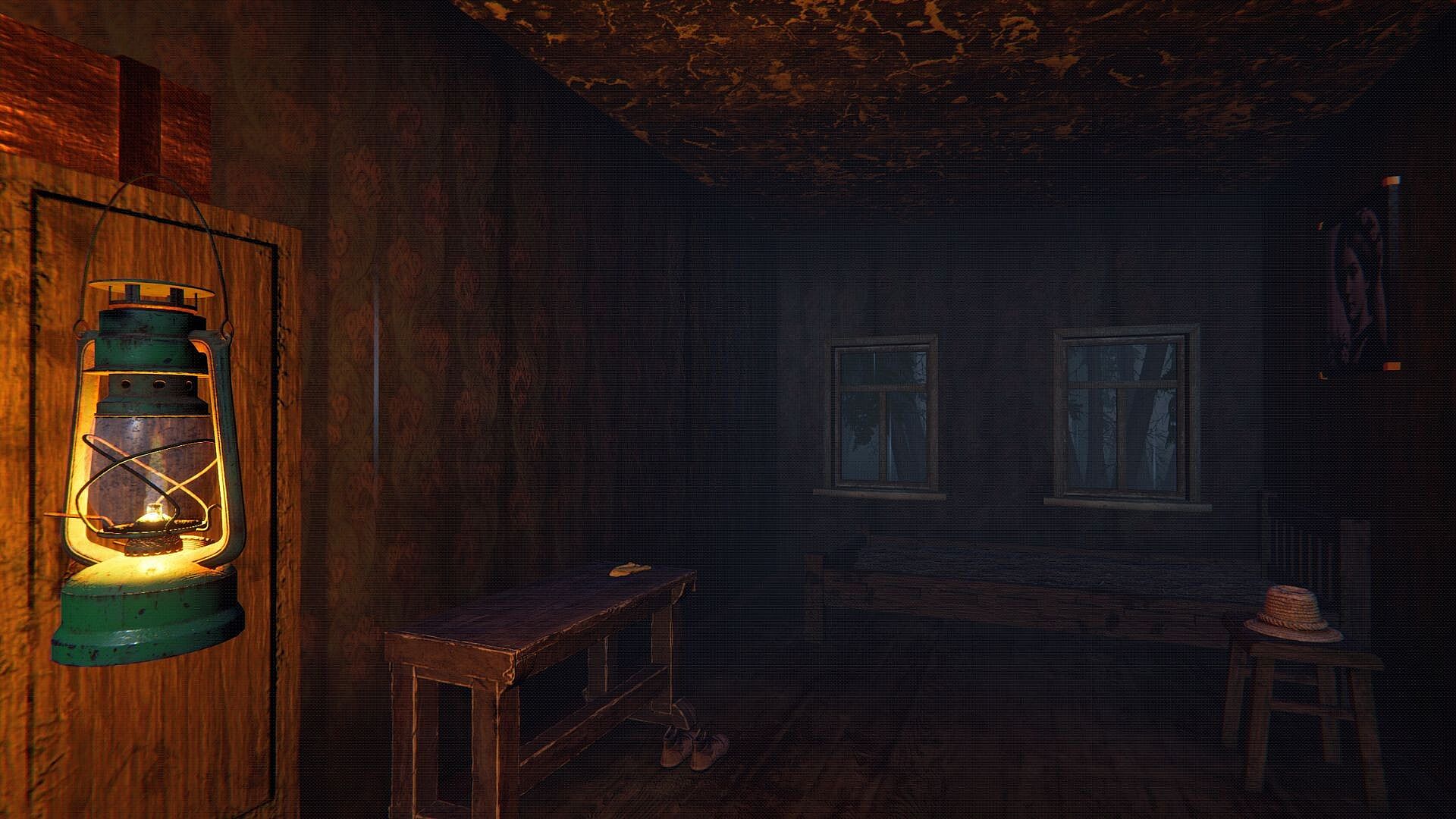
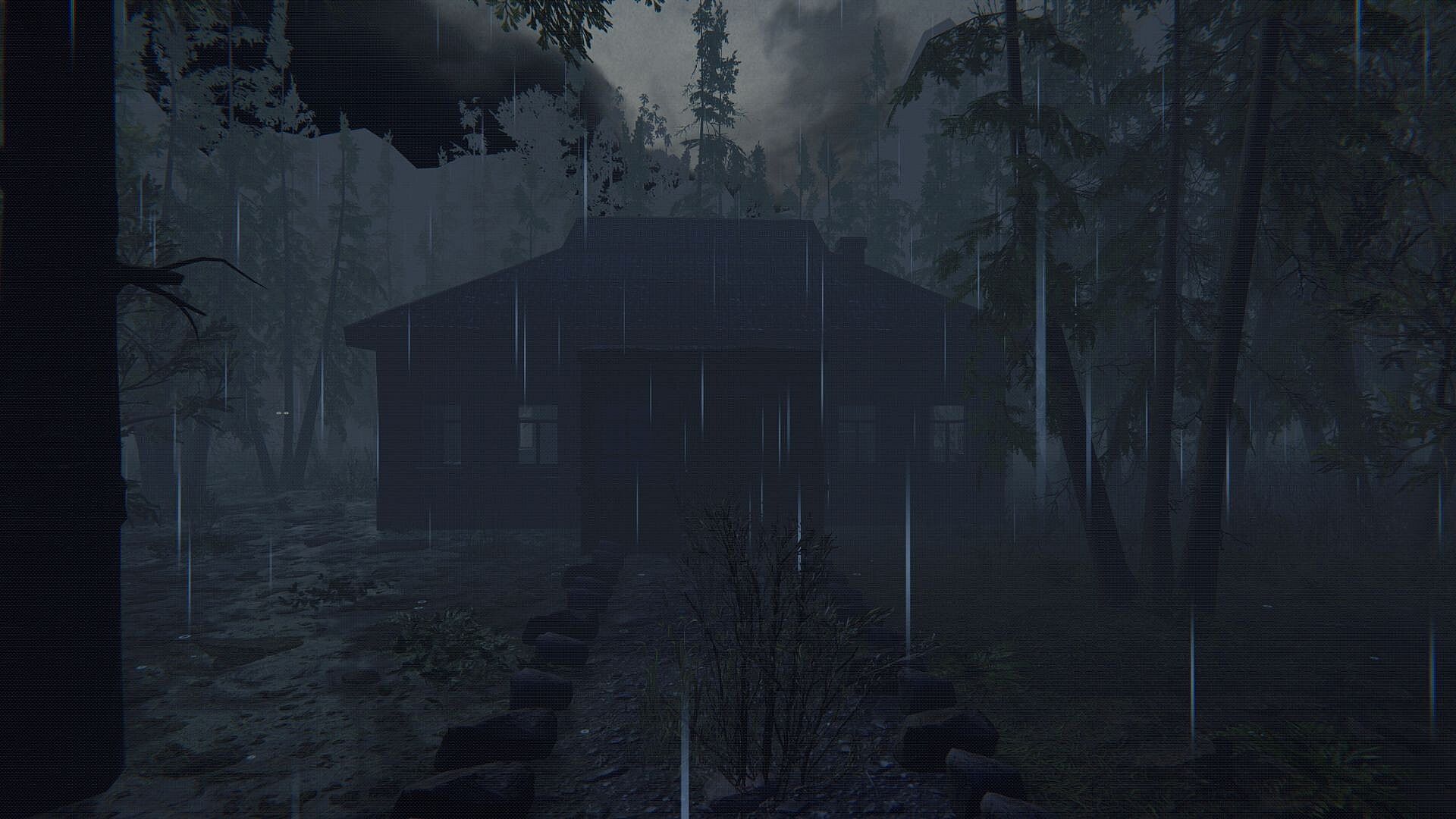
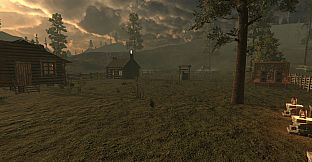
The core loop centers on exploration and hands-on restoration. Search abandoned houses, forests, and scrapyards by picking locks, breaking open crates, and using a lantern to examine dark corners. Items go into a sack or boxes before transport back by cart. In the workshop, clean each piece manually to reveal surfaces, maker's marks, cracks, and true condition. Some objects prove valuable after restoration while others remain ordinary or reveal unexpected elements tied to their history.
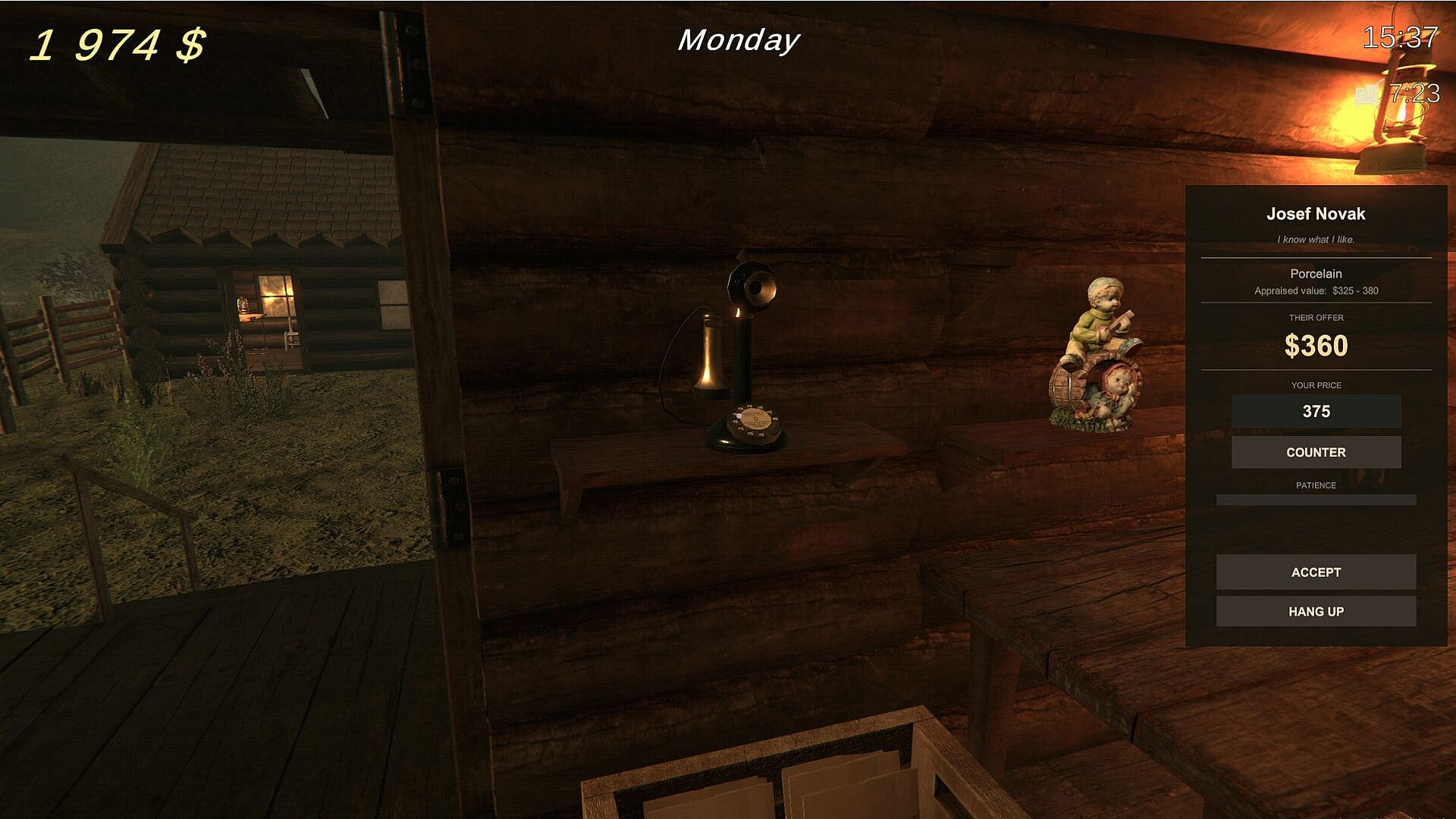
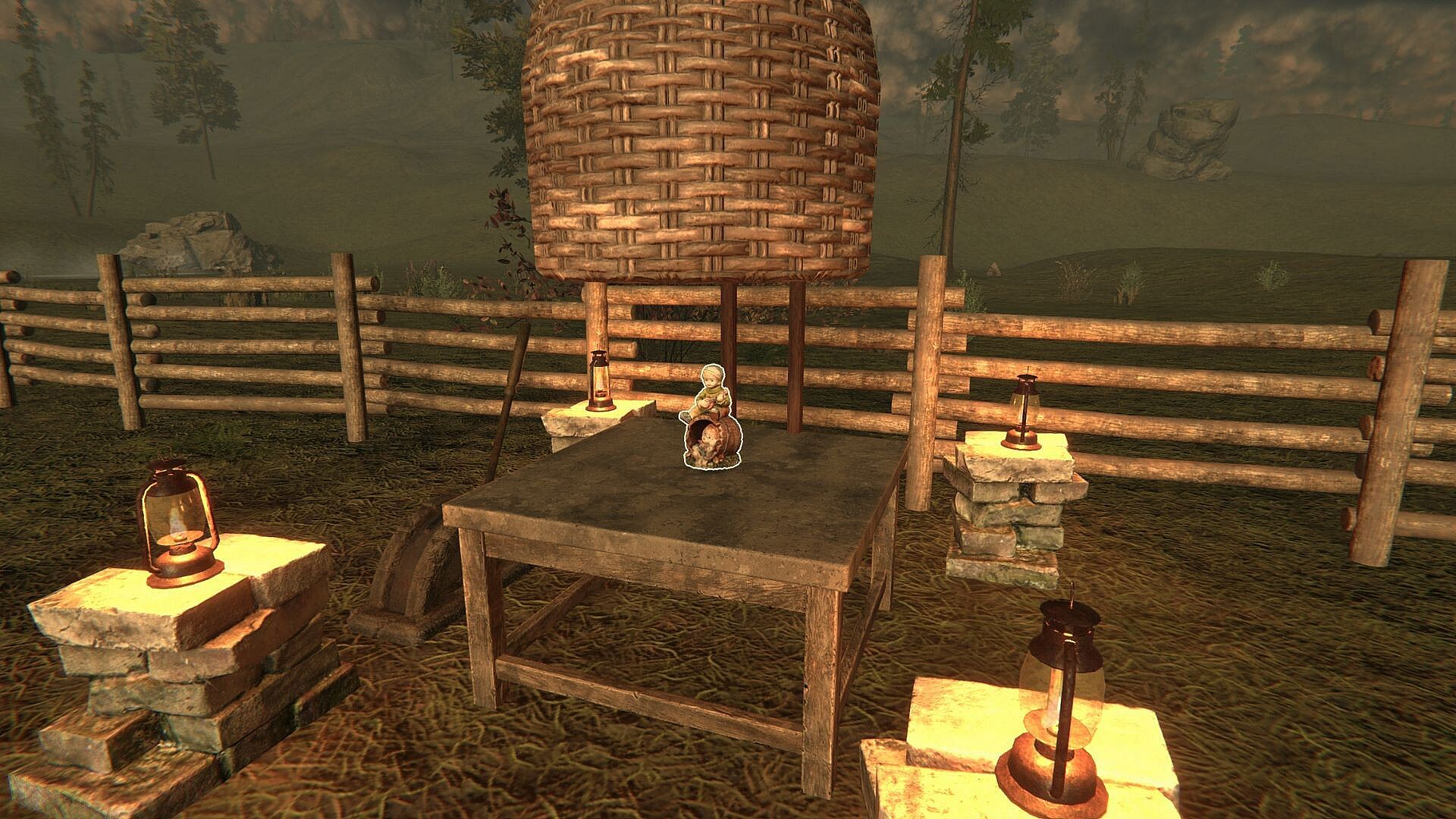
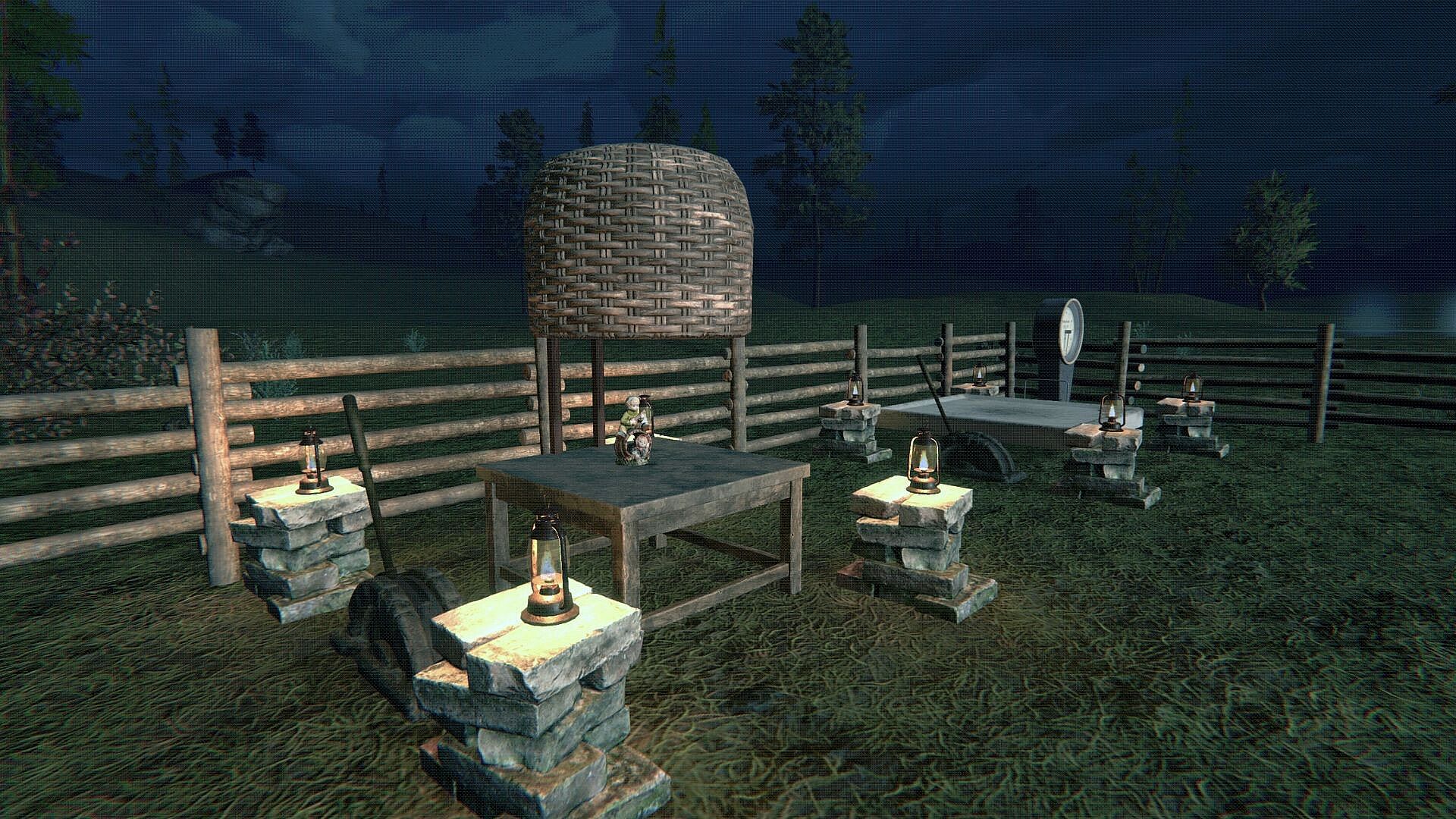
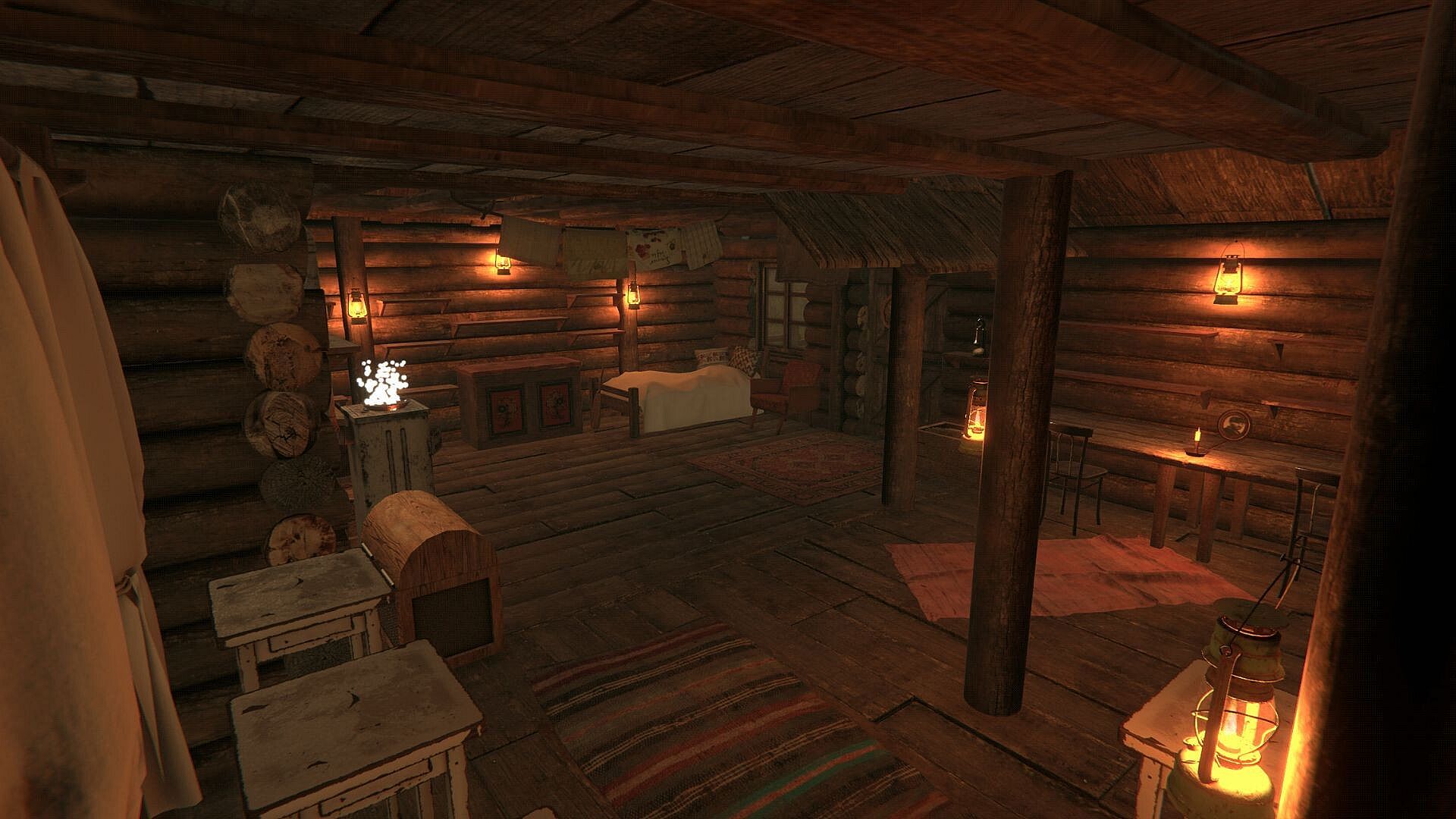
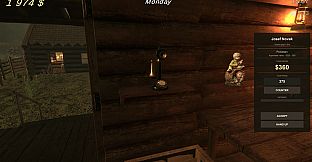
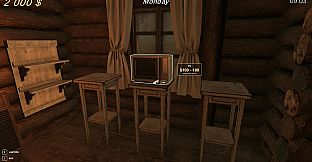
Negotiation follows restoration. Select buyers who each have distinct personalities and preferences. Bargain over prices, then pack and ship completed items. Poor choices in matching items to buyers can reduce returns or create complications. Earnings fund workshop improvements such as better tools, expanded storage, and access to new exploration areas. Placement of furniture, tools, and displays uses a fully grid-free system that lets players arrange everything freely.
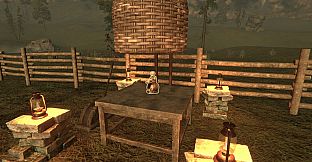
Atmospheric details add tension. A sealed well near the workshop opens unexpectedly, and the lantern shifts color near certain objects. Quiet periods outside the workshop hint at deeper layers beneath the antique trade.
Game Modes
The experience unfolds as a single-player simulation focused on the full chain of collection, restoration, negotiation, and business growth. No separate competitive or multiplayer modes appear in available details. Progression ties directly to workshop expansion and region unlocks, creating a continuous loop rather than distinct named modes.
Exploration and Restoration Systems
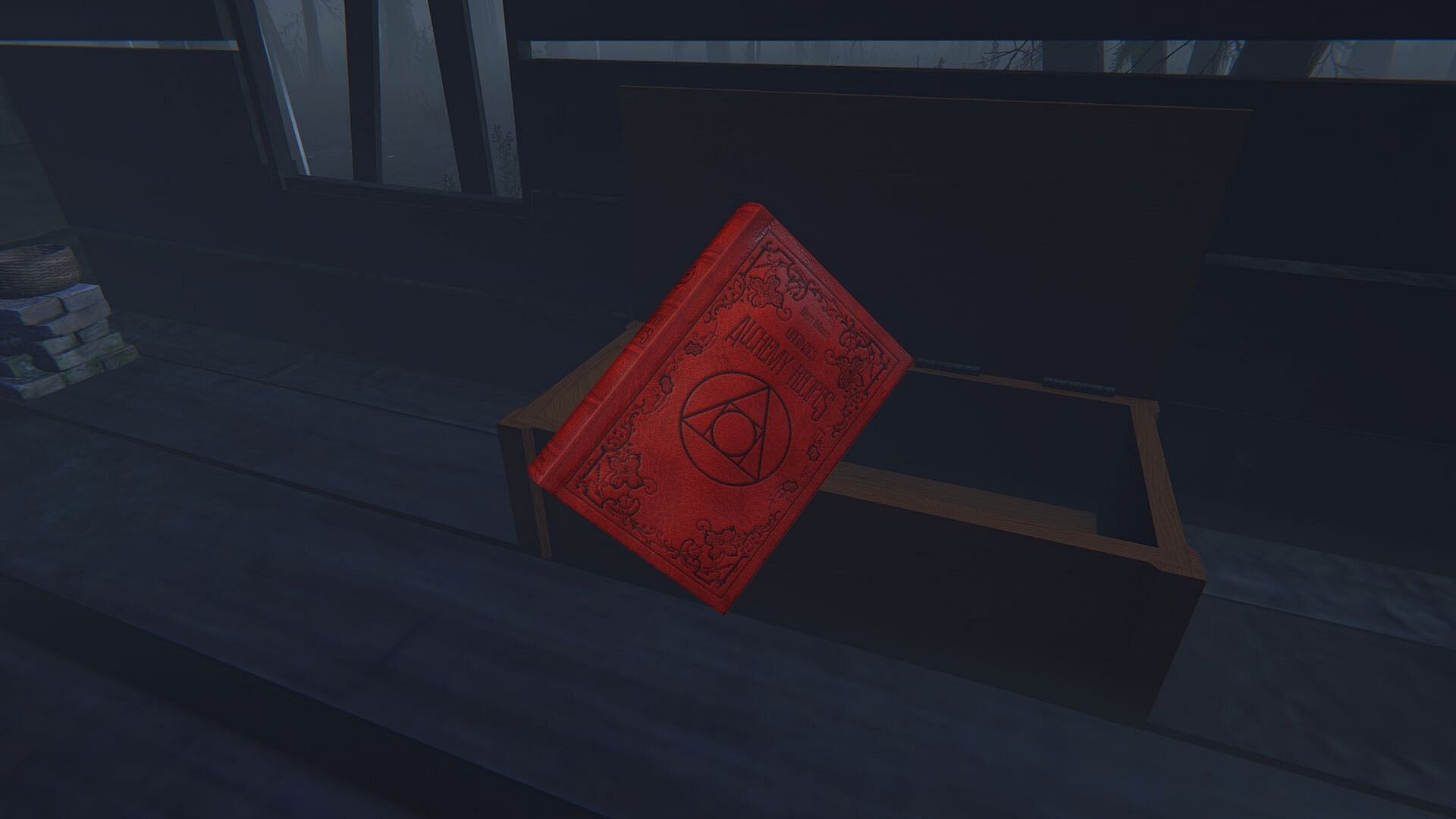
Exploration rewards careful searching across varied environments, each carrying its own background. Lantern use and lockpicking encourage thorough checks of every space. Restoration demands attention to individual steps, from initial cleaning to damage repair, with results determining an item's final worth. Supernatural undertones surface through specific relics and unexplained events that players encounter during normal play.
Business elements integrate seamlessly. Storage and display management affect daily workflow, while buyer interactions test judgment on pricing and item suitability. Upgrades improve efficiency across all stages, from faster cleaning tools to larger carts for transport.
Is It Worth Playing?
Patina: Forgotten Antiques Simulator suits players who enjoy methodical simulation gameplay with restoration mechanics and light management layers. The hands-on cleaning and repair process forms the central appeal, supported by exploration and trading systems. Supernatural elements provide occasional shifts in tone without dominating the antique-focused loop. With a playtest scheduled for late October 2026 and full release still to be announced, interested players can follow updates from the developer for the latest on availability. Those drawn to cozy yet atmospheric indie simulations will find the described systems align closely with that style.