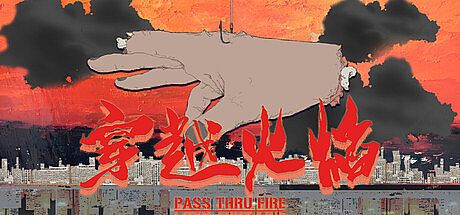



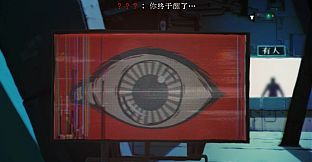
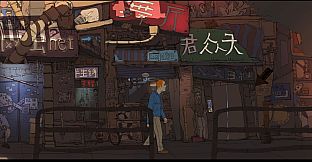
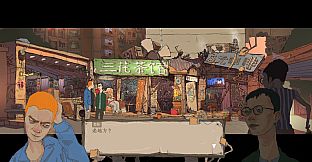

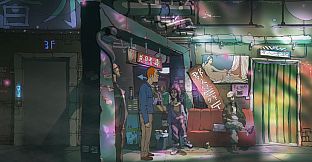
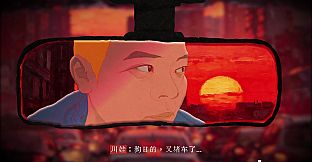
Pass Thru Fire is an indie RPG developed for PC that centers on narrative-driven mystery and puzzle-solving gameplay. Set in the fictional city of Qingjiang, the game follows an unemployed former police officer named K-Wa'er as he investigates a series of gruesome murders at Qingjiang University while searching for his missing younger brother. The story unfolds against the backdrop of a major technology summit and local political tensions, drawing players into a web of corruption and hidden truths through careful exploration and deduction.
Gameplay
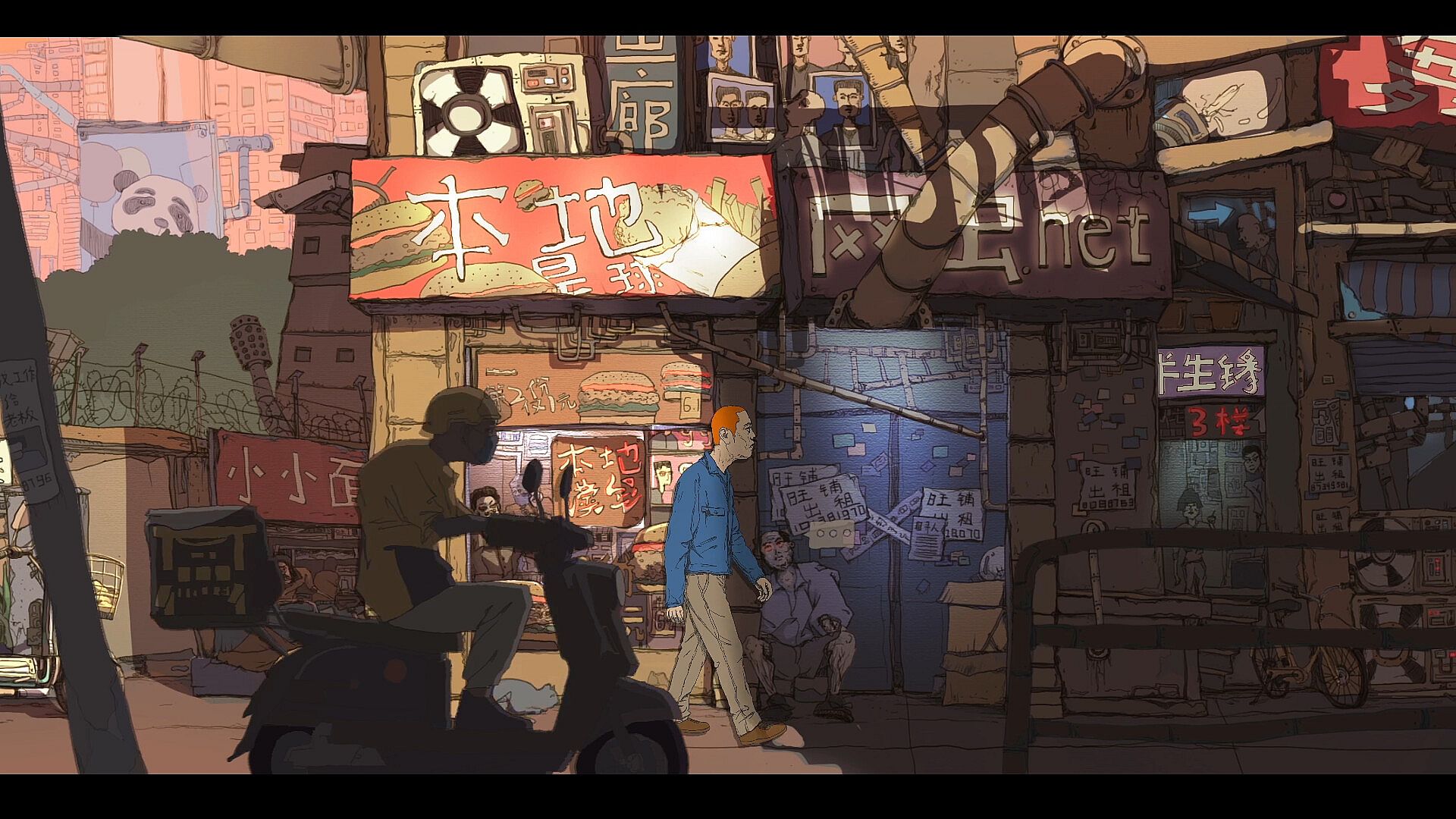
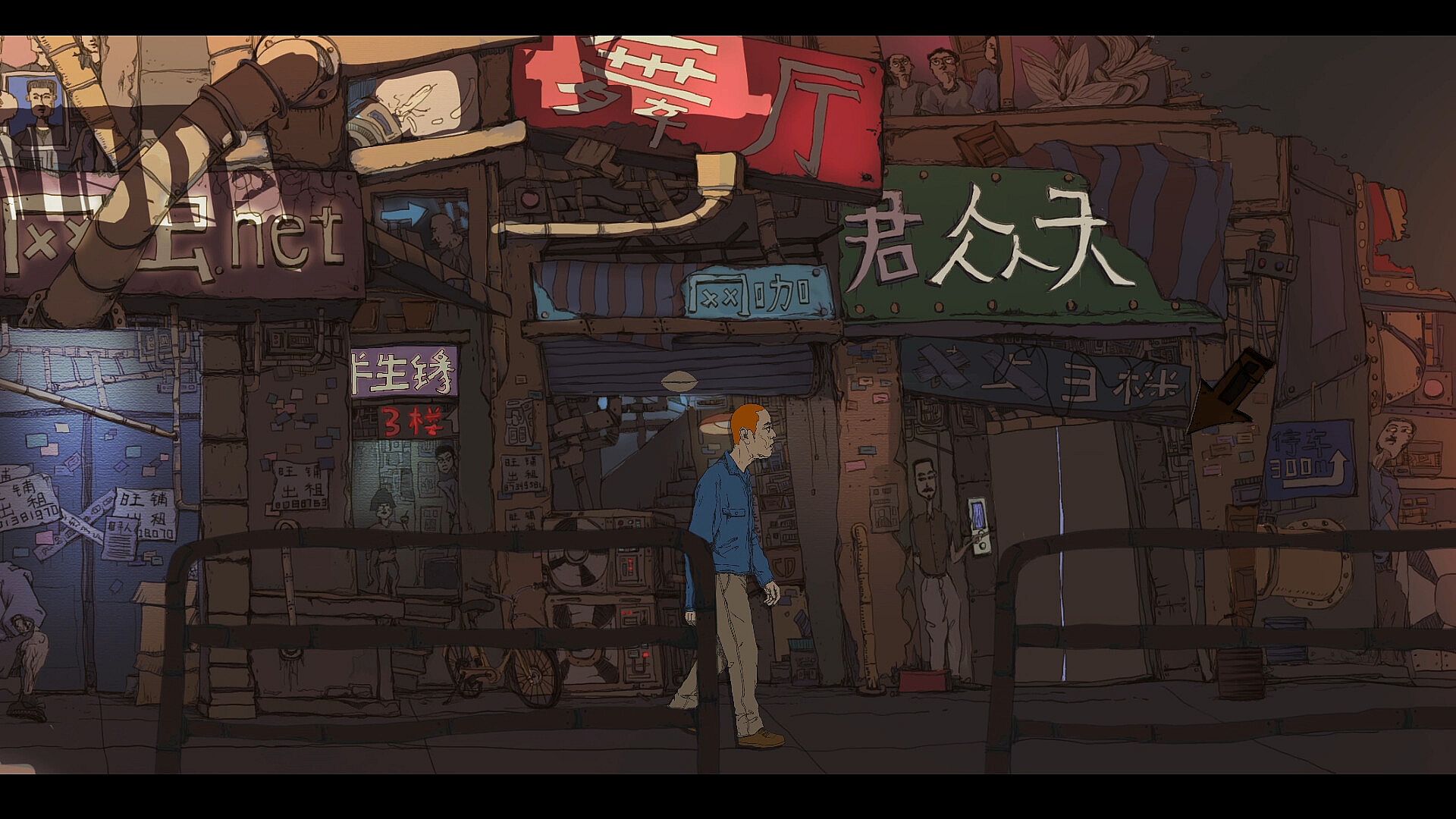
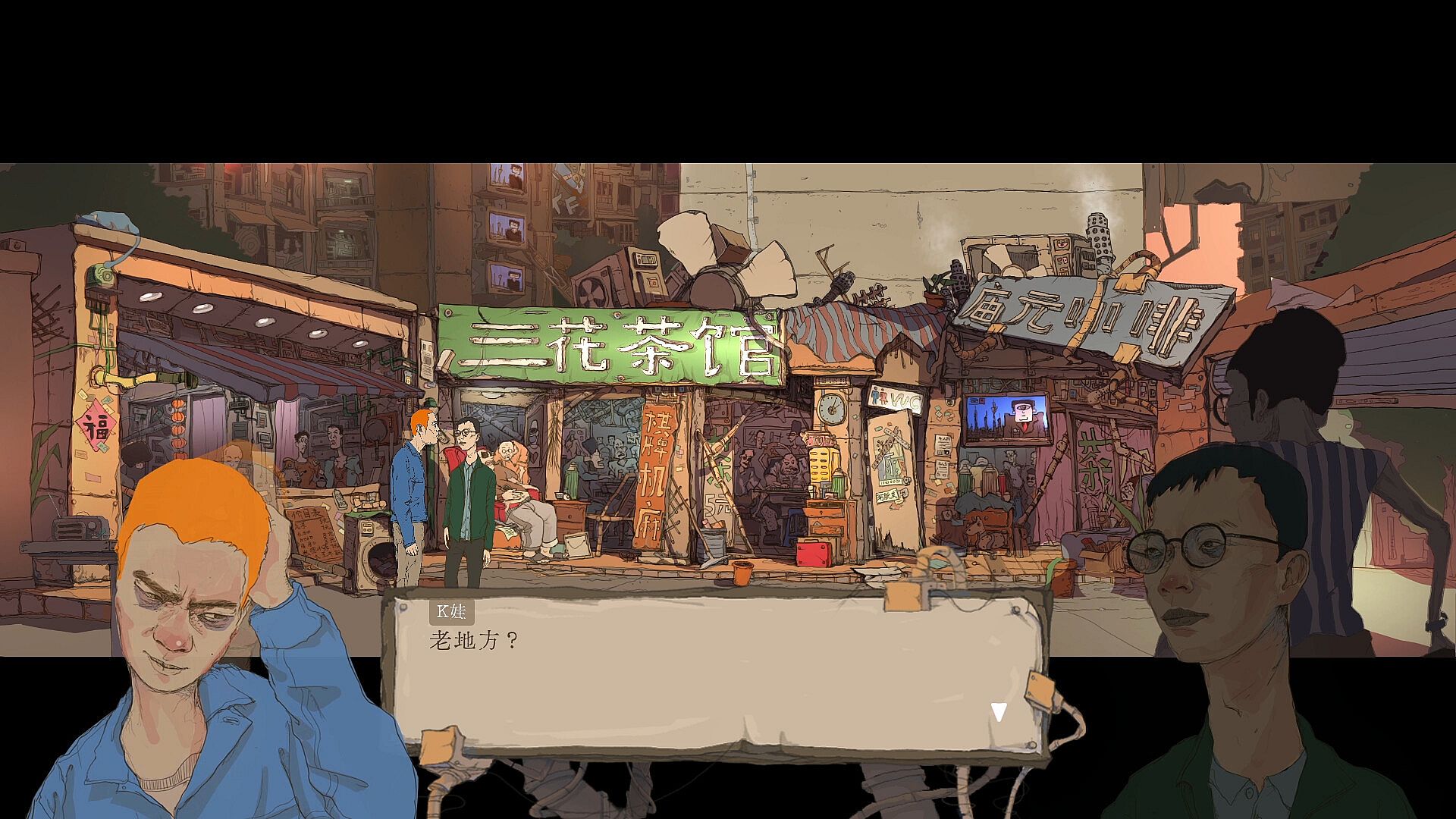
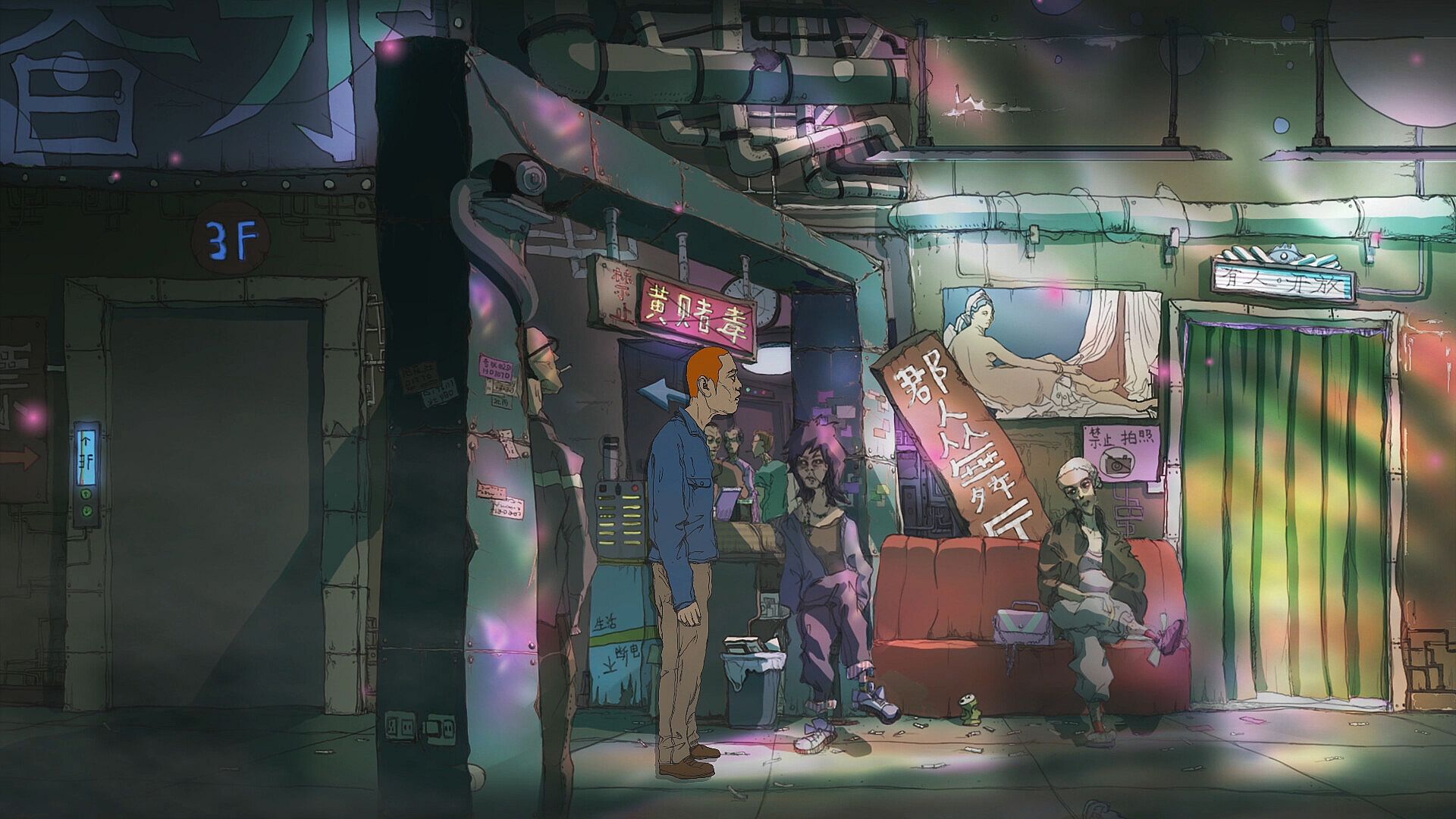
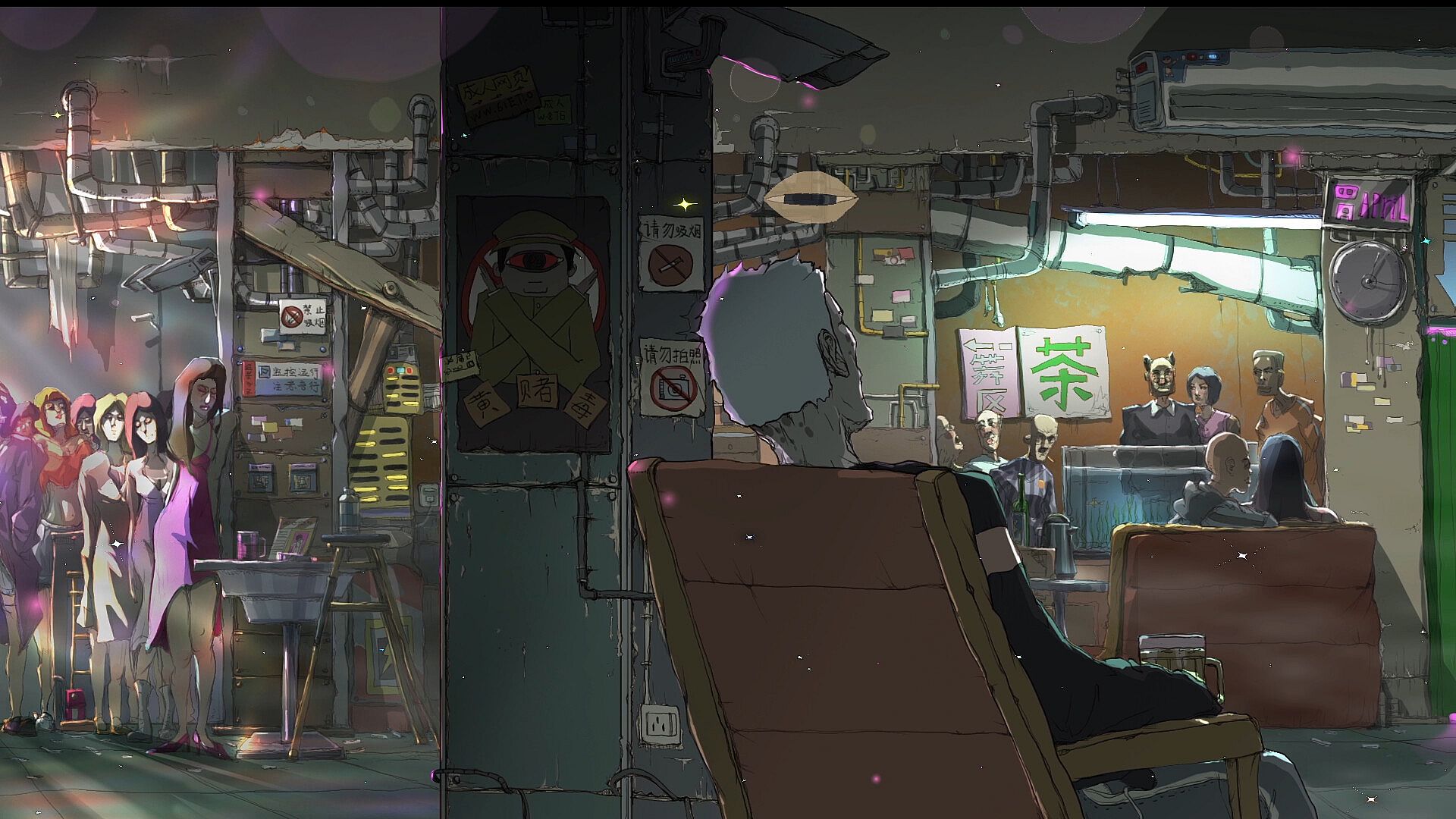
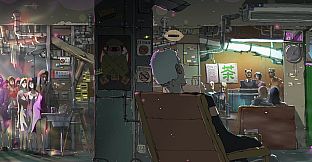
The core loop revolves around navigating the streets and locations of Qingjiang City as K-Wa'er. Players examine crime scenes, interview residents, and piece together clues from the serial killings that began during the technology expo. Puzzle elements require logical connections between evidence, witness statements, and environmental details scattered throughout the urban environment. Dialogue choices and investigation sequences advance the plot while revealing layers of the city's underbelly, including mayoral elections and citizen gossip that hint at broader conspiracies. The experience emphasizes thoughtful progression over combat or resource management, with scenes built from hand-drawn impressions of city life that blend everyday details with an ambiguous sense of time and place.
Game Modes
Pass Thru Fire operates as a single-player experience with no separate multiplayer or competitive modes. Progression follows the central investigation, structured around key events such as the initial murder discovery, expanding victim list, and the personal stakes involving K-Wa'er's brother. Players move between story beats by solving location-specific puzzles and gathering information from NPCs, with the narrative unfolding in a linear yet branching manner based on the depth of exploration. The design keeps focus on the mystery at hand, allowing repeated playthroughs to uncover additional dialogue or environmental details that enrich the central case without altering the core path.
Story and Setting
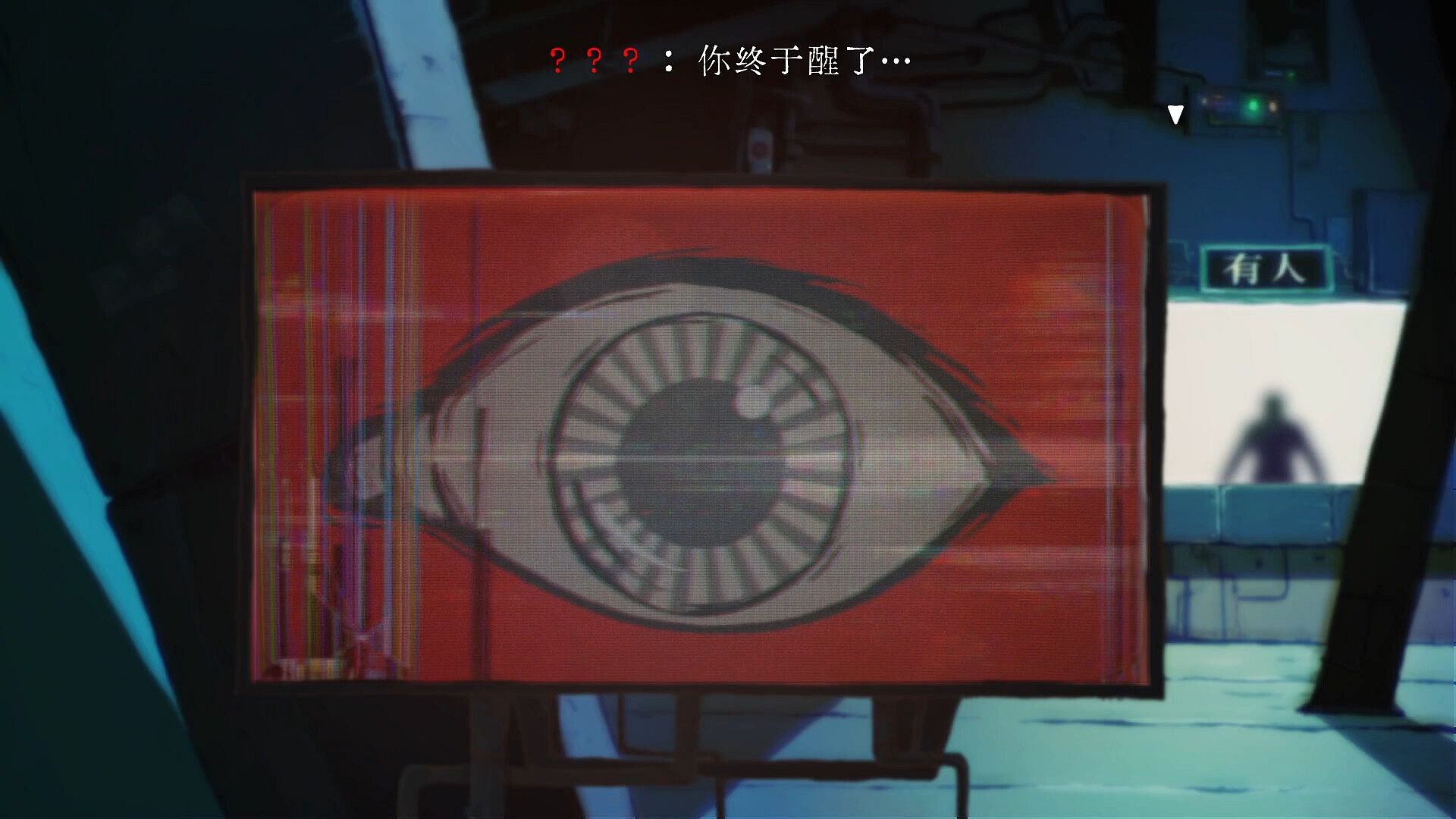
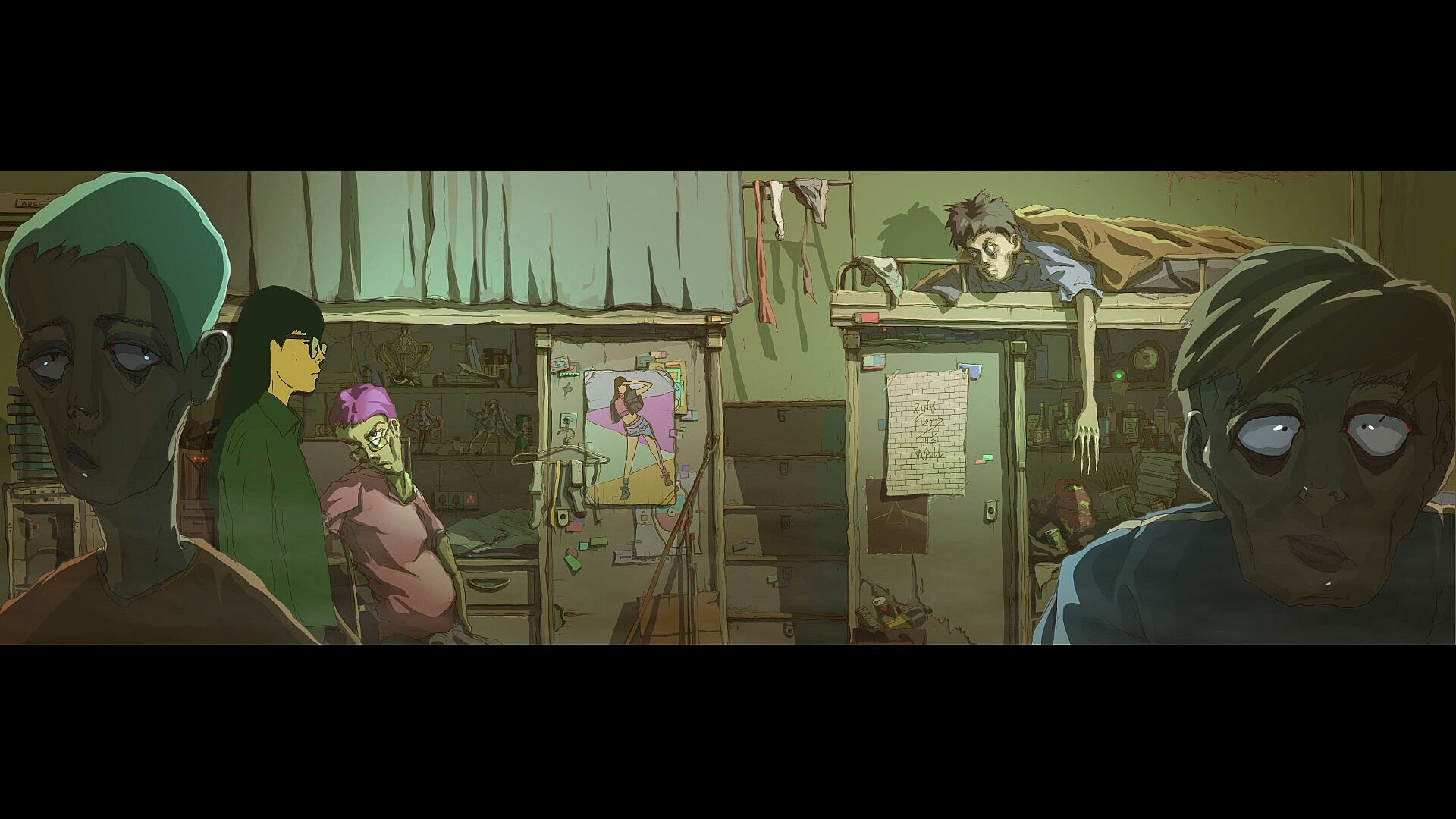
The fictional Qingjiang City serves as more than a backdrop, functioning as an active participant in the mystery. Its polished surface of technology summits and civic events masks deeper issues of corruption and social decay that surface during the investigation. K-Wa'er moves through dormitories, streets, and public spaces where each new disappearance or murder adds urgency. The plot draws from the game's title, taken from a Lou Reed poetry collection, and incorporates subtle thematic echoes of identity and self-perception amid the unfolding events. Background elements like the mayoral election provide context for the societal pressures influencing the crimes, while the university setting grounds the personal loss of the missing brother in a tangible location.
Art Style
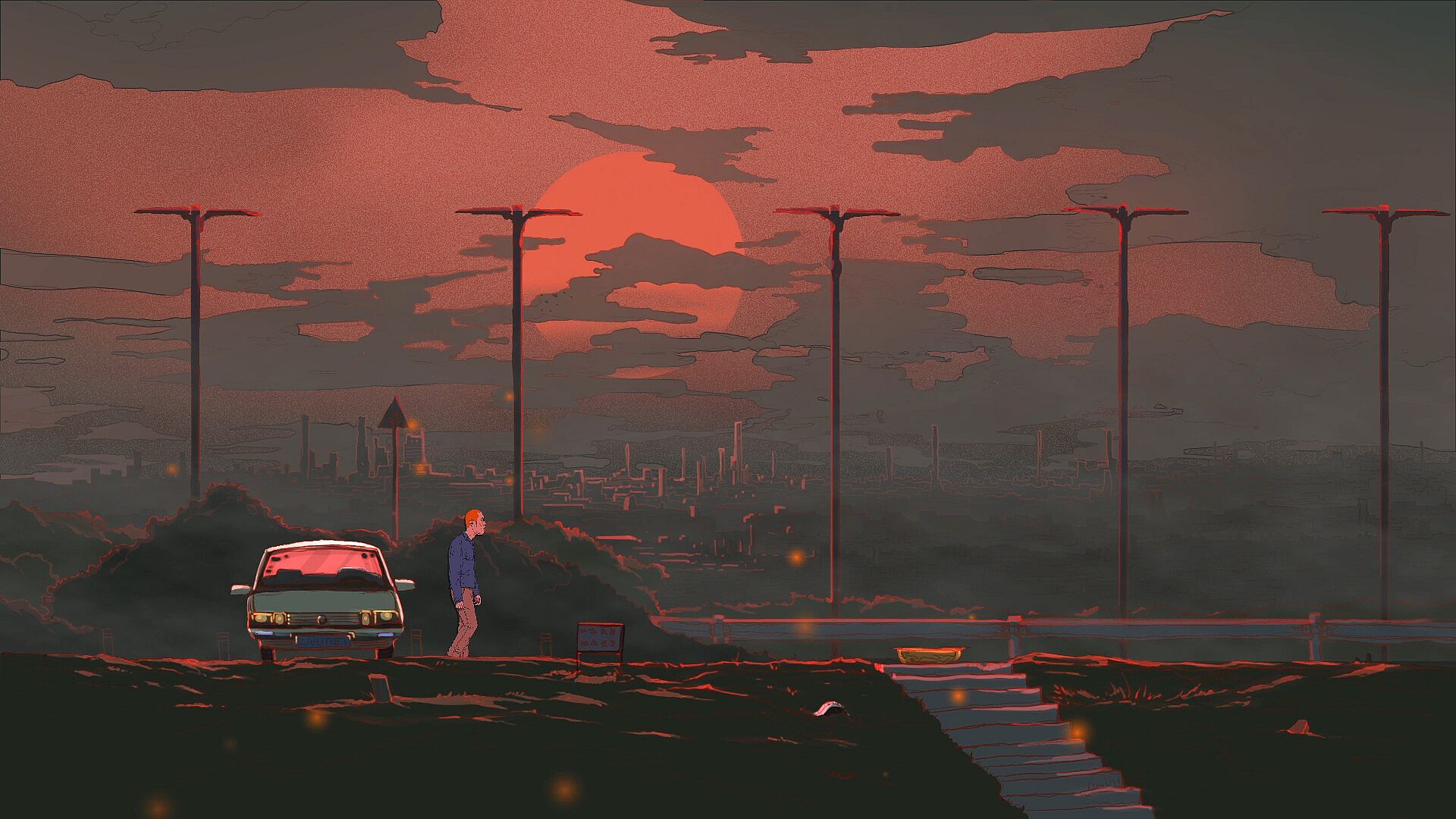
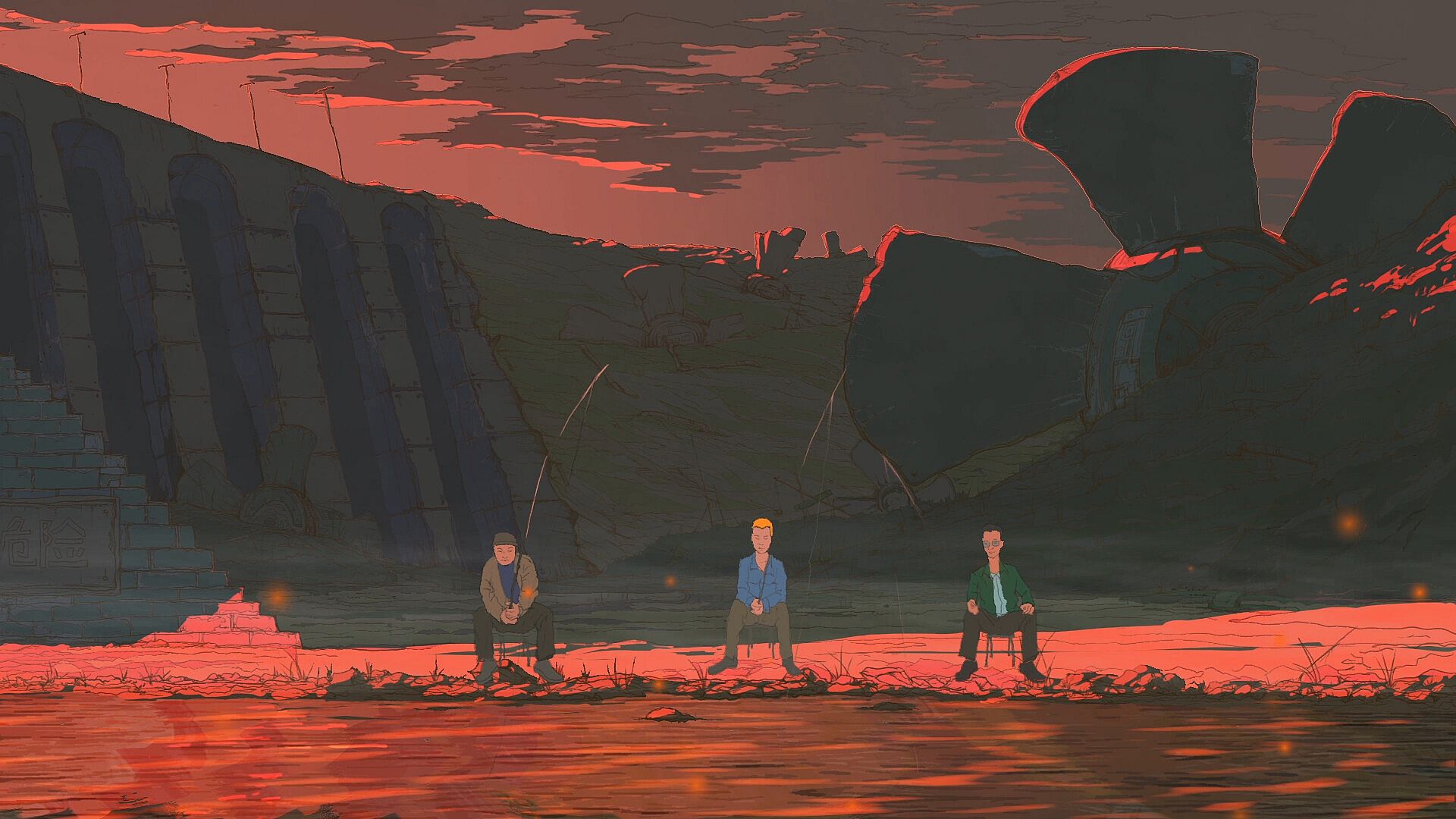
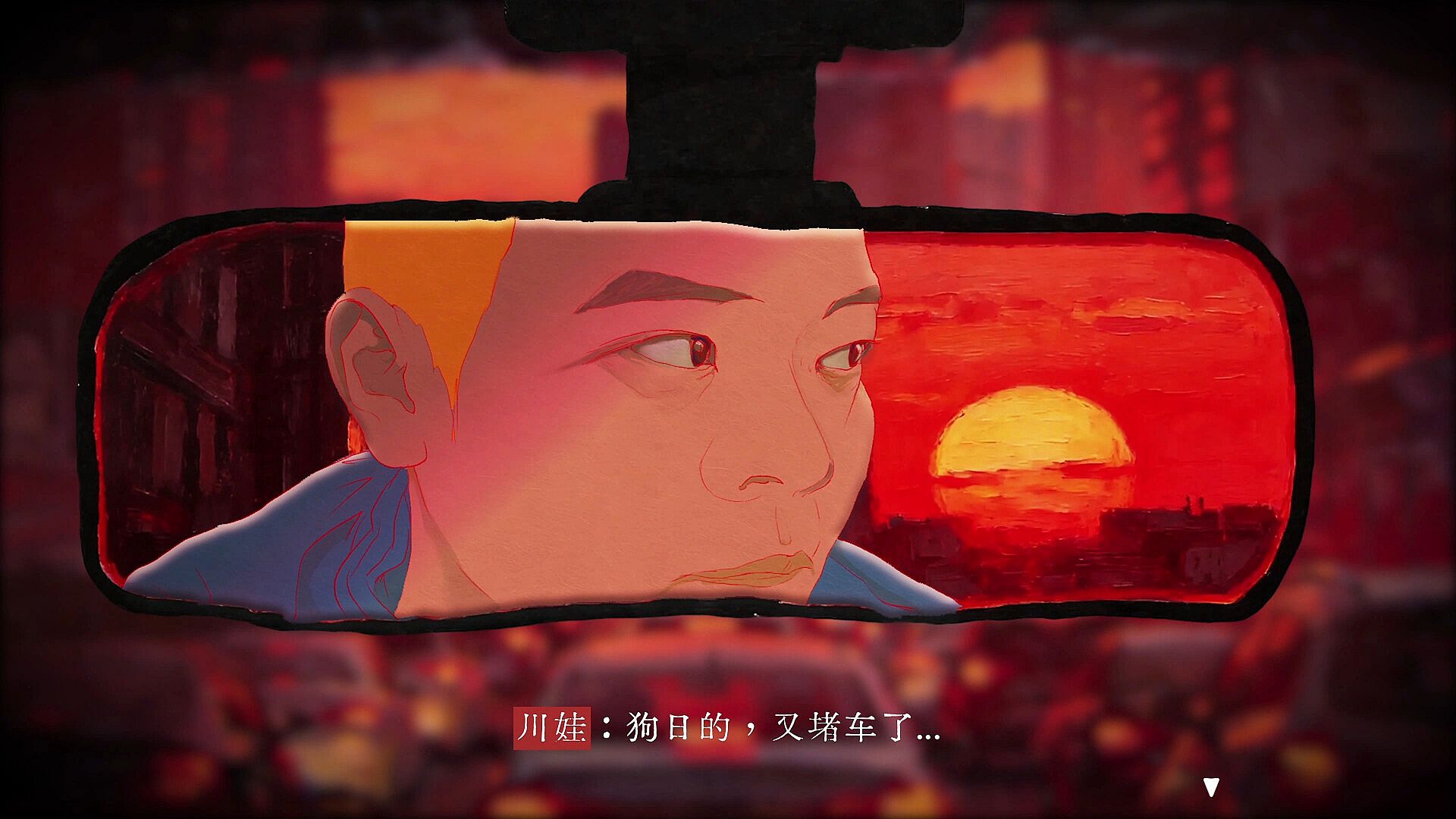
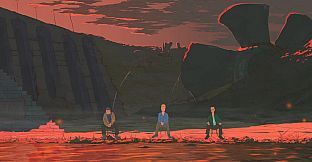
Visuals rely on traditional hand-drawing techniques rather than digital generation for the majority of scenes. The approach captures fragmented urban impressions through the developer's direct observation, resulting in environments that feel both specific to Qingjiang and untethered from any single real-world time period. This style supports the narrative's themes of fractured realities and hidden truths, presenting city fragments that appear distant yet familiar. A small portion of background music incorporates generative AI, and limited visual refinements used similar tools, though the primary artwork remains hand-crafted to maintain an intimate, hand-drawn quality throughout the investigation sequences.
Is It Worth Playing?
Pass Thru Fire targets players who enjoy deliberate, story-focused indie RPGs centered on investigation and deduction rather than action or expansive systems. Its single-player structure and emphasis on narrative mystery make it suitable for those seeking a contained experience built around character-driven inquiry in a corrupt urban setting. The hand-drawn art and puzzle integration provide a distinct presentation that aligns with the game's themes of memory and concealment. With a planned release in Q3 2027 and no reviews available yet, interest depends on preference for atmospheric, clue-based storytelling over fast-paced mechanics. The game stands as an independent title from Chinese developers, available on PC once launched, and appeals most to audiences drawn to personal-scale mysteries within layered city environments.