




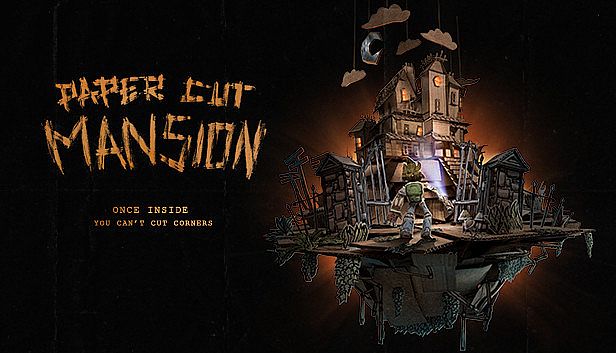









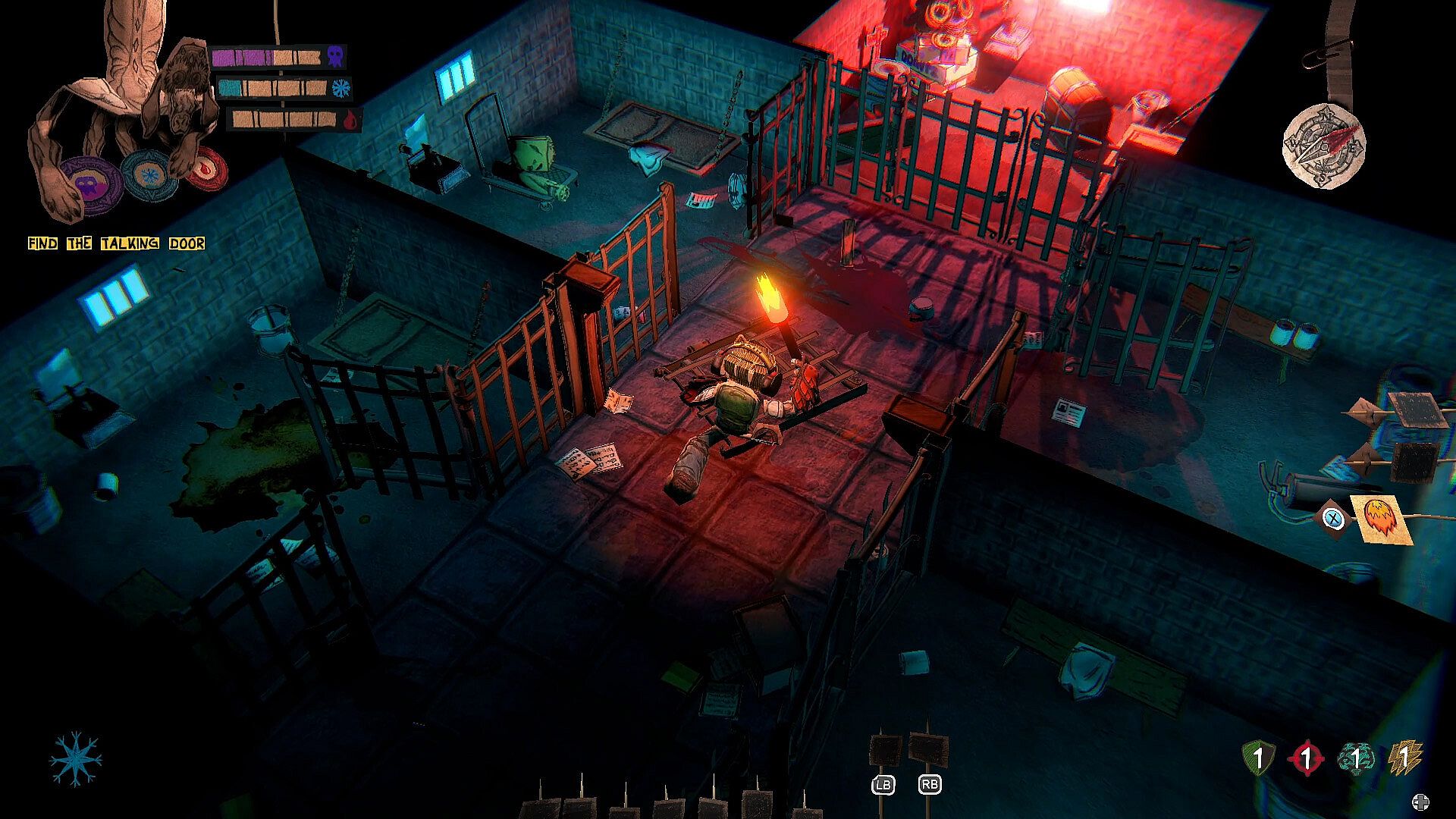
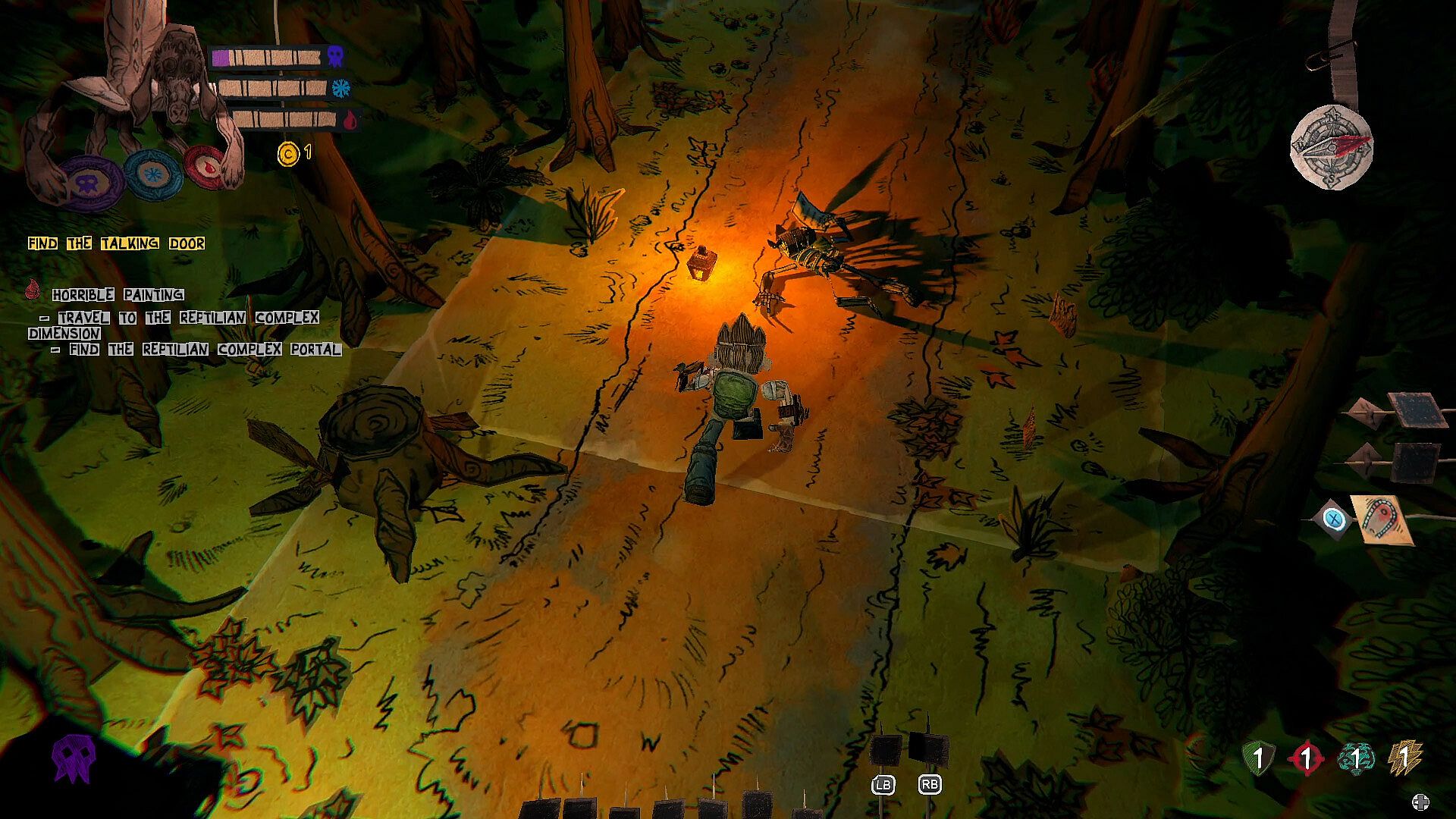
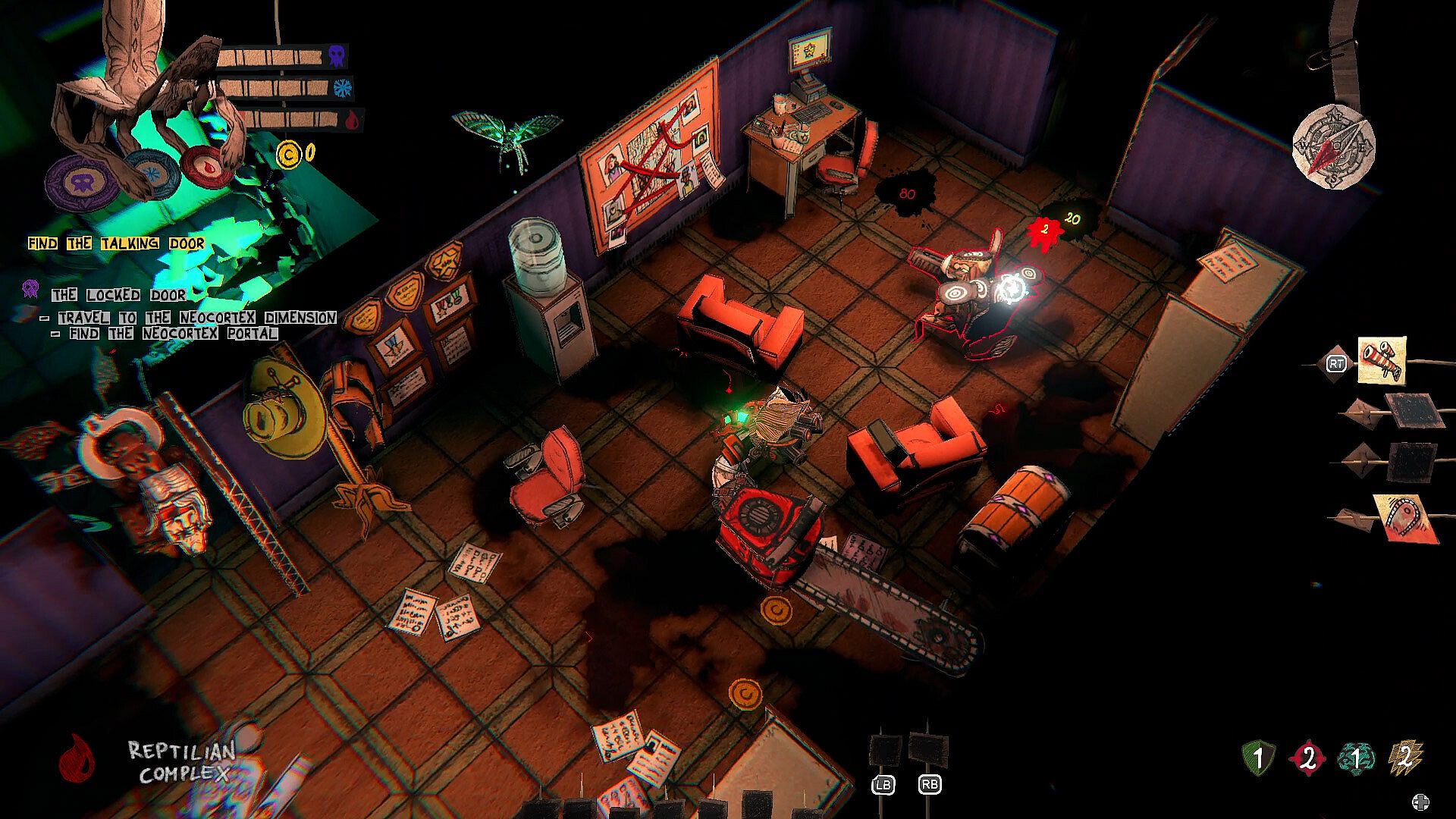
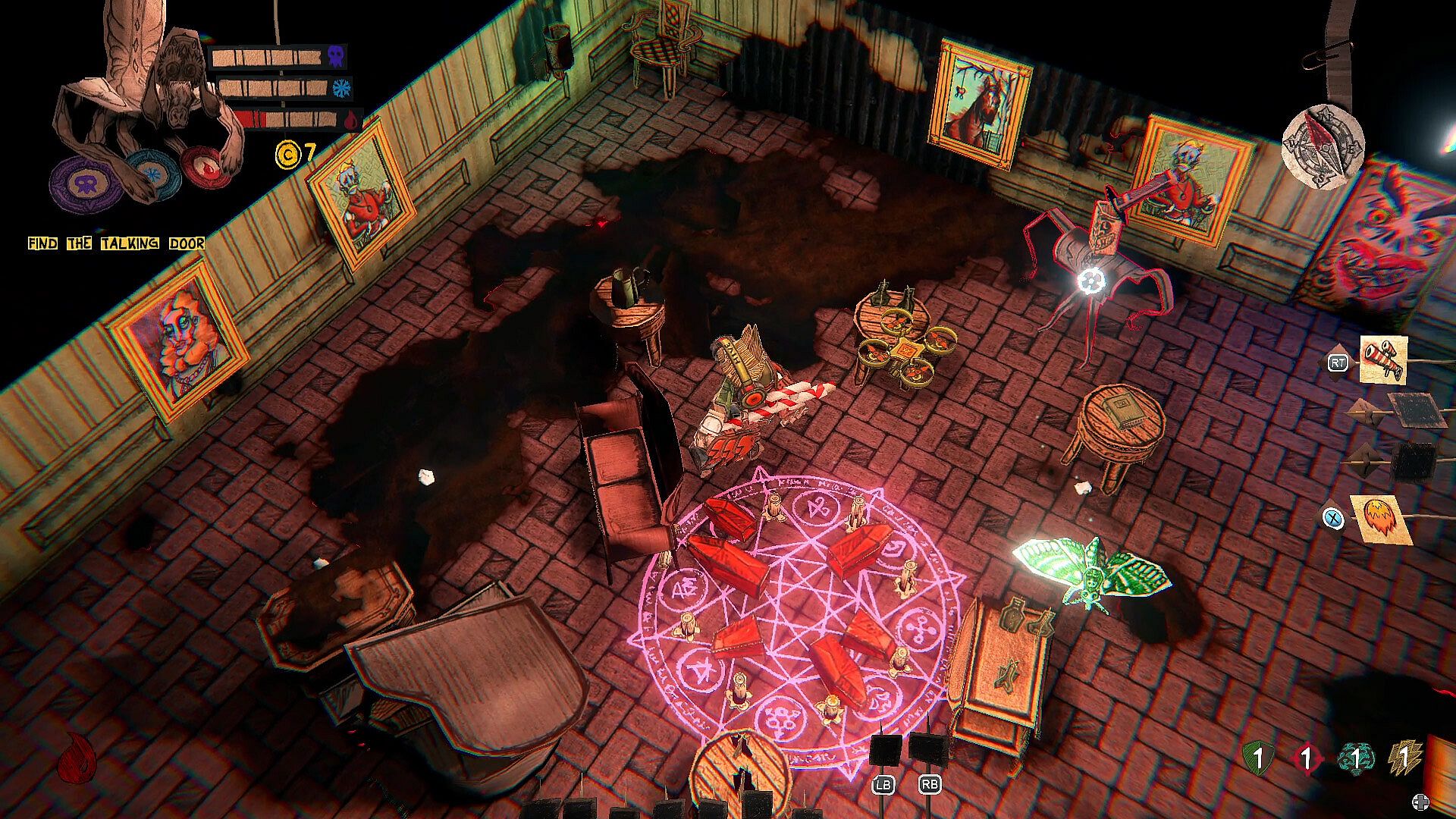
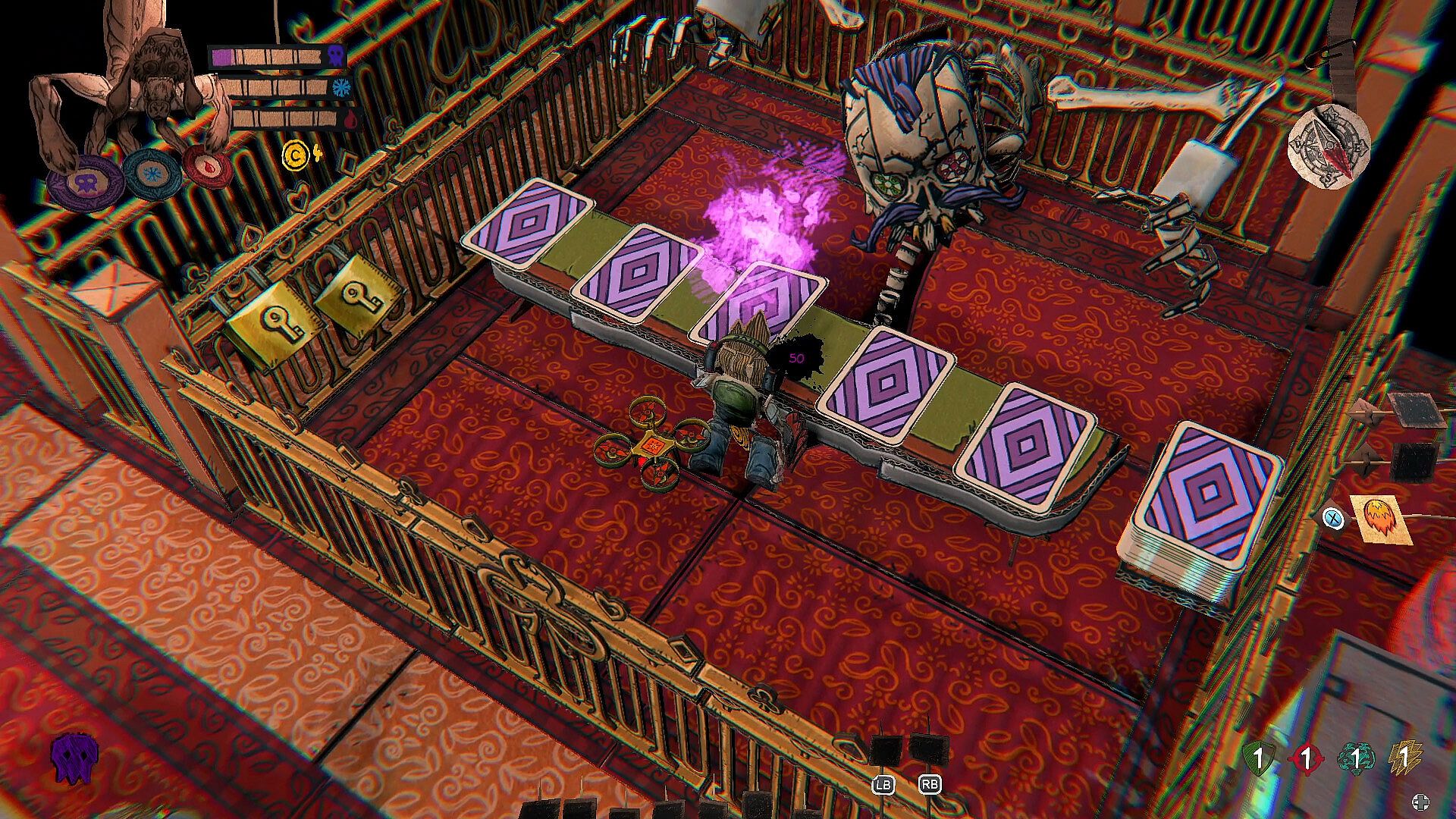
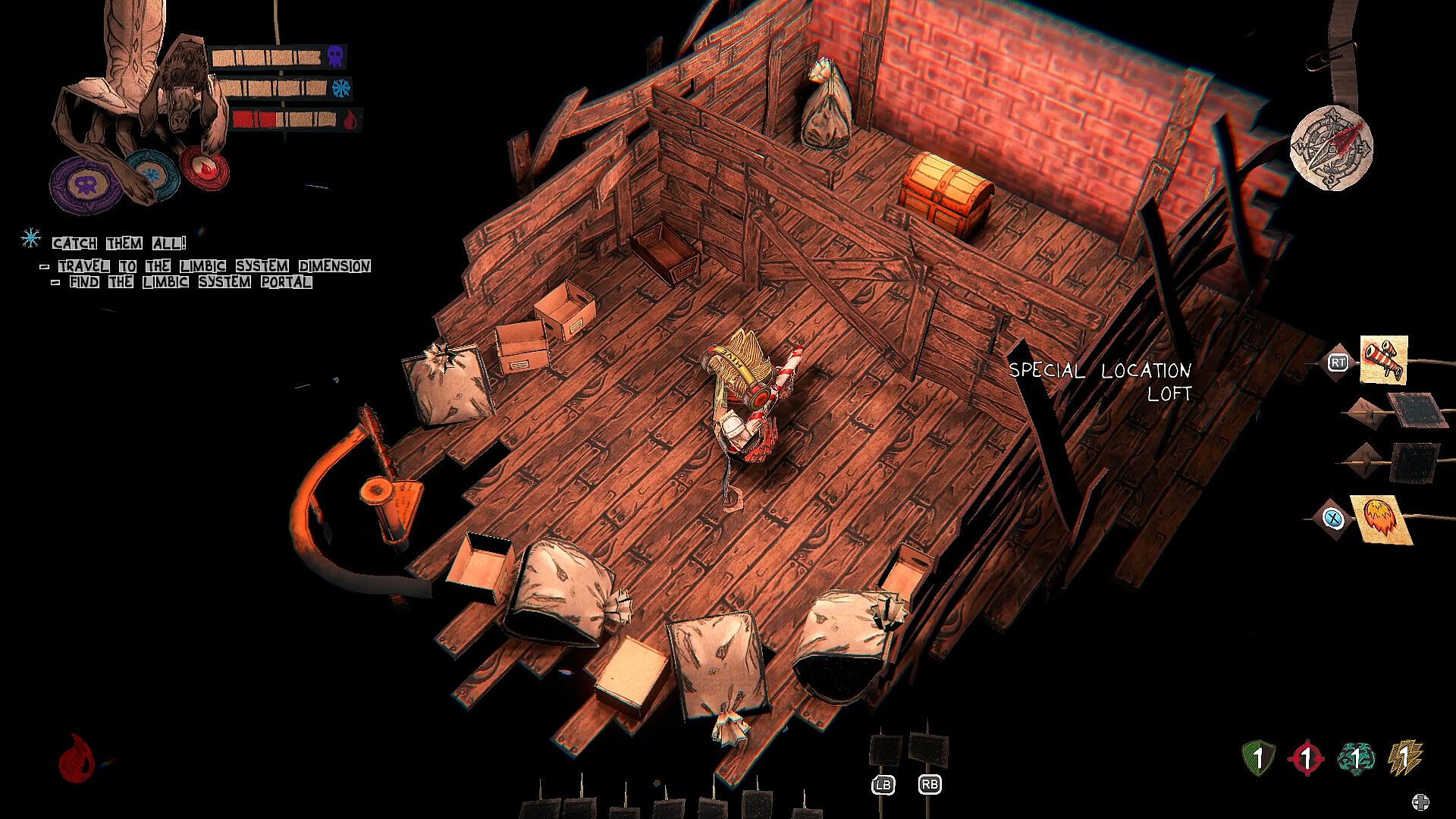
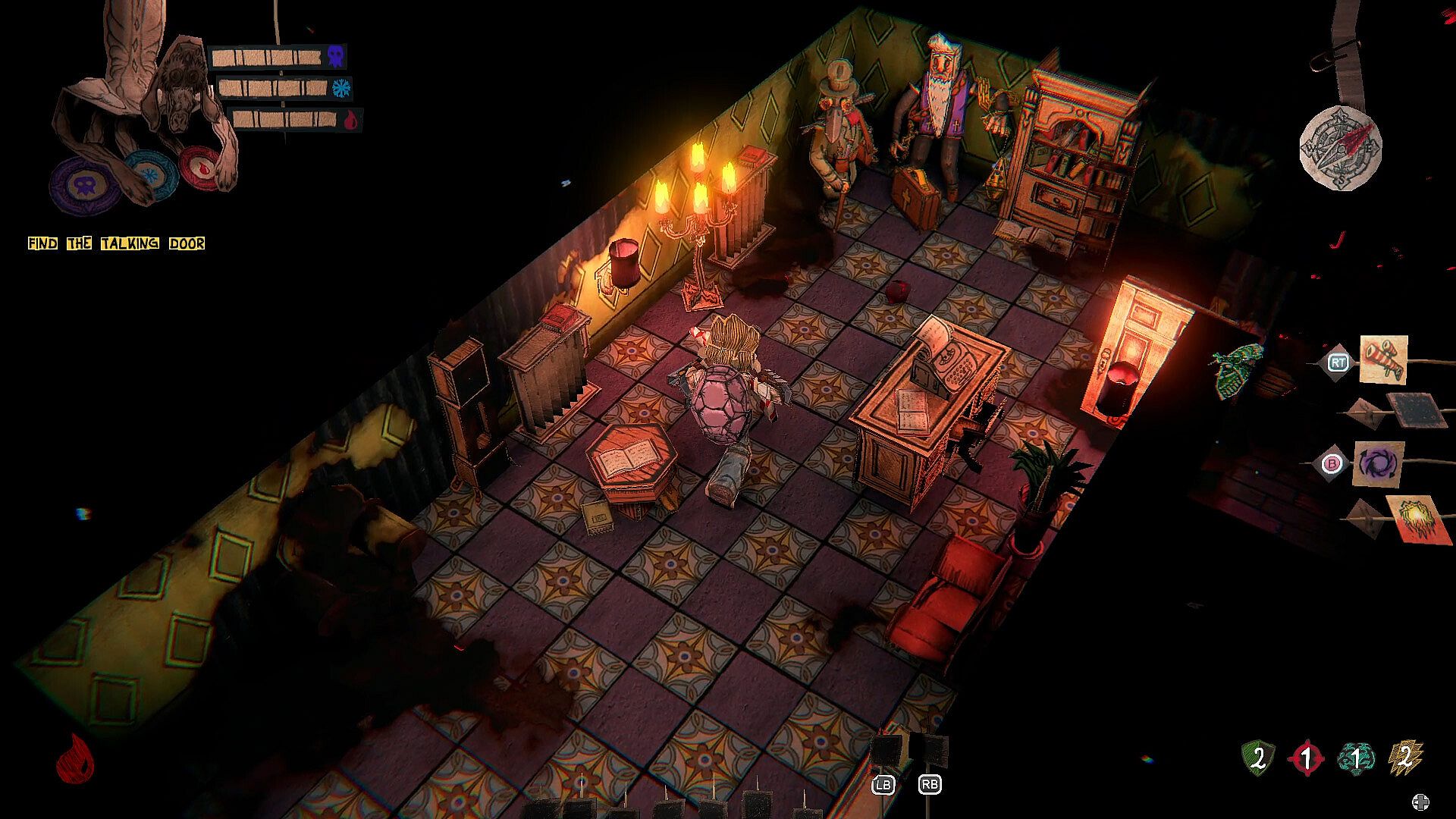
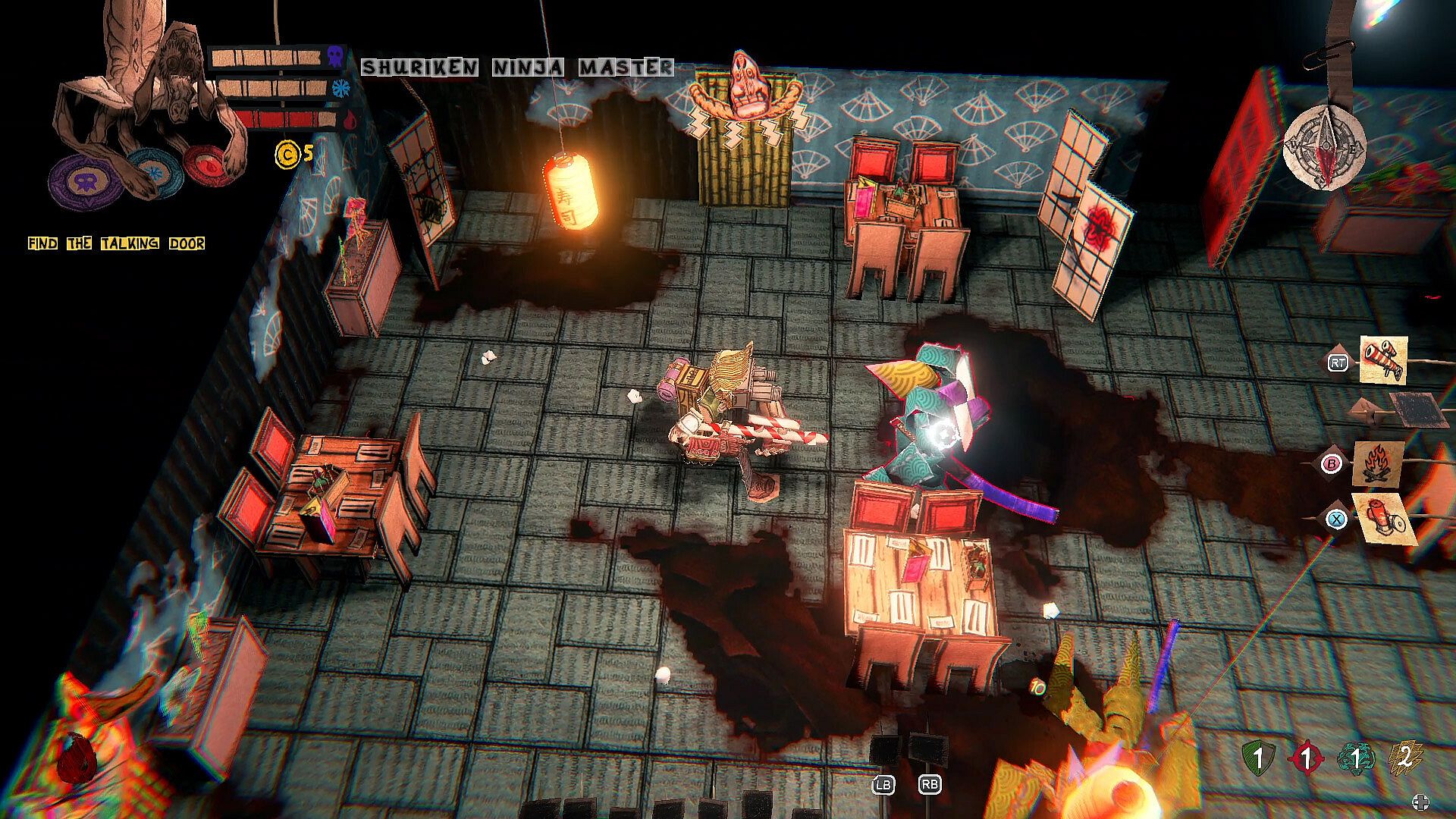
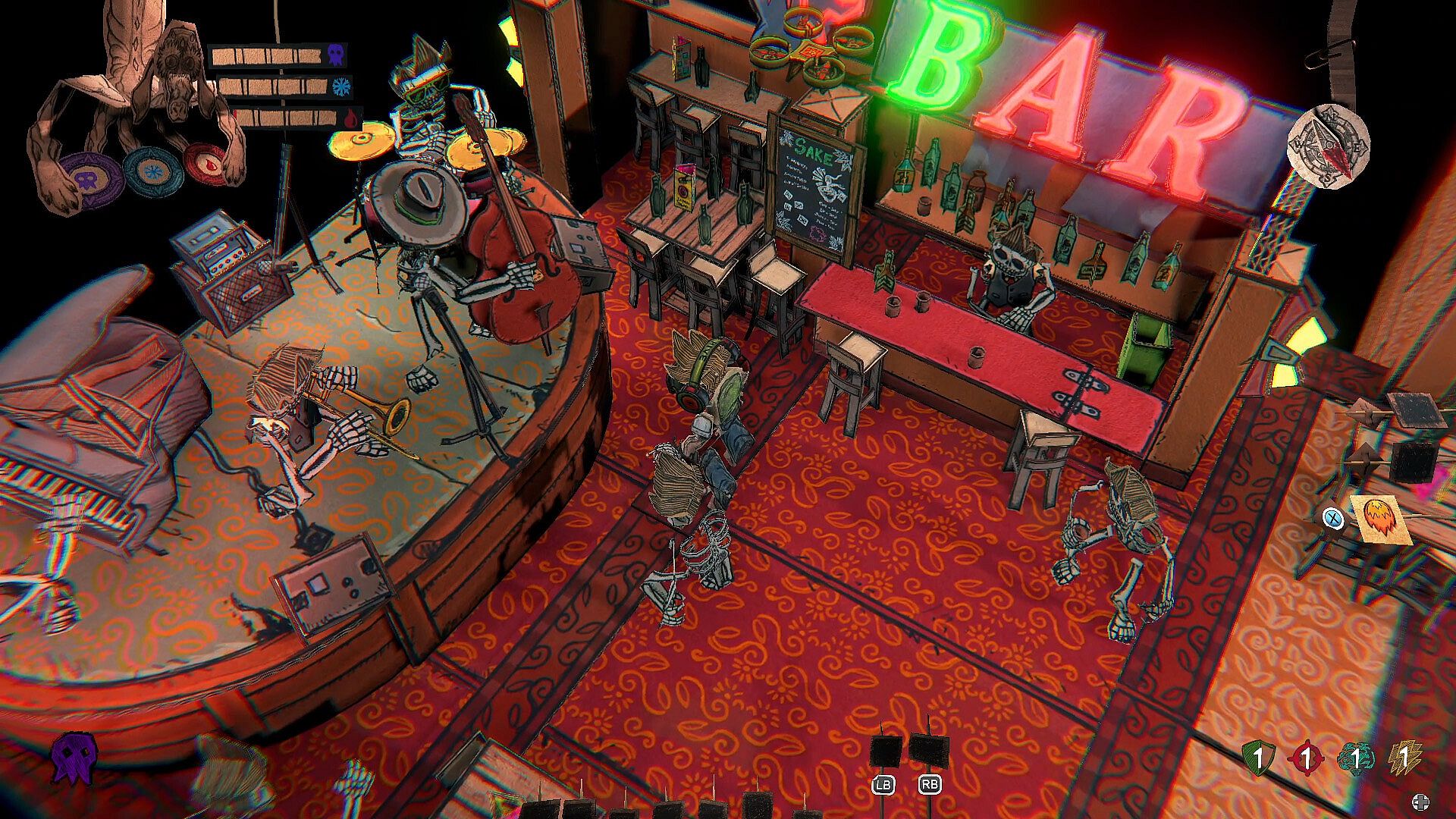
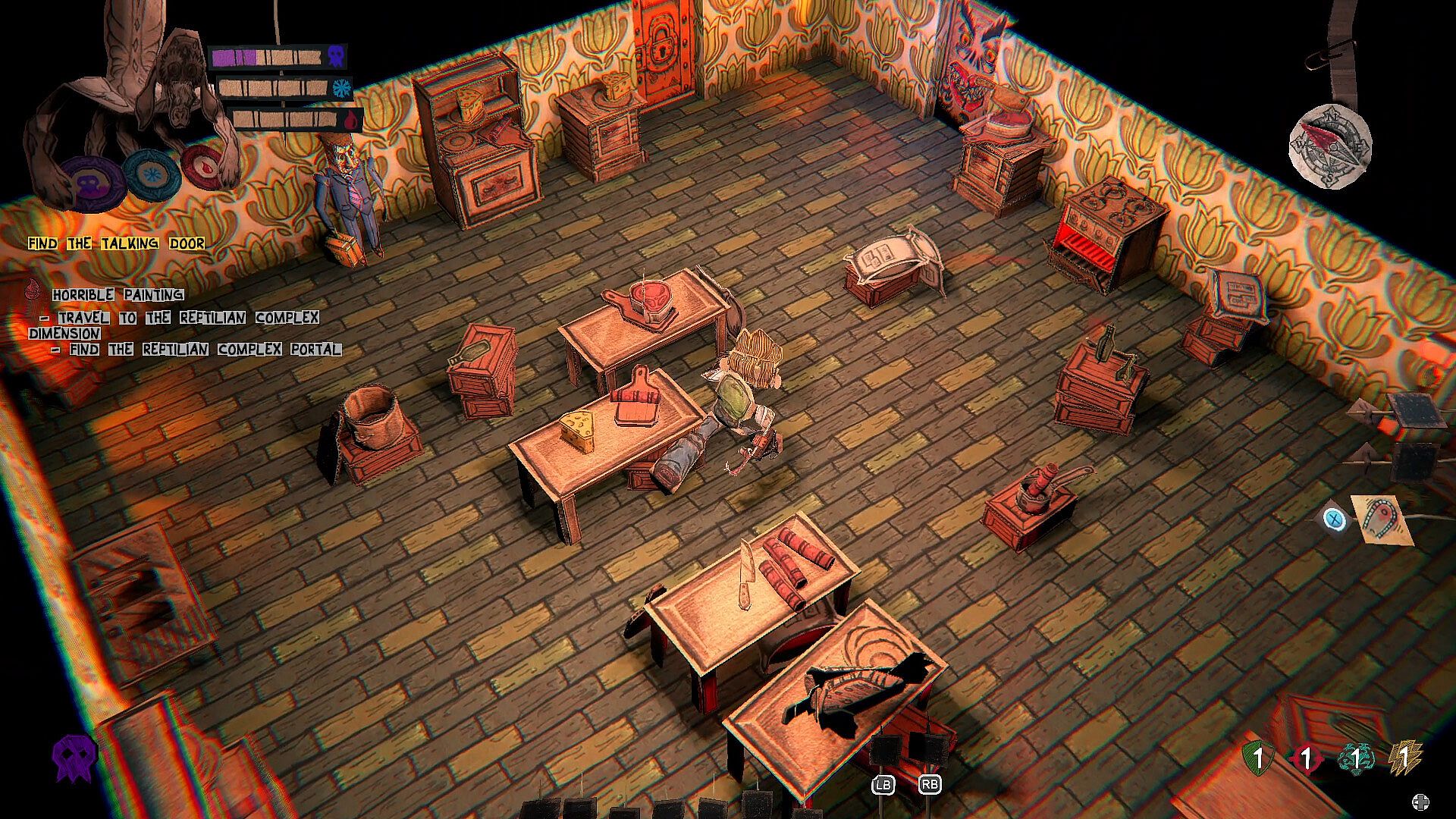
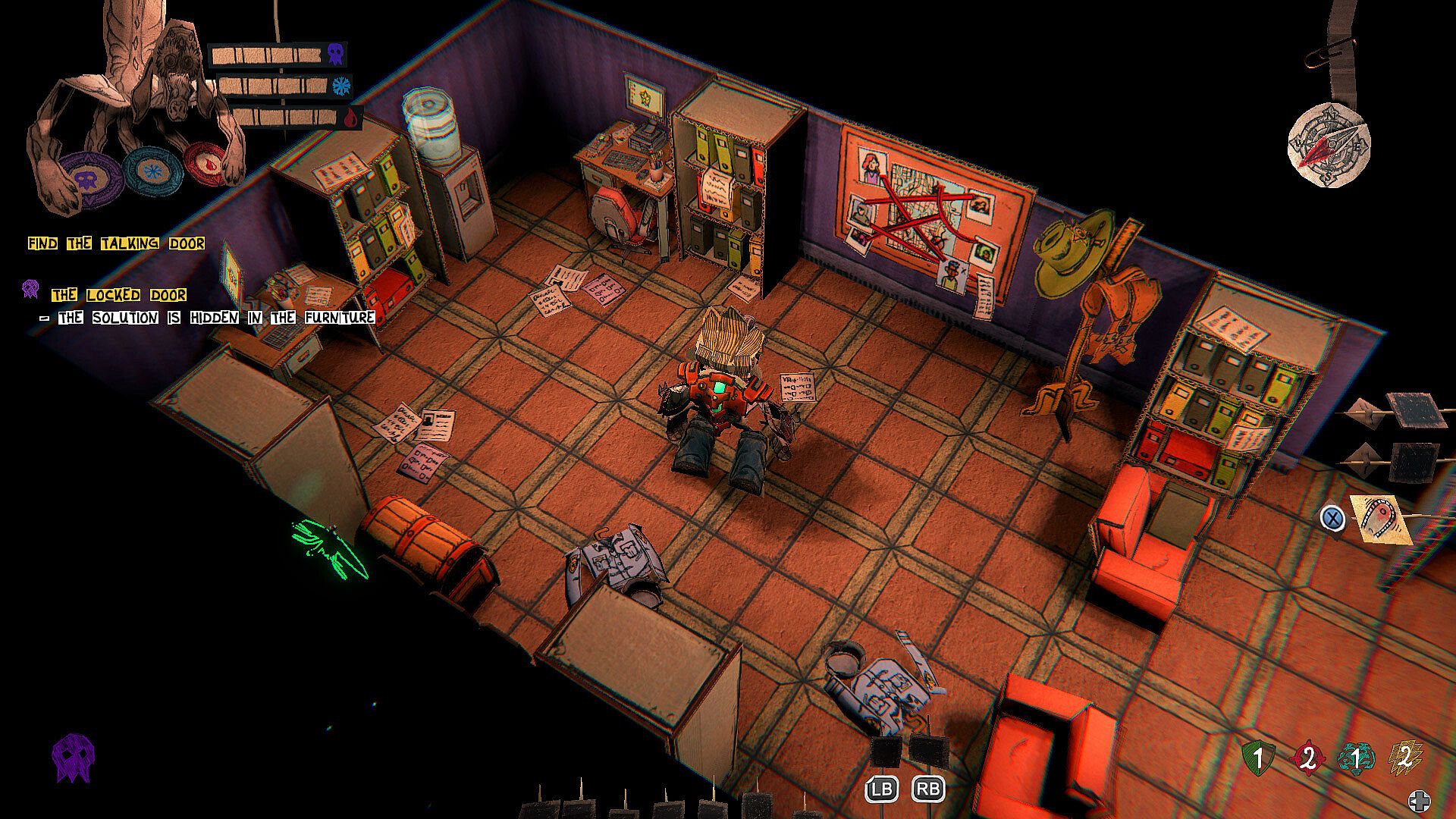
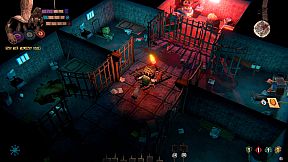
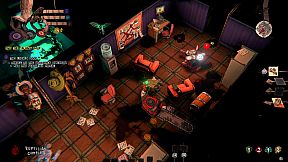
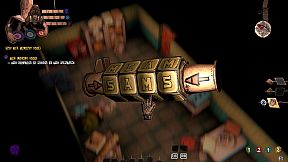
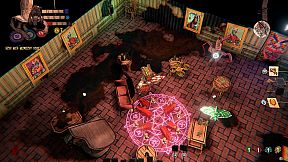
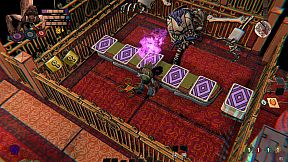
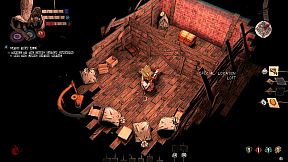
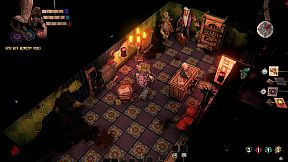
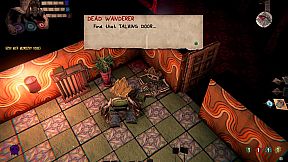
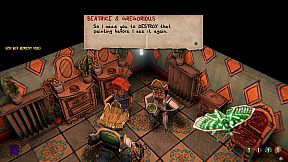
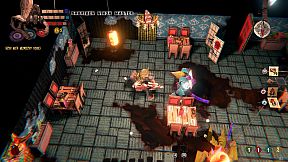
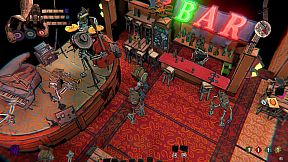
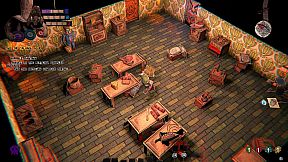
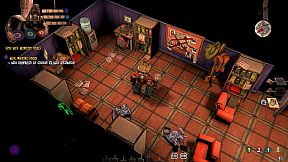
Paper Cut Mansion is a roguelite horror adventure game set in a distinctive papercraft world. Players take on the role of Toby, a police detective who enters a mysterious old mansion to investigate its secrets. The experience centers on repeated runs through procedurally generated floors, where each attempt reveals new clues that build an evidence board and advance an overarching narrative with multiple possible conclusions.
Gameplay
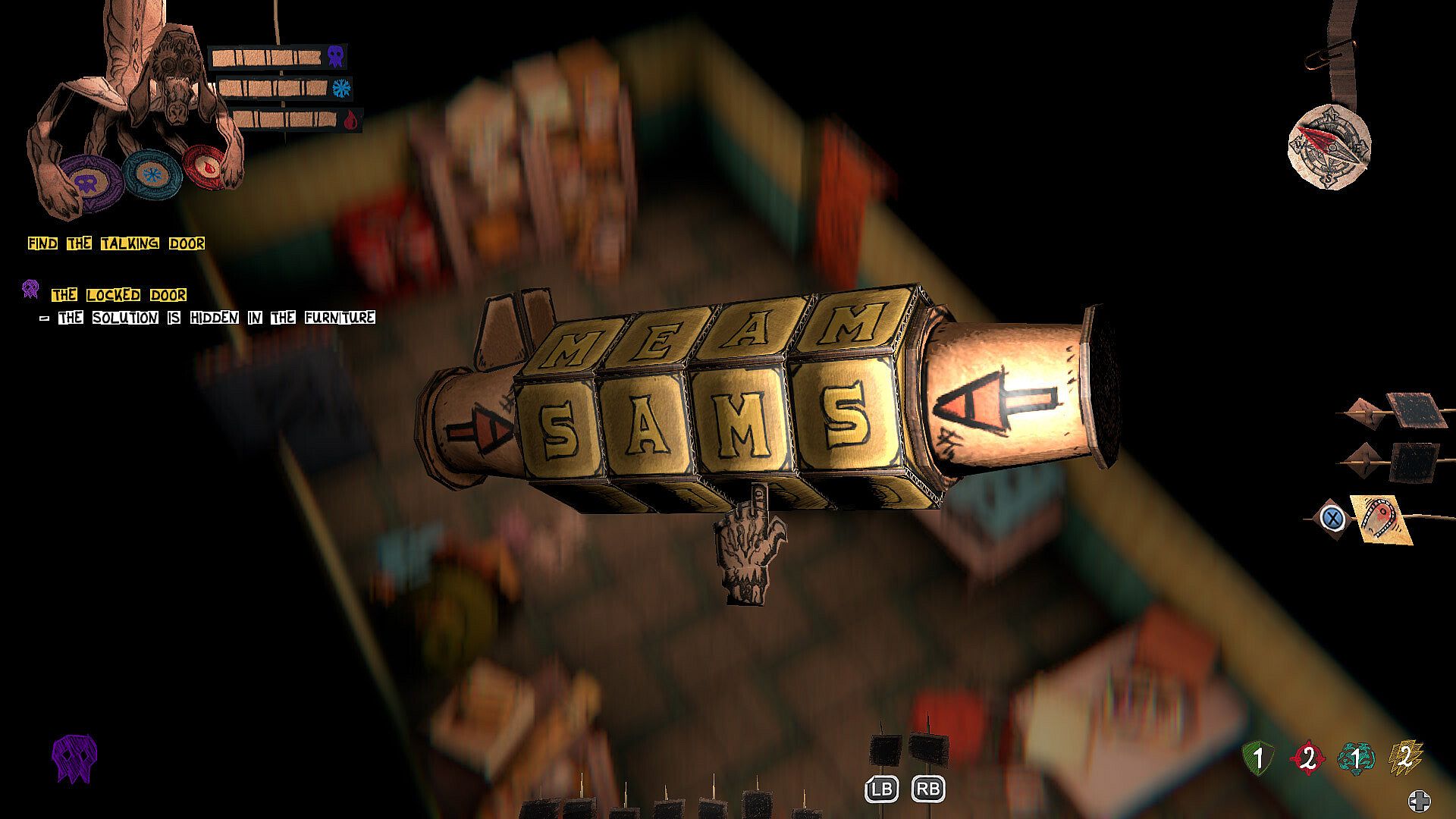
The core loop involves exploring the mansion floor by floor while managing permadeath. Each run ends upon failure, but accumulated knowledge about enemy patterns and room layouts carries forward. Unique AI behaviors for different enemy types create unpredictable threats that demand adaptation. Logical puzzles appear throughout the environment and require careful observation rather than trial and error alone.
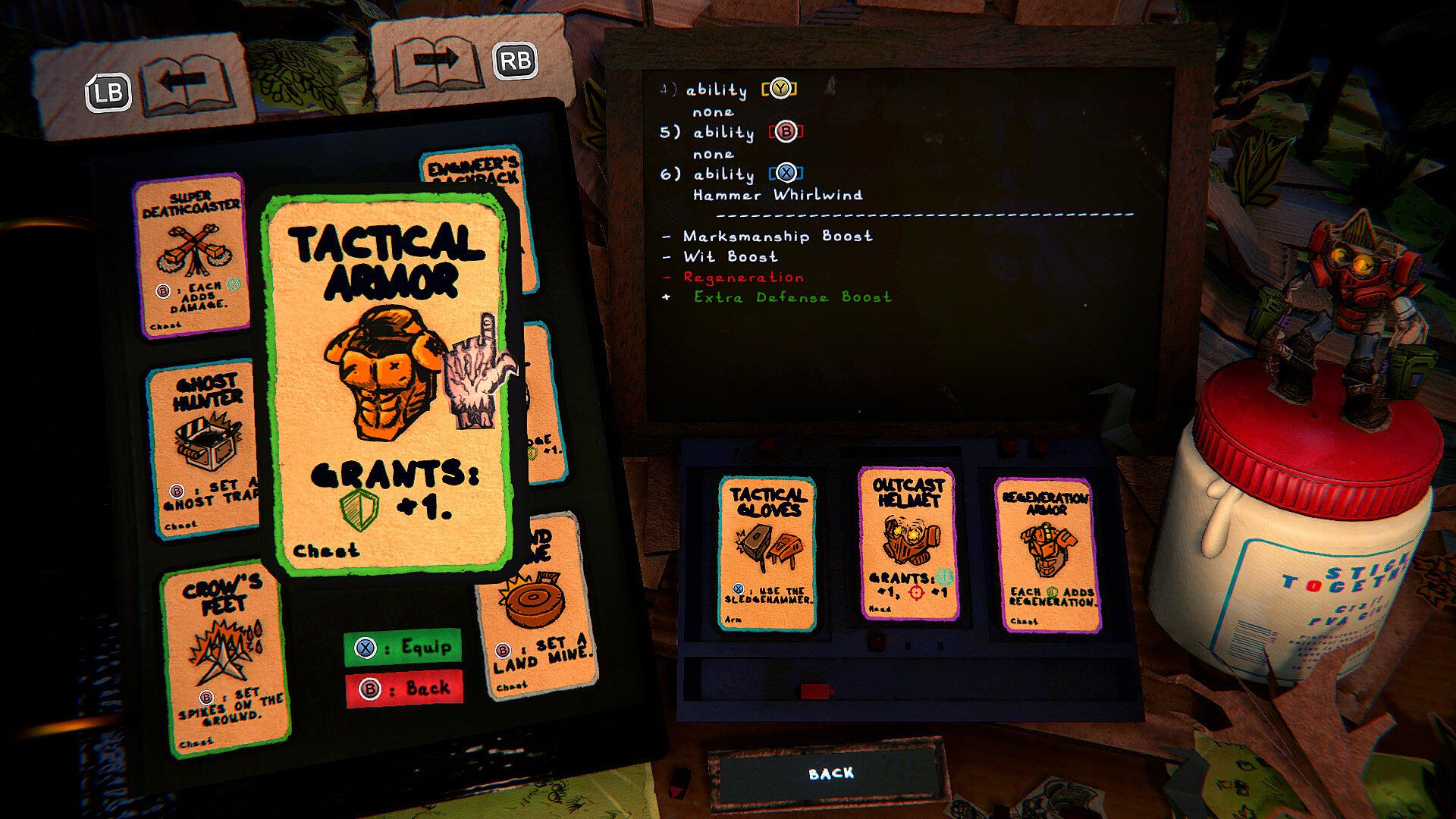
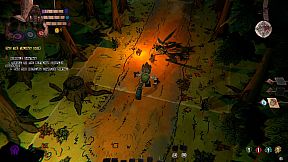
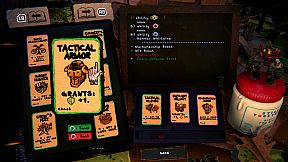
Before each attempt, players customize equipment and abilities to suit preferred approaches. Options include close-range melee setups, ranged combat builds, drone-assisted fighting, or engineering configurations that emphasize traps and turrets. Quests completed during runs grant temporary perks that vary between attempts, encouraging experimentation with different loadouts. The mansion features dimension-hopping portals that alter both visuals and rules. The starting NeoCortex dimension emphasizes escape-room style challenges and puzzles. Portals then lead to the Reptilian Complex, where fiery aesthetics and aggressive monsters dominate combat encounters, or the Limbic System, an icy environment that requires staying near heat sources to avoid damage while hunting for items.
Collectible upgrades and new equipment unlock progressively, allowing deeper customization across multiple playthroughs. Secrets, loot, and clues remain scattered to reward thorough exploration even on repeated visits to similar rooms.
Game Modes
Paper Cut Mansion operates as a single-player roguelite experience without separate multiplayer or competitive modes. All progress occurs through successive runs that combine exploration, combat, and puzzle-solving. The procedural generation ensures no two attempts play identically, while the evidence board and story elements provide long-term structure across failures. Decisions made during runs influence later narrative branches, leading to different conclusions once sufficient evidence has been gathered.
Story and Progression
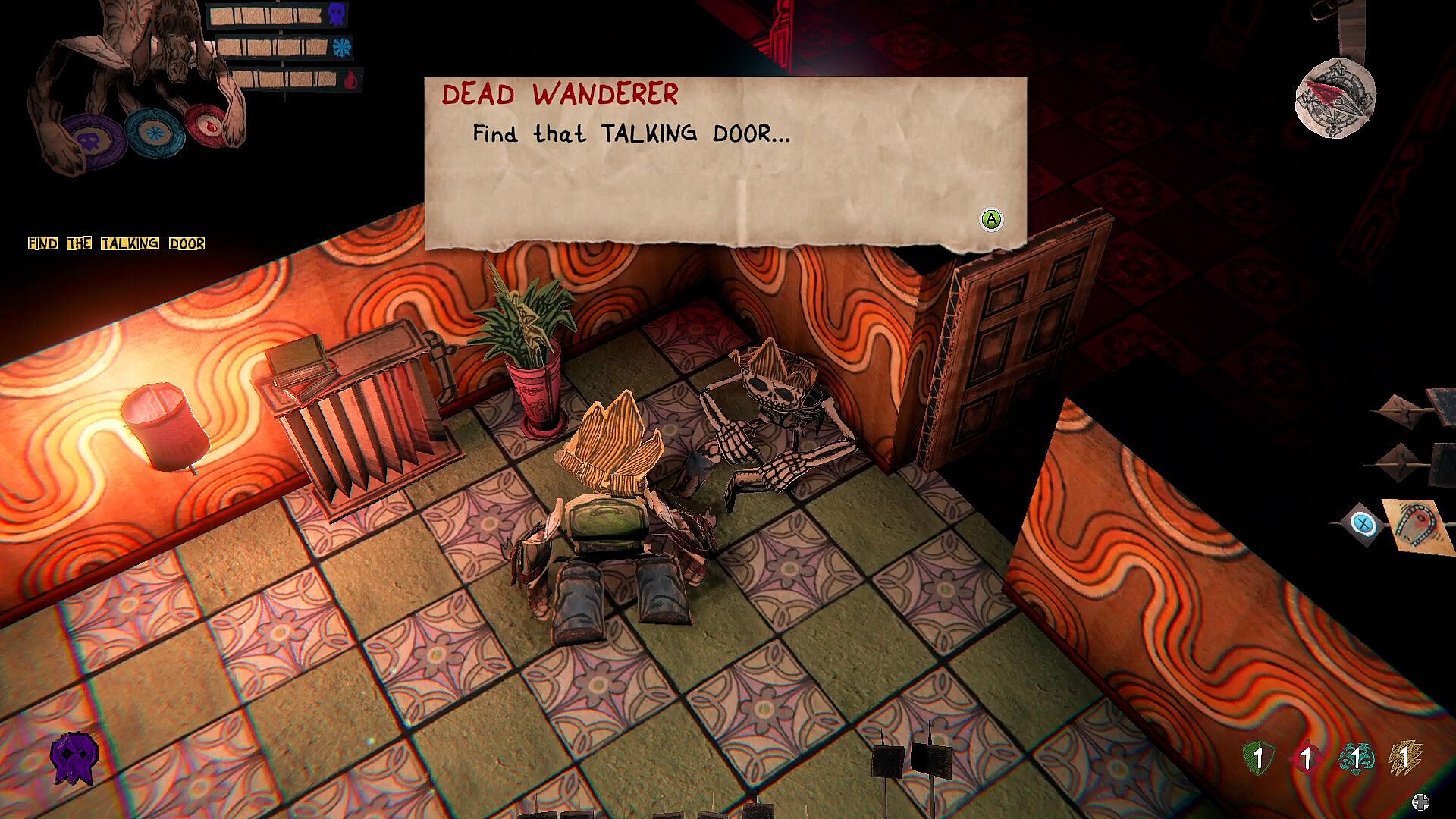
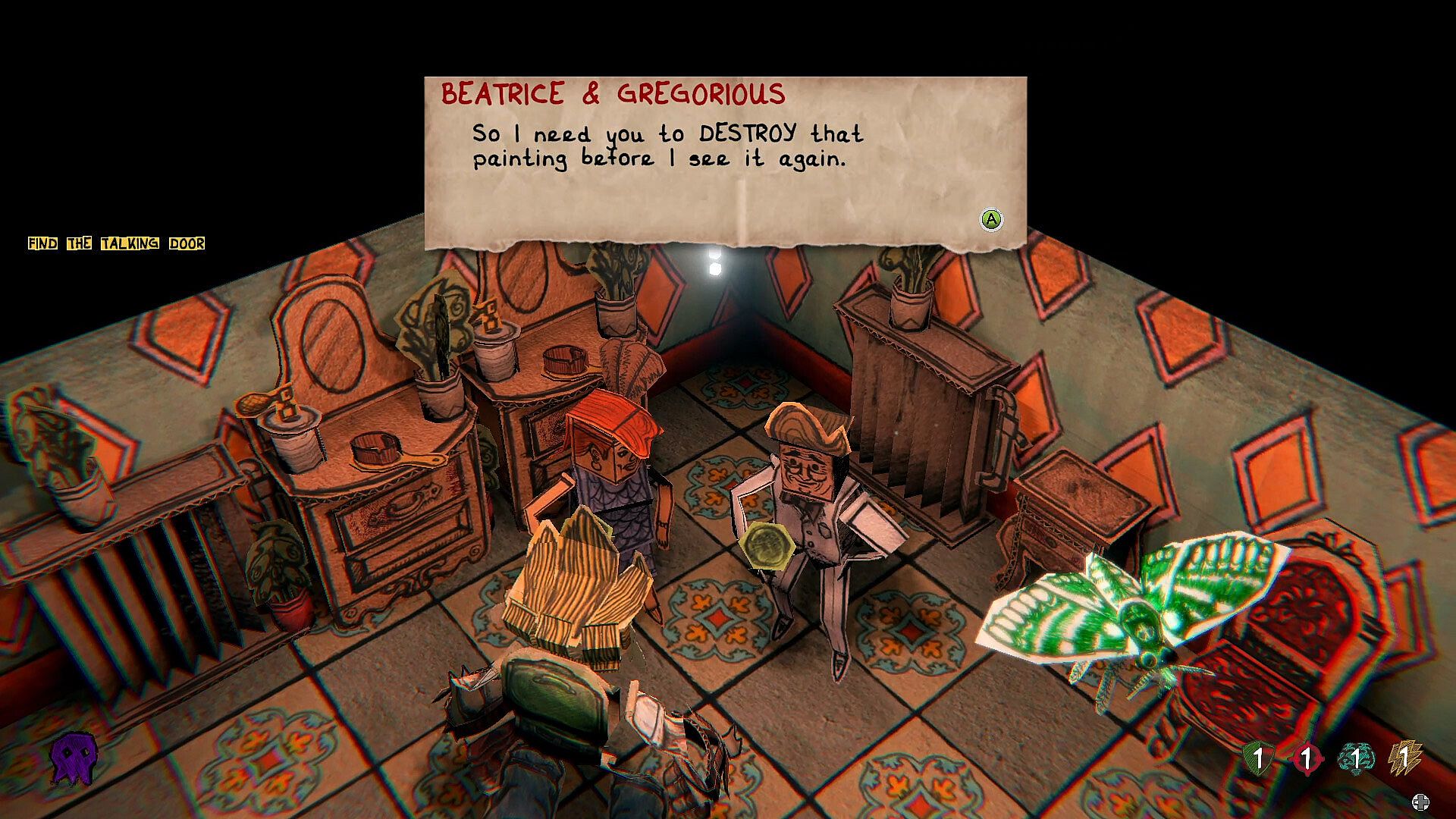
A creepy narrative unfolds gradually through musical interludes between floors and the evidence collected on the board. The mysterious characters encountered may assist or obstruct progress depending on the run. Twenty-seven distinct endings exist, determined by performance and choices made while navigating the shifting dimensions. This structure rewards persistence, as repeated attempts steadily reveal more of the mansion's background and the events that shaped it.
Is It Worth Playing?
Paper Cut Mansion suits players who enjoy roguelite structure combined with horror atmosphere, logical puzzles, and build experimentation in a single-player setting. Its papercraft aesthetic and dimension-based mechanics set it apart from standard entries in the genre. Reception highlights the visual style and replayability for those tolerant of repetition in procedural rooms, while noting that puzzle clarity and combat pacing can vary. The game remains available on PC for those seeking a compact, high-replayability indie title focused on discovery through repeated attempts rather than one continuous campaign. It delivers the most value to fans of thoughtful exploration and adaptive builds who appreciate the freedom to shape each run differently.














