


















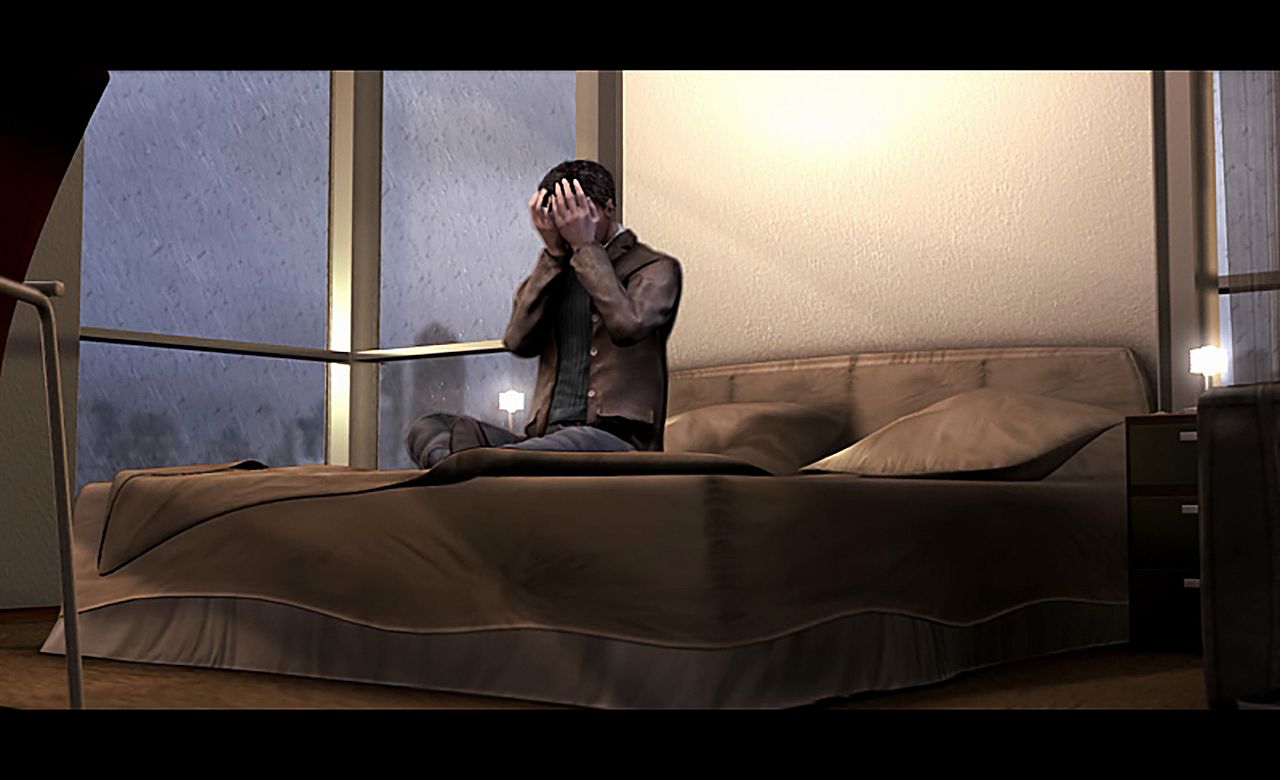
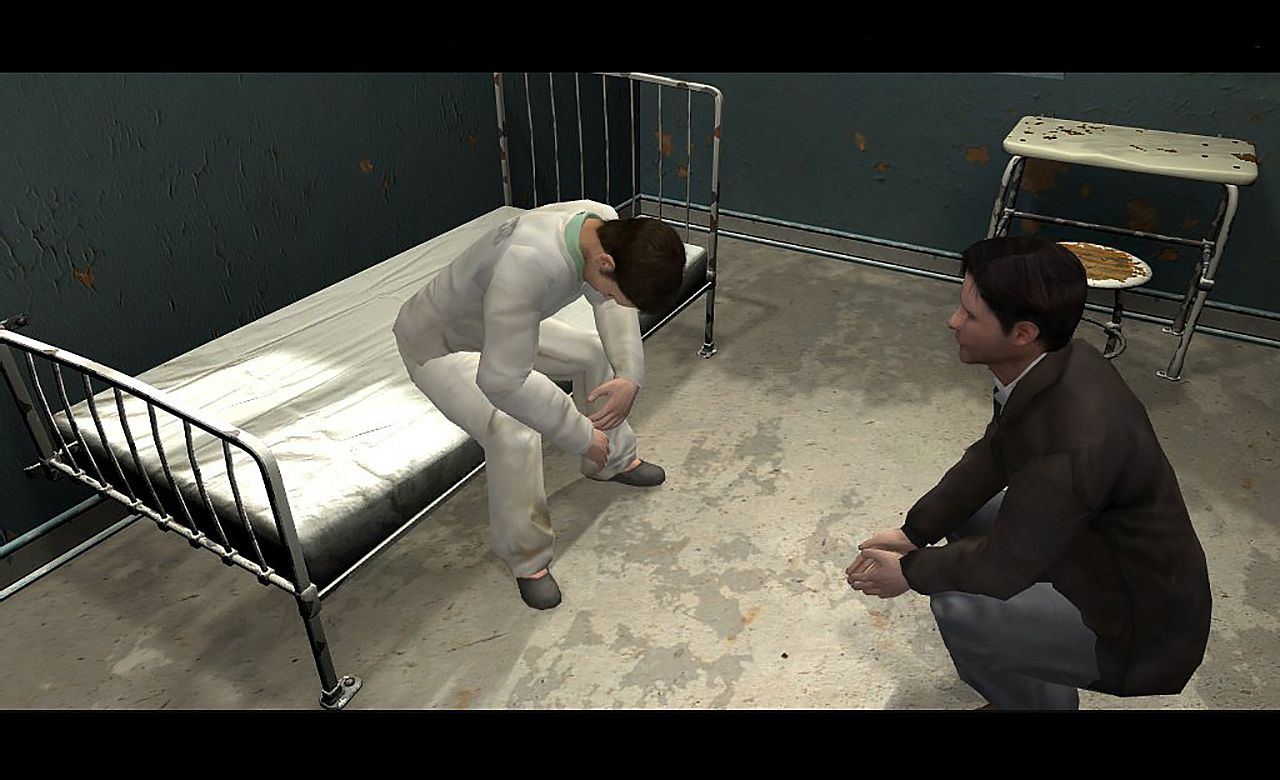
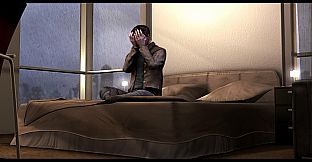
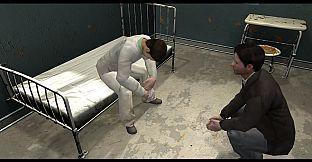
Overclocked: A History of Violence is an indie adventure game centered on psychological investigation and narrative exploration. Players take on the role of army psychiatrist David McNamara, who arrives at a forensic hospital during a severe thunderstorm to examine five young patients suffering from memory loss and trauma. The experience unfolds through perspective shifts among six characters, blending conversations, item interactions, and flashback sequences to uncover connections between violence, memory, and reality.
Gameplay
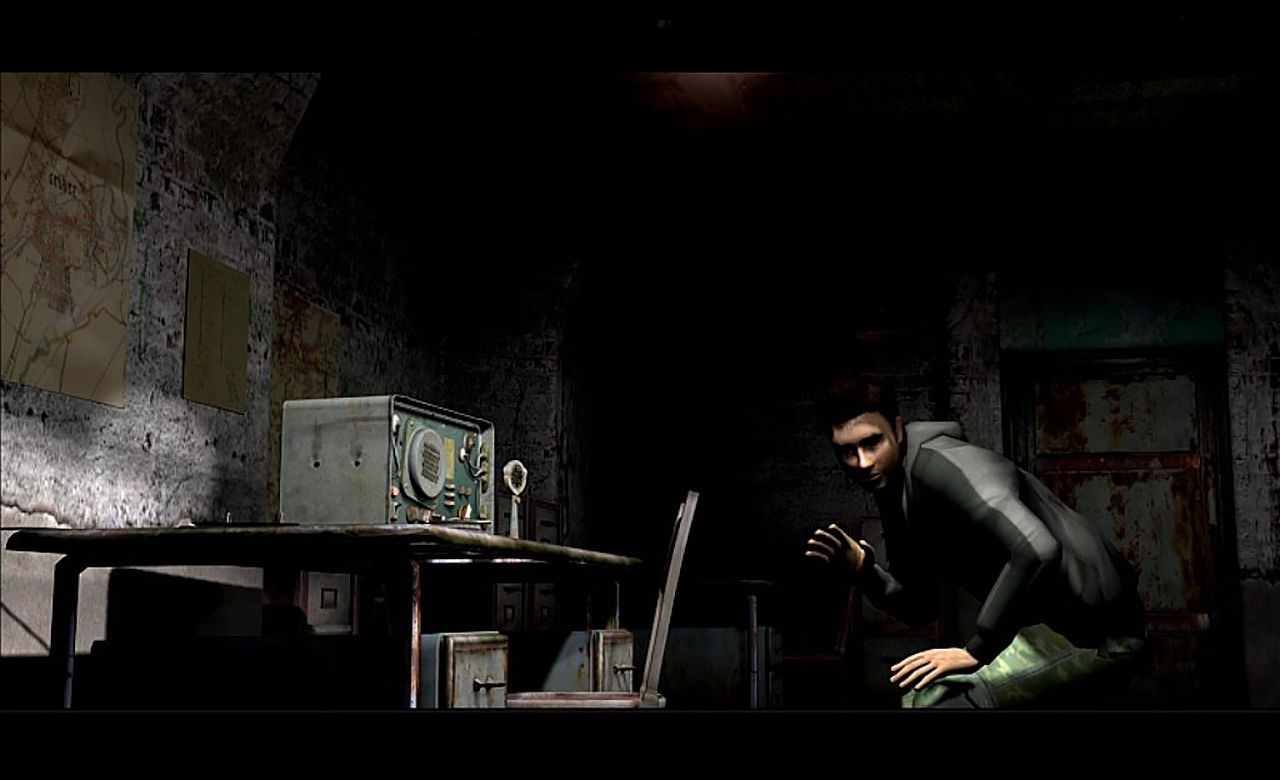
The core loop relies on traditional point-and-click mechanics adapted with an icon-based dialogue system. Players navigate pre-rendered locations by selecting hotspots that change the cursor to indicate actions such as examining objects, picking up items, or initiating conversations. Inventory management stays minimal, with only a few relevant objects available at once for solving environmental puzzles like combining items or operating mechanisms.
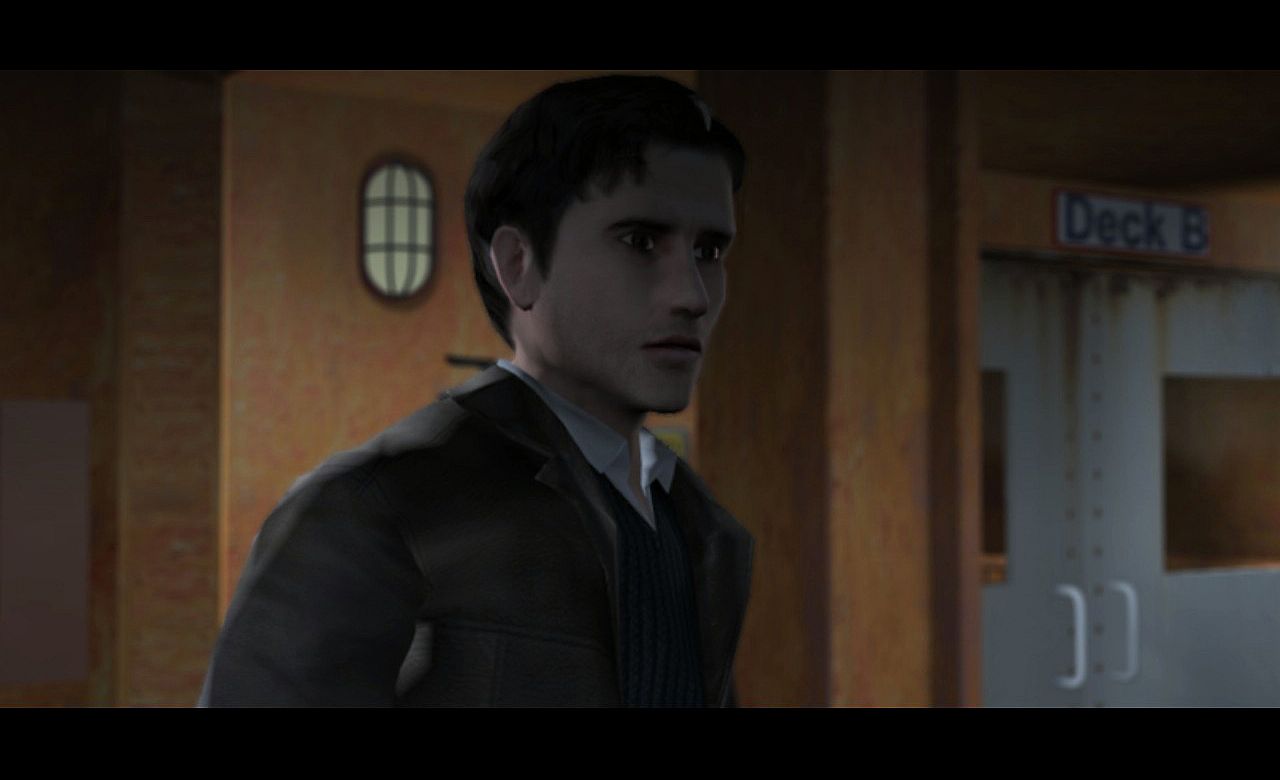
Flashback segments shift control to the patients, requiring navigation through their past events to trigger memories that advance the main investigation. These sections integrate subtle puzzles involving codes, tools, and logical deductions without overwhelming collection or trial-and-error elements. Dialogue choices influence session recordings that later play back to patients, creating a feedback loop between present consultations and past revelations. Fluid character animations and facial expressions support the interactions, while atmospheric effects like dynamic rain, lightning, and lighting enhance the hospital and urban settings.
Game Modes
The game operates exclusively in single-player mode with no multiplayer options or alternate play styles. Progression follows a linear story structure that alternates between the psychiatrist's present-day work and the patients' flashback sequences. All content centers on narrative delivery through exploration, dialogue, and puzzle resolution across the full campaign, with no separate difficulty settings, side activities, or replay branches beyond the core path.
Story and Characters
Narrative delivery emphasizes multiple viewpoints as players switch among the six characters to piece together events. The psychiatrist conducts analysis sessions that unlock patient memories, while the young individuals reveal their experiences through interactive flashbacks. Each character features distinct personalities that emerge during conversations and reactions, supported by a cast that includes hospital staff and external figures. The structure interweaves memories, illusions, and present actions to explore themes of violence without relying on traditional linear exposition.
Visuals and Technical Elements
Forty-five locations receive detailed pre-rendered backdrops with real-time particle effects for weather and lighting. Cinematic cut-scenes employ film-inspired camera work, and character models use Emotion FX 2 technology for realistic movement and expressions. The icon-based interface streamlines interactions while maintaining focus on the psychological elements rather than complex controls.
Is It Worth Playing?
Player reception on current distribution platforms stands at mostly positive, with 75 percent approval from over one hundred reviews. The title suits those interested in story-focused point-and-click adventures that prioritize character-driven investigation and atmospheric tension over action or open-ended freedom. Its 2008 release means it runs on modern systems with minimal updates, appealing to enthusiasts of classic psychological thrillers who value narrative depth and puzzle integration. Those seeking fast-paced mechanics or ongoing content support may find the experience dated, while fans of deliberate exploration and multi-perspective storytelling often appreciate its focused approach.