










orbit.industries is a strategy and simulation game focused on building and managing orbital stations in space. Players take on the role of a space pioneer tasked with constructing efficient facilities that orbit distant planets while balancing production, resources, and unexpected challenges.
Gameplay
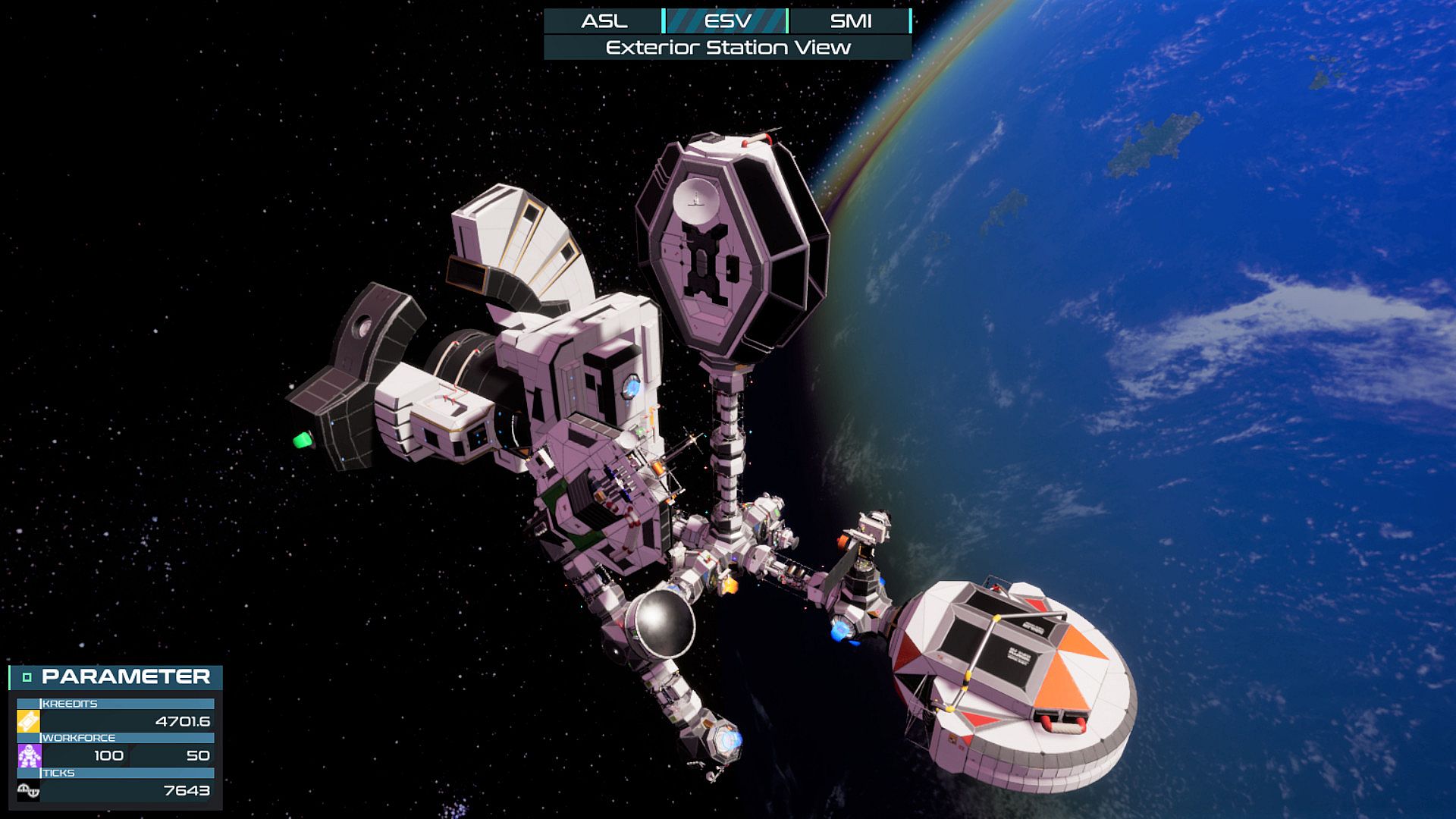
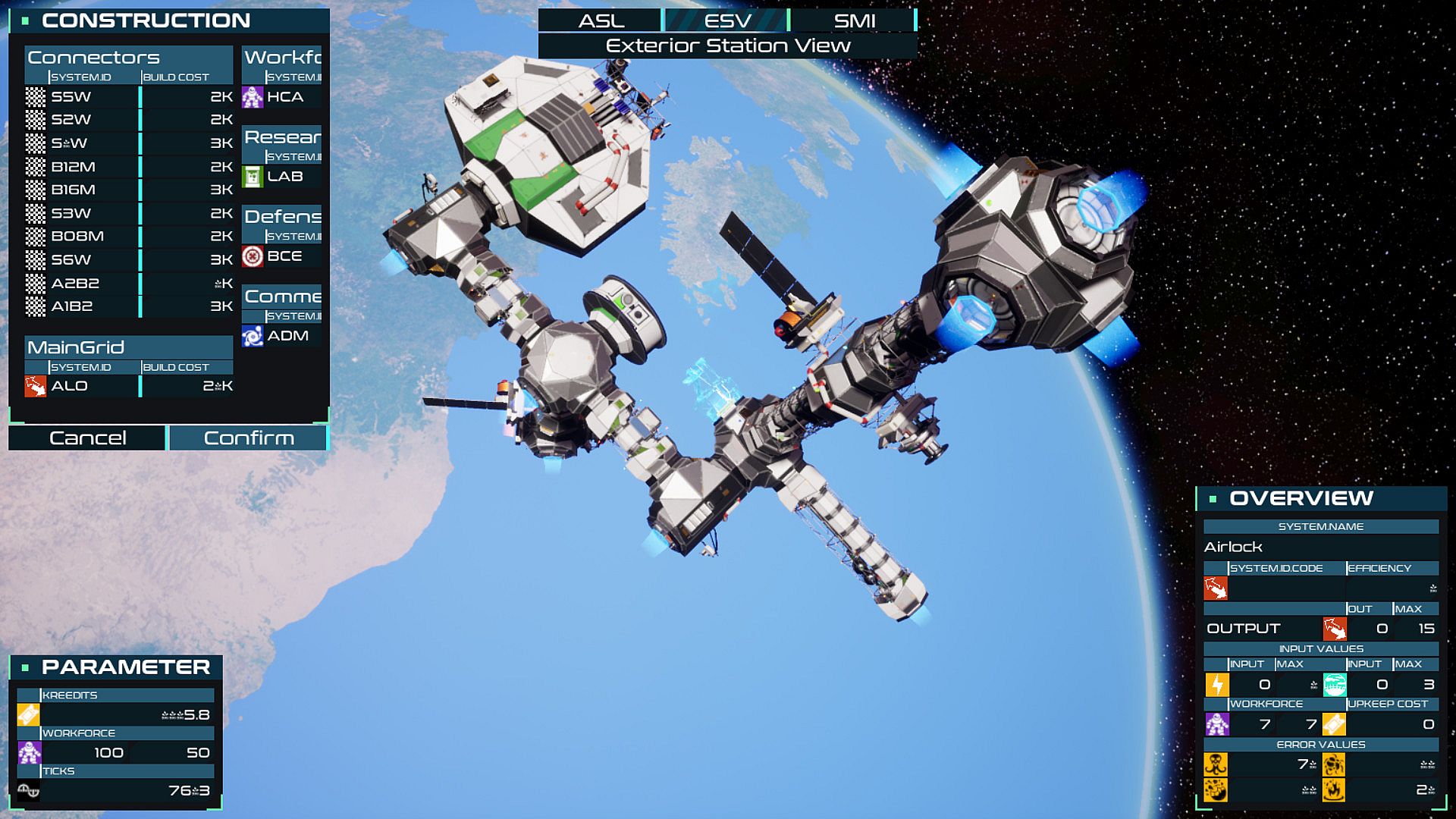
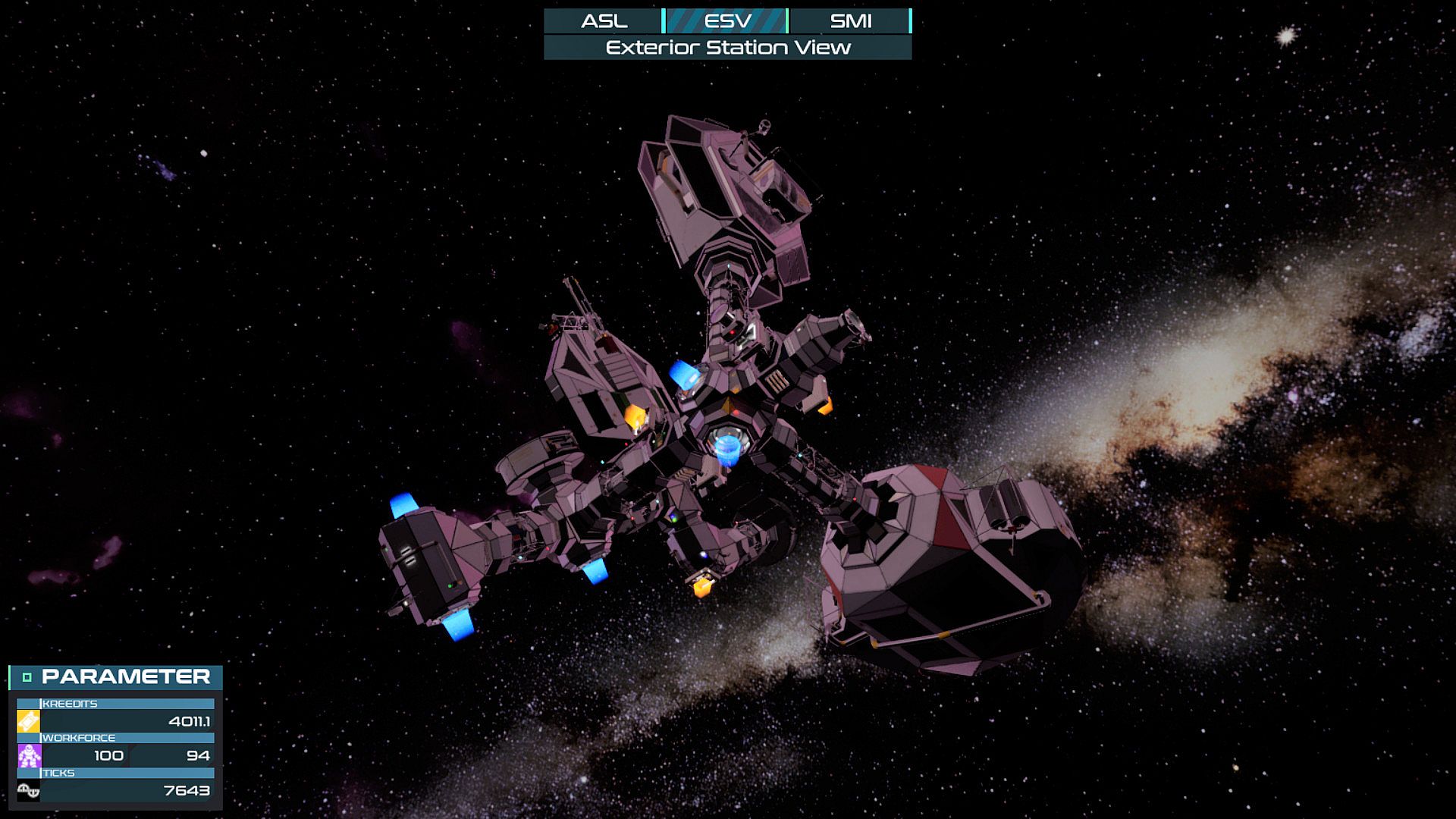
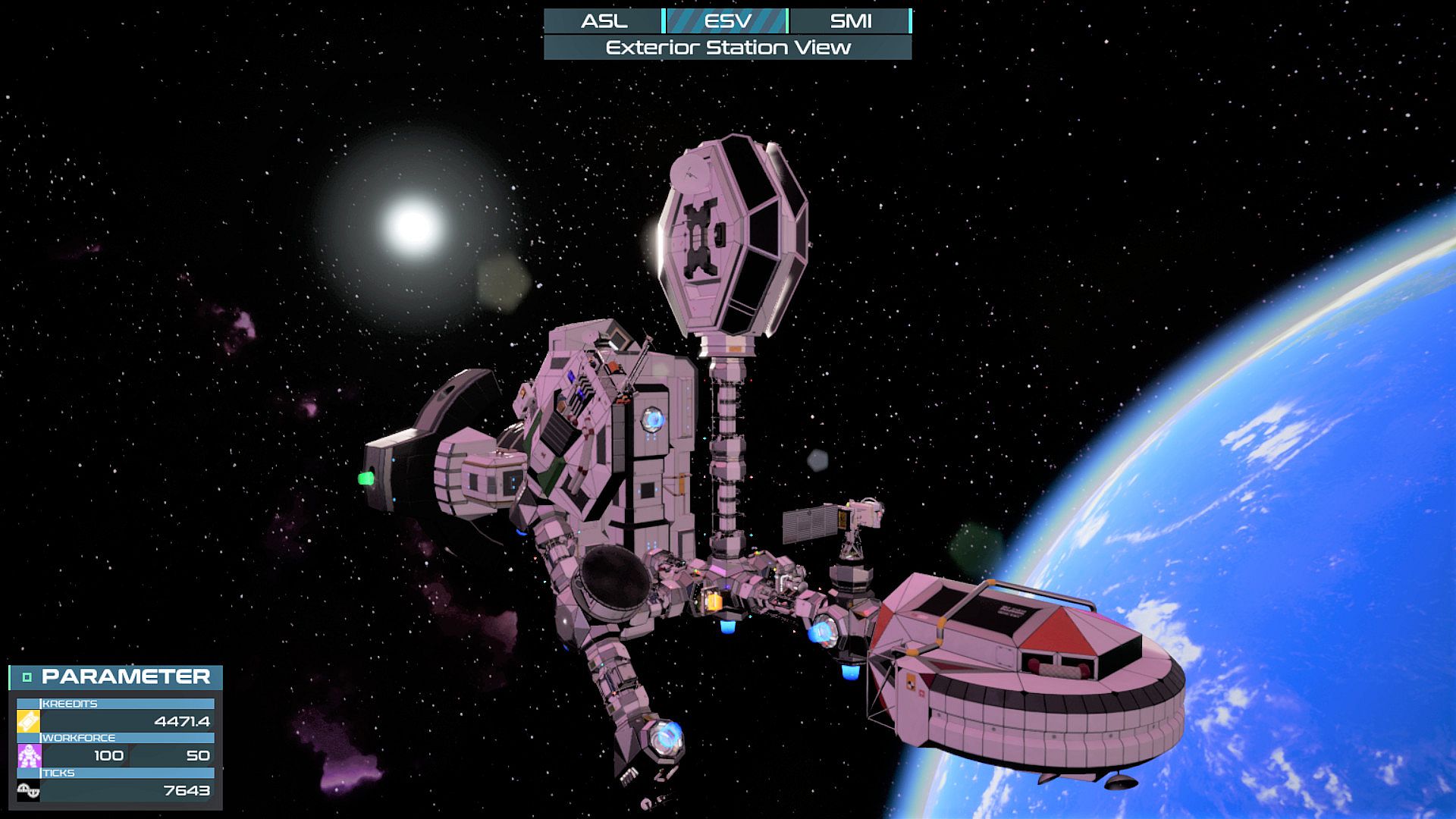
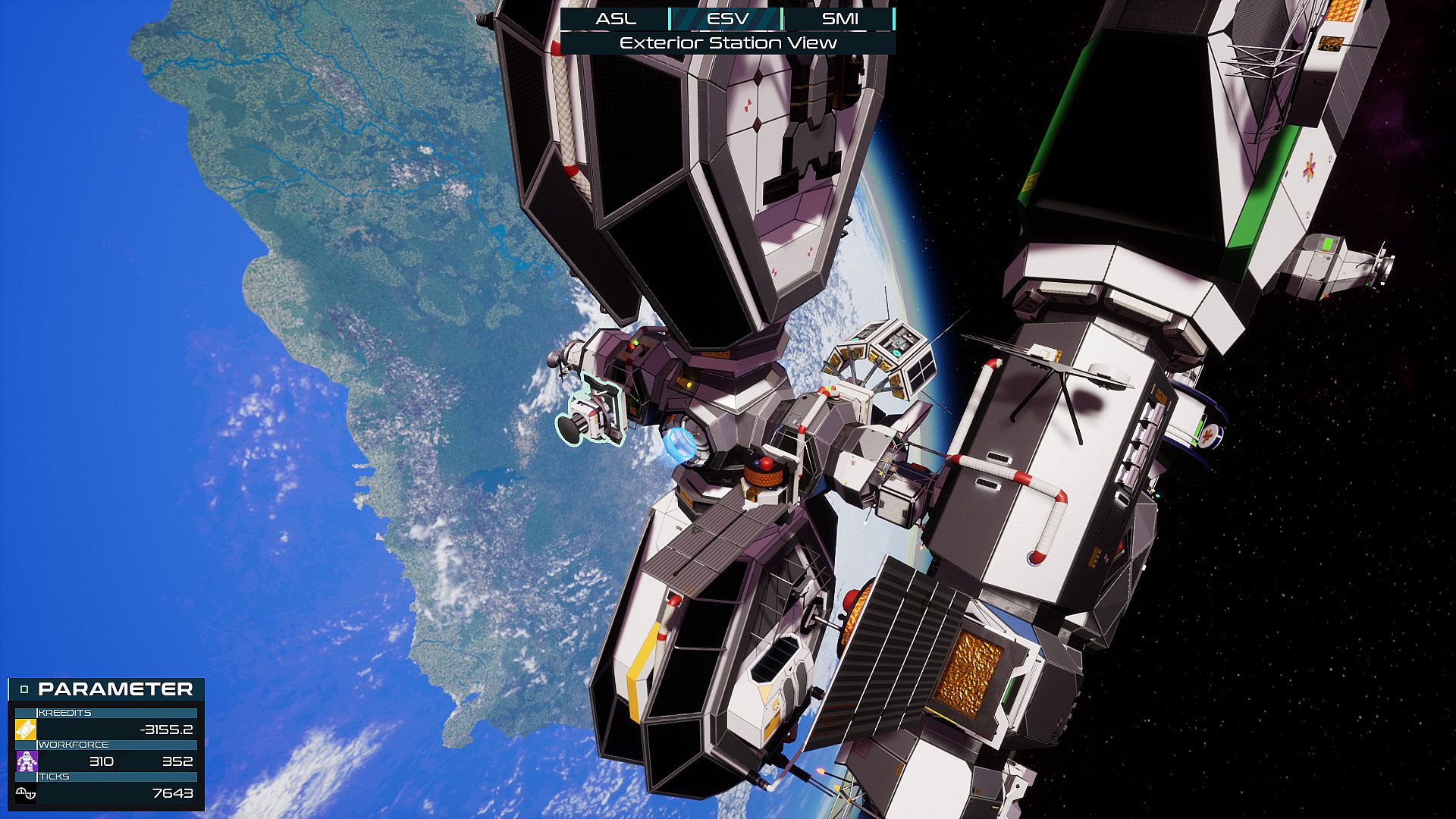
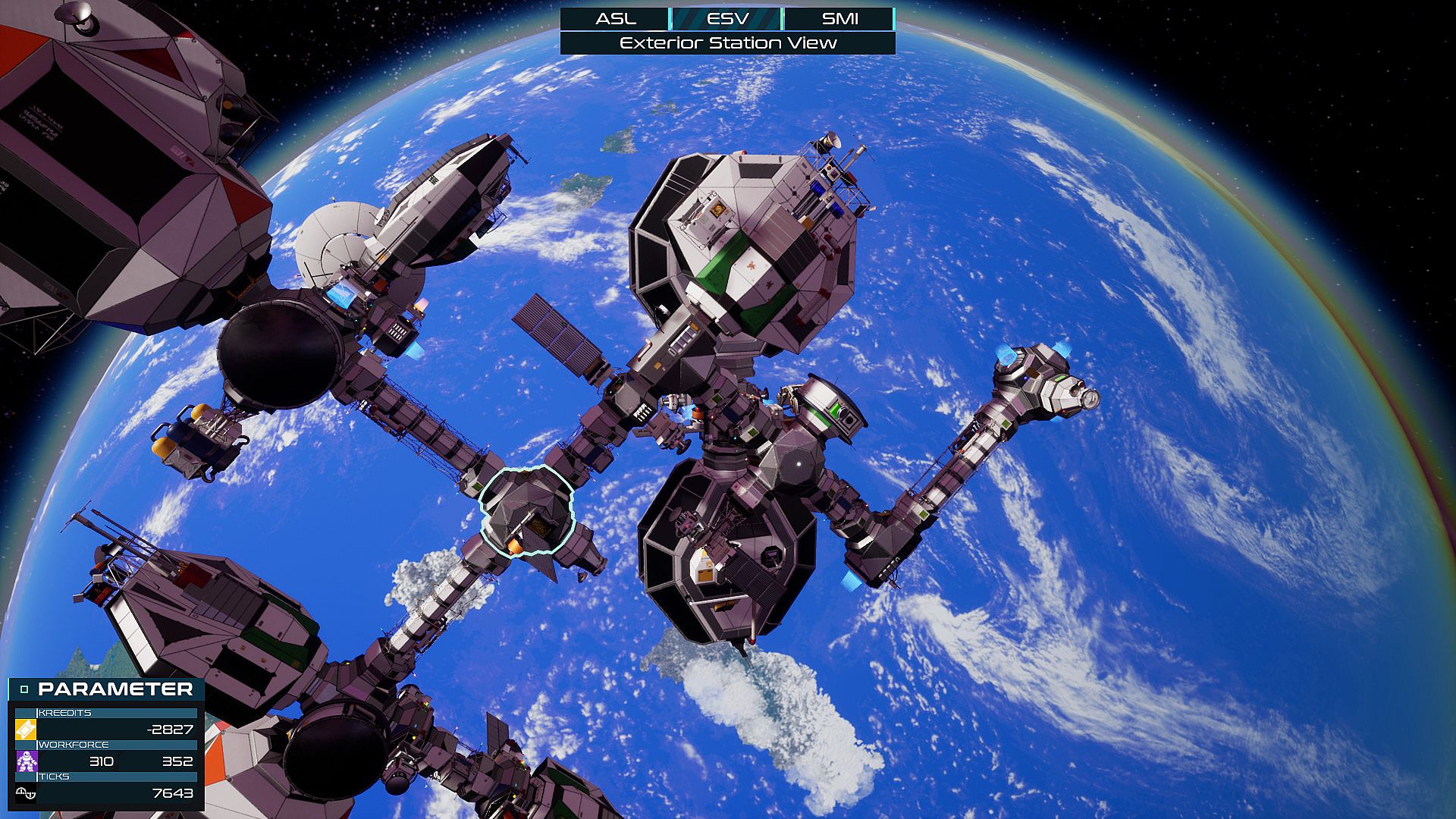
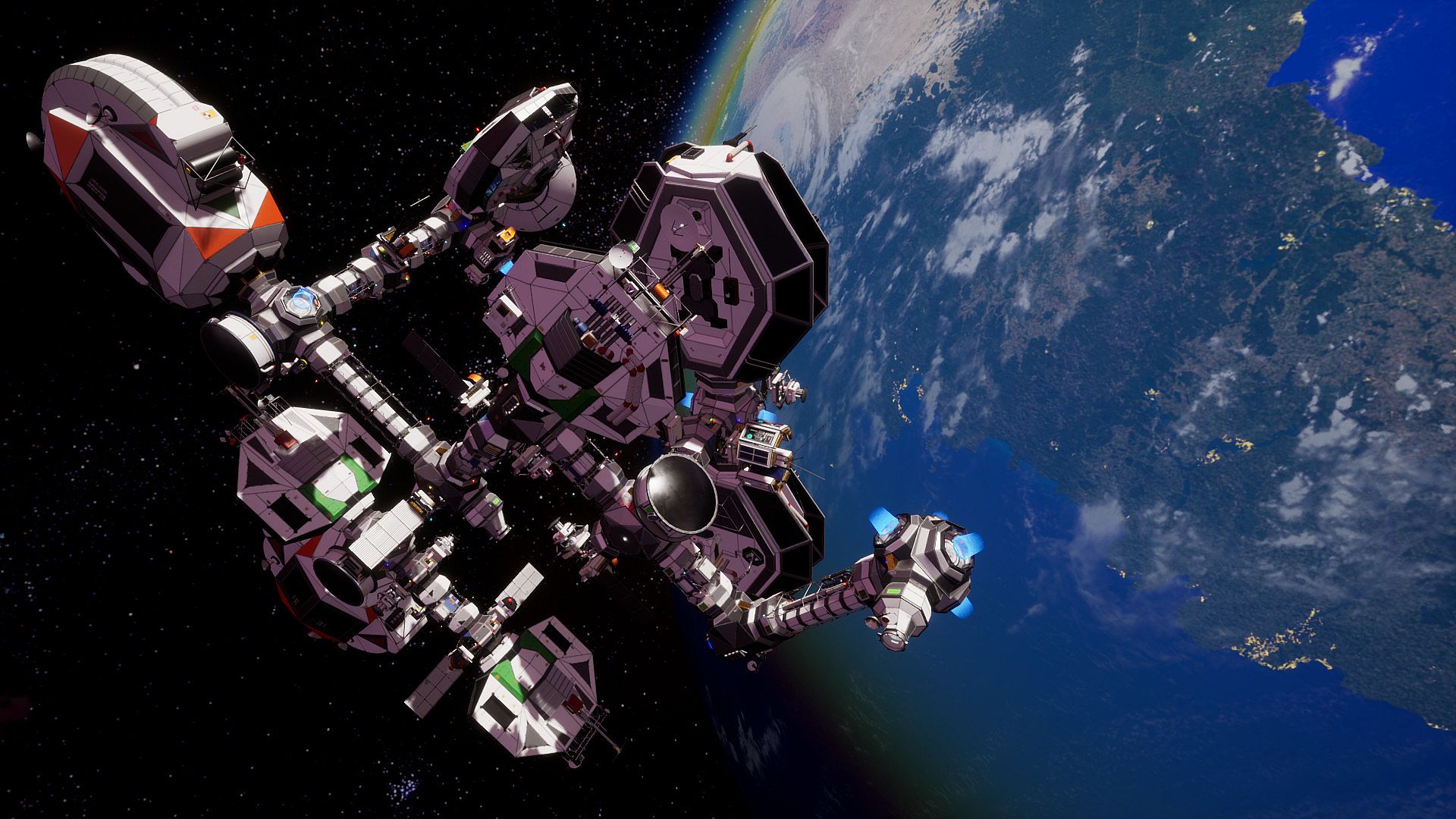
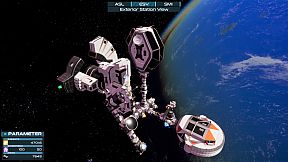
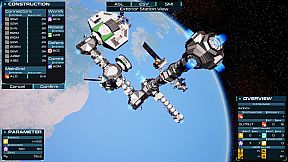
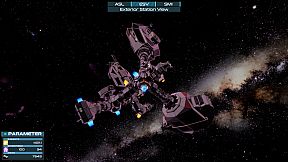
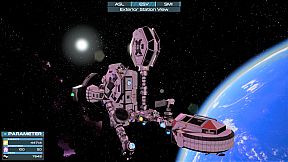
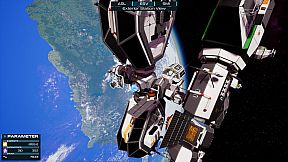
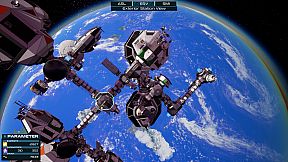
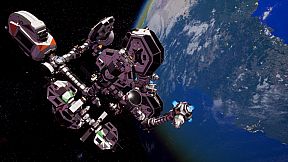
The core loop centers on station construction and ongoing management. In the full 3D view, players position and connect modules using an Unreal Engine 4 environment that supports 360-degree rotation, zooming, and detailed inspection of the structure against realistic star fields, nebulas, and planets. This visual layer emphasizes design choices and overall station aesthetics.
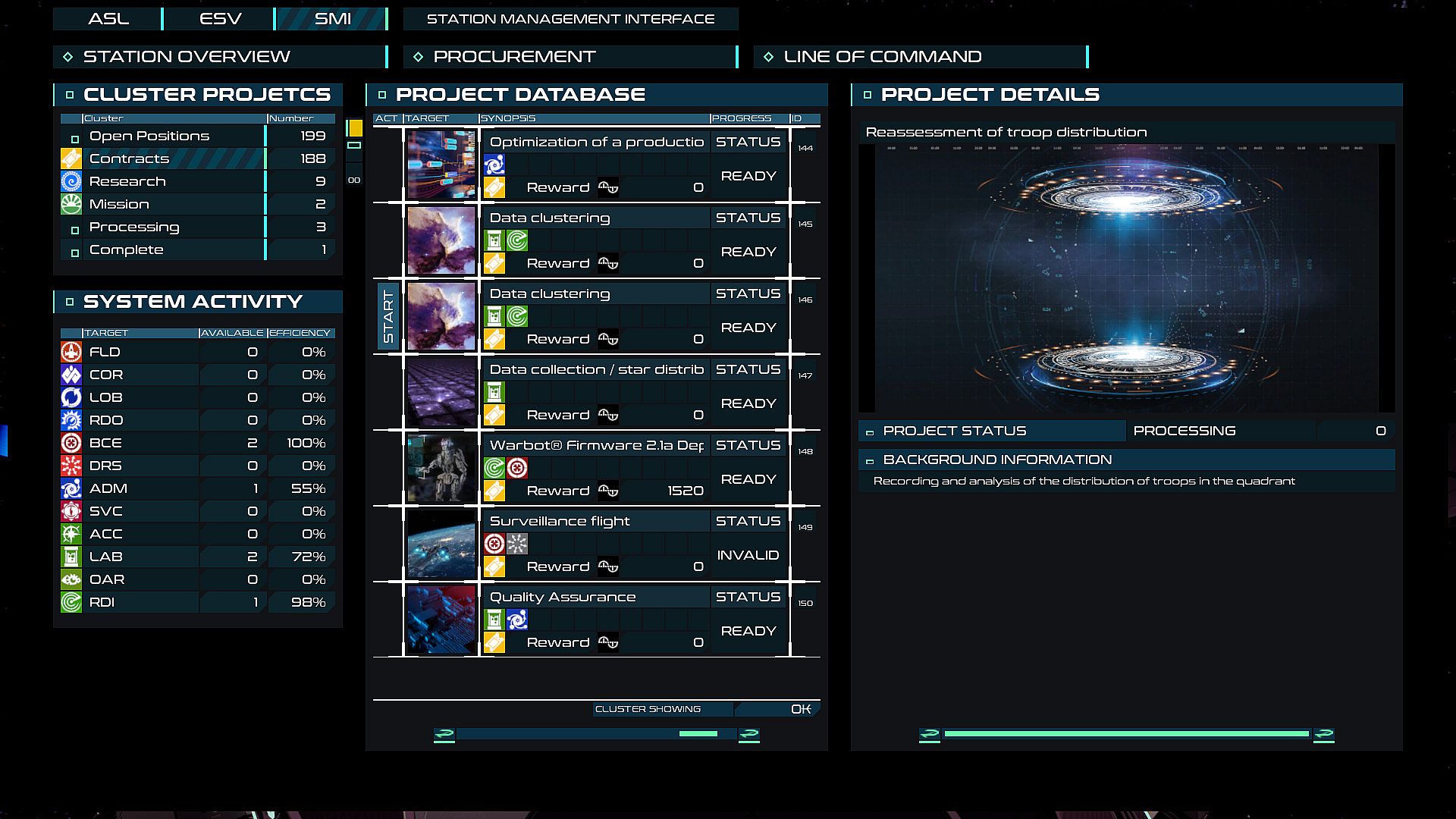
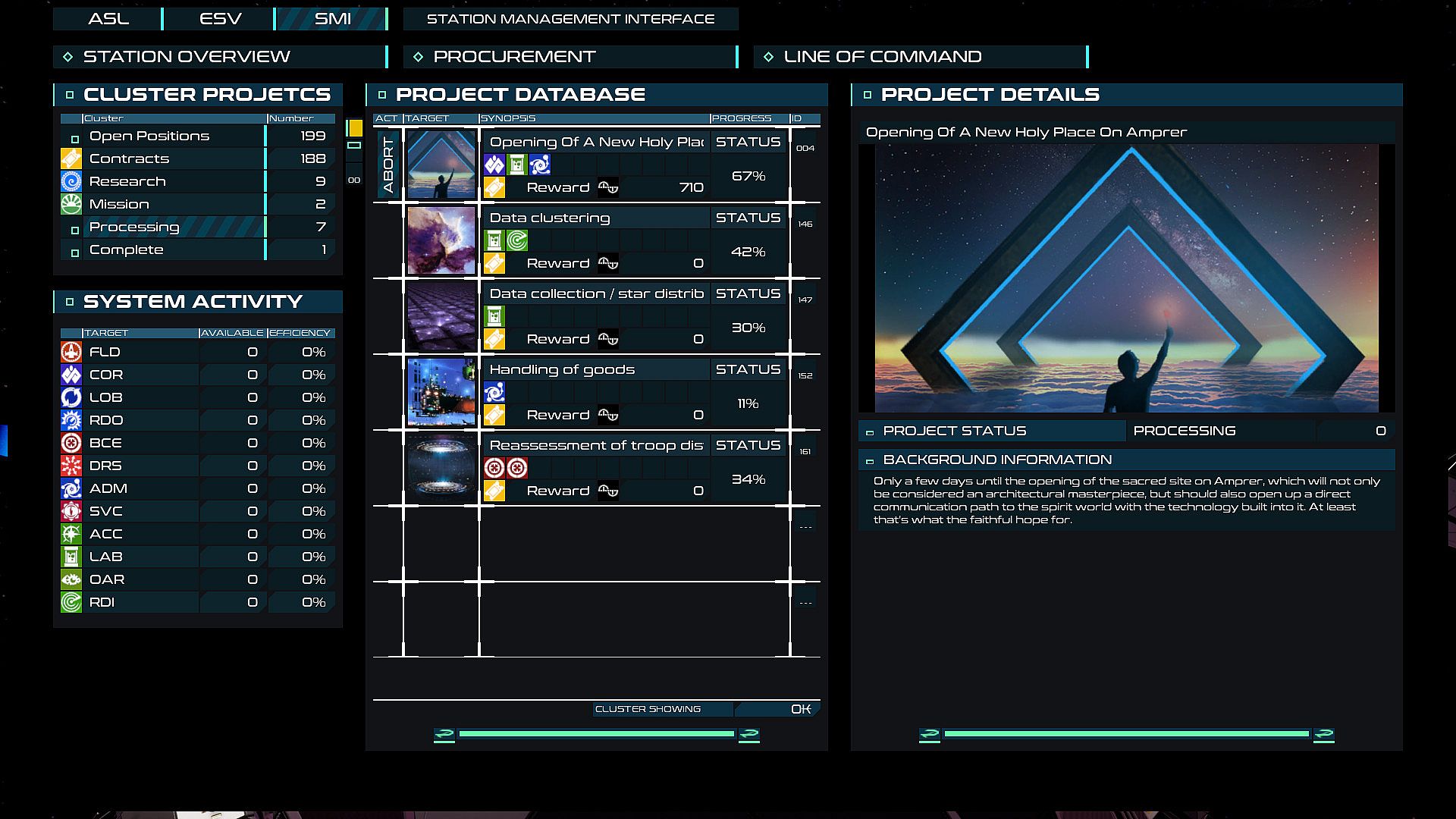
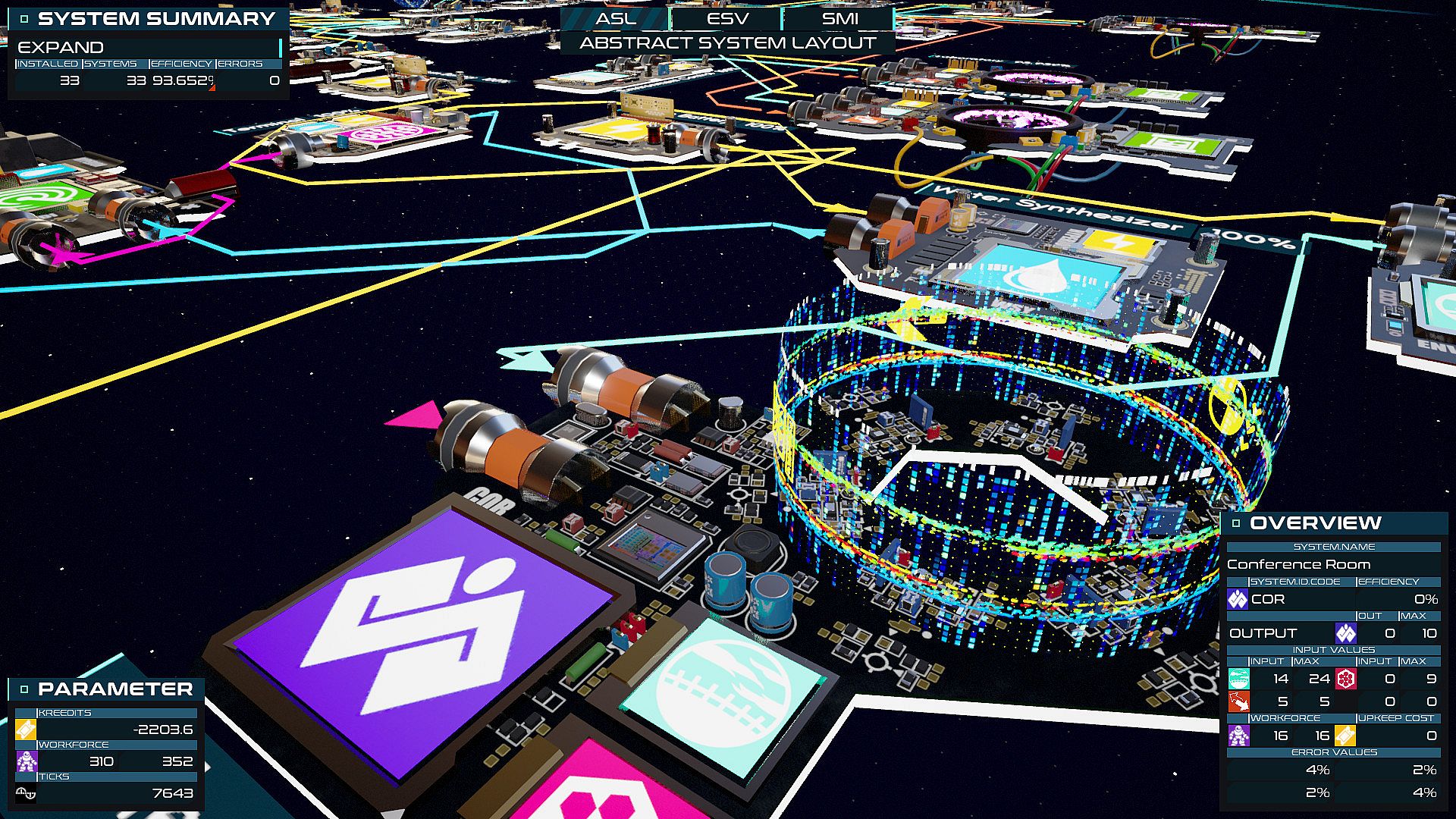
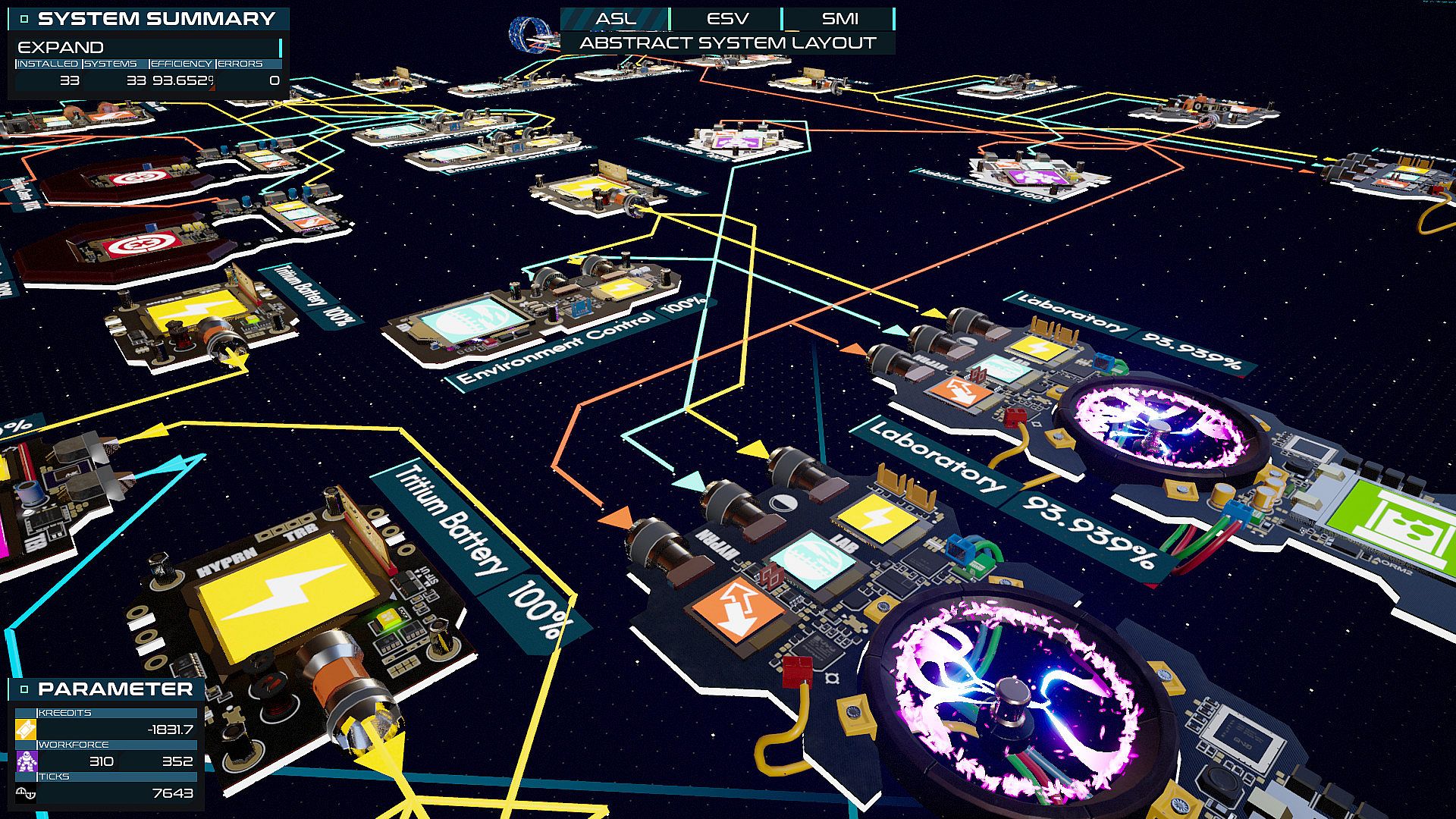
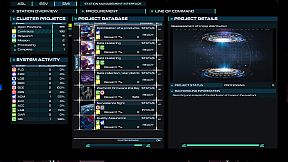
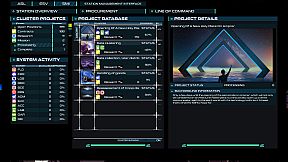
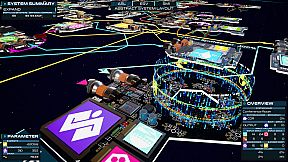
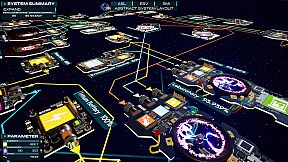
Management shifts to an abstract 2D layout resembling a circuit board. Here, production cycles, resource flows, and distribution networks are planned and adjusted. The system rewards careful routing of connections to optimize either efficiency or output volume. An economic layer tracks profitability, with the station failing if it cannot sustain operations. Disruptions such as hacker attacks, module malfunctions, and overloads from excessive production strain require constant monitoring and adjustments to keep systems running smoothly.
A technology tree allows progressive unlocking of new modules and capabilities, expanding options as the station grows. Fifty-four distinct module types provide variety in layout and function, supporting different approaches to resource handling and station expansion.
Game Modes
Three distinct modes shape the experience. Campaign mode presents three separate missions, each built around a narrative objective. Players must terraform a target planet to make it habitable and suitable for resource extraction, using station output to meet those goals. Success depends on balancing production needs with the mission requirements.
Creative mode removes objectives and resource pressures, allowing unrestricted building focused on visual appeal or experimental layouts. Endless mode offers open-ended play without campaign constraints, encouraging long-term station development centered on either maximum efficiency or aesthetic refinement.
These modes share the same core building and management tools, so skills developed in one transfer directly to the others. Campaign missions introduce structured goals, while the free-form modes support experimentation and extended play sessions.
Station Design and Challenges
Design decisions extend beyond simple placement. Modules must integrate into functional networks that handle resource movement without bottlenecks. The abstract view highlights connection paths, helping players identify weak points before issues arise. Overloads occur when production demands exceed system capacity, forcing trade-offs between scale and stability.
External events add tension. Hacker intrusions and mechanical failures interrupt normal operations, requiring quick responses to restore output. These elements turn routine management into a reactive process where foresight in layout reduces the impact of problems.
Is It Worth Playing?
orbit.industries suits players who enjoy methodical station-building simulations with both visual and systems layers. The dual-view approach separates creative construction from logistical planning, appealing to those who like spreadsheet-style optimization presented in an accessible format. Campaign missions provide directed goals for players who prefer objectives, while Creative and Endless modes support sandbox-style sessions.
The game runs on PC and draws from established space-engineering themes without introducing unverified mechanics. Its focus on profitability, module variety, and disruption handling creates a consistent loop that rewards planning and iteration. Those interested in orbital management experiences will find a complete package centered on station efficiency and long-term design.