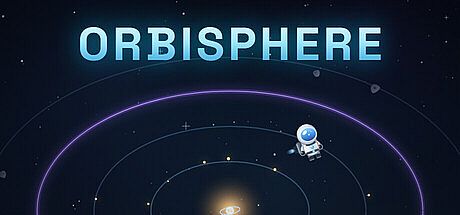







Orbisphere is a cozy idle-arcade game developed by solo indie studio Potoo Studio for PC. Players control a small astronaut named Orbi who drifts through space on a mission to collect stardust, awaken a sleeping station, and find a way home. The experience blends hands-on orbital navigation with an automated progression system that continues while the player steps away.
Gameplay
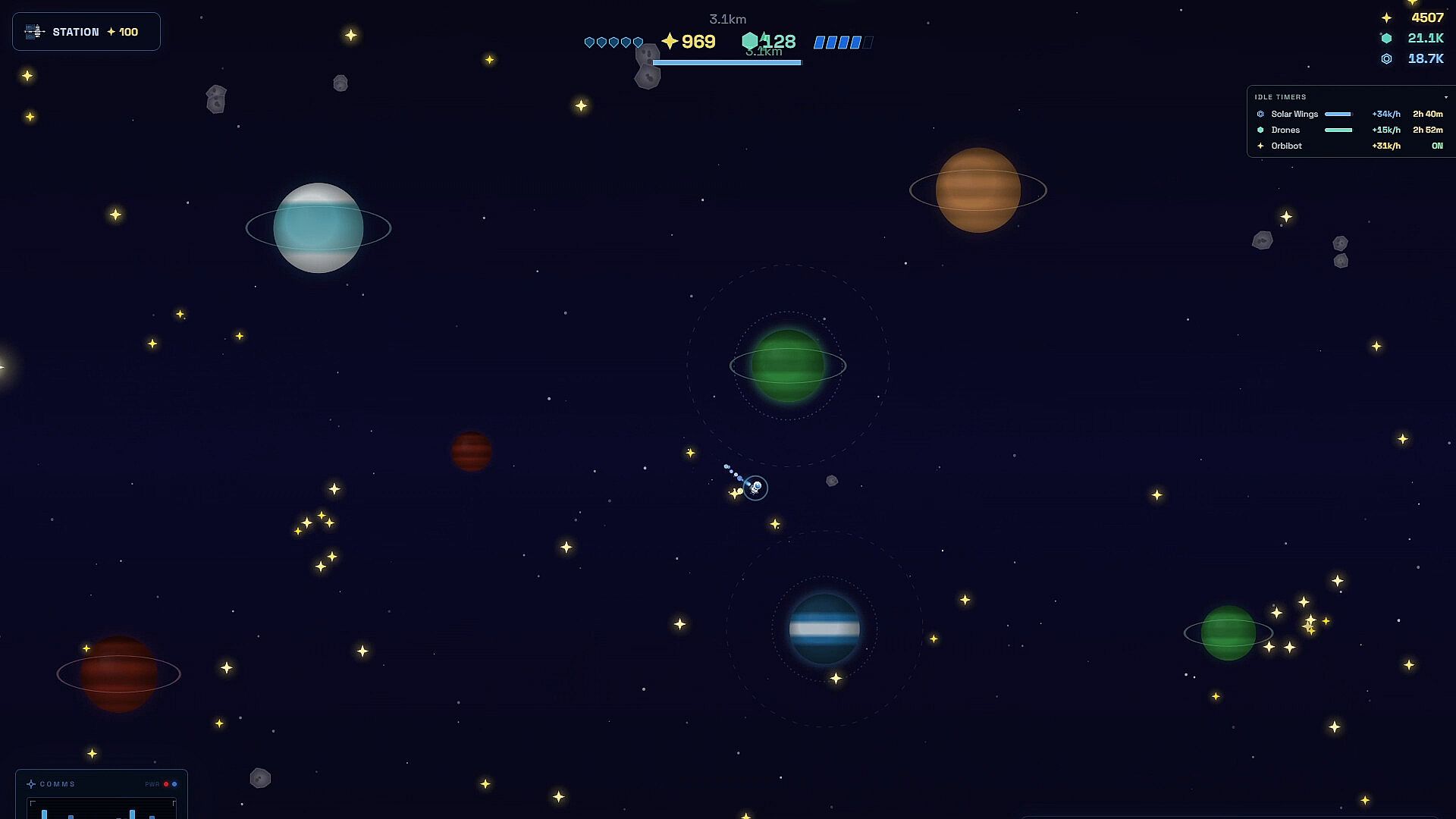
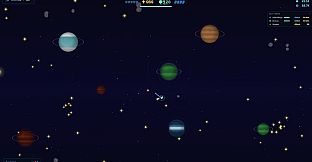
The core active loop centers on riding orbits around planets. Orbi uses a jetpack for bursts of speed but cannot steer directly with it. Instead, gravitational pulls from planets allow direction changes and slingshot maneuvers to reach new areas. Stardust floats throughout the environment, and players must gather it while avoiding hazards in the asteroid belt. Collected resources only count once returned safely to the station.
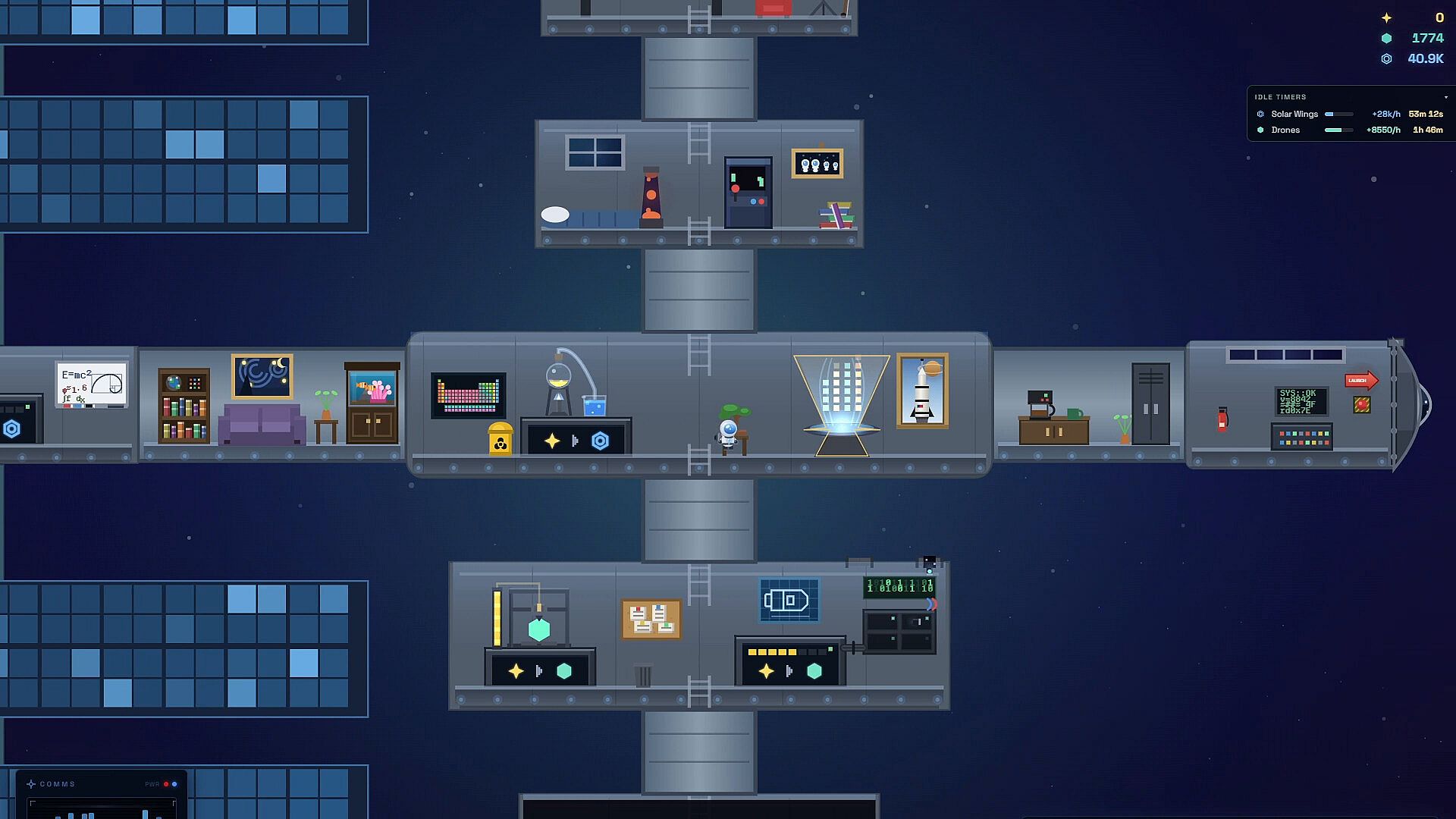
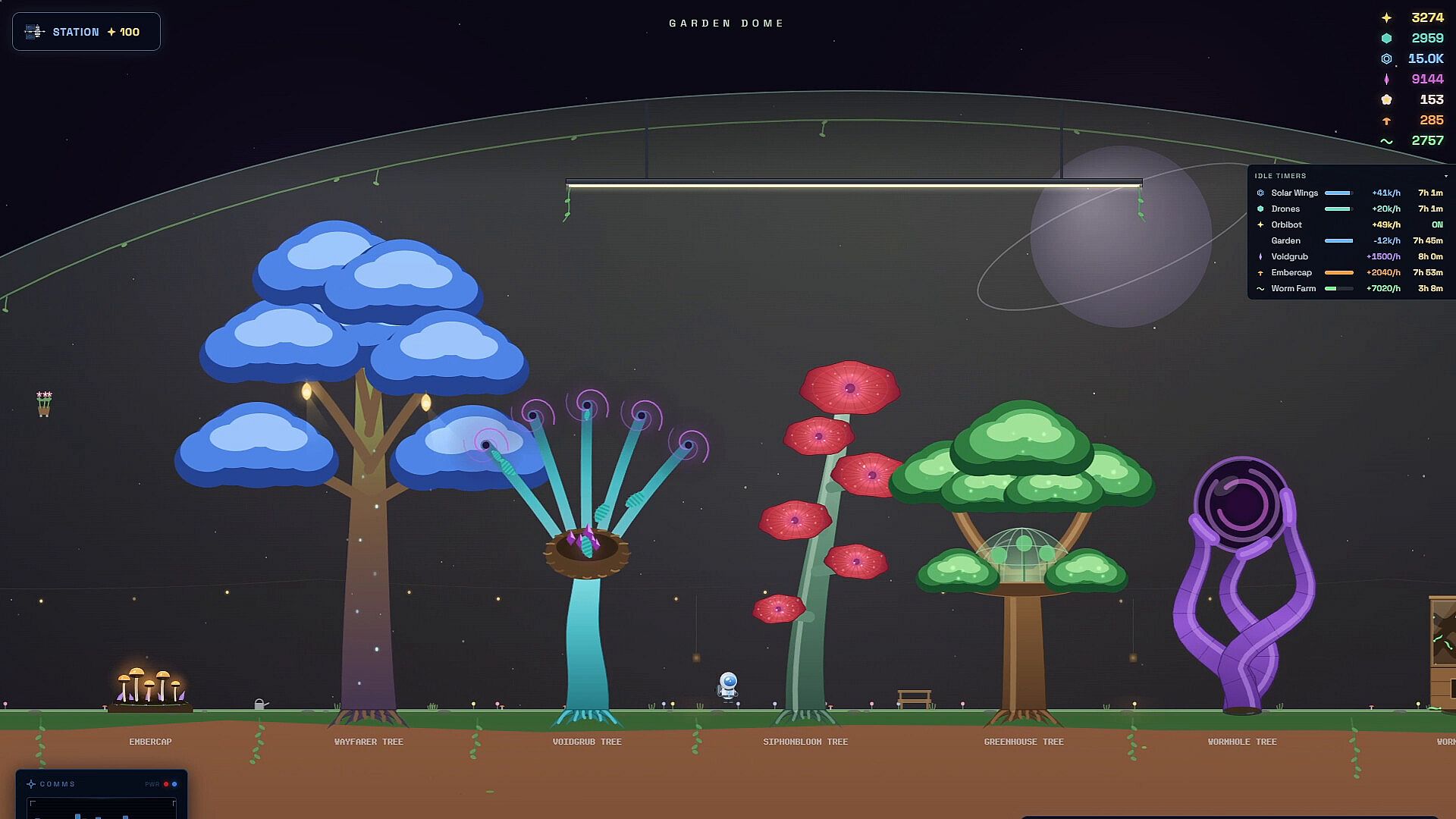
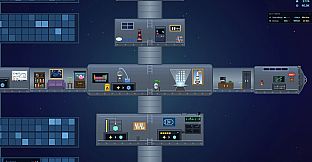
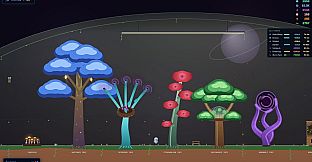
The idle loop activates once stardust feeds into machines at the station. Equipment such as the lab, 3D printer, solar wings, and drone dock processes the material into upgrades. An OrbiBot can continue gathering stardust during AFK periods. These upgrades extend Orbi's reach farther into space. A garden oasis lies beyond the asteroid belt, where a mysterious light leads to planting opportunities that further support the economy. Mini-games provide additional boosts to resource generation.
Risk and reward shape every run. The asteroid belt offers abundant stardust but introduces dangers that can cause losses if not managed carefully. Wormholes and feral space worms add further challenges during navigation. Full controller support allows precise handling of momentum-based movement, and the entire game runs offline without accounts or purchases.
Game Modes
Orbisphere operates as a singleplayer experience that integrates two complementary loops rather than offering separate named modes. The active phase focuses on direct arcade-style slingshotting through space, where players manage speed, gravity assists, and collection in real time. This hands-on segment emphasizes momentum and spatial awareness as Orbi explores outward from the station.
The idle phase takes over once resources return to the station. Machines and upgrades run autonomously, with the OrbiBot handling ongoing collection. Players return to refine equipment, unlock new systems, and expand the garden. Mini-games serve as optional interventions that accelerate the economy without requiring constant attention. This structure creates a seamless cycle between focused sessions and passive growth.
Key Features and Progression
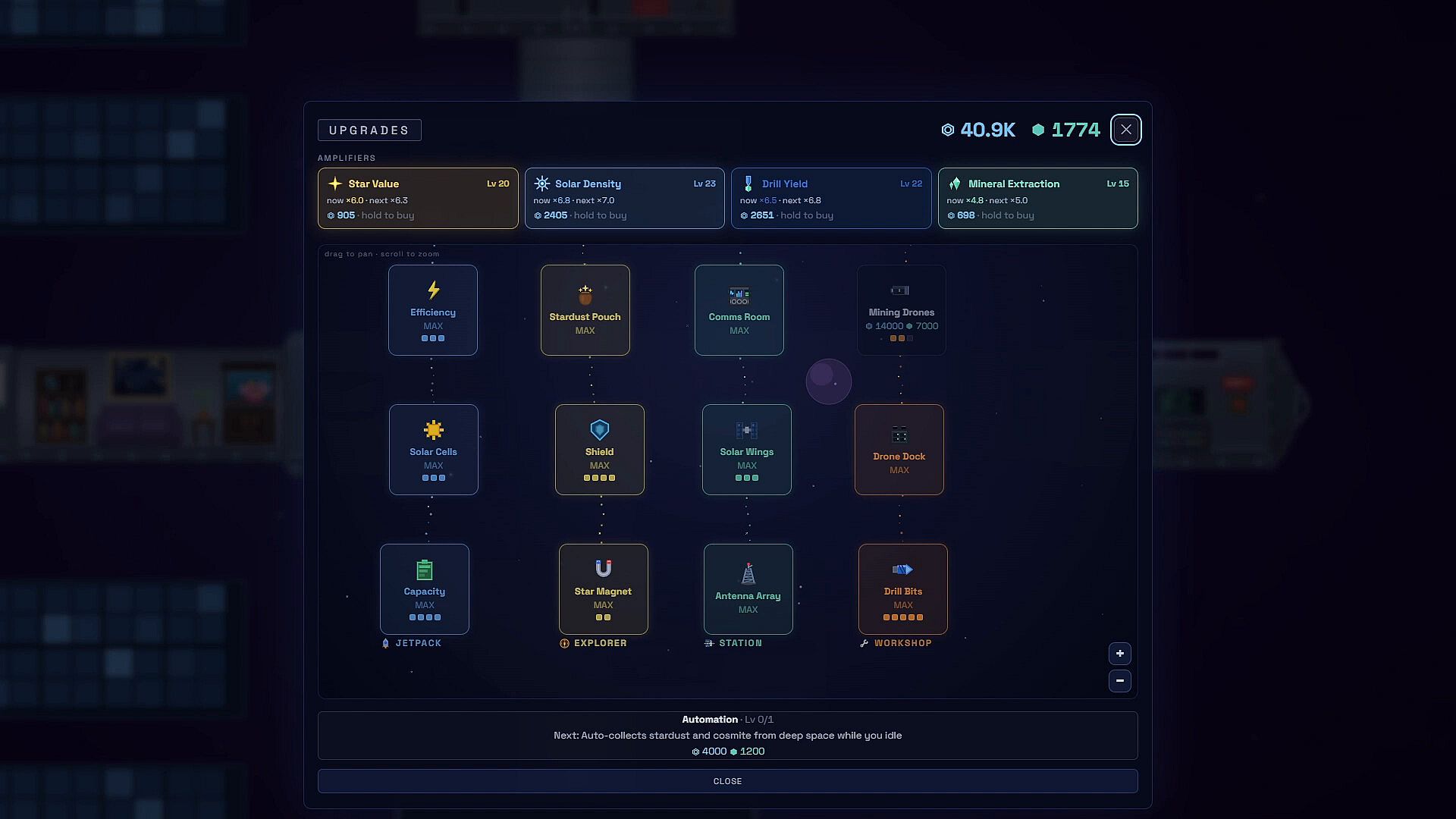
Progression unfolds through layered upgrade trees that unlock one by one. Early machines handle basic stardust processing, while later additions like solar wings and drone docks expand capabilities. The garden introduces a planting mechanic tied to exploration beyond hazardous zones. Each layer deepens the idle economy, allowing longer AFK periods and greater reach on subsequent active runs.
The quiet, lonely setting encourages a personal connection to the station and its surroundings. Vector-style visuals and a directed soundtrack support the atmosphere without overwhelming the simple controls. Everything stays self-contained on the player's device.
Is It Worth Playing?
Orbisphere suits players who enjoy cozy singleplayer games that mix short active sessions with meaningful idle progression. The slingshot mechanics reward practice with gravitational navigation, while the upgrade systems provide steady advancement even during breaks. Its offline design and absence of monetization keep the focus on the core loops.
Those seeking pure arcade action or complex multiplayer may find the pace deliberate, yet the combination of momentum-based flight and automated collection appeals to fans of relaxed space exploration. As a solo-developed title still approaching wider release, it offers a focused, self-contained experience built around one astronaut's journey through an empty cosmos.