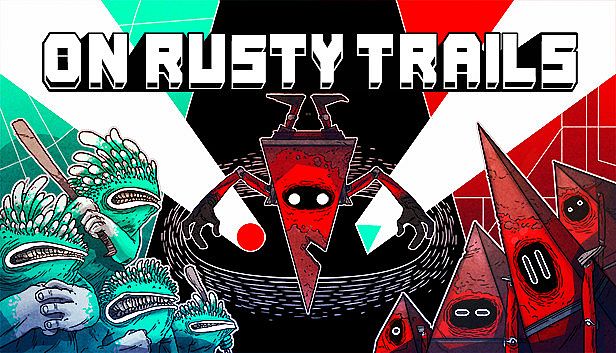












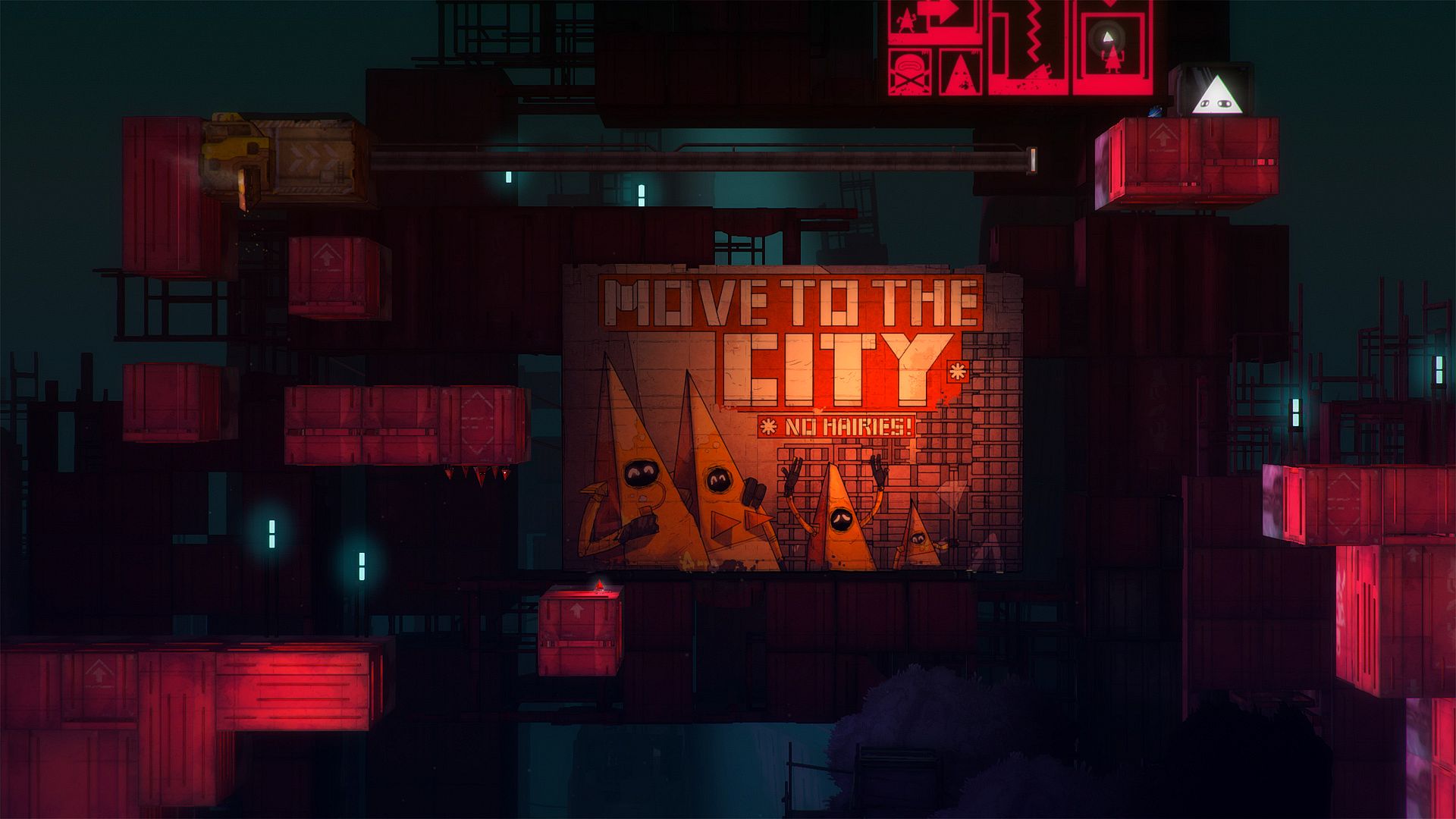


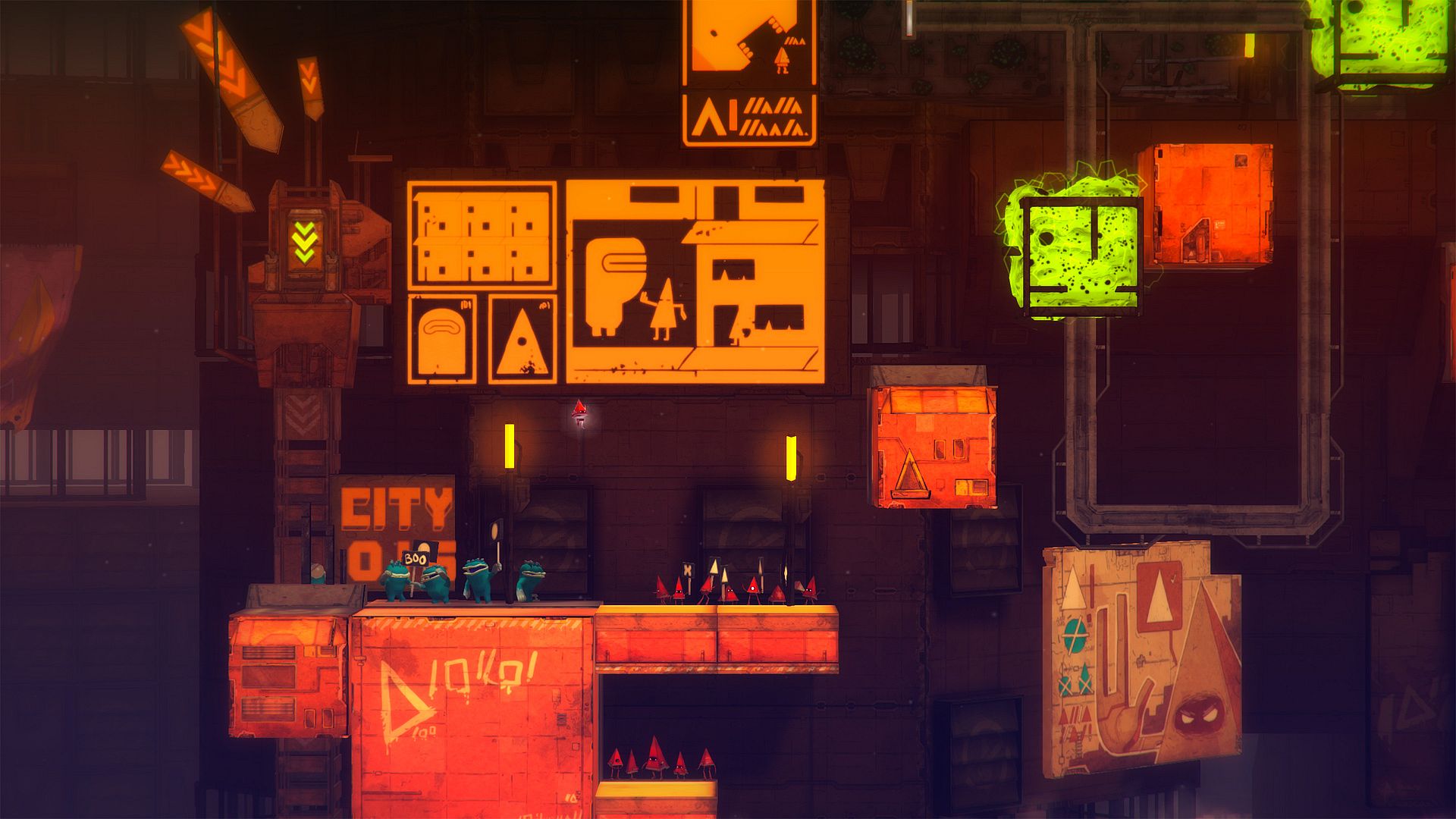












On Rusty Trails is an indie platformer that puts players in control of Elvis, a small red robot navigating a divided society through precise movement and quick adaptation. The core experience revolves around a color-shifting mechanic that directly alters how the environment interacts with the character, turning standard platforming into a series of reactive challenges across multiple stages.
Gameplay
The central system involves the Shifty Suit, which allows instant switches between red and blue appearances. This change influences platforms, save points, and jump pads, making some functional only in one state while rendering others hazardous or inactive in the other. Magnetic boots add vertical freedom, enabling runs along walls and ceilings to reach new paths or solve spatial puzzles. Levels incorporate streams of lava, chasms, and moving machinery that demand timing and repeated color adjustments to progress safely.
Puzzles emphasize logic and reflexes, often requiring players to alternate appearances mid-sequence to activate or deactivate elements in the correct order. The design builds an escalating sense of tension as stages introduce fresh combinations of these rules without relying on external power-ups. Exploration covers six distinct areas, each with unique visual and mechanical twists that keep the loop varied while staying grounded in the same core systems.
Game Modes
The primary mode is a linear single-player campaign structured around individual levels that advance the adventure. Players complete these stages by mastering the shifting and magnetic mechanics to reach the end of each section. A separate competitive element lets participants chase high scores on the same levels, with results tracked on leaderboards for direct comparison against others.
No additional modes such as co-op or versus play exist. The focus remains on solo progression through the campaign, with the leaderboard feature serving as an optional replay incentive for those seeking to refine their times and routes.
World and Story
The setting depicts a society split between two groups that react with suspicion based on outward appearance. Elvis begins after losing his home and must traverse rusty suburbs, decaying cities, large factories, and enigmatic machinery while the broader conflict between the peoples intensifies. The narrative unfolds through environmental details and brief interactions rather than lengthy cutscenes, highlighting themes of conformity and adaptation without interrupting the platforming flow.
Visuals and Audio
Art direction draws from comic book panels, with detailed illustrated backgrounds that convey a bleak yet stylized industrial atmosphere. Each of the six worlds features distinct color palettes and structural themes that reinforce the reactive nature of the environments. The soundtrack mixes dark melodies with eclectic tracks and mechanical sound effects, creating an atmospheric backdrop that matches the rusty, industrial tone of the levels.
Is It Worth Playing?
Player feedback on Steam rates the game Very Positive, with 87 percent approval from 175 reviews. Reviewers highlight the inventive shifting mechanic, solid controls, and balanced difficulty that rewards careful observation and practice. The experience suits fans of puzzle platformers who enjoy mechanics that integrate directly into movement and level design rather than layered progression systems.
Those seeking a focused single-player title with replay value through score chasing will find the campaign satisfying. The game launched in 2016 and remains available without ongoing seasonal content or major updates, delivering a complete, self-contained adventure centered on its unique systems. If precise platforming and environmental reactivity appeal, the title offers consistent engagement across its length.