







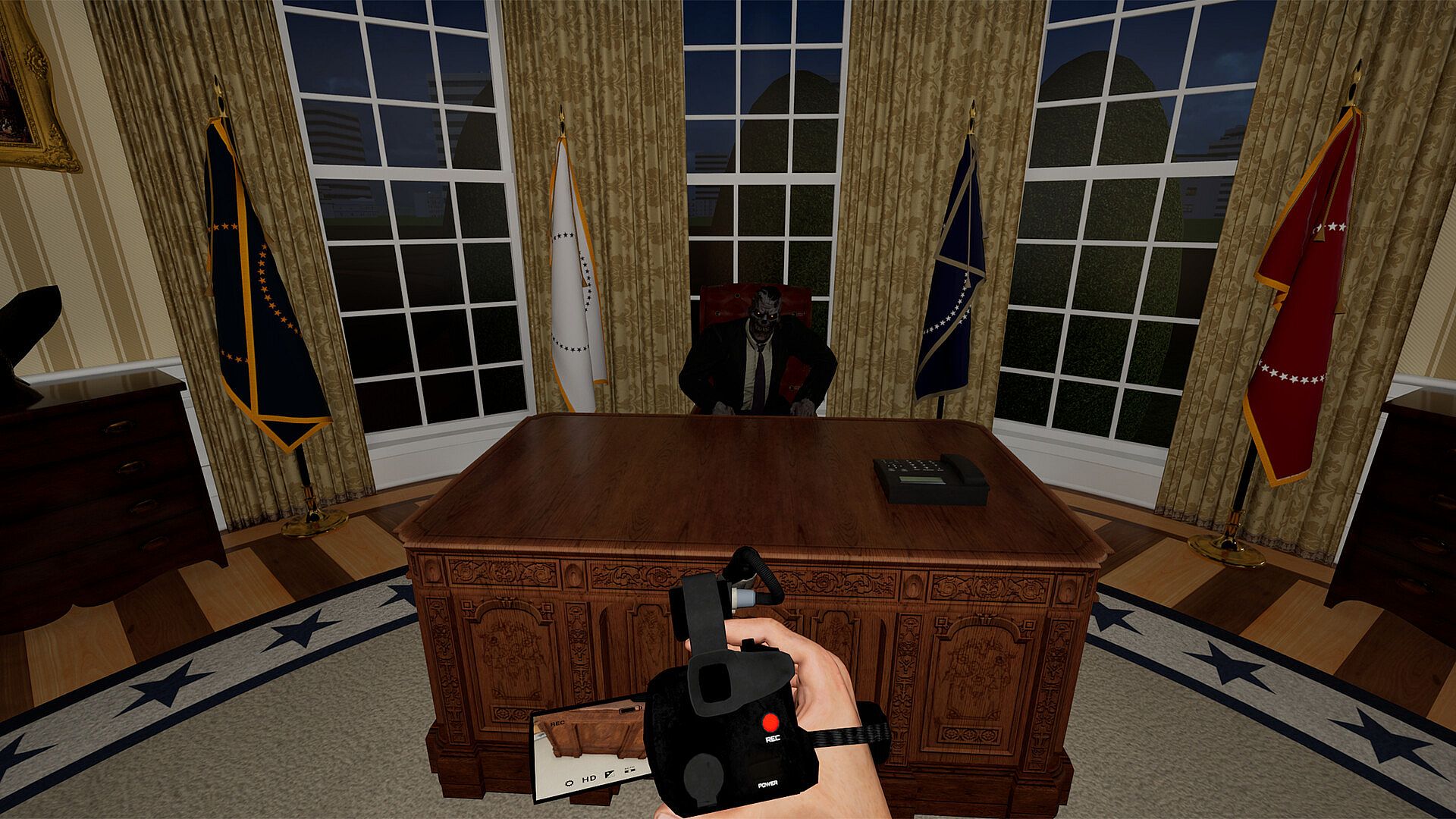
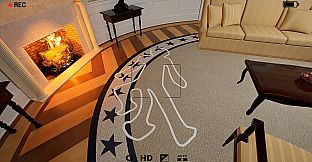
Odd Happenings at the White House is a single-player indie RPG adventure game built around first-person anomaly detection inside the Oval Office. Players step into the role of a reporter who enters the empty room after a press conference and must methodically examine the space to uncover what occurred. The core loop relies on a handheld camera as the primary tool for investigation, with the goal of documenting every irregularity before the session concludes.
Gameplay
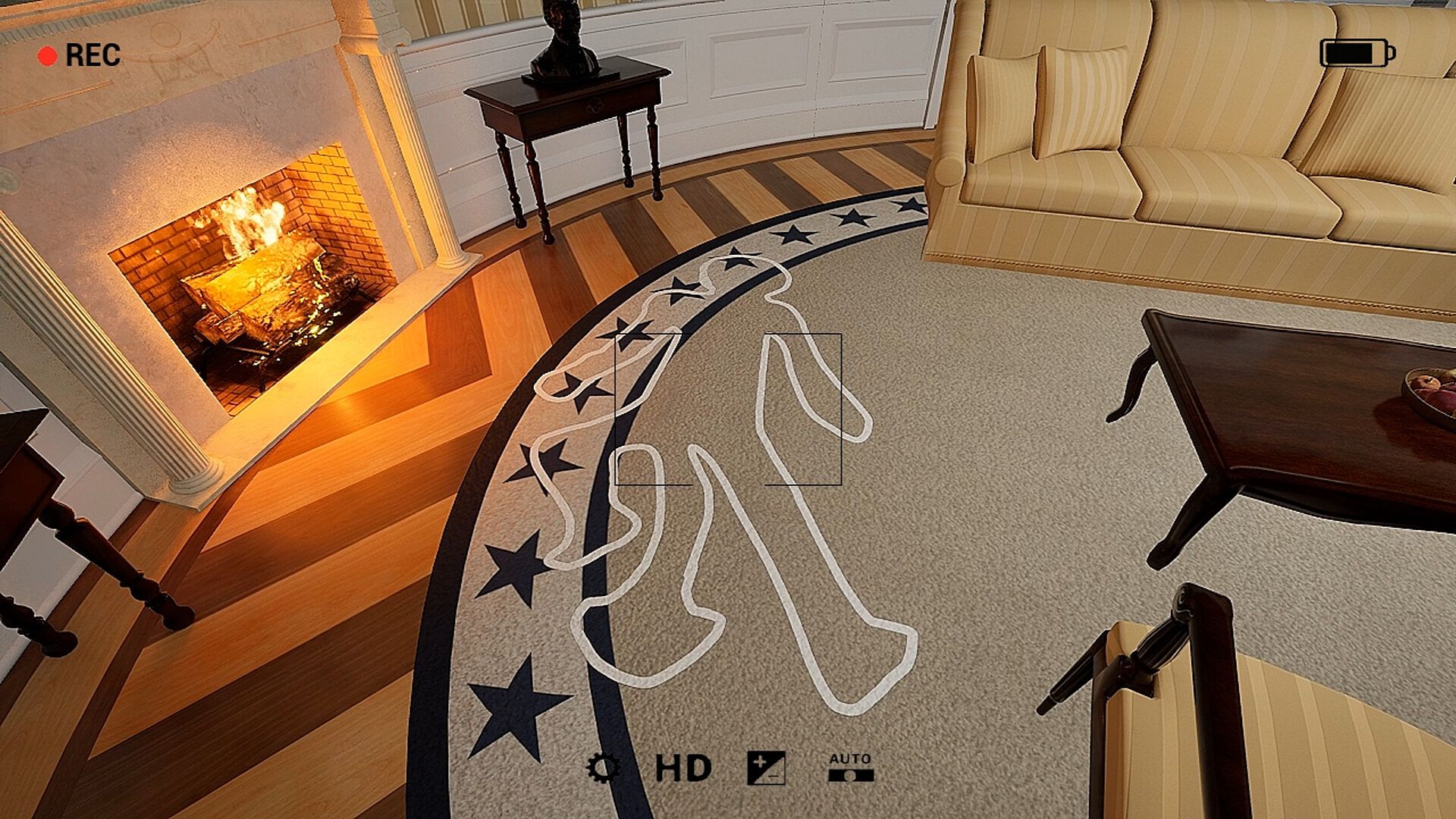
The experience unfolds entirely in first person as players hold a camera and scan the Oval Office for changes or inconsistencies. Movement allows free exploration of the room while the camera serves as both viewing device and recording instrument. When an anomaly appears, the player activates the camera to capture evidence. If the current view shows nothing out of place, the player simply continues searching other areas. This process repeats across multiple passes through the same environment until all irregularities have been logged.
The official version contains thirty distinct abnormal situations. Each one must be recorded with the camera to complete the investigation. The mechanics emphasize careful observation rather than combat or dialogue trees, turning the familiar setting of the Oval Office into a puzzle of visual discrepancies. System requirements remain modest, supporting Windows Vista and newer with basic graphics hardware, which keeps the focus on the investigative process itself.
Game Modes
The title functions as a single-player experience with no additional multiplayer or alternate modes listed. All activity centers on the one investigative scenario inside the Oval Office, where the player progresses by collecting anomaly data. There are no separate difficulty settings, time trials, or branching paths confirmed at this stage. The structure stays linear in its objective: locate and document every irregularity to finish the session.
Setting and Atmosphere
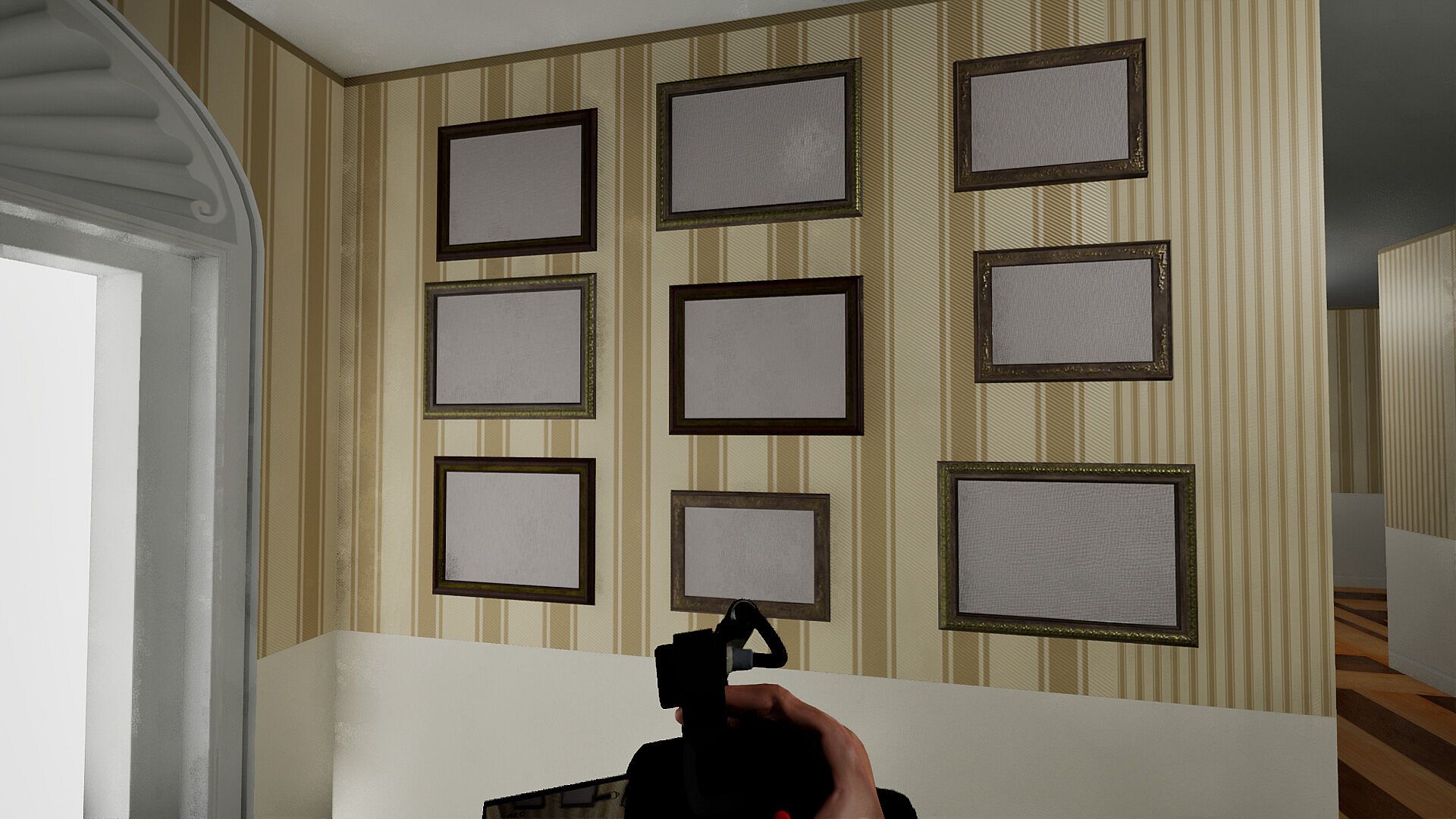
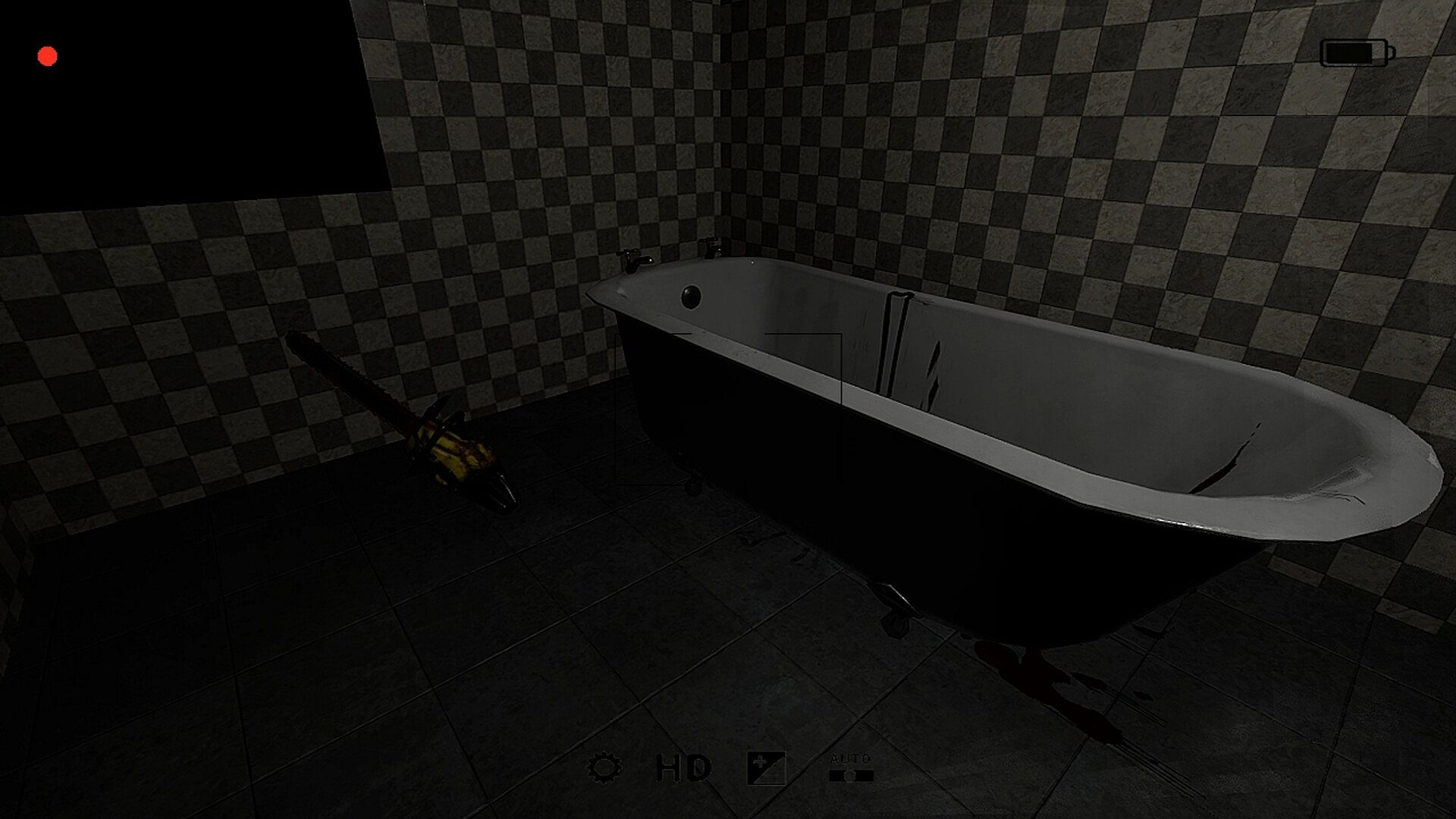
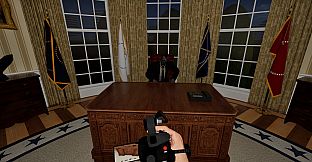
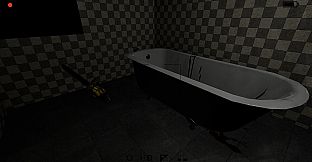
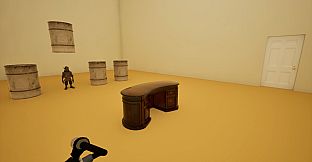
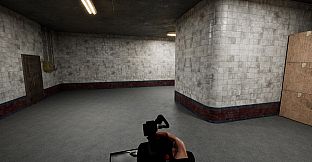
The game places its entire action within the Oval Office of the White House, using the recognizable layout as the sole environment. Players examine desks, walls, windows, and furnishings for subtle shifts that signal something unusual has taken place. The atmosphere draws from the contrast between the official, high-stakes location and the quiet, empty state in which it is presented. Some wall details include horror-themed decals or bloodstains as part of the visual design, though the content avoids themes of sexual violence or substance abuse.
Promotional artwork incorporates AI generation followed by manual adjustments, which shapes the initial visual presentation of the room and its contents. The narrative hook remains minimal: the office should not be empty, and thorough documentation may reveal the reason behind the absence.
Is It Worth Playing?
The game remains listed as coming soon on its primary distribution platform, with no user reviews available at present. It targets players who enjoy methodical, observation-based single-player adventures that reward repeated examination of a contained space. Those interested in anomaly-spotting mechanics similar to other short-form indie titles will find the thirty-situation structure provides a clear completion goal without extraneous systems.
Because the title has not yet launched, any assessment of long-term support or post-release updates cannot be confirmed. The low system requirements and focused single-player format make it accessible for PC users seeking a compact investigative experience once it becomes available. Individuals who prefer games centered on visual puzzles and documentation rather than action or narrative choice will likely find the core loop aligns with their preferences.












