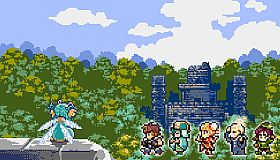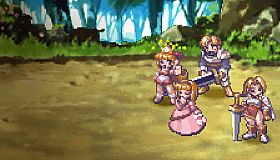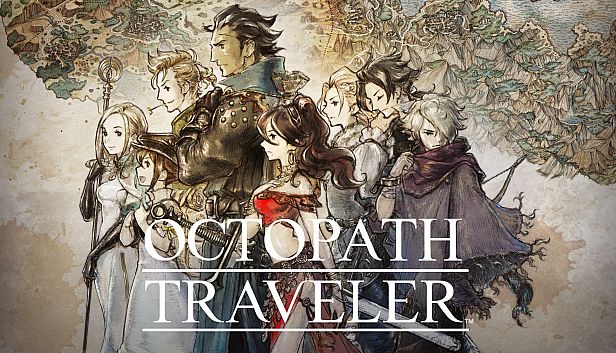


Octopath Traveler is a turn-based RPG that places players in control of eight distinct travelers, each pursuing their own narrative across the fantasy world of Orsterra. Released on PlayStation 4 and PlayStation 5 in 2024 following its initial appearances on other platforms, the game emphasizes individual character stories that intersect through shared exploration and combat encounters. Its visual style blends retro-inspired pixel art with modern three-dimensional environments, creating a distinctive look that supports both overland travel and detailed town interactions.
Gameplay
The core loop revolves around selecting one of the eight travelers at the start and gradually recruiting the others through story progression. Each traveler brings a unique background, set of skills, and Path Action that influences how they engage with non-player characters in towns and villages. These actions allow for varied approaches to gathering information, obtaining items, or advancing side scenarios, often with multiple outcomes depending on the choices made. Exploration spans eight distinct regions, where players uncover hidden paths, complete optional objectives, and piece together each traveler's full arc by returning to key locations at different points in the journey.
Combat occurs in random encounters and scripted boss fights using a turn-based system. Players analyze enemy weaknesses to deplete shield points, triggering a break state that leaves foes vulnerable to amplified attacks. Boost points accumulated over turns enable stronger strikes or combined abilities, rewarding careful planning over repeated encounters. Talents unique to each traveler add layers to party composition, while side quests frequently offer alternative solutions that tie back into the main narratives without forcing a single path.
Game Modes
Octopath Traveler operates entirely as a single-player experience with no separate multiplayer or competitive modes. The primary structure follows the interconnected stories of the eight travelers, allowing players to switch focus between characters and tackle their chapters in a flexible order. Side content expands through numerous optional quests that can be approached using different Path Actions or party setups, leading to varied rewards and resolutions. The game encourages replay elements through new game plus options and the ability to experience missed story branches on subsequent playthroughs, though the central campaign remains a cohesive single-player journey from start to finish.
Story and World
Orsterra serves as the backdrop, divided into regions that reflect different cultures and challenges. Each traveler's tale unfolds independently at first before overlapping with others during shared events and battles. Decisions during Path Actions and quest resolutions shape immediate outcomes and long-term party dynamics without altering the overarching world state in drastic ways. The narrative focuses on personal motivations, from seeking justice to pursuing knowledge or redemption, all set against a larger backdrop of ancient threats and regional conflicts.
Is It Worth Playing?
Player reception for the PlayStation versions has been positive, with critics highlighting the strategic depth of the combat system and the charm of the character-driven stories. The game suits those who enjoy methodical turn-based battles and branching side content over fast-paced action or online features. Availability on current-generation consoles makes it accessible for newcomers to the series, and its self-contained structure means it can be enjoyed without prior knowledge of other entries. For fans of classic RPG pacing and visual experimentation, the title delivers a substantial experience that rewards time invested in exploration and party management. Those preferring tightly linked party narratives or modern multiplayer elements may find the independent story threads less engaging, but the consistent quality of the core systems supports a recommendation for single-player RPG enthusiasts.