


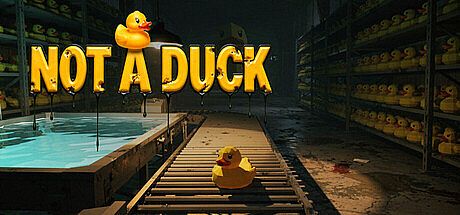


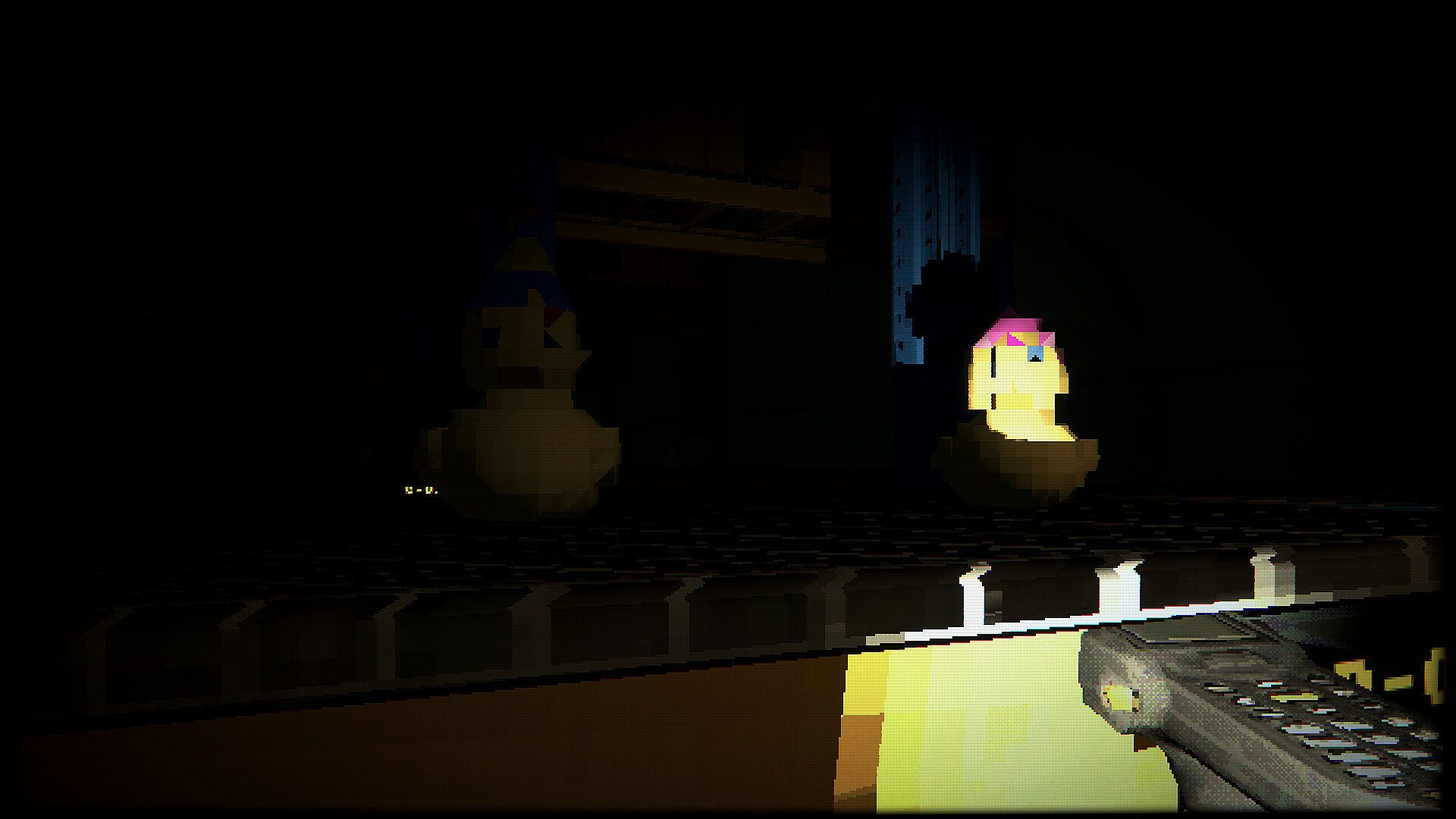
Not a Duck is an indie simulation adventure game set in a rubber duck factory during the late 1990s. Players take on the role of a night shift quality control inspector at Puddleworth Rubber Co., where the core task involves examining rubber ducks on a conveyor belt and deciding whether to ship or reject each one. The experience blends methodical inspection work with growing unease as anomalies appear and the environment shifts into something unsettling.
Gameplay
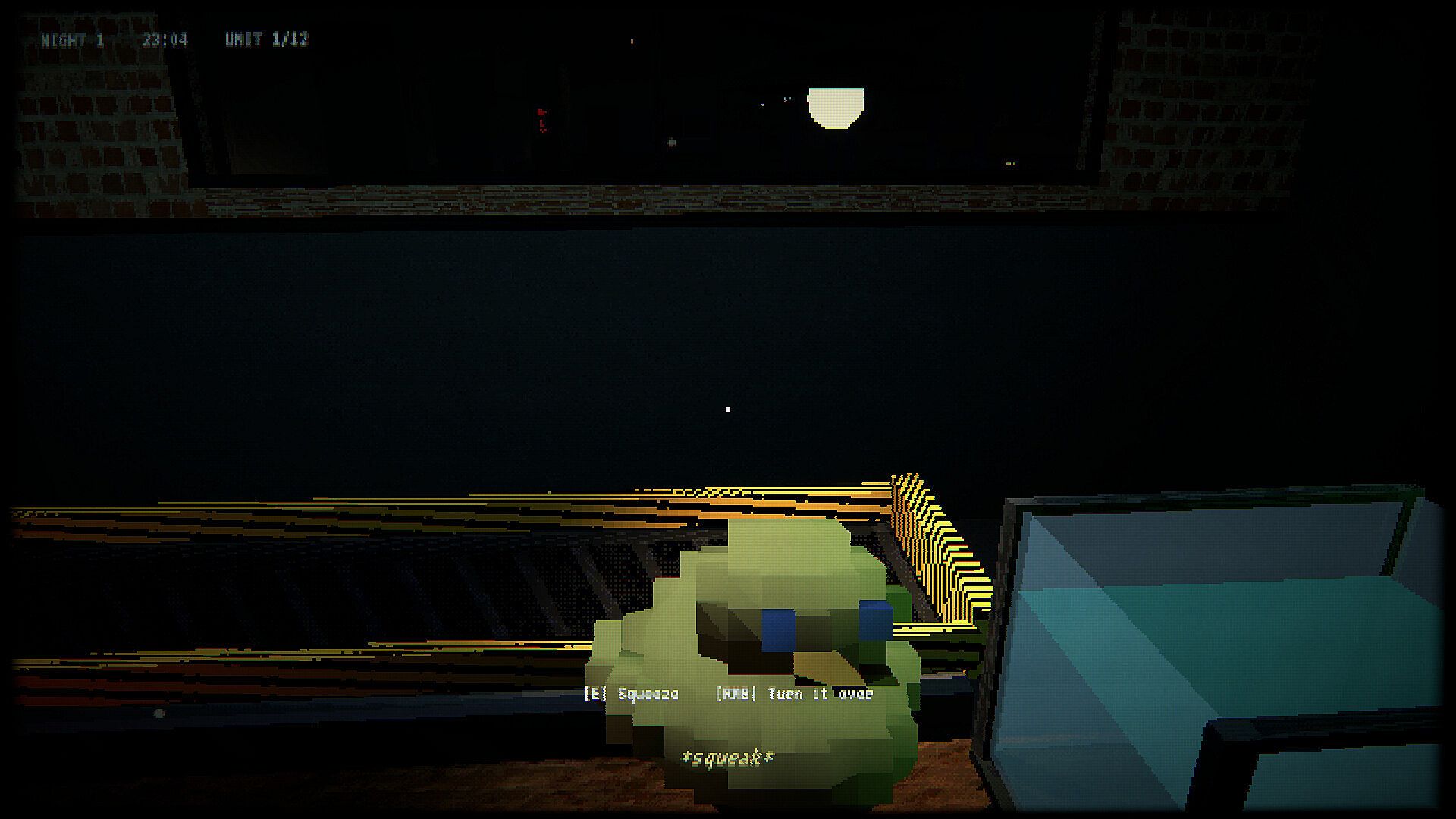
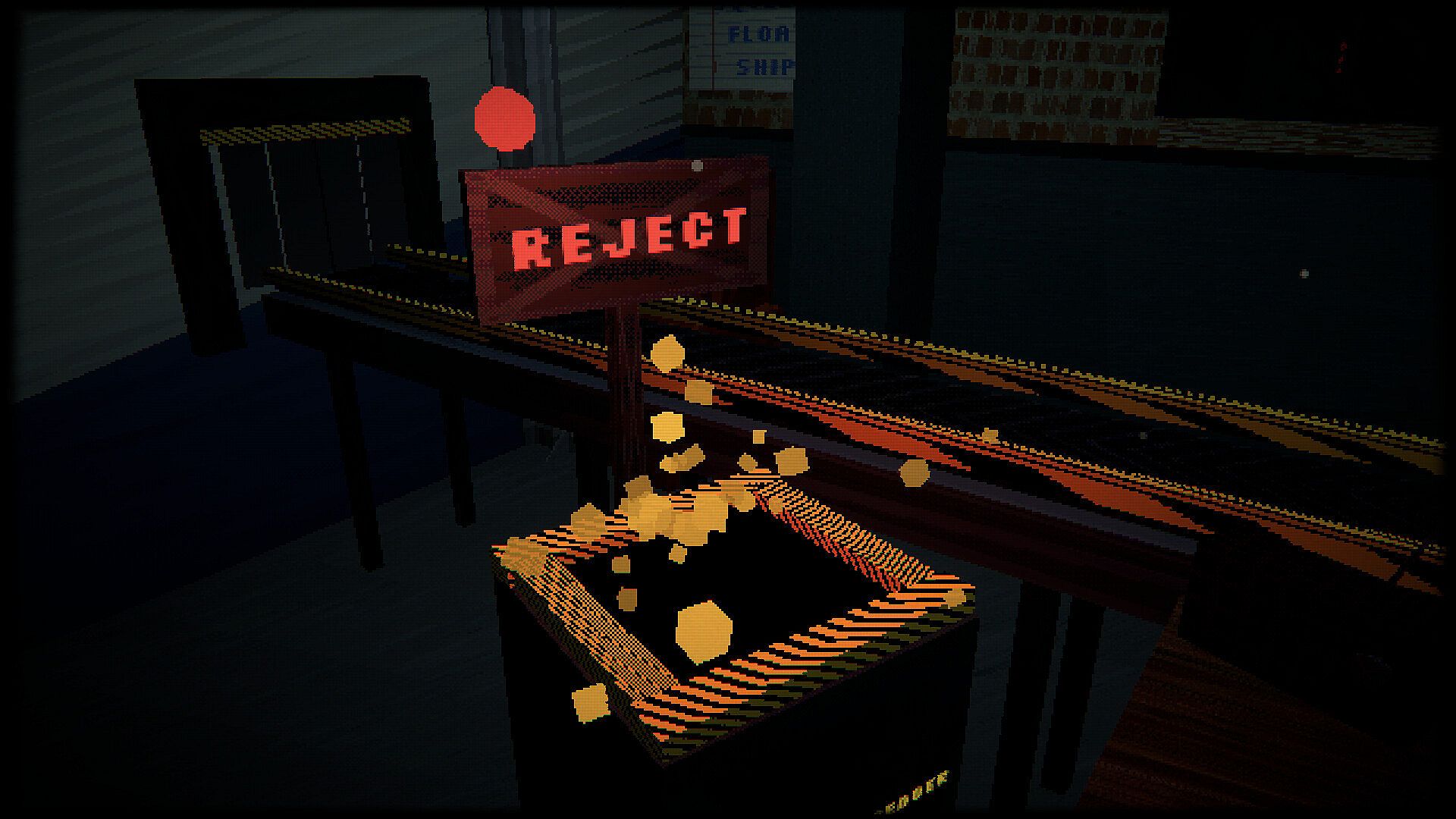
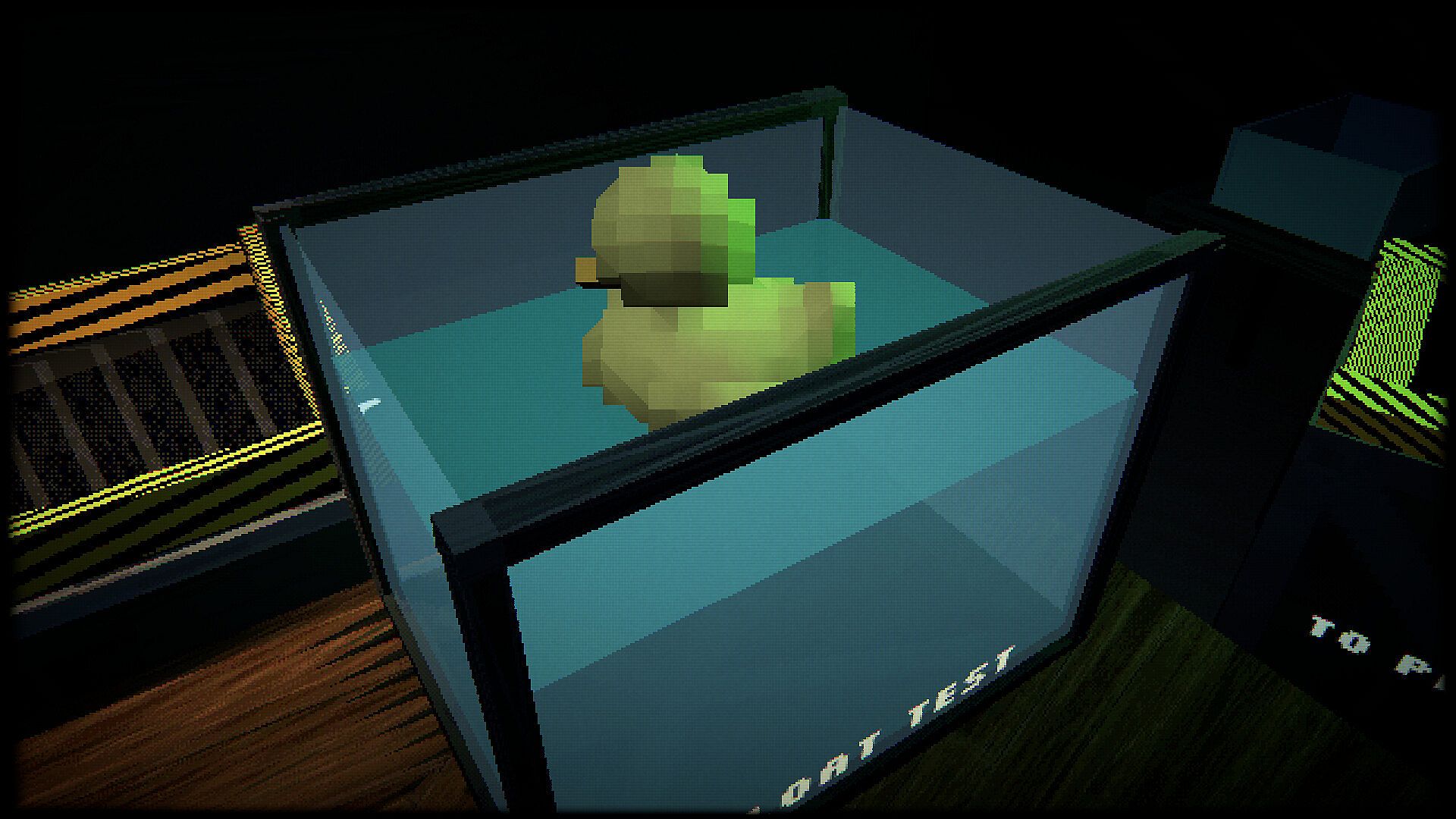
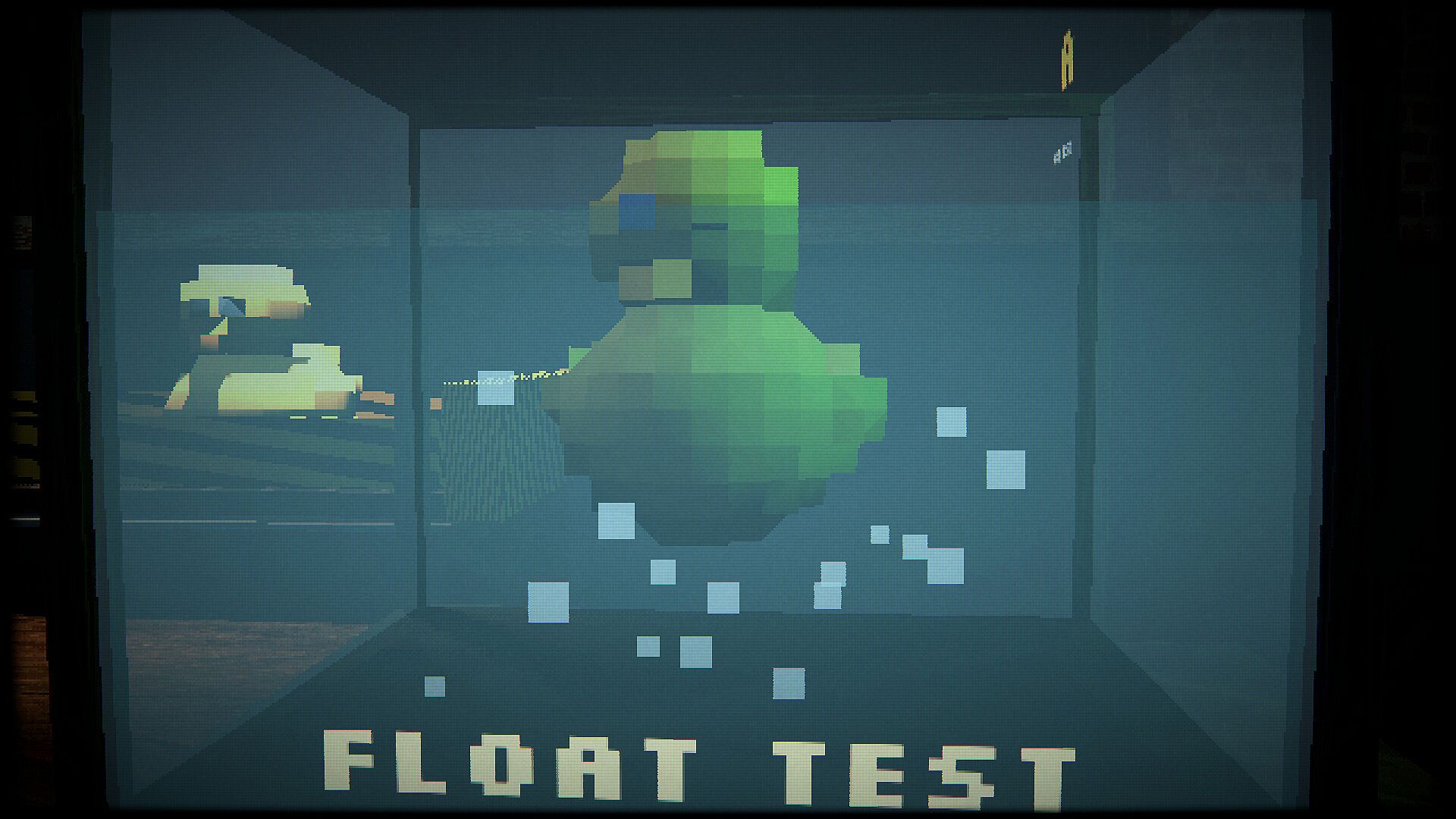
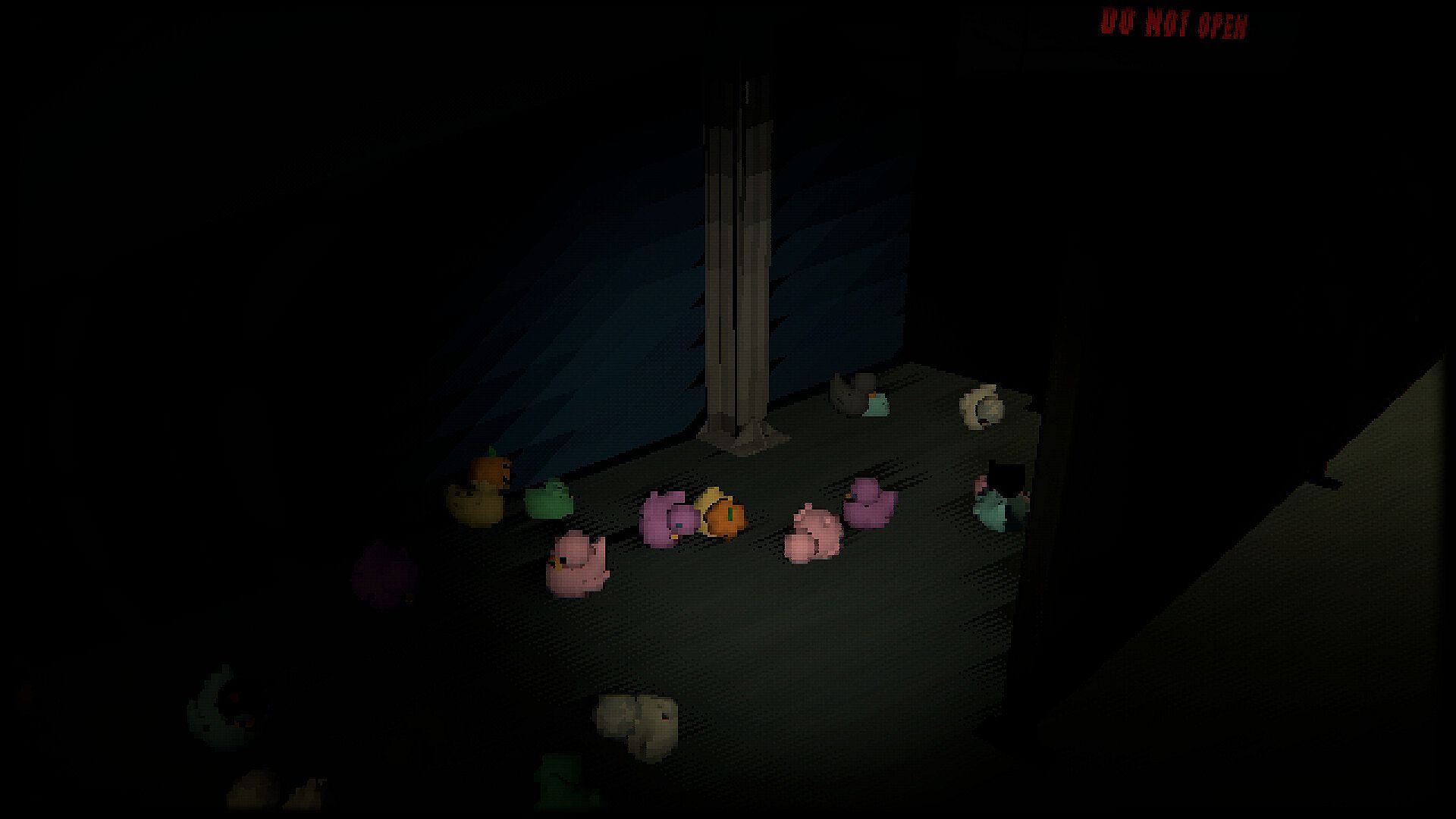
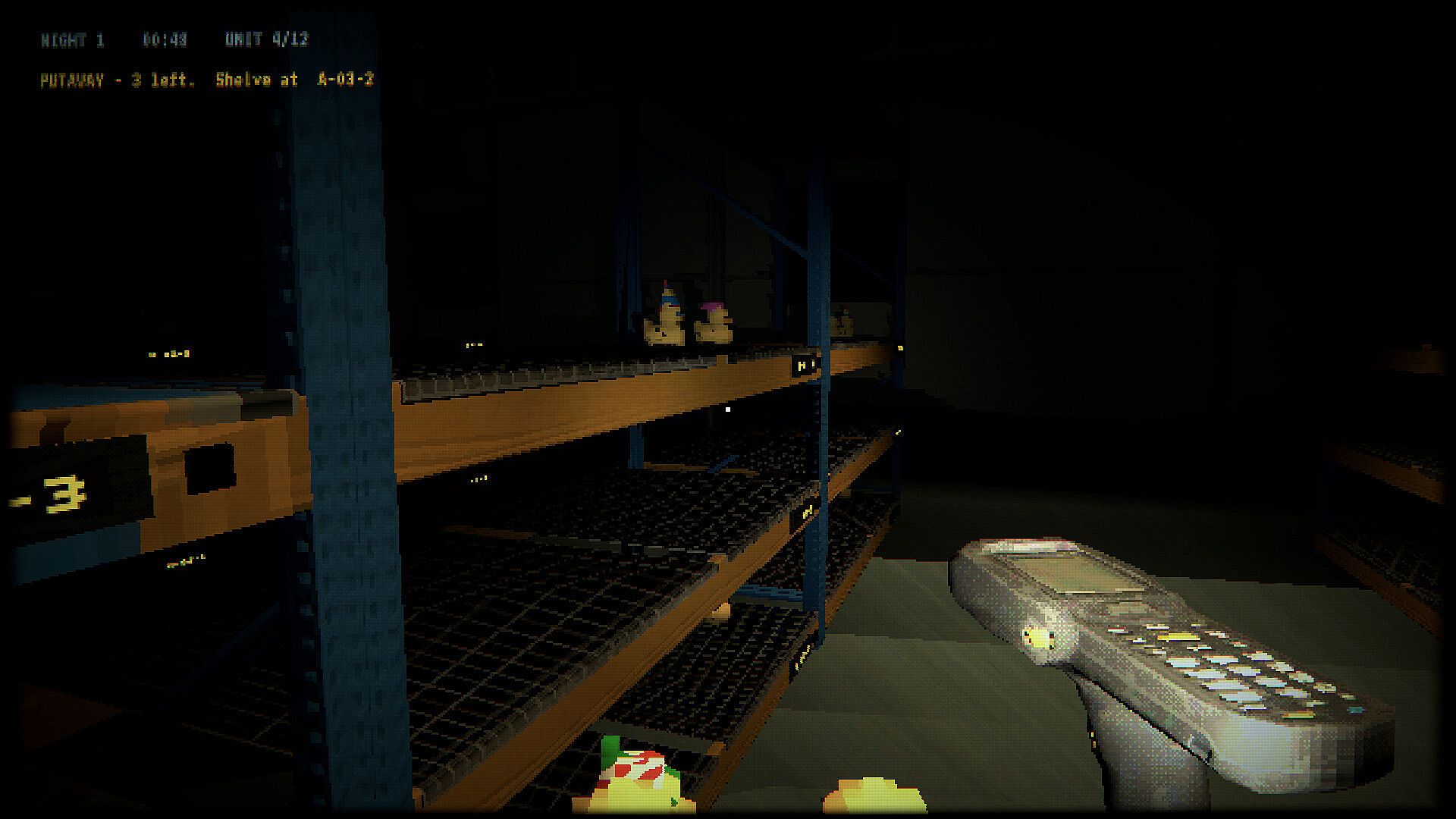
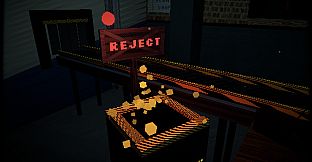
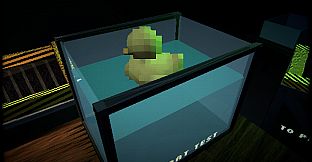
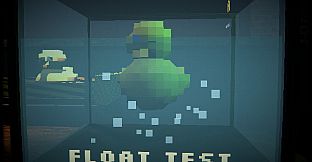
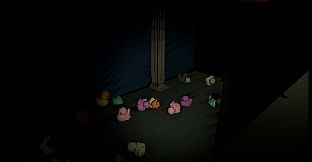
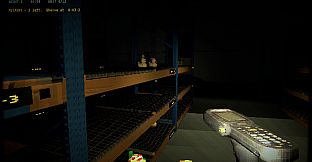
The central loop revolves around picking up units, turning them over for inspection, and applying a series of tests outlined in an expanding rulebook. Players squeeze ducks to check for the expected squeak, float test them in a tank to see if they stay upright, examine the factory stamp under UV light, weigh them on a bench scale, and follow increasingly strict criteria. Defects get shredded while acceptable units move forward. After processing, shipped ducks must be carried in totes to the warehouse, scanned, and placed in the correct aisle, bay, and level as motion sensor lights flicker on one section at a time.
Progression unfolds across multiple nights, with new rules introduced each shift that force players to adapt their inspection process. The lo fi PS1 style visuals feature vertex wobble, dithering, and CRT scanlines that reinforce the retro industrial setting. Sound design plays a key role, with captions describing important audio cues and a recommendation for headphones to catch subtle changes in the environment. Company perks allow wages to be spent on tools such as a UV lamp, bench scale, better scanner, or coffee to improve efficiency during longer shifts.
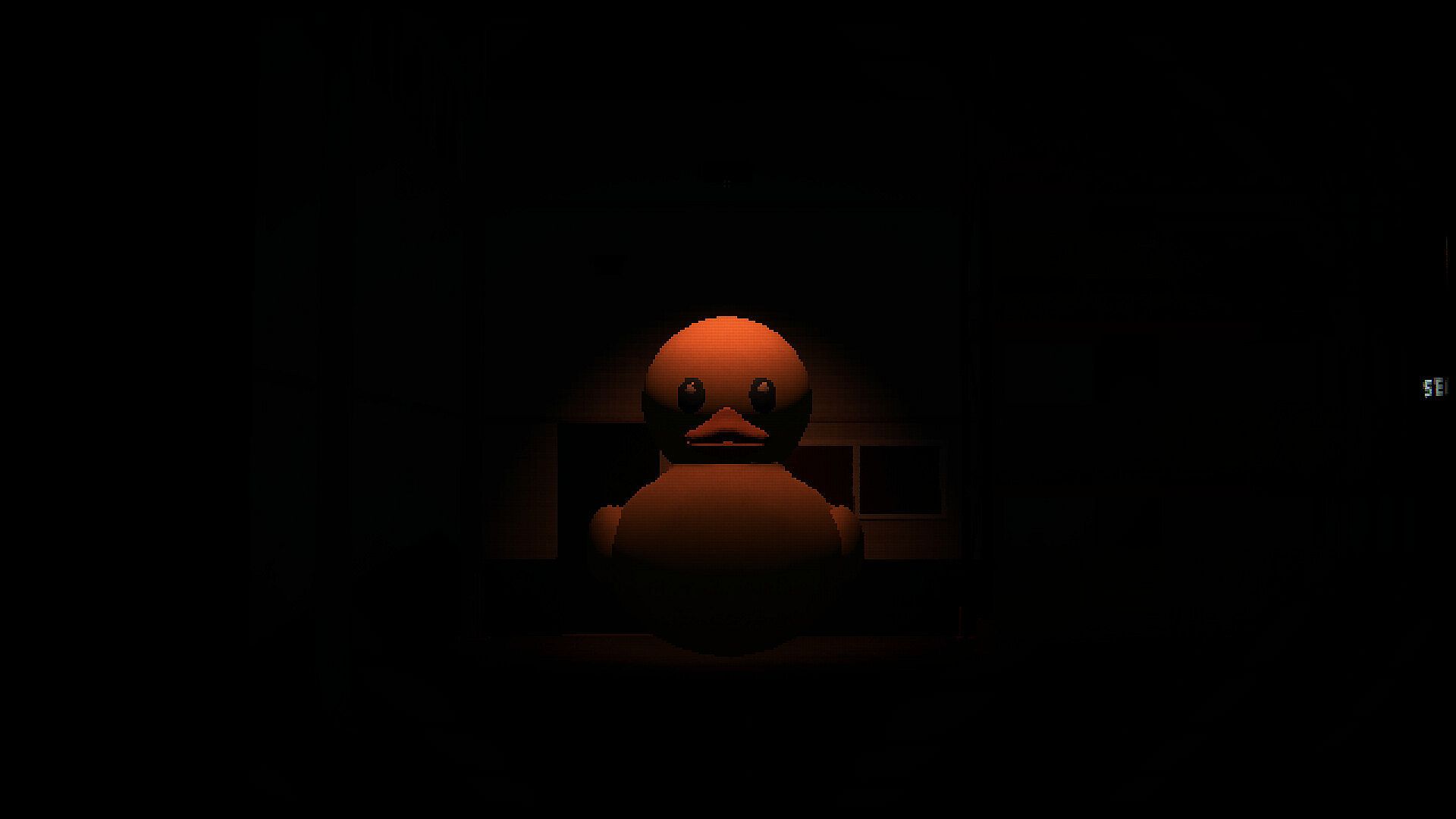
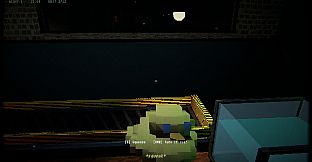
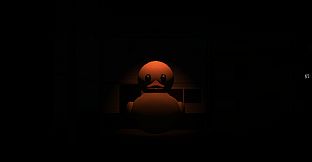
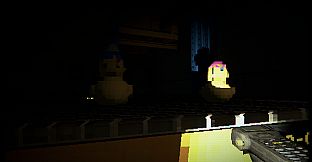
Anomalies begin to disrupt the routine. Some units breathe when squeezed, others sink and turn to face the player from the tank bottom, while certain ducks move when unobserved. Stock on the warehouse shelves starts behaving oddly, with knocking sounds at the exit door and indications of something far larger at the far end of the facility. These elements turn routine sorting into a tense first person horror experience without relying on traditional combat or chase sequences.
Game Modes
The game operates as a single player experience built around successive night shifts at the factory. Each night adds layers to the inspection and storage tasks, introducing fresh rules, anomalies, and environmental changes that alter how the warehouse functions. There are no separate multiplayer modes or competitive formats. Instead, the structure emphasizes a continuous campaign where players manage both the quality control line and the subsequent warehouse organization under increasing pressure from the strange occurrences around them.
Atmosphere and Progression
The setting stays grounded in the mundane details of factory work while the horror elements emerge gradually through the ducks themselves and the surrounding space. Blackouts, radio glitches, and sudden movements keep players alert during both the belt inspection and the tote carrying phases. The rulebook grows with each shift, requiring constant attention to new criteria that can turn previously acceptable units into defects. This steady escalation rewards careful observation and methodical habits rather than speed alone.
Exploration within the warehouse becomes part of the routine as players navigate aisles that activate one at a time. The limited visibility and reactive lighting add to the sense of isolation during late night hours. Upgrades purchased with earnings help streamline repetitive actions, allowing more focus on spotting irregularities that break the expected patterns of rubber duck behavior.
Is It Worth Playing?
Not a Duck appeals to players who enjoy deliberate simulation tasks combined with psychological horror. The gameplay centers on repetitive yet precise inspection and organization work that slowly incorporates unsettling twists, making it suitable for those who appreciate atmospheric tension over action or puzzle solving in the conventional sense. The PS1 inspired presentation and sound focused design create a distinct retro horror tone that stands out in the indie space.
Because the experience relies on building unease through routine activities rather than jump scares or combat, it suits solo sessions where attention to detail pays off. The absence of multiplayer or additional modes keeps the focus narrow on the night shift progression. For anyone drawn to horror games that emphasize observation and gradual revelation within a confined industrial setting, the title delivers a focused and original premise.












