






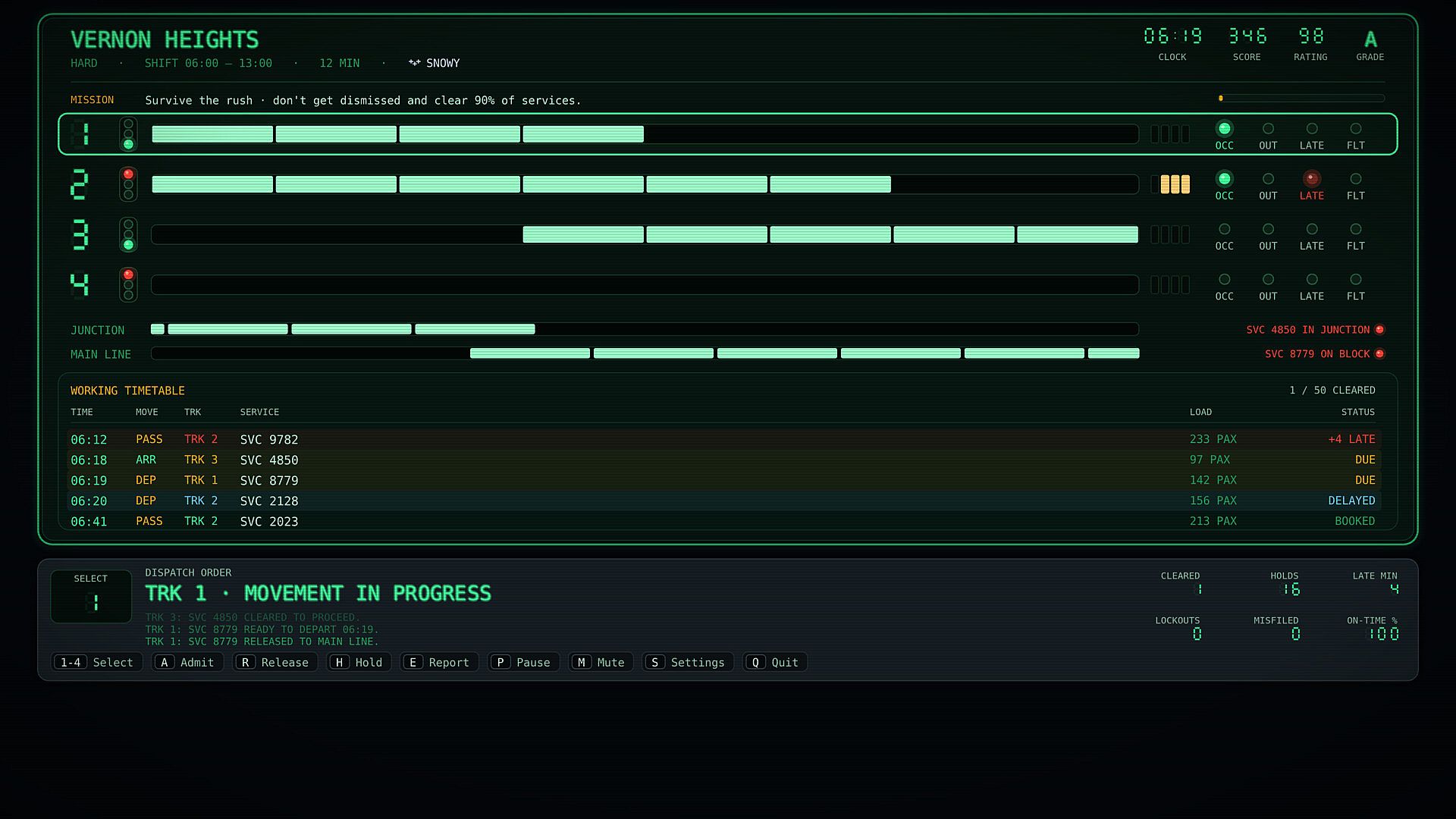
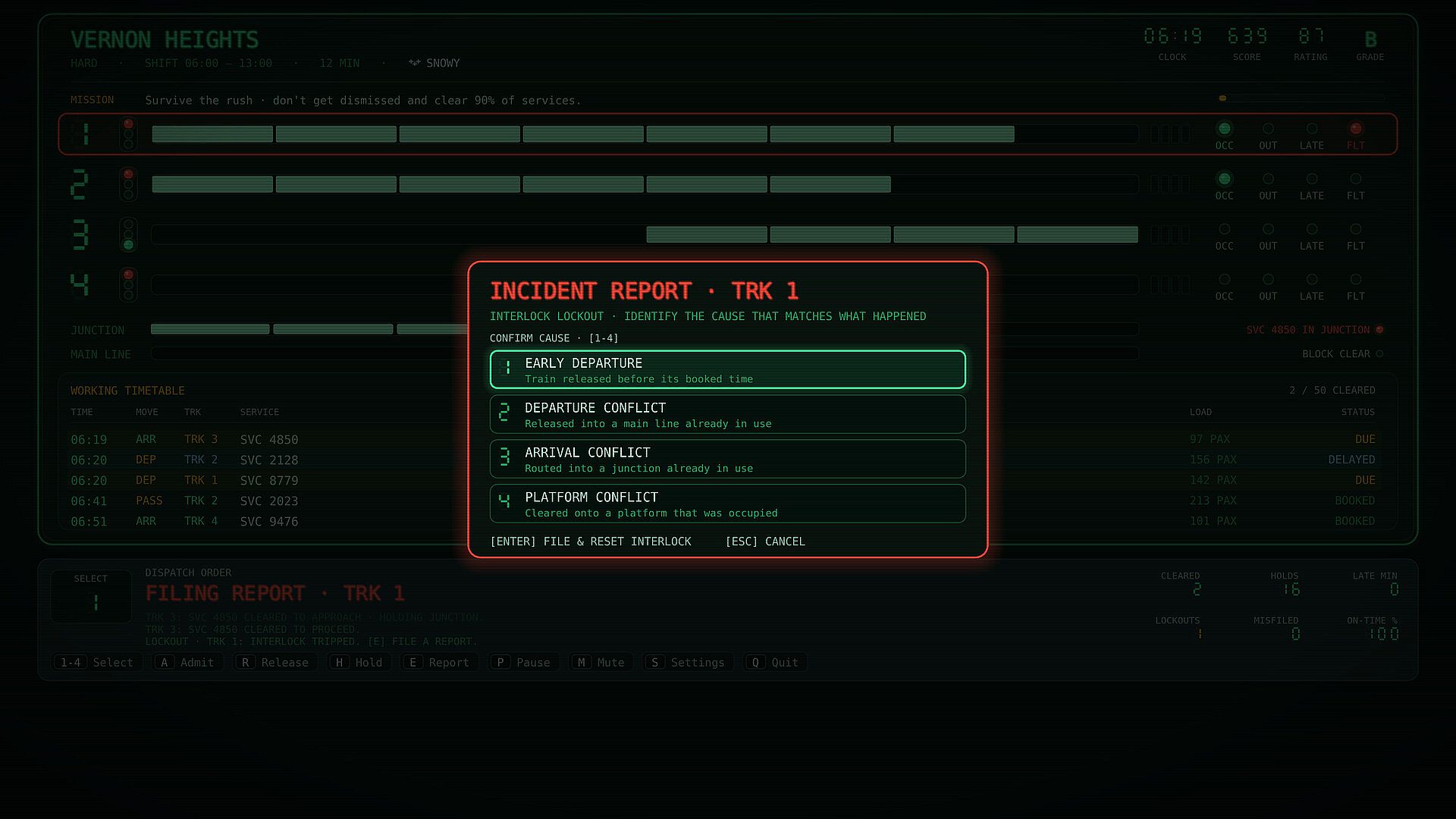
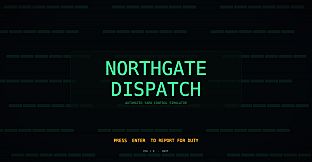
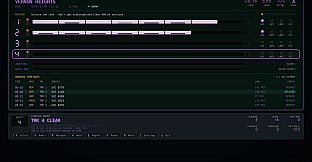
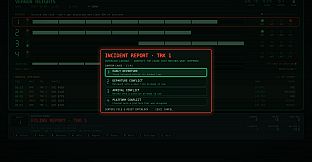
Northgate Dispatch is a strategy, indie, and simulation game for PC in which players take on the role of a signal operator managing train movements through a single control terminal during night shifts. The core experience centers on reading timetables, routing approaching trains into stations, holding delayed services, and releasing them onto the main line without causing conflicts at junctions or platforms. Mistakes lead to interlocking failures that require incident reports and block clearing while additional trains accumulate.
Gameplay
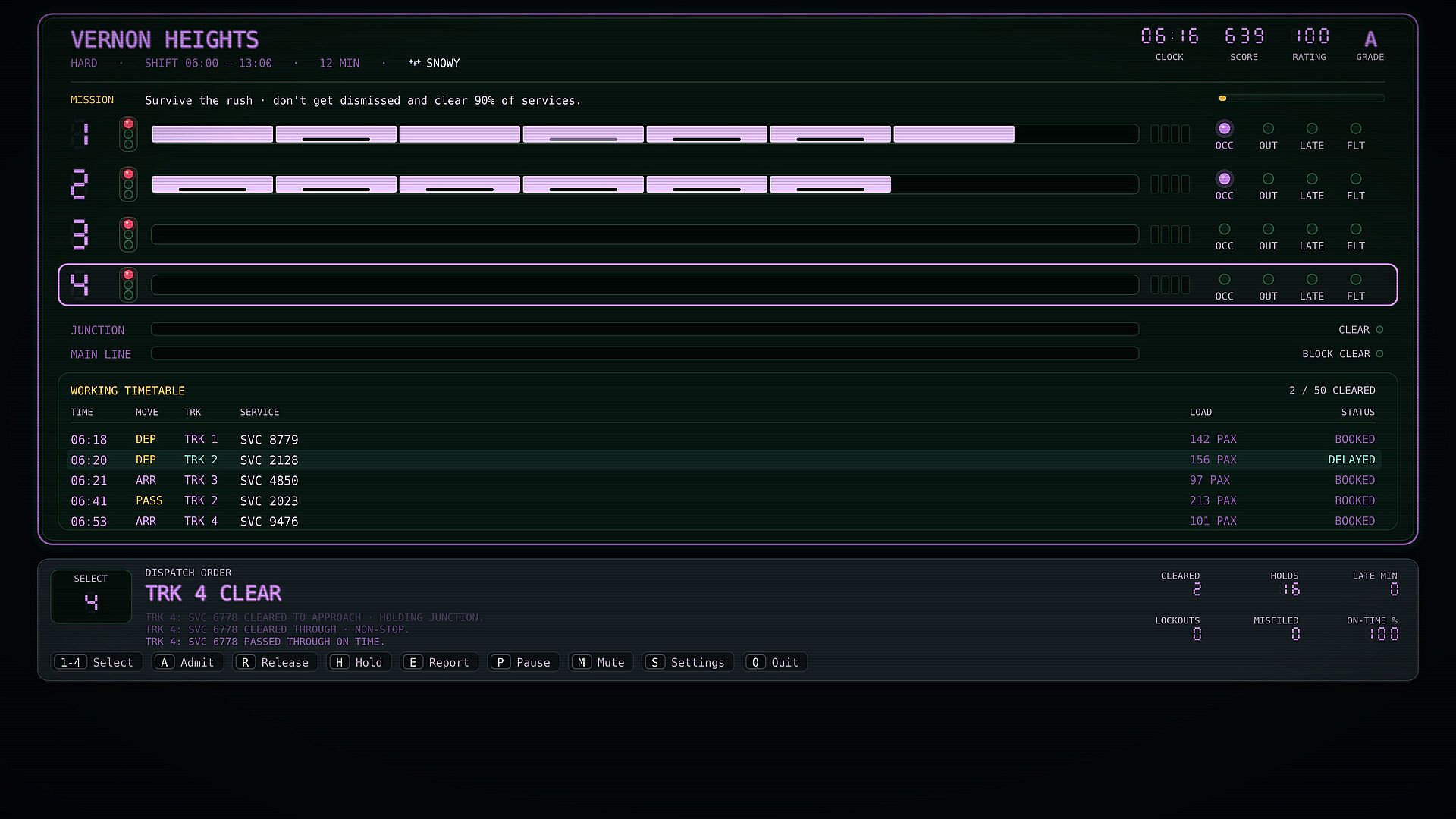
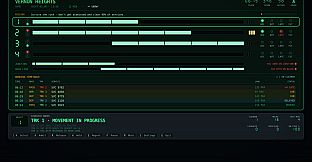
The entire job unfolds on one hand-built CRT-style board that displays every train, signal, and report without menus or layered interfaces. Players learn the layout quickly and then focus on precise timing and routing decisions as the clock advances. Each error, such as sending a train onto an occupied platform or releasing one too early, trips the system and forces a recovery process amid mounting pressure from queued services. The design emphasizes deterministic outcomes based on player choices rather than random elements, with seeded schedules ensuring that repeated attempts on the same yard test skill and pattern recognition.
Progression begins with a trainee role on a quiet branch line and advances through increasingly complex environments, including busy city terminals and tangled interchanges. Later shifts introduce the graveyard rush, where multiple issues arise simultaneously and demand rapid prioritization. Station ambience responds directly to board activity through crowd noise, rolling stock sounds, and platform announcements that reinforce the operational atmosphere without distracting from the terminal view. Controller support and a keyboard-first layout make the experience comfortable on devices like the Steam Deck, while three color variants for the terminal (emerald, amber, and lapis) allow minor visual customization.
Game Modes
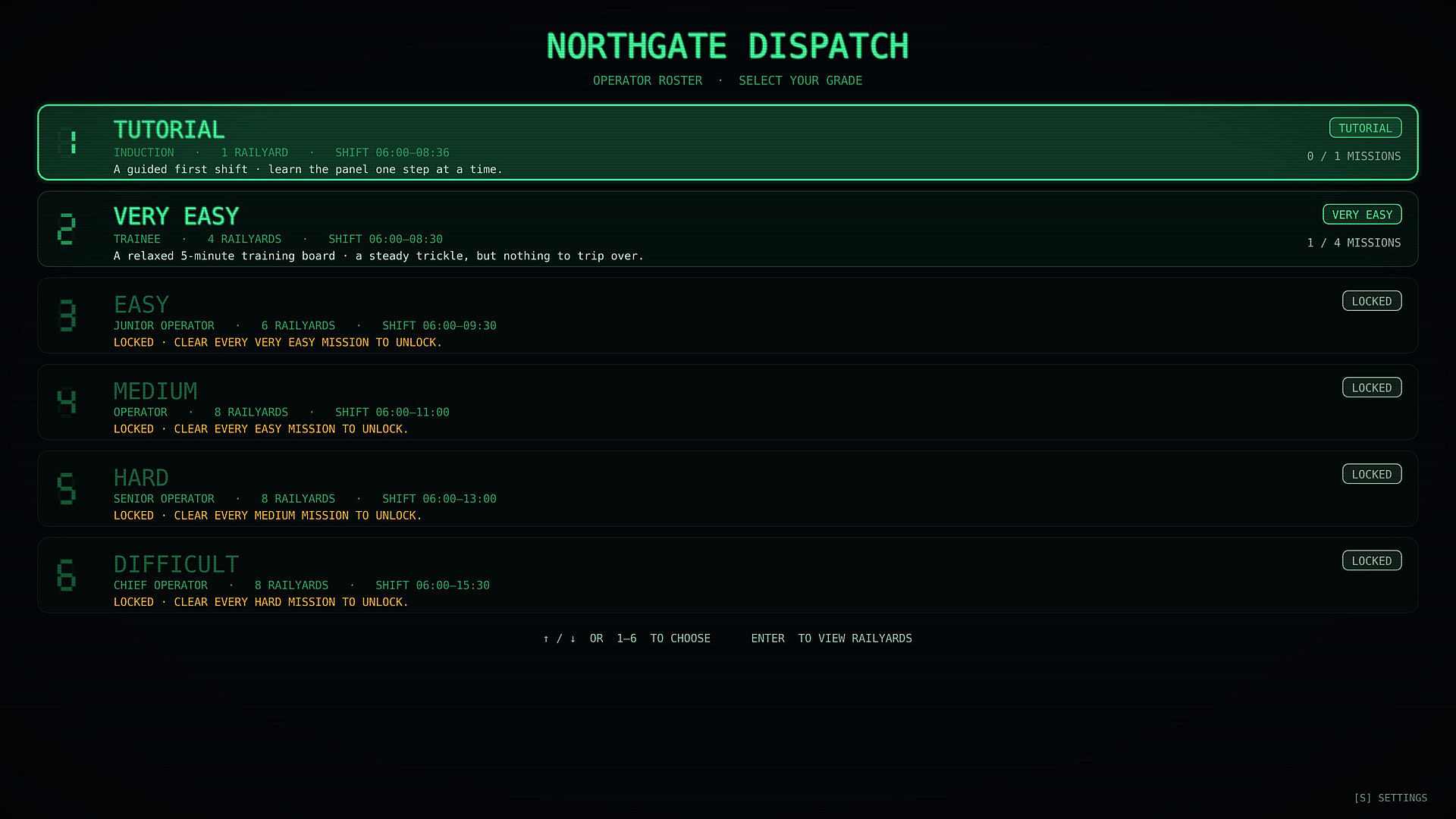
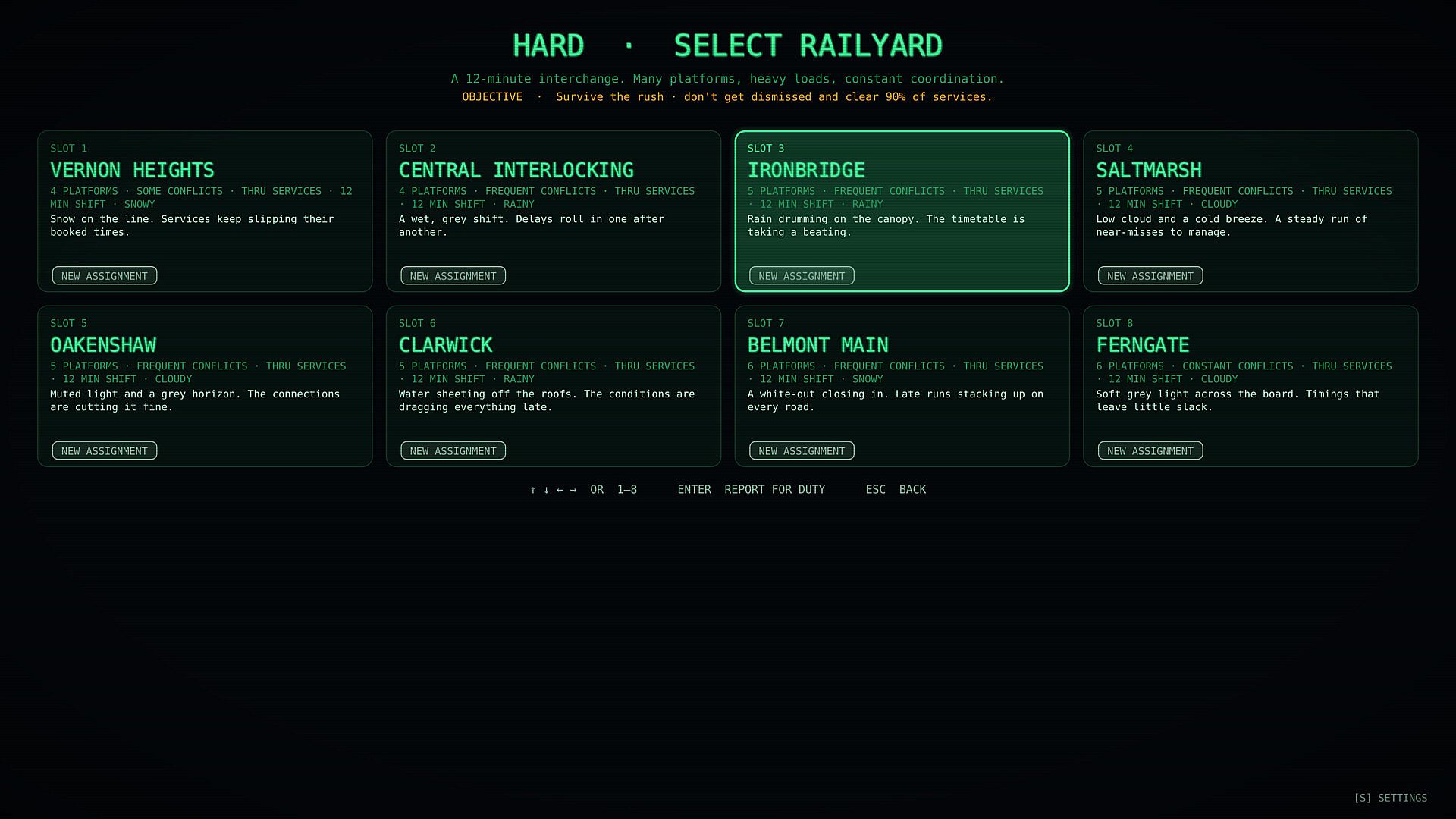
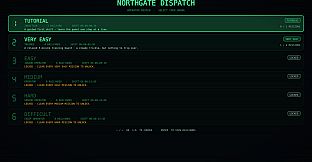
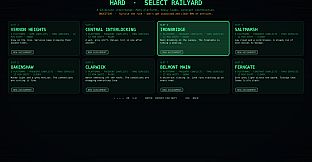
Northgate Dispatch structures its challenges around a series of shifts that increase in intensity across six difficulty tiers. The earliest tier serves as an induction run on simpler branch lines, introducing basic timetable reading and routing. Subsequent tiers move players into city terminals and interchanges where junction management and timing become critical. The highest tiers incorporate the hidden graveyard shift, featuring dense traffic and frequent disruptions that test recovery skills under sustained pressure.
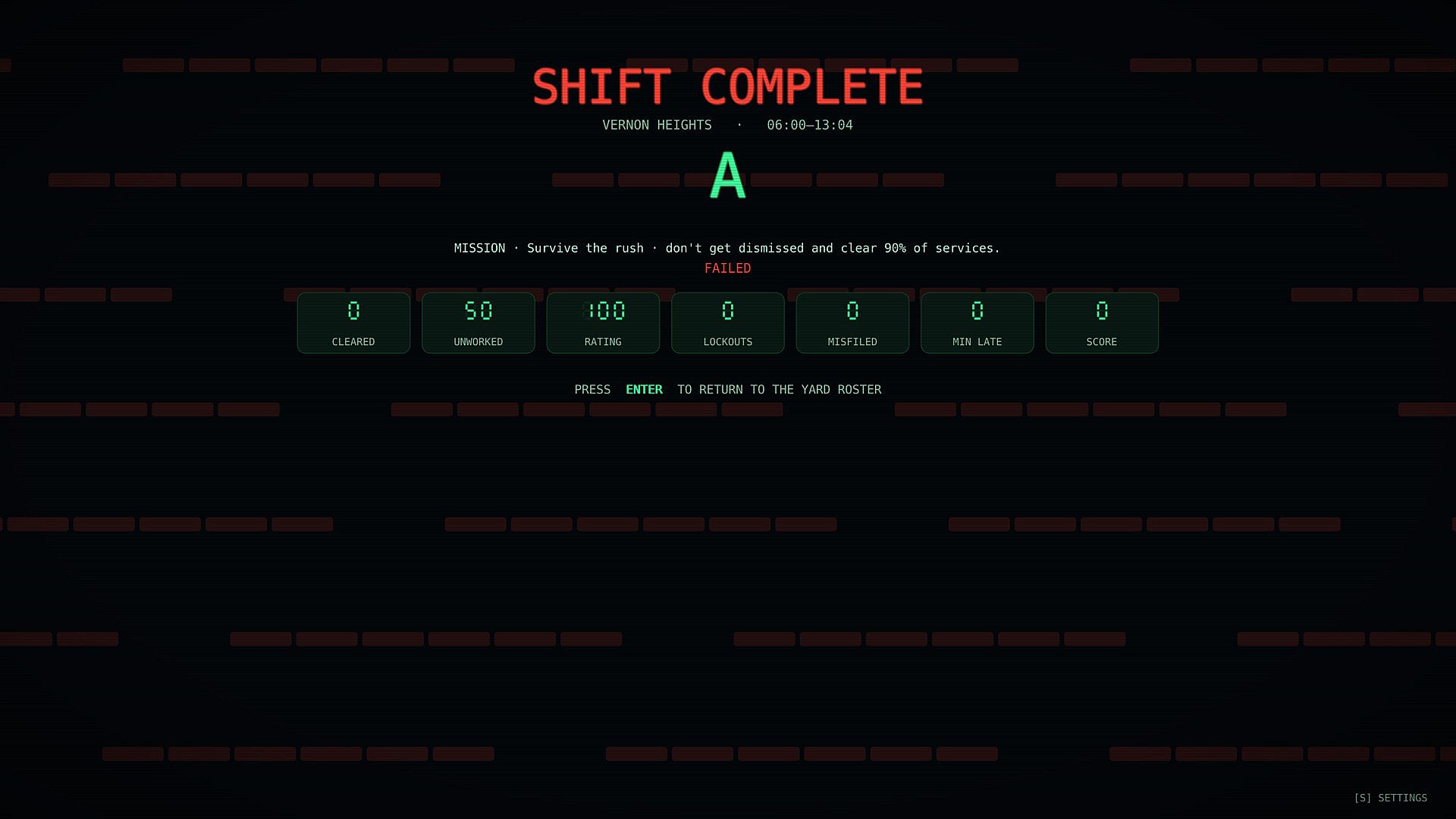
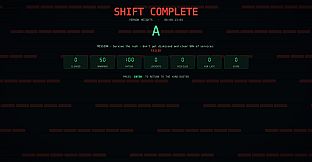
Every railyard follows the same underlying schedule on repeat plays, turning each attempt into a skill-based puzzle. Players refine their approach across multiple runs on identical layouts, aiming for cleaner clearances and fewer incidents. Lifetime stats track performance across shifts, and fifteen achievements recognize milestones such as completing tiers without errors or managing high-volume periods effectively.
Progression and Features
Advancement occurs shift by shift as operators gain experience and move to more demanding locations. The single-screen interface keeps all necessary information visible at once, supporting focused decision-making even as services stack up. Full language support covers interface elements and station announcements in English, German, French, Spanish, Russian, Simplified Chinese, and Japanese, with separate options for text and voice settings. These elements combine to create a self-contained operational loop that rewards consistent attention to timetable details and signal states.
Is It Worth Playing?
Northgate Dispatch suits players who enjoy methodical simulation and puzzle-solving within a focused operational framework. The deterministic nature of the schedules and the emphasis on learning specific yards make it rewarding for those who appreciate repeated practice and incremental improvement. The compact single-screen design and controller compatibility lower barriers for shorter sessions, while the tiered progression provides clear goals from introductory runs to the most demanding graveyard shifts. Those seeking a pure train management experience without extraneous systems will find the core loop consistent and self-contained, centered entirely on routing decisions and recovery from errors.













