




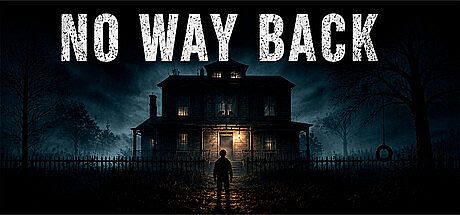


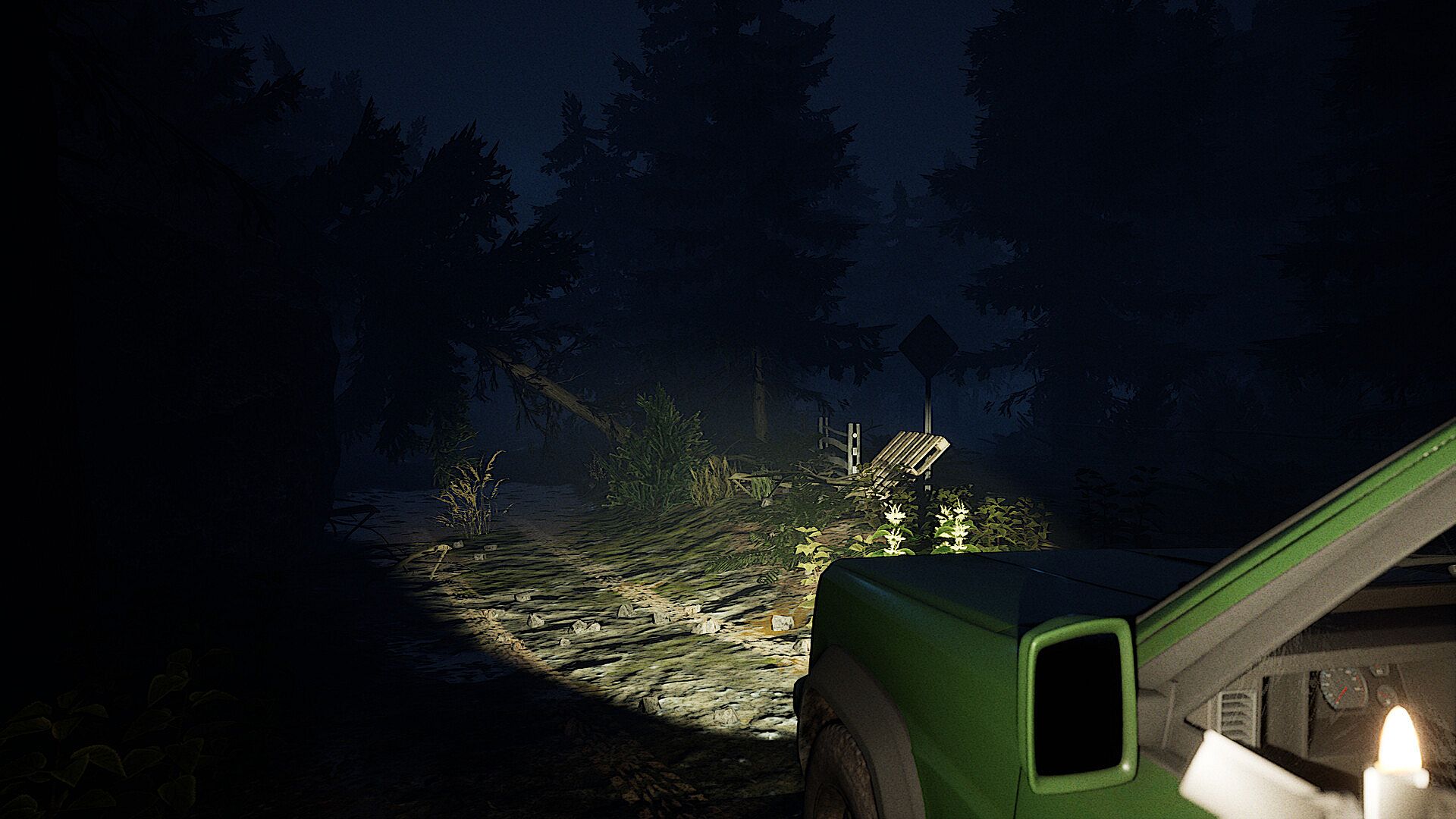
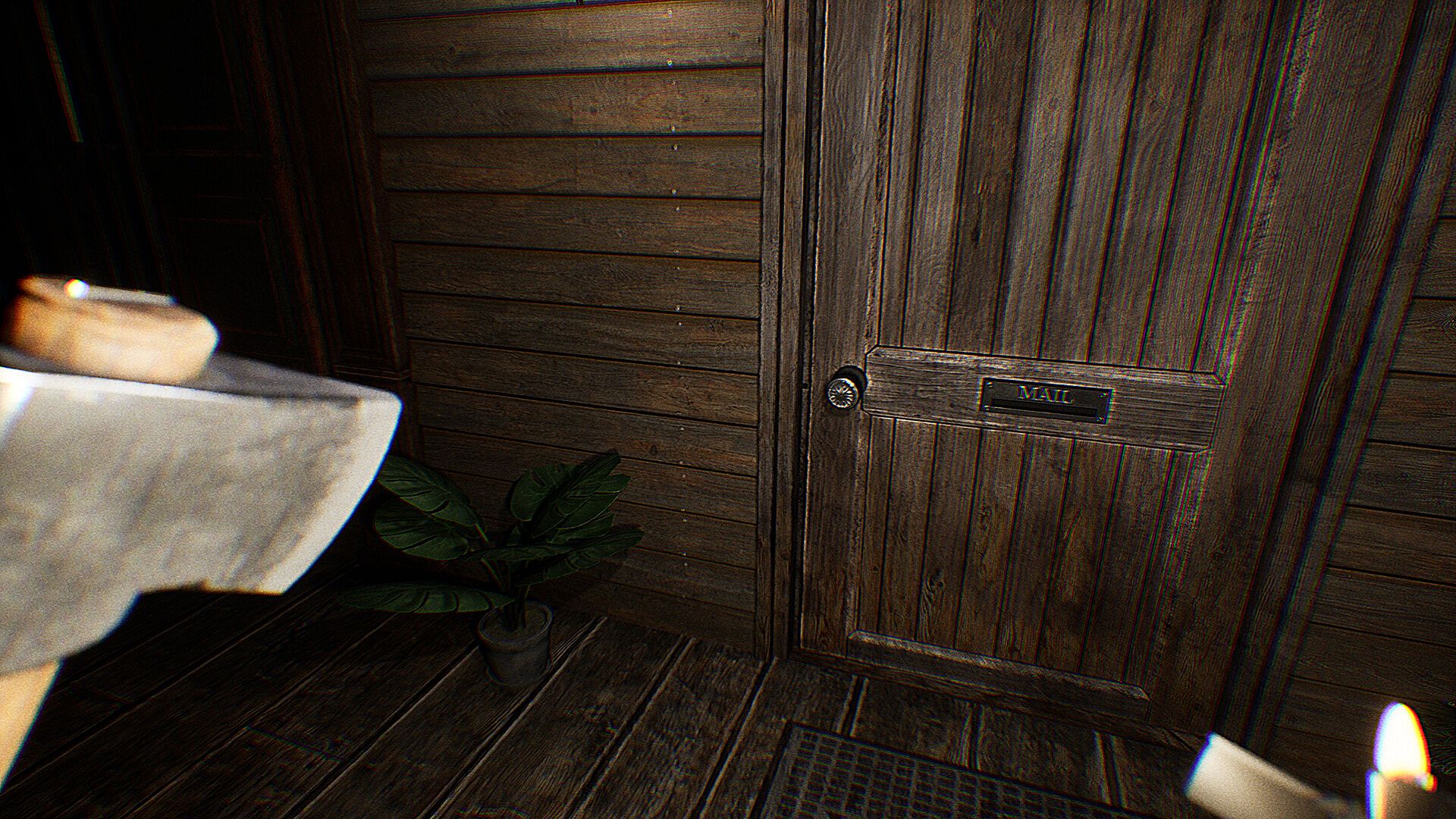
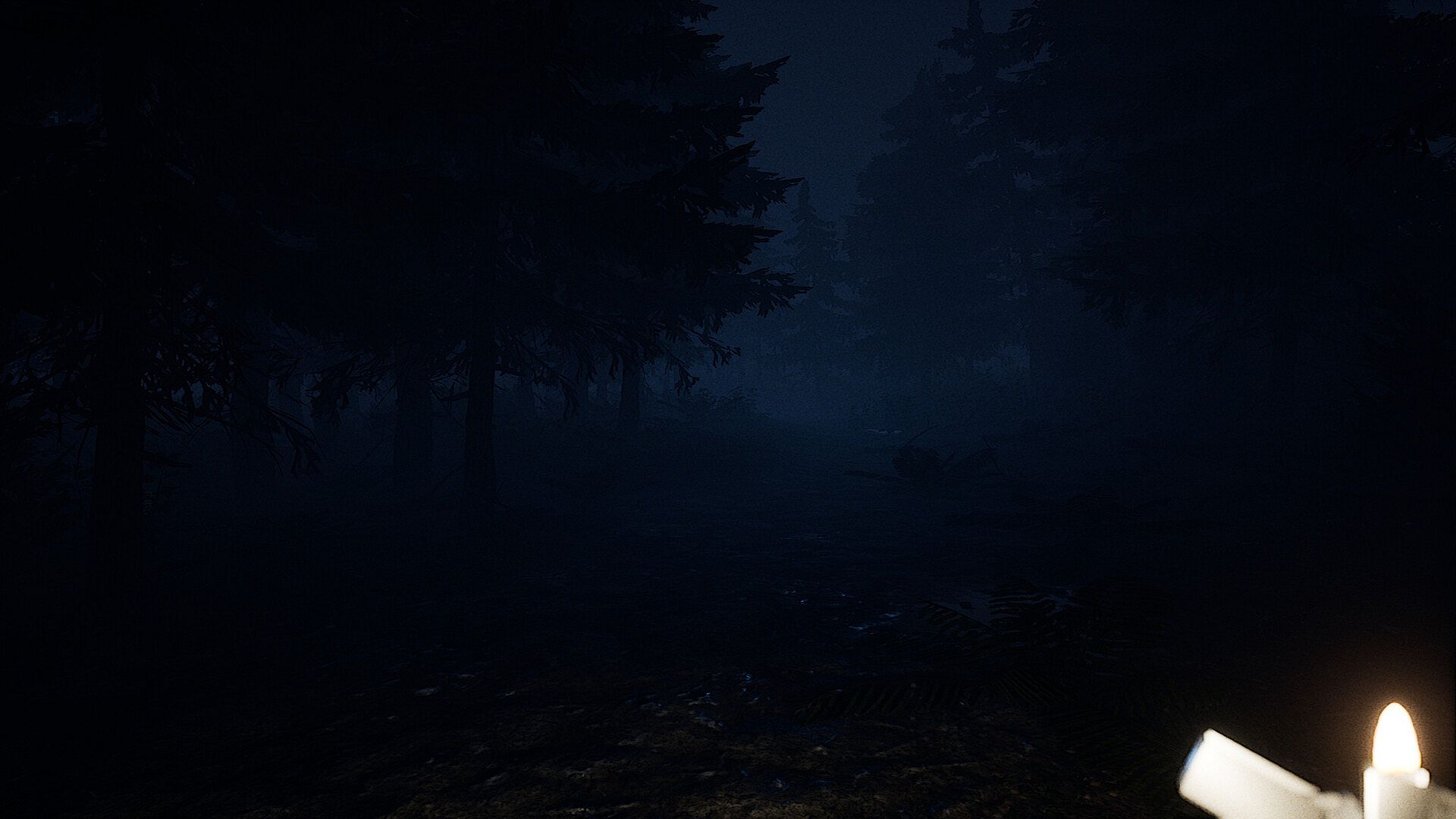
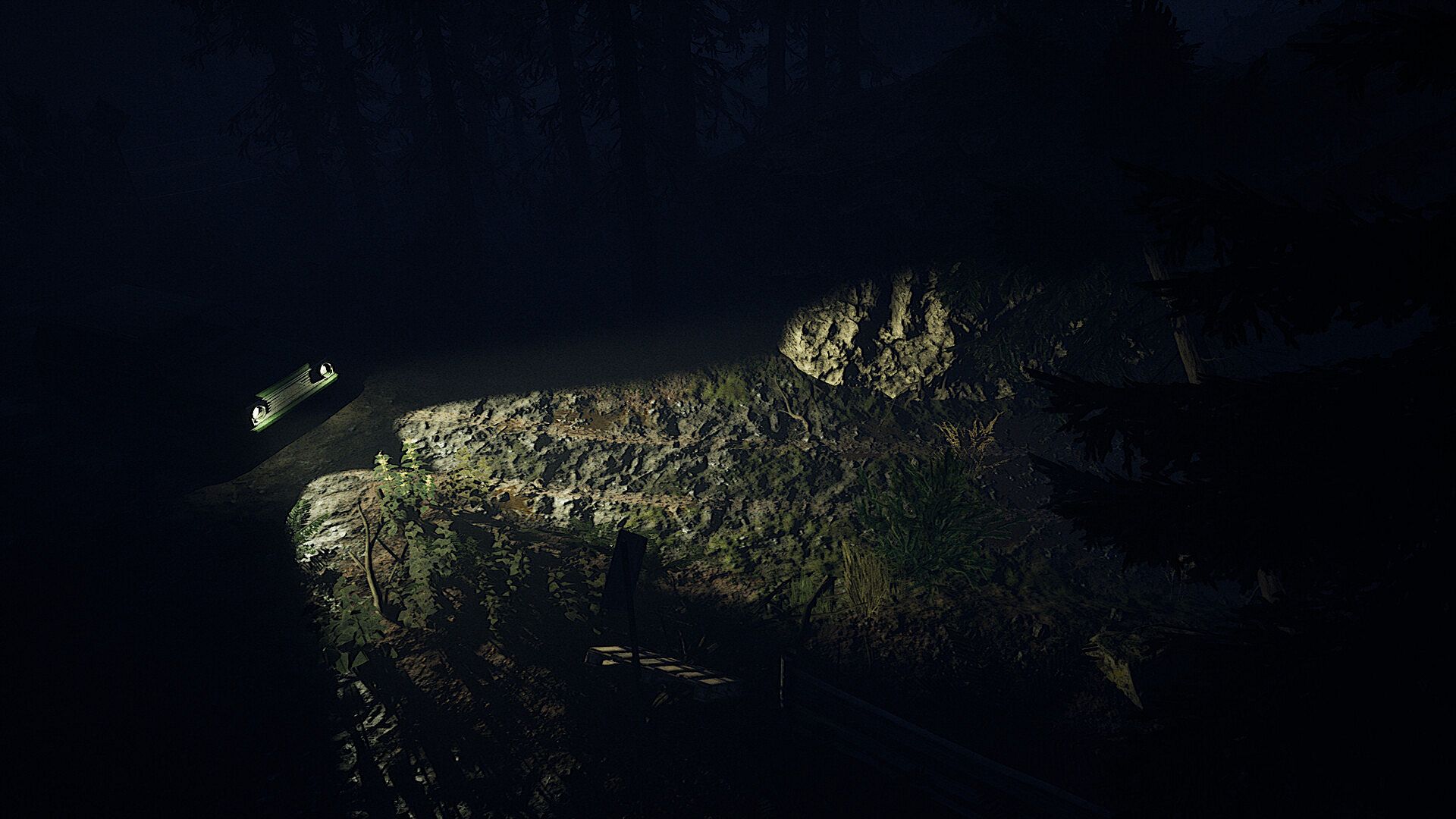
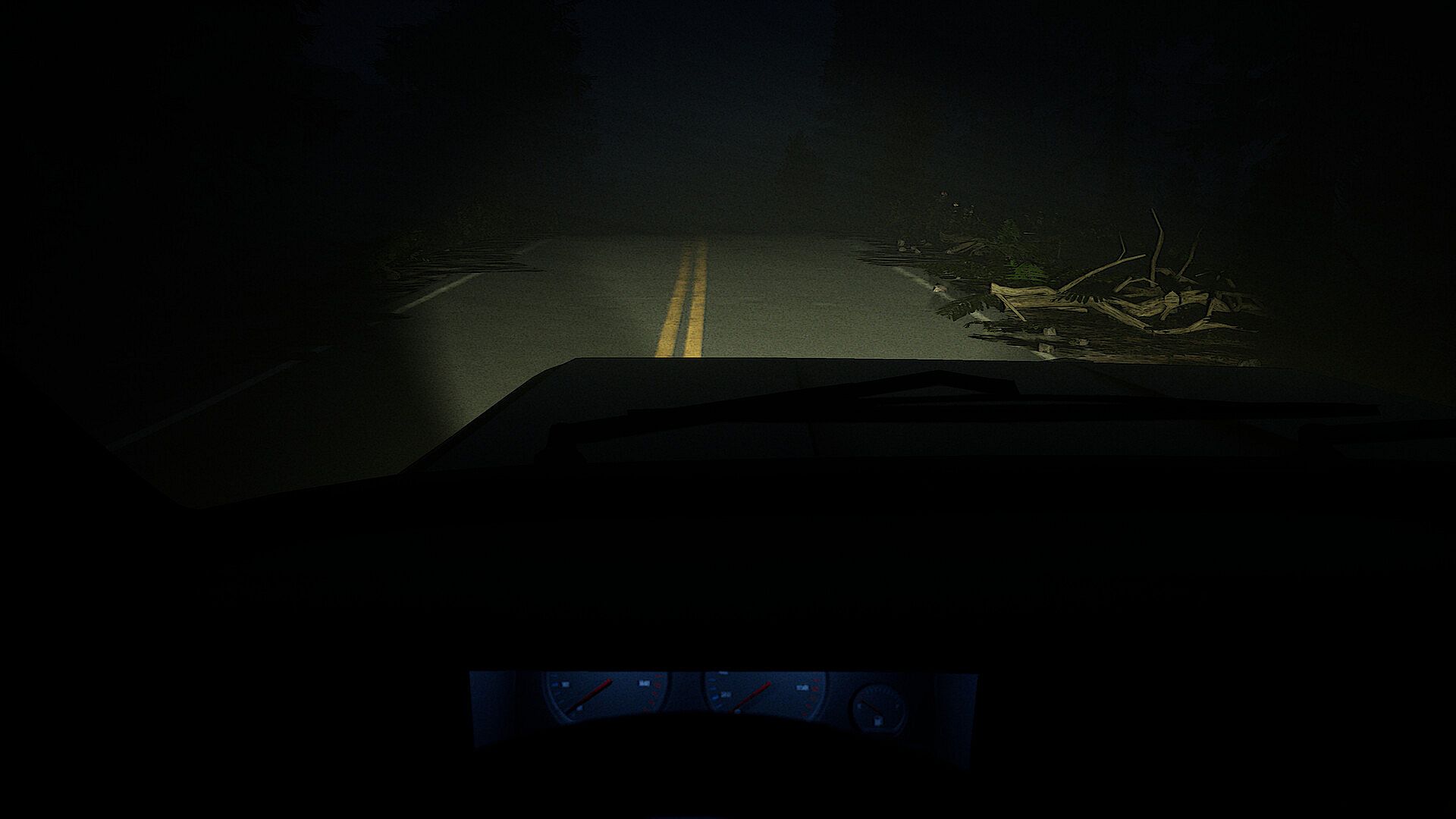

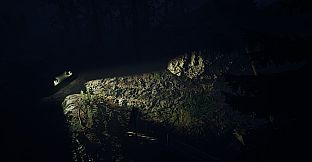

No Way Back is an indie simulation and adventure title developed for PC that delivers a focused first-person horror experience. Players take on the role of someone who arrives at an isolated lakeside house after a lengthy trek through the woods, only to discover signs that the location may not be as empty as it first appears. The game emphasizes careful exploration of the surrounding forest, multiple abandoned structures, and the main residence itself to uncover clues about past events.
Gameplay
The core loop centers on methodical investigation in a compact, self-contained environment. Players move through the forest and buildings in first person, examining objects, collecting items, and reading notes that gradually reveal background details. Progress involves locating keys or other means to access previously locked areas, which expands the playable space without introducing complex systems or combat. The design relies on environmental storytelling, where the placement of everyday objects and written fragments builds tension and context. Realistic visuals support the atmosphere, paired with an audio design that heightens unease through subtle, immersive sound cues. The entire session is designed to conclude in roughly thirty to sixty minutes, keeping the focus tight on discovery rather than extended repetition or open-ended tasks.
Game Modes
No Way Back is structured exclusively as a single-player experience with no additional modes or variations. There are no multiplayer options, competitive elements, or alternate play styles such as survival challenges or time trials. The game presents one linear narrative path that unfolds through exploration, allowing players to approach the investigation at their own pace within the fixed setting. This single-player format aligns with the title's emphasis on personal discovery and atmospheric tension rather than social or replay-driven mechanics.
Story and Setting
The narrative unfolds entirely through indirect means, without voiced dialogue or cutscenes. Scattered documents and physical traces in the forest, outbuildings, and lakeside house piece together events that led to the current state of abandonment. The remote wilderness location serves as more than a backdrop; it reinforces the sense of isolation and prompts questions about who or what might still be present. Details emerge gradually as new rooms and outdoor areas become accessible, encouraging players to connect observations across multiple locations rather than following explicit objectives.
Is It Worth Playing?
No Way Back suits players who prefer short, self-contained horror titles built around exploration and subtle storytelling. Its length makes it accessible for a single sitting, and the absence of combat or resource management keeps attention on observation and atmosphere. Because the game remains in development with a coming-soon status and no user reviews available yet, prospective players should monitor official updates for the final release. Those drawn to indie adventures that prioritize environmental details and a contained mystery will find the verified features align closely with that interest, while anyone seeking longer campaigns or multiplayer components should look elsewhere.











